Welcome to Umeda, the glittering, ever-beating heart of northern Osaka. If Namba and the south represent the city’s loud, flamboyant soul, then Umeda is its sleek, sophisticated, and incredibly powerful brain. It’s a dazzling urban canyon carved from glass, steel, and commerce, a place where millions of lives intersect daily in a symphony of hurried footsteps, train announcements, and the quiet rustle of shopping bags. For anyone living in or visiting Osaka, understanding Umeda isn’t just recommended; it’s essential. This is the city’s primary transportation nexus, a colossal labyrinth where multiple train and subway lines converge beneath a constellation of towering department stores, futuristic shopping malls, and endless culinary temptations. It can feel overwhelming at first, a concrete jungle that threatens to swallow you whole. But fear not. With a little guidance and a spirit of adventure, you’ll soon learn to navigate its currents and discover the incredible energy that makes Umeda an unforgettable urban experience. It’s a place to shop until you drop, dine on everything from street food to haute cuisine, and witness the mesmerizing pulse of modern Japan. This is your guide to conquering the wonderful, wild world of Osaka Umeda.
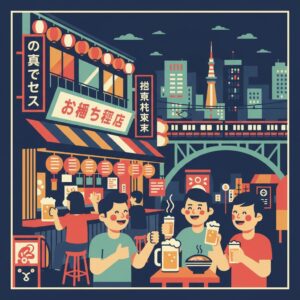
After exploring Umeda’s modern wonders, you can experience a different side of Osaka’s nightlife by venturing into the lively izakaya scene of the nearby Tenma district.
The Grand Central Labyrinth: Understanding the Umeda Station Complex
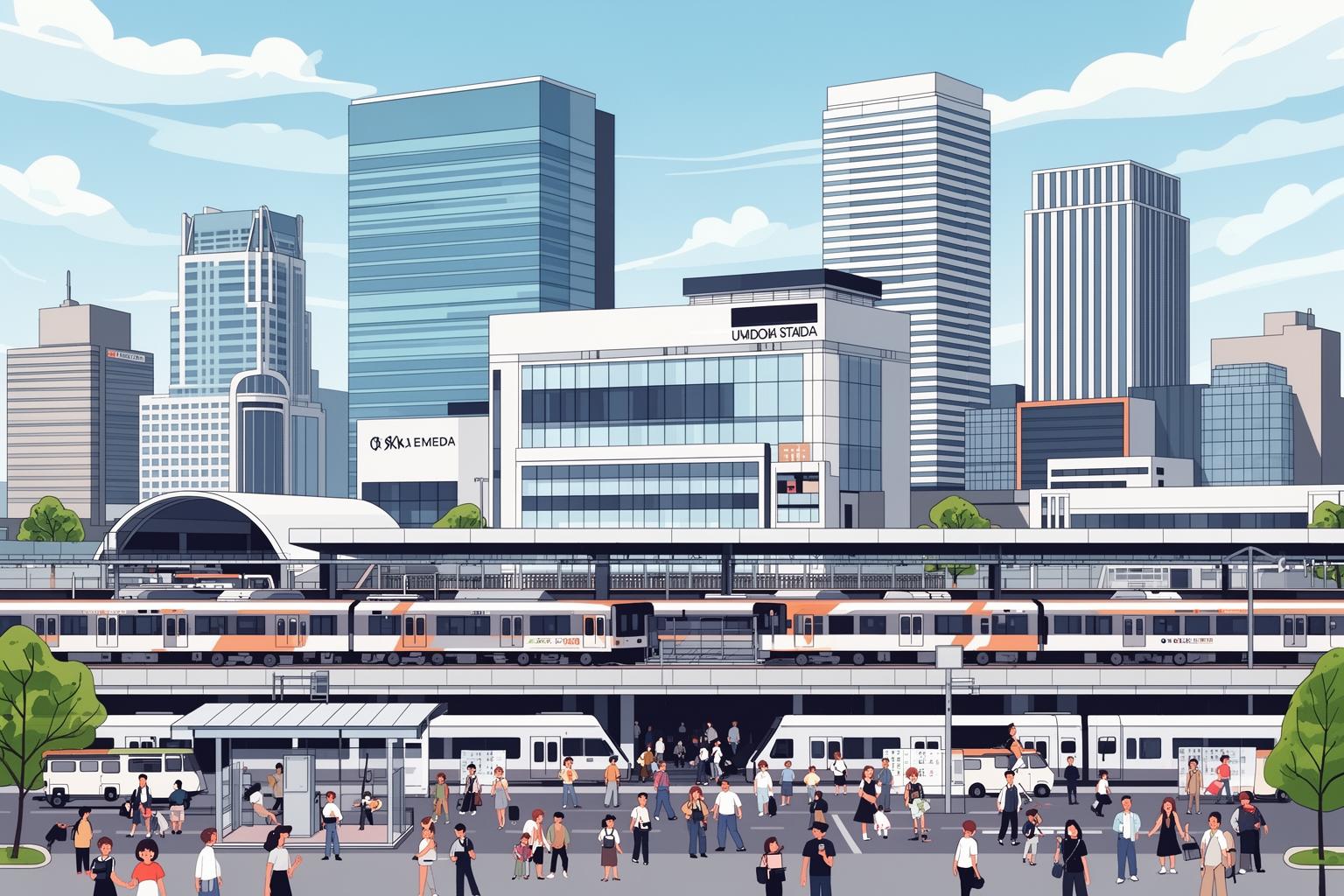
Before you can shop or dine, you first need to understand the beast. The term “Umeda Station” is somewhat misleading; it’s not a single station but rather a vast network of interconnected major terminals, both underground and above ground. The centerpiece is JR Osaka Station, an impressive architectural marvel featuring a massive arched glass roof that allows you to see the sky from the platforms. This station serves as your hub for Japan Railways lines, connecting you to Kyoto, Kobe, and beyond. Interwoven within this complex are Hankyu Umeda Station, Hanshin Umeda Station, and three subway stations on the Midosuji, Tanimachi, and Yotsubashi lines. Each carries the name “Umeda” in some form (Umeda, Nishi-Umeda, Higashi-Umeda), all linked by a labyrinth of underground passages, department store basements, and pedestrian walkways.
Your first arrival can be overwhelming. The sheer number of people feels like a river of humanity flowing purposefully in every direction. The key to navigating this is to slow down and look up. The signage is excellent, though dense; watch for the distinctive colors of subway lines or the logos of the major railway companies—JR, Hankyu, or Hanshin. Don’t hesitate to step aside, breathe, and get your bearings. A golden rule for newcomers is to choose a major landmark as an anchor. Iconic points of reference include the bright red HEP FIVE Ferris wheel to the east, the towering twin spires of the Umeda Sky Building to the northwest, or the grand facade of the Hankyu Department Store. When unsure, head for the surface. The underground can be disorienting, and seeing the open sky helps reset your internal compass. Still, the underground network is invaluable during scorching summer days or sudden rain. Whity Umeda and Diamor Osaka are two of the largest underground shopping arcades, filled with shops and restaurants, offering a climate-controlled city beneath the city.
JR Osaka Station City
The heart of the Umeda experience is JR Osaka Station City. This is more than just a train station; it’s a destination. The station is nestled between two massive buildings: the North Gate Building and the South Gate Building. The North Gate Building houses the LUCUA and LUCUA 1100 shopping malls, along with a cinema complex. The South Gate Building contains the Daimaru Department Store and the Hotel Granvia Osaka. Connecting these buildings above the tracks is a large atrium called Toki no Hiroba Plaza, providing an excellent platform for watching trains come and go. It’s a popular meeting place, sprinkled with cafes and seating areas, and often decorated for seasonal events. Above, on the rooftops of the North Gate Building, are Kaze no Hiroba (Wind Plaza) and Tenku no Noen (Sky Farm), green spaces offering unexpected tranquility amid the urban hustle. Exploring these upper areas is a great tip for families needing a break or anyone wanting a fresh perspective on the station’s architecture.
The Hankyu & Hanshin Terminals
To the east of JR Osaka Station is Hankyu Umeda Station, the terminus for the Hankyu Railway lines promoting access to charming destinations like Kobe, Takarazuka, and Arashiyama in Kyoto. The station feels grand and somewhat old-world, with sweeping platforms. Directly connected to it is the Hankyu Umeda Main Store, a giant in Japanese retail. South of JR lies Hanshin Umeda Station, the starting point of the Hanshin Main Line, also bound for Kobe. This station sits beneath the Hanshin Department Store, another Osaka landmark. Knowing which railway to take is half the challenge. For Kyoto, you might choose JR or Hankyu. For Kobe, you have three options: JR, Hankyu, or Hanshin. Each route has its own character and local loyalties. For travelers, this means more choices, but it’s wise to check your map app to find the most convenient station for your destination.
A Shopper’s Paradise: From Luxury Department Stores to Trendsetting Malls
Umeda is undoubtedly the heart of shopping in Osaka. The vast variety available is astonishing, catering to every taste, budget, and demographic. Whether you’re looking for high fashion, quirky Japanese stationery, cutting-edge electronics, or delicious gourmet foods, you’ll find it here—often in multiple locations. The experience goes beyond merely purchasing items; it’s about the art of retail, impeccable service, and the beautiful presentation for which Japanese stores are renowned.
The Reign of the Depato: Umeda’s Department Store Giants
Japanese department stores, or depato, are more than just retail spaces; they are cultural landmarks. Offering a complete, curated lifestyle experience, Umeda boasts some of the finest. Visiting one is a must, even if you don’t intend to shop.
Hankyu Umeda Main Store
Often hailed as Umeda’s crown jewel, the Hankyu Department Store epitomizes luxury, style, and refined taste. Its nine-story atrium, featuring spectacular seasonal displays, is truly awe-inspiring. The cosmetics floor on the ground level is legendary, a lively hub of international and Japanese brands staffed by expert beauty advisors. The fashion floors showcase leading global designers with artistic flair. Yet, the basement food hall, the depachika, is where the true magic lies. Hankyu’s depachika is a culinary paradise, lined with immaculate patisseries displaying cakes like edible treasures, chocolatiers from Paris and Belgium, traditional Japanese sweets (wagashi), premium bento stalls, and an extensive selection of sake and wine. It’s a feast for all the senses. Insider tip: visit near closing time for discounted fresh food bargains.
Hanshin Department Store
While Hankyu exudes sophisticated elegance, its neighbor, the Hanshin Department Store, offers a more approachable, food-centric charm beloved by locals. Its depachika is just as famous but carries a livelier vibe. Known for the Hanshin Snack Park, a standing-room-only food court where affordable local specialties abound, its must-try is the ikayaki, a simple yet addictive squid pancake that has been a Hanshin staple for decades. A steady line of patrons waits patiently for this iconic Osaka comfort food. The rest of the food hall boasts a treasure trove of everyday gourmet goods—from pickles and fresh fish to local craft beers. Hanshin is a people’s department store: busy, welcoming, and focused wholeheartedly on great food.
Daimaru Umeda
Conveniently located within the JR Osaka Station South Gate Building, Daimaru provides a well-rounded shopping experience. It features an excellent range of brands and stands out for its Tokyu Hands and Pokémon Center on the upper floors. Tokyu Hands is a paradise for fans of stationery, craft supplies, ingenious household gadgets, and unique Japanese souvenirs—you could easily spend hours exploring. The Pokémon Center attracts families and enthusiasts from far and wide. Daimaru’s depachika offers another vast selection of sweet and savory delights, ideal for grabbing a snack before catching your train.
The Modern Marvels: Grand Front, LUCUA, and HEP FIVE
Complementing the traditional department stores are Umeda’s newer, expansive shopping complexes, each with a unique character.
Grand Front Osaka
Situated on the north side of JR Osaka Station, Grand Front Osaka is a sleek, spacious, and sophisticated complex spread across two towers: the South and North Buildings. It offers a more open and relaxed atmosphere compared to the bustling department stores. The complex hosts a wide variety of international fashion brands, lifestyle stores like Muji, and impressive flagship tech outlets. The Panasonic Center showcases cutting-edge Japanese technology, while the Mercedes-Benz Connection invites you to dream. A highlight is Knowledge Capital, an innovative space fostering creativity and collaboration through interactive showrooms and labs. What truly distinguishes Grand Front are its beautiful outdoor areas—a rooftop garden and terraced water features—providing a serene green oasis where visitors can relax amid the urban environment.
LUCUA & LUCUA 1100
Flanking the JR Osaka Station platforms, LUCUA (pronounced lu-ku-a) and its partner building LUCUA 1100 (ii-re) together form one of Japan’s largest shopping malls. Geared toward a younger, trend-focused crowd, these malls boast a staggering array of boutiques, from high-street fashion to unique Japanese designers and zakka shops offering stylish home goods and accessories. The 10th floor, LUCUA Dining, features an extensive restaurant area with a wide variety of cuisines. The basement level B2 houses Bar-Chica, a lively food hall with bars and casual eateries that buzz with convivial energy in the evenings—perfect for a fun, informal dinner and drinks. The two buildings are connected by Toki no Hiroba Plaza above the station, making it easy to move between them.
HEP FIVE
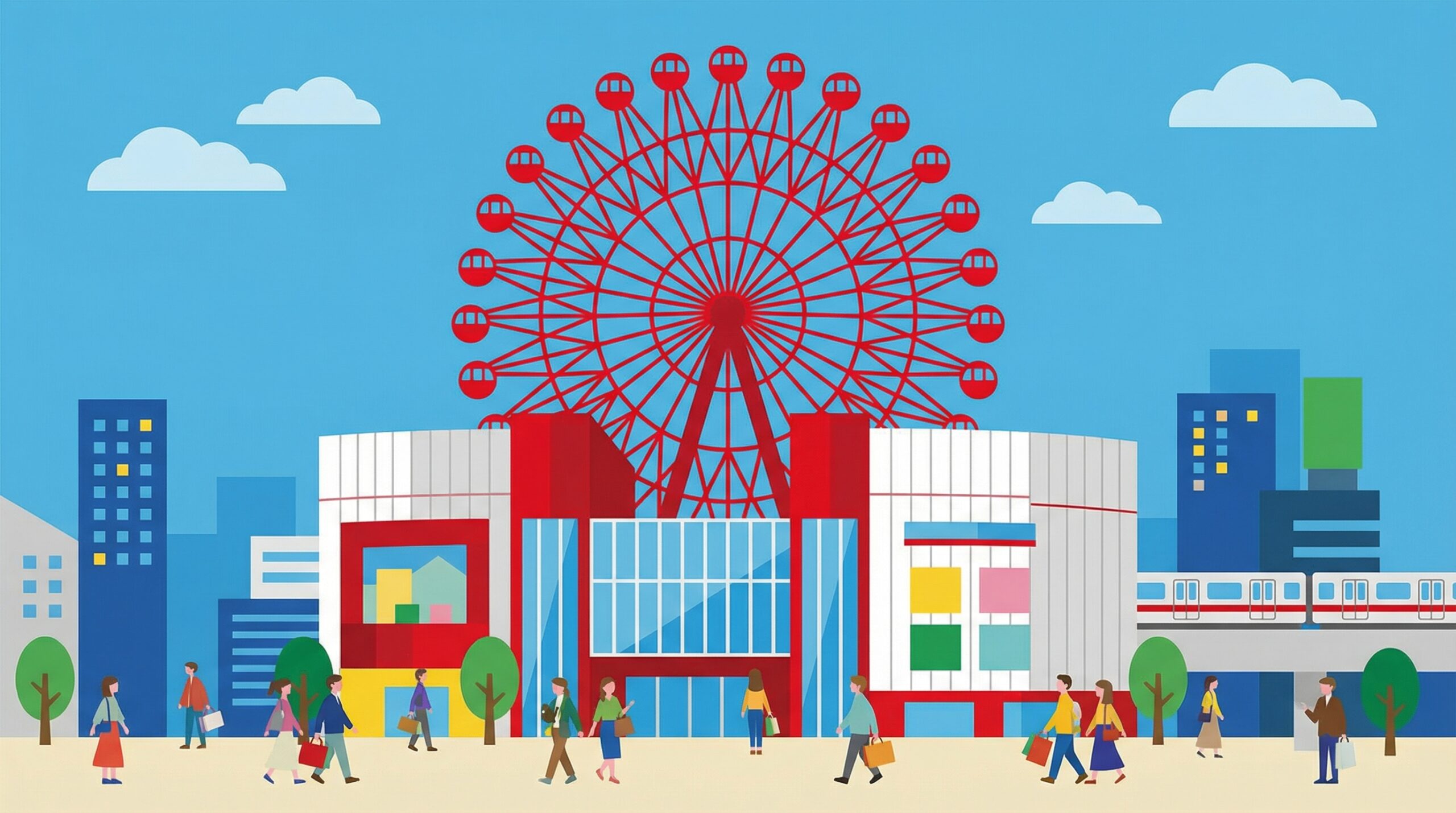
If you spot a giant red Ferris wheel atop a building, you’ve found HEP FIVE, the undisputed epicenter of youth culture in Umeda. Inside, floors are packed with fashion and accessory shops targeting teens and twenty-somethings, with J-pop music often playing in the background. The atmosphere is vibrant and energetic. The main attraction is, naturally, the Ferris wheel. With a small fee, you can ride in one of its climate-controlled gondolas, offering spectacular panoramic views of the city—especially romantic by night, with twinkling lights below. A handy tip: each gondola is equipped with a Bluetooth speaker, so you can play your own music and make the experience even more memorable.
A Culinary Capital: Where to Eat in Umeda
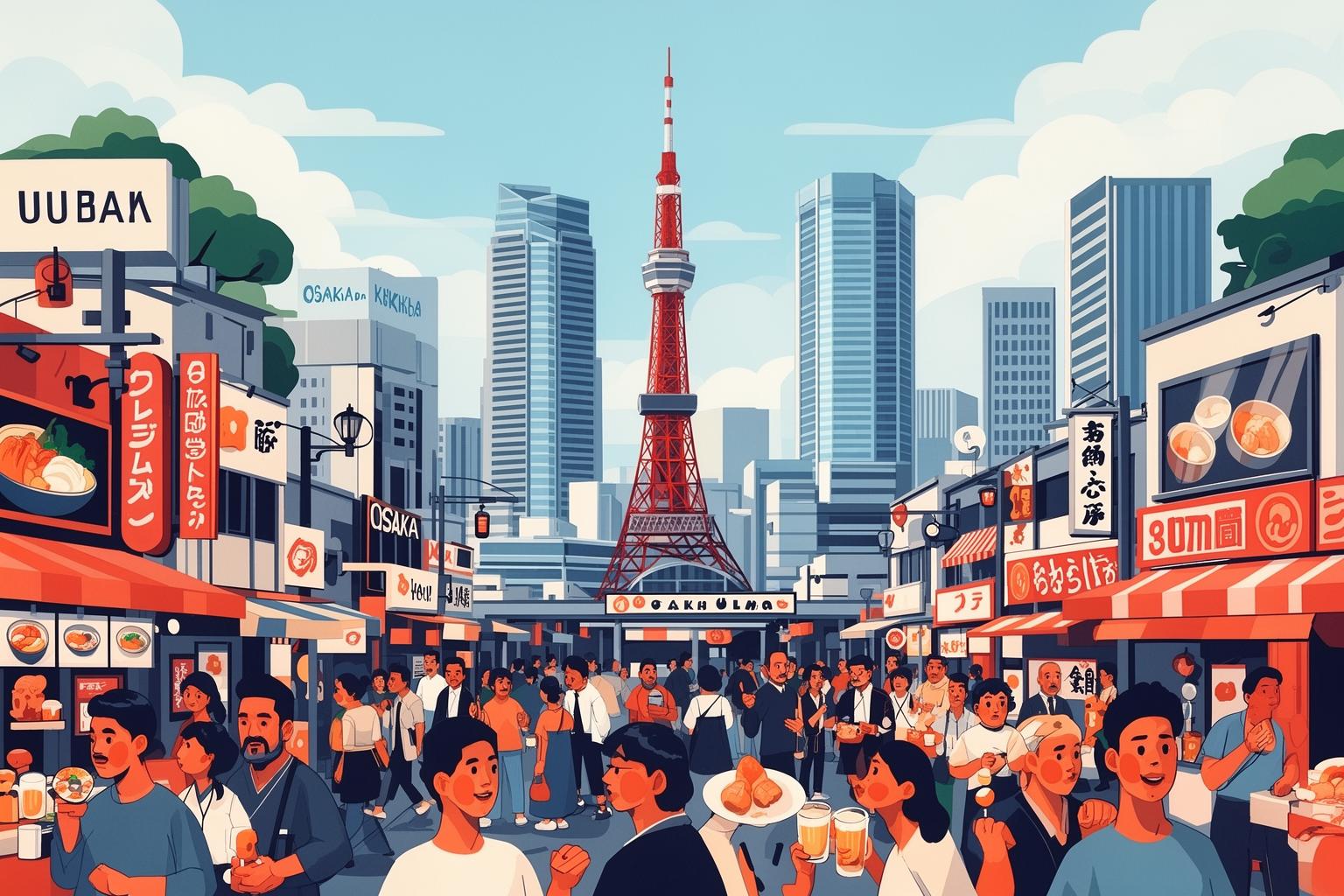
Umeda is a food lover’s paradise, where you could enjoy three meals a day for an entire month without ever repeating a restaurant. The variety is endless, ranging from quick, affordable bites to Michelin-starred dining experiences. The real challenge isn’t finding food; it’s choosing what to eat.
The Vertical Feast: Restaurant Floors
One distinctive feature of Umeda’s skyscrapers is the dedicated restaurant floors. The uppermost floors of most major department stores and shopping malls are wholly devoted to dining. Examples include the 27th to 29th floors of the Hankyu Grand Building, the 7th to 9th floors of Grand Front Osaka, and the 10th floor of LUCUA. These floors offer a carefully curated selection of restaurants featuring almost every cuisine imaginable. You’ll find upscale sushi, tempura, and unagi, alongside Italian, French, Chinese, and Korean fare. The advantage of these restaurant floors is the convenience of choice combined with often breathtaking city views. They’re ideal for groups with varied tastes or special occasions when you want an elegant setting without wandering far.
The Authentic Alleys: Shin-Umeda Shokudogai
For a stark contrast to the polished restaurant floors, explore the gritty, atmospheric alleys of Shin-Umeda Shokudogai. Hidden beneath the elevated train tracks near Hankyu station, this narrow network of lanes transports you back to the Showa era. It’s filled with tiny, no-frills eateries and standing bars, called tachinomi. The air is rich with the aroma of grilled skewers (yakitori), simmering soups, and sizzling okonomiyaki. Here, office workers unwind after a long day, enjoying cheap beer and satisfying food. Don’t be put off by menus in Japanese only or the cramped spaces. Simply pointing at what looks good is perfectly fine, and the atmosphere is typically warm and welcoming. This is an essential Osaka experience, providing a glimpse into the city’s down-to-earth, food-loving spirit. Try a standing sushi bar or a kushikatsu restaurant for a genuinely local culinary adventure.
Beyond the Center: Kitashinchi and Ohatsu Tenjin
A short walk south of Umeda’s main area leads to Kitashinchi, Osaka’s premier upscale entertainment and dining district. During the day, it’s a quiet office area, but at night it transforms into a maze of glowing lanterns and discreet entrances. This is home to some of the city’s finest high-end restaurants, exclusive clubs, and traditional ryotei. Although it can be pricey, Kitashinchi also offers surprisingly affordable and excellent lunch sets. Nearby is Ohatsu Tenjin Shrine and the lively Sonezaki Ohatsu Tenjin Dori Shotengai, a covered shopping street filled with a fantastic variety of izakayas, ramen shops, and casual eateries. This neighborhood exudes a more local, slightly nostalgic vibe compared to the central Umeda districts, making it a wonderful place to discover for dinner.
Architectural Wonders and Cultural Views
While shopping and dining are Umeda’s primary attractions, the district also features impressive architectural and cultural landmarks that are well worth exploring.
Umeda Sky Building and the Floating Garden Observatory
A symbol of Osaka’s skyline, the Umeda Sky Building is a must-visit. This futuristic structure consists of two 40-story towers connected at the top by a large, donut-shaped observatory. The ascent is part of the experience: you take a glass elevator to the 35th floor, followed by a breathtaking escalator ride through a glass tunnel that appears to float in mid-air. The observatory offers an incredible 360-degree, open-air view of the entire city. On a clear day, you can see the mountains surrounding the Osaka plain and even Awaji Island. The view is stunning at any time, but sunset is especially magical as the city transitions from day to night and countless lights start to sparkle below. For an interesting contrast, be sure to visit Takimi Koji Alley in the building’s basement, a lovingly recreated streetscape of a Showa-era town complete with vintage signs, an old-fashioned police box, and various retro-themed restaurants. It’s a charming, nostalgic journey back in time.
Arts and Entertainment
Umeda is also a key hub for the performing arts. The Umeda Arts Theater features a wide variety of productions, ranging from major Broadway musicals and world-renowned ballets to concerts by international artists. Sankei Hall Breeze is another prominent venue, celebrated for its excellent acoustics and diverse lineup of plays and musical performances. If you’re interested in attending a show while in Osaka, it’s always worth checking the schedules at these premier theaters. This cultural aspect adds another layer of sophistication to Umeda, showing that it’s more than just a commercial district.
Practical Tips for Your Umeda Adventure
Successfully navigating Umeda is all about being well-prepared. A few practical tips can make the difference between a stressful experience and an enjoyable day of exploration.
- Wear Comfortable Shoes: This cannot be emphasized enough. You’ll be walking extensively, often on hard concrete floors. Your feet will appreciate it.
- Use Coin Lockers: If you arrive with luggage or plan on doing a lot of shopping, take advantage of the numerous coin lockers located in and around all the stations. For a small fee, you can store your belongings for the day and explore hands-free.
- Stay Connected: Free Wi-Fi is available in many major shopping centers and stations but can be unreliable. Having your own pocket Wi-Fi or data plan is essential for using map apps to navigate the complex area.
- Timing is Key: Umeda is extremely crowded on weekends. If possible, visit on a weekday for a much more enjoyable experience. Also, avoid rush hours (roughly 7:30–9:30 am and 5:00–7:00 pm) when the stations are most congested.
- For Families: Large department stores are ideal. They usually offer excellent parent-child rest areas with clean nursing rooms and changing facilities. The rooftop gardens at JR Osaka Station City and Grand Front Osaka provide great spots for children to get fresh air and expend some energy.
Embracing the Organized Chaos
Umeda can feel like an overwhelming, futuristic megalopolis. It is a place of constant movement, a tribute to consumerism and connectivity. Yet beneath its shiny, fast-paced surface, there is a distinct Osakan warmth. It shows in the friendly conversations at a standing bar in Shin-Umeda Shokudogai, the careful attention a depachika clerk gives when packaging a cake, and the shared gasp of awe from strangers watching the sunset from the Sky Building. My best advice for exploring Umeda is to embrace its vastness. Let yourself get slightly lost in the underground walkways. Enter a department store without any particular plan. Follow the crowds and see where they lead you. In this dazzling urban center, you’ll discover not only the latest fashions and tastiest food but also a vibrant, living portrait of modern Japan. So take a deep breath, choose a direction, and jump in. The adventure is just beginning.