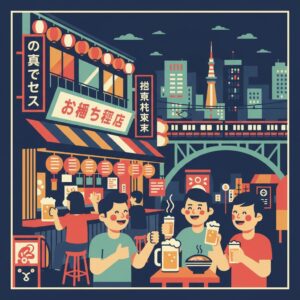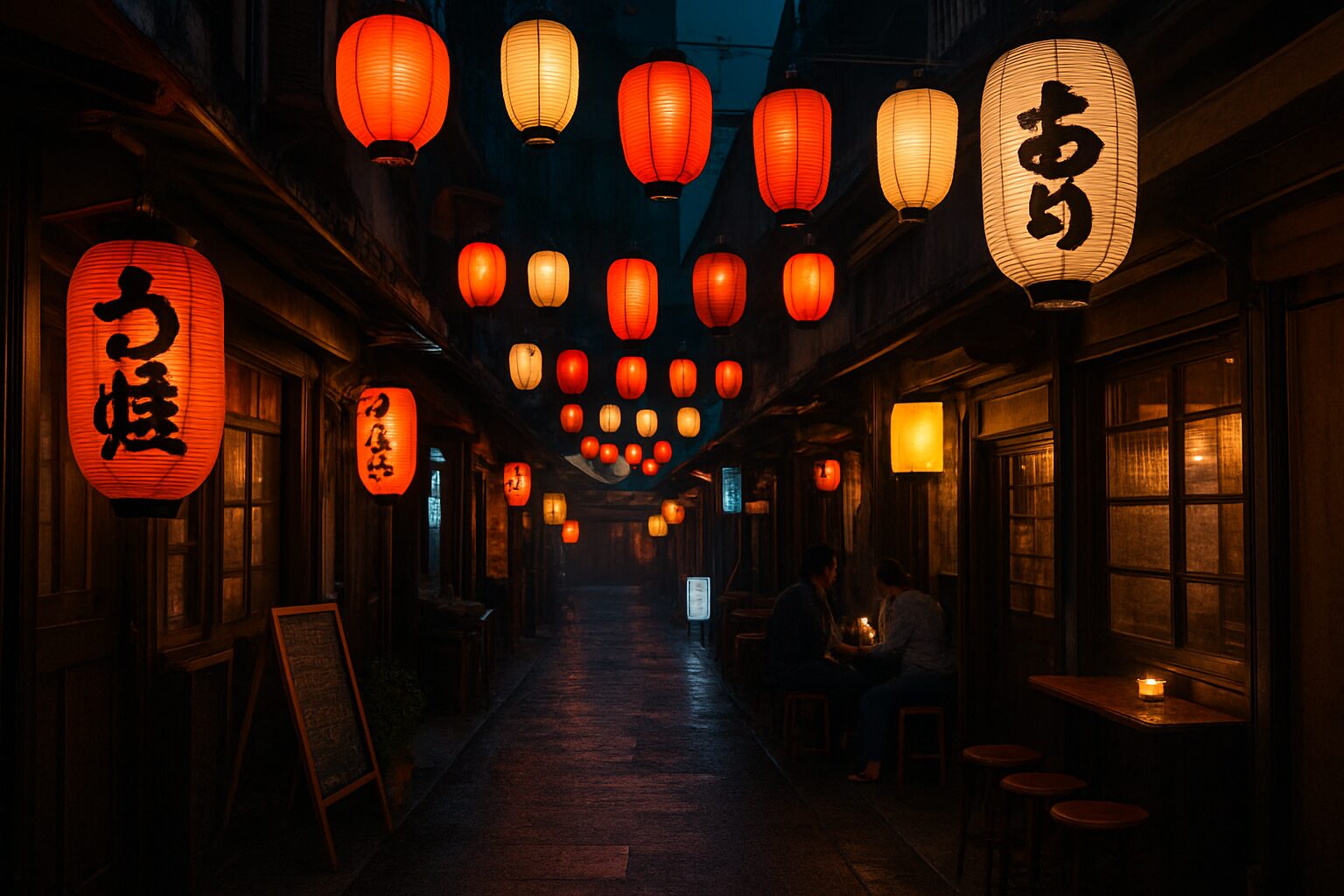
Forget the neon glow of Dotonbori for a moment. Push past the polished facade of Umeda’s high-rises. There’s another Osaka, a city that beats with a grittier, more intoxicating rhythm. It’s a place where the air is thick with the scent of charcoal smoke and savory dashi, where the night is a symphony of clinking glasses, sizzling grills, and the hearty laughter of locals. This is Tenma, the undisputed, unpretentious, and unbelievable heart of Osaka’s drinking culture. This isn’t just a district; it’s a living, breathing organism, a sprawling network of arteries and capillaries in the form of lantern-lit alleys, each pulsing with a unique energy. To wander through Tenma after dusk is to dive headfirst into the concept of kuidaore—to eat and drink until you drop—not as a tourist slogan, but as a way of life. It’s a delicious, dizzying, and deeply human experience, a journey into the soul of a city that wears its love for good food, good drink, and good company right on its sleeve. This is your guide to getting lost, in the best way possible, in the authentic drinking alleys of Tenma.
To fully appreciate Osaka’s dedication to its culinary and social rituals, consider exploring the city’s daytime counterpart to its vibrant nightlife by discovering its retro kissaten culture.
The Heartbeat of Tenma: More Than Just a Station

The story of Tenma both begins and concludes at its namesake station on the JR Osaka Loop Line. During the day, the area buzzes with a pleasant local rhythm. Housewives with shopping baskets make their way through the expansive Tenjinbashisuji Shopping Street, Japan’s longest covered arcade, stretching 2.6 kilometers as a tribute to commerce. The atmosphere is grounded, a neighborhood attending to its daily routine. However, as the sun sets, a noticeable change unfolds. A transformation stirs, slow and gradual. The dormant storefronts lift their shutters to unveil small bars, quiet alleys glow warmly under red paper lanterns, and the air itself shifts, thickening with anticipation and the promise of the coming night. The rhythmic sound of trains arriving becomes a percussion beat, ushering wave after wave of thirsty salarymen, couples, and friends, all seeking comfort and release in Tenma’s inviting arms. This is the magic hour, when the district sheds its daytime guise and reveals its true nature: a vast, lively playground for the senses. The energy is neither staged nor created for tourists; it is raw, organic, and utterly enchanting. One can feel the collective breath of a city shedding the workday, the buzz growing as the first beers are poured and the first skewers sizzle on the grill. It is a daily ritual, a nightly revival, and stepping out of Tenma Station around 6 p.m. is like stepping onto a stage just as the curtain lifts.
Decoding the Alleys: A Compass for the Curious
To those unfamiliar, Tenma can seem like an impenetrable maze. There’s no single main street or grand plaza. Its brilliance lies in a chaotic, almost cellular network of tiny, interconnected alleys, each a microcosm of culinary delights. Navigating this labyrinth isn’t about following a map; it’s about trusting your instincts, your nose, and the sound of laughter. Still, you can get a general sense of the layout. The areas directly beside the JR Loop Line tracks are a good starting point. Here, nestled beneath the rumbling railway arches, you’ll find a dense cluster of tachinomi (standing bars) and izakayas. These places are often loud, lively, and incredibly welcoming, with patrons spilling out onto the street, creating a vibrant, fluid social atmosphere. This is Tenma at its most traditional, a scene straight out of a Japanese film, where the rumble of a passing train simply becomes part of the evening’s soundtrack. Venture a bit further from the tracks, and you’ll uncover the true heart of the maze. These alleys grow narrower, lanterns hang lower, and the establishments feel even more intimate. You might come across a six-seat sushi bar where the master greets every customer by name, or a tiny tempura spot run by a grandmother whose movements are a study in practiced grace. It is in these hidden corners that the soul of Tenma reveals itself. One of the most iconic sights is what I call the “Plastic Sheet Paradise.” These are clusters of outdoor or semi-outdoor bars, often little more than a cooking stall surrounded by beer crates used as seats and makeshift tables, all loosely enclosed by clear vinyl sheets to shield against the elements. Inside, it’s a lively, communal experience. Steam from cooking pots clouds the plastic, conversations flow freely between strangers, and a strong sense of camaraderie forms over cheap beer and delicious food. It’s in these modest settings that you realize Tenma isn’t about fancy decor or Michelin stars; it’s about connection, community, and the simple joy of sharing a good time.
The Art of the Tenma Hashigo: Your Bar-Hopping Strategy

The best way to experience Tenma is not by settling in at a single spot for the night. The neighborhood’s spirit is embodied in the concept of hashigo-zake, which literally means “ladder drinking”—moving from one bar to another, climbing the rungs of a ladder made of drinks and flavors. This isn’t a race; it’s an exploration. The unwritten rule of a successful hashigo is straightforward: have one drink, enjoy one or two small dishes, then move on. This method lets you sample the incredible variety the area offers without becoming overly full or intoxicated too quickly. It turns the evening from simply having a meal into a lively adventure. For first-timers, a good strategy is to arrive around dusk and start at a bustling tachinomi near the station. Order a cold nama biru (draft beer) along with a plate of edamame or a couple of yakitori skewers as your appetizer, an introduction to the night’s rhythm. From there, let your senses lead the way. Hear lively music from a side alley? Go check it out. Smell the tempting aroma of grilled octopus? Follow it to its source. The beauty of the one-drink rule is that it’s low commitment. If you enter a place and the atmosphere isn’t quite right, you can simply finish your drink, pay your small bill, and move on without any awkwardness. It’s all part of the experience. One important practical tip: Tenma is a cash-based world. While some bigger spots may accept credit cards, most of the small, authentic gems that make this area special operate on a cash-only basis. Make sure to carry plenty of yen to confidently explore any inviting spot. This is old-school Osaka, where cash still rules.
What to Eat, What to Drink: A Culinary Symphony
Tenma brilliantly showcases everything that defines Osaka as Japan’s culinary heart. The sheer variety of food packed into this small area is astonishing, with consistently high quality even at the simplest stalls. The symphony of aromas greeting you serves as your menu. The undisputed star of Tenma’s street food scene is anything on a skewer. The air is constantly filled with the fragrant scent of yakitori, chicken grilled over traditional binchotan charcoal. You’ll find every part of the chicken imaginable, from tender thigh (momo) to crispy skin (kawa), all expertly grilled and seasoned with either salt (shio) or a sweet soy glaze (tare). Equally common is kushikatsu, deep-fried skewers of meat, seafood, and vegetables. The ritual adds to the fun: you’re handed a fresh skewer and must dip it once—and only once!—into the communal pot of tangy sauce. For seafood enthusiasts, Tenma is a hidden gem. Nestled in the alleys are some of the city’s best, most affordable sushi and sashimi bars. Thanks to the area’s history and proximity to the central market, the fish is exceptionally fresh. Squeeze into a small counter seat and watch the chef’s knife dance, slicing pristine cuts of tuna, sea bream, and squid. It’s an intimate, delicious experience miles away from the formality and cost of high-end sushi restaurants. As night deepens or temperatures drop, the inviting aroma of oden becomes irresistible. Giant pots simmer with a medley of ingredients like daikon radish, boiled eggs, fish cakes, and tofu, all simmered in a delicate, savory dashi broth. It’s Japanese comfort food at its best. The drink selection is just as diverse. Naturally, there’s ice-cold draft beer, the classic opener. But to truly immerse yourself, explore the world of sake and shochu. Don’t be daunted by the countless options; the best approach is simply to ask for a recommendation: “Osusume o kudasai.” Bartenders are usually happy to pour you a glass of their favorite local or seasonal sake. For something lighter and refreshingly crisp, the highball (whisky and soda) and the chuhai (shochu and flavored soda) are staples of the izakaya scene. They are clean, crisp, and pair perfectly with the rich, savory flavors of the food.
Navigating the Social Scene: Tenma Etiquette

Stepping into a tiny, crowded Tenma bar may feel intimidating for a newcomer, but the social etiquette is surprisingly straightforward and welcoming. The first thing to grasp is that personal space is a shared resource. These venues are small, designed for closeness and efficiency. You’ll be sitting or standing shoulder-to-shoulder with strangers, and that’s intentional, not a flaw. This closeness fuels Tenma’s social life, breaking down barriers and sparking spontaneous conversations. Don’t be surprised if the person next to you offers a bite of their dish or asks where you’re from. While some knowledge of Japanese can enhance your experience, it’s not essential. The language of good food and drink is universal. A smile, pointing at the menu (or someone else’s plate), and a simple “Kore o kudasai” (“This one, please”) will go a long way. Bar owners and staff are experts in non-verbal communication and accustomed to a diverse clientele. Your genuine enthusiasm is your best passport. Payment methods vary: at some tachinomi, you pay upfront by placing cash in a small tray, while in most seated izakayas, the bill is totaled and paid at the end. The best approach is to watch what others do when you arrive. Remember, tipping isn’t customary in Japan; a heartfelt “Gochisousama deshita” (“Thank you for the meal”) upon leaving is the highest praise you can offer. The crowd in Tenma represents a true cross-section of Osakan society. You’ll share a counter with seasoned salarymen, young couples on dates, groups of university students, and regulars who have been drinking at the same place for decades. The atmosphere is warmly friendly and egalitarian. Everyone is there for the same purpose: to relax and enjoy themselves. Embrace the communal spirit, be open to friendly conversation, but also feel free to simply soak up the ambiance. In Tenma, you can be as social or as anonymous as you like.
Beyond the Buzz: Hidden Corners and Daytime Charms
While Tenma’s reputation is shaped by its lively nightlife, the neighborhood also boasts a rich history and a vibrant daytime atmosphere that deserve exploration. The heart of the area is the Tenjinbashisuji Shopping Street. Strolling along its entire length offers a glimpse into contemporary Japanese local life. It’s not a tourist trap but a functional, living arcade where residents buy groceries, get haircuts, and shop for everything from kitchen knives to traditional sweets. Exploring it during the day reveals a captivating contrast to the night scene and provides a more complete understanding of the neighborhood’s character. The spiritual and historical center of Tenma is the stunning Osaka Tenmangu Shrine. Established in the 10th century, this revered shrine honors Sugawara no Michizane, the Shinto deity of scholarship and learning. It serves as a tranquil oasis just a short stroll from the bustling streets. Visiting the peaceful grounds offers a moment of calm and a connection to the area’s profound heritage. The shrine is also the focal point of the Tenjin Matsuri, held every July, which ranks among Japan’s three greatest festivals. During the event, the entire neighborhood bursts into a spectacular celebration featuring parades, music, and a river procession of illuminated boats—a truly unforgettable sight. For a touch of nature, Ogimachi Park lies just south of the station. This spacious public park features large lawns, a playground, and ample room to unwind. It’s a favorite spot for local families and an ideal place to take a break from the city bustle, perhaps enjoying a daytime picnic with takeout from the nearby shotengai before your evening adventure begins.
Practical Pointers for a Perfect Tenma Night

To ensure your Tenma experience goes as smoothly as possible, keep a few important details in mind. Access is extremely convenient. The JR Osaka Loop Line to Tenma Station drops you right in the center of the excitement. Alternatively, you can take the Sakaisuji Subway Line to Ogimachi Station, just a short walk away. The area is conveniently located and easily reached from major city hubs like Umeda, Namba, and Osaka Castle. The best time to visit depends on the atmosphere you prefer. For the classic, bustling after-work vibe, aim for a Tuesday, Wednesday, or Thursday evening. Weekends tend to be livelier and more crowded, with a younger, festive crowd. Note that many smaller, family-run places close on Mondays, making it the quietest night of the week. Regarding what to wear, comfort is key. Expect plenty of walking and standing, so leave your fancy clothes and uncomfortable shoes at home. Tenma is casual and unpretentious, so dress accordingly. The area is perfect for solo adventurers and small groups alike. It’s arguably one of the best spots in Osaka to explore alone, thanks to the abundance of counter seating that makes dining and drinking solo easy and comfortable. For groups, two to four people is ideal; larger groups will struggle to fit into the smaller, popular bars. Lastly, and very importantly, be mindful of the last train. While the party in Tenma can go late, public transportation does not. Most last trains depart around midnight. It’s easy to lose track of time when you’re having fun, so set an alarm on your phone to avoid getting stranded.
A Final Toast to Tenma’s Enduring Spirit
Tenma is more than merely a collection of bars and restaurants—it is a feeling. It’s the warmth of a paper lantern on a chilly night, the savory steam rising from a simmering oden pot, the satisfying clink of a beer mug against a wooden counter. It stands as a testament to the enduring power of simple pleasures and human connection. In an increasingly globalized and polished world, Tenma remains defiantly and wonderfully authentic. It doesn’t attempt to be anything other than what it is: a place for the people of Osaka to gather, share, laugh, and momentarily forget the worries of the day. Spending an evening here is to take part in a ritual as old as the city itself. It serves as a reminder that the best travel experiences often aren’t found in guidebooks, but in narrow, nameless alleys where life is lived out loud. So grab some cash, leave your detailed plans behind, and let the inviting glow of Tenma’s lanterns light your way. The true, unfiltered soul of Osaka awaits, ready to be discovered one delicious skewer, one perfect pour, one unforgettable bar at a time.