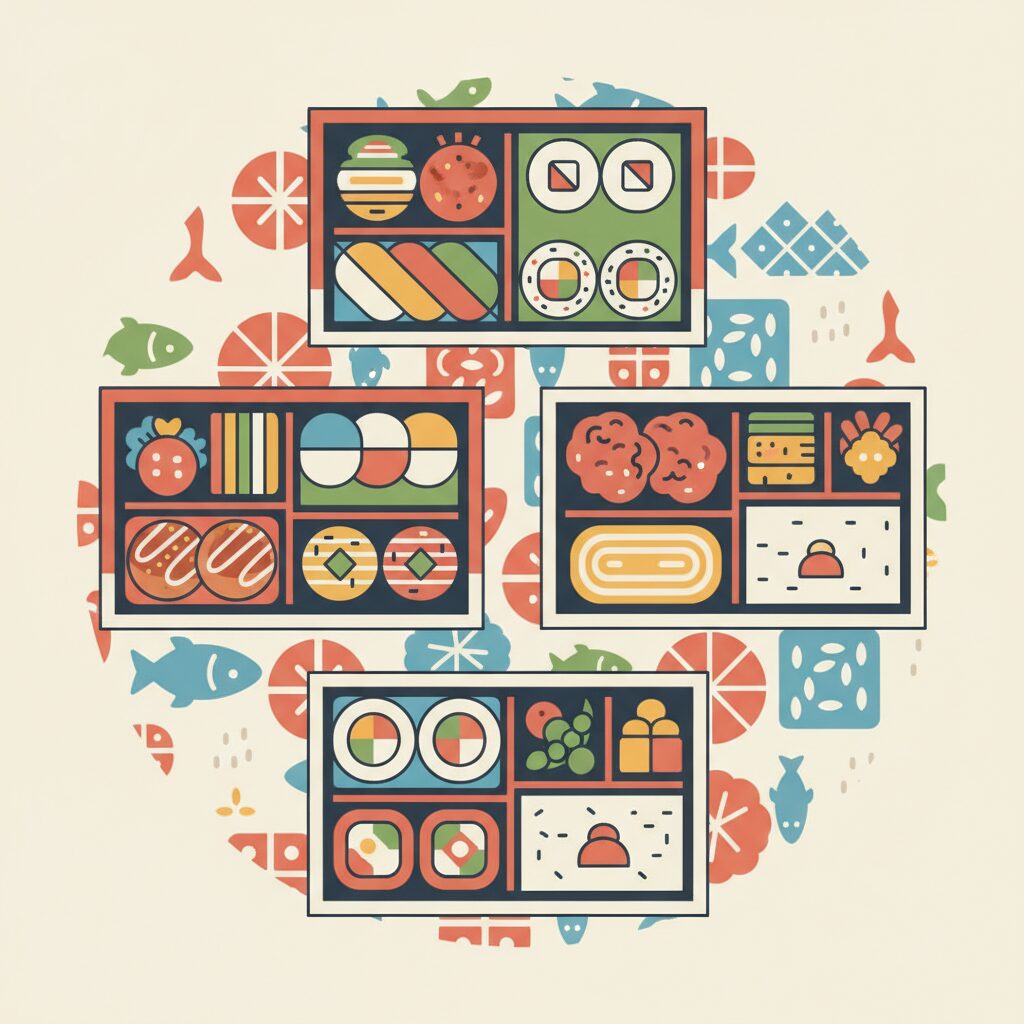
I want you to hold a picture in your mind. You’re standing in a Tokyo department store basement. It’s quiet. Almost reverent. Before you sits a bento box. It’s a perfect lacquer square of culinary geometry. Each grain of rice seems individually placed. The slice of salmon is glazed to a mirror shine. The carrot is carved into a maple leaf. It’s beautiful. It’s flawless. It costs a fortune. And it feels… passive. It’s a work of art presented for your consumption. You buy it, you eat it, the transaction is complete. You have participated in elegance.
Now, let’s smash that picture. We’re in Osaka. Specifically, we’re in the basement of the Hanshin department store in Umeda, and it is most definitely not quiet. It’s a glorious, roaring, delicious chaos. The air is thick with the scent of grilled eel, sweet soy sauce, fried chicken, and the yeasty perfume of fresh bread. An announcer on a loudspeaker is cheerfully hawking a limited-time sale on croquettes. A line of people snakes around a corner for fried squid pancakes that cost less than a cup of coffee. And everywhere, people are moving with a purpose. They aren’t just buying lunch. They’re on a mission. They’re hunting, gathering, and curating.
This is the depachika, the sprawling food hall in the basement of a Japanese department store. But in Osaka, it’s something more. It’s the city’s soul laid bare. It’s a culinary battlefield where the grand Osaka philosophies of kuidaore—to eat until you ruin yourself—and cosupa—an almost religious devotion to cost performance—collide in a spectacular explosion of flavor and value. Foreigners living here often mistake this energy for mere loudness or a simple love of food. They miss the point. The Umeda depachika isn’t about just buying food; it’s about the strategic assembly of your own perfect meal. It’s an active, participatory sport. To build your own bento here is to understand the very heart of Osaka’s practical, proud, and unapologetically individualistic mindset. This isn’t a guide to the best pre-made boxes. This is your training manual for the Umeda Depachika Gauntlet. This is how you build a bento that is yours and yours alone, and in doing so, learn how this city truly works.
Once you’ve conquered the depachika, you might need a place to recharge, which you can find by exploring Umeda’s hidden outlets for digital nomads.
The Soul of the City is in the Basement

Before diving into the glorious fray, you need to grasp the landscape. Not all depachika are created equal, and the Umeda area, Osaka’s commercial hub, provides the perfect case study of the city’s complex character. Here, three major players stand just a stone’s throw apart, each with a soul as unique as a fingerprint. Mastering them is the key first step.
To start, there’s the Hanshin Department Store. If the Umeda depachika scene were a high school cafeteria, Hanshin would be the popular, lively, slightly rebellious kid everyone genuinely adores. It’s directly linked to the Hanshin train line, favored by commuters from Kobe and western suburbs, and its vibe reflects that. Unpretentious and loud, it feels like a neighborhood market that hit the jackpot and expanded into a sprawling underground wonderland. The lighting is bright, the aisles a bit narrow, and the energy unmistakably vibrant. This is where the everyday gourmand thrives. The focus lies on souzai (pre-cooked side dishes), fresh ingredients, and iconic local specialties. Here you find the famed Hanshin Ikayaki, an insanely cheap and addictive squid pancake that has locals queueing all day, every day. Hanshin doesn’t aim for elegance; it aims to be delicious—and it succeeds with a roaring, democratic spirit. It embodies Osaka’s belief that great food doesn’t have to be pricey or fancy; it just needs to taste damn good.
Just across the street is the Hankyu Department Store. Hankyu is the sophisticated, impeccably dressed honor student fresh from a semester in Paris. It’s the Tokyo of the Umeda depachika. The lighting is softer and more dramatic. The aisles are wider. The displays are artful masterpieces. Famous French patisseries have counters here that resemble jewelry stores. The packaging is exquisite. Shops like RF1 arrange salads in colorful, gravity-defying mounds of texture and vibrancy. Hankyu focuses on presentation, international brands, and the luxury of choice. This is where you go for stunning cakes, high-end wagashi, imported cheeses, and world-class chocolates. While Hanshin shouts “value and flavor,” Hankyu whispers “quality and refinement.” Visiting Hankyu feels like touring a food museum where you can eat the exhibits. Practical Osakans often view Hankyu as the destination for special occasion treats or impressive gifts. It’s not the place for everyday shopping, but for discovering that one perfect, show-stopping item to elevate a meal.
Lastly, there’s the Daimaru Department Store, situated inside JR Osaka Station’s South Gate Building. Daimaru is the competent, reliable professional. It doesn’t boast one overwhelming personality but offers comprehensive excellence. It presents a vast selection, including an impressive array of bento from esteemed restaurants across Japan. Thanks to its direct link to the main train station, it caters largely to travelers and commuters seeking high-quality, convenient meals. It blends some of Hankyu’s polish with Hanshin’s variety. It’s a superb all-rounder, where you can find both a beautiful box of Kyoto pickles and a hearty slab of tonkatsu. Its strength lies in its strategic location and its curated collection of culinary “greatest hits.” It’s the pragmatic choice you can always rely on.
This triumvirate is essential. An Osakan doesn’t just pick one. A true depachika master knows each store’s strengths. You might grab your main course from a trusted butcher at Hanshin, pick up a visually stunning salad at Hankyu, and snag a specialty rice ball from Daimaru on your way to the train. The journey itself—shifting between these worlds—is part of the experience. It rejects the one-stop-shop mindset. Why settle for a single store’s vision when you can craft your own superior combination by cherry-picking the best from all three? This is Osaka’s core approach: active, discerning, and always chasing the ultimate balance of flavor and value.
The Unspoken Rules of the Depachika Dance
Exploring the Umeda depachika, especially during busy hours, can feel like entering a human pinball machine. It’s a whirlwind of sights, sounds, and aromas, guided by a set of unwritten rules. Knowing this etiquette is what separates a frustrating experience from a successful culinary adventure. This is the dance, and you need to learn the moves.
First, let’s discuss navigation. The flow of foot traffic in a crowded depachika is an impressive display of collective, unspoken understanding. People don’t wander aimlessly; they move with purpose. The crucial rule is never to stop abruptly in the middle of an aisle. If you want to admire a display of shimmering grilled fish, you must execute a subtle maneuver: take a half-step back and press yourself against the counter, tucking in your bags and elbows. You become part of the display’s pull, allowing the main current of shoppers to pass by. Blocking the aisle is the greatest offense. You’ll feel the silent, intense pressure of a dozen hungry Osakans behind you—a psychic force stronger than any physical shove. Watch the locals. They glide. They pivot. They spot their target, lock on, and navigate the crowds with the practiced ease of a salmon swimming upstream.
Next is the delicate art of shishoku, or sampling. In many Western food halls, tasting can feel chaotic. In Japan, especially in the fast-paced Osaka environment, it’s a more structured exchange. Many stalls have staff holding trays with toothpicks, offering small bites. The rule is simple: one per person. You take one, taste it, and give a small nod of acknowledgment. If you like it, you might ask a question or make a purchase. If not, you bow slightly and move on. The cardinal sin is lingering, hoping for a second or third taste. That marks you as an amateur.
But this is where the famous Osaka obachan (middle-aged to older woman) steps in. She is the master of the depachika, operating on another level. She will engage the vendor directly, asking pointed questions: “Is this one sweeter than that? Is this fresh today? Really?” Her engagement might earn her a custom sample. She knows that shishoku is not just about tasting; it’s about sparking a conversation. She feels no shame, only a strong drive to ensure she spends her money on the absolute best option. As a foreigner, you can learn from her. Don’t hesitate to politely point and ask, “Kore, oishii desu ka?” (Is this delicious?). This simple gesture often earns you a taste and a sincere recommendation from staff.
However, the most important rule—the one that truly distinguishes locals from tourists—is respecting time. Specifically, the Golden Hour. This occurs about an hour to an hour and a half before the department store closes, usually around 7 PM. That’s when the magic begins. You’ll see staff emerge from the back with sheets of stickers—the nebiki shiru, or discount labels. A red sticker means 20% off, yellow means 30%, and as closing time nears, the ultimate prize: the hangaku sticker, a glorious 50% discount.
The vibe in the depachika changes completely. A quiet buzz of anticipation builds. People who were casually browsing now circle their targets like patient sharks. They know which stalls begin discounting first and which items will get the best markdowns. It’s not a frantic, violent scramble like Black Friday. It’s a tense, strategic ballet. When the staff member with the sticker gun approaches a counter, a small, orderly line forms immediately. Shoppers point to the item they want, the sticker is applied, and the sale is completed. There’s a thrill to it—a sense of victory. You’re not just buying dinner; you’re winning it.
Tokyoites might find this behavior unseemly or cheap, but for an Osakan, it’s the height of savvy shopping. Why pay full price for something perfectly good but destined to be discarded in an hour? It’s the ultimate expression of cosupa. It’s a game, and the prize is a gourmet meal at a fraction of the cost. Joining the discount dash is a rite of passage. It’s when you stop being a visitor and start thinking like a local.
Finally, engage with people. The staff behind the counters in Osaka aren’t just silent workers; they are often direct, humorous, and refreshingly honest. In Tokyo, if you ask for a recommendation, you might get a polite, non-committal answer pointing to the most popular item. In Osaka, if you ask with genuine curiosity, you’ll likely receive a truthful opinion. “Honestly? The mackerel sold out quicker today. The sea bream is good, but the mackerel was special.” They appreciate interaction. Surrounded by amazing food all day, many are eager to share their knowledge. Don’t be shy. A sincere compliment or a genuine question can open the door to insider tips and transform a simple purchase into a memorable human connection.
Deconstructing the Dream Bento: A Strategic Guide

Now that you understand the terrain and the rules of engagement, it’s time to start building. Forget the idea of a single, perfect, pre-packaged meal. We are embarking on a quest to assemble a mosaic of flavors—a bento that reflects your tastes and expertise. This is a multi-stage process. We will break the bento down into its essential components and seek out the best of each across the Umeda battleground.
H3: Step One: Secure Your Foundation – The Rice
The foundation of any great bento is the rice. This is not an afterthought; it is the canvas upon which you’ll create your culinary masterpiece. A common mistake is to regard rice as mere filler. In Japan, rice is revered, and the depachika offers a lesson in its potential. You’re not limited to plain white rice.
Your first stop should be a specialty onigiri (rice ball) counter. Excellent ones can be found in all three department stores. Look for shops where they craft them by hand, the gentle pressure of their palms forming triangles, a far cry from the dense, machine-pressed versions at convenience stores. The variety is staggering. There’s the classic shake (salted salmon), the tangy umeboshi (pickled plum), and the savory kombu (simmered seaweed). But delve deeper. Seek out the seasonal specials. In spring, you might find takenoko gohan, rice cooked with tender bamboo shoots. In autumn, kuri gohan, with sweet, earthy chestnuts. These aren’t just rice balls; they are portable capsules of the season.
But we can go beyond onigiri. Look for stalls selling rice by weight. Here, you can find takikomi gohan, a kind of Japanese pilaf where rice is steamed with dashi, soy sauce, and a medley of ingredients like mushrooms, chicken, and root vegetables. It’s a full-flavored dish in itself. Another option is sekihan, glutinous rice steamed with red adzuki beans, giving it a beautiful rosy hue and a delightful chewy texture. Traditionally eaten for celebrations, a small scoop adds a festive touch and wonderful textural contrast to a bento.
My personal strategy often involves choosing two small, different onigiri instead of one larger portion of rice—perhaps one classic salmon and another with mentaiko (spicy cod roe) and mayonnaise. This immediately adds variety and visual appeal to your box. The key is to think of rice as an active flavor component, not just a bed for protein. It’s the steady, reliable bassline that allows other instruments to shine.
H4: Step Two: The Main Event – Choosing Your Protein
This is the star of the show, the choice that will define your bento’s character. The protein counters in the Umeda depachika are a carnivore’s dream and a pescatarian’s paradise. The sheer volume of options can be overwhelming, so you need a strategy.
Start with the classics. You’ll find endless grilled fish, or yakizakana. This isn’t the dry, sad-looking fillet you might imagine. We’re talking thick, glistening cuts of saba shioyaki (salt-grilled mackerel), its skin crisped perfectly while the flesh remains moist and oily. There’s sanma (Pacific saury) in autumn, grilled whole and best eaten with a dab of grated daikon radish. You’ll find elegant slices of gindara saikyo-yaki, black cod marinated in sweet Kyoto miso until it becomes a buttery, caramelized wonder. When choosing, look for pieces with vibrant color and glistening skin. Don’t hesitate to buy just a half-slice if a whole cut seems too large.
If you’re craving something fried, the options are legendary. Tonkatsu (breaded pork cutlet) is a staple. Look for stalls offering different cuts—the leaner hire (fillet) or the richer, more marbled rosu (loin). A good tonkatsu has a deep golden-brown panko crust that remains shatteringly crisp. Nearby, you’ll find piles of karaage (Japanese fried chicken). Each shop has its secret marinade—some emphasize ginger and garlic, others soy sauce. This is the perfect moment to engage your skills. Ask the staff, “Dore ga一番人気ですか?” (Which is the most popular?). They’ll point you to the crowd favorite. You can usually buy karaage by weight, so just two or three pieces are enough for a bento.
Don’t stop there. This is Osaka. Explore the less obvious. Many high-end butcher shops, like the renowned Kakiyasu present in these stores, sell roast beef by the slice, often accompanied by a savory onion sauce. A few slices draped over your rice feel incredibly luxurious. You’ll also find Chinese food counters with fantastic subuta (sweet and sour pork), ebi chili (shrimp in chili sauce), and hearty shumai dumplings. A couple of these make a flavor-packed main.
My advice is to be decisive. Let your instincts and eyes guide you. What looks freshest? What smells the most tempting? What is drawing the longest lines? In Hanshin, you’ll find hearty, comforting options that evoke a home-cooked meal. In Hankyu, presentations lean more delicate—perhaps a piece of poached chicken adorned with a beautiful vegetable garnish. The protein sets the tone. Choose wisely.
H4: Step Three: The Art of the Supporting Cast – The Sides (Souzai)
If the protein is the lead actor, the souzai are the talented character actors that steal the scene. This is where your personality can truly shine. The souzai counters offer a kaleidoscope of colors, textures, and flavors, the secret weapon of every savvy Osaka home cook. Many don’t prepare elaborate meals nightly; instead, they make rice and miso soup at home and supplement with a few thoughtfully chosen dishes from the depachika. It’s an extension of their own kitchen.
Adopt this philosophy for your bento. Select two or three small sides to add variety and balance. Let’s break down the categories. First, nimono, or simmered dishes. These are the heart of Japanese home cooking. You’ll find comforting dishes like chikuzenni, a mix of chicken and root vegetables such as lotus root, carrots, and burdock simmered in a sweet and savory dashi broth. Or kabocha no nimono, sweet chunks of kabocha squash cooked tender. A small scoop adds a homey, comforting touch.
Next, explore aemono or dressed dishes. A classic is goma-ae, vegetables (often spinach or green beans) dressed in a sweet, nutty sesame sauce. Or shira-ae, combining mashed tofu, white miso, and sesame for a more complex dressing. These dishes add a vegetable component packed with flavor.
Don’t overlook Japanese-style salads. We’re not talking sad lettuce. Think Japanese potato salad—creamier, often with bits of cucumber, carrot, and ham, and a subtle sweetness from Japanese mayonnaise. Or a gobo salad made from crunchy burdock root and carrots in a creamy dressing. These add familiar textures with a distinct Japanese twist.
One essential bento component is tamagoyaki, the Japanese rolled omelet. You can buy whole logs, but many places sell it by the slice. Here’s a crucial cultural difference: the Kanto (Tokyo) style is typically sweet, with sugar and mirin. The Kansai (Osaka) style, found here, is savory, flavored by rich dashi stock. It’s lighter, more elegant, and subtly umami. A thick slice of beautiful, golden-yellow, multi-layered dashi-maki tamago is a must.
When choosing your souzai, think about balance. If your main is rich and fried, like tonkatsu, pick a side that’s light and vinegared, such as a seaweed and cucumber salad (sunomono). If you have salty grilled fish, a sweet simmered pumpkin offers lovely contrast. Mix and match textures—something soft, crunchy, and creamy. This is your chance to be a chef, curating a balanced and exciting plate.
H4: Step Four: A Splash of Color – Pickles and Salads
This category adds the finishing touches, the punctuation marks that make your bento sing. Never underestimate the power of tsukemono, Japanese pickles. They’re not just garnish; they’re essential palate cleansers. Their salty, sour, sometimes spicy crunch cuts through richness and refreshes your taste buds.
Explore the pickle section and you’ll be amazed. It’s not just pink pickled ginger served with sushi. There are barrels of shiny nukazuke, vegetables fermented in rice bran, giving a deep, complex earthy flavor. You’ll find bright yellow slices of sweet-and-sour pickled daikon (takuan), and the famous Kyoto shibazuke, a vibrant purple pickle made from cucumber and eggplant brined with red shiso leaves. Many shops sell tiny mixed packs for just a few hundred yen, perfect for a bento. A small dash of this color in one corner of your box looks great and is culinarily essential.
Alongside traditional pickles, modern salad counters like RF1 in Hankyu reign supreme. These aren’t average salads—they are architectural creations. Think grilled shrimp and avocado with yuzu dressing; roasted root vegetables with balsamic glaze and nuts; vibrant green salads with 30 kinds of leaves and herbs. While pricier, buying a small 100g portion can instantly elevate your bento, adding a touch of modern, global sophistication. It’s the Hankyu move—a bit of elegant flair complementing the hearty soul of Hanshin.
H4: Step Five: The Sweet Farewell – A Single, Perfect Dessert
Your bento journey is nearly complete but needs a final sweet note. You don’t want a giant slice of cake. The Japanese art of bento dessert is about a single, perfect bite—a gentle conclusion, not a sugar-fueled crescendo.
The options are sublime. In the wagashi (traditional Japanese sweets) section, look for warabimochi. These jelly-like cubes made from bracken starch are dusted with fragrant toasted soybean powder (kinako) and drizzled with black sugar syrup. You can often buy small cups containing just a few pieces. Another perfect choice is a single daifuku, a soft mochi cake with sweet red bean filling. Seasonality matters here. In spring, you might find sakura mochi (wrapped in a salted cherry blossom leaf) or ichigo daifuku (a whole strawberry inside the mochi). In autumn, look for sweets made with chestnut or persimmon.
If fruit is your preference, the fruit sections in Japanese department stores are legendary. A single strawberry can be a work of art—perfectly shaped, deep red, and extremely sweet. Small packs of pre-cut seasonal fruit are often available, like slices of perfectly ripe melon or clusters of exquisite Kyoho grapes. Though pricey, for that single perfect bite in a bento, it’s worth it.
For a more Western-style finish, a visit to Hankyu’s pastry section is a must. Don’t buy a whole slice of cake. Search for petit fours, tiny, exquisite miniature cakes. Or a single, perfect macaron from a renowned patisserie like Ladurée. Or a small, rich chocolate truffle. The idea is one concentrated burst of sweetness to close the meal—a tiny jewel delivering a satisfying sense of closure.
The Assembly: Building Your Masterpiece
You’ve done it. You’ve faced the crowds and made your carefully chosen selections. Now comes the final step: the assembly. Your treasures will be gathered in small plastic containers and paper bags. Next, you need to find a place to eat.
Many department stores feature rooftop gardens or rest areas. The Hankyu rooftop is especially inviting—a surprisingly peaceful green space high above the city noise. These spots are ideal for an impromptu picnic. Alternatively, if the weather is pleasant, a short walk will bring you to Nakanoshima Park, a beautiful green island nestled between two rivers. There, you can sit on a bench and enjoy your meal like a true Osakan office worker on their lunch break. This final step is crucial. You’re not just eating from a container; you’re taking a moment to savor your success and relish the fruits of your efforts in the heart of the city you’ve explored.
Don’t worry about traditional bento presentation, with perfect separation and intricate garnishes. The charm of the assembled depachika bento lies in its glorious, freestyle abundance. Spoon rice into your container. Lean grilled fish against it. Nestle your nimono in one corner and your vibrant salad in another. Tuck pickles into a small gap. It should resemble a delicious, colorful pile-up. It’s a testament to your journey, a tangible map of your tastes and choices. It is uniquely, unrepeatably yours.
What Your Bento Says About Osaka
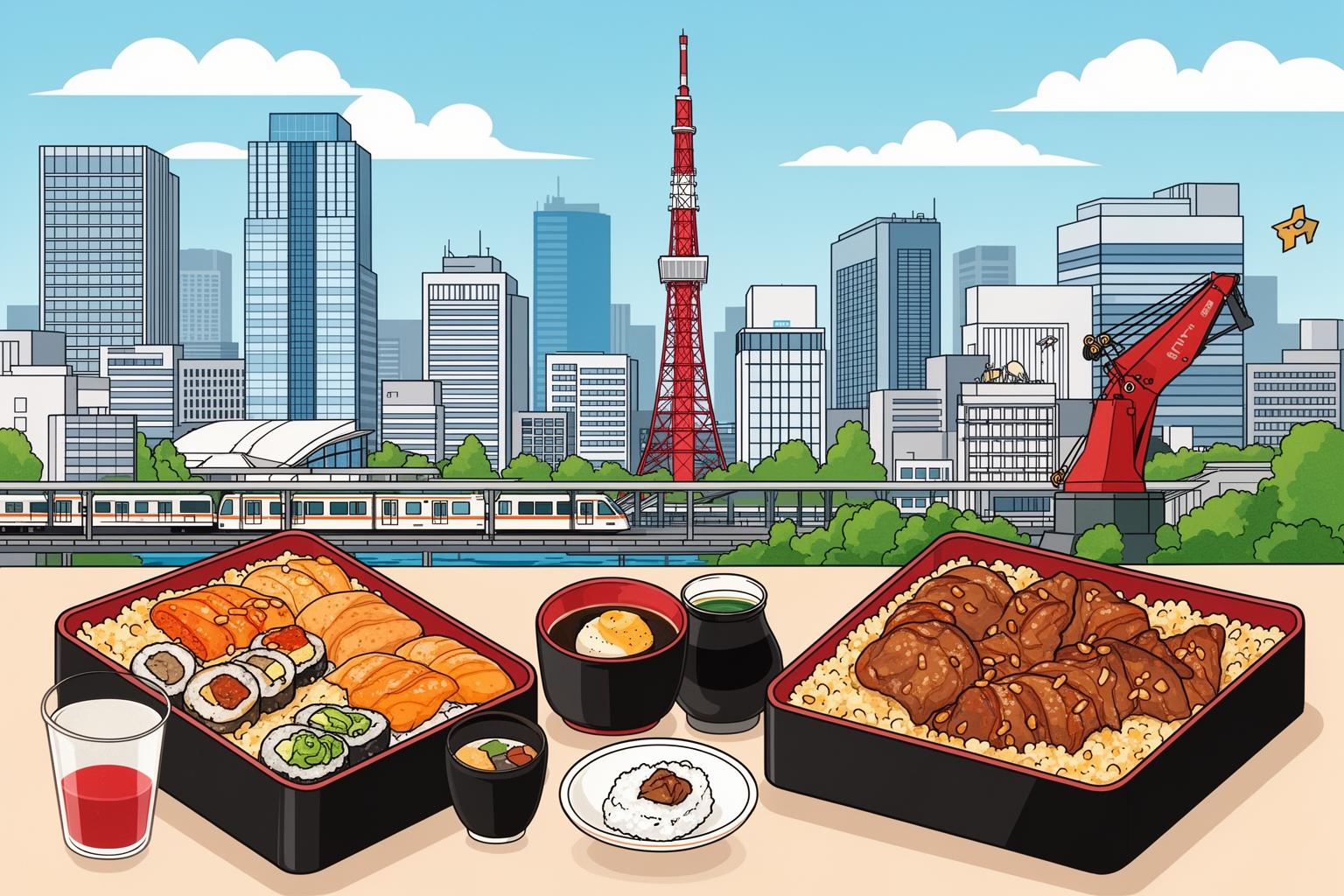
When you finally sit down and take that first bite, you’re tasting more than just food—you’re tasting a philosophy. That pre-made, flawless bento in Tokyo? It’s a beautiful creation that embodies a culture valuing perfection, presentation, and the quiet reverence of a master’s skill. It’s a top-down experience: an expert has decided what’s best, and you are the grateful recipient.
Your glorious, messy, hand-picked depachika bento is something entirely different. It’s a process, a bottom-up creation reflecting a culture that prizes autonomy, savvy, and the boisterous, joyful pursuit of personal preference. You are not a passive consumer; you are an active curator. You made a dozen small decisions, weighed options, compared prices, and engaged with the people who made the food. Your bento is a statement that says, “I know what’s good, I know where to find it, and I know how to put it together to create something better than any single item I could have bought off a shelf.”
This is the essence of the Osaka mindset: a city defined by its merchants and artisans, where being a smart, discerning customer is a source of pride. It cares less about conforming to a national standard of elegance and more about forging its own path, driven by pragmatism and a deep, abiding love for a good deal. People in Osaka don’t just want to eat well; they want the satisfaction of knowing they achieved a great meal through their own wit and effort.
So, the next time you find yourself in the magnificent chaos of the Umeda underground, don’t just look for a quick lunch. Take on the challenge. See the depachika not as a store, but as a palette of ingredients. Build your own bento. Debate with yourself over mackerel versus sea bream. Marvel at the pickle selection. Hunt for that 30% off sticker. In doing so, you won’t just be assembling a meal—you’ll be participating in a daily ritual that reveals the loud, practical, and delicious soul of Osaka, one carefully chosen, triumphant bite at a time.