The city breathes, a rhythmic pulse of commerce and concrete. In Osaka, that pulse is palpable, a current running through the veins of its boulevards and the arteries of its train lines. But find your way to the water’s edge, and the rhythm changes. It softens. This is the magic of Kitahama, a district where the sharp suits of the financial world meet the gentle flow of the Tosabori River. It’s a place of beautiful contradiction, a symphony of ambition and tranquility. For those of us seeking a space to think, to create, to simply be productive outside the confines of an office or a cramped apartment, Kitahama offers an unparalleled escape. It’s not just about finding a table with a plug socket; it’s about finding a view that fuels the mind, a current that carries your thoughts forward. Here, the city’s grand history is etched in stone facades, standing shoulder-to-shoulder with gleaming towers of modern enterprise, all reflected in the calm, shimmering surface of the river. It’s a place to work, yes, but it’s also a place to breathe. This is your guide to mastering the art of the riverside workday in one of Osaka’s most sophisticated and inspiring neighborhoods.
If you’re looking for a different kind of atmospheric workspace, consider exploring the retro cafes of Nakazakicho for a nostalgic change of pace.
The Soul of the Waterfront: Understanding Kitahama’s Unique Vibe

Before you even enter a café, you need to sense the heartbeat of Kitahama itself. It’s a district with a dual nature, and grasping this is essential to appreciating its allure. On one side, it stands as the stoic core of Osaka’s financial district. The streets are lined with the headquarters of major banks and the imposing Osaka Securities Exchange building. There’s a certain gravitas here—a feeling of history and economic strength evident in the architecture and the purposeful stride of people walking the sidewalks. The air buzzes with a quiet, focused energy, especially on weekday mornings. It’s a landscape of stone, glass, and ambition.
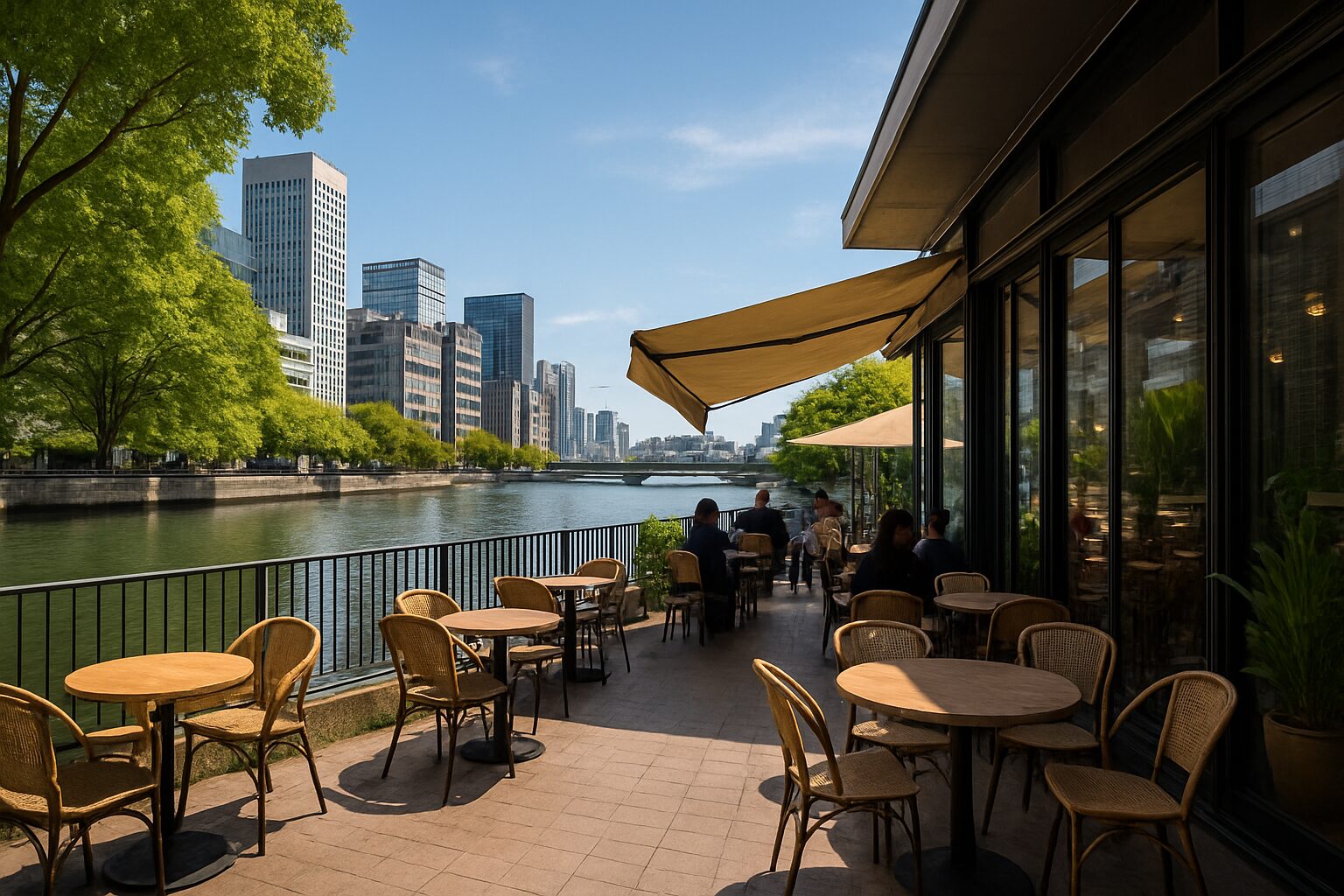
Yet, just a few steps toward the river, the entire atmosphere transforms. The noise of traffic diminishes, replaced by the soft lapping of water against the promenade walls and the distant rumble of a train crossing one of the elegant bridges. This is the quieter side of Kitahama, where the city breathes out. The river serves as a wide, calming expanse, a natural barrier that separates the commercial intensity from a space of tranquil reflection. Nakanoshima Park—a lush green island nestled between the Tosabori and Dōjima rivers—enhances this sense of calm. It’s not merely a park; it’s the lungs of central Osaka, and from Kitahama’s riverside, you enjoy a front-row view of its seasonal beauty.
The architecture itself narrates this story of duality. You’ll find splendid Meiji and Taisho-era buildings, with their ornate, European-inspired facades, standing as proud relics of Japan’s rapid modernization. They evoke a time when Osaka was famed as the “Manchester of the Orient,” a powerhouse of industry and trade. These historic buildings, like the Osaka Prefectural Nakanoshima Library and the Osaka City Central Public Hall across the river, offer a cinematic backdrop. Interspersed among them are sleek, modern towers reflecting the sky and water, symbolizing Osaka’s ongoing evolution. This blend of old and new, of drive and repose, is what makes Kitahama so enchanting. It’s a place that honors its past while ceaselessly moving toward the future, and the riverside is where you can sit and watch these two forces dance in the reflections on the water.
Northshore Cafe & Dining: A Vibrant Oasis of Health and Light
If Kitahama’s riverside had a symbol of vibrant, sun-soaked energy, it would be Northshore Cafe & Dining. This spot is a local favorite, and for good reason. Situated right on the water’s edge, its floor-to-ceiling windows and spacious terrace exist for one purpose: to bring the outdoors inside. Entering Northshore feels like stepping into a new climate. The space is bright, airy, and alive with a cheerful, relaxed energy. It’s filled with lush greenery, light wood accents, and the lively buzz of friends reconnecting and solo visitors working on laptops, all framed by the stunning views of the river and Nakanoshima Park.
The vibe here is undeniably fresh and health-focused. It’s the kind of place that makes you want to order a colorful salad or a stacked fruit sandwich just to be part of its wholesome atmosphere. The menu is a tribute to freshness. Their dishes are famously photogenic, brimming with vibrant vegetables, exotic fruits, and perfectly cooked proteins. The “Sprout Sandwich” stands out as a signature dish—hearty and delicious, balancing indulgence with virtue. Their coffee is outstanding, but they also serve an impressive range of fresh-pressed juices and smoothies, ideal for a morning jolt or an afternoon pick-me-up. It’s nourishment for both body and mind.
On a good day, grabbing a terrace spot can transform a productive work session. The breeze off the river, the distant hum of the city, and the sight of water taxis gliding by create a lively yet calming work environment. It breaks the monotony of staring at a screen and offers a steady stream of gentle inspiration. However, keep in mind: the terrace is highly sought after. On sunny weekends, it turns into a bustling social hotspot. For a quieter work experience, try weekday mornings, when there’s more space and a focused ambiance. Indoor seating is just as delightful, with the large windows ensuring you never miss the view. The staff are familiar with laptop users, and the Wi-Fi tends to be reliable, making Northshore both a practical and beautiful choice. It’s more than just a cafe; it’s a lifestyle statement, perfect for those who want to combine productivity with wellness, work with a generous splash of sunshine, and the beauty of scenic surroundings.
MOTO COFFEE: A Sanctuary for the Serious Coffee Aficionado

Just a short walk from the lively energy of Northshore, you’ll discover a different kind of riverside experience at MOTO COFFEE. This is a place that speaks in a quieter, more reflective tone. If Northshore is a bright, sunlit brunch, MOTO COFFEE is a deep, thoughtful conversation accompanied by a perfectly crafted single-origin brew. Here, the focus is firmly on the coffee, evident in every detail, from the minimalist decor to the intense concentration of the baristas.
The building itself is a narrow, multi-story structure, a common architectural style in urban Japan, yet it takes advantage of its verticality. Each floor offers a slightly different view of the river. The ground floor is where the magic unfolds—the roasting, grinding, and meticulous brewing. The scent of freshly roasted beans is intoxicating and sets the mood instantly. But the true gems are the seats on the upper floors. Small, intimate tables line the windows, creating personal viewing boxes overlooking the water and the historic architecture of Nakanoshima. The second-floor terrace is especially unique, a tiny open-air perch that feels like your own private balcony overlooking the city. It’s an ideal place for deep work, writing, or pondering a complex problem, where the view acts as a meditative focal point rather than a distraction.
The coffee menu offers a curated journey through various beans and brewing methods. The staff are exceptionally knowledgeable and passionate. Don’t simply order a “coffee”; engage with them. Share the flavor profiles you enjoy—fruity, chocolatey, earthy—and let them guide you to the perfect cup. Watching them prepare a pour-over is a lesson in precision and care, a quiet performance that enhances your appreciation of the final brew. This dedication to craft permeates every aspect of MOTO COFFEE. It’s calm, focused, and attracts a clientele that values the same. You’ll find fewer large, noisy groups and more individuals or pairs immersed in quiet conversation or focused work. It’s a sanctuary for those who believe a great cup of coffee and an inspiring view are essential ingredients for a truly productive and restorative day. This is the place to go when the quality of your coffee matters as much as the quality of your thoughts.
Beyond the Laptop: Immersing Yourself in the Kitahama-Nakanoshima Area
A day spent working in Kitahama shouldn’t be limited to the confines of a cafe, no matter how stunning the view. The real advantage of choosing this location lies in the smooth blend of work and life, productivity and relaxation. When you need to take a break, stretch your legs, and clear your mind, one of Osaka’s most beautiful urban retreats is right outside your door: Nakanoshima Park. Simply cross the elegant, arched Naniwa Bridge, guarded by its iconic lion statues, and you’re transported from the busy commercial district into a lush sanctuary.
Nakanoshima Park, situated between two rivers, is a long, narrow strip of land that offers an ideal escape. A stroll along its well-kept paths is a sensory delight. In spring, the park is renowned for its spectacular rose garden, bursting with vibrant colors and fragrances. Hundreds of rose varieties create a breathtaking display, essential for anyone visiting Osaka in May. In summer, the thick canopy provides refreshing shade, and the riverside paths catch a cooling breeze. Autumn sets the leaves ablaze with reds and golds, forming a perfect picture against the city skyline. Even in winter, the stark beauty of the bare trees and crisp air offer a revitalizing and invigorating break.
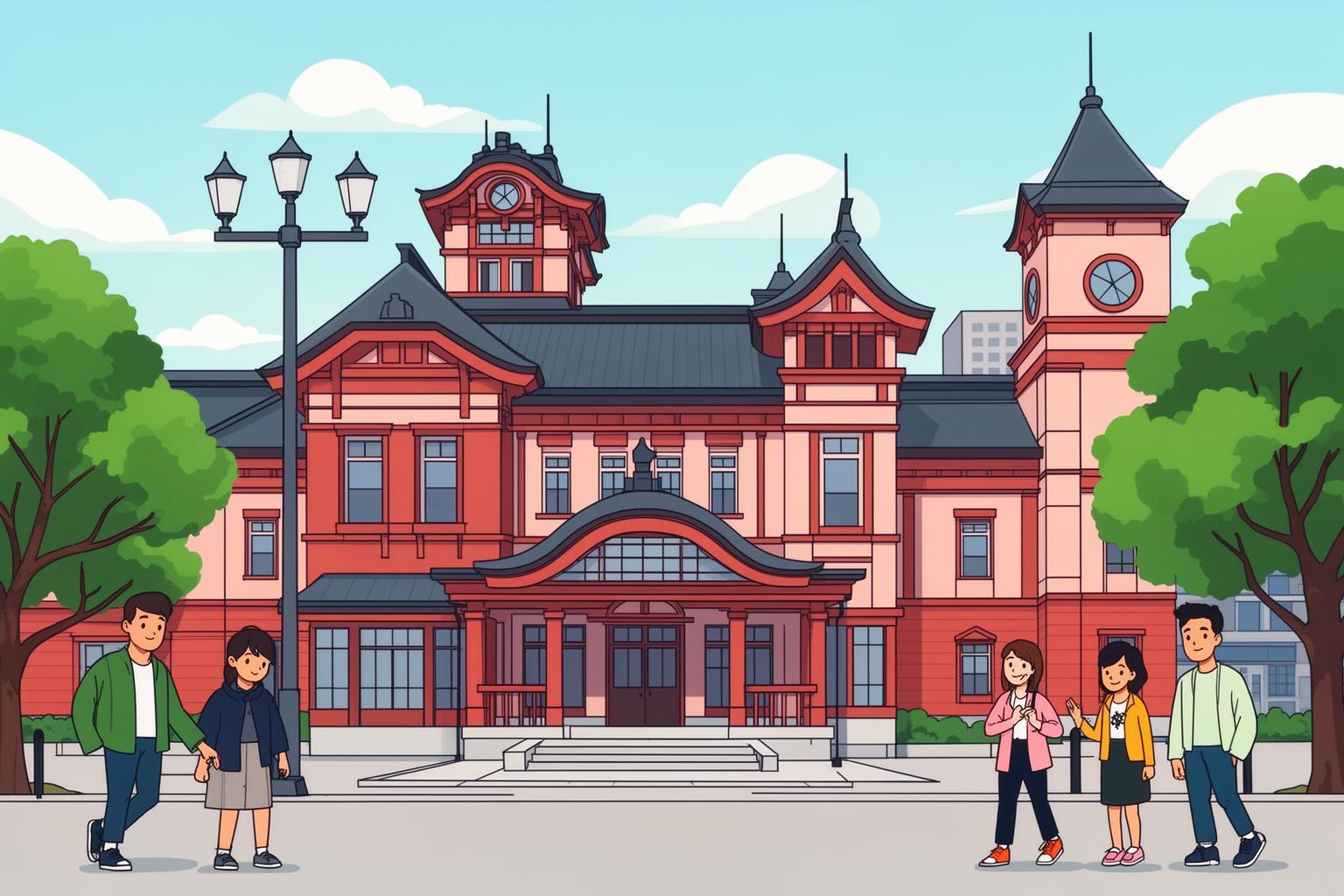
This island also serves as a cultural center. As you explore, you’ll encounter some of Osaka’s most significant architectural landmarks. The Osaka City Central Public Hall is a magnificent neo-Renaissance building with a striking red brick facade and a grand dome, symbolizing the city’s early 20th-century prosperity and ambition. Nearby, the Osaka Prefectural Nakanoshima Library is another stunning example of Baroque architecture, a temple of knowledge that seems to have been transported straight from Europe. You don’t need to enter to admire their grandeur; their presence elevates the entire park, adding a sense of history and dignity to your walk. Further west, you’ll find the Museum of Oriental Ceramics, a world-class institution with an extraordinary collection. Spending an hour wandering through its tranquil galleries can be a wonderful way to refresh your creative mind.
Use these breaks wisely. Instead of a quick coffee run, take a full hour for a “walking lunch.” Grab a sandwich from a local convenience store or bakery and find a bench in the park overlooking the water. Watch the tour boats drift by, observe city life from a peaceful distance, and let your thoughts roam. This kind of active disengagement from work is often where the best ideas surface. By the time you return to your cafe table, you’ll feel refreshed, refocused, and more connected to the beautiful city around you. This rhythm of focused work interrupted by inspiring walks is the true key to mastering a productive day in Kitahama.
The Architectural Tapestry and Historical Echoes
To work in Kitahama is to be immersed in stories carved in stone and steel. The district serves as a living museum of Japanese architectural history, and taking a moment to appreciate the details can deeply enhance your experience. This area gained prominence during the Meiji Restoration, when Japan opened to the world and rapidly industrialized. Osaka became the nation’s commercial center, with Kitahama as its Wall Street. The grand buildings that remain today stand as symbols of this newfound power and global vision.
Begin your exploration at the Osaka Exchange. Although the current building is modern, the institution itself dates back to the Edo period. The energy of commerce, the fortunes won and lost here, has filled this place for centuries. From there, stroll down the side streets and look up. You’ll notice remarkable facades nestled between modern office towers. The Koraibashi Nomura Building, for instance, is a stunning example of pre-war architecture, featuring classic lines and a timeless elegance. Many of these older buildings have been carefully preserved and adapted, often housing chic boutiques, restaurants, and offices. They are not relics, but active contributors to the district’s vibrancy.
One of the most notable historical figures linked to the area is Godai Tomoatsu, a samurai and entrepreneur who played a key role in making Osaka a modern city. His statue stands proudly outside the Exchange, symbolizing the visionary spirit that shaped this place. He founded the Osaka Chamber of Commerce and Industry as well as the stock exchange, laying the foundation for the financial district we see today. Knowing his story adds depth to the surroundings; you’re not simply in a business district, but at the heart of Japan’s modern economic birth.
This historical background gives the riverside view even greater significance. As you relax in a sleek, modern cafe, you look out upon bridges and buildings that have witnessed centuries of transformation. You are partaking in the latest chapter of Kitahama’s narrative — the emergence of the flexible, mobile workforce. The contrast is striking: the eternal flow of the river, the enduring historic structures, the vibrant pulse of the 21st-century economy, and you, with your laptop, right in the midst of it all. It creates a unique sense of connection to the city, a feeling that your work contributes to a much larger, ongoing story. So, on your next coffee break, don’t just stroll through the park. Walk through history. Let the architectural details and the stories they carry inspire your own creativity.
Practical Tips for the Perfect Riverside Workday
Having the right strategy can transform a good day of remote work in Kitahama into an excellent one. It’s a popular area, so a bit of planning goes a long way. First, timing is crucial. Weekday mornings, from opening until about 11:30 AM, are the prime hours. The cafes are quieter, the atmosphere is more focused, and you can choose the best tables with the most inspiring views. Lunchtime, from noon to around 2:00 PM, brings a significant rush from local office workers. This is an ideal time to take your exploratory walk through Nakanoshima Park. By the time you return, the lunch crowd will have dispersed, allowing you to settle in for a productive afternoon session.
Come prepared. While most cafes in the area provide free Wi-Fi, it’s always smart to have a personal hotspot or a mobile data plan as a backup, especially if you have an important video call. The quality of public Wi-Fi can be unreliable, particularly when a cafe gets busy. Power outlets are essential for remote workers today, but not all tables have them. When you arrive, quickly scan the area or politely ask the staff to direct you to a seat with power access. Carrying a fully charged power bank is a must-have safeguard against a dead battery ruining your day.
Consider your gear. Noise-canceling headphones are a necessity. Although the riverside setting is generally peaceful, the ambient chatter inside a busy cafe can be distracting when you need to focus. A good pair of headphones creates your own personal bubble of concentration. Also, take the season into account. Terrace seating is wonderful in spring and autumn, but can be intensely hot in summer and uncomfortably cold in winter. Dress in layers, and always have sunglasses on hand – the river’s reflection can be surprisingly bright.
Finally, be a considerate cafe patron. These establishments are businesses, not co-working spaces. It’s good etiquette to order something every few hours. Don’t just nurse a single coffee all day, especially when the cafe is busy. Vary your orders – have a coffee in the morning, a slice of cake in the afternoon, maybe a juice to stay hydrated. Be mindful of the space you occupy. Keep your belongings contained, avoid taking loud phone calls at your table, and always be courteous and appreciative toward the staff. By being a respectful customer, you help ensure these wonderful spaces remain welcoming to mobile workers. A little consideration helps everyone continue to enjoy these fantastic urban sanctuaries.
A Gentle Closing on the Kitahama Current

There’s a reason we are drawn to water. It carries a rhythm, a steady and persistent flow that both soothes and inspires. In Kitahama, the Tosabori River is more than mere water; it embodies the district’s soul. For centuries, it has reflected Osaka’s evolving face, from wooden merchant houses and grand baroque facades to today’s towers of glass and light. Spending a day working beside it means tapping into that current, allowing the gentle movement of the water to loosen your thoughts and set your ideas adrift on a fresh course.
This goes beyond simply finding a nicer backdrop for your Zoom calls. It represents a fundamental shift in how we approach work. It acknowledges that our surroundings deeply influence our output and well-being. The blend of Kitahama’s historic weight, Nakanoshima’s natural beauty, and the inviting comfort of its riverside cafes creates a powerful alchemy. It’s a recipe for a day that’s not only productive but truly enjoyable and restorative. Instead of leaving drained by deadlines and screen time, you feel renewed by open skies, fresh air, and the simple, profound pleasure of watching life unfold. So the next time your usual workspace feels confining, pack your bag, head to the river, and let Kitahama’s current carry you through your day. The city awaits with a table reserved just for you.