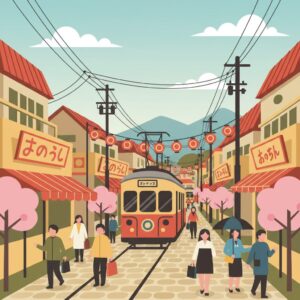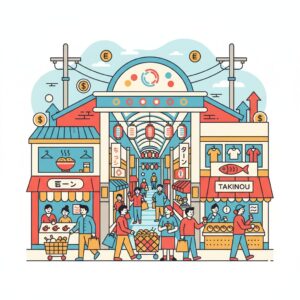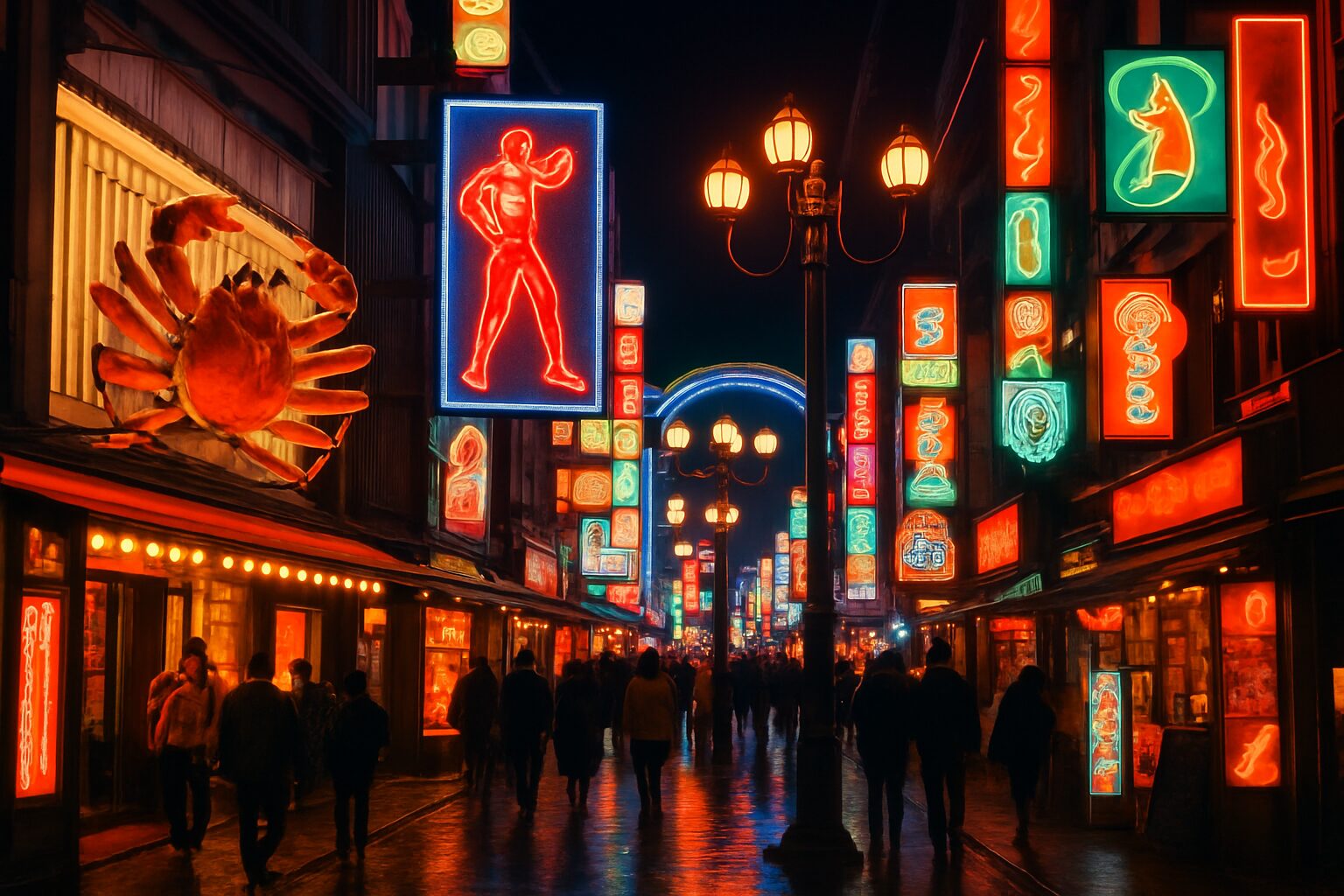
There’s a rhythm to Osaka, a pulse you can feel deep in the soles of your feet, and its epicenter, the source of its relentless, joyful beat, is Dotonbori. To the uninitiated, it’s a dizzying, electrifying assault on the senses. A kaleidoscope of neon signs, towering over a canal, reflecting a world of endless energy onto the water’s shimmering surface. It’s the scent of grilled octopus and savory pancakes, the roar of a thousand conversations, the clatter of pachinko parlors, and the ever-present call of “Irasshaimase!” spilling from every doorway. This is the heart of Minami, Osaka’s southern downtown, a place built on the philosophy of kuidaore—to eat, drink, and indulge until you metaphorically drop. But for those of us who call Osaka home, Dotonbori isn’t just a tourist spectacle; it’s a living, breathing organism with its own 24-hour life cycle. It has moments of quiet introspection, periods of bustling commerce, and hours of pure, unadulterated hedonism. Learning to navigate its shifting tides is to understand the very soul of this city. It’s about knowing when to dive into the main current and when to slip into the quiet eddies, finding your own personal Osaka within the brilliant, beautiful chaos. Dotonbori is more than a destination; it’s an experience that reinvents itself from sunrise to sunrise, and understanding its rhythm is the key to truly unlocking it.
To truly embrace the kuidaore spirit, consider a detour into the nostalgic lanes of Naniwa Kuishinbo Yokocho, a retro food alley where Osaka’s classic takoyaki tells its own delicious story.
The Morning Calm: A Rare Glimpse Before the Storm
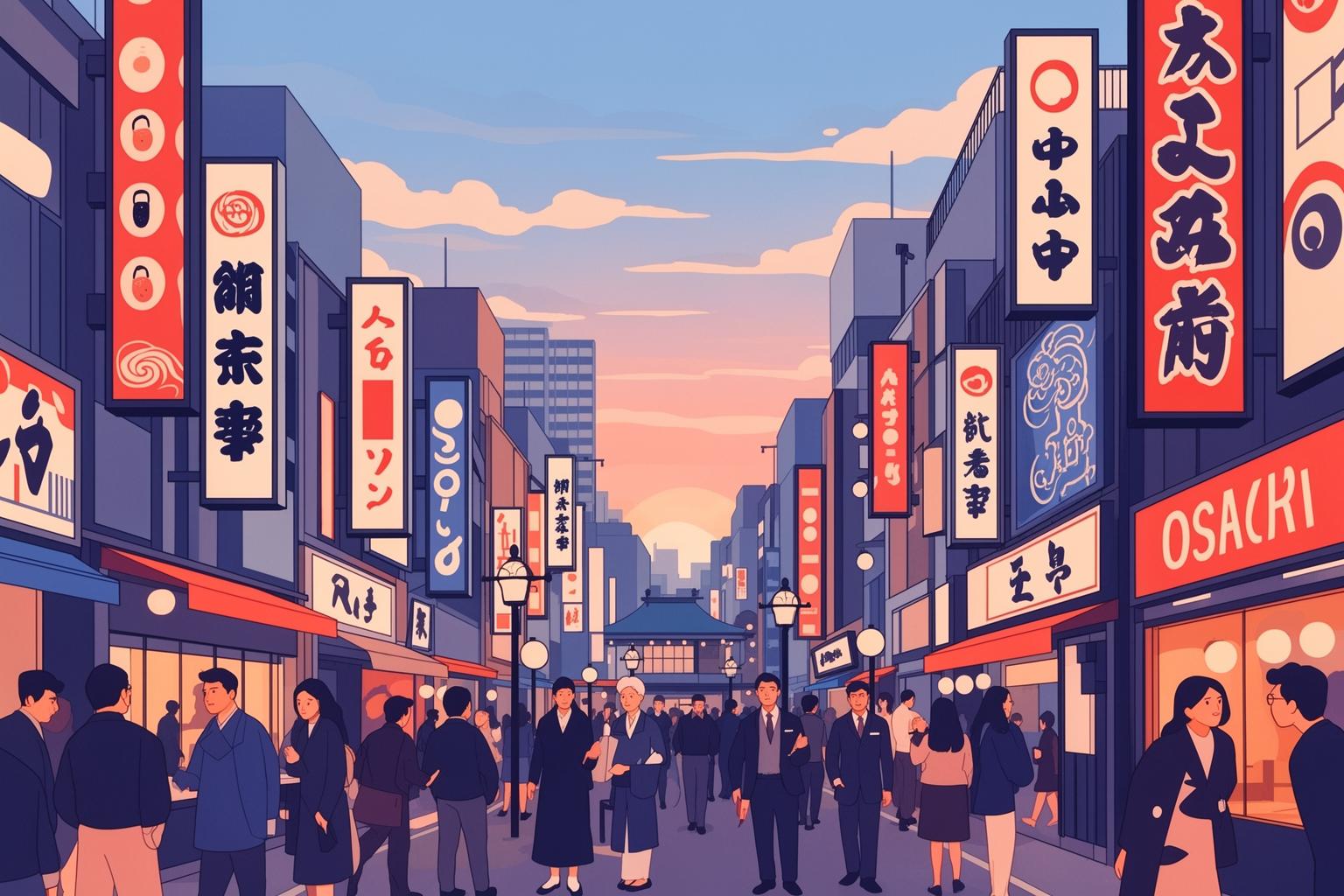
Long before the first tourist captures a photo of the Glico Running Man, Dotonbori awakens in a soft, hazy light. To stroll along the canal path at six in the morning is to witness the district in its most vulnerable and genuine state. The neon giants lie dormant, their vibrant hues subdued by the pale dawn sky. The air, soon to be thick with smoke from countless grills, is crisp and clean, carrying only the faint, salty scent of the canal and the savory promise of dashi broth simmering in the back kitchens of ramen shops. This is the Dotonbori of workers. Delivery trucks hum quietly as they unload crates of fresh cabbage, kegs of beer, and sacks of flour. Cleaning crews are hard at work, hosing down pavements and scrubbing away the remnants of the previous night’s revelry, preparing the stage for a new day. The loudest sound is the metallic rattle of steel shutters rolling up, a collective groan as the district stirs awake. It’s a fascinating, almost meditative moment. At this hour, you can stand on Ebisu Bridge, the main pedestrian thoroughfare, and feel as if you have the entire world to yourself. You can admire the Shochikuza Theatre’s architecture without a crowd blocking your view, appreciating its grand, traditional facade that speaks to the area’s deep roots in entertainment. Yet, the true spiritual heart of this morning calm lies just steps away from the main canal, tucked into a narrow, stone-paved alley. This is Hozenji Yokocho, home to Hozenji Temple. Here, the atmosphere shifts—it’s cooler, infused with the gentle scent of incense. The temple’s centerpiece is a statue of Fudo Myo-o, a fierce Buddhist deity. Years, perhaps centuries, of worshippers offering water have left the statue completely covered in a thick, vibrant green moss. Watching a local elder or monk in morning robes gently ladle water over the statue, the quiet splash echoing in the peaceful alley, is a moment of profound tranquility. It serves as a powerful reminder that beneath the commercial chaos lies a deep, enduring tradition. For locals, morning in Dotonbori isn’t about consumption; it’s about observation—grabbing a warm coffee from a vending machine, finding a bench by the water, and watching the city slowly come to life, knowing this beautiful tranquility is fleeting, which only makes it more precious.
Midday Hustle: The Kuidaore Culture Awakens
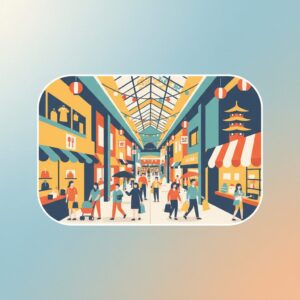
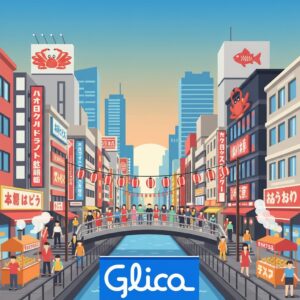
As the clock inches closer to noon, the gentle hum of the morning swells into a full-blown symphony of urban life. This is when the Dotonbori everyone envisions begins to take form. The transformation is swift and complete. The music starts—a chaotic blend of J-pop, store jingles, and street vendors’ calls. The air takes on a tangible presence, heavy with the irresistible aromas of street food. The sizzle of okonomiyaki batter hitting a hot griddle, the sweet and savory scent of takoyaki sauce, the rich, porky steam rising from ramen shops—all assault the senses in a glorious olfactory onslaught. This marks the beginning of the kuidaore rush. Crowds spill out from the subway exits at Namba and Nipponbashi, a river of humanity flowing toward the canal. The visual scene bursts with activity. Iconic mechanical signs commence their endless dances: the giant crab at Kani Doraku waves its claws, the massive gyoza beckons from its storefront, and a huge octopus looms over a takoyaki stand. At the heart of it all, the Glico Running Man strikes his perpetual victory pose, the most famous photo-op in Osaka. While tourists swarm the most recognizable spots, forming long lines that snake down the street, locals approach the midday bustle differently. We know the rhythm of the crowds. The main thoroughfare along the canal can become a sluggish shuffle, so the secret is to slip through parallel streets and covered shopping arcades. The Shinsaibashi-suji Shopping Arcade, a covered promenade stretching north from Ebisu Bridge, offers a slightly more orderly, though no less busy, experience. It’s a fantastic spot to observe Osakan life, balancing international brands, classic kimono shops, and trendy youth fashion. Locals often use this time for practical errands or a quick, efficient lunch. We bypass the famous ramen chains with hour-long waits and instead slip into a smaller, unassuming udon shop tucked away on a side street, where the broth is equally rich and the noodles perfectly chewy. Or we might pick up a box of takoyaki not from the most famous stall, but from a smaller one where the chef is a familiar face, skillfully turning the octopus balls with a practiced, lightning-fast flick of the wrist. The midday atmosphere is one of thrilling chaos—energetic, vibrant, and slightly overwhelming. It’s the sound of laughter, the sight of friends sharing food, and the sensation of being swept up in a city fully awake and hungry for life. To navigate it is to embrace the flow, letting the crowd’s energy carry you while always keeping an eye out for the small, quiet spaces in between—a tiny coffee shop, a hidden shrine, or a bench offering a brief respite from the glorious madness.
The Golden Hour into Neon Night: Dotonbori in its True Glory
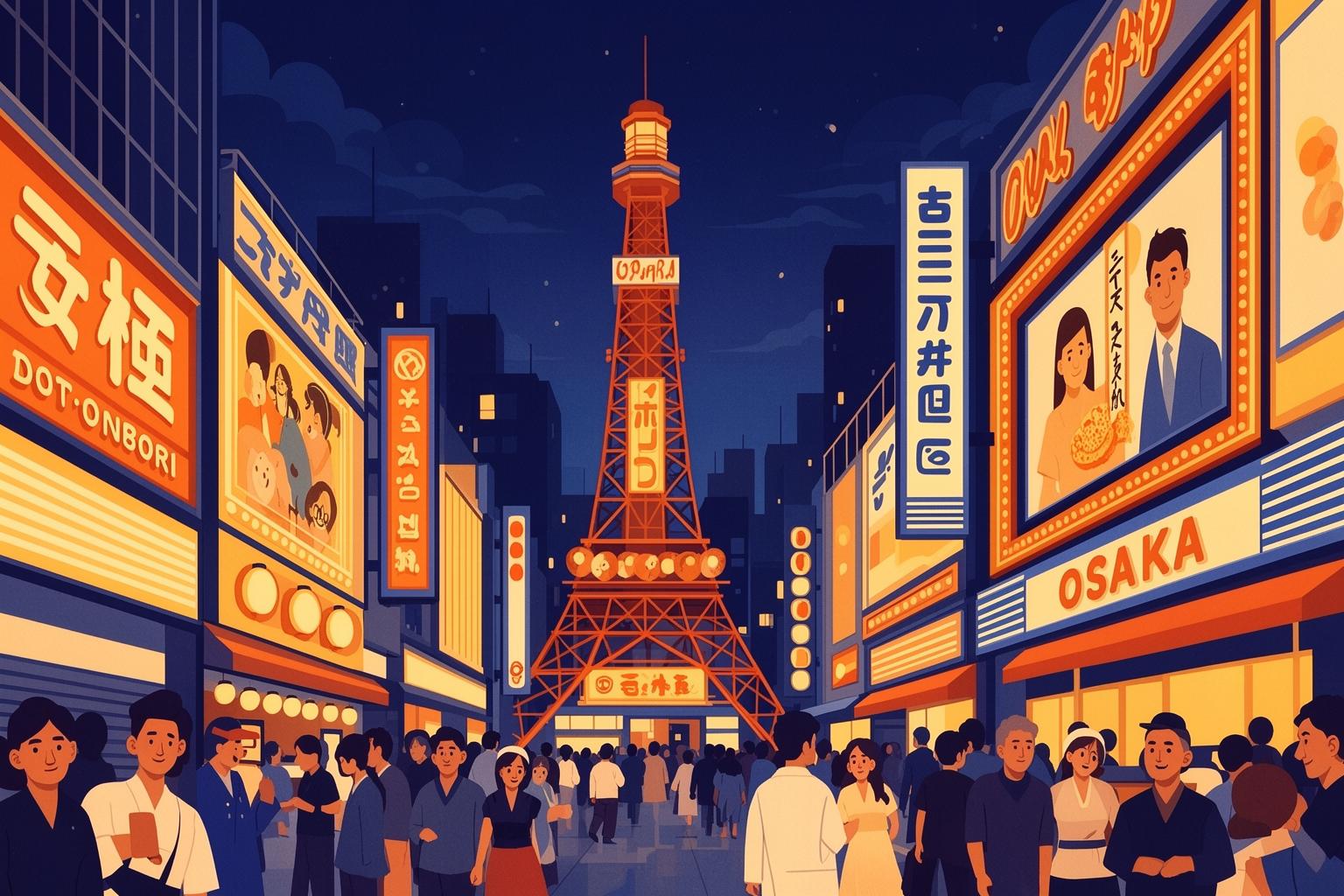
If Dotonbori has a moment of peak brilliance, a time when it truly becomes the spectacle it’s renowned for, it occurs as the sun begins to set. The shift from day to night is utterly magical. The ‘golden hour’ light first blankets the district in a warm, soft glow, making the already vibrant buildings appear even more vivid. But this is only the prelude. The real spectacle begins as dusk deepens and neon signs flicker on one after another. It starts with a few, then a dozen, then a hundred until the entire area is bathed in an otherworldly electric radiance. This is Dotonbori’s apotheosis. The Glico sign, the Asahi beer logo, the numerous LED screens—they all shine with an intensity that transforms the night sky into a canvas of pulsating light. The surface of the Dotonbori canal turns into a shimmering mirror, reflecting the neon display in a dazzling, distorted dance of color. The atmosphere becomes electric, charged with a tangible sense of excitement and possibility. The crowds peak, a dense and joyful throng drawn to the light like moths to a flame. This is when the kuidaore philosophy reaches its pinnacle. It’s a time for hashigo, the art of bar and restaurant hopping. You don’t settle for one meal; you graze. You start with a boat of piping hot takoyaki from a street vendor, the creamy batter melting on your tongue. Then you move on to a stand-up kushikatsu joint, dipping skewers of deep-fried meat and vegetables into a communal pot of tangy sauce (remember the cardinal rule: no double-dipping!). After that, perhaps a steaming bowl of tonkotsu ramen from a legendary shop, its rich broth a comforting hug in a bowl. Each stop offers a new flavor, a fresh experience. For a different perspective, the Tonbori River Cruise is a must. Drifting along the canal, gazing up at the towering signs from below, provides a cinematic view you can’t get from the crowded bridges. The guide’s lively commentary, the cool breeze off the water, and the unique vantage point make you feel like you’re floating through a scene from Blade Runner. While the food and sights are the main draws, Dotonbori’s nightlife is also about entertainment. It’s home to the Namba Grand Kagetsu theater, the headquarters of Yoshimoto Kogyo, Japan’s comedy powerhouse. Even if you don’t understand Japanese, the slapstick and sheer energy of a manzai (comedy duo) show can be universally hilarious. Locals often use Dotonbori as a launchpad for the night. We agree to “meet under the Glico sign” before venturing into the deeper, more specialized warrens of Namba. We might head to a tiny, vinyl-only jazz bar hidden on the third floor of an old building, or find a cozy izakaya in the maze-like alleys of Ura Namba, an area just south of the main strip that’s packed with authentic, local-favorite spots. For us, a night in Dotonbori is a brilliant, dazzling gateway to the rest of the city’s nocturnal delights.
The After-Hours Scene: From Last Train to First Light
Around midnight, Dotonbori undergoes a subtle but meaningful change. The sharp energy of the evening softens, replaced by a steadier, lower hum. This marks the time of the shuden, the last train. A stream of people—commuters, early leavers, and the prudent—pour out of the area, heading toward Namba station. The district seems to pause collectively. But it doesn’t fall asleep. Far from it. This is when after-hours Dotonbori shines, welcoming a different crowd: night-shift workers finishing their shifts, committed partygoers who view the last train as the signal to keep going all night, and travelers who’ve lost track of time. The crowd’s character shifts. Large tourist groups and families vanish, replaced by smaller groups of friends, lone diners, and couples. Conversations become softer, more intimate. The dazzling neon signs still glow, but now light up streets that are half-empty, evoking a surreal and beautiful melancholy. This is when 24-hour spots become true refuges. Places like Ichiran Ramen, with its individual “flavor concentration booths,” offer the perfect setting for a late-night, contemplative meal. Don Quijote, the massive and chaotic discount store, remains open, its aisles a treasure trove for insomniacs and last-minute shoppers. Nearby chefs, their shifts done, sit down for a bowl of gyudon at 24-hour chains, their faces showing tired contentment. Students spill out of all-night karaoke boxes, their voices hoarse from hours of singing. Convenience stores become brightly lit havens, their warmth and endless snacks a comfort in the deep night. For locals, late-night Dotonbori holds a special charm. It feels more personal, more unfiltered. The show is over, and you glimpse backstage reality. You can stroll along the canal without jostling, and the reflections on the water appear clearer, deeper. It’s a moment for reflection and relaxation. It’s also a time of pragmatism. Taxis line up near main bridges, their red ‘vacant’ lights glowing, ready to take people home—for a price. Navigating this time requires a plan: either staying nearby to watch the sunrise or prepared for the taxi fare. As the clock approaches 4 or 5 AM, the cycle begins anew. The first delivery trucks arrive, their headlights piercing the pre-dawn gloom, ready to start the incredible process all over again. Witnessing this transition—from the night’s last echoes to morning’s first stirrings—is to see the city’s true, tireless heartbeat.
Navigating the Tides: A Local’s Survival Guide
To truly master Dotonbori, you must see it not just as a single destination but as a complex ecosystem with its own unique rules and rhythms. It takes a bit of strategy, a touch of adventurous spirit, and the understanding that the best experiences often lie beyond the obvious. Your key asset is knowing how to navigate access. Dotonbori sits at the heart of Osaka’s transit system. The Namba station complex is a sprawling maze serving several lines: the Midosuji line (the city’s main subway artery), the Yotsubashi and Sennichimae subway lines, and the Nankai line connecting to Kansai Airport. Choosing the right exit can transform your visit; for example, Exit 14 of the Midosuji line drops you right by Ebisu Bridge. A short walk east takes you to Nipponbashi station, which serves the Sakaisuji and Sennichimae lines and is closer to Kuromon Market and Den Den Town. Knowing your lines and exits lets you dive into the heart of the action and slip away just as easily. Timing is everything. Avoid visiting at 7 PM on a Saturday unless you enjoy intense crowds. Opt instead for a weekday lunch to experience a more manageable buzz. See the neon lights on a Tuesday night rather than a Friday. Or, for a truly unique perspective, take an early morning stroll. Each time of day reveals a different side of Dotonbori. The most vital skill is mastering the art of the side street. While the main canal walk is picture-perfect, the true soul of the area lies in its smaller arteries. Hozenji Yokocho is the most famous, a stunningly atmospheric alley that transports you to old Japan. But many others await discovery. Wander the narrow streets branching off the main shopping arcades. Here, you’ll find tiny, specialized bars, family-run restaurants passed down through generations, and unique shops that typical tourist guides overlook. This is where the best food awaits. Though the giant crab and pufferfish signs are iconic, they often come with long waits and premium prices. A local’s strategy relies on observation: seek out smaller spots with simple, Japanese-only menus and lines filled with locals, not tourists. Embrace the hashigo culture—don’t settle in one place. A true Osakan feast is a moving one. For first-time visitors, a few small tips can make all the difference. Wear your most comfortable shoes—you’ll be walking miles. While card payments are becoming more common, carry enough cash, as many small food stalls and traditional shops only accept cash. Stay aware of your surroundings; while crowds are generally safe, vigilance is always wise. Finally, don’t over-plan. The greatest joy of Dotonbori lies in spontaneous discoveries—the unexpected flavor, the hidden alleyway, the impromptu street performance. Let yourself get lost in its vibrant energy.
Beyond the Neon: Dotonbori’s Cultural Heartbeat
Beneath the dazzling facade of modern consumerism, Dotonbori is rich in history that continues to shape its identity. Understanding this context allows one to look beyond the flashing lights and truly appreciate the district’s deep cultural roots. Dotonbori originated in the early 17th century, not as a food district, but as Osaka’s premier entertainment center. The canal itself was an ambitious venture completed in 1615 by a local entrepreneur named Yasui Doton. After his death during the Siege of Osaka, his cousins finished the project, and the new lord of the castle named the canal “Doton’s Canal”—Dotonbori—in his honor. The area quickly flourished. The Tokugawa Shogunate designated it as Osaka’s official entertainment district, and theaters began to line the canal’s banks. This was the golden age of Kabuki and Bunraku (traditional puppet theater) in Osaka. Renowned playhouses such as the Kadoza and Naniwaza staged legendary performances, making the district synonymous with drama, music, and art. The actors and playwrights working here were the superstars of their era. This theatrical legacy is more than a historical note; it is still vibrant today. The grand Shochikuza Theatre, which opened in 1923, continues to host major Kabuki productions, its elegant facade standing as a tribute to a more refined era of entertainment. The spirit of performance also endures in a modern, distinctly Osakan form: comedy. The area serves as the home base for Yoshimoto Kogyo, Japan’s comedy powerhouse, and the stages of the Namba Grand Kagetsu have launched the careers of the country’s most famous comedians. This deep connection to entertainment is intertwined with Osaka’s identity as a city of merchants. Unlike the stoic samurai capital of Edo (Tokyo), Osaka was built on commerce, pragmatism, and a love for the good life. The merchants, who had wealth but lacked samurai social status, invested in pleasures: food, drink, and theater. This is the origin of kuidaore. It was a means for the merchant class to enjoy the rewards of their labor. The restaurants and food stalls of Dotonbori grew to feed the hungry theater-goers, sparking a culture of culinary rivalry. The flamboyant signs for which Dotonbori is famous are a modern continuation of this history—they act as theatrical billboards of the food world, meant to capture the attention of crowds just as theater banners did centuries ago. So, standing on the Ebisu Bridge today places you in a spot where culture and commerce have joyfully intertwined for over 400 years. The neon lights represent just the latest chapter in a long story of a city that has always known how to put on a great show and serve a delicious meal.
To view Dotonbori as merely a collection of restaurants and bright signs misses the point. It is a living timeline of Osaka, a place where a 400-year history of entertainment and indulgence is renewed daily. It stands as a testament to the city’s resilience, boisterous spirit, and enduring belief that a life well-lived is one filled with good food, good laughter, and good company. Experiencing its 24-hour cycle is a journey into the heart of that philosophy. From the quiet reverence of a morning temple visit to the sensory explosion of a neon-lit night, Dotonbori offers countless experiences packed into one unforgettable district. So, the next time you find yourself swept up by its energy, pause for a moment. Look beyond the giant crab, listen past the crowd’s roar, and feel the powerful, joyful, and uniquely Osakan pulse. Dive in, explore its rhythms, and discover the Dotonbori that speaks to you. It’s waiting for you, around the clock.