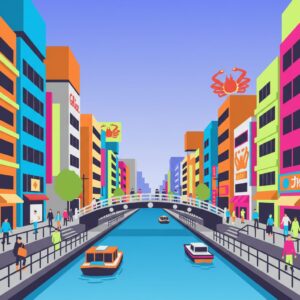
Yo, let’s talk about a place that sizzles with a life force so electric it feels like the very air is buzzing. We’re diving headfirst into the luminous, chaotic, and utterly captivating heart of Osaka: Dotonbori. When you picture Osaka, chances are you’re seeing this exact scene—a river acting as a mirror for a galaxy of neon signs, a giant crab waving its mechanical claws, and the legendary Glico Running Man, frozen mid-stride in a victory pose that has screamed ‘Osaka!’ to the world for generations. This is the city’s spectacular, technicolor soul laid bare. But beneath the dazzling surface, beyond the endless photo opportunities and the mouth-watering street food that calls your name, there’s a rhythm, a daily pulse powered by the thousands of people who don’t just visit Dotonbori, but live it, breathe it, and build their lives within its brilliant chaos. This isn’t just a tourist destination; it’s a workplace, a neighborhood, a stage where the grand performance of Osaka life unfolds 24/7. We’re going to peel back the curtain of light to meet the cast of characters, understand their routines, and discover the quiet moments that exist in the heart of Japan’s most vibrant entertainment district. This is the story of Dotonbori from the inside out, a look at the intricate human machinery that makes the spectacle possible. So, grab your curiosity, and let’s wander past the glowing billboards into the real Dotonbori.
While the energy of Dotonbori is undeniable, those looking for a quieter place to focus can find their sanctuary in nearby work-friendly cafes in Horie.
The Morning Ritual: Before the Lights Turn On
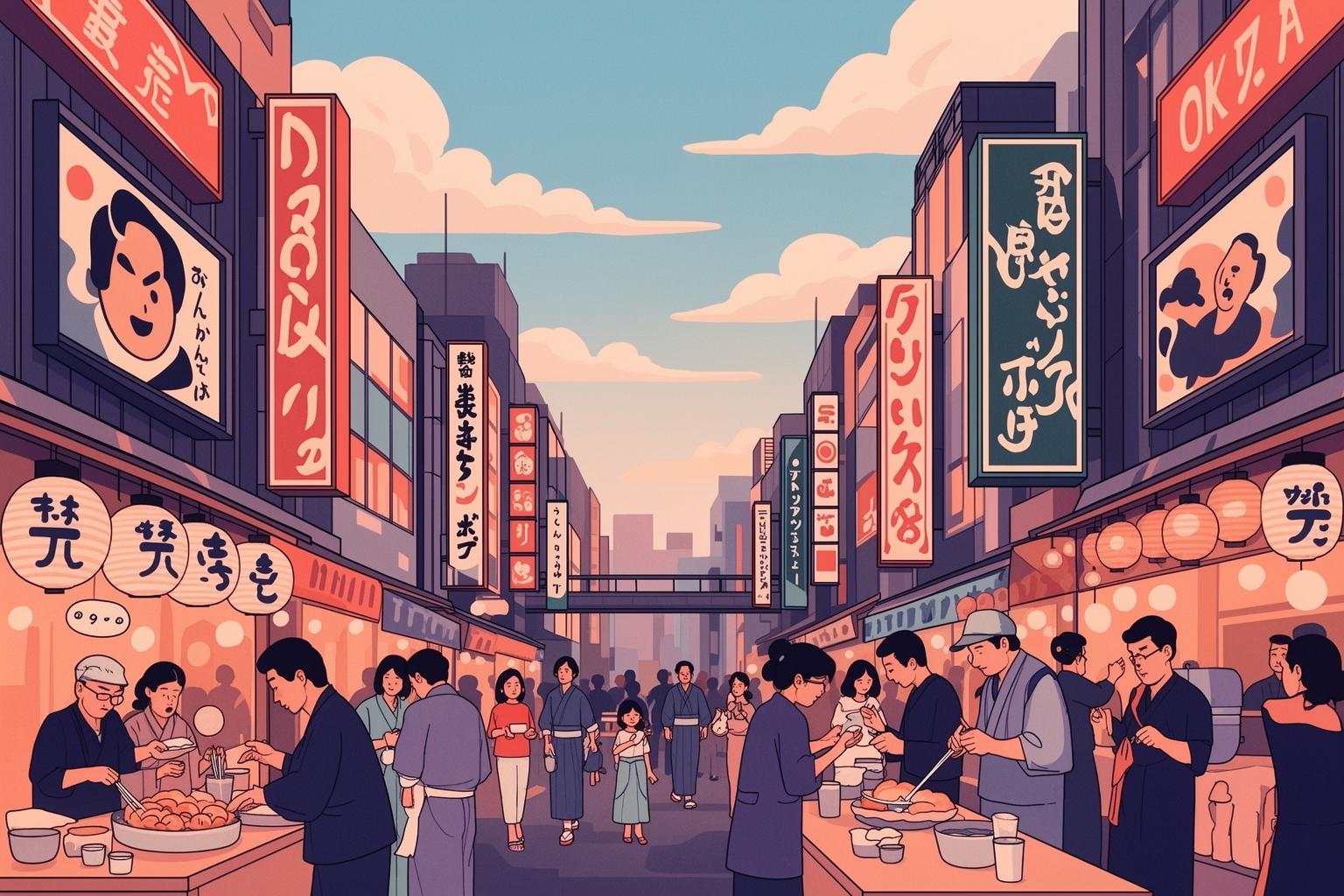
The Dotonbori most people around the world recognize is a creature of the night. Yet, to truly grasp its essence, you must encounter its daytime persona, particularly in the quiet early morning, long before the first tourist even considers takoyaki for breakfast. Around 5 AM, the neon lights give way to the gentle, gray light of a city stirring awake. The air, heavy with remnants of the previous night’s festivities—a faint, sweet trace of grilled meats and sugary crepes—is now being refreshed by a cool breeze drifting up from the canal. This is Dotonbori at its most vulnerable and authentic. The silence is the first thing that catches your attention. It’s not complete silence but a practical one, broken by the rhythmic scrape of a street sweeper’s brush on the pavement, the low hum of a delivery truck idling in a narrow side street, and the sharp, metallic clang of a shop’s security shutter being rolled up, a sound that echoes like the starting gun for the day ahead. This is the prelude to the daily symphony of commerce.
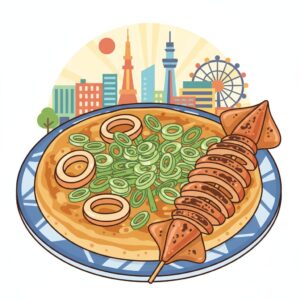
This is the moment when the district’s true inhabitants, its workers, take over the streets. Look closely, and you’ll see the culinary masters—the chefs and kitchen staff—heading to their stations. Many have just returned from an early trip to Kuromon Ichiba Market, a short walk away, their carts laden with styrofoam boxes of glistening fresh seafood, crates of vibrant green onions, and bags of pristine rice. Their faces are focused, their steps determined. They are the guardians of Osaka’s sacred tradition of ‘kuidaore’—eating oneself into ruin—and their day begins with the solemn ritual of preparation. Inside a small, family-run okonomiyaki shop, a grandmother, her movements refined over sixty years, starts the careful process of mixing batter. The recipe is a fiercely guarded secret, passed down through generations. She doesn’t measure; she senses. The texture, the aeration—it’s all muscle memory, a culinary dance performed in the quiet solitude of her kitchen before the world outside stirs. Meanwhile, her grandson polishes the massive ‘teppan’ grill until it gleams, a sacred altar where the day’s offerings will be crafted. This scene, this dedication to craft, unfolds in hundreds of kitchens along the canal.
The spiritual side of the morning is hidden away from the main walkway, in the stone-paved, lantern-lit alley of Hozenji Yokocho. Here, the atmosphere feels different, ancient. The boisterous energy of Dotonbori’s main street cannot penetrate this sanctuary. Local shopkeepers and residents stop by the tiny Hozenji Temple on their way to work. They pause before the statue of Fudo Myoo, a Buddhist deity now covered in a thick, green layer of moss so dense that its original shape is almost unrecognizable. They scoop water from a stone basin and pour it over the statue, a ritual offering, a quiet prayer for prosperity and safety in the day to come. The gentle sound of water, the soft murmur of a prayer, the scent of burning incense—these moments of calm serve as a spiritual anchor amid the commercial bustle. These are the instances that ground Dotonbori, linking its dazzling present to a deeper, more enduring past. It is in this serene dawn that the foundations for the day’s spectacular chaos are laid, one fresh ingredient, one polished grill, and one heartfelt prayer at a time.
The Midday Hustle: A Symphony of Commerce and Cuisine
As the sun rises higher, the morning’s calm dissipates like mist lifting from the canal. The quiet, practical rhythm gives way to a swelling crescendo of activity. This marks the midday hustle, when Dotonbori shifts from a behind-the-scenes preparation zone into a lively, vibrant spectacle that captivates the world. Around 10 AM, the first wave of tourists starts to arrive, cameras clicking and eyes wide with awe. They blend with another crowd: local office workers from the nearby Namba business district, flooding the area on their lunch break in search of quick, tasty, and characteristically Osakan meals. The atmosphere changes from solitary readiness to dynamic interaction. The neighborhood becomes a living, breathing marketplace—a harmonious symphony of commerce and cuisine in full swing.
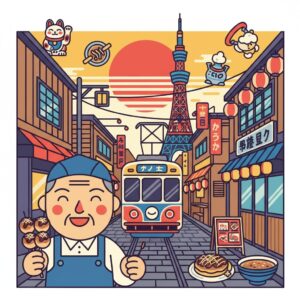
At the center of this midday performance are the street food vendors, who are performers as much as cooks. Spotting a takoyaki stand is easy—then simply watch. The vendor moves with a captivating, almost balletic fluidity. With one hand, they pour the savory batter into rows of round molds on the large cast-iron grill, while the other hand drops in pieces of octopus, pickled ginger, and tempura scraps. Then comes the magic. Using two small metal picks, their wrists flick rapidly, turning the octopus balls with great speed and precision to create perfect, golden-brown spheres. They chat with customers, calling out “irasshaimase!” (welcome!) with genuine warmth—their voices part of Dotonbori’s vibrant orchestra. They work tirelessly under the growing heat, sweat beading their foreheads, eyes locked in focus. This is more than a job; it is a craft, a performance art handed down and refined over generations.
Beyond the sizzle of the grills, another group of workers is in full swing: the ‘yobikomi,’ or barkers, stationed outside restaurants and shops. Their persistent calls form a persuasive chorus, advertising daily specials and promising the best ramen or the most authentic okonomiyaki. Their voices, projected via small megaphones or sheer lung power, weave through the bustling noise, becoming an essential part of the area’s unique soundscape. Inside the countless souvenir shops, clerks engage in a constant dance of restocking shelves, ringing up sales, and offering assistance in a mix of Japanese, English, and gestures. One clerk, selling everything from Glico Man t-shirts to novelty octopus hats, might say their most common question is, “Is this the place with the big crab?” Patience and good humor are indispensable in this multilingual, multicultural environment. Meanwhile, out of sight, an invisible workforce keeps things running: delivery drivers navigate crowded back alleys on scooters to bring supplies, while stock boys carry beer and soda crates into basements. The entire district operates like a finely tuned machine, with each person playing a crucial role in maintaining the spectacle.
But where do locals seek refuge from this joyful chaos? While some thrive in the bustle, many office workers and shop staff retreat to their own secret places. They slip down unmarked side streets to small, standing-only udon shops where a steaming bowl of kitsune udon costs just a few hundred yen and can be eaten quickly. Some find solace in second-floor ‘kissaten,’ traditional coffee shops with worn velvet chairs and the rich aroma of roasted beans, where time seems to slow down. Here, over carefully brewed siphon coffee, business conversations happen quietly, and shop owners take brief respite from the relentless street energy. These hidden sanctuaries are as integral to Dotonbori as the giant crab sign on the main street. They are quiet corners where the people powering the district recharge before returning to the hustle, reminding us that amidst the frenzy, moments of calm and local tradition endure.
The River’s Role: The Vein of Dotonbori
The Dotonbori canal is the district’s backbone—the central artery around which all this lively activity flows. It is far more than just a scenic backdrop for neon signs or a mirror for stunning photos. Its identity is deeply entwined with the area’s history and daily life. To truly understand Dotonbori, one must understand its river. The story begins in the early 17th century with a visionary merchant named Yasui Doton. He invested his entire fortune in an ambitious project: expanding the Umezu River into a new waterway to connect the local canal system to the Kizugawa River, creating a vital trading channel. Although he died in battle during the Siege of Osaka before completion, his cousins finished the canal in 1615, naming it ‘Dotonbori’—with ‘bori’ meaning canal—in his honor.
This waterway was the spark for everything that followed. The shogunate designated the south bank of Dotonbori as the city’s entertainment district, where theaters for kabuki and bunraku puppet shows emerged, attracting visitors from across Japan. Teahouses and restaurants soon opened to serve theater-goers, forever establishing Dotonbori’s fame as Osaka’s premier pleasure quarter. That legacy of commerce and culture still flows through the canal today. Though kabuki actors now perform at the grand Shochikuza Theatre—a Neo-Renaissance architectural gem by Ebisubashi Bridge—the district’s essence as a hub for lively public spectacle remains. The river that once carried rice and timber now carries bright yellow tourist boats.
Watching the canal’s daily rhythm reveals its modern role. Throughout the day, tour boats glide along the water, packed with visitors. Onboard, cheerful guides narrate the district’s history, pointing out landmarks and explaining the stories behind the nine bridges spanning the short waterway. Their voices, amplified over speakers, add another layer to the area’s rich soundscape. Boat workers enjoy a unique view: looking up at the crowds on the bridges, a sea of faces. They navigate the canal with ease, looping through the heart of the bustle. Yet, unseen by many, maintenance crews in small skiffs patrol the water, clearing debris to keep the canal pristine, quietly preserving this iconic scene. The riverbanks, or promenades, follow their own pace. During the day, they are calm spots where people sit on steps eating takoyaki, savoring moments of peace while watching boats pass. But as evening nears, these steps become prime vantage points for the nightly light show—packed shoulder-to-shoulder with people soaking in the electric atmosphere. The Dotonbori canal is a stage, a thoroughfare, and a living historical document, its waters reflecting not only neon lights but centuries of commerce, entertainment, and life that define this extraordinary place.
The Neon Bloom: When Night Descends
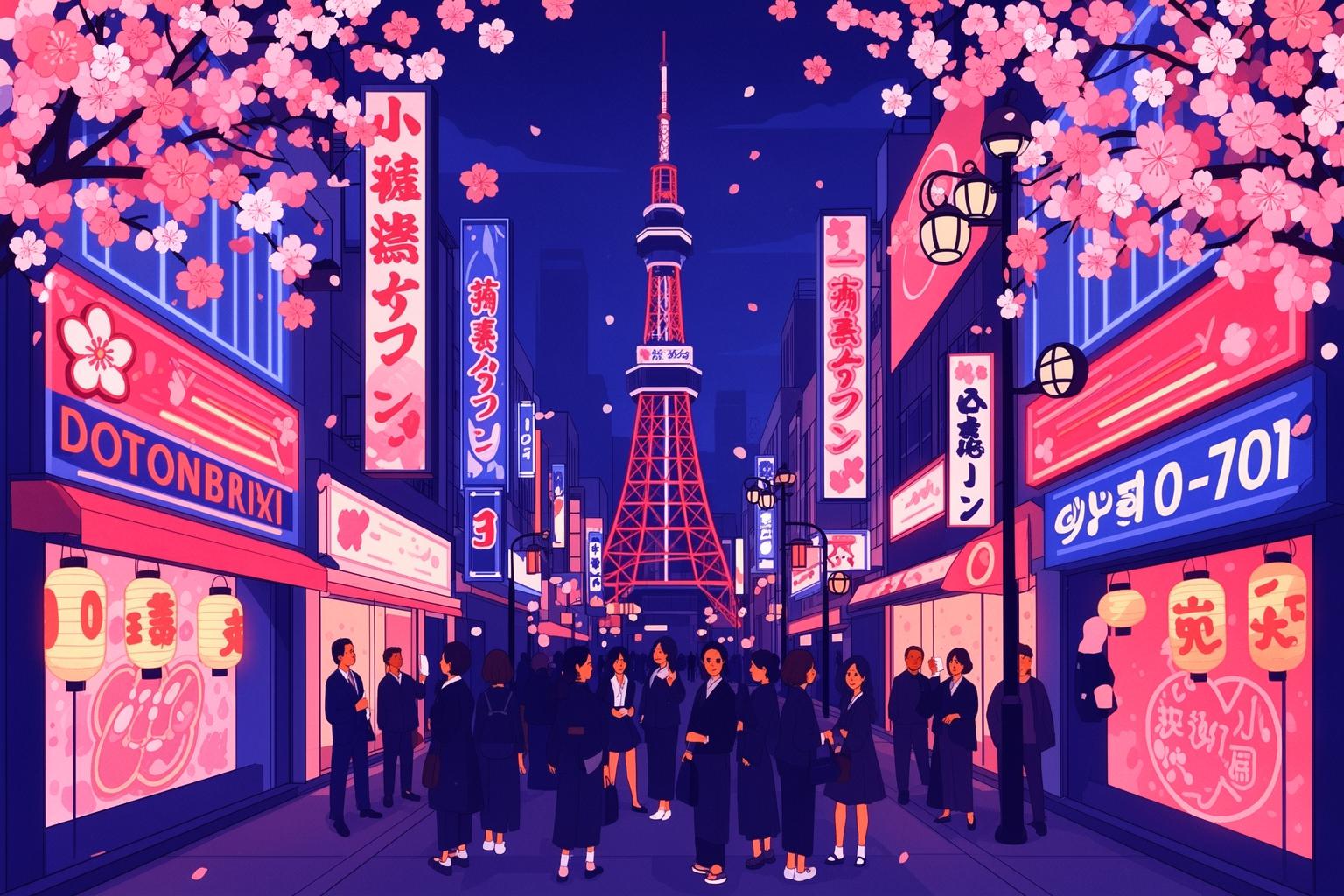
As dusk begins to fall over Osaka, a noticeable transformation takes place in the ambiance of Dotonbori. It is a moment of pure enchantment, a collective breath held just before the district reveals its full, uninhibited character. This is the ‘neon bloom,’ the nightly phenomenon when Dotonbori shifts from a bustling marketplace into a surreal, futuristic wonderland of light and sound. The change doesn’t happen all at once. It begins subtly, with a single sign flickering to life, followed by another, then another. Suddenly, as if a master switch is flipped, entire building facades burst into a synchronized blaze of color. The transformation is breathtaking. The sky, now a deep indigo, becomes merely a backdrop for the man-made constellations blazing with intense brilliance. The gentle lapping of the canal gives way to the steady, omnipresent hum of thousands of transformers and glowing gas tubes.
The iconic signs, mere large, static sculptures during the day, awaken to become living characters in a grand, silent opera. The Kani Doraku crab starts its slow, mesmerizing dance, its mechanical legs and claws waving an unrelenting welcome to the crowds beneath. The giant pufferfish of the Zuboraya restaurant radiates an internal, lantern-like warmth. And, high above the Ebisubashi Bridge, the Glico Running Man begins his endless victory lap against an ever-changing digital backdrop. He reigns as king of this luminous realm, a beacon of athletic optimism synonymous with the city’s vibrant, forward-looking spirit. Their light is so powerful it creates a permanent twilight on the streets below, bathing everything in a vivid, cinematic glow. The reflections on the Dotonbori canal’s surface become a masterpiece of abstract art, a swirling, liquid kaleidoscope of red, blue, green, and gold.
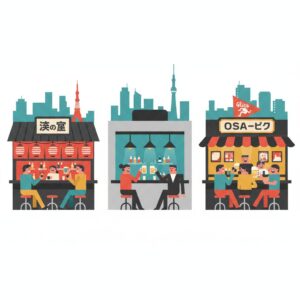
With the rise of the neon bloom comes a change of guard. Daytime workers—the delivery drivers, souvenir shop clerks—finish their shifts, making way for the night’s players. Bartenders in crisp uniforms arrive to unlock the doors of tiny, tucked-away whiskey bars in the upper floors of unassuming buildings. The staff of izakayas, Japan’s beloved pubs, fire up grills, sending plumes of savory smoke into the illuminated air. In the refined cocktail lounges overlooking the river, mixologists meticulously chip away at large blocks of clear ice, preparing for the evening rush. Their craft is quiet and precise, sharply contrasting with the boisterous energy of the street food stalls below. This is their stage, and the night is their performance.
Dotonbori’s nocturnal soundscape is a complex, overwhelming, and utterly thrilling symphony of chaos. Every shop and restaurant blasts its own soundtrack into the streets, a cacophony of J-pop, rock music, and commercial jingles merging into a single, pulsating wall of sound. The clatter and sizzle from open-air kitchens are ceaseless. The crowd’s roar, especially on the Ebisubashi Bridge—locally known as ‘pick-up bridge’—is a constant, joyous clamor. Add to this the rhythmic clang and electronic jingles pouring from pachinko parlors, creating a sensory experience that is both exhilarating and delightfully disorienting. Yet, for workers here, it is simply the sound of another night at work. They navigate this chaos with practiced ease and unwavering focus. For them, the crowd’s energy is not a distraction—it is the lifeblood of their world. This is when the spirit of ‘kuidaore’ truly takes hold, as thousands—tourists and locals alike—surrender to the district’s irresistible invitation to eat, drink, and be merry until dawn.
Life in the Alleys: Hozenji Yokocho and Beyond
To really understand the soul of Dotonbori, one must step off its dazzling main street and lose oneself in its shadows. The true essence of this district lies in its labyrinthine network of ‘yokocho,’ the narrow side alleys branching out like veins from the main artery. These alleys open doors to another time, another version of Osaka. The most famous among them is Hozenji Yokocho, a place so atmospheric it feels like a film set. The moment you step onto its stone-paved path, the overwhelming sensory barrage of Dotonbori fades. The roar of the crowd is muffled, replaced by the soft shuffle of footsteps and the gentle clinking of glasses behind wooden facades of traditional restaurants.
Hozenji Yokocho measures barely 80 meters long and less than three meters wide, yet it holds a universe of history and tradition. The alley is lit not by neon, but by the soft, warm glow of paper lanterns hanging outside each establishment, casting long, dancing shadows on the wet stone. The air is scented with fine incense and the subtle, refined aroma of ‘kappo’ cuisine, a style of high-end dining where chefs prepare exquisite dishes right before their customers. At the alley’s heart sits Hozenji Temple, home to the famous moss-covered statue of Fudo Myoo, nicknamed ‘Mizu-kake Fudo’ (the water-splashing Fudo). Throughout the day and into night, a steady flow of visitors—local chefs praying for a successful evening, business owners seeking fortune, couples on dates—perform the ritual of splashing water on the statue. This act, repeated countless times over decades, has created the thick, velvety moss that now cloaks the deity. It stands as a living testament to the enduring faith and traditions thriving just steps away from the main street’s ultra-modern hustle. The people who work in Hozenji Yokocho are often masters of their craft. Kappo chefs may have trained for decades, and the owners of small, exclusive bars are connoisseurs of sake and whiskey. They quietly uphold Osaka’s high culinary culture, offering a refined alternative to the lively street food scene.
But what about those who actually live here? Above the shops, restaurants, and bars, hidden in plain sight, are small apartments. Living in Dotonbori is a unique experience—a life shared with the city’s most vibrant party continuously raging just outside your window. It demands a certain temperament, one that finds comfort in the constant low hum of a city that never truly sleeps. Imagine trying to get an early night with the cheers of thousands of Hanshin Tigers fans on the bridge below as your lullaby. Residents appreciate the incredible convenience—endless food options at any hour, unparalleled access to public transit via nearby Namba station—but also acknowledge the challenges. They master the art of weaving through dense crowds with practiced skill. They know the best alleys to avoid the busiest spots. They have local-only haunts—small grocery stores and laundromats unseen by tourists. Their daily lives are a fascinating dance between private and public, ordinary and extraordinary. A resident might hang laundry on a balcony overlooking the glowing Glico Man, a surreal blend of domestic routine and iconic spectacle. These residents are the ultimate insiders, the city’s permanent audience and the heartbeat of Dotonbori’s grand, nonstop theater.
The After-Hours Wind-Down: From Midnight to Dawn
As the clock strikes midnight and slips into the deep, quiet hours of the morning, Dotonbori enters its final act. The great wave of tourists and casual revelers has ebbed, leaving behind a different kind of energy. The main promenade, once a solid wall of people, is now sparsely filled. The neon signs continue to shine brightly, but their audience has shifted. This is after-hours Dotonbori—a more intimate, raw, and distinctly local scene. The district doesn’t fall asleep; it simply changes its costume and clientele.
The 24-hour restaurants and late-night izakayas now become the centers of attention. Places like the famed Kinryu Ramen, with its giant dragon facade, see a fresh surge of customers. These are not tourists with guidebooks, but those who have just finished their own shifts. Bartenders, restaurant staff, host club workers, and shop clerks, their work for the night finally done, gather under fluorescent lights to unwind. They slurp steaming bowls of ramen, their conversations loud and animated, fueled by camaraderie and relief after a long, hard shift. They exchange stories from the night, vent about difficult customers, and share laughter that echoes in the relatively quiet streets. This is their community—their time to be patrons instead of servers. The atmosphere in these late-night spots is unguarded and genuine. It’s here that you truly feel the hardworking soul of the district’s service industry.
While this final wave of dining and drinking continues, another, even more essential operation begins: the great reset. An army of unsung heroes emerges from the shadows to scrub Dotonbori clean and ready it for the coming day. This massive logistical feat unfolds with military precision every night. Teams of garbage collectors move swiftly, emptying overflowing bins as their trucks skillfully navigate the narrow streets. They are followed by street washers, who use high-pressure hoses to blast away grime and sticky residue from spilled drinks and dropped food, leaving the streets gleaming under neon lights. Specialized maintenance crews in cherry-pickers ascend to check on the iconic signs, replacing burnt-out bulbs and ensuring the giant crab’s claws will wave proudly for another day. It is a tireless, thankless, yet utterly essential job. Without this nightly purification ritual, the district would quickly succumb to the sheer volume of its own success. These workers are the guardians of Dotonbori’s magic, ensuring every morning, the stage is spotless for a brand new performance.
In the final hour before dawn, a profound stillness settles. The last late-night revelers stumble home or board the first train. The 24-hour ramen shops host only a handful of solitary diners. The neon signs, one by one, flicker off, their brilliant colors fading into the pale pre-dawn light. In this quiet moment, you might spot a lone figure fishing in the canal, their line a thin, silvery thread in the dim glow. You might hear the distant rumble of the day’s first delivery trucks arriving, ready to restock kitchens and begin the cycle anew. This is Dotonbori at its most peaceful—a sleeping giant taking its brief moment of rest. The curtain falls on the night’s performance, only to rise again in a few short hours. This endless, cyclical rhythm of chaos and calm, of performance and preparation, is the true beating heart of Dotonbori.
Practical Guidance for the Conscious Visitor
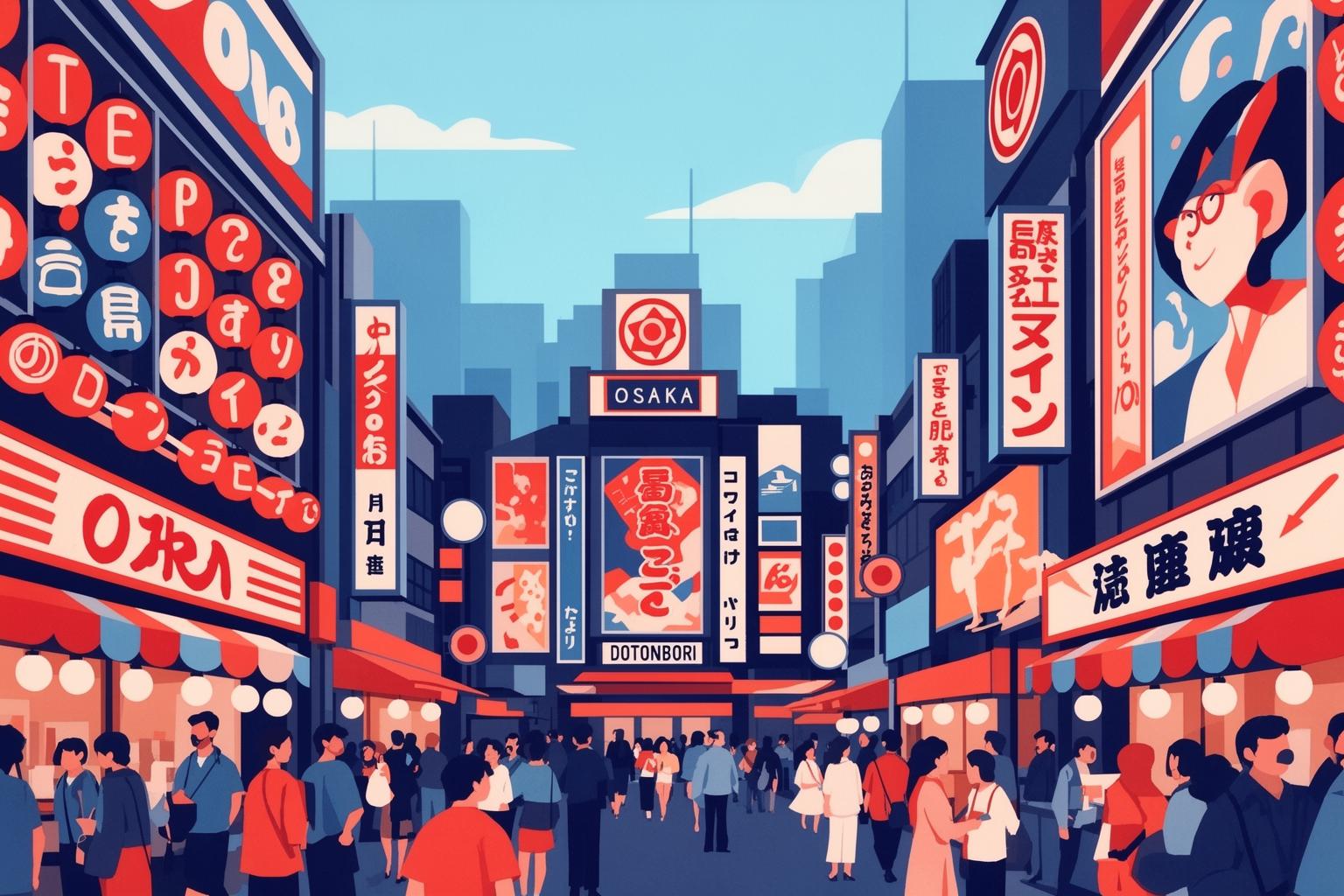
Exploring Dotonbori is quite an adventure, and having a bit of insider knowledge can shift your visit from a hectic tourist scramble to a deeper, more meaningful connection with the area. First, reaching this vibrant district is effortless. It’s just a short walk from Namba Station, one of Osaka’s largest and most accessible transport hubs. Whether you arrive via the Midosuji, Yotsubashi, or Sennichimae subway lines, or by the Nankai, Kintetsu, or JR railways, all routes lead straight to this electrifying heart of the city. Its prime location is a key reason why it has prospered for centuries as a hub of public life.
Grasping the district’s daily rhythm is essential for planning your visit. The atmosphere at 9 AM is vastly different from that at 9 PM. To experience Dotonbori’s quieter, behind-the-scenes side, when its calm, preparatory spirit is most evident, come early. Stroll the streets as shops are opening, visit Hozenji Temple at its most tranquil, and admire the architecture without the crowds. If you’re seeking the full sensory overload—the very reason Dotonbori is renowned worldwide—then prime time starts anytime after 7 PM, when neon lights flourish and energy peaks. For a balanced experience, arrive in the late afternoon to explore covered shopping arcades like Shinsaibashi-suji in daylight, then witness the area transform into an illuminated spectacle at dusk, enjoying the best of both worlds.
Here’s an important local tip: look upwards. Dotonbori is a vertical experience. The ground level buzzes with street food stalls and souvenir shops, but some of the finest bars, restaurants, and hidden gems are tucked away on upper floors. A plain entrance and a steep staircase might lead to a remarkable whiskey bar with panoramic canal views or a quiet, traditional eatery shielded from street noise. Don’t hesitate to explore these vertical spaces. Also, be sure to wander beyond the main canal-side promenade. The shotengai—covered shopping arcades radiating from the district—offer a distinctive taste of Osaka life, blending modern chain stores with venerable local shops. And, of course, make a visit to Hozenji Yokocho. It’s more than a photo opportunity; it’s a refreshing pause, a historic and spiritual calm that deepens your appreciation of the whole area.
To truly relish Dotonbori, immerse yourself in its culture. Osaka is known as the “Kitchen of Japan,” and its people are celebrated for their warm, straightforward, and unpretentious nature. Engage with street food vendors—a simple “oishii!” (delicious!) is often rewarded with a proud smile. This is the essence of the merchant culture—“akindo no machi”—where commerce is lively and personal, not impersonal or sterile. Keep in mind that while it draws many tourists, it is also a workplace and home for many residents. Be a considerate visitor: dispose of trash properly, respect quiet residential areas, and absorb the atmosphere with appreciation for those who bring it to life. By viewing Dotonbori not just as a spectacle but as a vibrant community, you’ll gain a richer and more lasting experience.
The Enduring Spirit of Dotonbori
Ultimately, Dotonbori is far more than just the sum of its remarkable elements. It is not merely a canal, a collection of stunning signs, or a haven for food enthusiasts. Rather, it is a vibrant, living ecosystem with a 24-hour heartbeat—an urban opera driven by the tireless energy of thousands, each contributing to a performance that has endured for four centuries. It stands as a brilliant testament to Osaka’s merchant spirit—bold, pragmatic, innovative, and deeply passionate about good food and good times. It is a place of striking contrasts, where a sacred, moss-covered deity peacefully coexists just steps away from a boisterous pachinko parlor, and where ancient culinary traditions shine under the futuristic glow of enormous digital billboards.
This district serves as a global stage attracting millions, yet at its heart remains a deeply local neighborhood. It is where generations of families have perfected their takoyaki recipes, where young bartenders reinvent the cocktail scene, and where an elderly resident gazes out her window to see her city’s history reflected in the canal’s waters below. The spirit of Dotonbori is found in the deft flick of a street vendor’s wrist, the warm greeting of a shopkeeper, the quiet dedication of nighttime cleaning crews, and the proud, enduring stride of the Glico Running Man.
So the next time you stand on the Ebisubashi Bridge, captivated by the dazzling spectacle, take a moment to look beyond the neon. Think of the chef rising before dawn to select the freshest fish, the mixologist who considers the river their nightly coworker, and the family trying to lull their children to sleep in an apartment just above this beautiful, brilliant chaos. That is the true Dotonbori—a story of human effort, community, and an unyielding spirit that shines as brightly and persistently as the thousands of lights that give it its iconic glow. Come for the show, but stay for the story. You won’t regret it.