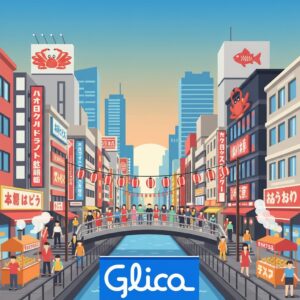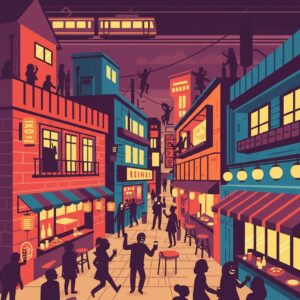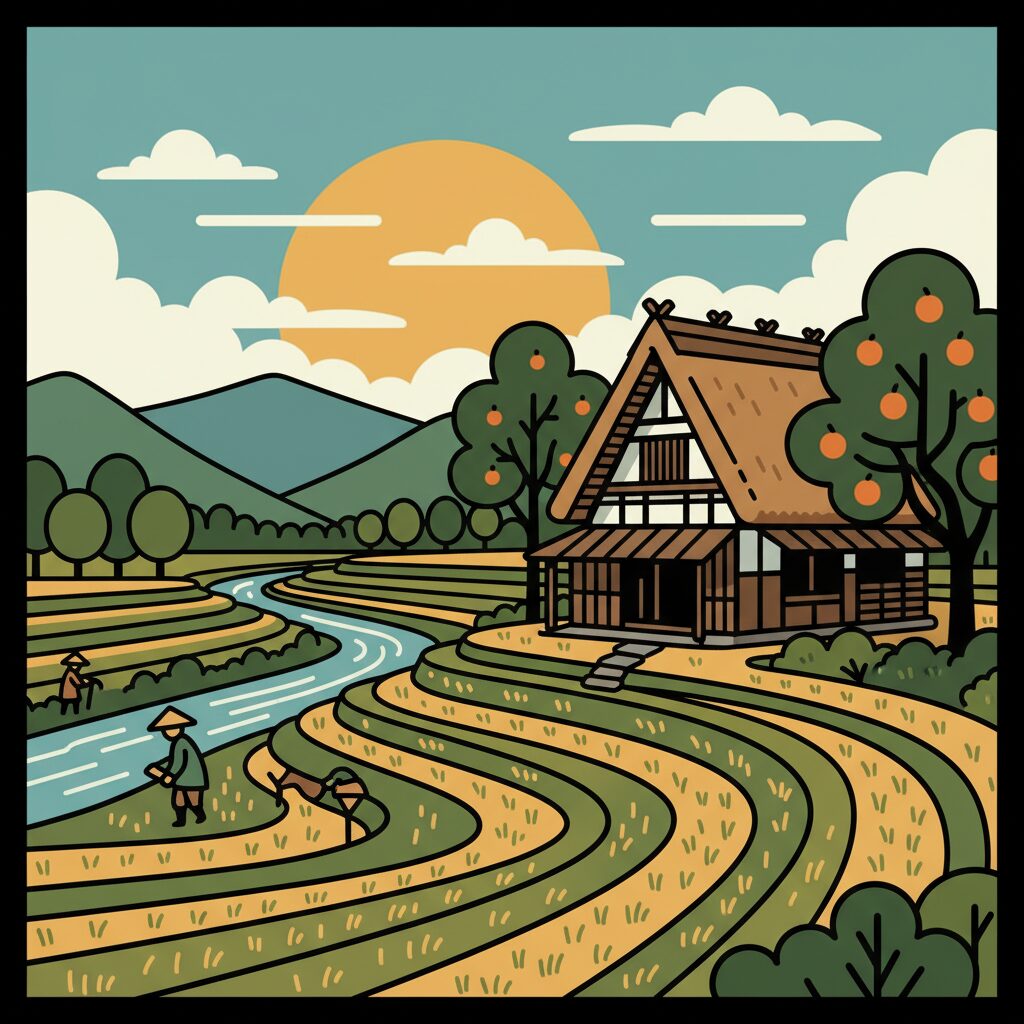
Close your eyes. Picture Osaka. What do you see? I bet it’s a flash of neon calligraphy, a giant mechanical crab, steam rising from a takoyaki stand. You see the Glico Running Man, his arms thrown up in perpetual victory over the Dotonbori canal. You hear the rumble of the Midosuji line, the clatter of pachinko parlors, the boisterous, rolling laughter of people who speak their minds, loud and clear. That’s the Osaka everyone knows, the one plastered on postcards and celebrated in travel blogs. It’s a city of glorious, unapologetic concrete and commerce, a whirlwind of energy that pulls you in and doesn’t let go. For a long time, as a Tokyo native, that was the only Osaka I knew, too. A fascinating, slightly chaotic cousin to my own sprawling metropolis. A place you visit for the food and the fun, and then retreat from. But living here, you start to peel back the layers. You start to hear whispers of a different city, a different rhythm. A place where the loudest sound in the morning isn’t a train announcement, but a rooster. A place where the brightest light isn’t a neon sign, but the sun rising over green hills. This is the other Osaka. The one that breathes. The one that grows. This is Minamikawachi, and spending a weekend there, not as a tourist, but as a temporary resident in a ‘Nohaku’ farm stay, does more to explain the soul of this city than a thousand nights in Shinsaibashi ever could.
To truly understand the contrast between these two sides of the city, consider the daily realities of living in Osaka’s Minami area.
The Grand Urban Illusion: Unpacking Osaka’s True Geography
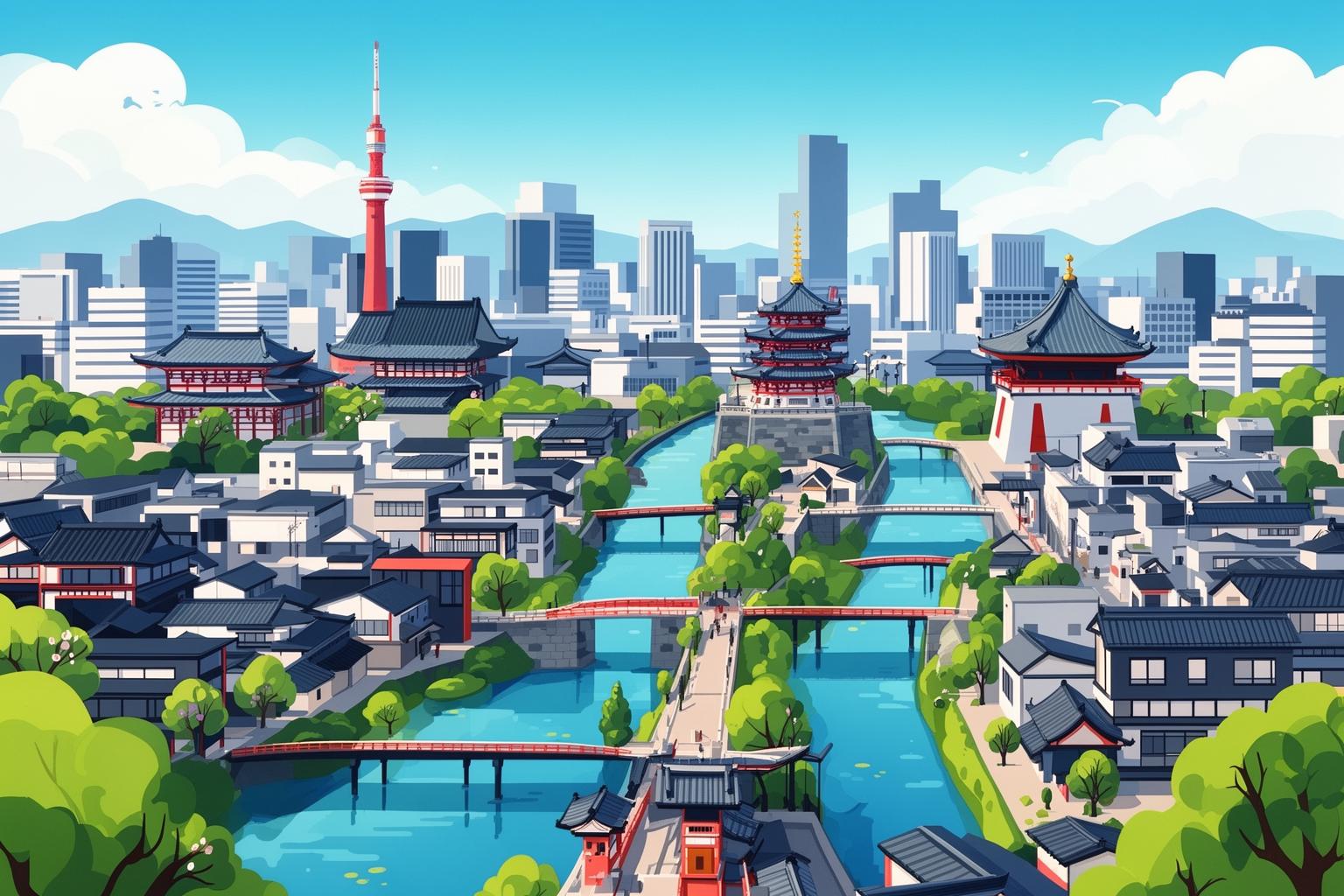
One common misconception about Osaka is believing the city of Osaka and Osaka Prefecture are one and the same. They are not. This distinction is more than just a minor administrative detail; it’s essential to understanding the local mindset. From the heart of Namba, which feels like the very center of the urban universe, you can be standing in a muddy field surrounded by rolling hills and the scent of earth in less than an hour by train. Let that sink in. In Tokyo, reaching this kind of rural escape requires a significant journey, often a deliberate trip to another prefecture like Yamanashi or Nagano. It’s an event. In Osaka, it’s just an extension of your backyard. This proximity changes everything. Nature isn’t a separate, sacred place reserved for vacations; it’s woven into daily and weekly life. The farmer you meet in a Minamikawachi village might be selling produce at a Kuromon Ichiba stall the very next day. The water flowing into the city comes from these mountains. The air is subtly infused by these fields. This creates a psychological connection often missing in larger, more segregated megacities. Urban and rural are not opposing forces here; they are in constant, flowing dialogue. City dwellers don’t see Minamikawachi as ‘out there.’ They see it as their pantry, their playground, their lungs. This geographical reality fosters a sense of groundedness among Osakans. They are city people, yes, but their city is deeply rooted in the surrounding land that supports it. It’s a subtle yet powerful contrast to Tokyo, where the city often feels like a self-contained world, and the countryside is a place you consciously choose to visit. In Osaka, the countryside is simply the other side of the train tracks, an integral part of the whole.
From ‘Akindo’ to ‘Nomin’: The Shared DNA of Osaka’s Spirit
At first glance, the fast-talking ‘akindo’ (merchant) bustling through a busy shotengai and the quiet ‘nomin’ (farmer) tending their fields appear to be complete opposites. One thrives on noise, speed, and social interaction; the other on patience, silence, and harmony with the seasons. Yet, spend time in both worlds, and you’ll find they share the same essence. The spirit that energizes them carries a common, pragmatic, and deeply genuine DNA. A weekend Nohaku experience serves as a masterclass in this shared identity, uncovering the core values that truly define Osaka, far beyond the usual tourist clichés.
‘Honma Mon’ – The Obsession with Authenticity
Osaka’s well-known motto ‘kuidaore’ is often simplistically translated as ‘eat till you drop.’ However, this misses the true meaning. Kuidaore isn’t about indulgence; it represents a relentless, almost obsessive pursuit of ‘honma mon’—the real thing. It means insisting on authentic, top-quality ingredients, skillfully prepared and served without affectation. It explains why an elderly woman selling grilled squid from a tiny cart can maintain a fiercely loyal clientele, and why a Michelin-starred chef might spend hours debating the qualities of a particular konbu seaweed. On a farm in Minamikawachi, you witness this passion’s origin firsthand. When the farmer, Tanaka-san, hands you a tomato freshly picked from the vine, still warm from the sun, he needs no flourish—he simply says, ‘Tabete,’—’Eat.’ The burst of flavor, the perfect balance of sweetness and acidity, says it all. This is honma mon. It is authentic, honest, and undeniably excellent. The same principle governs the city’s best food stalls. Value is not found in fancy décor or elaborate service but in the product itself. The pride a farmer takes in a perfectly grown daikon is the very same pride a takoyaki master holds for perfectly crisp-on-the-outside, gooey-on-the-inside octopus balls. Both are craftsmen dedicated to delivering an authentic, high-quality experience. This shared value system unites city and countryside, fostering a culture where quality and substance always outweigh superficial style.
The Rhythm of Practicality: No Time for Pretense
Another trait linking the Osaka merchant and the Minamikawachi farmer is a clear and refreshing practicality. There is little room for ambiguity or elaborate pretense. Communication is direct, efficient, and grounded in reality. When working in the fields, the farmer won’t offer vague suggestions. He will demonstrate once, clearly and precisely, how to harvest cucumbers without harming the vine. ‘Like this. Not like that. Pull here.’ Instructions are straightforward because the goal is clear: to complete the task correctly and efficiently. There’s no time wasted on the elaborate politeness or ‘tatemae’ and ‘honne’ that can sometimes feel suffocating in a Tokyo business meeting. This same directness defines communication in an Osaka marketplace. A shopkeeper might bluntly say, ‘This one’s the best today,’ or ‘Don’t buy that one; it’s out of season.’ They aren’t being rude—they’re being practical. They’re providing the necessary information to help you make a good choice. It’s a dialogue grounded in mutual respect for each other’s time and intelligence. This frankness can surprise foreigners and even Japanese from other regions who might mistake it for rudeness. But it isn’t; it’s honesty. Both in the field and the market, results matter more than appearances. A beautiful but tasteless vegetable is worthless, and a fancy shop with mediocre products won’t survive. This shared emphasis on tangible results, on ‘jitsuri’ (practical benefit), is a cornerstone of the Osaka mindset—one shaped equally by the pragmatic demands of commerce and agriculture.
A Weekend in the Fields: Redefining ‘Living in Osaka’
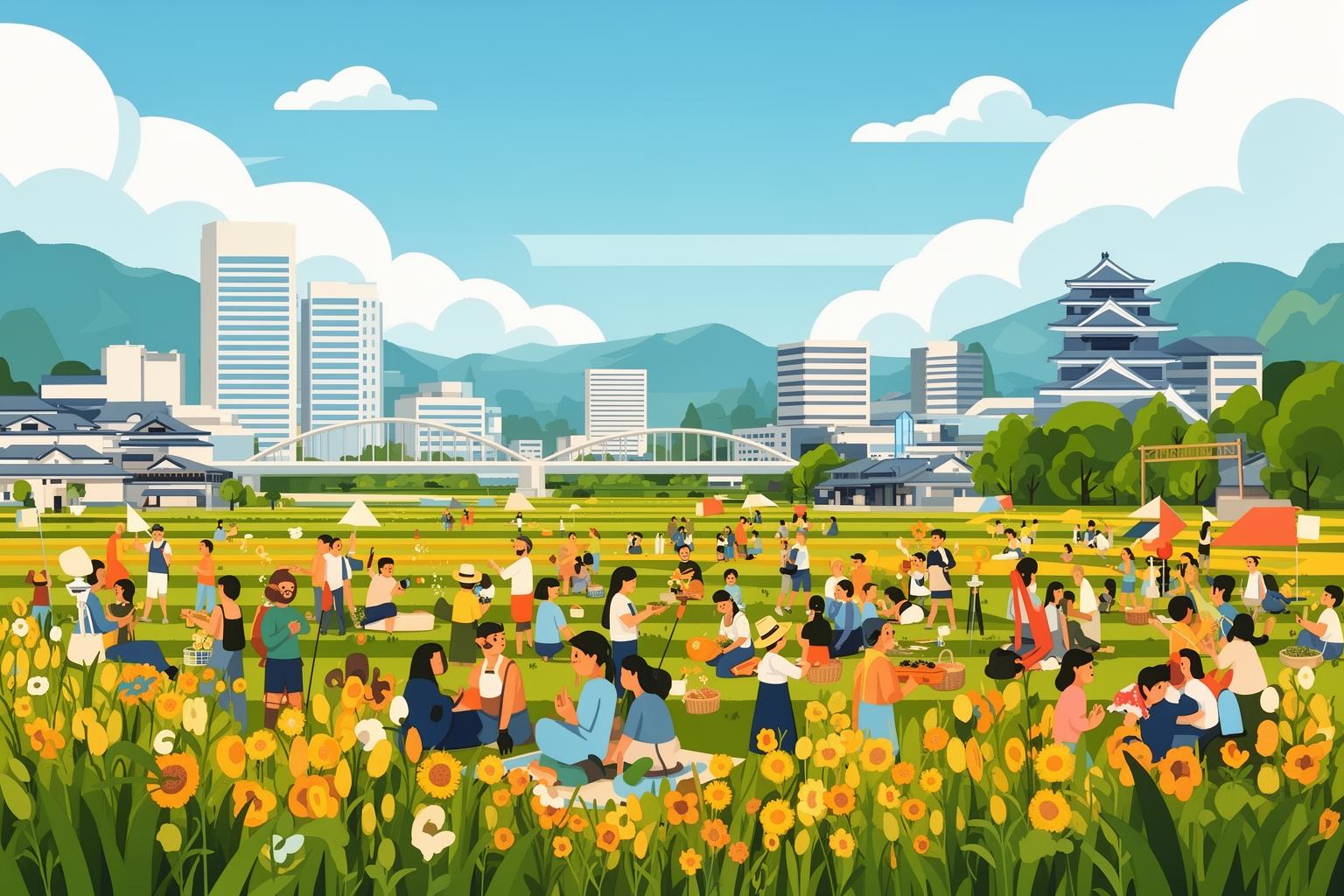
So what does staying at a ‘Nohaku’ farm actually feel like? It’s not the experience of a hotel, nor a staged performance for tourists. Rather, it’s a temporary immersion into a different way of life that, paradoxically, connects you more deeply with the true essence of the city you may have left behind for the weekend. It recalibrates your perception of what it means to live in Osaka, broadening the idea from mere urban survival to a more holistic existence encompassing the entire prefecture.
More Than a Stay, It’s an Initiation
When you arrive at a farmhouse for a Nohaku, you’re not treated like a guest checking into a room. Instead, you are welcomed as a ‘tetsudai,’ a helper. You’re given boots, gloves, and a task. You might spend the morning weeding a patch of onions, your back aching in a way that feels genuinely rewarding. Or you might spend the afternoon harvesting shiitake mushrooms from logs in a quiet, shaded forest. You eat what you harvest. You share meals with the family, sitting around a low table, your conversation interrupted only by the chirping of crickets outside. This mindset marks a fundamental difference. You are not a passive onlooker; you are an active participant. This is quintessentially Osaka. The city’s culture doesn’t value wallflowers. It encourages you to jump in, try things, and engage. Whether joining a chant at a festival or striking up a chat with the person next to you at a bar, participation is expected. The farm stay represents a rustic version of this social contract. By getting your hands dirty and contributing in a small but meaningful way, you stop being a stranger. For a brief time, you become part of the place’s rhythm. You earn your seat at the dinner table not just with money, but with effort. It’s a deeply grounding experience that teaches the value of labor, the origin of your food, and the simple power of shared work.
The Language of the Land
Spend enough time in Minamikawachi, and you’ll notice the language is different too. You’ll hear Kawachi-ben, a dialect of Japanese known for being rough, guttural, and direct even by Osaka standards. It’s a dialect shaped by the earth, hard work, and a community where people have known each other for generations. Words are clipped, sentences straightforward, and there’s a certain musicality in its gruffness. Hearing a farmer shout across a field in thick Kawachi-ben is like hearing the unfiltered voice of the land. It can be intimidating initially, difficult to understand. But listen carefully, and you’ll find a language free of pretense—efficient, expressive, and deeply authentic. This is a vital piece of Osaka’s puzzle that many newcomers miss. The standard Osaka-ben spoken in the city is already a variation from textbook Japanese, but Kawachi-ben belongs to another world entirely. It reflects the deep historical roots of the region. Recognizing this linguistic diversity within the prefecture helps you appreciate Osaka’s complex identity. It’s not a monolith. Rather, it’s a rich tapestry of distinct communities, each with its own history and voice, all contributing to the vibrant, noisy, and wonderfully diverse character of the whole.
The Tokyo-Osaka Divide, Seen From a Cabbage Patch
Having grown up navigating the endless, captivating maze of Tokyo, my time in Minamikawachi highlighted the contrasts between Japan’s two major cities in remarkably clear terms. It wasn’t about which city was ‘better,’ but about how their fundamental structures influence the lives and mindsets of their residents. The view from a cabbage patch provided an urban perspective I couldn’t have gained from any skyscraper.
The Backyard vs. The Destination
This difference is perhaps the most striking. In Tokyo, the city’s identity is predominantly urban. To experience genuine nature, you must plan a trip. You book a shinkansen to Karuizawa or a romance car to Hakone. Leaving the city is a deliberate choice. Nature becomes a destination. In Osaka, nature is right in your backyard. The idea that you can decide on a Saturday morning to dig for bamboo shoots and still be back for dinner in the city is a normal part of life here. This accessibility fundamentally changes the rhythm of daily life. It offers a simple, low-stress escape from the pressures of city living. Feeling overwhelmed? An hour on the Kintetsu line can have you on a peaceful mountain trail. Life feels more balanced and less segmented. Weekends aren’t desperate escapes from the workweek; they’re gentle shifts in scenery and pace. Appreciation for the seasons and subtle changes in the landscape isn’t reserved for poets or retirees; it’s something everyone shares. This constant, easy access to the countryside keeps the city and its inhabitants rooted in a way that is harder to achieve within the grand, yet more insulated, urban sprawl of Tokyo.
Community as Default, Not an Opt-In
In Tokyo, you can live in a building housing hundreds of people and never learn a single neighbor’s name. The city’s vastness offers a liberating anonymity. However, building a community requires a deliberate, active effort. You have to join a club, find a hobby group, or frequent the same bar until you become recognized. In the Minamikawachi farmhouse, community is the default. You’re not just staying with a host family; you’re part of a village. Neighbors stop by to drop off extra eggs. The postman knows who you are and why you’re there. You’re immediately and warmly woven into a small, intricate social fabric. This reflects a wider Osaka phenomenon. Though less intense than in rural villages, Osaka’s urban neighborhoods tend to have a stronger local identity and sense of community than Tokyo’s. The local ‘shotengai’ (shopping street) isn’t just a place to shop; it’s the neighborhood’s living room. The butcher, tofu maker, and bookstore owner know their customers. They chat, gossip, and look out for each other. This sense of being known, of belonging to a collective, defines life in Osaka. The farm stay offers a concentrated dose of this community spirit—a reminder that in Osaka, you’re rarely just an anonymous face in the crowd.
So, What Does This Mean for You?
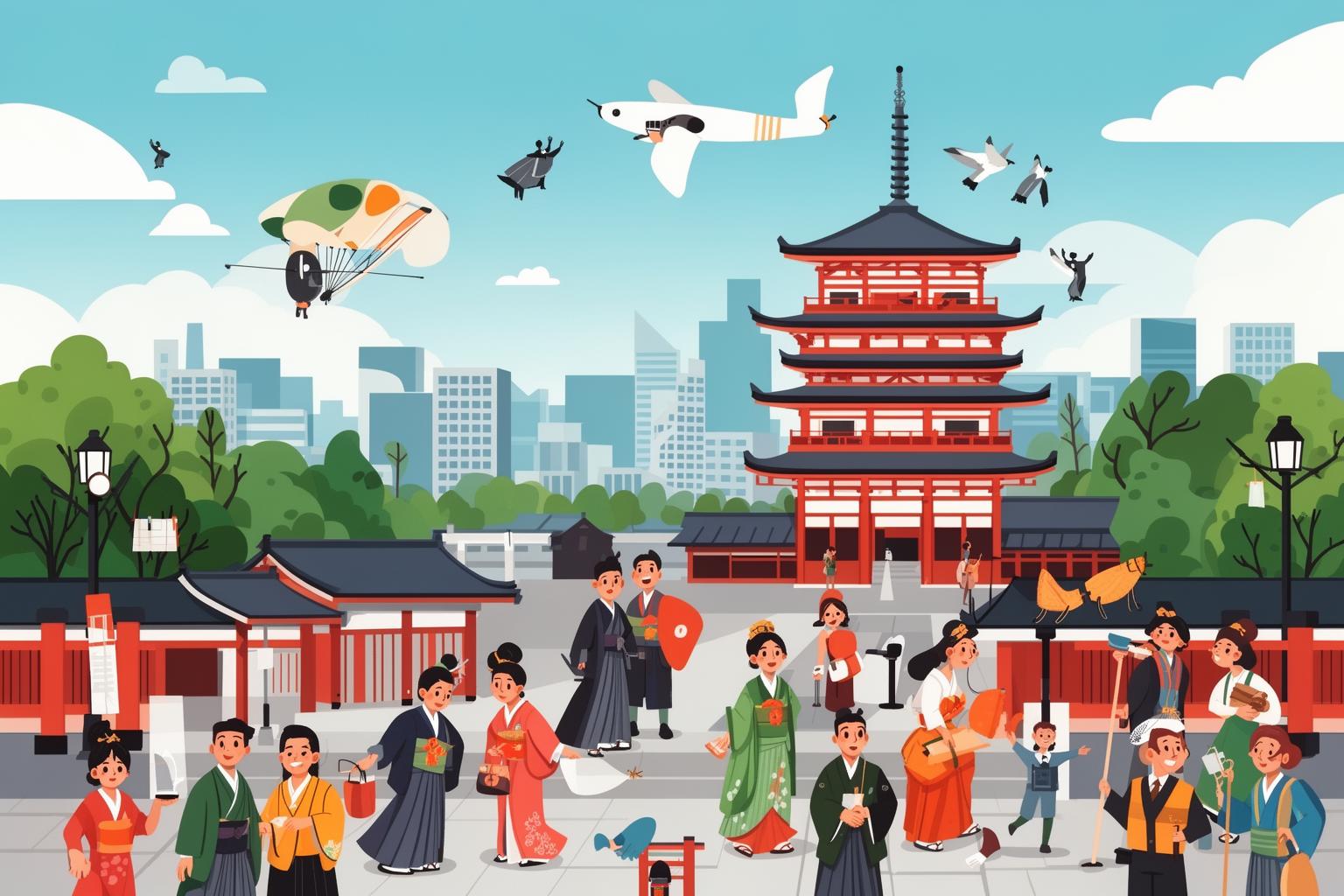
To understand Minamikawachi is to realize that Osaka cannot be defined by a single image. It is a place of profound and vital contrasts. It is the roar of Hanshin Tigers fans alongside the deep silence of a cedar forest. It is the frantic energy of a trading floor balanced by the patient work of a farmer tending rice paddies. Living here means experiencing these elements not as separate worlds, but as interconnected parts of one dynamic whole. The city’s renowned food culture isn’t simply born in its restaurants; it grows from the rich soil of places like this. The people’s directness and pragmatism are not mere urban quirks but values shaped by fields and marketplaces over centuries. To overlook Osaka’s rural core is to fundamentally misunderstand the city itself. It’s like hearing a symphony and only noticing the drums, missing the deep, resonant cello notes that provide the foundation. So, if you’re considering living in Osaka or trying to grasp what drives it, look beyond the neon lights. Take a short train ride south. Get your hands dirty. Spend a weekend where time is marked not by train schedules but by the rising and setting sun. You’ll return to the city with a new appreciation for its noise, energy, and people because you’ll finally grasp the deep, quiet roots from which it all springs.