Step off the subway at Namba Station, and you can feel it before you see it. There’s a hum in the air, a palpable thrum of energy that pulls you east. It’s a magnetic force, a river of people flowing toward a canyon of light. This is the siren song of Dotonbori, Osaka’s pulsating, neon-drenched heart. For decades, this stretch of canal has been the city’s glittering stage, a place where dreams are advertised in fifty-foot-high neon and the unofficial motto, kuidaore—to eat oneself into ruin—is practiced with religious fervor. It’s the image you’ve seen on postcards, the backdrop of a thousand travel vlogs, a place so iconic it feels almost like a movie set. But here’s the secret, the truth whispered between locals and long-term residents: the Dotonbori on the postcard is only the first chapter. The real story lies just beneath the surface, in the sizzling back-alleys, behind the steamy windows of tiny eateries, and in the rhythm of navigating its glorious, beautiful chaos. This isn’t just about seeing the Glico Running Man; it’s about understanding the soul of a city that wears its heart on its sleeve and serves its history on a sizzling iron plate. It’s about learning to see the authentic, beating heart of Osaka amidst the dazzling, sometimes overwhelming, spectacle. This is your guide to finding it.
To truly understand the city’s culinary soul, start your day with a local’s morning ritual at Kuromon Ichiba Market.
The Sensory Symphony: A First Taste of Dotonbori’s Electric Soul
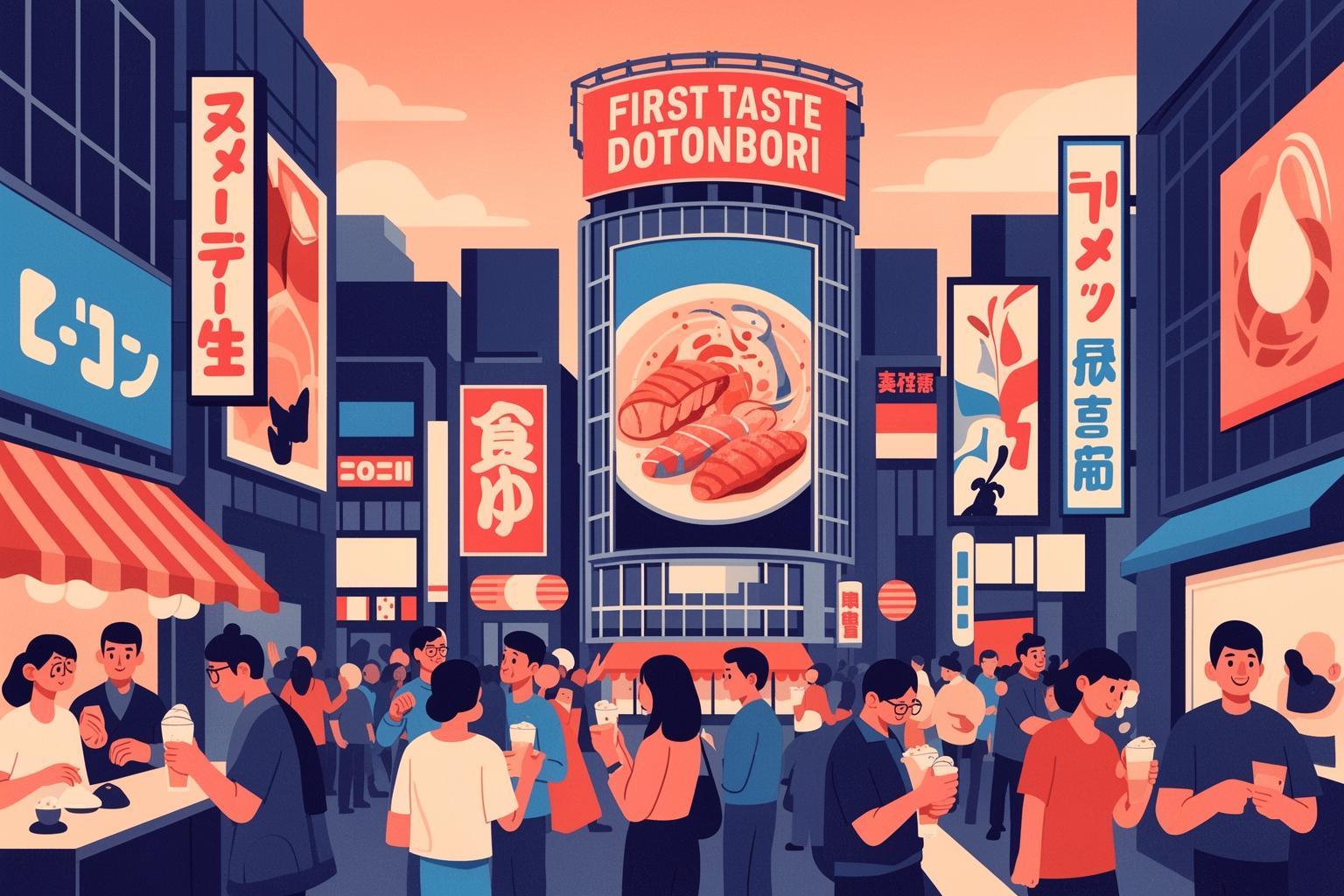
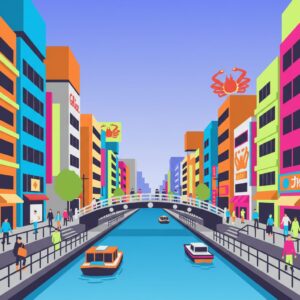
Your initial walk along the Dotonbori canal is less a casual stroll and more a full sensory immersion. The experience starts with sound—a cacophony that somehow blends into a unique urban symphony. You’ll catch the sizzle of oil on a hot grill, the rhythmic clatter of takoyaki picks flipping molten dough balls, the cheerful jingles pouring from souvenir shops and pachinko parlors, and the constant, overlapping chatter in a dozen languages simultaneously. It’s the sound of pure, unfiltered energy. Then the aromas arrive—an intoxicating blend of grilled meat, sweet soy sauce, savory dashi broth, and the faint, briny hint of the canal itself. Every few steps delivers a new scent: the rich, buttery smell of frying gyoza, the smoky char of yakitori, the sweet, cake-like aroma of freshly made taiyaki. It’s a continuous invitation, a culinary temptation that’s impossible to resist. Yet, it’s the visual spectacle that truly defines Dotonbori. You crane your neck to take it all in. The buildings become canvases for some of the most outrageous and imaginative advertisements you’ll ever see. A giant, three-dimensional crab with mechanically waving claws clings to Kani Doraku’s facade. A massive, slightly menacing pufferfish lantern looms over the Zuboraya restaurant. A fierce dragon gazes down from the Kinryu Ramen sign. Enormous models of gyoza, sushi, and an octopus clutching a takoyaki ball decorate other storefronts. It’s commercial surrealism, a playful and competitive display of culinary pride that has turned the district into an open-air art gallery. At night, this gallery bursts into a kaleidoscope of neon. Reflections dance on the dark canal waters, doubling the spectacle and creating a dizzying, dreamlike world that feels utterly detached from reality. The sheer density of it all can be overwhelming. The crowds flow like a single organism, a human river moving between towering walls of light. You’re shoulder to shoulder with tourists snapping photos, locals heading to favorite dining spots, and teenagers absorbing the electric atmosphere. It’s loud, crowded, and unapologetically commercial. Yet, there’s an undeniable magic to it—a feeling of being at the heart of something, a place where the city’s boisterous, fun-loving spirit is most concentrated and visible. It’s a place that doesn’t whisper; it shouts. And your first task is simply to listen.
The Titans of Tonbori: Understanding Osaka’s Neon Gods
The giant signs of Dotonbori are more than mere advertisements; they stand as cultural landmarks, silent storytellers that have overlooked this canal for generations. To understand them is to catch a glimpse of Osaka’s history and character. The undisputed king of this neon pantheon is the Glico Running Man. Looming over the Ebisubashi Bridge since its first appearance in 1935, this sign is Osaka’s equivalent of the Eiffel Tower or Statue of Liberty. It portrays a runner crossing the finish line, arms raised in triumph, symbolizing health and vitality. The Glico company, known for its candies and snacks, created this icon to promote its caramel, marketed as a source of energy. Yet over the years, it has become much more. It symbolizes Osaka’s resilience, having been rebuilt and upgraded multiple times after wars and advances in technology. The current, sixth-generation version is a dazzling LED display that changes its background throughout the day, showcasing famous landmarks from around the globe. For locals, it serves as a meeting spot, a landmark, and a source of quiet civic pride. For visitors, it is the quintessential photo opportunity, with thousands daily mimicking the pose on the bridge below. Then there is the Kani Doraku crab. This massive, mechanical crustacean has been slowly waving its legs and claws at passersby since 1962. It’s a brilliant marketing symbol for the crab specialty restaurant it adorns, but also a perfect representation of Osaka’s love for extravagant, show-stopping food culture. The city is known for its willingness to lavishly spend on good food, and this giant, edible-looking creature stands as a monument to that philosophy. It’s impossible to see it without thinking of food, which is exactly the point in a district devoted to kuidaore. Another iconic, though somewhat more intimidating, figure is the giant pufferfish lantern of the Zuboraya restaurant chain. Known as fugu in Japanese, the pufferfish is a famous delicacy that can be deadly if not prepared by a licensed chef. The oversized, slightly whimsical lantern serves a dual purpose: it instantly identifies the restaurant’s specialty and adds a touch of thrilling, dangerous allure. It’s a nod to Osaka’s adventurous palate. These signs, along with many others like the giant cow for a yakiniku restaurant or the stern-faced chef for a kushikatsu joint, are not merely decorations. They form a visual language that narrates the story of Dotonbori’s evolution from a 17th-century theater district into the culinary and entertainment hub it is today. They represent a uniquely Osakan fusion of commerce, craftsmanship, and a bold, almost childlike sense of fun. They are loud, proud, and just a bit over the top—just like the city they call home.
The Art of the Hustle: A Guide to Navigating the Human River
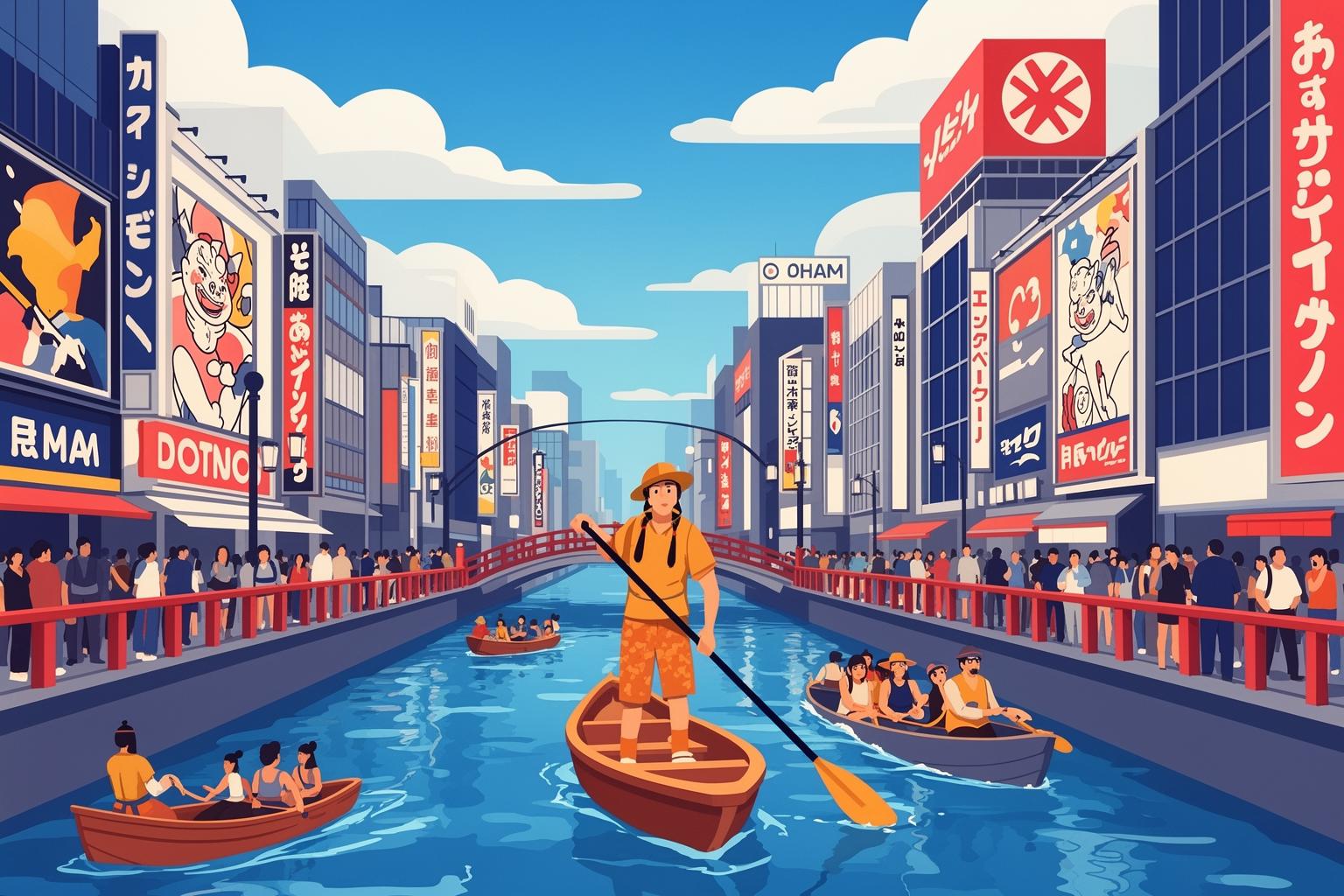
Dotonbori is not a place for a leisurely, reflective walk, especially on a weekend night. It’s an exercise in managed chaos, a dance shared with thousands of strangers. The first skill you need to master to truly enjoy the experience without feeling overwhelmed is learning how to navigate the crowds. The main promenade along the canal is the heart of the congestion. Here, the flow of foot traffic is often erratic. Groups stop abruptly for photos, food stall lines spill into the walkway, and the sheer number of people can bring movement to a halt. The key is to stay fluid. Don’t resist the current; move with it. A local tip is to walk with purpose while maintaining wide awareness. Anticipate stops and starts, and be ready to take slight detours. Often, the path of least resistance lies closer to the buildings rather than the canal railing, though this brings you nearer to lines and restaurant touts. Timing your visit is your greatest advantage. To experience the neon lights in all their glory without the heavy crowds, aim for a weekday evening—perhaps a Tuesday or Wednesday around 7 PM. You’ll enjoy the full visual spectacle with far fewer people than on weekends. If visiting on a Friday or Saturday, consider going later, after 10 PM, once the dinner rush has eased and some tourist groups have dispersed. Alternatively, visiting during the day offers a much calmer, entirely different perspective. The neon lights are off, and the focus shifts to shopping and daytime dining. It’s a great way to get your bearings before diving into the nighttime frenzy. Another important strategy is to use the parallel streets. The main Dotonbori walkway is flanked by other streets and covered shopping arcades that tend to be less crowded. To travel from one end of the district to the other, it’s often quicker to slip onto a side street and avoid the main bottleneck near Ebisubashi Bridge. This is also where you’ll find more interesting, less tourist-focused shops and restaurants. Keep in mind the Japanese concept of orderly movement. Even in the chaos, there’s an unspoken etiquette. People generally avoid bumping into each other, and a small nod or a quiet “sumimasen” (excuse me) goes a long way if you need to squeeze through a tight space. Avoid stopping suddenly in the middle of a busy street. If you need to check your map or take a photo, step aside, out of the main flow. This small courtesy keeps the human river flowing and makes the experience more enjoyable for everyone. Mastering this flow isn’t just about getting through; it’s about becoming part of the district’s rhythm, allowing you to focus less on the stress of the crowd and more on the incredible sights, sounds, and smells around you.
Spotting the Traps: A Field Guide to Dotonbori’s Tourist Funnels
With great popularity comes great opportunity—for tourist traps. Dotonbori is filled with them, and knowing how to recognize and avoid them is key to experiencing an authentic and satisfying culinary adventure. A tourist trap isn’t necessarily a bad place, but it often prioritizes high volume and tourist turnover over quality, authenticity, and value. Such places offer a generic, simplified version of the local experience at inflated prices. So, how can you spot one? The first and most obvious sign is aggressive touting. If staff are standing on the street, sometimes in loud costumes, holding laminated menus and aggressively trying to lure you inside in English, be cautious. The best local restaurants rarely need such tactics; their reputation and quality speak for themselves. The menu is another significant clue. Watch out for large, glossy menus featuring pictures of every item, often with English, Chinese, and Korean descriptions more prominent than Japanese. While multilingual menus can be helpful, an overemphasis on them may indicate a place catering mostly to tourists. A truly local spot might have a simple, handwritten Japanese menu, possibly with a smaller, understated English version available upon request. Another red flag is a menu that tries to be everything to everyone. A restaurant claiming to serve the “best” takoyaki, okonomiyaki, ramen, sushi, and tempura under one roof is likely a master of none. The most beloved eateries in Japan, especially in a food-obsessed city like Osaka, usually specialize, excelling at one or two dishes. Look for the takoyaki stand that sells only takoyaki or the okonomiyaki place perfecting its recipe for decades. Location matters, too. The busiest spots right along the main canal walk are prime real estate, with high rents often reflected in menu prices, sometimes at the expense of ingredient quality. While there are exceptions, true gems are often tucked away on side streets or nestled on upper floors of unassuming buildings. Don’t be afraid to explore. Lastly, observe the clientele. Take a moment to see who is dining there. Are the customers mostly tourists clutching guidebooks, or is there a mix of locals, office workers on their breaks, and Japanese families? A line of local patrons is usually the best endorsement. This isn’t about being cynical but about being a discerning traveler. Dotonbori has a wealth to offer, but its most outstanding treasures often require looking beyond the loudest, most obvious options. By learning to read these subtle signs, you’re not only avoiding a mediocre meal but also choosing to engage with the authentic food culture that makes Osaka so legendary.
The Path to Kuidaore: Discovering Authentic Eats in the Heart of the Chaos
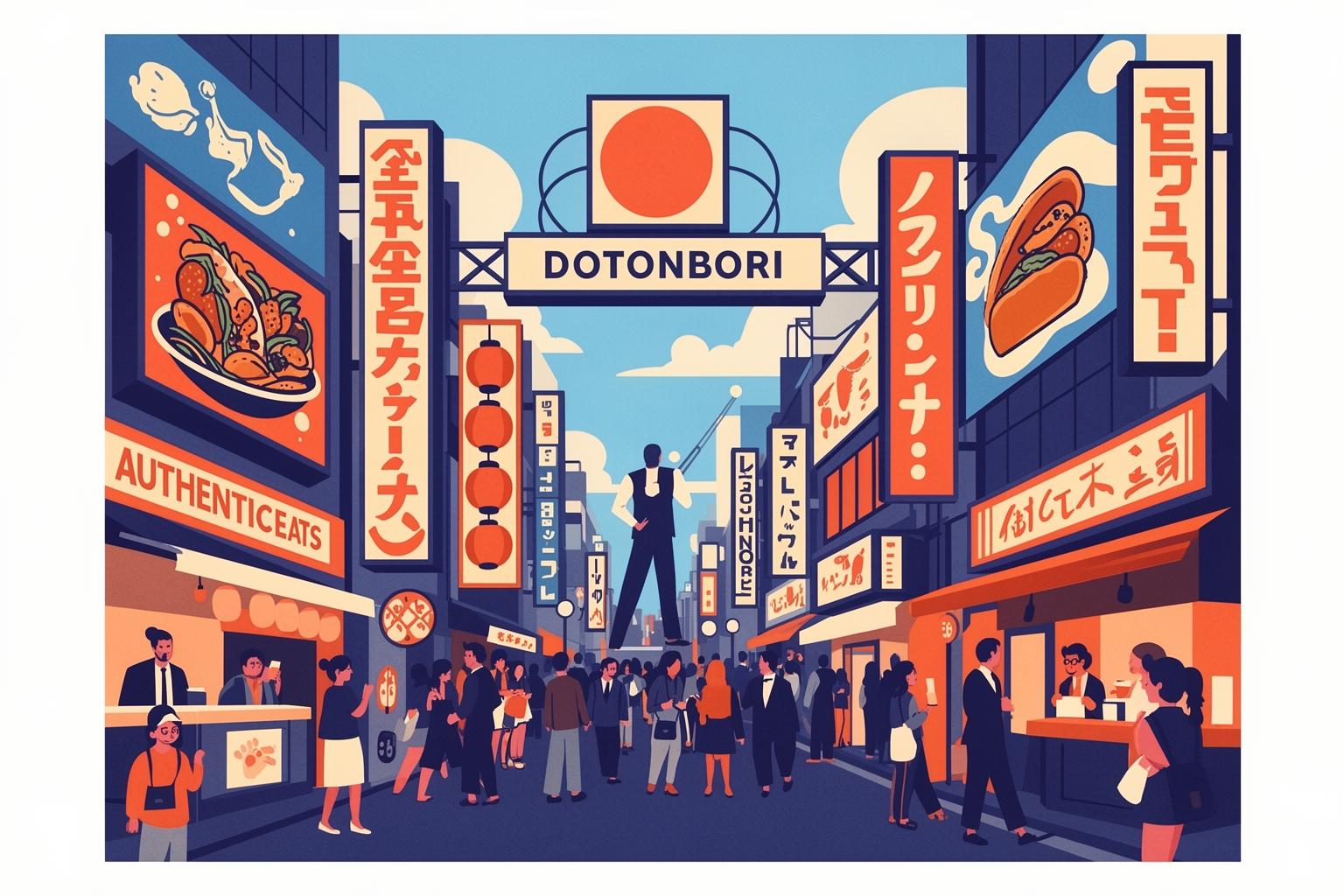
Now begins the true mission: achieving kuidaore. Eating until you’re utterly full in Dotonbori is a rite of passage, but doing it right means finding the spots that truly capture the essence of Osakan cuisine. This adventure starts the moment you choose to leave the main, dazzling path and explore the district’s side streets. Your guiding principle should be: “Look to the side streets.” The heart of Dotonbori’s food scene isn’t on the brightly lit riverside promenade but in the narrow, lantern-lit alleys branching from it. These tight lanes, sometimes barely wide enough for two people to pass, house the multi-generational, family-run eateries that have sustained this neighborhood for decades.
Hozenji Yokocho: A Step Back in Time
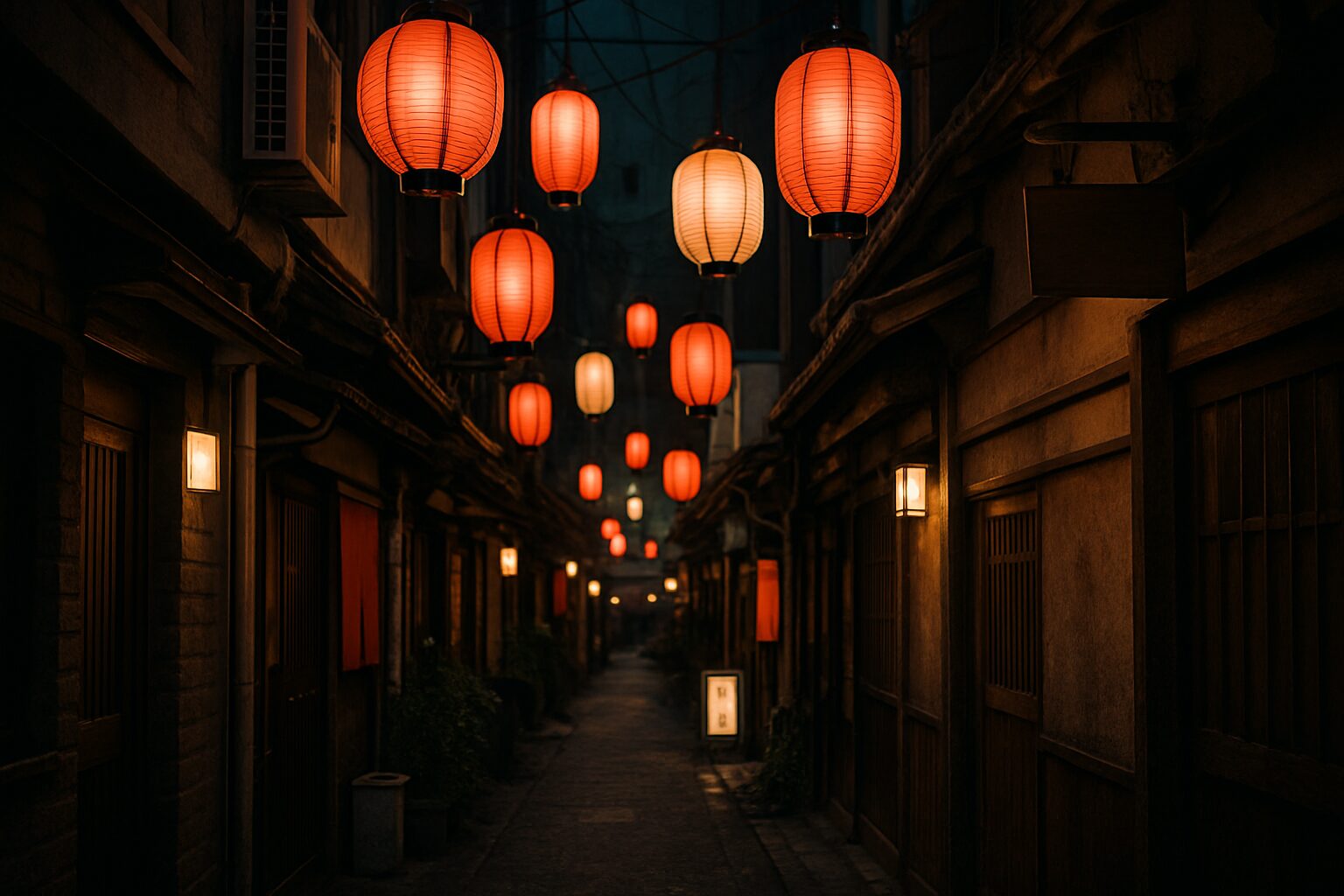
Hozenji Yokocho is the most famous of these alleys. Just a short walk from the bustling Glico sign, this stone-paved path feels like stepping into a different era. The neon lights give way to the gentle glow of traditional paper lanterns. The air is thick with incense from Hozenji Temple and the savory smell of grilled food from the tiny restaurants lining the walkway. Here, you’ll discover high-end kappo dining, cozy okonomiyaki spots, and intimate bars. The atmosphere is calmer, more refined. It’s a place for a sit-down meal to relish both the flavors and the ambiance. Visiting the temple itself adds to the experience. Seek out the Mizukake Fudo statue, a Buddhist deity completely covered in lush moss. Worshippers pour water over it while making wishes, and the constant moisture nurtures the vibrant green moss. This serene ritual offers a moment of tranquility amidst the culinary excitement. Dining in Hozenji Yokocho provides a different kind of Dotonbori experience, one that connects you with the area’s deeper, traditional roots.
Mastering the Osaka Food Trinity: Takoyaki, Okonomiyaki, Kushikatsu
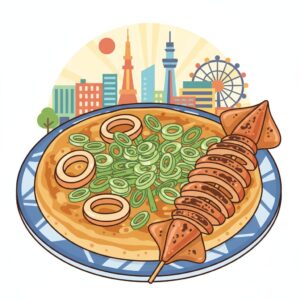
Back in the main Dotonbori area, your focus should turn to the city’s signature dishes. Starting with takoyaki: these grilled octopus balls are Osaka’s quintessential street food. A great takoyaki is a textural delight—slightly crispy, golden-brown on the outside, yielding to a piping hot, almost molten, creamy interior with a firm, chewy piece of octopus (tako) at its core. They’re typically topped with a tangy, sweet brown sauce, a drizzle of Japanese mayonnaise, a sprinkle of green laver (aonori), and generous dancing bonito flakes (katsuobushi). Don’t just follow the longest tourist line. Observe the chefs. Look for a stall where the staff moves with practiced, lightning-fast skill, expertly flipping the balls with metal picks. A steady stream of locals is your best indicator. Be warned: takoyaki is served extremely hot. The local trick is to poke a hole in the top to let some steam escape before biting in whole to avoid burning your mouth. Next is okonomiyaki, often called a “Japanese savory pancake,” though that description hardly does it justice. Its name means “grilled as you like it,” and it’s a beautiful blend of flour, egg, shredded cabbage, and your choice of ingredients (pork, squid, shrimp, and cheese are popular), all mixed and cooked on a flat-top teppan. It’s finished with the same sauce-and-mayo topping as takoyaki. The best way to enjoy this is at a restaurant with a grill built into your table, where you can either cook it yourself (a fun if messy challenge) or watch staff prepare it before you. The sizzle, the aroma, and the chef’s artistry flipping the pancake with two metal spatulas make for both dinner and a show. Seek out smaller, older establishments tucked away on upper floors off the main street. Finally, there’s kushikatsu, a dish proving anything is delicious when skewered, battered, and deep-fried. From meat and seafood to veggies and cheese, a wide variety of ingredients are cooked on bamboo skewers (kushi) and fried to golden perfection (katsu). Kushikatsu restaurants dot the Dotonbori and Shinsekai areas. When seated, you’ll be given a communal pot of thin, dark dipping sauce, where the golden rule is: NO DOUBLE-DIPPING. Dip your skewer once, and only once, before taking the first bite. This hygiene rule is sacred. If you want more sauce, use a slice of the provided raw cabbage to scoop some onto your plate. Following this custom shows respect and earns a knowing nod from the chef. Kushikatsu is best paired with a cold beer, enjoyed in the lively, no-frills vibe of classic standing bars or simple eateries.
Noodle Nirvana: Finding the Perfect Bowl of Ramen
Though not exclusive to Osaka, Dotonbori is home to some of Japan’s best ramen shops. You’ll spot well-known chains like Ichiran, famous for its “flavor concentration booths,” and Kinryu with its giant dragon sign. These popular spots are a good starting place. Ichiran, especially, provides a reliable, customizable bowl of classic tonkotsu (pork-bone broth) ramen that’s hard to beat. For a more unique experience, seek out smaller, independent ramen-ya. Many specialize in a particular style—rich tonkotsu, lighter shio (salt-based) broth, or spicy miso ramen. Look for shops with a ticket machine (kenbaiki) at the entrance, where you buy your meal before sitting down—a hallmark of authentic, no-nonsense ramen joints. Don’t shy away from places with just a handful of menu items; this shows confidence and mastery of their signature bowls. Eating ramen elbow-to-elbow with locals at a tiny counter is one of the most comforting and satisfying meals in Japan.
More Than a Meal: Exploring the Other Sides of Dotonbori
While food is undoubtedly the main attraction, Dotonbori presents a rich array of other experiences worth exploring once your hunger is satisfied. The district’s identity is deeply anchored in entertainment, a heritage dating back to the Edo period when it was designated as Osaka’s theater district. That spirit of performance and amusement remains vibrant today. One of the best ways to appreciate the vast neon spectacle is from the water. The Tonbori River Cruise offers a fresh perspective, taking you on a brief boat ride up and down the canal. Gliding beneath the bridges and gazing up at the towering, illuminated signs is a fantastic experience, especially as dusk fades into night. The guides provide a running commentary (often in Japanese, but the energy is universal), pointing out landmarks and sharing stories. It’s an excellent opportunity to snap photos and rest your feet while still being in the heart of the action. Just a short distance from the Glico sign stands the Shochikuza Theatre, a beautiful Western-style building with a traditional Japanese spirit. It is one of the premier venues for Kabuki, the classical Japanese dance-drama. Although performances are entirely in Japanese and can be lengthy, attending even a single act offers a captivating cultural experience. The elaborate costumes, stylized movements, and dramatic storytelling transcend language barriers. The theater itself is an architectural gem, providing a wonderful contrast to the modern chaos outside. For a taste of Osaka’s renowned sense of humor, the Namba Grand Kagetsu is the place to visit. This is the headquarters of Yoshimoto Kogyo, Japan’s largest comedy talent agency. It hosts daily performances of manzai (a style of stand-up comedy duo) and other comedic acts. While the language barrier may pose challenges, the slapstick humor and contagious laughter of the audience offer a unique experience. It provides insight into the city’s reputation for being more lighthearted and jovial than its Tokyo counterpart. Naturally, there’s also the shopping. Dotonbori connects to the Shinsaibashi-suji Shopping Arcade, a vast covered street stretching for hundreds of meters. It’s a shopper’s paradise, featuring everything from high-end department stores and international brands to quirky boutiques and traditional craft shops. It’s an ideal place to stroll, especially on a rainy day. For a different kind of retail therapy, cross Midosuji boulevard to find Amerikamura (American Village). This is Osaka’s youth culture hub, home to street fashion, vintage clothing stores, record shops, and trendy cafes. The atmosphere is more relaxed and stylish, a stark contrast to Dotonbori’s commercial intensity, yet just a five-minute walk away. Exploring these neighboring areas adds depth to your understanding of the district. Dotonbori is the bright, loud, pulsating heart, but the arteries that feed it are filled with their own unique character and charm.
The Ever-Changing Stage: Dotonbori Through the Seasons
Dotonbori is a destination that draws visitors year-round, yet its atmosphere subtly changes with the seasons, providing a slightly varied experience depending on when you go. In spring, the cherry blossoms add a soft, natural beauty to the urban scenery. Although it isn’t a famous hanami spot, the few cherry trees along the canal create a striking contrast against the neon lights. The mild, pleasant weather makes it an ideal time for an evening walk and a river cruise. The city feels festive, and the energy in Dotonbori is bright and optimistic. Summer in Osaka is known for its intense heat and humidity. During the day, the concrete jungle can feel overwhelming, but after sunset, Dotonbori comes to life. The heat lingering on the pavement mingles with the aromas of grilling food. This season is perfect for ice-cold beers at a kushikatsu joint, refreshing shaved ice (kakigori), and joining the crowds enjoying the long evenings. Major festivals, like the Tenjin Matsuri in July, inject even more energy and color into the city, with Dotonbori serving as a central hub for celebration. Autumn offers a welcome relief from summer’s heat. The crisp, cool air sets the stage for a culinary adventure. Seasonal flavors like mushrooms, chestnuts, and Pacific saury start appearing on menus. The light gains a golden hue, and the neon reflections on the canal appear even more vivid in the clear evening air. It’s a comfortable and delicious time to explore Osaka’s food scene in depth. Winter turns Dotonbori into a festive wonderland. Special winter illuminations add extra sparkle to the already dazzling district. The cold weather makes a steaming bowl of ramen or a bubbling pot of nabe (hot pot) especially inviting. Crowding into cozy, warm izakayas to share hot food and drinks is a quintessential Japanese winter experience. Around New Year’s, the area buzzes with people finishing their year-end shopping and celebrating, creating a lively and infectious joyful atmosphere.
Your Dotonbori Field Manual: Practical Tips for a Perfect Visit
With a deeper appreciation of Dotonbori’s vibrant culture and lively chaos, here are some final practical tips to help make your visit smooth, enjoyable, and delicious.
Getting There Is Simple
One of Dotonbori’s greatest advantages is its accessibility. Situated in the Namba area, one of Osaka’s two major city centers, the easiest way to reach it is via Namba Station. It’s important to understand that “Namba Station” refers to a complex of interconnected stations serving multiple railway lines. For visitors, the Osaka Metro is usually the most convenient option, with the Midosuji, Yotsubashi, and Sennichimae lines all stopping at Namba. From any of these subway stops, it’s only a 5- to 10-minute walk. The area is also served by major private railway companies, including Nankai (ideal for travel from Kansai International Airport), Kintetsu, Hanshin, as well as JR Namba Station. Wherever you are in Osaka or the broader Kansai region, catching a train to Namba is straightforward.
A Few Last Tips
- Bring Cash: Although Japan is becoming more credit card-friendly, many smaller, older food stalls and restaurants in Dotonbori still accept cash only. It’s wise to carry plenty of yen to avoid disappointment when you find the perfect takoyaki stand.
- Look Up: Don’t limit your attention to street level. Some of the best and most authentic eateries and bars are tucked away on upper floors. Watch for signs and directories, and don’t hesitate to take a slightly rickety elevator.
- Pace Yourself: The vast variety of food can be overwhelming. Osakans prefer sampling many small dishes rather than one large meal. Try a few takoyaki here, some kushikatsu there, and finish with a small bowl of ramen. Think of it as a marathon, not a sprint.
- Be Open-Minded: You may encounter unfamiliar dishes or find yourself in a restaurant where no one speaks English. Embrace the experience. A smile, pointing at the menu, and a cheerful “oishii!” (delicious!) often suffice for communication. The best travel memories often come from these spontaneous, unplanned moments.
Beyond the Glare
Dotonbori can overwhelm the senses. It’s a district full of striking contrasts—a place where deep-rooted culinary traditions unfold against a backdrop of dazzling, hyper-modern commercialism. Many visitors stop to snap a photo of the Glico man, grab some takoyaki from the first stall they encounter, and leave feeling like they’ve experienced Dotonbori. Yet the true charm lies in peeling back that shiny surface. It’s found in the quiet reverence of Hozenji Yokocho, in the shared laughter at a bustling kushikatsu counter, and in the simple, perfect pleasure of a well-crafted bowl of noodles discovered down a side street. It’s about appreciating that every giant, flamboyant sign reflects a city proudly embracing its role as Japan’s kitchen. So, when you visit, don’t just be a spectator—be an explorer. Let the neon lights guide you, but let your curiosity lead you off the beaten path. Look beyond the crowds, tune into the city’s rhythm, and you’ll uncover the authentic, delicious, and wonderfully human heart of Osaka. Dive in, eat heartily, and you’ll be glad you did.