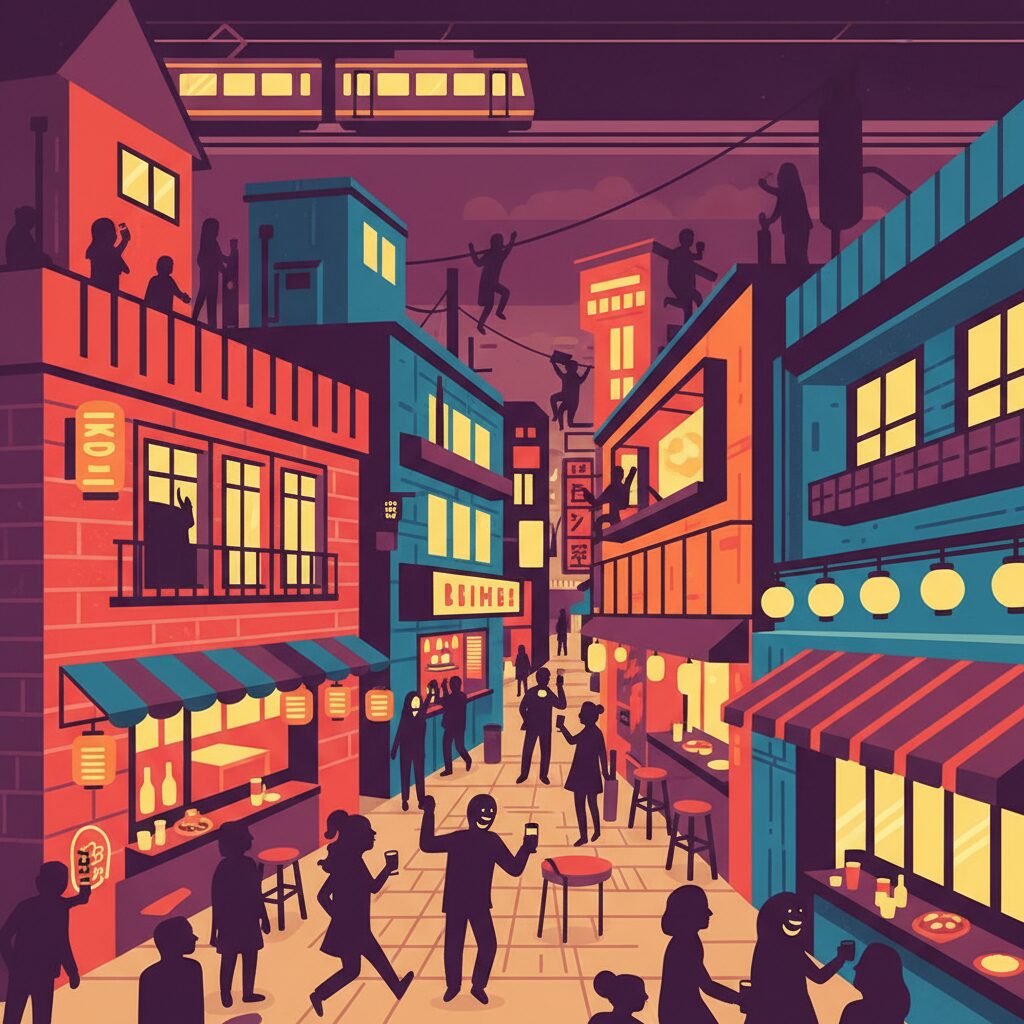
So you’ve seen it. You’ve walked the Dotonbori canal, blinded by the neon glare of the Glico Running Man, snapped a selfie with the giant mechanical crab, and navigated the crushing tide of humanity that flows, night after night, through Osaka’s most famous entertainment artery. It’s a spectacle, a sensory overload, a city putting on its best and brightest show for the world. But here’s the secret every long-term resident knows: the show is not the city. Dotonbori is the dazzling overture, but the real music of Osaka’s nightlife plays in the cramped, smoky, and gloriously chaotic back alleys just a few steps away. This is the world of Ura Namba, or “Back Namba,” and understanding it isn’t just about finding better food or cheaper beer. It’s about decoding the very soul of Osaka.
Foreigners living here often ask me, “Where do people actually go?” They feel a disconnect between the polished tourist experience and the rhythm of daily life they sense humming just beneath the surface. Ura Namba is the answer. It’s not a single street, but a tangled web of narrow passages behind the Nankai Namba station, a place where the curated gleam of department stores gives way to the raw, honest glow of paper lanterns. It’s where the unspoken rules of Osaka social life are written, where the city’s true character—pragmatic, boisterous, and deeply human—comes alive. To choose Ura Namba over Dotonbori is to choose conversation over performance, community over anonymity, and the real, unvarnished city over its magnificent postcard image. Let’s dive into that world, not as tourists, but as observers trying to understand what makes this city tick.
To truly understand this pragmatic, boisterous character, it helps to explore the deep-rooted merchant spirit of Osaka that shapes its daily interactions.
The Unspoken Contract: Why Cramped Spaces Equal Good Times
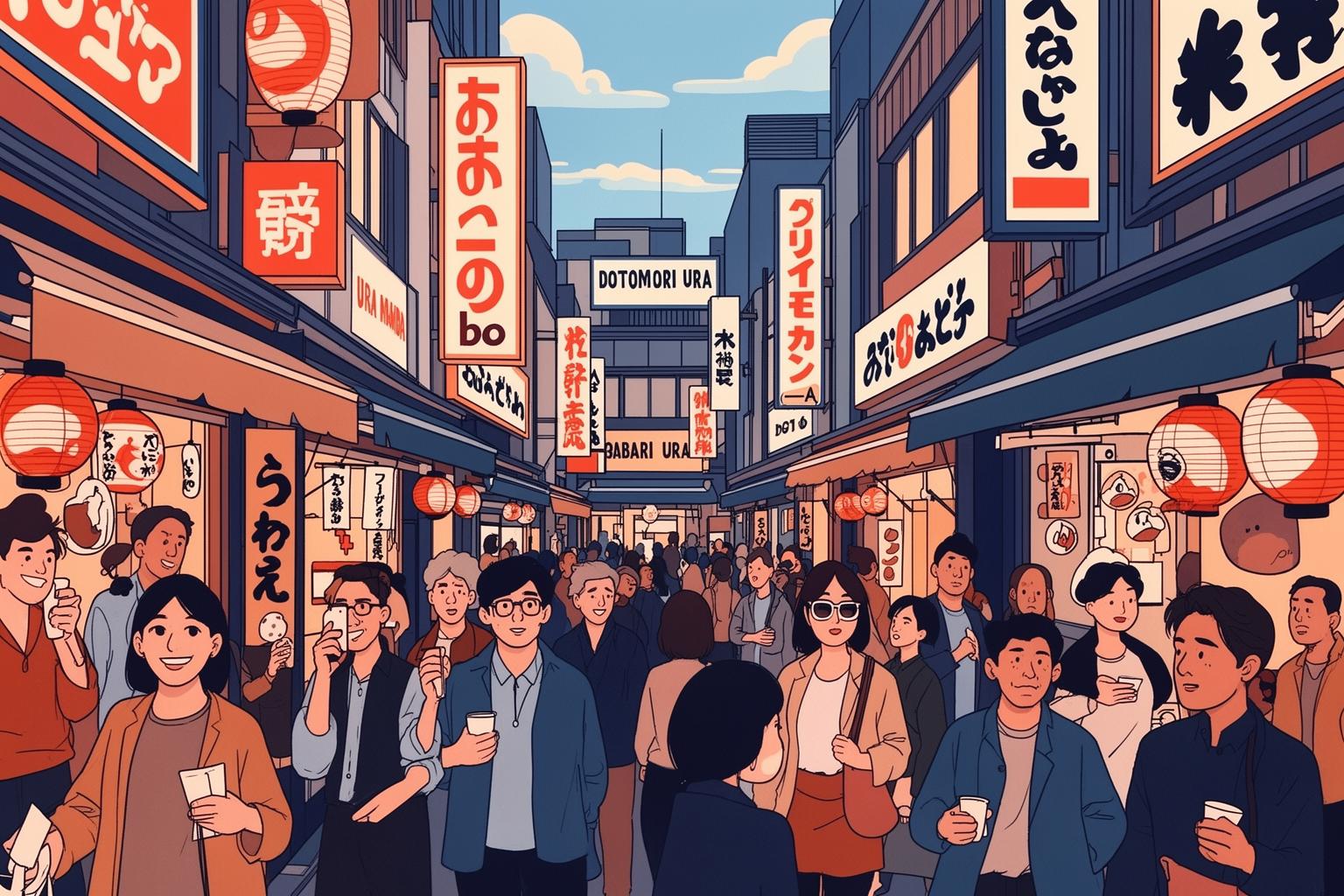
Your initial venture into an Ura Namba alley can be bewildering. You’ll find a row of small establishments, their entrances draped with simple cloth curtains called noren. Peering inside one is a jolt—ten people squeezed into a space the size of a walk-in closet. Elbows brush, voices are raised, and the air is heavy with the scent of grilled skewers and cigarette smoke. For many used to Western or even Tokyo norms of personal space, the immediate reaction is, “No, thank you.” But in Osaka, this scene—this shoulder-to-shoulder, packed chaos—is not a flaw; it’s the main attraction. It signals that you’ve found a quality spot.
This marks a fundamental difference between Osaka and Tokyo. In Tokyo, especially in its upscale areas, space is a luxury and a sign of exclusivity. Bars tend to be serene, minimalist spaces crafted for quiet enjoyment of a perfect cocktail. Socializing often happens within planned, established circles. In Osaka, the opposite holds true. Proximity drives social interaction. The close quarters are an unspoken invitation to drop formalities and engage. You can’t hide in a ten-seat tachinomi (standing bar). For the next hour, you’re, by default, part of a temporary, fleeting community.
This is what foreigners often misinterpret about Osakans’ “friendliness.” It’s not an abstract, radiant goodwill. It’s a practical friendliness born of shared circumstances. When the person beside you needs to get by, you step aside. When their plate of karaage (fried chicken) arrives looking irresistible, it’s natural to comment. That remark often sparks conversation. “That looks good, what is it?” easily leads to, “You have to try it! Master, one more for this guy!” This spontaneous camaraderie is the heart of Ura Namba. The cramped space isn’t a shortcoming; it’s a deliberate design to encourage interaction and tear down walls that keep people isolated in the order of the world beyond the noren.
Think of it as a social filter. Those craving silence, personal space, and detached service will self-select out. Those who remain are, by definition, open to the lively, communal experience. Life here isn’t about sterile perfection; it’s about the warmth of shared humanity, even if it means being a little jostled.
The Anatomy of a Good Crowd
Look closely at the crowd in one of these bars. It’s a cross-section of the city. You might spot a salaryman in a rumpled suit, tie loosened, unwinding after a long day at work. Nearby could be a young couple on a casual date, sharing small plates. In the corner, a group of friends, a few drinks in, laughs ring out. And there’s the lone regular, quietly sipping shochu and exchanging nods of recognition with the owner. This mix is essential. Unlike themed pubs or high-concept cocktail bars targeting specific demographics, the classic Ura Namba joint is a great equalizer. Age, profession, and social rank seem to dissolve at the counter.
What unites these diverse patrons is a shared appreciation for the unpretentious. The focus is on three things: good food, fair prices, and a lively atmosphere. There are no frills. The décor might consist of aging posters and handwritten menus taped to the walls. The seating could be upturned beer crates. This lack of polish is a badge of honor. It signals the establishment invests where it counts—in high-quality ingredients and the cook’s skill. It’s distinctly Osakan pragmatism. Why pay for fancy lighting when you can pay for better tuna?
This setting fosters a particular kind of interaction. Conversations flow naturally between strangers, eased by alcohol and the shared intimacy of the space. The woman to your left might offer an unsolicited but great recommendation. The man on your right might ask where you’re from—not as a cheesy pick-up line, but out of genuine curiosity. This is the city’s true pulse—not on grand boulevards, but in these small, vibrant social cores.
The Currency of Laughter: “Omoroi” as the Ultimate Compliment
Across most of Japan, the highest compliment you can offer a meal is “oishii” (delicious). In Osaka, while “oishii” remains important, there’s another, arguably more prized, praise: “omoroi.” This word is deeply embedded in the Osaka spirit. It roughly translates to “interesting,” “amusing,” or “funny,” but its significance runs far deeper. It denotes a distinctive, engaging, and memorable experience. An Ura Namba bar thrives or fails not only on its food but also on its level of omoroi.
This quality can stem from various sources. It might come from the bar’s owner, the taisho. A great Osaka taisho isn’t a silent, stoic craftsman who lets their skill speak for itself. They act as the ringmaster, conductor, and heart of the show. They’ll offer a running commentary on the baseball game playing on the small TV above. They’ll good-naturedly tease a regular about their new haircut. They remember your preference for a highball with an extra squeeze of lemon after just one visit. Their personality saturates every corner of the establishment. Their sharp humor and gruff-yet-warm demeanor are as integral to the menu as the grilled fish.
This contrasts sharply with the typical Tokyo master craftsman, who often commands respect through an aura of perfect, quiet dedication. The Osaka taisho earns respect by being approachable, relatable, and most importantly, entertaining. Foreigners might sometimes misread this. The direct, teasing banter may seem abrupt or even rude if you’re used to the extreme politeness of standard Japanese customer service. But it’s quite the opposite. If the taisho teases you, it’s a sign of affection. It means you’ve been acknowledged, welcomed into the fold, and are now part of the evening’s performance. Silence and formality would be the true snub.
Finding the Funny in the Food
The quest for omoroi extends to the menu itself. You’ll encounter dishes with quirky, pun-filled names. A straightforward potato salad might be named something like “The Salaryman’s Respite.” This isn’t merely a quirky marketing trick; it adds another layer to the experience, sparking conversation. It signals that the people behind the counter don’t take themselves too seriously. They understand that eating and drinking should be fun.
The physical space is often omoroi as well. One bar might be decorated entirely with vintage train memorabilia. Another might boast a collection of strange figurines watching over the customers. These oddities give the place character and tell a story. It’s not the sterile, uniform look of a corporate chain. Rather, it’s the unique, sometimes eccentric, expression of the owner’s personality. In Ura Namba, you’re not just a customer at a restaurant; you’re a guest in someone’s slightly quirky, warmly inviting world. Choosing a bar is like picking which friend you want to hang out with tonight. Do you want the loud, hilarious one, the quiet, nerdy one, or the one with unexpectedly good life advice? Ura Namba has them all.
The “Senbero” Philosophy: Smart Drinking on a Human Scale
In these alleys, there’s a word you’ll hear frequently: “senbero.” It’s a blend of sen-en (1000 yen) and berobero (drunk). The idea is straightforward: for about 1000 yen (around $7-8 USD), you should be able to enjoy a couple of drinks and a snack or two. This serves as a guiding principle for both the shop owners and patrons of Ura Namba. However, it’s important to realize that senbero isn’t about getting drunk cheaply. It embodies a philosophy of accessible, sustainable, and inclusive enjoyment.
This mindset has roots in Osaka’s history as a merchant city. Since its early days, Osaka has thrived on commerce, where pragmatism, thrift, and a sharp focus on value—now known as kosupa or “cost performance”—are deeply embedded virtues. People in Osaka work hard and expect their leisure to be both satisfying and economical. An establishment charging excessive prices for small portions or mediocre drinks simply won’t survive the discerning local clientele. This constant demand for value keeps quality high and prices low—it’s a self-regulating system of value.
This philosophy strongly influences social habits. A night out in Ura Namba rarely means staying put in one place for hours. The senbero concept promotes movement and a culture of hashigozake, or bar hopping. You begin at a tachinomi for a quick beer and some excellent doteyaki (beef sinew stewed in miso). After about twenty minutes, you pay your 800 yen and move on. Next is a tiny seafood spot down another alley for a fresh oyster and a glass of sake. Then maybe you end at a tempura specialty shop. Each stop offers a quick, affordable, and unique experience, turning the evening into a lively culinary adventure rather than a stationary meal. This kind of casual hashigozake is common—it’s not just for special occasions but a typical way to unwind with a colleague on a Tuesday before heading home.
This contrasts with more formal dining scenes in other cities, where a night out often requires reservations weeks ahead and committing to a long tasting menu. Osaka’s approach is more spontaneous, flexible, and woven into everyday life. It lowers the barrier to a great time. You don’t need a large budget or a detailed plan to enjoy the best the city offers. All you need is a thousand yen and a spirit of exploration.
The Art of the Quick Drink
The flow of a tachinomi is a joy to watch. There’s a rhythm and purpose to it. You slip into a small spot at the counter. “Nama, hitotsu!” (“One draft beer!”). The beer comes immediately. You point at a dish in the glass case. It arrives a minute later. You eat, drink, chat. Then you signal the check. The taisho glances at your empty plates and glasses and quickly figures the total. You drop the cash on the counter, nod slightly, and leave. The whole process may take less than 30 minutes, and your spot is promptly filled by the next patron.
This rapid turnover is what sustains the business model. It’s a symbiotic arrangement: customers get low prices, and owners rely on a steady flow of patrons. Lingering for hours over one drink breaches this unspoken social contract. The system depends on constant, smooth movement. It’s a dance, and once you learn the steps, it feels natural and efficient.
Navigating the Alleys: An Unspoken Etiquette Guide
For newcomers, the unwritten rules of Ura Namba can seem intimidating. However, they are straightforward and based on common sense and mutual respect. Learning these rules is essential to feeling like a local rather than just a visitor.
Read the Noren
The cloth curtain at the entrance serves as your first clue. It’s more than just decoration. Locals pause briefly, lift a corner, and glance inside. This quick look reveals everything they need to know: How crowded is it? Who is there—salarymen, students, couples? What’s the atmosphere—noisy and lively, or calm and quiet? Is there an available spot at the counter? This brief assessment lets them decide instantly if the bar matches their mood, avoiding the awkwardness of entering and then leaving right away. It’s a subtle but vital skill.
Be Prepared to Be Close
As mentioned, personal space is minimal. When you find a spot, slide in quickly and efficiently. Keep your bag and coat close to you, avoiding encroaching on the next person’s space. When someone needs to pass behind you, you’ll have to lean forward against the counter. This ongoing, gentle physical negotiation is part of the experience. Don’t be overly concerned about it; everyone deals with the same dynamic, and a little spatial awareness goes a long way in earning the goodwill of your temporary neighbors.
Order with Confidence, but Observe First
The usual first move is saying “Toriaezu, biru” (“Beer for now”), which gives you some time. While you enjoy your beer, take in your surroundings. Notice what the regulars order. Check out the handwritten specials on the wall. Though the menu might be overwhelming, the most popular dishes are usually the best. Feel free to ask the person next to you or the staff, “Osusume wa nan desu ka?” (“What do you recommend?”). This isn’t seen as ignorance but as genuine curiosity, and it’s a great way to start a conversation.
Cash is King
Many small, independent places accept only cash. It speeds up transactions and saves the owner credit card fees. This fits with the no-frills, efficient spirit of the area. Searching for a credit card only to find out they don’t take them slows everything down. Always keep a few thousand-yen notes on hand. Payment is generally made at the counter where you were standing or sitting. Occasionally, you pay cash as each item arrives.
Know When to Go
Flow is everything. At a standing bar, the unspoken rule is to have a drink or two, enjoy a couple of small plates, then move on. Spending about an hour is generous. If you want to stay for a long chat, pick a place with seats (izakaya), not a tachinomi. Holding a counter spot during peak times when you’re neither eating nor drinking is the biggest faux pas. The system works because everyone respects the flow.
So, What Does This Tell You About Living in Osaka?
Exploring Ura Namba is more than just an enjoyable night out; it’s a lesson in the essential values of Osaka itself. It uncovers a city that values substance over style, community over solitude, and good-natured humor over strict formality.
Living in Osaka means accepting a certain level of comfortable chaos. It means realizing that true human connection often emerges in the most unpretentious, unexpected places. If you need pristine order and quiet anonymity to thrive, Osaka’s vibrant energy might feel overwhelming. But if you gain energy from spontaneous interactions and a sense of shared community, you’ll find it in abundance here. This city is made for those who want to engage with it, not just observe from afar.
It also reveals Osaka’s unique pragmatism. The fondness for kosupa and the senbero culture isn’t about being cheap; it’s about being wise. It reflects a collective belief that life’s pleasures shouldn’t be reserved solely for the wealthy or special occasions. A good time should be accessible, everyday, and inclusive. This democratic approach to enjoyment is woven into the city’s fabric—from its food scene to its famously straightforward communication style.
Ultimately, the contrast between the dazzling spectacle of Dotonbori and the gritty, human warmth of Ura Namba tells the central story of Osaka. The city has its public face—a bold, loud, and entertaining show for the world. But its heart beats in the back alleys, in cramped bars where strangers share a laugh over grilled chicken skin. To understand that heart is to grasp that in Osaka, the best things in life aren’t polished or perfect. They’re a little messy, very loud, incredibly delicious, and always, always omoroi.