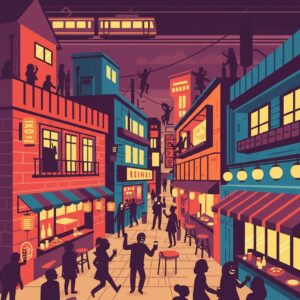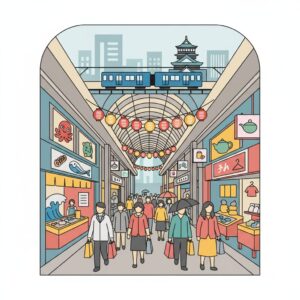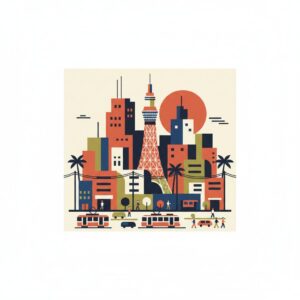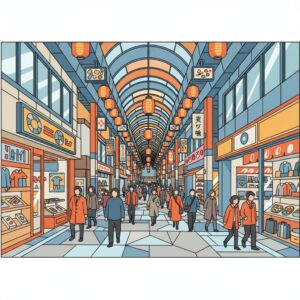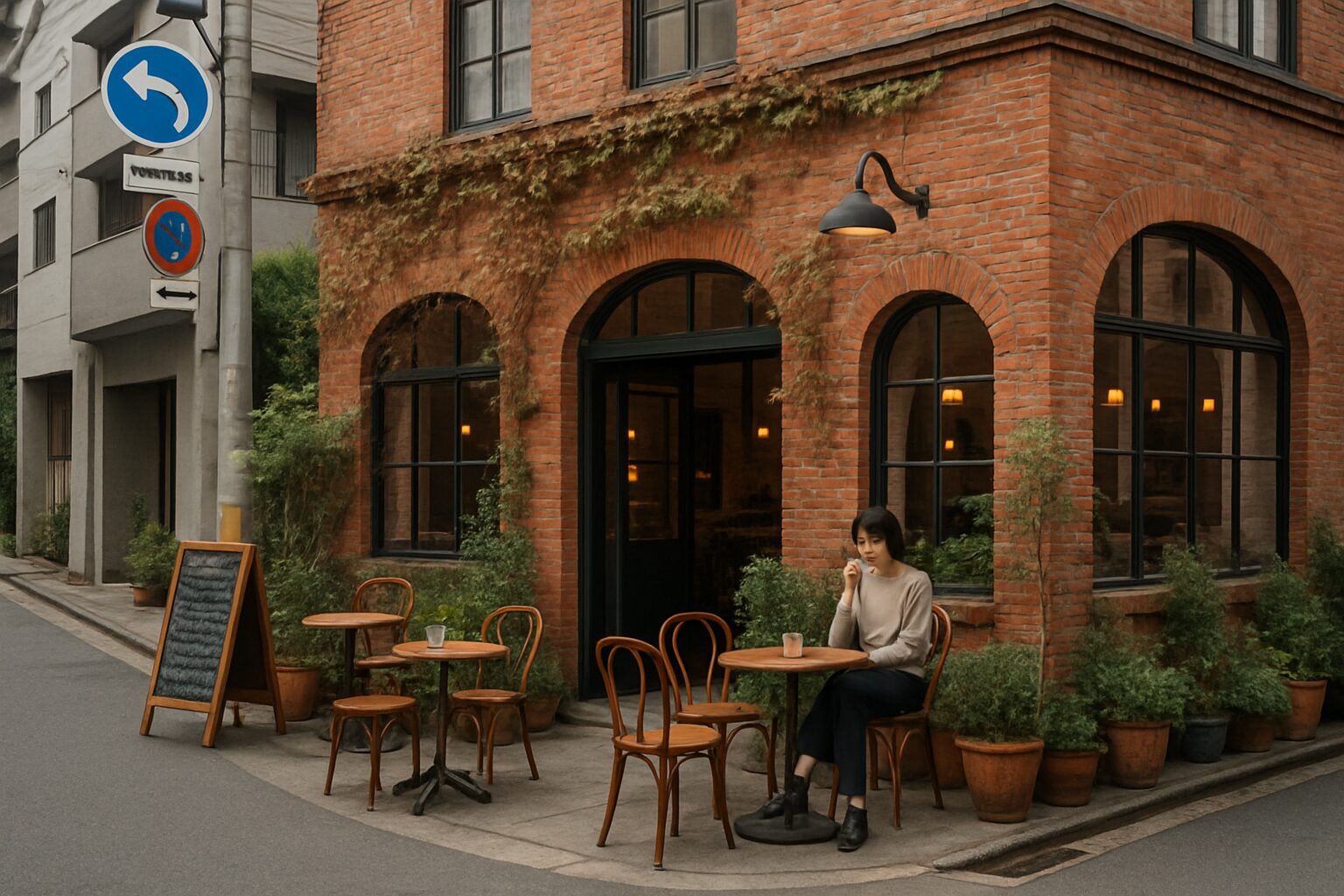
In the sprawling urban tapestry of Osaka, a city that pulses with an electric energy from the soaring heights of Umeda to the neon-drenched canals of Namba, there exists a neighborhood that moves to a different rhythm. This is Horie, a district nestled west of the main Shinsaibashi artery, where the frantic pace of the metropolis seems to dissolve into a current of cool, creative calm. Once the heart of Osaka’s timber and furniture trade, its waterways buzzing with barges and its streets lined with workshops, Horie has undergone a profound metamorphosis. Today, its legacy of craftsmanship is not lost but reimagined. The scent of sawdust has been replaced by the aroma of freshly roasted coffee beans, and the artisan’s workshop has evolved into the designer’s boutique, the minimalist art gallery, and, most importantly for the modern professional, the impeccably stylish cafe. For the digital nomad, the freelance creative, or anyone seeking a sanctuary to work beyond the confines of a traditional office, Horie is more than just a location; it is a destination. It represents a perfect confluence of aesthetic pleasure and practical necessity, a place where a strong Wi-Fi signal is as crucial as the curated playlist humming softly in the background. This guide is your invitation to plug in and tune out, to discover the workspaces that are woven into the very fabric of this remarkable neighborhood, offering not just a desk for the day, but a window into the soul of contemporary Osaka.
For a different kind of energy after work, consider exploring the vibrant youth culture just a short walk away in Amerikamura.
The Echoes of a Waterfront Past: Understanding Horie’s Foundations
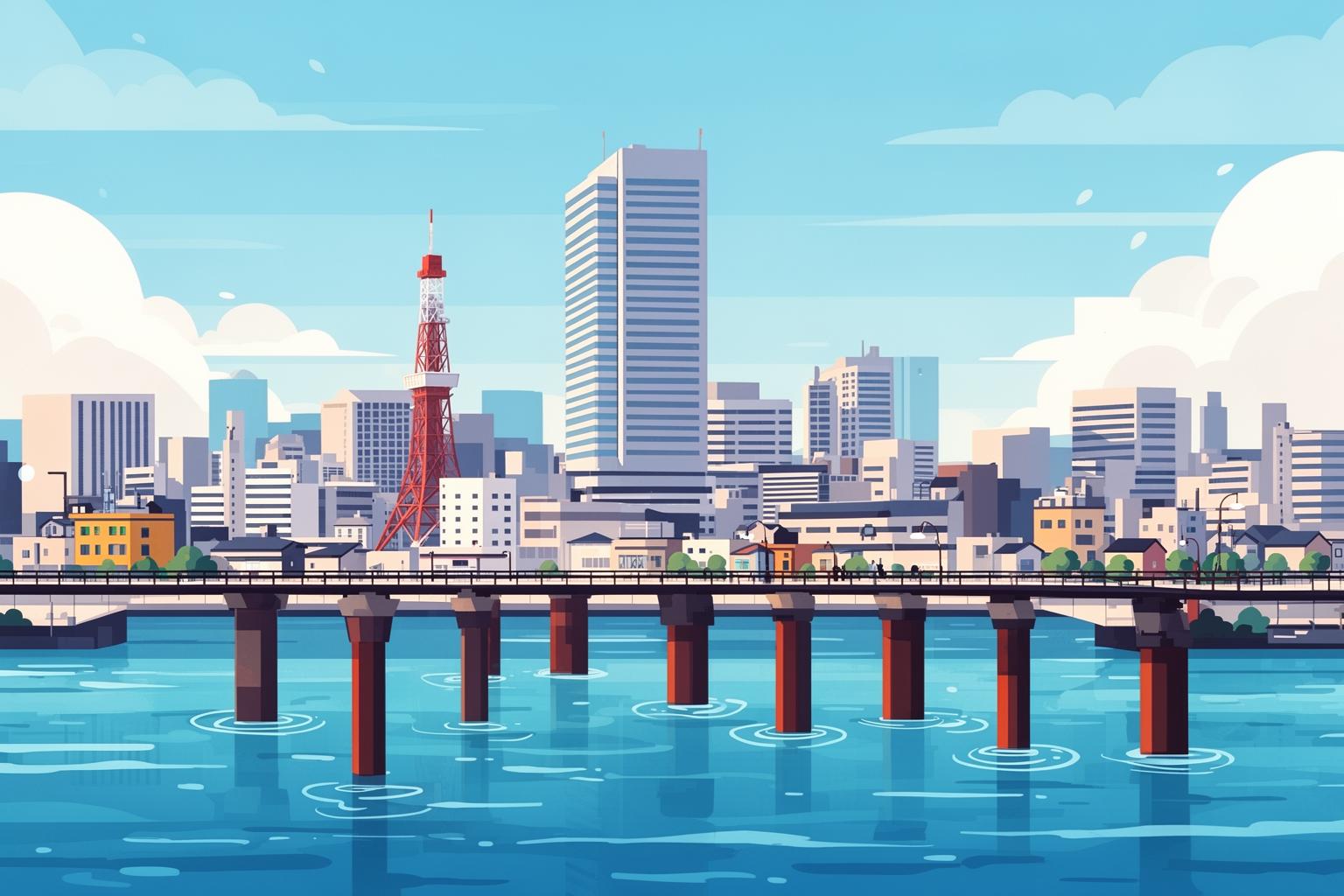
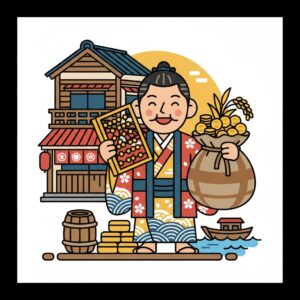
To truly appreciate the cafes of Horie, one must first grasp the foundation on which they stand—a landscape shaped by water, wood, and relentless ambition. The story of Horie is deeply intertwined with the Horie River, a canal system dug in 1688 under the visionary guidance of merchant Kawamura Zuiken. This was more than just a construction project; it was an act of urban transformation. The excavation converted what had been a flood-prone lowland into a strategic commercial center. The grid-like street layout, so convenient for navigation today, was a brilliant example of Edo-period urban planning, designed to maximize waterfront access for the growing timber trade. For centuries, this area served as the heart of Osaka’s furniture industry. The rhythmic sound of saws, the sharp aroma of cedar and cypress, and the sight of lumber piled high along the riverbanks defined its character. The name of its main street, Tachibana-dori, now affectionately called Orange Street, hints at this mercantile heritage, though its current identity is far removed from its industrial roots.
The transformation began in the latter half of the 20th century. As logistical demands evolved and the timber trade dispersed, Horie went through a period of decline. The once-bustling workshops fell silent. Yet, the spirit of craftsmanship and design endured. It was this dormant creative energy that drew a new wave of pioneers in the 1990s and early 2000s. Young designers, boutique owners, and cafe operators recognized potential in the neighborhood’s sturdy, unpretentious buildings and its slightly off-the-beaten-path location. They began repurposing old warehouses and storefronts, preserving the industrial framework while infusing it with a modern, minimalist style. This historical background is essential because it clarifies the distinctive architectural language of Horie’s cafes. You are not merely sitting in a coffee shop; you are often inhabiting a space that carries the legacy of generations of artisans. The exposed concrete walls, high ceilings, large factory-style windows, and widespread use of natural wood are not just aesthetic choices; they engage in a direct conversation with the neighborhood’s past. This deep connection to craftsmanship, whether in a handmade table or a perfectly pulled espresso shot, gives the area an authenticity that is tangible, creating a space that feels both inspiring and grounded.
The Anatomy of the Ideal Horie Workspace
What transforms a Horie cafe from a simple coffee stop into a top-tier remote-work haven? The key lies in a precise blend of elements—an experience thoughtfully designed to meet both the practical needs of workers and the aesthetic yearnings of creative spirits. This is a formula that the finest venues in this area have mastered, going well beyond merely offering a table and Wi-Fi.
Aesthetics as a Catalyst for Creativity
The foremost and most noticeable characteristic is an unwavering dedication to design. In Horie, a cafe’s interior is a deliberate statement, a carefully crafted setting meant to inspire. While each establishment expresses a unique visual style, they all share a thread of purposeful intention. Some embrace the wabi-sabi philosophy, finding beauty in imperfection with raw concrete floors, plain walls, and thoughtfully placed handcrafted furniture. Others reflect an industrial-chic atmosphere, honoring the building’s history with exposed ductwork, raw steel details, and warm Edison bulb lighting that casts a cozy glow over patrons engrossed in their work. Then there are verdant retreats, where biophilic design flourishes—lush indoor plants cascade from shelves, and large windows blur the boundary between the interior and the serene greenery of a nearby park. Lighting is never an afterthought; it is carefully sculpted to be both functional for screen reading and gentle enough to foster calm concentration. This visual harmony isn’t mere decoration—it acts as a functional tool to clear mental clutter, nurturing a flow state and turning work hours into a retreat rather than a chore.
The Ritual of Coffee: Beyond the Caffeine
Alongside the design-focused interiors is a deep reverence for the coffee itself. Horie stands as a pillar in Osaka’s third-wave coffee movement, which regards coffee not as a commodity but as an artisanal craft, complete with a narrative and terroir as rich as fine wine. Many cafes here operate as micro-roasteries or source their beans carefully from single-origin estates worldwide. The preparation is a performance. Baristas, often the owners, demonstrate mastery of their craft, executing precise pour-overs, weighing espresso grounds, and creating detailed latte art with practiced flow. The menu serves as a lesson in coffee tasting, inviting patrons to savor the distinct notes of an Ethiopian Yirgacheffe or a Costa Rican Tarrazú. This commitment to excellence directly enhances the work experience. The ritual of ordering and enjoying an exceptional cup punctuates the day, offering a sensory pleasure that resets focus and energizes productivity. It serves as a tactile reminder that quality and attention to detail matter—principles that extend seamlessly from the coffee to the tasks ahead.
The Pillars of Productivity: Power, Comfort, and Connectivity
Naturally, aesthetics and craftsmanship would hold little value for remote workers without a solid practical foundation. The best cafes in Horie intuitively grasp this. Power outlets—essential for digital nomads—are thoughtfully woven into the design, found at counter seats, along banquettes, or even embedded in communal table legs. Seating options reflect ergonomic variety: large shared tables encourage a quiet communal spirit, ideal for spreading out laptops and notes; smaller, private two-person tables cater to focused efforts; while comfortable upholstered armchairs and sofas invite relaxed reading or brainstorming. Wi-Fi is reliable and free, understood as a utility as indispensable as water or electricity. Ambient sound is intentionally curated. Background music is usually instrumental—lo-fi beats, ambient electronica, or mellow jazz—providing a pleasant auditory texture without distraction. The rhythmic clatter of the coffee machine serves as a soothing reminder that you are in a space dedicated to active, yet peaceful, creation.
A Curated Tour of Horie’s Premier Cafe Workspaces
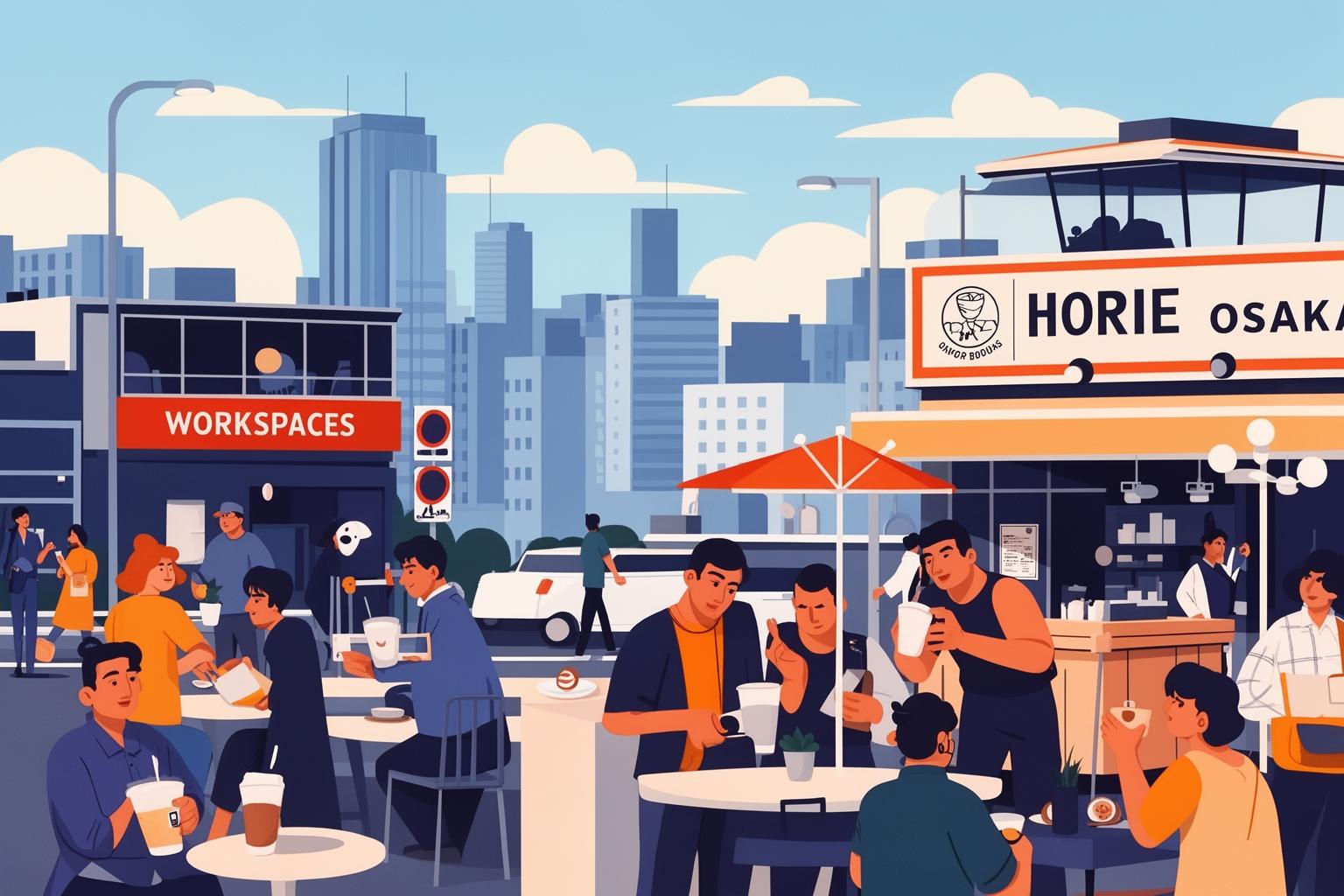
Navigating Horie’s abundance of excellent cafes can be a delightful challenge. Each spot offers a subtly distinct atmosphere and experience. What follows is not a comprehensive list but an in-depth look at a few iconic establishments that capture the neighborhood’s unique blend of style and productivity.
Granknot Coffee: The Industrial Artisan
Hidden on a quieter side street, Granknot Coffee perfectly embodies Horie’s industrial-chic vibe. The moment you enter its understated doorway, you find a space that feels both spacious and cozy. High ceilings and polished concrete floors reflect the building’s utilitarian history, while the warm hues of the custom wooden counter and furnishings create a welcoming contrast. The air is thick with the rich, intoxicating aroma of freshly roasted coffee, with a large gleaming roaster often visible in a corner. This is a place that truly takes coffee seriously, and their passion is contagious.
The Workspace Experience
For remote workers, Granknot provides a focused and energizing atmosphere. A long, stunning wooden counter runs along one wall, equipped with plenty of power outlets—ideal for extended work sessions. The lighting above is direct but gentle, avoiding screen glare. Smaller tables offer added privacy. The Wi-Fi is reliable and robust, easily supporting video calls and large downloads. Background music is consistently excellent, featuring a thoughtfully curated playlist of instrumental tracks that enhance concentration. The overall vibe is one of quiet productivity; patrons are deeply absorbed in work, the soft clicks of keyboards blending with the gentle hiss of the espresso machine.
Coffee & Cuisine
The coffee menu is an experience in itself. You can select from a variety of single-origin beans for your pour-over, with the barista ready to discuss flavor profiles and recommend the perfect bean based on your tastes. Their espresso drinks are outstanding, featuring a perfectly balanced house blend that shines through milk in a rich, flavorful latte. Complementing the coffee is a small but delicious selection of baked goods. Their cheesecake is legendary—dense, creamy, and just sweet enough—while the scones are ideal companions for morning coffee. Presentation is simple and elegant, letting the quality of the products shine.
Saturdays NYC Osaka: Where Fashion Meets Coffee
Saturdays NYC brings a slice of SoHo’s surf-meets-city culture to the heart of Horie. More than a cafe, it is a concept store where fashion, design, and coffee culture intersect. The storefront exudes minimalist cool, with clean lines and a large glass facade. Inside, the space is divided between a curated selection of the brand’s apparel and a sleek coffee bar at the back. Its standout feature is the beautiful wooden deck and patio area—an urban oasis offering a rare chance to work outdoors in the city center.
The Workspace Experience
Working at Saturdays offers a distinctive kind of energy. It’s less of a library-like environment and more of a lively creative hub. Seating inside is limited, mainly a long bench and a few small tables—better suited for short, focused work bursts. The real attraction is the outdoor space. On a pleasant day, sitting on the wooden deck with your laptop, surrounded by stylish patrons and the gentle hum of the neighborhood, is an experience in itself. The Wi-Fi extends outdoors, and although power outlets are scarce, it’s an ideal spot to recharge your creative energy for an hour or two. It’s a place to see and be seen, tuning into Horie’s fashionable rhythm.
Coffee & Cuisine
The coffee program at Saturdays is as refined as its brand identity. They serve consistently excellent espresso, pulled with precision by well-trained, often impeccably dressed baristas. Their iced lattes are particularly popular during warmer months. While the food menu is limited, there’s a selection of pastries and snacks perfect for a quick bite. The experience blends excellent coffee, sleek design, curated music, and a casually cool atmosphere. It’s a place where work feels less like a chore and more like a lifestyle.
Biotop Corner Stand: The Botanical Retreat
Biotop is a sprawling lifestyle emporium encompassing fashion, homewares, and a dedicated plant nursery. On its ground floor is Biotop Corner Stand, an open-air cafe resembling a lush greenhouse. Surrounded by abundant greenery—from towering fiddle-leaf figs to trailing pothos—working here provides a genuine escape from the urban bustle. The space is bright and airy, with a relaxed, bohemian vibe that encourages slowing down and deep breaths.
The Workspace Experience
The setup here suits casual work and meetings rather than intense, focused sessions. Seating includes small tables and bar-style counters facing the street or the main store. The connection to the surrounding retail and plant areas creates a dynamic, visually stimulating environment. It’s an ideal spot for brainstorming, sketching, or writing, where you can draw inspiration from the flow of people and the natural beauty. Wi-Fi is available, but power outlets are limited, so arriving with a full charge is advisable. The real benefit is the atmosphere—a mental reset button where fresh, oxygen-rich air clears the mind and sparks creativity.
Coffee & Cuisine
The menu at Biotop Corner Stand reflects its wholesome, organic philosophy. Alongside high-quality coffee, they offer fresh juices, smoothies, and craft teas. Food options focus on light, healthy fare such as salads, sandwiches, and acai bowls. It’s the perfect spot to nourish both body and mind for a productive afternoon. The emphasis on fresh, natural ingredients seamlessly complements the cafe’s botanical atmosphere, creating a holistic and rejuvenating experience.
Integrating Work with Life: Exploring the Horie Ecosystem
A remote workday in Horie extends beyond the confines of a café’s four walls. The neighborhood itself plays a vital role in the experience, providing endless chances for breaks, inspiration, and recreation that support a healthy and sustainable work-life balance.
A Walk Down Tachibana-dori (Orange Street)
When you need to stretch your legs and clear your mind, Tachibana-dori is the perfect spot. This lively, extended street forms the backbone of Horie. Once home solely to furniture wholesalers, it has transformed into a carefully curated mile featuring independent boutiques, flagship stores of international brands, vintage clothing shops, and elegant homeware stores. A stroll along Orange Street is a visual delight. You can admire window displays from cutting-edge Japanese fashion designers, explore shelves filled with rare vinyl records, or uncover a unique pottery piece at a ceramics shop. The pedestrian-friendly street’s leisurely pace invites unhurried browsing. This act of wandering among beautiful objects and creative spaces is not a distraction from work, but rather a complement—an opportunity to refresh your outlook and return to your tasks revitalized.
The Green Refuge of Horie Park
Just a block from Orange Street lies Horie Park, the community’s shared backyard. This spacious, well-kept park serves as the green heart of the area, providing a vital contrast to the stylish commerce nearby. On any given day, the park reflects the diversity of Osaka life: young families picnicking on the grass, skaters practicing tricks, local seniors chatting on benches, and remote workers taking screen breaks in the shade of trees. A thirty-minute walk through the park, perhaps with a coffee-to-go from a nearby café, is an essential part of the Horie workday. It offers a chance to unplug from the digital world, soak up sunlight, and observe the simple, everyday rhythms of the neighborhood. This connection to greenery and local life helps ground the work experience, easing the isolation that can sometimes accompany remote work.
The Creative Currents
Away from the main streets, Horie’s back alleys reveal a wealth of creative energy. The neighborhood is sprinkled with small, independent art galleries featuring local and international artists. Many of these galleries are tucked away on ground floors of residential buildings, often blending into their surroundings. Exploring them feels like a small adventure, offering intimate and thought-provoking art experiences. Beyond this, the neighborhood itself acts as an open-air gallery. Notice the architecture, distinctive storefront designs, occasional street art, and even the artistically crafted manhole covers. This continuous exposure to visual creativity permeates your awareness, cultivating an environment where your own creative thinking can thrive.
Practical Guide for the Horie Digital Nomad
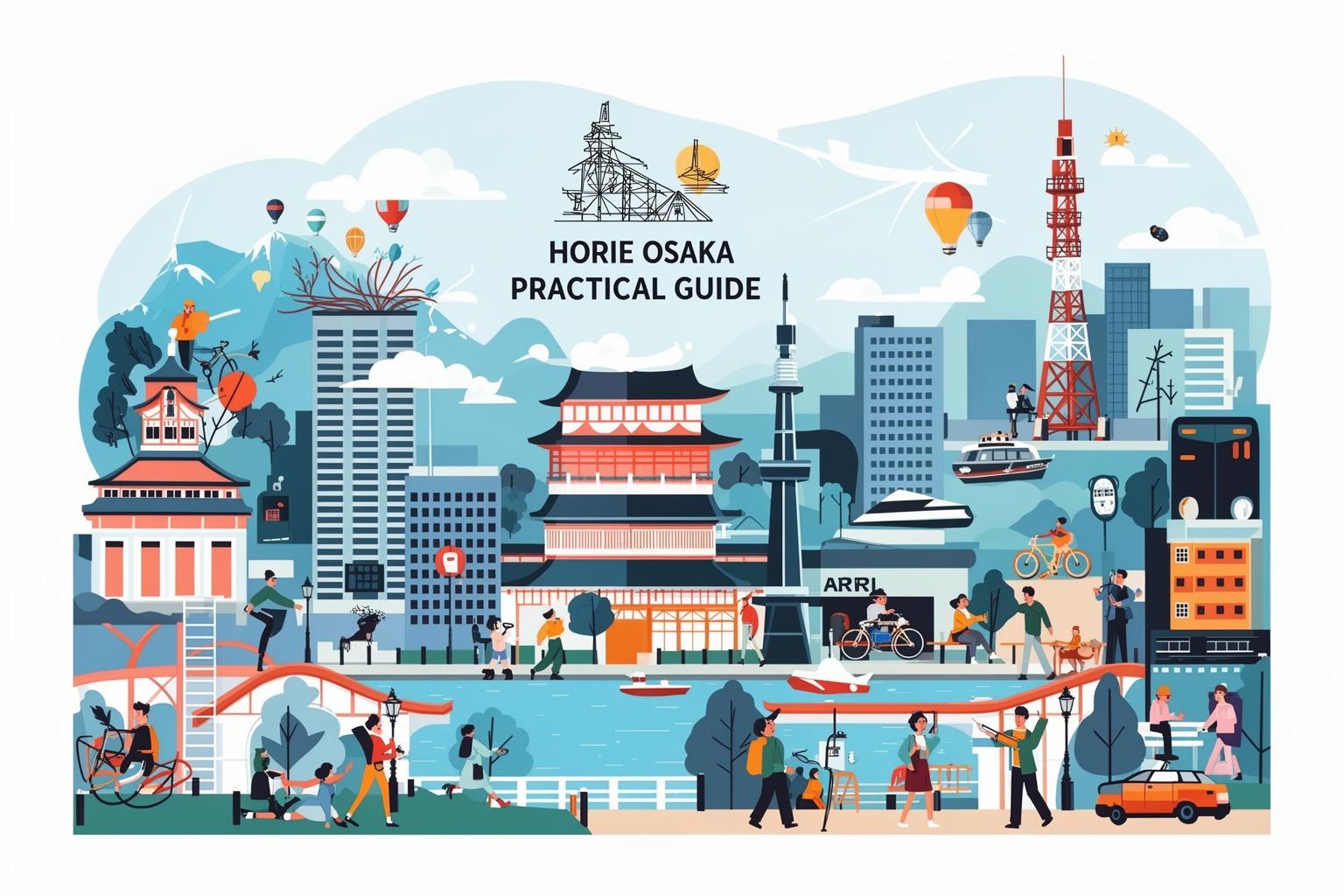
To fully enjoy your remote work experience in Horie, a few practical tips and local etiquette points can make a significant difference.
Getting There
Horie’s prime location ensures easy access from several key subway stations. Yotsubashi Station on the Yotsubashi Line is arguably the most central, placing you at the northern edge of the neighborhood. Nishi-Ohashi Station on the Nagahori Tsurumi-ryokuchi Line provides convenient access to the quieter, more residential western part of Horie. For those arriving from the main Midosuji Line, both Shinsaibashi and Namba stations are within a pleasant ten-to-fifteen-minute walk, allowing you to move from the city’s energetic core to Horie’s relaxed vibe on foot.
Essential Cafe Etiquette
While cafes in Horie generally welcome remote workers, observing a few unspoken rules is important for a smooth experience. It’s polite to make purchases periodically if you intend to stay for a long time. Nursing a single coffee for four hours, especially during busy lunch hours, is frowned upon. Ordering a second drink or a snack after a couple of hours shows respect for the space you occupy. Keep your belongings within your own table area; avoid spreading across multiple seats. Voice and video calls should be taken outside or kept very brief and quiet. The atmosphere here is one of shared, respectful focus, and maintaining that calm is a shared responsibility.
Timing and Rhythm
Like any neighborhood, Horie has its own daily flow. To secure a good spot with a power outlet, arriving early, soon after cafes open (usually between 9 and 11 a.m.), is your best bet. The hours between noon and 3 p.m. tend to be the busiest with the lunch crowd. If you seek quiet, this is a good time to take your lunch break and explore the area. Late afternoon, from 3 p.m. onward, typically returns to a calmer, more work-friendly atmosphere. Keep in mind that many independent cafes in Japan close relatively early, often around 6 or 7 p.m., so plan your workday accordingly.
Ultimately, Horie offers much more than just places to work—it offers a lifestyle. This neighborhood understands that productivity doesn’t stem from sterile, corporate settings but from spaces that engage the senses, inspire the mind, and foster community. Working in a Horie cafe means joining the ongoing story of the area—a story of transformation, craftsmanship, and the pursuit of a life where work and passion coexist. So, bring your laptop—and your curiosity. Allow yourself to explore, find your favorite nook, and for a few hours, become part of the creative energy that makes Horie one of Osaka’s most captivating destinations.