In the electric heart of Osaka, where neon rivers flow and modernity pulses with an unrelenting beat, lies a crack in time. Just steps away from the dazzling chaos of Dotonbori and the sprawling Namba station complex, a narrow, stone-paved path beckons. This is Hozenji Yokocho, a place that doesn’t just display history, but breathes it. To walk its eighty-meter length is to leave the twenty-first century behind and enter a world illuminated by the soft, warm glow of paper lanterns, a world that holds the tenacious, vibrant spirit of mid-century Showa Era Japan. It is more than a street; it is a memory, a sentiment preserved in stone, wood, and steam rising from hidden kitchens. Here, under the watchful gaze of a moss-covered deity, the story of Osaka’s resilience, its love for food, and its deep-seated cultural identity unfolds with every step. This alley is a testament to the idea that even in one of the world’s most futuristic cities, the past remains a powerful, tangible presence, waiting to share its whispers with those who take a moment to listen. It is a vital pilgrimage for anyone seeking to understand the true character of this remarkable city, a character forged in hardship and celebrated with gusto.
To fully appreciate this quiet sanctuary, it’s worth first understanding the dazzling spectacle of Osaka’s iconic signboard culture just steps away in Dotonbori.
The Whispering Stones of Naniwa

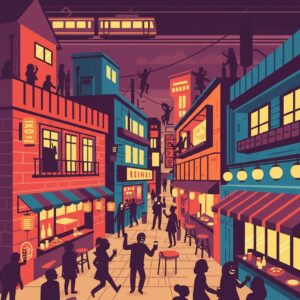
Entering Hozenji Yokocho brings an immediate shift in the senses. The city’s roar fades, replaced by a softer, more intimate soundscape. The click-clack of footsteps on uneven, perpetually damp flagstones—a tradition meant to evoke the feeling of a freshly swept tea garden path—creates a gentle rhythm. Above, a canopy of wires stretches between the dark wooden facades of the buildings, from which hang dozens of chochin, traditional paper lanterns. Each lantern bears the name of a restaurant or bar in elegant calligraphy, their combined light casting a warm, amber glow across the alley. This light is not the harsh, digital glare of modern Namba; it is a living, flickering glow that dances on the dark wood and stone, evoking a deep sense of nostalgia.
The air itself is rich with a complex and inviting aroma. Wisps of steam rise from behind sliding doors and noren curtains, carrying the savory scent of grilled meat, the sweet, tangy aroma of okonomiyaki sauce caramelizing on a hot teppan, and the subtle, clean fragrance of dashi broth. It’s a culinary symphony that reflects Osaka’s reputation as the nation’s kitchen, a city where food is not simply sustenance but the essence of life. The alley is extremely narrow, barely wide enough for two people to pass comfortably. This close proximity fosters a sense of shared experience, a feeling of belonging to a secret world. You can hear the low murmur of voices within the tiny establishments, the cheerful clinking of glasses, the sizzle of food on a hot grill. These are the sounds of community, shared joy, and life unfolding at a human pace. The buildings lining the alley are low, traditional two-story structures with tiled roofs and latticed windows, their architecture providing a striking and beautiful contrast to the towering skyscrapers just a few hundred meters away. It feels less like a commercial street and more like a theatrical set, one that has been performing the same cherished play for generations.
A Sanctuary Amidst the Chaos: Hozenji Temple
Anchoring the entire yokocho both physically and spiritually is the small yet profoundly significant Hozenji Temple. This temple is where the alley gets its name and its soul. Rather than a grand, sprawling complex, the temple precinct is an intimate, open-air space that feels like a natural extension of the alley itself. Here, the air quiets, and the fragrant scent of incense mingles with the culinary aromas drifting from the yokocho. Visitors and locals alike pause, bow their heads, clap their hands in prayer, and for a brief moment, the bustling world of commerce and consumption yields to quiet reflection. Originally, the temple was part of a much larger Buddhist complex, Tenryuzan Hozenji, founded in the 17th century. Although much of the original temple was destroyed in air raids during World War II, this small pocket survived, becoming a beacon for the community’s hopes and prayers during the challenging post-war years.
The Moss-Covered Bodhisattva, Mizukake Fudo-myoo
At the heart of the temple is its renowned statue of Fudo-myoo, one of the Five Wisdom Kings in Esoteric Buddhism. Fudo-myoo is a wrathful deity whose fierce expression, sword, and rope are meant not to threaten the faithful but to ward off evil and cut through the obstacles of ignorance and earthly desires. However, the statue here has a uniquely gentle appearance, entirely enveloped in a thick, vibrant green moss, its features softened and rounded by decades of lush growth. This verdant covering is a result of the temple’s signature ritual: Mizukake, the splashing of water. Legend has it that a woman, after making a wish at the statue, splashed it with water as an offering. When her wish was fulfilled, the practice caught on. For generations, worshippers have poured water over the statue while offering prayers for health, success, and protection. This continual bathing has encouraged the moss to flourish, transforming the fierce deity into an icon of serene, natural beauty. Affectionately known as Mizukake Fudo-san, the statue embodies the deep, personal connection the people of Osaka share with it. Standing before the statue, ladling cool, clear water from the stone basin and pouring it over the green moss, is to partake in a living tradition. The act is simple yet profoundly meditative. The sound of the water, the cool dampness in the air, the statue’s otherworldly green, and the rising incense smoke create a powerful spiritual moment—a pocket of absolute tranquility within a bustling megacity.
The Temple’s Enduring Legacy
Hozenji Temple’s survival through the war and its ongoing presence as the yokocho flourished around it cemented its role as guardian of this unique neighborhood. It provides a moral and spiritual anchor, reminding all that the alley is more than just a collection of restaurants. It is a place where the sacred and the secular intersect. On one side, a profound act of prayer and purification; just steps away, the joyous, earthly celebration of food and drink. This beautiful duality defines Hozenji Yokocho. The temple ensures the alley remains rooted in tradition and community spirit. It’s common to see chefs from nearby restaurants briefly stepping out to offer a quick prayer before a busy evening service—a small gesture reflecting the deep interconnectedness of life here. The temple is the source from which the alley’s atmosphere of resilience and hope flows, a steady, quiet presence that has witnessed the area’s entire modern history, from post-war struggles to its current status as a cherished icon.
A Culinary Chronicle: The Flavors of Post-War Osaka
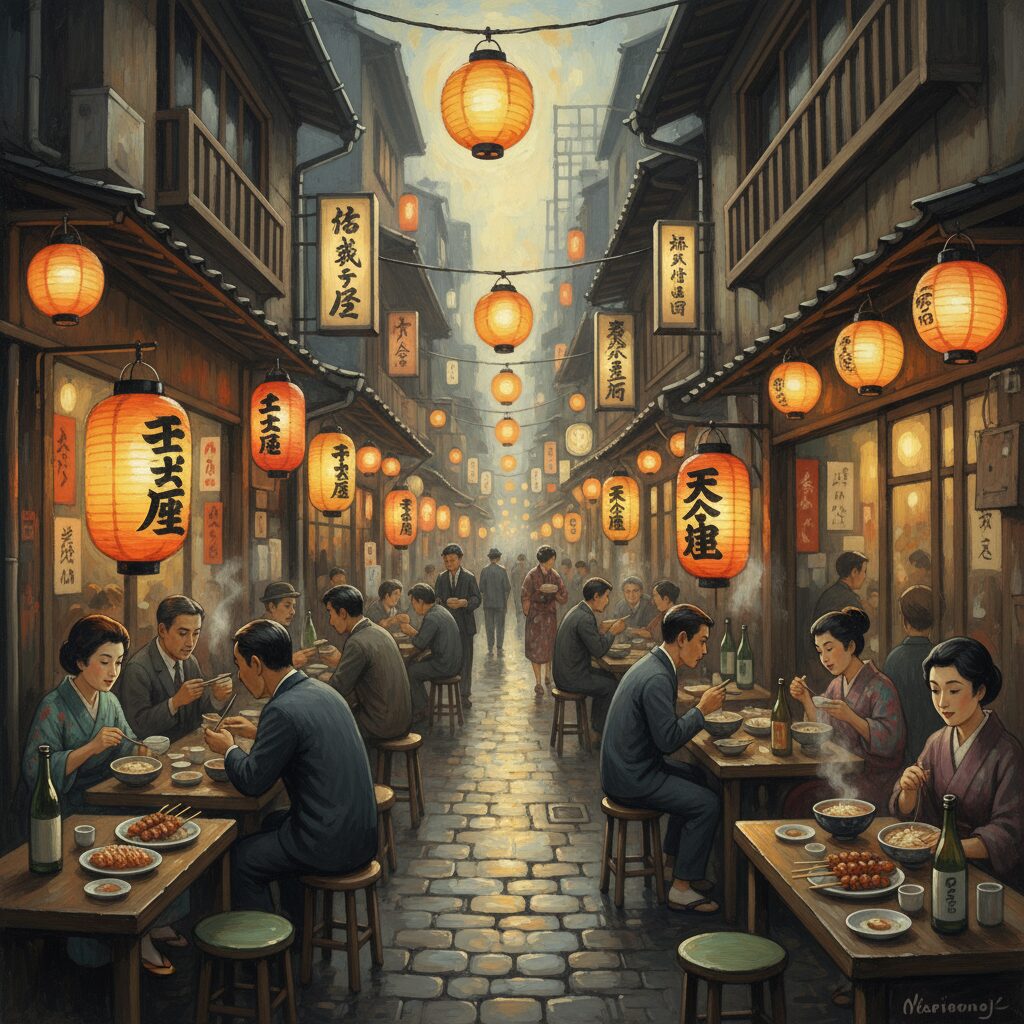
If the temple represents the soul of the alley, then its food is undoubtedly its heart. Hozenji Yokocho serves as a gastronomic time capsule, presenting an authentic taste of Showa-era cuisine that helped shape Osaka’s identity. The restaurants here are not trendy newcomers; many have been run by the same families for generations, standing as venerable institutions. Dining in the yokocho is a personal experience. Most eateries are small, often with seating for just a few guests at a counter, allowing diners to watch the chefs skillfully at work. This is the true essence of Osaka’s food culture—unpretentious, intimate, and devoted to culinary mastery.
Meoto Zenzai: A Story of Sweetness and Endurance
Arguably the most famous spot in the alley is Meoto Zenzai, a tiny shop that has been serving a single, perfect dish for over a hundred years. Its name means “Married Couple Zenzai,” referring to a sweet red bean soup with mochi rice cakes. The shop and its signature dessert were immortalized in Sakunosuke Oda’s 1940 novel of the same name, which captured the resilient spirit and complex relationships of Osaka’s merchant class. This literary tribute solidified the shop’s place in the city’s cultural heritage. What sets this zenzai apart is its unique presentation: a single serving is served in two smaller bowls. This tradition symbolizes the couple in the novel, suggesting that while they are better together, they remain distinct individuals. It’s also believed to bring good fortune and harmony to couples who share it. The zenzai itself is a masterpiece of simplicity—the adzuki bean soup is perfectly sweet with a deep, earthy undertone, and the toasted mochi is soft and chewy. Enjoying this historic dessert in the quaint, nostalgic shop is a moving experience—a blend of literature, history, and resilience embodied in one deceptively simple dish.
The Art of Kappo Dining: A Close-Knit Culinary Encounter
Hozenji Yokocho is well-known for its exquisite kappo restaurants. Kappo, a dining style that originated in Osaka, is defined by its intimacy and interactive chef-to-customer experience. The term means “to cut and to cook,” and in a kappo setting, the chef prepares seasonal, refined dishes directly in front of diners at the counter. It is less formal than Kyoto’s highly ritualized kaiseki, yet demands equal skill and artistry. The eateries of Hozenji Yokocho are masters of this culinary craft. Dining here is a conversation: you can inquire about ingredients, which are often freshly sourced from local markets that very morning, and watch as the chef expertly cuts sashimi, grills fish, or simmers vegetables. The menu is frequently omakase, or chef’s choice, offering a journey through the season’s finest flavors. This style of dining, born from the merchant city’s desire for honest, high-quality food, remains perfectly preserved within the cozy confines of the alley’s restaurants. It’s an investment for sure, but provides unparalleled insight into the heart of Japanese culinary philosophy.
Kushikatsu and Okonomiyaki: The People’s Soul Food
Alongside the refined grace of kappo dining, the alley proudly offers the hearty, unpretentious soul foods that Osaka is famous for. Kushikatsu—deep-fried skewers of meat, seafood, and vegetables—is a local favorite. In the yokocho, small specialist shops let diners sit at the counter and order skewer by skewer, each emerging from the fryer golden, crispy, and perfected. The communal dipping sauce comes with one strict rule: no double-dipping! It’s a fun, social, and irresistibly delicious way to eat. Equally beloved is okonomiyaki, the savory pancake considered Osaka’s most iconic culinary export. The name means “grilled as you like it,” and it’s a customizable mix of flour, egg, cabbage, and your choice of protein, all cooked on a teppan and topped with a sweet-savory sauce, mayonnaise, dried seaweed, and dancing bonito flakes. The okonomiyaki spots in Hozenji Yokocho often buzz with cheerful chatter and the rhythmic clatter of spatulas on the grill, delivering a true taste of Osakan comfort and happiness.
Echoes in the Eateries: More Than Merely a Meal
Dining in Hozenji Yokocho offers more than just food—it’s about the atmosphere created by noren curtains hanging at doorways, providing a tantalizing, semi-private glimpse inside. It’s about squeezing into a small space and instantly feeling camaraderie among fellow diners. It’s about the warmth radiating from the kitchen, the steam fogging windows on a chilly evening, and the genuine pride chefs take in their craft. Each restaurant—whether a refined sushi counter, a lively yakitori bar, or a quiet noodle shop—serves as a guardian of a unique piece of Osaka’s history. These venues are living museums of flavor, preserving recipes and ambiance from an earlier time with every dish served. To eat here is to partake in the city’s enduring love affair with food, continuing a story that is as vibrant as it is timeless.
From Ashes to Icon: The Historical Tapestry of Hozenji Yokocho
The alley’s strong Showa-era ambiance is no coincidence; it stems from a turbulent history and a deliberate effort to maintain its distinct character. Its narrative serves as a reflection of Osaka’s own path through the 20th century. Although the temple has stood for centuries, the yokocho as it is recognized today truly began to prosper in the post-war era. This period was pivotal for Japan, especially for Osaka, a major industrial center devastated by wartime bombings. The city lay in ruins, yet the spirit of its people remained unyielding.
The Showa Soul: Rebuilding a City’s Spirit
During the late 1940s and 1950s, as Osaka embarked on the challenging journey of reconstruction, small stalls and eateries started to appear in the lanes surrounding Hozenji Temple. These humble establishments, often born out of necessity, were vibrant hubs of life. They provided not only food but also a sense of normalcy, community, and hope to people who had suffered tremendous loss. This was the origin of the yokocho’s Showa soul. It became a place where writers, artists, and ordinary citizens gathered, all striving to build a new future while respecting the past. The alley’s aesthetic—the dark wood, paper lanterns, and intimate scale—directly connects to this era of rebuilding. It evokes a time before gleaming steel and glass dominated, when reconstruction relied on traditional materials and prioritized human connection. Osaka’s long-held motto of “kuidaore” (eat ’til you drop) found renewed, powerful expression here. Amid hardship, sharing a good meal became both an act of defiance and celebration. Hozenji Yokocho emerged as a symbol of this resilient and life-affirming spirit.
The Great Fire and a Community’s Vow
The alley’s dedication to its heritage faced its greatest challenge in the early 2000s when a destructive fire ravaged the area, destroying many historic buildings. For many, it seemed like the close of an era. Yet, in an extraordinary display of community spirit and respect for history, shop owners and local authorities made a solemn vow. They pledged not to modernize or redevelop, but instead to carefully rebuild the yokocho exactly as it had been, employing traditional methods and materials to faithfully restore its cherished Showa-era atmosphere. This gesture was a powerful declaration: the alley’s character was not simply the product of time but a conscious decision. The Hozenji Yokocho you stroll through today is both a genuine survivor and a meticulous reconstruction, a tribute to the community’s deep understanding of its cultural significance. This tale of destruction and renewal enriches the experience, transforming the alley from a historical curiosity into a living monument to preservation and communal resolve.
Navigating the Alley: A Traveler’s Guide

Despite its historic ambiance, Hozenji Yokocho remains highly accessible and inviting to visitors. Having a bit of insight into its rhythms and customs can make your visit even more fulfilling. This is a place that gradually unveils its charms, rewarding those who are patient and attentive.
The Rhythms of Day and Night
Hozenji Yokocho provides two distinct yet equally enchanting experiences depending on the time of day. During daylight hours, the alley is quieter and more reflective. Sunlight seeps into the narrow passage, illuminating the texture of the stone and the dark grain of the wood. This is the ideal moment to admire the architecture, visit the temple in calm, and observe the routine preparations of the restaurants—the floor washing, knife sharpening, and fresh produce deliveries. You can sense the alley taking a deep breath before the evening rush. As dusk approaches, however, a magical change takes place. One by one, paper lanterns are lit, bathing the alley in their warm, iconic glow. Restaurant doors slide open, and the energy noticeably rises. The yokocho buzzes with diners and the enticing aromas of cooking. The nighttime atmosphere is vibrant, lively, and richly atmospheric. To truly grasp Hozenji Yokocho, visiting at both times—first to see its structure by daylight, and then to feel its heartbeat after dark—is highly recommended.
Finding Your Way: Access and Orientation
One of Hozenji Yokocho’s great appeals is its location, tucked away in plain view within one of Osaka’s busiest districts. It’s just a brief five-minute walk from Nankai Namba Station and the major subway lines (Midosuji, Yotsubashi, and Sennichimae). The easiest way to locate it is by heading toward the vibrant energy of Dotonbori. The alley runs parallel to the main Dotonbori canal street, one block south. Look for simple stone markers at its east and west entrances. Discovering it for the first time feels like finding a secret gateway. Its two narrow arms converge at Hozenji Temple, forming a T-shape. Don’t hesitate to wander freely; getting lost is impossible, and the joy lies in exploration.
A Note on Etiquette and Observation
Although the alley is a public path, it’s important to keep in mind that it’s also a place of business and worship. When visiting the temple, show respect to those praying. The ritual of washing your hands at the chozuya basin before approaching the temple and pouring water over the Fudo-myoo statue is open to everyone, but should be done with quiet reverence. When selecting a restaurant, be aware that many are quite small. If there’s a line, wait patiently. Peeking behind the noren is allowed, but be quick and polite. Photography is generally permitted in the alley but respect privacy by avoiding close-up shots of people without permission, and always ask before taking pictures inside a restaurant. The best advice for first-time visitors is to slow down. Don’t rush through. Find a spot, stand quietly for a few minutes, and simply watch the flow of people. Listen to the sounds. Breathe in the scents. Hozenji Yokocho’s true treasures are less about what you see and more about what you experience.
An Enduring Echo in the Heart of Osaka
In a city that often appears to be in an unending rush toward the future, Hozenji Yokocho serves as a profound and beautiful link to the past. It is more than just a charming alley or a cluster of excellent restaurants; it is a treasure trove of Osaka’s collective memory. It preserves the stories of post-war hardship and victory, the literary aspirations of its most renowned authors, and the steadfast devotion of its loyal patrons. It reminds us that a city’s soul is not found in its tallest buildings or brightest screens, but in the small, resilient spaces where community is built, traditions are respected, and life, with all its rich complexity, is celebrated. A stroll through Hozenji Yokocho is a dialogue with the spirits of Showa Osaka, a comforting and inspiring exchange that lingers long after you have returned to the neon glare of the modern city. It is a place that nurtures both body and spirit, an essential Osakan experience that captures the essence of this vibrant, warm-hearted, and unforgettable city.