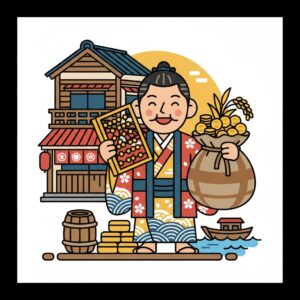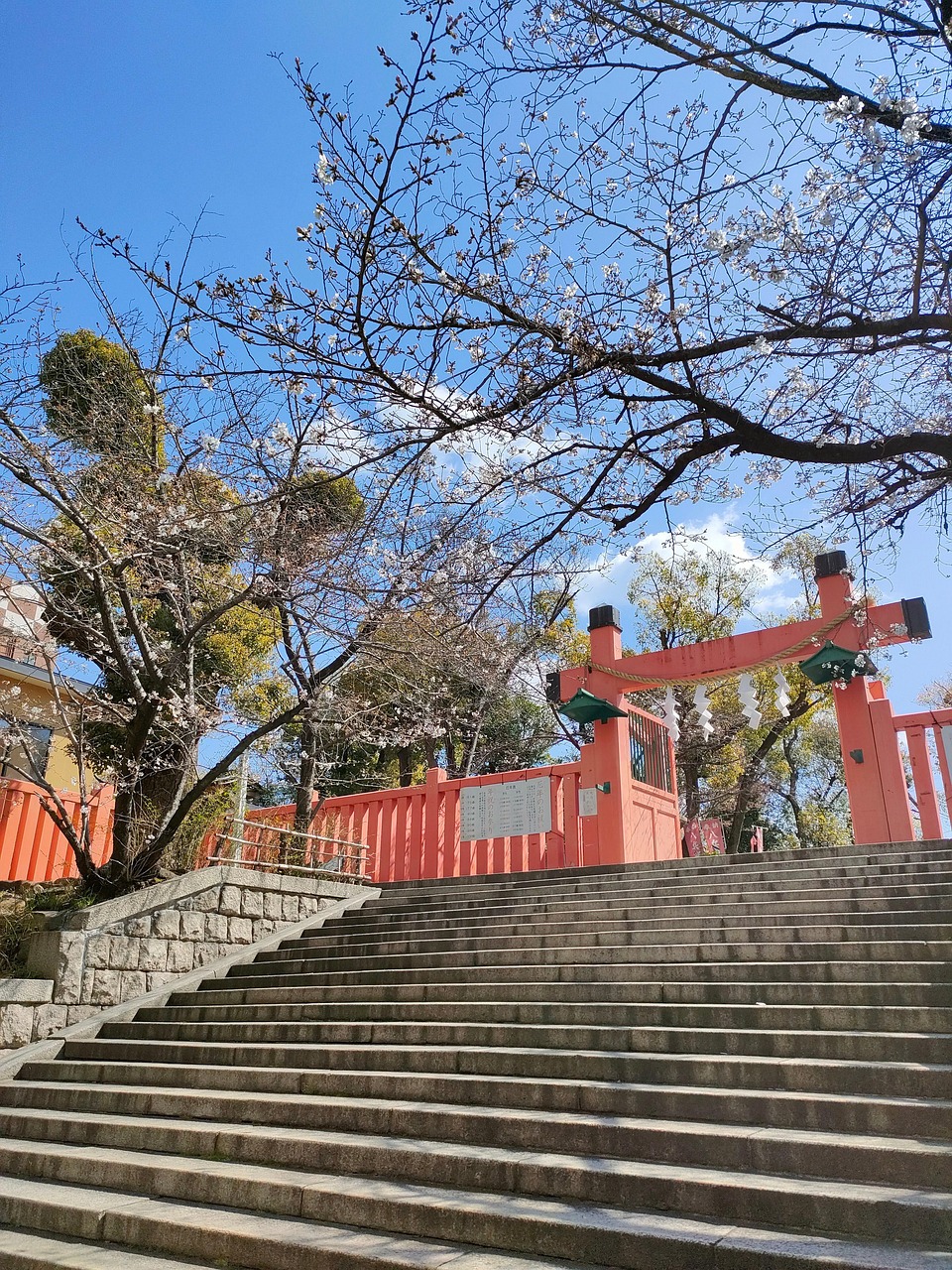
In the heart of Osaka, a city that beats with a rhythm of commerce, cuisine, and comedy, there lies a place where the sacred and the silly beautifully intertwine. It’s a pocket of tranquility perched on a hill, a sanctuary of towering trees and quiet reverence, just a stone’s throw from the neon pulse of Namba. This is Kozu Shrine, or Kozu-gu as it’s known locally. To the casual observer, it’s a stunning example of a Shinto shrine, rich with history and serene charm. But to those in the know, this sacred ground is something more. It’s the cradle of Kamigata Rakugo, the very birthplace of Osaka’s legendary storytelling comedy. This isn’t just a place of prayer; it’s a stage where emperors once gazed upon their capital and where, centuries later, the echoes of laughter first shaped the city’s soul. It’s a journey into a side of Osaka that many miss—a story of how an imperial perch became a platform for the people’s punchlines. Before we delve into the tales whispered by its ancient camphor trees, let’s pinpoint this nexus of history and humor on the map.
After exploring the sacred origins of Osaka’s comedy, you can continue your journey into the city’s unique character by wandering the nostalgic lanes of Karahori Shopping Street.
From Imperial Vistas to Sacred Ground
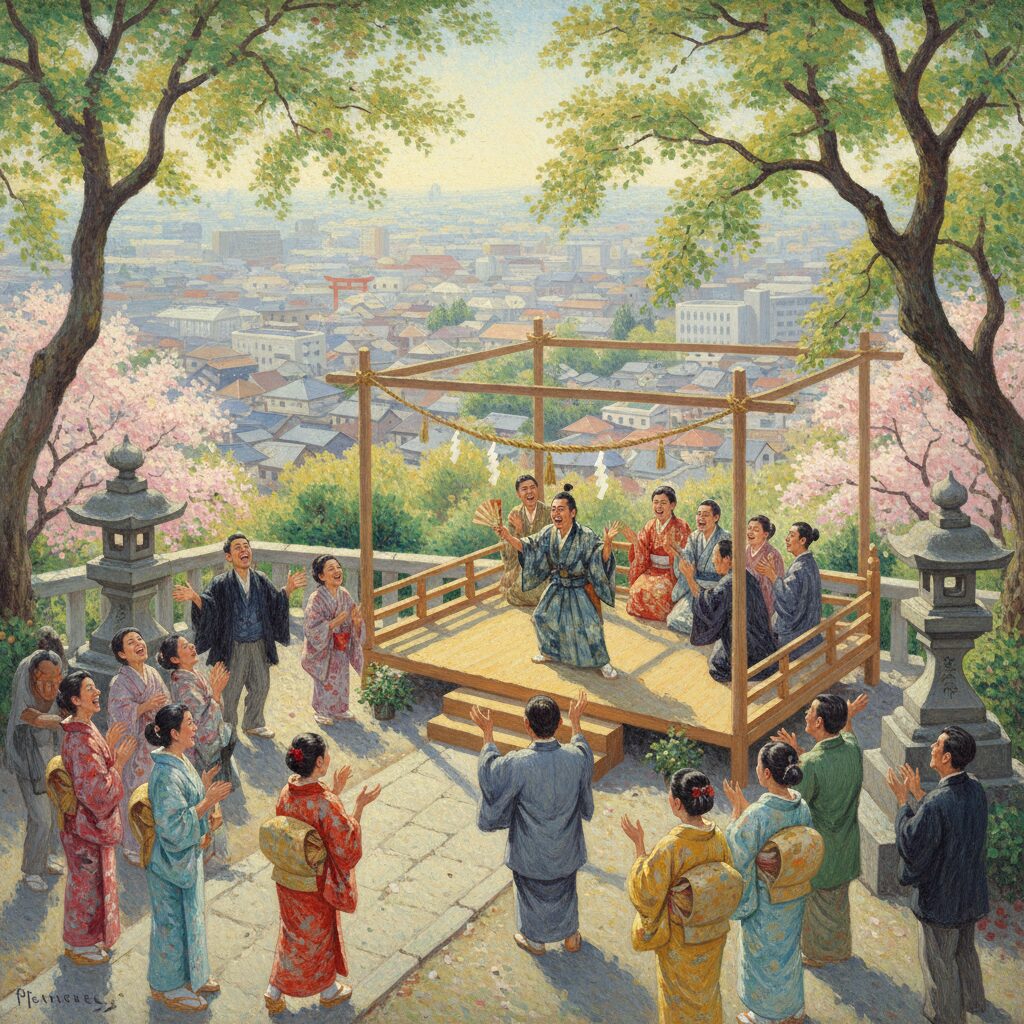
The story of Kozu Shrine stretches back long before the first joke was ever shared on its grounds. Its origins reach deep into Japan’s imperial history, as far back as the 4th century during Emperor Nintoku’s reign. According to legend, the emperor, standing atop this very hill, surveyed his lands and noticed no smoke rising from the cooking fires in his people’s homes. Witnessing their suffering, he declared a three-year tax exemption to help them recover. After three years, he returned to the hill and saw smoke drifting from every home—a sign of restored prosperity. Overjoyed, he composed a poem celebrating his contented subjects. This act of kindness established the hill’s importance as a place of imperial significance, a high place—a ‘Kozu’—from which to oversee the city. The palace erected here was called Takatsu-no-miya, the High Palace, and eventually, the shrine was founded to officially deify Emperor Nintoku, enshrining his compassionate spirit.
The shrine you visit today is not in its original location; it has been relocated and rebuilt throughout the centuries, enduring fires, wars, and the passage of time. Its present form, reconstructed after the ravages of World War II, stands as a symbol of Osaka’s resilience. Despite its modern rebuilding, the atmosphere feels ancient. As you pass beneath the large stone torii gate from the bustling city street, the noise quickly fades. You are embraced by a sudden, profound silence, interrupted only by the crunch of gravel beneath your feet and the rustling of leaves overhead. The air here feels different—cooler, purer, and filled with the faint, sweet scent of incense and moist earth. The main hall, or ‘honden’, is a stunning example of traditional Shinto architecture, featuring clean lines, natural wood, and gracefully sloping roofs. It does not demand attention with bright colors; rather, its strength lies in its dignified simplicity, inviting quiet reflection rather than overwhelming awe.
A Stage for the People: The Birth of Rakugo’s Hallowed Ground
How did this venerable site, rich in imperial history, become the heart of Osaka’s comedy scene? The transformation started during the Edo period (1603-1868), a time of relative peace when arts and culture thrived among commoners. Osaka, as Japan’s commercial center, was a city of merchants—practical, witty, and appreciative of entertainment reflecting their everyday experiences. It was in this setting that Kamigata Rakugo, the western Japanese style of comedic storytelling, truly flourished. Unlike the more formal Edo (Tokyo) style, Osaka’s Rakugo was characterized by lively pacing, use of sound effects, and often slapstick humor. It was comedy for the masses, performed not in formal theaters but wherever crowds gathered.
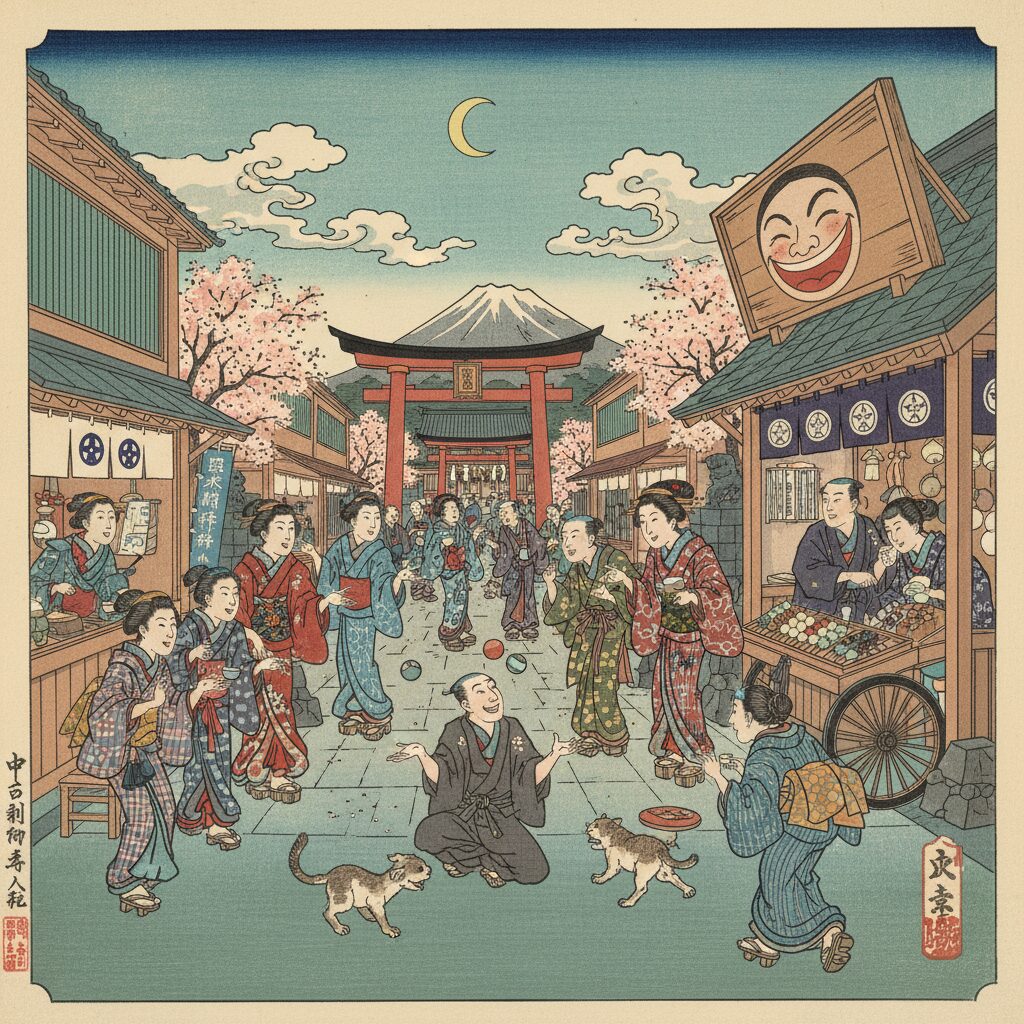
Kozu Shrine, with its spacious grounds and central location, became the ideal impromptu venue. Storytellers would spread a simple mat (‘mousen’) beneath a tree, set up a small screen, and begin their tales. These outdoor performances were called ‘nozaru-kai’ or ‘tsuji-rakugo’—literally, ‘rakugo in the fields’ or ‘crossroads rakugo.’ People from all walks of life—shopkeepers, artisans, samurai on their day off—would gather on the shrine’s gentle slopes to listen. They would sit for hours, captivated by a single performer, the ‘rakugoka’, who, armed only with a paper fan (‘sensu’) and a small cloth (‘tenugui’), could conjure entire worlds of bumbling samurai, clever merchants, clueless apprentices, and gossiping neighbors. The shrine’s natural amphitheater-like setting ensured that the performer’s voice and subtle gestures reached the back of the crowd.
The most famous of these pioneering storytellers was Yonezawa Hikohachi, now honored as the father of Kamigata Rakugo. A master of his craft, his performances at Kozu Shrine in the late 17th century are legendary. He didn’t merely tell stories; he brought them to life, shifting his voice, contorting his face, and transforming his fan into everything from a sword to a sake bottle. He established many classic stories and character archetypes still performed today. For him and his contemporaries, Kozu Shrine was more than a convenient location; it was a blessing. Performing on sacred ground, under the watchful eye of the benevolent Emperor Nintoku, seemed to lend their art a legitimacy and popular appeal it couldn’t find elsewhere. The shrine became synonymous with Rakugo, a place where people came not only to pray for prosperity but also to find joy and laughter.
Walking Through the Punchlines: Exploring the Shrine Grounds
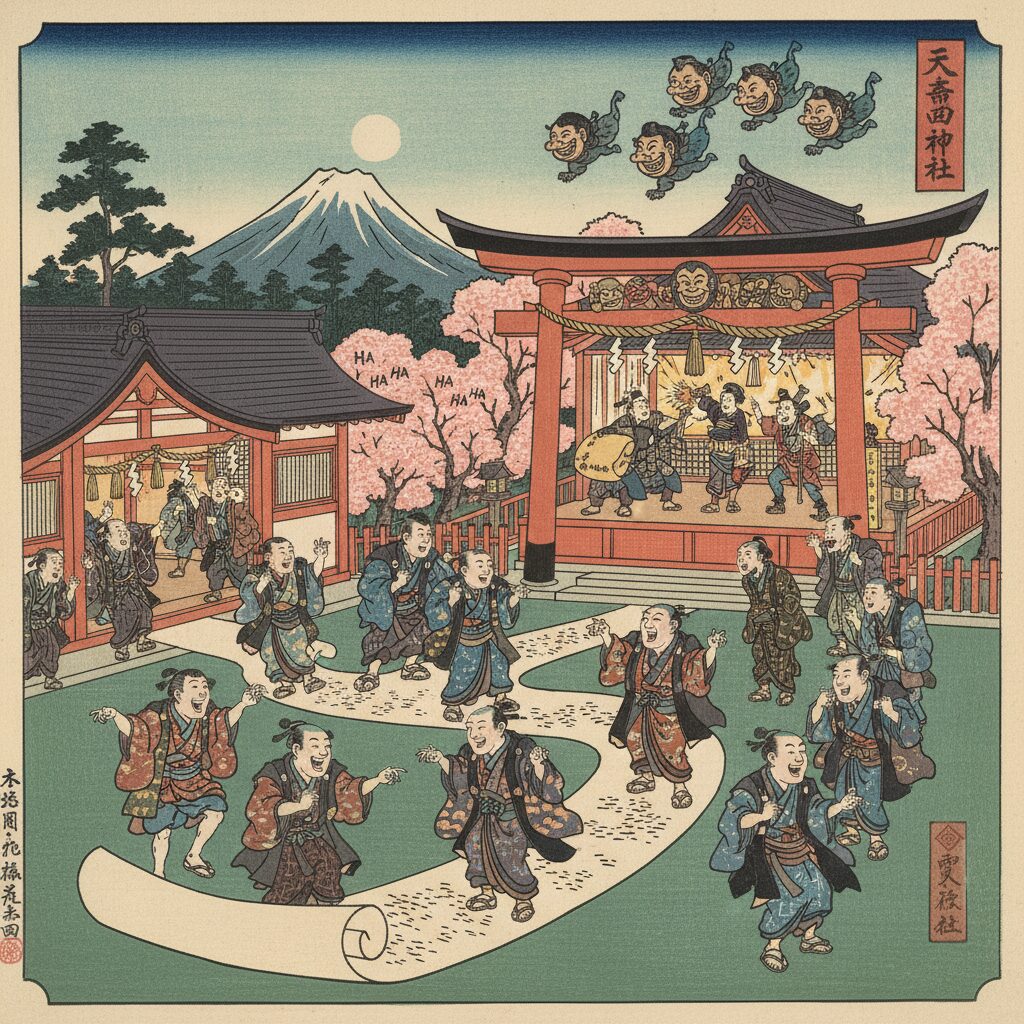
A visit to Kozu Shrine today is a journey through its intertwined history of faith and comedy. Every corner seems to tell a story, a whisper of its layered past. As you walk along the main path, take your time. Notice the smaller sub-shrines scattered throughout the grounds, each dedicated to different deities overseeing everything from business success to matchmaking. The air feels thick with the presence of the kami, the Shinto gods, and you can sense the deep spiritual energy of the place.
Your first essential stop to grasp the Rakugo connection is impossible to miss. Beside the main hall stands a proud bronze statue of Yonezawa Hikohachi himself, captured mid-performance with a lively and mischievous expression. Erected by the Kamigata Rakugo Association, it stands as a strong testament to the shrine’s significance in their world. Even today, both aspiring and seasoned rakugoka visit here to pay respects before important performances, seeking Hikohachi’s blessing and inspiration from the spiritual father of their art. Standing before the statue, you can almost hear the faint echo of a booming punchline and a ripple of laughter carried on the wind. It’s a tangible connection to the vibrant, chaotic, and hilarious performances that once animated these grounds.
Beyond the statue, another monument strengthens this bond. A large stone tablet, the ‘Rakugo Hassei no Chi Hi’, marks this site as the birthplace of Rakugo. Its bold and confident calligraphy is a clear declaration of the shrine’s cultural legacy. For lovers of Japanese comedy, it is a pilgrimage site akin to the Globe Theatre for Shakespeare enthusiasts. This is where it all began. The atmosphere here is one of reverence—not solemn, but cheerful—honoring an art form devoted to bringing smiles.
The Plum Blossoms and the City View
Kozu Shrine offers more than history; it offers beauty. The grounds are famed for a lovely plum grove (‘bairin’). While Japan is best known for cherry blossoms, plum blossoms are their quieter, more refined cousins, blooming earlier in the year, from late February to early March. In full bloom, the grove is breathtaking—a cloud of delicate pink and white flowers against dark, gnarled branches. The air is filled with their sweet, subtle fragrance. This is an especially peaceful time to visit the shrine. The seasonal beauty adds another dimension to the experience, reminding visitors of the fleeting, beautiful moments both nature and a good story provide. The plum blossom season also coincides with special events and tea ceremonies, showcasing the shrine at its most vibrant.
And don’t forget to appreciate the view that started it all. Kozu Shrine’s hill still offers a pleasant vista of the city. Though no longer granting the unobstructed panoramic view Emperor Nintoku once enjoyed—the modern cityscape of towers and concrete now dominating the horizon—it still provides a sense of place. You can look out and imagine smoke rising from ancient hearths, then envision the neon glow of modern Osaka, understanding that this spot has always been a vantage point, a place to observe the city and its people. It offers a moment of perspective, connecting you to centuries of souls who have stood on this hill, gazing out at their world.
Kozu Today: A Living Intersection of Faith and Laughter
Kozu Shrine is far from being a mere museum exhibit; it is a vibrant, living part of the community. On any given day, you’ll find local residents stopping briefly to offer a prayer on their way to work, families bringing their newborns for their first shrine visit, and office workers enjoying a peaceful lunch on a nearby bench. Throughout the year, the shrine holds regular festivals, with the main Kozu Festival in July standing out as a particularly lively event, featuring traditional music, food stalls, and processions.
The Rakugo tradition remains very much alive here as well. The shrine frequently hosts special Rakugo performances, particularly during commemorative occasions. These ‘hono-rakugo’ (dedicatory Rakugo) shows serve as a way to honor the shrine and celebrate the art form’s origins. Attending one of these performances is a unique experience—a chance to enjoy the comedy in its authentic, sacred setting. Even if you don’t understand Japanese, the energy, rhythm of storytelling, and the universal appeal of the physical humor are captivating. You can sense the direct lineage from Yonezawa Hikohachi to the performer on the humble stage.
For first-time visitors, a little knowledge of shrine etiquette is very helpful. When passing through the main torii gate, it’s customary to bow once. Before approaching the main hall to pray, stop at the ‘chozuya,’ the water pavilion. Use the ladle to scoop water and rinse your left hand, then your right. Pour a bit of water into your left hand to rinse your mouth (do not drink directly from the ladle, and discreetly spit the water beside the basin), then rinse the ladle by holding it upright and allowing the remaining water to flow down the handle. At the prayer hall, the typical custom is to bow twice, clap your hands twice, offer your silent prayer, and then bow once more. These small gestures of respect are appreciated and help deepen your connection with the spirit of the shrine.
The Neighborhood Vibe: Beyond the Shrine Gates
One of the greatest charms of Kozu Shrine is its location. It serves as a tranquil anchor amid a vibrant and dynamic area of Osaka. The shrine is conveniently reachable with just a short stroll from Tanimachi Kyuchome Station on the Tanimachi and Sennichimae subway lines. This neighborhood, often known as ‘Tani-kyu,’ boasts a delightfully local atmosphere, dotted with small temples, traditional sweet shops, and long-standing restaurants that have catered to the community for generations.
After visiting the shrine, take some time to casually explore the nearby backstreets. You might discover Ikukunitama Shrine, another significant shrine just a few blocks away, offering a chance for some ‘shrine-hopping.’ Alternatively, you could head towards the Shitennoji Temple area, one of Japan’s oldest Buddhist temples, for a deeper insight into the region’s religious heritage. For a striking contrast, the lively, bustling, and utterly delicious environment of Kuromon Ichiba Market is within walking distance. In just fifteen minutes, you can go from the sacred quiet of Kozu Shrine to the energetic shouts of fishmongers and the tempting sizzle of street food, making for an ideal Osaka experience.
If you’re feeling energetic, you can walk to or from the Namba and Dotonbori districts. The stroll takes about 20-25 minutes and offers a glimpse of the city’s shift from its modern entertainment centers to its more historic and residential areas. This walk helps you build a mental map of Osaka and see how spots like Kozu Shrine act as peaceful havens within the urban sprawl. A particularly charming route passes through the quiet temple district of Shimanouchi, where unexpected pockets of history and tranquility await.
Practical Pilgrim’s Notes
Getting to Kozu Shrine is simple. The nearest station is Tanimachi Kyuchome. Take exit 7, and it’s less than a five-minute walk uphill. The shrine grounds are open 24 hours, although the main office—where you can purchase charms (‘omamori’) and fortunes (‘omikuji’)—usually operates around 9:00 AM to 5:00 PM. Admission to the grounds is free, making it an easy and rewarding stop on any Osaka itinerary. The best time to visit for a peaceful, reflective experience is weekday mornings when you’ll have the shrine almost to yourself, allowing you to fully embrace its atmosphere. If you visit during the plum blossom season in late winter or the summer festival, expect larger crowds but also a more festive and lively ambiance.
As a final note, watch out for the shrine’s resident cats. A few friendly felines live on the grounds and can often be seen basking on stone lanterns or snoozing in shady spots. They add to the shrine’s relaxed and welcoming atmosphere, unaffected by history’s weight and simply enjoying the peace of this special place.
Kozu Shrine is far more than just another stop on a tourist’s route. It embodies a profound duality. It is an imperial site turned into a communal stage. A place of quiet prayer and boisterous laughter. It tells the story of Osaka itself—a city that honors its deep traditions while celebrating a lively, irreverent, and deeply human sense of humor. Visiting Kozu Shrine means understanding that in Osaka, the sacred need not be solemn, and laughter can be a form of prayer. So come, stroll the gravel paths, stand beneath ancient trees, and listen closely. You might just catch the echo of an emperor’s poem mingling with a storyteller’s punchline, both carried on the same gentle breeze.