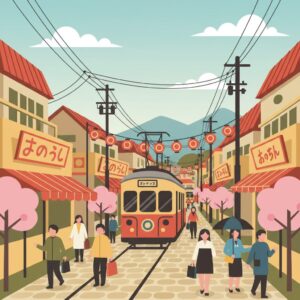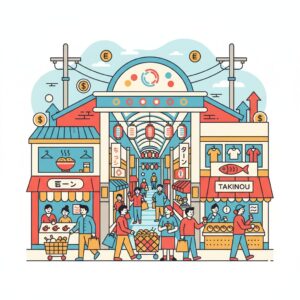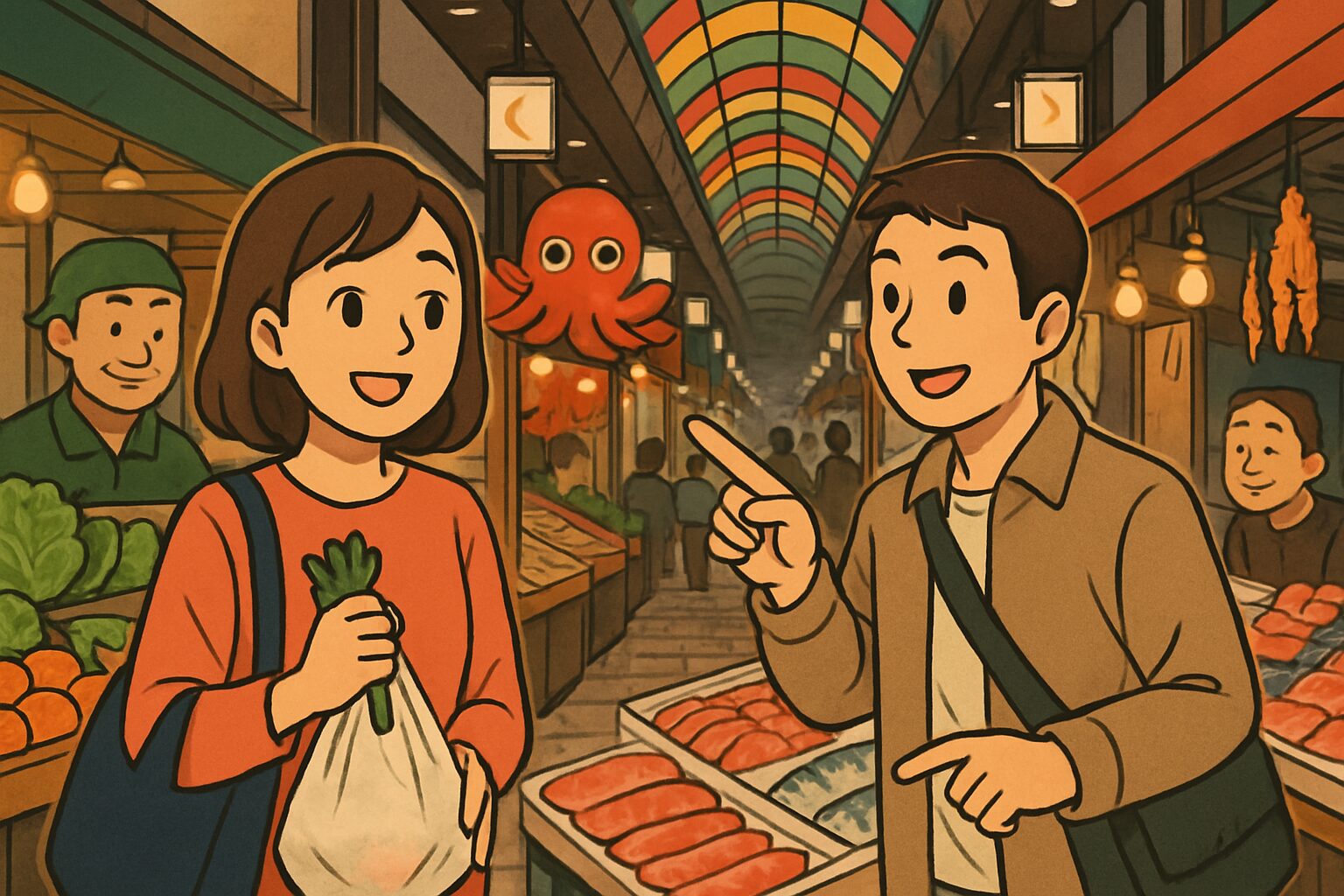
Welcome to the vibrant, beating heart of Osaka’s culinary soul. You hear it before you see it, a rhythmic hum of life that spills out onto the streets of Nippombashi. It’s a symphony of vendors calling out their daily specials, the sharp clack of knives on wooden boards, the excited chatter of shoppers, and the irresistible sizzle of something delicious hitting a hot grill. This isn’t just a market; it’s an institution. This is Kuromon Ichiba, affectionately known for over a century as ‘Tenka no Daidokoro,’ or ‘The Nation’s Kitchen,’ though for anyone who lives here, it’s simply ‘Osaka’s Kitchen.’ This covered arcade, stretching nearly 600 meters, is a dazzling, chaotic, and utterly intoxicating labyrinth dedicated to the city’s philosophy of kuidaore—to eat oneself into ruin. It’s where Michelin-starred chefs and discerning grandmothers come for the freshest ingredients, and where curious food lovers discover the true taste of Osaka. Forget what you think you know about markets; Kuromon is a living, breathing creature, a full-body sensory experience that pulls you in and promises not to let you go until you are wonderfully, completely full. It’s a place to connect with the city’s gastronomic heritage, one glorious, unforgettable bite at a time. It’s a spectacle, a tradition, and your personal invitation to dive headfirst into the delicious deep end of Osaka life.
After immersing yourself in the culinary chaos of Kuromon Ichiba, you might be curious about the vibrant energy of Osaka’s busiest hub, Dotonbori.
The Pulse of the Market: Feeling the Kuromon Vibe
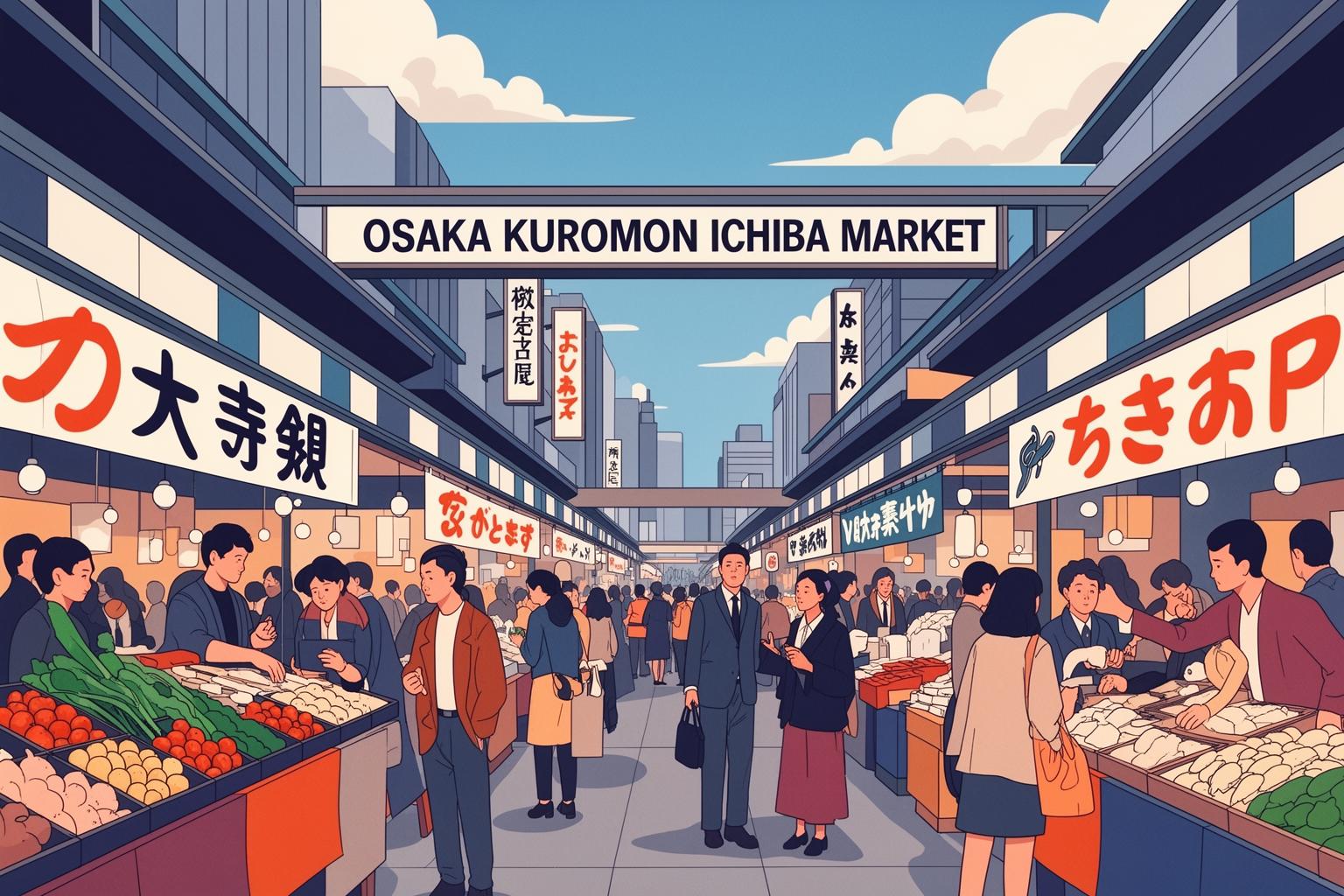
Entering Kuromon Ichiba feels like stepping into another realm, where time flows to the pulse of fresh catches and seasonal bounty. The air itself plays a role, heavy with a layered mix of salty ocean brine from the fishmongers, sweet soy sauce caramelizing on grills, the earthy aroma of daikon radish, and the sharp, clean scent of citrus. This intoxicating blend immediately signals that you’re in a special place. The covered arcade, with its high ceiling and a quirky combination of vintage signage and bright modern lanterns, establishes a distinctive ambiance—protected from the weather yet fully open to the city’s vibrant energy. Light filters down, illuminating clouds of steam rising from oden pots and casting a warm glow over the meticulously arranged fruit and vegetable displays.
Yet, it’s the soundscape that truly defines the experience. There’s a constant, lively hum—the noise of trade, community, and passion. Listen carefully, and you can identify individual sounds. The gravelly, rhythmic call of the tuna vendor, chanting the highlights of his prime cuts. The sharp, sizzling pop of wagyu fat hitting a searing hot teppan grill. The friendly, rapid-fire Japanese of a shopkeeper explaining the best way to enjoy her pickles, punctuated by a customer’s laughter. The shuffle of hundreds of feet on the stone floor provides a steady backbeat, reminding you that you are part of a flowing river of humanity, all drawn here by a shared love of food. Unlike the quiet respectfulness of a department store food hall, Kuromon is loud, proud, and unapologetically vibrant. It’s a place of interaction. Shopkeepers don’t just sell; they share their knowledge and passion. They’ll offer you a taste, demonstrate how to best enjoy sea urchin, or proudly display the certificate for their award-winning beef. This isn’t a sterile shopping trip; it’s a conversation. This human element, this raw, unfiltered energy, elevates Kuromon from a mere market to a cultural landmark.
A Deep Dive into the Ocean’s Bounty
At its heart, Kuromon is a fish market, and the extraordinary quality and range of seafood on display are truly breathtaking. This core aspect is what established its reputation and continues to be the main reason top chefs from across Kansai make their daily pilgrimage here. For visitors, it offers an opportunity to savor the ocean’s freshest flavors, often just hours after the catch was brought ashore.
The King of the Sea: Maguro
The undeniable centerpiece is maguro, or bluefin tuna. Several specialist shops, such as the renowned Kuromon Maguroya, dominate the market. Here, entire cross-sections of the enormous fish are displayed like precious gems, with flesh ranging from the deep, ruby-red akami (lean meat) to the pale, beautifully marbled otoro (fatty belly). The vendors are true craftsmen, expertly wielding long, specialized knives with surgical precision. They slice shimmering sashimi to order, arranging it elegantly in trays for purchase. Tasting otoro from Kuromon is a revelation—it doesn’t just melt in your mouth; it seems to dissolve, releasing a wave of rich, buttery flavor that is both delicate and profound. You can buy a small tray to eat on-site or, if you’re feeling bold, seek out stalls offering small sushi bowls topped with assorted tuna cuts. It’s luxury made accessible, perfectly exemplifying the market’s democratic approach to premium food.
Liquid Gold: Uni and Hotate
For those who love rich, indulgent flavors, stopping at the uni (sea urchin) and hotate (scallop) stalls is essential. Uni is presented in its spiky black shell, which vendors skillfully crack open to reveal vibrant orange lobes inside. They serve it fresh from the shell, often with a small dash of soy sauce or wasabi. The taste is pure umami—creamy, briny, and sweet, akin to a concentrated essence of the sea. While uni can be a divisive flavor, when this fresh, it is almost universally loved. Right beside the uni stalls, you’ll find gigantic scallops—not the small ones you might be used to, but large, plump discs of sweet meat. The most popular way to enjoy them is grilled. The vendor will shuck a scallop, place it on a small grill with a knob of butter and a splash of soy sauce, then torch it. The result is a masterpiece of texture and flavor: a slightly charred, caramelized exterior giving way to a tender, juicy interior, all bathed in a savory, buttery glaze. Watching the preparation is part of the fun, a bit of culinary theater culminating in a perfect, single bite.
Winter’s Treasures: Kani and Fugu
If you visit Osaka during the colder months, Kuromon shifts to celebrate the season’s prized treats. The most striking of these is kani, or crab. Giant spider crabs and king crabs, with their massive legs, are piled high on ice, their bright red shells attracting seafood enthusiasts. You can purchase single grilled crab legs, cracked and served warm, making it easy to pull out the sweet, stringy meat inside. The flavor is clean and subtly sweet, needing no extras. Another winter specialty is the infamous fugu, or pufferfish. While known for its potential toxicity, in Japan it is a highly regulated, safe delicacy prepared only by licensed chefs. Kuromon offers an accessible way to sample it. Several shops specialize in fugu, and you can buy small plates of translucent, paper-thin sashimi called tessa. The flavor is understated and clean, but it’s the unique, slightly chewy texture that fans appreciate. It’s often served with ponzu sauce and finely sliced green onions. Trying fugu at Kuromon is a quintessential Osaka experience—a little taste of culinary adventure.
Beyond the Waves: The Best of the Land
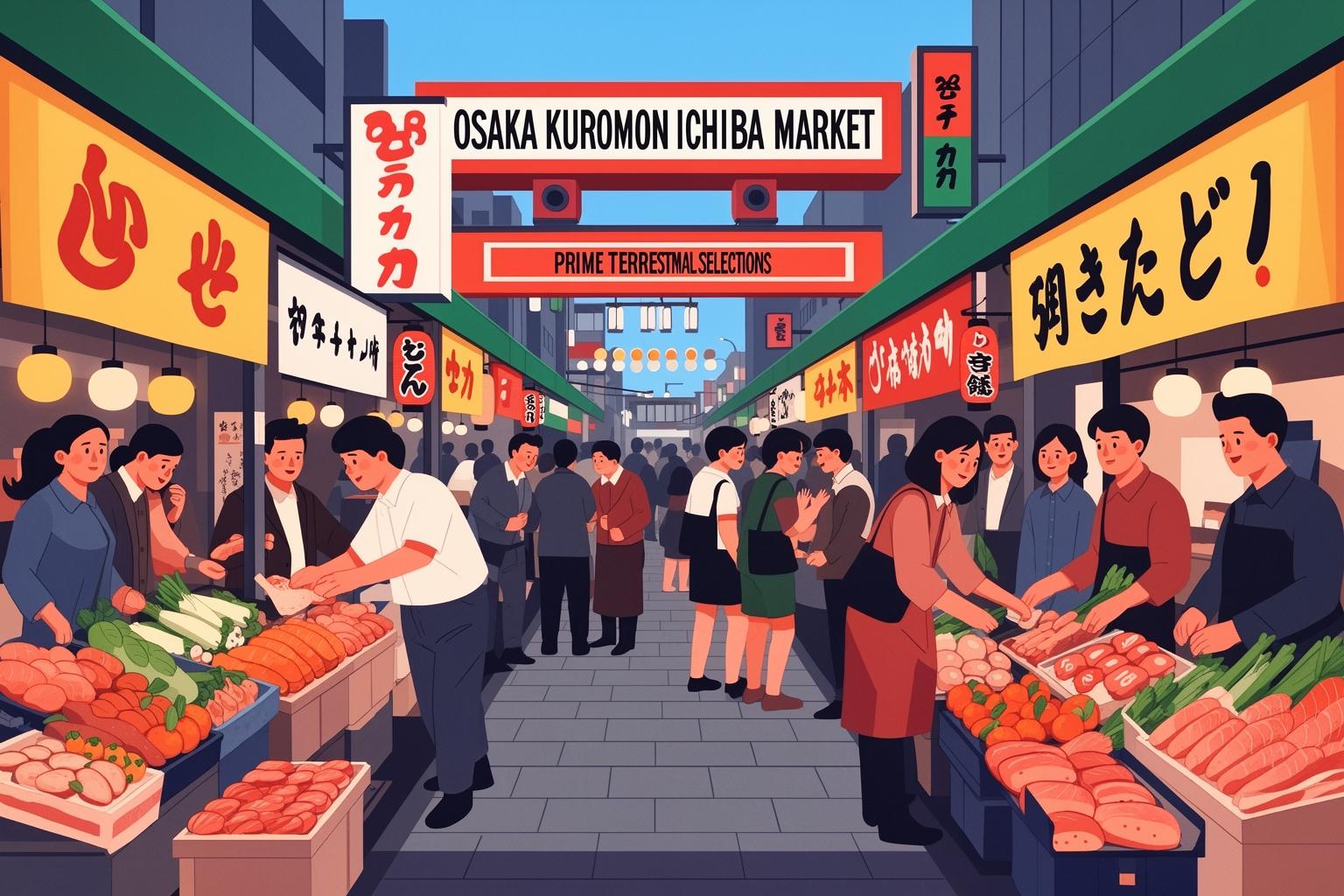
While seafood might be the main attraction, Kuromon’s land-based offerings are just as remarkable. The market truly functions as a complete kitchen, supplying everything an Osakan household could require, from top-tier beef to pickles crafted using traditional methods passed down through generations.
The Ultimate Indulgence: Wagyu Skewers
The rich, sweet scent of grilled beef is one of Kuromon’s most enticing aromas. Several butcher shops have set up small grills at their storefronts to take advantage of the street food trend, with spectacular results. They serve skewers of A5-grade wagyu beef, the highest quality available, sourced from various regions across Japan, including nearby Kobe. You can watch as the intensely marbled beef is cut into cubes, simply seasoned with salt and pepper, and grilled to perfection. The fat melts and sizzles, creating a crisp, savory crust while the inside remains incredibly tender and juicy. Each bite bursts with beefy, umami richness. It’s a pricey treat, but it perfectly exemplifies the Japanese philosophy of using the finest ingredients and preparing them simply to highlight their natural excellence. It’s an affordable way to taste some of the world’s most luxurious beef.
The Jewel Box: Fruits and Vegetables
Japanese fruit is famed for its flawless quality, and the fruit stands in Kuromon resemble jewelry shops. The produce is immaculate, carefully displayed, and often astonishingly large. Depending on the season, you might find gigantic, sweet strawberries, including rare pale-pink or pure-white varieties. You could spot bunches of grapes with individual grapes the size of plums or perfectly round melons that command high prices. Although buying a whole melon might be impractical, many shops offer freshly sliced seasonal fruit on sticks or in cups, as well as freshly pressed juices. These make a refreshing, healthy, and surprisingly delicious palate cleanser between savory snacks. Beyond the fruit, the vegetable stalls offer a glimpse into traditional Japanese cuisine. You’ll encounter piles of knobby ginger, earthy gobo root, numerous mushrooms, and beautiful Kyoto vegetables called kyō-yasai. This is where locals shop, picking up ingredients for nabe (hot pot), miso soup, and side dishes. It’s a reminder that beneath its tourist-friendly facade, Kuromon remains a vibrant and essential part of the local food scene.
The Soul of Japanese Flavor: Tsukemono and Dashi
For an authentic local experience, spend some time at the tsukemono (pickle) shops. These stores burst with color and earthy aromas, featuring huge wooden barrels filled with every imaginable type of pickled vegetable. There’s bright yellow, crunchy takuan (pickled daikon), deep purple shibazuke (eggplant and shiso), and simple, refreshing kyuri asazuke (lightly pickled cucumber). Pickles are a vital element of a traditional Japanese meal, serving both as palate cleansers and aids to digestion. The shopkeepers are usually experienced experts eager to offer samples and explain the various flavors. Buying a small bag of pickles to take home is an easy way to start eating like a local. Similarly, specialty shops sell the foundational ingredients of Japanese flavor, such as katsuobushi (dried, smoked bonito flakes) and kombu kelp used to make dashi stock. These ingredients provide the distinctive umami depth characteristic of Japanese cuisine, and the quality available at Kuromon is unmatched.
The Art of the Kuromon Crawl: Tips for a Perfect Visit
Navigating Kuromon Ichiba for the first time can feel a bit overwhelming, but with a few straightforward strategies, you can fully enjoy your culinary adventure. It’s less about having a sit-down meal and more about embarking on a progressive feast—a ‘food crawl’ where you sample a variety of dishes.
Timing is Key
The market officially opens around 9:00 AM, but the atmosphere truly picks up around 10:00 AM. This is an ideal time to visit. The market is lively, all stalls are open and well-stocked, yet the peak tourist rush hasn’t started. Between 12:00 PM and 2:00 PM, the narrow arcade often becomes very crowded, making it hard to move around. For a more relaxed experience, consider visiting later in the afternoon, around 3:00 PM or 4:00 PM. The crowds tend to thin out, and although some items may be sold out, you can often find last-minute deals. Keep in mind that most shops begin closing by 5:00 or 6:00 PM. To see the market in its most authentic form—used by local chefs and residents—you’d need to arrive very early, but for visitors aiming to sample and snack, mid-morning is the best time.
Come Prepared and Take Your Time
This is a marathon, not a sprint. The variety of options can be overwhelming, so it’s best to first take a slow lap through the entire market. See what’s available, note which stalls catch your eye, and then return to start your tasting experience. Avoid filling up at the first stall you encounter! Sharing is an effective tactic; order one wagyu skewer or a portion of grilled scallops and share it with a companion. This way, you can try a greater variety of foods without getting full too quickly. Bringing cash is also advisable. While more vendors are accepting credit cards, many smaller, traditional stalls remain cash-only. Having a mix of coins and small bills will simplify transactions. Finally, wear comfortable shoes, as you’ll be standing and walking on hard surfaces for a long time.
Market Etiquette: Eat, Dispose, and Respect
One of the most important points about Kuromon is the etiquette around eating. Although the market is known for aruki-gui (eating while walking), this practice is generally discouraged to keep the busy walkways clean and safe. Nearly every stall selling ready-to-eat food provides a small designated eating area—whether a tiny counter on the side of the shop or a few tables and chairs tucked away in a corner. It’s polite to eat your purchase in these designated spots. This also solves the challenge of disposing of trash, as public bins are scarce in Japan. After finishing your food, you should return your skewer, tray, or wrapper to the vendor you bought it from, as they have bins for their own waste. Following these simple guidelines shows respect for vendors and fellow shoppers and helps maintain a pleasant market atmosphere for everyone.
Your Kitchen Away From Home
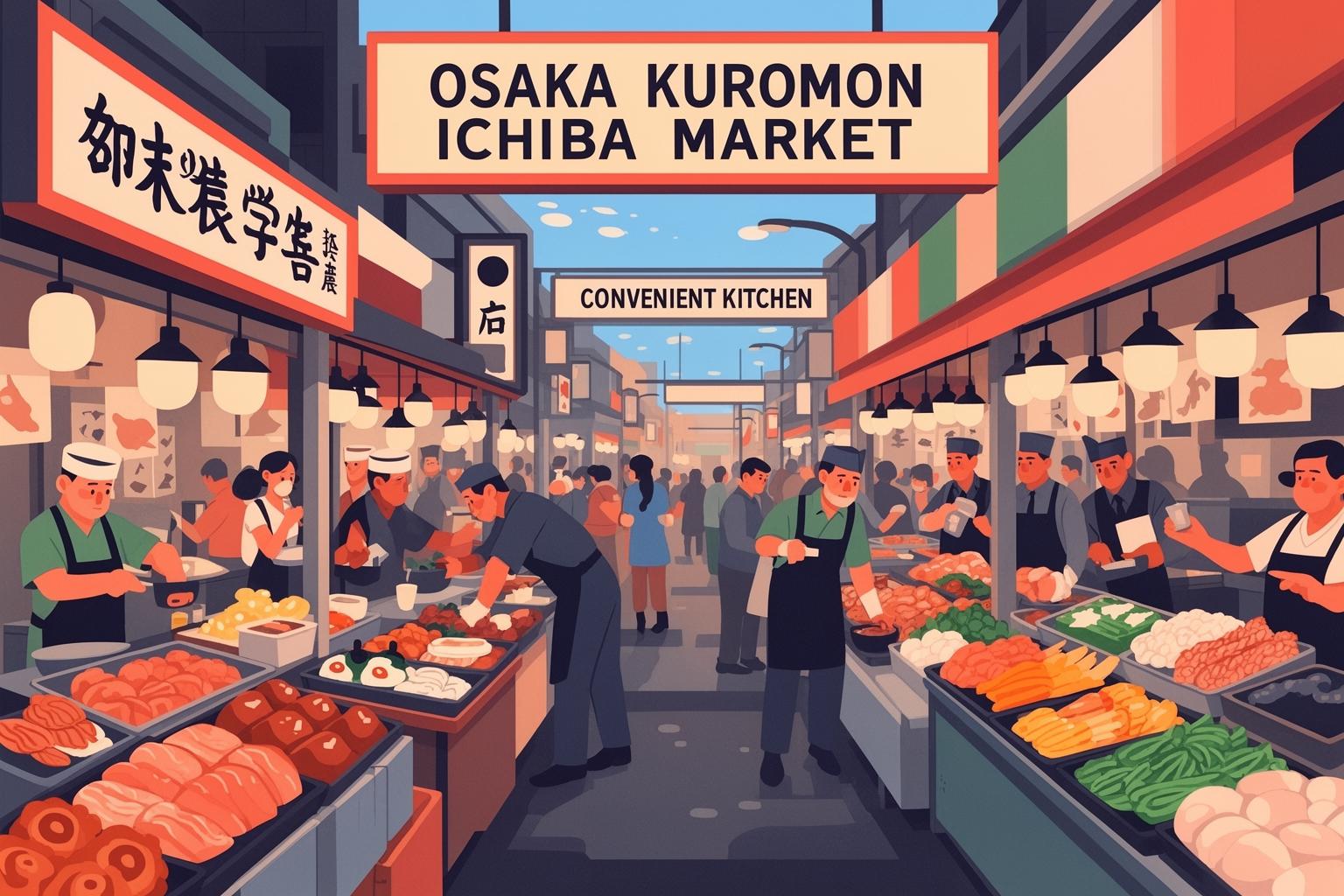
Kuromon Ichiba is more than just a tourist spot; it’s a vibrant and essential part of Osaka’s daily life. It showcases the city’s passion for food in all its glory. It stands as a tribute to the expertise of fishermen, farmers, and artisans who have devoted themselves to their craft. For Osaka residents, it serves as a resource, a learning space, and a constant source of inspiration. It’s the place to find the perfect fish for a special meal, discover a new pickle that transforms your palate, and grab a quick, tasty, and satisfying bite. So come with an empty stomach and an open heart. Let the sights, sounds, and smells lead the way. Engage with the vendors, try something unfamiliar, and immerse yourself in the lively, chaotic rhythm of Osaka’s Kitchen. Here, you’ll experience the true essence of this remarkable city.