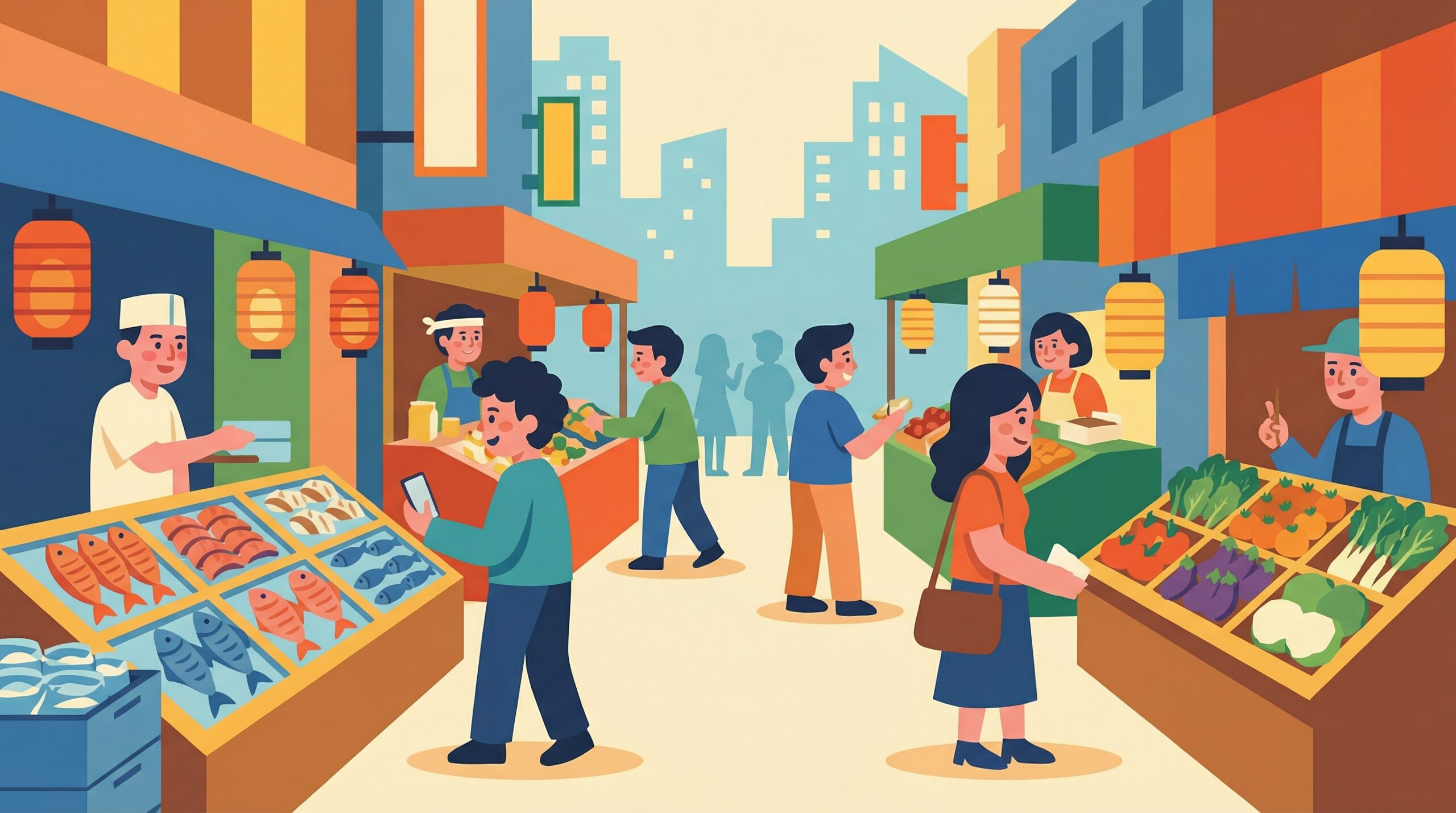
Welcome to the thumping, vibrant, and outrageously delicious heart of Osaka’s food scene. This is Kuromon Ichiba, a place that pulses with a rhythm all its own. Forget what you’ve seen in fleeting travel vlogs; this isn’t just a spot to snag a grilled scallop on a stick. For nearly two centuries, this covered arcade, stretching over half a kilometer, has been the undisputed culinary engine of the city, affectionately and accurately known as “Osaka no Daidoko”—Osaka’s Kitchen. It’s a place where Michelin-starred chefs once jostled with local grandmothers for the freshest catch of the day, a living museum of Kansai’s ‘kuidaore’ culture, that glorious philosophy of eating until you drop. Today, that raw, local energy still courses through its veins, but it now shares the narrow lanes with travelers from every corner of the globe, all drawn by the siren song of sizzling seafood and the promise of a perfect bite. This guide is your backstage pass. We’re going to peel back the tourist-friendly layer to find the authentic soul of the market, to understand its history, to navigate its controlled chaos like a local, and to discover the flavors that truly define this incredible institution. Get ready to dive in, because Kuromon Market isn’t just a place you visit; it’s a place you experience with all five senses cranked to the max.
After immersing yourself in the daytime energy of Kuromon Market, continue your culinary journey into the evening by exploring the vibrant izakayas of Dotonbori.
The Electric Heartbeat of Naniwa’s Kitchen

Step beneath the iconic arches of Kuromon, framed by stylized black gates and enormous hanging seafood models, and the outside world quickly fades away. You are immediately immersed in a symphony of organized chaos, a sensory overload that is distinctly Osakan. The air is thick, a humid blend infused with the briny scent of the sea, the sweet, smoky aroma of grilling unagi, the sharp tang of freshly pickled vegetables, and the deep, soothing fragrance of simmering dashi broth. It’s a scent that tells the story of hundreds of kitchens working in harmony. The soundscape is equally intricate. You hear the rhythmic clatter of knives on wooden blocks, the gravelly cries of vendors hawking their wares—a chorus of “Irasshaimase!” (Welcome!) echoing through the arcade. The sizzle of scallops hitting a hot griddle forms a percussive beat, accented by excited chatter in a dozen languages and the low rumble of shoppers’ carts weaving through the crowded passage. It’s more than noise; it’s the market’s heartbeat, its lifeblood. The visuals are a feast as well. Glistening flanks of deep red maguro (tuna) lie on beds of ice, their fatty bellies marbled like fine stone. Mountains of sea urchin (uni) glow with a sunset-orange brilliance inside their spiny black shells. Brightly colored tsukemono (pickles) are arranged in geometric patterns, from neon pink ginger to earthy brown daikon. Live crabs and prawns twitch in their tanks, promising unmatched freshness. Above, a constellation of paper lanterns and banners enhances the festive, timeless atmosphere. It feels less like a modern grocery store and more like a bustling theater where food takes center stage, and every stall is a platform for a delicious performance.
Echoes of the Black Gate: A Walk Through Time
To truly appreciate Kuromon, you must recognize its deep roots entwined with Osaka’s history. The market’s story dates back to the early 19th century, during the closing years of the Edo period. At that time, it was known as Enmyoji Market, named after the grand Enmyoji Temple that once stood nearby. The temple was renowned for its magnificent black gate, or ‘kuromon.’ Although the temple was tragically destroyed in a massive fire in 1912, the name persisted as a haunting yet powerful reminder of the area’s heritage. The market, however, survived. Originally, it was a modest gathering spot where fishermen sold their daily catch from Osaka Bay directly to local residents and nearby restaurant cooks. It was genuine, essential, and unrefined. As Osaka modernized and expanded through the Meiji and Taisho eras, Kuromon evolved as well, becoming the premier destination for professional chefs from the upscale ryotei and kappo restaurants in the Minami district. They came for unmatched quality, an extensive selection, and the expertise of vendors—many of whom were second- or third-generation masters, such as the fugu specialist, the unagi expert, and the tofu artisan. After World War II, the market, like much of Osaka, rose from the ruins. Its arcade structure was rebuilt and enlarged, further solidifying Kuromon’s role in defining the city’s culinary identity. It was during this time that the market earned the title “Osaka’s Kitchen,” serving as a dependable source of exceptional ingredients that fueled the city’s revival and growing passion for food. In recent decades, tourism has driven the market’s latest transformation. It has shifted from primarily a wholesale and professional venue to embracing the ‘tabe-aruki’ (eating while walking) culture. Stalls began grilling, frying, and steaming items on-site, offering single-portion servings for immediate enjoyment. While this brought fresh energy and international acclaim, Kuromon’s old spirit remains intact. If you look closely, beyond the wagyu skewers and grilled prawns, you’ll still find local restaurateurs engaged in serious talks with fishmongers and residents carefully choosing their vegetables for dinner. This vibrant, sometimes chaotic mix of old and new is what makes Kuromon so irresistibly captivating.
The Art of the Kuromon Crawl: A Strategic Approach
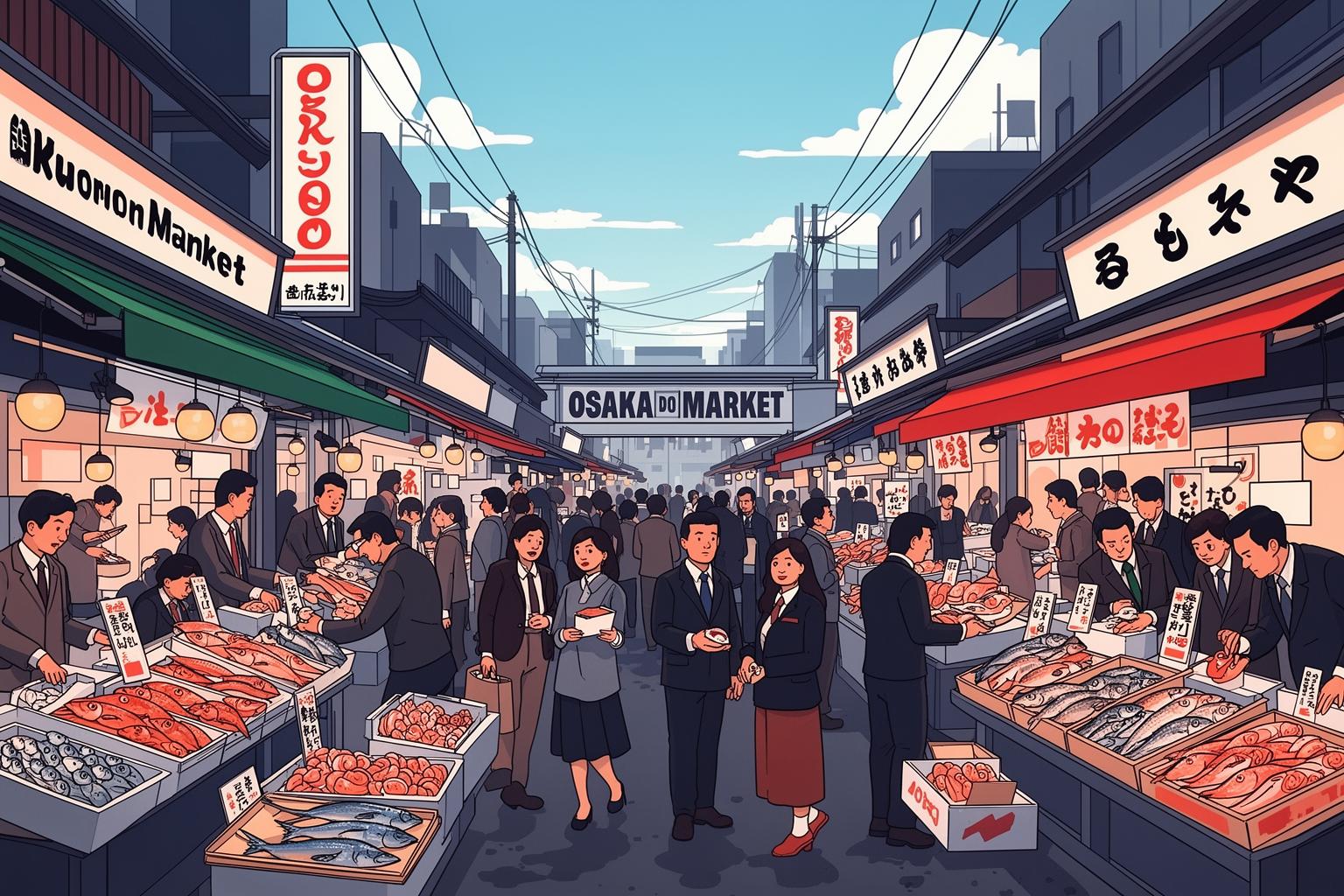
Diving into Kuromon without a plan can quickly become overwhelming. It’s a culinary challenge that requires a strategy to overcome. This experience isn’t just about eating; it’s about immersing yourself in the market’s finest moments, connecting with its culture, and savoring every delicious bite. Think of it as a leisurely hike through a flavorful jungle, where preparation and pacing are essential.
Timing is Crucial
Kuromon Market’s atmosphere shifts significantly throughout the day. Your visit will be shaped by the time you arrive. For a taste of the market’s traditional spirit, come early. Between 8:00 AM and 9:00 AM, locals and professional chefs dominate the aisles. The mood is focused and business-like. You’ll witness vendors expertly breaking down whole fish, with the air buzzing quietly from the flow of commerce. This is the ideal time to appreciate the merchants’ craftsmanship away from the crowds. You can enjoy a coffee and pastry while soaking in the authentic morning vibe. If your goal is a full-on foodie adventure, the prime window is from 10:00 AM to 2:00 PM. By then, all stalls are in full swing, grills are hot, and the ‘tabe-aruki’ scene buzzes. This is when the market is most vibrant—and busiest. Be ready to navigate through crowds. To avoid the peak rush, aim for either the start (around 10:00 AM) or the later part (around 1:30 PM) of this timeframe. Many vendors start closing around 4:00 PM and most are shut by 5:00 or 6:00 PM, so evening visits are not ideal. Kuromon is a daytime market, and its charm fades as the sun sets.
Your Guide and Your Money
Getting to Kuromon is straightforward thanks to its central location. The market sits in the heart of Minami, Osaka’s southern entertainment district. The nearest subway stop is Nippombashi Station, served by the Sakaisuji and Sennichimae Lines. It’s just a minute’s walk from there; follow the signs—or better yet, the enticing aromas. Alternatively, the market is a pleasant 10-minute walk from Namba Station, a major hub for the Midosuji, Yotsubashi, and Sennichimae subway lines, as well as Nankai and Kintetsu railways. This walk offers a unique glimpse into the shift from modern Namba to the market’s more traditional neighborhood. Once inside, keep in mind that although Japan is highly advanced technologically, many traditional markets like Kuromon still prefer cash transactions. While some larger, tourist-friendly stalls accept credit cards or IC cards (such as Suica or Icoca), many smaller family-run vendors remain cash-only. To avoid missing out on that perfect piece of fatty tuna, it’s wise to carry a good amount of yen. Breaking a 10,000-yen note is usually fine, but having smaller bills is always appreciated.
Eat, Respect, Repeat: Kuromon Etiquette
The practice of ‘tabe-aruki’ (eating while walking) adds to the fun, but it comes with a few unspoken rules. In Japan, eating while walking through the street is generally discouraged. Kuromon is an exception, but caution is necessary. With narrow, crowded aisles, the best approach is to buy your food, step aside, and enjoy it near the stall where you purchased it. Many vendors now offer small, designated eating spaces—sometimes just a counter or a few stools behind their shop. Always use these spots when available. This shows respect for the space and fellow shoppers while giving you a chance to savor your food properly. Another vital tip concerns trash disposal. Public bins are notoriously rare in Japan; you may walk for blocks without finding one. At Kuromon, the rule is simple: the vendor who sold you the food is responsible for its waste. Return empty skewers, shells, and wrappers to the staff at that stall—they will have a bin for you. Don’t try to pass it off to another vendor or stash it away to throw out later. This small act of consideration is greatly appreciated and helps keep the market clean and enjoyable for everyone.
A Symphony of Flavor: Beyond the Tourist Trail
Now, for the main attraction. With over 150 shops, the vast array of food at Kuromon can be overwhelming. You’ll find the same frequently featured items on every travel blog—the grilled scallops, the tuna sashimi, the wagyu beef skewers. And yes, you should definitely try them. But the real delight of Kuromon is found in exploring a bit further and tasting dishes that reflect the market’s richer culinary traditions. Let’s create a tasting menu that embraces both the iconic favorites and the soulful hidden gems.
The Titans of Taste: Tuna, Scallops, and Wagyu
These are the stars for a reason. They showcase ultimate indulgence and exceptional quality. However, not all are equal. Here’s how to pick wisely.
Maguro (Tuna): The King of Sashimi
Nothing is more synonymous with Japanese markets than maguro. At Kuromon, it’s abundant. Several stalls, including the renowned Maguroya Kurogin, specialize in this magnificent fish. You’ll see pre-cut trays of sashimi with various cuts. Look for the three main types: ‘akami’ (lean, deep red meat), ‘chutoro’ (medium fatty, perfectly balancing flavor and richness), and ‘otoro’ (the prized, pale pink belly fat that melts in your mouth like butter). For first-timers, a mixed plate with all three is a great way to appreciate the range of flavors and textures. Don’t just grab the first tray you find—check the color; it should be vibrant, never dull. The best experience is buying a slice freshly cut from a large block right in front of you. The performance adds to the pleasure.
Hotate (Scallops): A Taste of the Sea
You’ll smell the grilled scallops before you spot them. Large, plump scallops are shucked, placed back in their shells, topped with a knob of butter and a splash of soy sauce, then torched until sizzling and lightly charred. The appeal is immediate and instinctual. When choosing a vendor, opt for those with a high turnover to ensure the scallops are always freshly cooked. The flesh should be plump and opaque, not shriveled. This simple blend of sweet scallop meat, salty soy, and rich butter is a bite of pure, unadulterated joy.
Wagyu Beef: A Decadent Delight
The allure of marbled Japanese beef is unmistakable. Many stalls offer wagyu skewers, often advertised as Kobe beef. A word of caution: genuine, certified Kobe beef is costly. If a skewer seems suspiciously cheap, it’s probably a lower grade of wagyu or domestic beef. Choose a stall that proudly displays certification and slices the meat fresh. A good wagyu skewer should be incredibly tender and rich, a flavor explosion that coats your palate. It’s an indulgence—better to enjoy one outstanding, high-quality skewer than three mediocre ones. Notice the beautiful web of intramuscular fat—that’s where the magic happens.
Diving Deeper: The Local’s Playbook
Beyond the big three, there’s a world of flavors deeply rooted in Osaka’s culinary culture. This is where Kuromon’s true spirit shines.
Fugu (Pufferfish): The Thrill of the Taste
Osaka is Japan’s largest consumer of fugu, and Kuromon is a center for this infamous delicacy. Don’t let its daunting reputation scare you off. All fugu chefs in Japan undergo years of rigorous training and must be licensed, making it perfectly safe to eat at reputable shops. Several vendors in Kuromon, like Minami, specialize in fugu. You can enjoy it in various ways. ‘Tessa’ is paper-thin sashimi, often arranged in a chrysanthemum shape, with a subtle flavor and distinct chewy texture. ‘Tecchiri’ is a comforting hot pot, and ‘fugu karaage’ is deep-fried pufferfish that remains surprisingly juicy and delicious. Sampling fugu is a uniquely Osakan experience.
Unagi (Freshwater Eel): The Soul of Summer
The sweet, smoky aroma of grilling unagi is one of Kuromon’s most captivating scents. Unlike the pre-packaged eel found elsewhere, stalls here often grill it fresh over charcoal. The eel is filleted, skewered, and repeatedly dipped in a thick, sweet soy-based ‘tare’ sauce while grilling. The result is fish that’s crispy outside, fluffy and tender inside, bursting with savory-sweet flavor. It’s usually served on a skewer for easy eating or as a small rice bowl (‘unadon’).
Oden: A Warm Embrace in a Bowl
On chilly or rainy days, nothing is quite as comforting as oden. This Japanese comfort food features large square vats of steaming, light-colored dashi broth, simmering various ingredients slowly. The options can be overwhelming, but that’s part of the fun. Point out your choices: a tender chunk of ‘daikon’ (radish) infused with broth flavor, a hearty block of ‘atsuage’ (deep-fried tofu), a jiggly piece of ‘konnyaku’ (konjac jelly), or assorted ‘nerimono’ (fish cakes). The vendor fishes out your selections, serving them in a cup with a dab of sharp ‘karashi’ mustard. It’s inexpensive, filling, and deeply satisfying.
Tsukemono (Pickles): A Universe of Flavor
Don’t pass by the pickle shops. Tsukemono isn’t merely a side dish in Japan; it’s a culinary art form. Shops like Ikema display a colorful array of pickled treats. You’ll find everything from familiar pink ‘gari’ (sushi ginger) to whole pickled eggplants, ‘nukazuke’ (veggies fermented in rice bran), and ‘mizunasu’ (a special Osakan eggplant eaten fresh or lightly pickled). Buying a small selection is an excellent way to experience a vast range of Japanese flavors—salty, sour, sweet, and umami. They also make wonderful, long-lasting souvenirs.
Tofu and Soy Products: The Humble Superstars
For an authentic taste of tradition, visit a shop like Takahashi Shokuhin, a market staple. Here, the focus is on soybeans. You can buy incredibly fresh tofu, far superior to mass-produced varieties. The real treat for visitors is the ‘tonyu’—fresh, rich, unsweetened soy milk. Creamy and nutty, a cold cup is especially refreshing on hot days. They also often sell ‘yuba’ (tofu skin) and other soy-based products essential to Japanese cuisine.
From the Earth and the Vine: The Produce Stalls
Remember, Kuromon is a kitchen, and no kitchen is complete without fresh produce. The fruit and vegetable stalls are a spectacle themselves. Depending on the season, you might encounter perfectly round watermelons, giant ‘Kyoho’ grapes, or the famed ethereal white strawberries (‘shiroi ichigo’) that taste like pineapple candy. These fruits can be pricey, but many vendors offer single servings—like a slice of melon or a cup of fresh strawberries—so you can sample these luxurious treats without overspending. Don’t overlook the fresh juices, especially the orange juice squeezed on the spot by an intriguing machine. It’s the perfect palate cleanser between savory bites.
Stepping Out: The World Around Kuromon
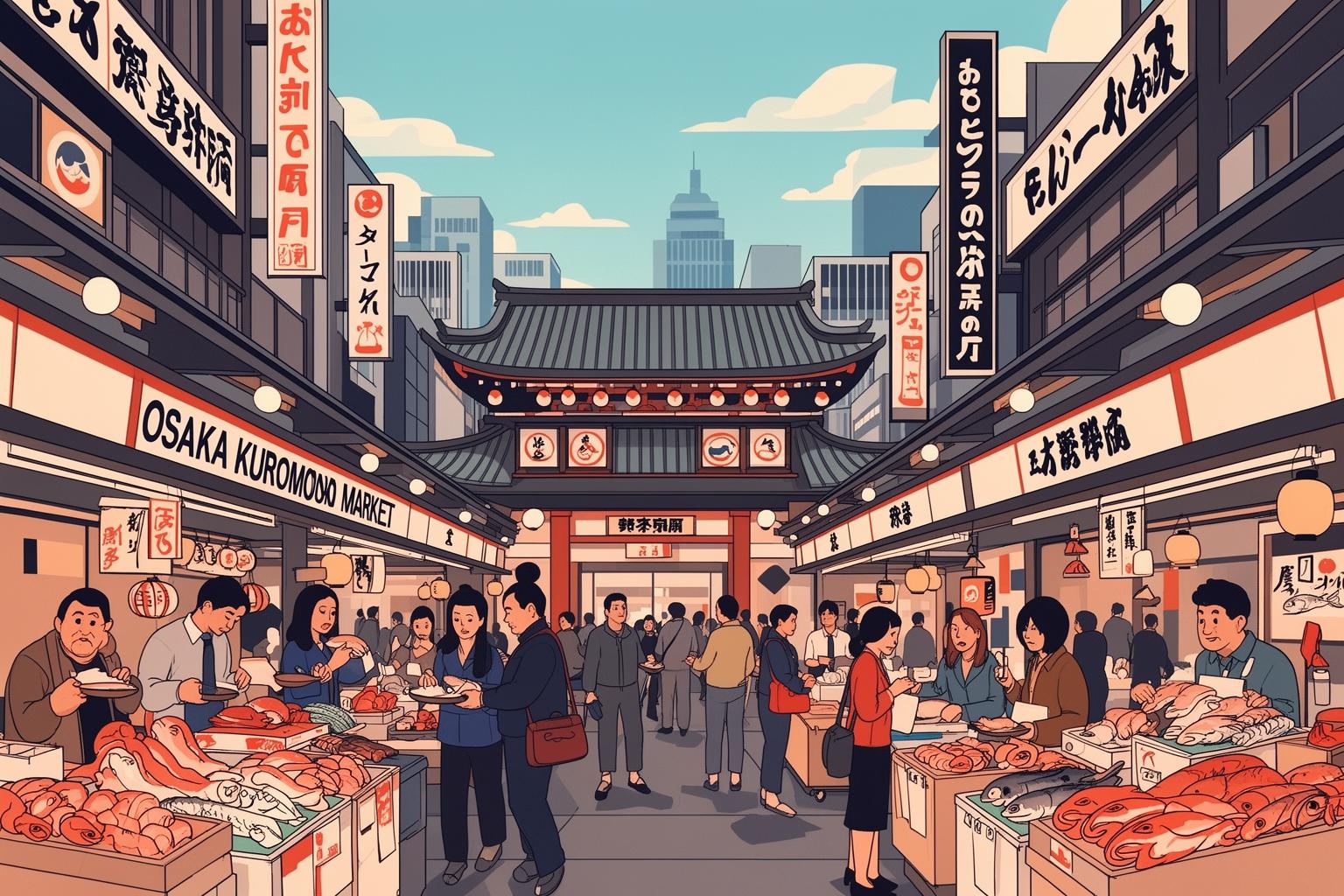
Kuromon Market is more than just an isolated attraction; it serves as the centerpiece of a fascinating and diverse neighborhood. After indulging in the market’s culinary delights, the surrounding area offers a rich variety of experiences, making it easy to spend an entire day exploring. The blend of the old-world market alongside its modern, quirky, and traditional neighbors adds to the enjoyment.
Den Den Town’s Electric Dream
Just a few steps west of Kuromon is Nipponbashi’s Den Den Town, Osaka’s counterpart to Tokyo’s Akihabara. The atmosphere shifts dramatically as the scent of grilled fish fades, replaced by the electronic sounds of arcade games. This area is the city’s hub for anime, manga, video games, and all aspects of ‘otaku’ (geek) culture. The main street and its side alleys host multi-story buildings packed with manga bookstores, shops offering intricate character figurines, retro video game stores, and ‘gachapon’ capsule toy machines. It’s a vibrant, colorful, and sometimes eccentric world that offers a fascinating insight into a major aspect of modern Japanese pop culture. Even if you’re not a fan, it’s an excellent spot for people-watching and experiencing a completely different side of Osaka’s character.
Doguyasuji: The Chef’s Arsenal
If Kuromon is the kitchen, then Doguyasuji, just a short walk away, is its supply room. This covered arcade is Osaka’s dedicated “Kitchenware Street.” It’s a haven for anyone passionate about cooking, from professional chefs to curious home cooks. The shops sell everything imaginable for food preparation and service. You’ll find world-renowned Japanese kitchen knives, beautiful ceramic bowls and plates, bamboo steamers, ‘noren’ curtains for restaurants, and, of course, takoyaki pans in every size. One of the most captivating sights is the shops specializing in ‘sampuru’—the incredibly realistic plastic food models often displayed in restaurant windows across Japan. It’s a great place to find a unique, practical souvenir that captures the spirit of Osaka’s food culture.
Hozenji Yokocho’s Whispering Past
For a moment of calm and a step back in time, head to Hozenji Yokocho. This narrow, stone-paved alley near Namba Station feels like a scene from a past era. Lit by traditional lanterns, the alley is lined with small, intimate restaurants and bars. At its center lies Hozenji Temple, home to the famous Mizukake Fudo statue. This Buddhist deity is covered in a thick, green carpet of moss, nurtured by worshippers who pour water over the statue during prayers, allowing the moss to flourish over decades. The serene, mystical ambiance of the alley, especially in the evening, offers a beautiful, peaceful contrast to the energetic buzz of Kuromon and the rest of the Namba district.
The Market’s Four Faces: A Seasonal Guide
Kuromon is a vibrant place, with its offerings evolving alongside the changing seasons. Visiting at different times of the year reveals an entirely new tasting menu that embodies the Japanese culinary principle of ‘shun’—enjoying food at its peak.
Winter (December – February)
Winter is arguably the best season for seafood enthusiasts. The cold waters produce top-quality fish and shellfish. This period highlights ‘kani’ (crab), with vendors selling freshly boiled crab legs that are sweet and tender. It’s also the prime season for ‘fugu’ (pufferfish) and ‘kaki’ (oysters), which are at their plumpest and most flavorful. As the New Year draws near, the market buzzes with locals shopping for ingredients for ‘osechi ryori’, the traditional New Year’s feast, creating a captivating cultural scene.
Spring (March – May)
Spring brings a feeling of freshness and renewal to the market. You’ll find fresh ‘takenoko’ (bamboo shoots), a classic spring delicacy, alongside various mountain vegetables (‘sansai’). The seafood shifts to clams and fish like ‘sawara’ (Spanish mackerel). However, the true highlights are the fruits. This season marks the peak for strawberries (‘ichigo’), with many varieties—including the noted white strawberries and other premium kinds—often packaged beautifully as gifts or offered as fresh juice and mochi.
Summer (June – August)
The warmth of the Osakan summer calls for distinctive flavors. This is the traditional season for eating ‘unagi’ (freshwater eel), believed to boost stamina to withstand the heat. You’ll also encounter ‘hamo’ (pike conger), a delicate white fish that is a summer specialty in Osaka, often prepared by expert chefs who skillfully remove its countless tiny bones. Fruit stalls brim with melons, peaches, and grapes, while fresh-squeezed juice or rich soy milk ice cream offers a refreshing respite from the humidity.
Autumn (September – November)
Autumn, known in Japan as ‘shokuyoku no aki’—the autumn of appetite—is a season of harvest, filling the market with warm, comforting flavors. It’s the time to seek out prized ‘matsutake’ mushrooms, renowned for their distinctive piney aroma. You’ll also find fresh chestnuts (‘kuri’), sweet potatoes, and ‘sanma’ (Pacific saury), a rich, flavorful fish best enjoyed simply grilled with salt. As the weather cools, the market takes on a cozy, bountiful atmosphere.
Your First Bite: A Friendly Guide for Newcomers
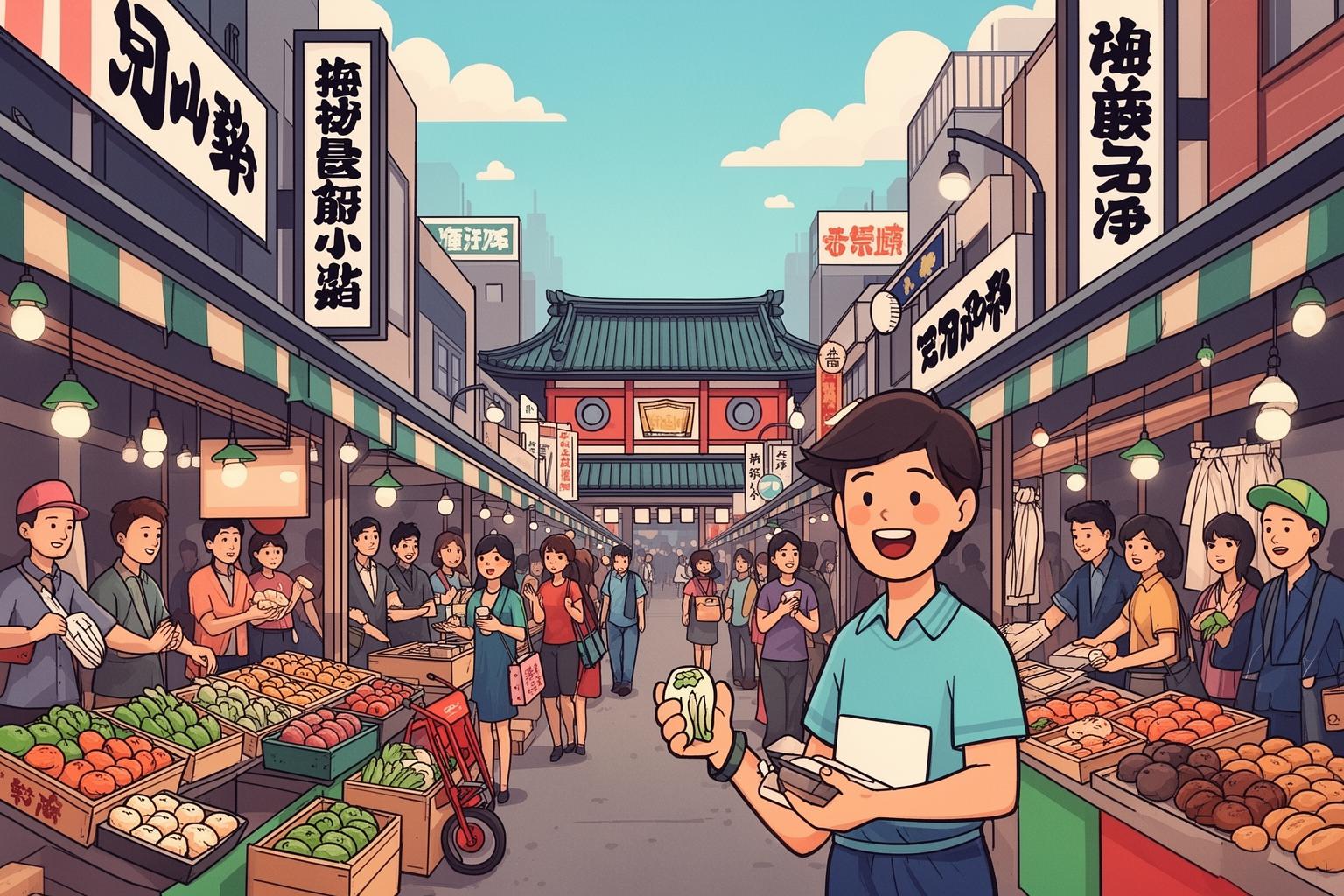
So, you’re ready to take the plunge. It’s your first time, the sights and sounds are overwhelming, and your stomach is growling with anticipation. Take a deep breath. Here’s how to make your first experience perfect. Wear your most comfortable shoes; you’ll be standing and walking on a hard surface a lot. Arrive with an empty stomach but a curious mind. The most important advice is to do a full lap first. Walk the entire market from one end to the other without purchasing anything. Just observe. Notice what’s available, what looks freshest, which stalls have a queue of locals, and what grabs your attention. This reconnaissance prevents you from filling up on the very first thing you see at the entrance. Pace yourself. Kuromon is more of a marathon of small bites than one big meal. Share dishes with your companions so you can try a wider variety. Don’t be shy. The vendors are used to visitors from all over the world. A simple point and smile are often enough to communicate. Learning a few key phrases like “Kore kudasai” (This one, please) and “Oishii!” (Delicious!) will earn you warm smiles. Look for the specialists—the shop selling only tuna, the stall dedicated to eel, the vendor with piles of pickles. These are often the places with the deepest expertise. Finally, be open-minded. Try something unfamiliar. That odd-looking fish cake or unusual pickled vegetable may just become the most memorable bite of your trip.
The Final Taste
Kuromon Ichiba is far more than just a collection of food stalls. It serves as a living, breathing archive of Osaka’s culinary soul. It’s a place where the city’s past and present merge in a glorious, mouthwatering explosion. Strolling through its crowded aisles is like walking through history, tasting the seasons, and connecting with the deep passion for food that defines Osaka. It’s a place that rewards the curious, the adventurous, and the hungry. So when you visit, leave the checklist behind. Let your senses take the lead. Follow the most tempting aroma, chat with a vendor, and take a chance on an unfamiliar flavor. Because the real treasure of Kuromon isn’t just the food you eat; it’s the experience of immersing yourself in the vibrant, beating heart of Osaka’s kitchen. Go, explore, and eat until you simply cannot eat anymore. That, ultimately, is the Osakan way.