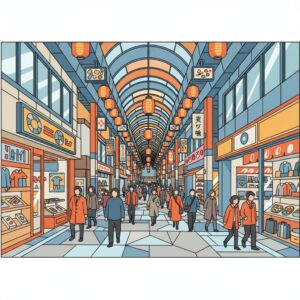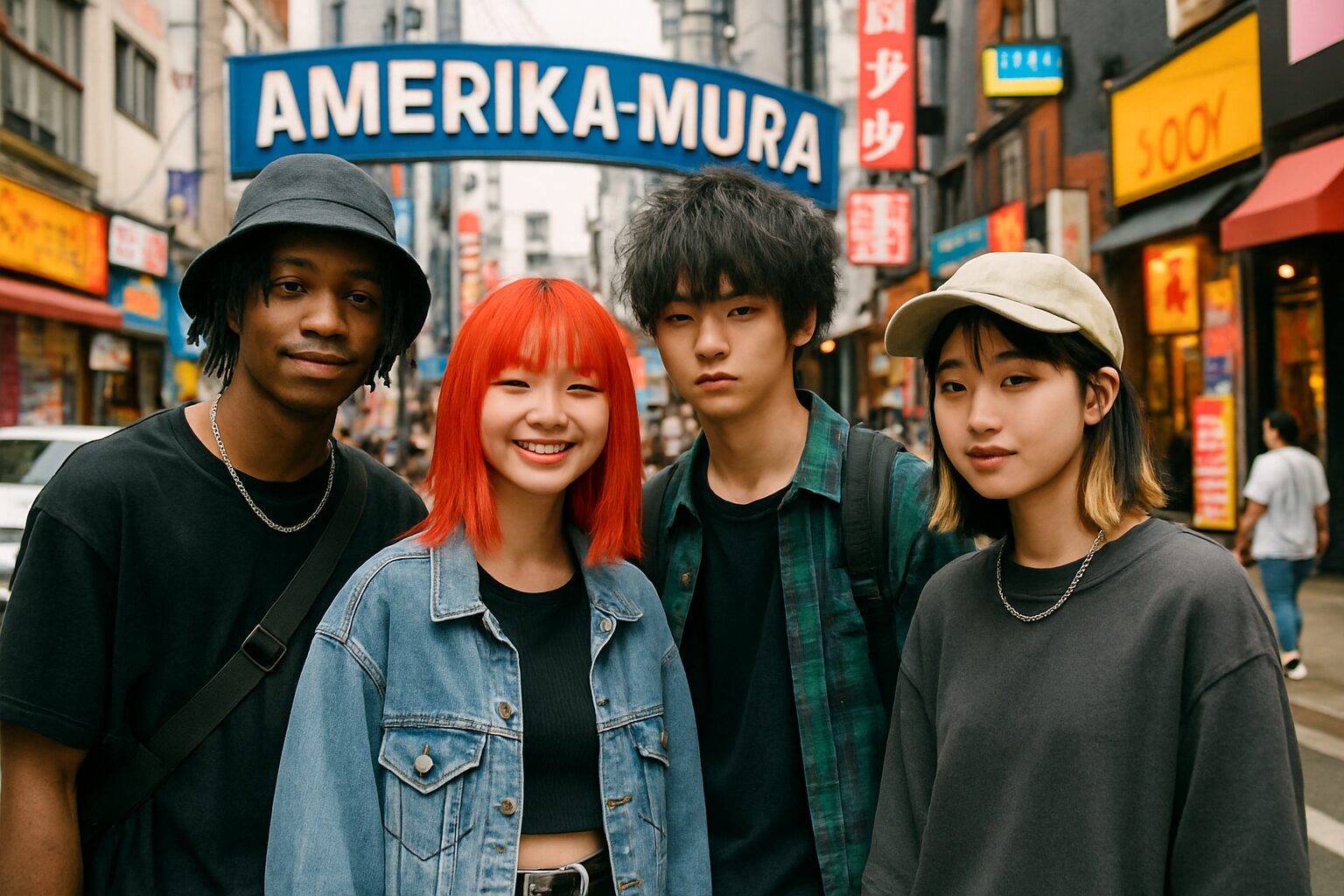
Yo, step off the beaten path, leave the guidebooks behind. We’re diving headfirst into a concrete jungle where the rhythm of Osaka beats the loudest, a place that’s less a location on a map and more a declaration of identity. Welcome to Amerikamura, or as the locals call it with a familiar, loving shorthand, Amemura. This isn’t just a neighborhood; it’s the vibrant, pulsating heart of youth culture in Western Japan. It’s a chaotic symphony of skate wheels on pavement, the low thud of bass from a basement record shop, and the endless, colorful parade of self-expression that is Osaka’s street style. For any foreigner living in this incredible city and wondering, “Where do I find my people? How do I connect?”, the answer echoes through these graffiti-splashed alleyways: you start right here. Amemura is your ground zero for understanding the creative soul of modern Osaka, a place where making friends isn’t about formal introductions but about a shared glance over a rack of vintage denim, a nod of appreciation for a killer outfit, or a mutual head-bob to a beat spilling out of a live house. It’s a living, breathing organism of fashion, music, art, and unfiltered personality, and it’s waiting for you to find your rhythm within it.
To further explore Osaka’s vibrant nightlife and culinary scene, check out our guide to finding halal food in Dotonbori.
The Vibe: What Amerikamura Feels Like
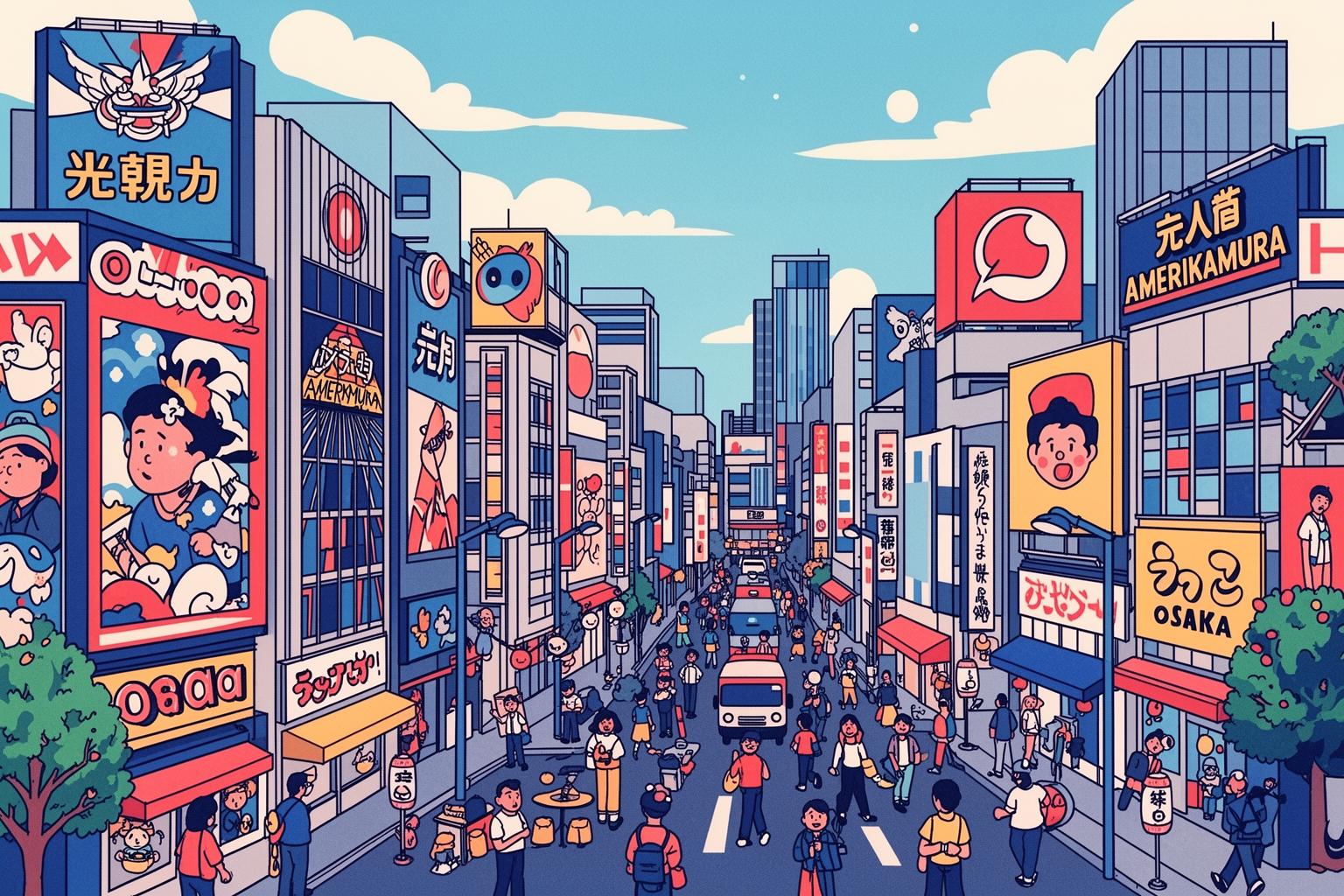
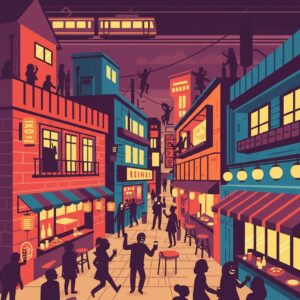
Before you even attempt to understand Amemura, you first have to feel it. It strikes you the moment you step across the street from the sleek, high-fashion world of Shinsaibashi. The atmosphere shifts. The corporate shine dims, replaced by a raw, creative energy that clings to every surface. It’s a sensory overload in the most exhilarating way. Your eyes flit from a gigantic, building-sized mural of a pop-art figure to the detailed tags of graffiti artists staking their claim on concrete. Even the streetlights are art, sculpted into human forms that seem to watch over the crowds below, silent guardians of this creative haven. The soundtrack is an eclectic mixtape: the clack of a skateboard landing a trick, the distant, distorted guitar riff from a second-floor live house, the friendly chatter of shopkeepers drawing you in, and the constant, infectious hum of hundreds of conversations overlapping.
This place is, at its core, Osaka’s living room. It’s where the city’s youth come to hang out, to be themselves, to exist without judgment. An unspoken permission slip is handed to you at its invisible border: here, you can be whoever you wish. Wear that outrageous jacket you thought was “too much.” Dye your hair the color you’ve been dreaming of. The only rule is that there are no rules. This atmosphere of acceptance is fertile ground for friendships to grow. You aren’t merely an observer here; you’re a participant in a collective art project. The streets are a gallery, and the people are the masterpieces. Every outfit is a statement, every sticker on a lamppost a message. To walk through Amemura is to walk through a story being written in real time by thousands of young, creative minds.
The Fashion Pulse: More Than Just Shopping
Let’s make one thing clear: people come to Amemura for the clothes, but they stay for the culture that envelops them. This is the undisputed epicenter of street fashion, a place where trends aren’t just followed; they’re created. Forget the fast-fashion chains—Amemura’s true spirit lives in its vast vintage shops and fiercely independent boutiques. Stepping into a store like Kinji is a rite of passage. It’s a sprawling, warehouse-like maze of pre-loved garments where you can easily lose hours—and yourself—searching for hidden gems. The excitement isn’t just in discovering a perfectly worn 80s band tee or a unique Japanese sukajan (souvenir jacket); it’s in the shared thrill of the hunt. You’ll find yourself shoulder-to-shoulder with students, artists, and musicians, each on their own quest. A simple remark—“Hey, that’s a great find!”—across a pile of flannel shirts can spark a genuine connection. These shops are more than retail spaces; they’re style archives, with the people inside serving as passionate curators.
But the magic doesn’t end with vintage. Wander down the narrower side streets, and you’ll uncover the real heart of Amemura’s fashion scene: small, owner-run boutiques showcasing the work of rising Osaka designers. These are not merely stores; they’re the realized dreams of local creatives. More often than not, the person behind the counter is the designer themselves, and expressing genuine interest in their work—the fabric, the cut, the inspiration—is one of the most direct ways to connect with the local creative community. You’re not just buying a piece of clothing; you’re investing in a story and supporting the very ecosystem that makes Amemura so unique.
Ultimately, the most important runway in Amemura is the street itself. The true education in Osaka style happens when you grab a coffee, settle on a bench, and simply watch the world pass by. The incredible diversity is breathtaking. You’ll see punk rockers with towering mohawks, Lolitas in immaculate, ruffled dresses, skaters in baggy denim, and hypebeasts decked out in the latest drops. It’s a living lookbook of subcultures coexisting and influencing one another. Complimenting someone’s style here is the highest form of respect. It’s an acknowledgment of the thought, bravery, and creativity that went into their outfit. A simple, sincere “Your jacket is amazing!” can open doors, because in Amemura, what you wear is how you say hello.
Sankaku Koen: The Epicenter of Connection
At the very center of Amemura lies its heart: a small, triangular concrete plaza called Sankaku Koen, or Triangle Park. Don’t expect lush greenery or peaceful reflection here. This park serves as the neighborhood’s main stage, its gathering spot, its heartbeat. From midday until late at night, it’s a hub of constant activity. Here, groups of skaters spend hours honing their kickflips, their boards creating a rhythmic beat that defines the park’s soundscape. It’s also where street dancers pump up the music and draw a crowd, where musicians strum guitars for anyone willing to listen, and where friends sit on the wide concrete steps to chat, laugh, and watch an endless stream of people pass by.
If you want to make friends in Amemura, this is your arena. Social barriers here are remarkably low. The key is to engage with sincere curiosity. Observe the skaters for a bit—you don’t need to be an expert yourself, just appreciate their skill and dedication. A smile, a nod, or a simple “Sugoi!” (Amazing!) when someone lands a tricky stunt is often enough to be welcomed into their group. They take pride in their craft and are happy to share it. Ask about their boards or how long they’ve been skating. The conversation will flow as smoothly as their moves.
The same applies to street performers. When a musician starts playing, don’t just walk past. Stop and listen, and if you enjoy it, show your appreciation. Toss a few coins in their case and, more importantly, give them your attention. After a song, a simple “That was awesome!” can spark a conversation about music, bands, and perhaps even your new favorite live music spot. Everyone in Sankaku Koen is there to share a piece of themselves—whether through skill, art, or style. The most meaningful thing you can do is be a receptive audience. Compliment a group of friends with amazing coordinated outfits. Ask if you can take a photo—they’re usually happy to pose. This is a space built on mutual observation and appreciation. By joining that cycle, you move beyond being a tourist and begin to truly become part of the scene.
Beyond the Park: Finding Your Tribe
While Sankaku Koen serves as the central hub, the true charm of Amemura is found in its myriad niche communities, hidden away in basements and on the upper floors of inconspicuous buildings. Discovering your tribe requires exploring these sub-worlds. The neighborhood is a haven for music enthusiasts. Iconic record stores like King Kong Records are more than just shops to buy vinyl; they are revered spaces. Spend an afternoon digging through crates, and you’re bound to strike up a conversation with a fellow music lover. The staff are walking encyclopedias of musical knowledge, and asking for a recommendation for a local Japanese band can open the door to Osaka’s vibrant indie scene.
That scene truly comes alive at night in Amemura’s famed “live houses.” These small, intimate music venues, such as Shinsaibashi CLAPPER or ANIMA, blur the line between band and audience in the most captivating way. The energy is raw, electric, and communal. Crowded together, sweating, and sharing the experience, this collective passion acts as an incredible social glue. Chat with the person next to you between sets. Ask if they’ve seen the band before. You already share a strong common interest. Friendships forged in the mosh pits and smoky corners of Osaka’s live houses often become some of the deepest.
If booming music isn’t your preference, the café and bar culture offers a different but equally effective route to connection. Amemura is dotted with tiny, themed bars catering to every imaginable taste. There are punk rock dive bars plastered with band stickers, cozy hip-hop bars spinning old-school vinyl, and quiet, moody lounges ideal for conversation. Size is key. In a bar that seats no more than ten people, it’s nearly impossible not to talk with your neighbors or the bartender. The bartender often serves as the community gatekeeper. Become a regular at a spot that feels like home, and you’ll soon have a place where everyone knows your name. The same applies to the quirky, independent cafés during the day. Find a spot with a relaxed vibe, bring a book or sketchbook, and simply exist. These spaces attract creative, interesting people, and a slow afternoon can easily turn into a memorable conversation with a new friend.
Cultural Context: How Amemura Came to Be
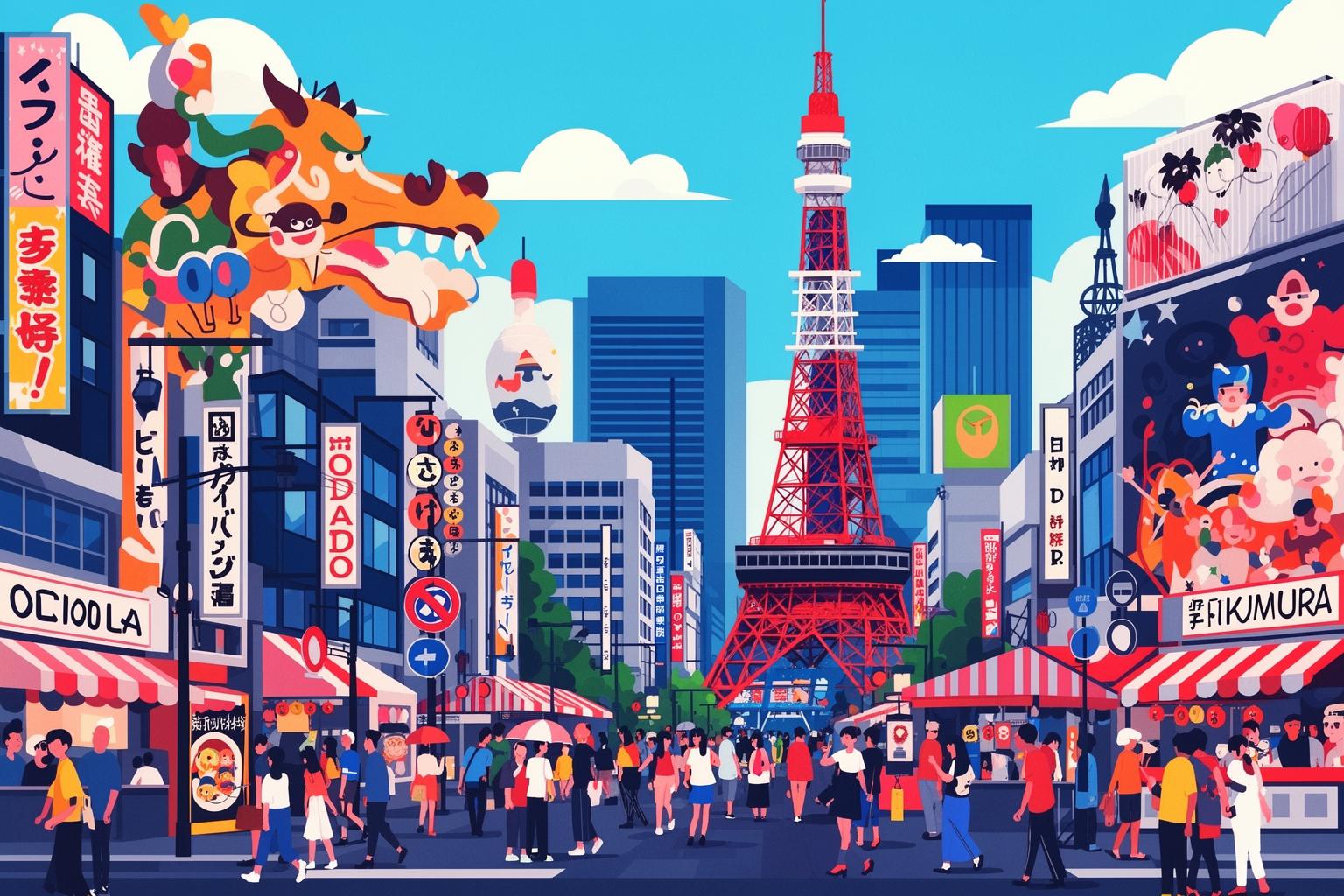
To truly grasp the spirit of Amerikamura, you need to understand its origins. This neighborhood wasn’t planned by city officials; it developed naturally from a rebellious spirit and a fascination with the outside world. In the late 1960s and early 1970s, the area was merely a cluster of warehouses and vacant lots. However, a few visionary shop owners had an idea. They began traveling to the United States, filling their suitcases with items that were rare in Japan at the time: vintage jeans, Hawaiian shirts, surfboards, and vinyl records. They then opened small shops in these converted warehouses to sell their imported treasures. The name “Amerikamura” (America Village) stuck, and a legend was born.
This origin story forms the DNA of the neighborhood. It was created from a desire for something different, something outside mainstream Japanese society. It attracted young people who shared this feeling—the artists, musicians, dreamers, and rebels. While much of Japan focused on economic growth and conformity, Amemura became a place where you could listen to rock and roll, wear ripped denim, and simply stand out. That spirit has never vanished. It has naturally evolved. The “America” in its name now serves more as a historical footnote. Today, Amemura is a global melting pot of styles, yet its core identity as a haven for counter-culture remains intact. Understanding this history explains why it is such an open and welcoming place for foreigners. It has always acted as a bridge between Japan and the world, a place where cultural exchange is woven into the fabric of the streets. It was built on curiosity about the outside world, and that curiosity continues to embrace all who visit today.
Practical Tips for Navigating and Connecting
Alright, so you’re ready to jump in. Here’s the rundown on how to get the best experience. Timing is key. If you want to see Amemura at its liveliest, a weekend afternoon is prime time. The streets will be packed with people, Sankaku Koen buzzing with activity, and the atmosphere electric. This is the perfect moment for people-watching and spontaneous encounters. If you prefer a more focused shopping trip or a quiet coffee break, weekdays are much calmer. Evenings, especially after 7 PM, bring the live houses to life and open up small bars, shifting the neighborhood’s vibe from retail hustle to nightlife buzz. Getting here couldn’t be easier. It’s tucked right between Shinsaibashi and Yotsubashi subway stations, just a quick ten-minute walk from Namba’s neon buzz. It’s one of the city’s most accessible spots.
Now, the most important part: breaking the ice. While many young people in Amemura speak some English and enjoy practicing it, knowing a few key Japanese phrases shows you’re making an effort and is warmly welcomed. Go beyond the basics.
- Instead of simply saying “cool,” try “Sono fuku, meccha iketeru!” (Those clothes are super cool!). The slang makes it sound more natural and genuine.
- When admiring someone’s art or performance, “Sainou ga arimasu ne!” (You’ve got real talent!) is a wonderful compliment.
- If you notice someone with a skateboard, “スケボー、うまいですね!” (Sukeboo, umai desu ne!) (You’re great at skateboarding!) makes a perfect conversation starter.
The most important advice is to be respectful, especially about photos. Fashion in Amemura is a form of public art, but the people aren’t exhibits. Always ask before taking close-up pictures. A simple “Shashin, tottemo ii desu ka?” (Is it okay if I take a picture?) with a smile almost always gets a positive response. People take pride in their style and generally enjoy sharing it. Just remember to read the situation. The vibe is relaxed. Don’t be pushy or loud. Let connections happen naturally. Be curious, open, and true to yourself. That’s the Amemura way.
Diving Deeper: Hidden Gems and Local Rituals
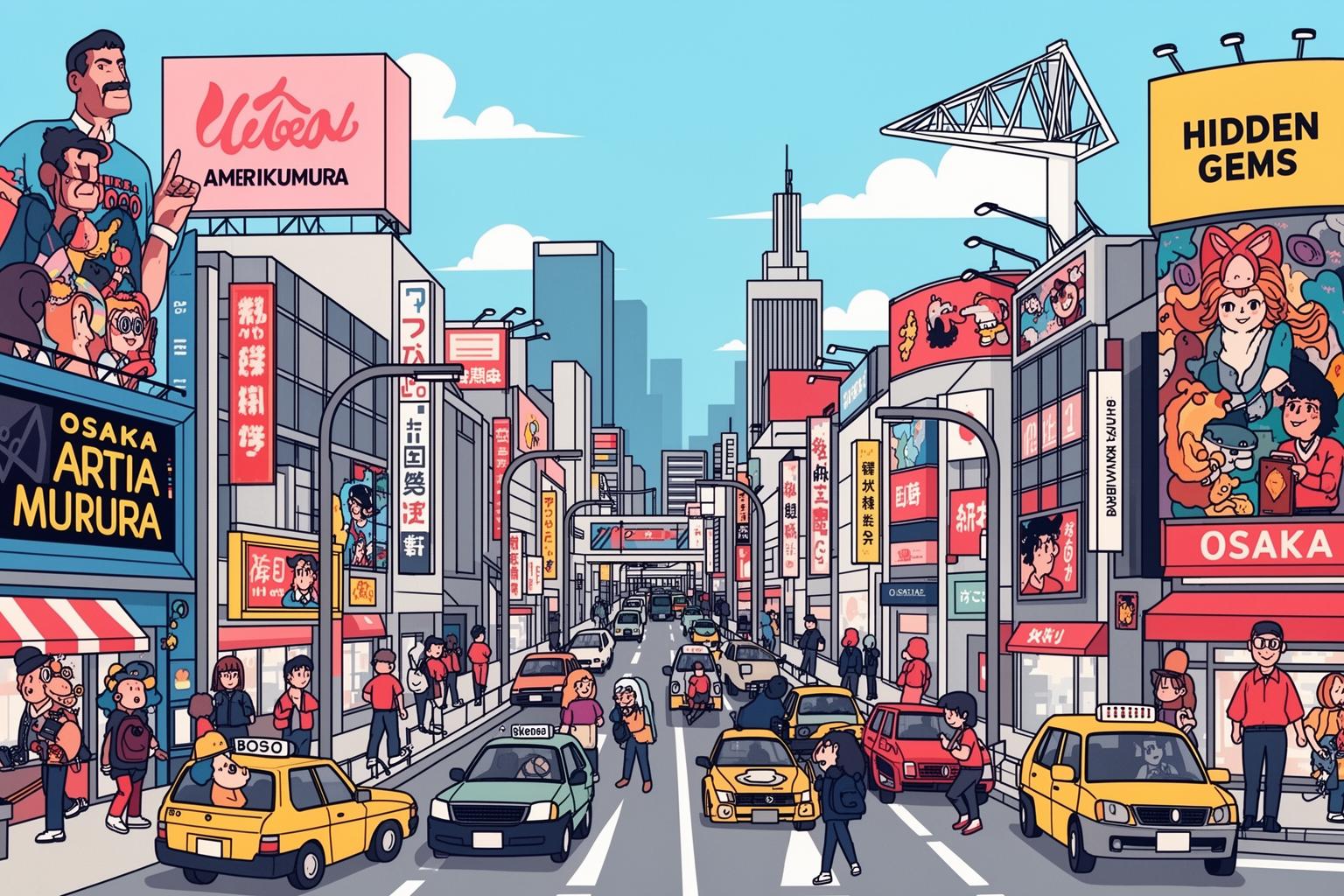
Once you’ve familiarized yourself with the area, it’s time to dive into the deeper, less obvious spots. The main streets are enjoyable, but the true spirit of Amemura lies within its maze-like back alleys. Get lost. Explore a narrow path that seems to end abruptly; you might stumble upon a small, hidden gallery featuring a local photographer or a boutique offering handcrafted jewelry. These are the places where you shift from being a consumer to an explorer, and your discoveries become uniquely personal.
And don’t forget to eat! The food scene in Amemura is as diverse and unpretentious as its fashion. Certain culinary traditions are integral to the experience. You absolutely must try the Long Softcream, an extraordinarily tall soft-serve cone that defies gravity and is a must-have for any Amemura selfie. Sampling takoyaki (octopus balls) from a renowned stand like Kogaryu is another essential ritual. Standing around a small stall, sharing a hot tray of takoyaki with friends and strangers alike, is a communal experience in itself. From gourmet burger spots to quirky pancake cafes, the food here is designed to be fun, shareable, and enjoyed on the move. It’s nourishment for your adventure.
Keep an eye out for posters and flyers plastered on walls and in shop windows. These serve as your guides to the true happenings in the neighborhood—flea markets, pop-up shops, art shows, and underground gigs. These events are where the community genuinely comes alive. Attending a small band’s gig or a local artist’s gallery opening makes a strong statement. It shows you’re more than a passing tourist; you’re engaged in the culture. It’s at these grassroots gatherings that you’ll discover the real heart and soul of Amerikamura and move beyond mere conversation to forming authentic, lasting friendships.
In the end, Amerikamura is so much more than the sum of its parts. It’s more than a shopping district, more than a collection of bars and cafes. It is a testament to the enduring power of youth, creativity, and the fundamental human need to belong. It’s a place that reminds you that it’s okay to be a little weird, a little different, to wear your heart and your influences on your sleeve. To come here is to take part in a conversation that has been going on for over fifty years. So, come with an open heart and an open mind. Be prepared to see, to listen, and to connect. Don’t be afraid to offer a compliment, to ask a question, to share a laugh with a stranger. The greatest souvenir you can take from these vibrant streets is not a vintage jacket or a rare record, but the exhilarating feeling of having found a place where you fit in, and perhaps, a new friend to walk these crazy, beautiful streets with. The rhythm of Osaka is calling. All you have to do is show up and start dancing.
Kindly make slight modifications to the entire sentence without altering the original meaning.