Step out of the station, any Namba station, and the city hits you like a wave of pure, uncut energy. It’s not just noise; it’s a symphony. The rhythmic clatter of a thousand footsteps on pavement, the cheerful shouts of vendors calling you toward sizzling takoyaki, the distant rumble of a train pulling away, and the layered soundtrack of pop music, announcements, and laughter that blankets everything. This isn’t just a place on a map. This is Namba, the undeniable, pulsating heart of Osaka’s Minami district. While the northern hub of Umeda might wear a suit and tie, Namba throws on its most colorful jacket, kicks back, and invites the entire world to its party. This is the epicenter of Osaka’s soul, a place built on the twin pillars of entertainment and an almost religious devotion to good food. It’s a district that embodies the spirit of kuidaore—a glorious, untranslatable concept that essentially means to eat yourself into happy, contented ruin. To understand Osaka, you must first understand Namba, not by studying it, but by diving in headfirst, letting its vibrant currents carry you away into a dazzling maze of neon, tradition, and flavor. It’s a sensory overload in the most magnificent way possible, a place where every alleyway promises a new discovery and every meal feels like a celebration.
To truly embrace the spirit of kuidaore, you can start your culinary adventure at the bustling Kuromon Ichiba Market, known as Osaka’s kitchen.
The Neon River: A Deep Dive into Dotonbori’s Electric Soul
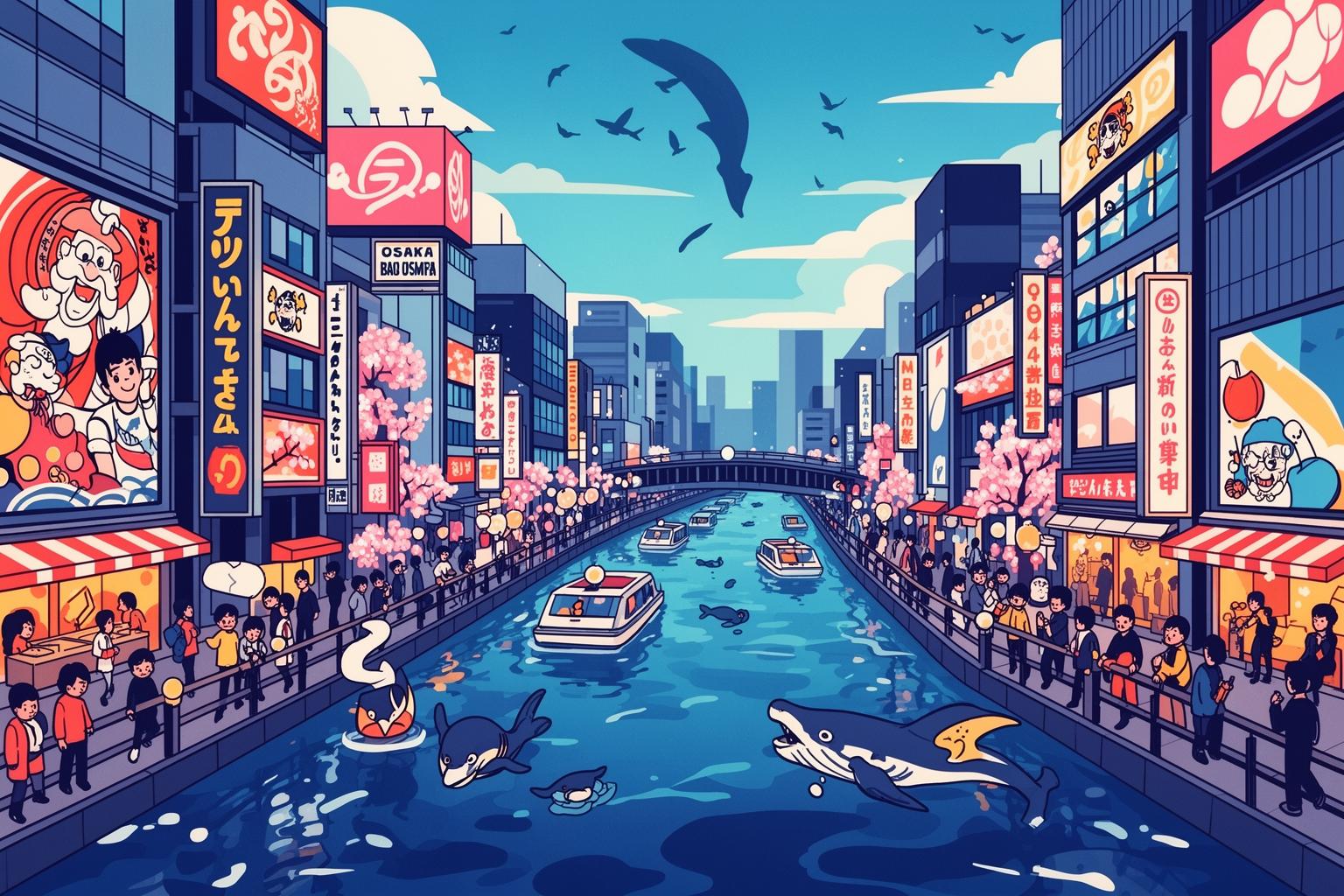
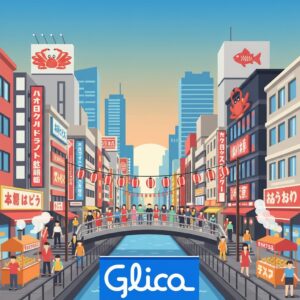
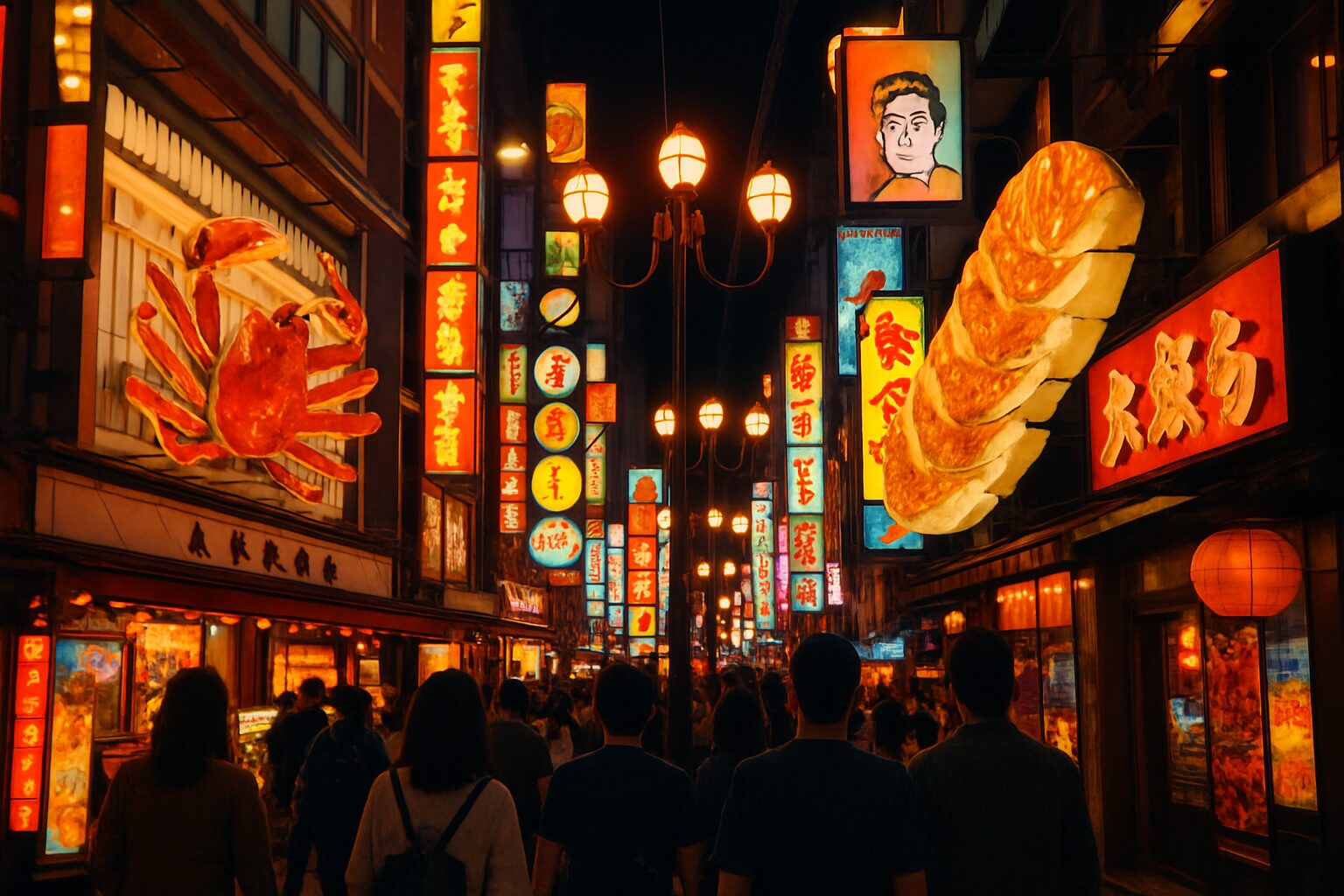
As daylight fades, Namba undergoes a stunning transformation. The energy, already buzzing at a high frequency, intensifies into a powerful roar. The heart of this nightly revival is Dotonbori. It is more than just a street; it is a spectacle, a living entity fueled by electricity and human joy. The Dotonbori canal, a dark, tranquil ribbon of water, turns into a mirror reflecting a vibrant kaleidoscope of lights. Towering signs, each competing for attention with increasing boldness, cast shimmering, distorted reflections onto the water’s surface. Here lie the icons of Osaka, landmarks etched into global consciousness.
At the forefront is the Glico Running Man. He is not simply an advertisement for a confectionery brand; he stands as a symbol of Osaka’s enduring spirit, a beacon of triumph and resilience. Since his debut in 1935, he has been updated multiple times, yet his pose remains unchanged—arms raised in victory against a backdrop of world landmarks. Positioned on the Ebisu Bridge, surrounded by crowds attempting to mimic his pose for photographs, there is a shared sense of pilgrimage. He has become the de facto meeting point, the North Star of Minami district.
However, to focus solely on the Running Man is to overlook the rest of the vibrant and captivating signage. Across the canal, the gigantic mechanical crab of Kani Doraku moves its legs and claws with hypnotic slowness, promising sweet, succulent crab meat—a promise it has upheld for decades. Further along, a massive, pouty pufferfish lantern for Zuboraya puffs its cheeks, playfully warning of the delicious danger it conceals. A dragon swoops from the facade of a ramen shop, a giant octopus clutches a takoyaki ball, and a stern-faced samurai glares down from above a kushikatsu restaurant. These are not mere signs; they are three-dimensional expressions of culinary identity, commercial folk art unique to Osaka.
The Tombori River Walk, running alongside the canal, offers a slightly calmer perspective. From here, you can watch neon-lit tourist boats drift by, their passengers waving at the crowds gathered on the bridges. It is an ideal spot to grab a can of chu-hai from a convenience store, find a bench, and simply soak in the overwhelming visual feast. The history of this area is tangible, even amid the modern glow. The Dotonbori canal was dug in the early 1600s by a local entrepreneur named Yasui Doton. His vision was to create a new waterway for commerce, but it quickly became the heart of Osaka’s theater district. Kabuki theaters, bunraku puppet theaters, and various performance halls lined its banks, establishing its reputation as Japan’s premier entertainment hub. Today’s neon signs are merely the modern successors of the paper lanterns that once beckoned visitors to evenings filled with drama and delight.
A Covered Universe: The Endless Stretch of Shinsaibashi-suji
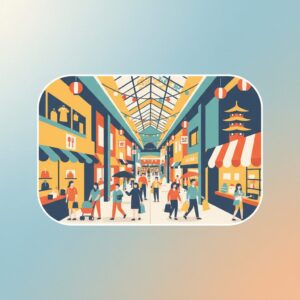
Branching out from the controlled chaos of Dotonbori is an experience of a different, yet equally intense, nature: the Shinsaibashi-suji Shopping Arcade. Calling it merely a street does it a disservice. It’s a covered realm, a retail river stretching over 600 meters, drawing you along in its steady flow of shoppers. The moment you pass beneath its high, arched roof, the city’s sounds transform. The open-air clamor softens into a contained hum of conversation, music streaming from storefronts, and the constant shuffle of countless feet. Rain or shine, the world inside the shotengai, or shopping arcade, remains unchanged—a climate-controlled refuge for commerce and community.
Walking its length is like sampling a cross-section of Japanese consumer culture. One moment, you pass a historic kimono shop that has been family-run for generations, its elegant silks displayed with quiet pride. The next, you’re greeted by the booming bass of a trendy fast-fashion store, its windows showcasing the latest styles. You’ll encounter vast, multi-story drugstores offering a nearly overwhelming selection of cosmetics, skincare products, and health supplements—a paradise for fans of Japanese beauty items. Then, you might discover a small shop selling exquisite handcrafted fans or another entirely devoted to green tea and the delicate utensils used in tea ceremonies.
People-watching here is a top pastime. You’ll notice groups of immaculately dressed high school students, families enjoying a weekend stroll, tourists with maps and shopping bags, and stylish locals who navigate the crowds with effortless grace. The arcade is a democratic space, a melting pot where luxury brands like Chanel and Cartier stand just a stone’s throw from quirky 100-yen shops and vendors selling sweet, fluffy cheesecakes. Its sheer variety is what makes it so captivating. You can find almost anything here, from designer handbags to character-themed socks, from traditional sweets to the latest video games. It’s a place that caters to every taste and every budget, all beneath one very long roof. More than just a shopping destination, the arcade is a vital artery of the city—a place where people connect, socialize, and participate in the daily rhythm of Osaka life.
Youth in Motion: The Creative Pulse of America-mura
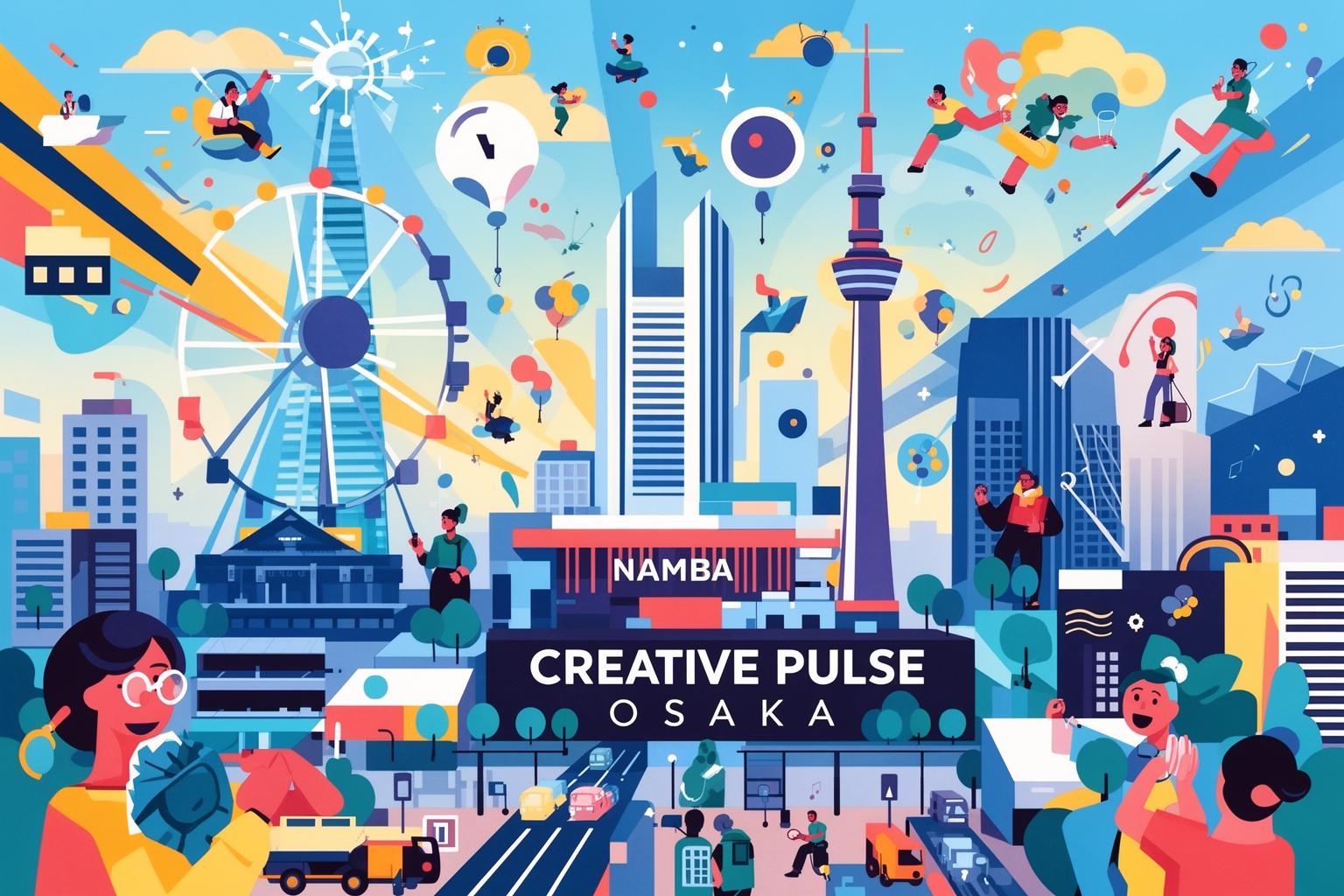
Just a short stroll west from the polished mainstream of Shinsaibashi-suji, the atmosphere changes drastically. The vibe feels younger, the fashion bolder, and the music louder. You’ve reached America-mura, affectionately known as “Amemura.” This is Osaka’s answer to Tokyo’s Harajuku, but with a grittier, more relaxed, and distinctly Osakan character. For decades, it has been the epicenter of youth culture, a lively hub for fashion, music, and art that embraces individuality and self-expression.
At the unofficial center of Amemura is Sankaku Koen, or Triangle Park—a small concrete plaza serving as an open-air community space. Here, skaters practice tricks, aspiring musicians strum guitars, and groups of friends gather, all showcasing their unique styles. The fashion on display is a spectacle itself—a mix of vintage finds, punk edge, hip-hop influences, and avant-garde Japanese design. It’s a place where personal style is celebrated and conformity left behind.
The streets branching out from the park are a treasure trove for those seeking something different. The area is filled with vintage clothing stores, their racks brimming with carefully curated pieces from decades past. You’ll find tiny record shops with passionate owners who guide you through crates of vinyl, independent boutiques featuring emerging local designers, and shops catering to every niche subculture imaginable. The buildings themselves are part of the art, many facades adorned with vibrant murals and graffiti. Even the streetlights are artful, sculpted into playful shapes of robots and human figures, enhancing the neighborhood’s creative and whimsical spirit.
Amemura’s food scene mirrors its eclectic vibe. Forget traditional dishes; here, you’ll discover creative, photogenic snacks designed for a young crowd. Rainbow-colored soft-serve ice cream cones, inventive fried chicken dishes, and the iconic “ice dog”—a fried hot dog bun filled with ice cream—are just a few of the quirky treats available. Amemura invites you to wander without a set plan, letting curiosity lead you down narrow alleys or into basement-level shops. It is a living, breathing gallery of street culture, a tribute to Osaka’s rebellious and imaginative soul.
A Whisper from the Past: Finding Serenity in Hozenji Yokocho
Just steps away from the sensory overload of Dotonbori lies a gateway to another era. Duck into a narrow, unremarkable side street, and you’ll find yourself in Hozenji Yokocho, an atmospheric alley that feels a world apart from the neon glare. The shift is immediate and striking. The city’s roar dims to a whisper, bright lights give way to the warm, soft glow of paper lanterns, and the asphalt is replaced by uneven, moss-covered stones. This is Namba’s sacred and serene corner, a place that clings to the spirit of old Osaka with quiet dignity.
The alley centers on the tiny Hozenji Temple, home to a statue that has become a symbol of the area. This is the Mizukake Fudo, a representation of the Buddhist deity Fudo Myo-o. What makes the statue unique is its appearance, entirely enveloped in a thick, vibrant green blanket of moss. This living cloak is the result of a long-standing tradition. Worshippers don’t offer incense or coins; instead, they scoop water from a nearby basin and splash it over the statue as they pray. Decades of these watery rituals have nurtured the lush moss, giving the fierce deity a surprisingly gentle and serene look. Watching the ritual is a captivating experience—the soft splash of water, steam rising from lanterns, the earnest faces of those making their wishes—it’s a moment of pure, contemplative beauty amidst the urban chaos.
Along the two narrow lanes of the yokocho lie some of Osaka’s most traditional and respected restaurants. These aren’t flashy venues. Their entrances are modest, marked by simple noren curtains and elegant, understated signage. Behind these curtains are intimate spaces serving refined Japanese cuisine, from exquisite kappo—a less formal style of kaiseki where the chef cooks before you—to perfectly grilled dishes and beloved Osakan specialties. The alley is filled with the enticing aromas of dashi broth and charcoal grills. Dining here is a full sensory experience, an opportunity to savor not just food, but the deep historical ambiance of the place. Hozenji Yokocho reminds us that even in a city racing toward the future, there are pockets of the past that aren’t merely preserved but cherished and alive.
Osaka’s Kitchen: Feasting Your Way Through Kuromon Ichiba Market
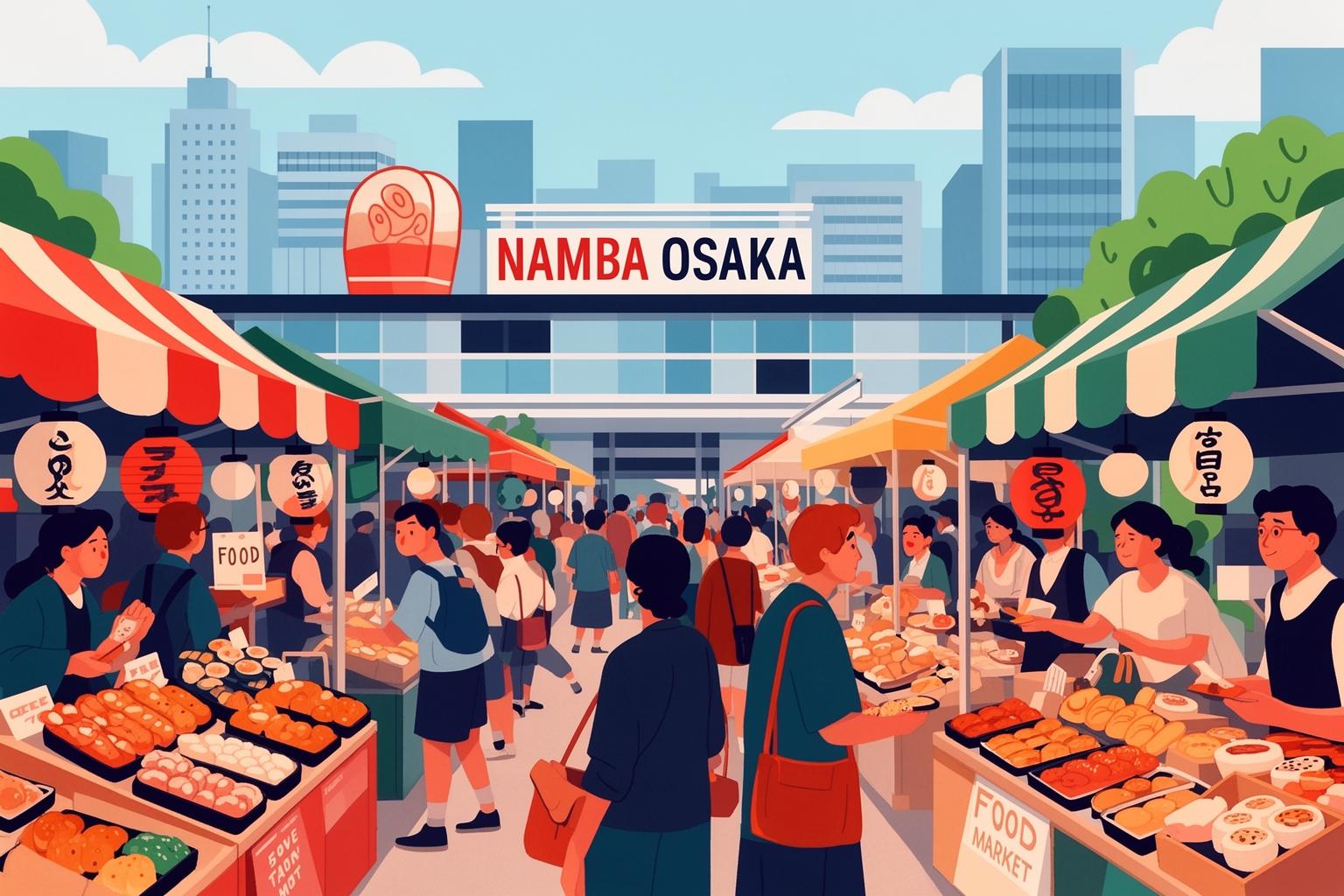
If Namba is considered the heart of Osaka, then Kuromon Ichiba Market serves as its stomach. Affectionately known as “Osaka’s Kitchen,” this covered market street has been providing the city’s top chefs and discerning home cooks with the freshest ingredients for over a century. Visiting here, especially in the morning, offers a full sensory immersion into the city’s iconic food culture. The atmosphere is contagious, the sights captivating, and the aromas utterly intoxicating. The air is a rich blend of the salty scent of fresh seafood, the sweet smell of grilling unagi, the sharp tang of pickled vegetables, and the savory steam rising from bubbling oden pots.
The vendors’ calls create a lively soundtrack. “Irasshaimase!” (Welcome!) and “Oishii yo!” (It’s delicious!) echo from all directions as merchants proudly present their goods. The visual display is equally impressive. You’ll witness massive tuna being skillfully carved, exposing ruby-red flesh. Boxes of spiky sea urchin (uni) are lined up, their golden interiors promising an oceanic delight. Live scallops, prawns, and oysters rest in bubbling tanks, ready to be grilled to order and served with a squeeze of lemon and a splash of soy sauce.
But Kuromon is not merely for observing. It’s a place for tasting and embracing the spirit of kuidaore. The market is renowned for its eat-in stalls and street food. Begin your culinary adventure with a skewer of perfectly marbled wagyu beef, seared on a hot plate before your eyes until it melts in your mouth. Follow with a small tray of fatty tuna (toro) sashimi that effortlessly melts on your tongue. Sample grilled scallops brushed with butter or a piece of sweet tamagoyaki (rolled omelet) on a stick. For something truly local, try the large, simmered octopus tentacles—tender and flavorful. Don’t overlook the produce stalls, which offer everything from giant white strawberries to an impressive variety of tsukemono (Japanese pickles).
Navigating Kuromon calls for a plan. It’s best to arrive early, before peak tourist crowds gather around noon. Bring plenty of cash, as many smaller vendors do not accept cards. The ideal tactic is to do a full loop first to view everything available, then return to make your selections. Be ready to stand and eat, as seating is limited. This is part of the experience—jostling for space with fellow food enthusiasts, pointing out your choices, and savoring each bite amidst the lively bustle. Kuromon Ichiba is more than a market; it’s a living, breathing museum of Japanese cuisine and a tribute to Osaka’s deep passion for high-quality, delicious food.
Where Giants of Comedy Roar: The Theatrical Soul of Namba
To grasp the personality of Osaka, you must recognize its profound and unwavering love for comedy. Laughter is the city’s second language, with Namba serving as its grand stage. The district’s roots lie in theater, and this tradition remains vibrantly alive today, especially at the Namba Grand Kagetsu (NGK). This flagship theater of Yoshimoto Kogyo, the entertainment giant that has shaped Japan’s comedy scene for over a century, stands as the ultimate venue for Japanese comedians and hosts the country’s biggest stars.
The main highlights are manzai and shinkigeki. Manzai is a style of stand-up comedy typically performed by a duo: the funny, foolish boke and the straight, reprimanding tsukkomi. Rapid-fire banter, witty wordplay, and slapstick physicality define Osakan humor. Even if you don’t understand Japanese, the vibrant energy and physical comedy are universally entertaining. Shinkigeki, or “new comedy,” is a slapstick theatrical play featuring a recurring cast and running gags, cherished by generations of Japanese families. Attending a show at the NGK is to engage in a fundamental Osakan cultural ritual, sharing in collective, uproarious joy.
Beyond the NGK’s mainstream comedy, Namba also preserves a more classical performance art. The National Bunraku Theatre is one of the few venues worldwide dedicated to Bunraku, a sophisticated form of traditional puppet theater originating in Osaka in the 17th century. This is not children’s puppetry but a highly complex and dramatic art form, recognized as a UNESCO Intangible Cultural Heritage. Each large, exquisitely crafted puppet is operated by three black-clad puppeteers visible to the audience. Their fluid, expressive movements make the puppets appear alive. The story is narrated by a single chanter who performs all characters’ voices, accompanied by the dramatic sounds of the shamisen. Watching a Bunraku performance is a powerful, meditative experience that connects you intimately to the artistic soul of old Japan. Namba’s ability to embrace both the boisterous laughter of manzai and the refined drama of Bunraku highlights the city’s rich cultural significance.
The Electric Town: Diving into Den Den Town’s Otaku Culture
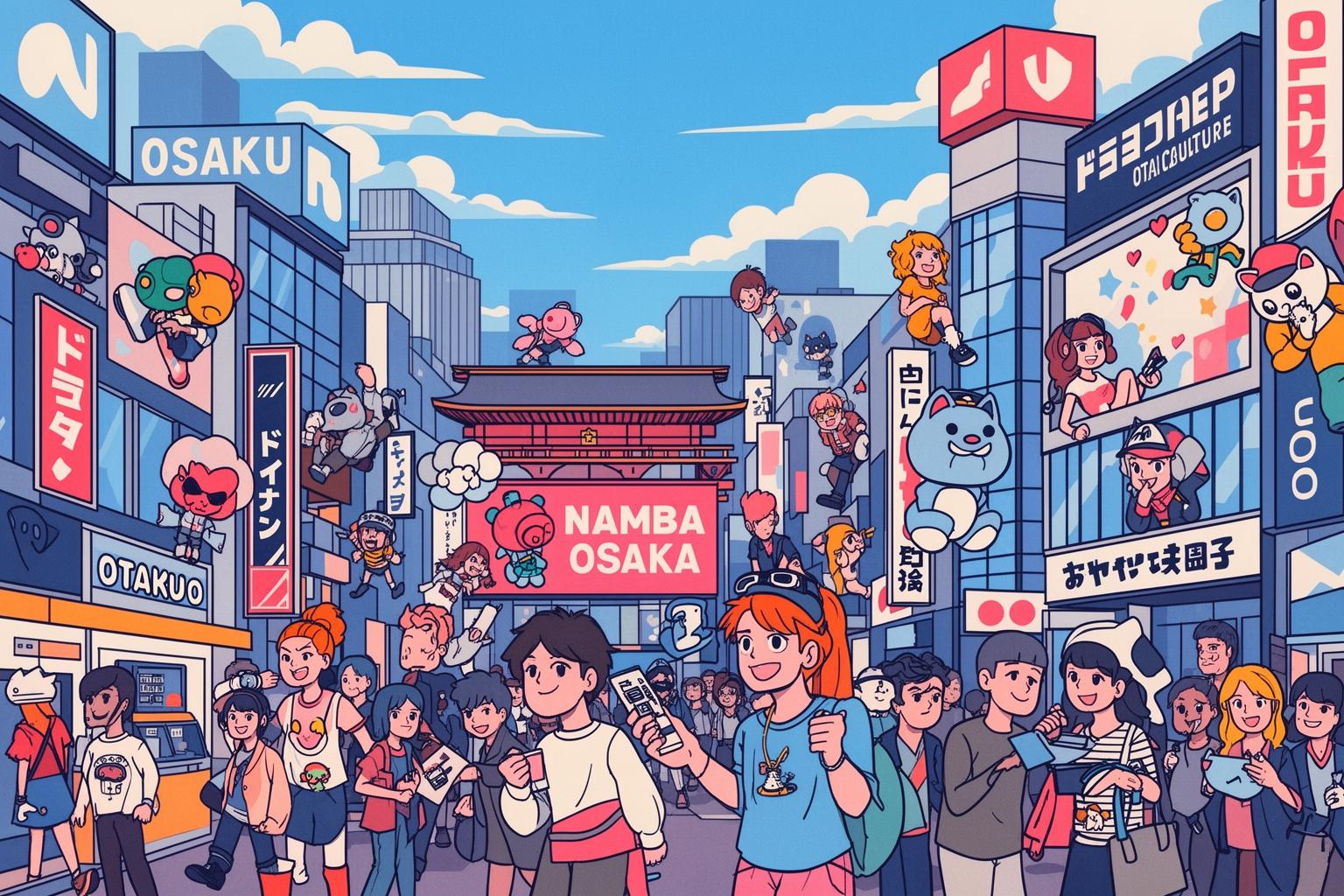
A brief walk southeast from Namba’s main hub takes you into a completely different realm: Nipponbashi’s Den Den Town. This is Osaka’s answer to Tokyo’s famous Akihabara, a district devoted to anime, manga, video games, and all things otaku (geek culture). The scene shifts to tall, narrow buildings covered in vibrant advertisements showcasing wide-eyed anime characters. The energy here is more concentrated, buzzing with dedicated hobbyists and enthusiastic fans.
Den Den Town is a haven for collectors and aficionados. You’ll find multi-story superstores like Animate and Gamers, stocked with the latest manga volumes, character goods, Blu-rays, and art books. Numerous smaller, specialized shops focus on plastic models, trading cards, and collectible figures, with glass displays featuring rare and coveted items. For those nostalgic at heart, the retro video game stores are essential stops, offering classic consoles and game cartridges that connect you tangibly to gaming history.
The arcades in Den Den Town are on a whole other level. They’re vast, loud, and thrilling, packed with rows of rhythm games, fighting games, and crane machines (UFO catchers) brimming with exclusive prizes. The vibe is one of intense yet friendly competition. You’ll also encounter another iconic element of otaku culture: maid cafes. These themed cafes feature waitresses in elaborate maid outfits who serve customers, treating them as the “master” or “mistress” of the house. It’s a unique and surreal aspect of Japanese subculture that offers a fascinating experience.
Though often likened to Akihabara, Den Den Town possesses its own distinct character. It feels somewhat more old-school and less commercialized. Alongside the anime shops, many original electronics parts stores remain—the source of the district’s name (“den den” being a colloquial term for electricity). This imparts a slightly grittier, more authentic atmosphere. It’s a place where passion runs deep, and communities flourish around a shared love for fantastical worlds and digital adventures.
An Urban Oasis: Ascending the Terraces of Namba Parks
Amidst the concrete and neon of Namba stands a stunning architectural marvel that provides a breath of fresh air. Namba Parks is a shopping and entertainment complex that resists simple classification. Designed by architect Jon Jerde, it was envisioned as a vast, man-made canyon, rising in eight terraced levels that carve a green path through the urban environment. It masterfully blends nature, commerce, and design, offering a much-needed sanctuary from the exhilarating chaos of the surrounding streets.
The experience of Namba Parks unfolds as a gradual ascent. You begin at ground level surrounded by a diverse range of shops, from high-end fashion to lifestyle brands, along with a large cinema complex. But as you take the escalators upward, you emerge into open air. The terraces are adorned with lush gardens, featuring trees, flowers, and water elements that create a peaceful, park-like setting. Small benches are tucked into quiet corners, providing the perfect spot to rest, read, or simply enjoy the view. The sloping, canyon-like walls guide your journey, inspiring a sense of exploration as you wander from one level to the next.
The shops and restaurants blend seamlessly into this green environment. Many cafes and eateries offer outdoor seating on the terraces, allowing you to dine amid the greenery, high above the city streets. The selection is more curated and upscale than other parts of Namba, catering to a slightly more relaxed and sophisticated crowd. As you reach the upper levels, the city views open up, revealing a unique perspective on the Namba skyline. The rooftop garden is the crowning jewel, a beautiful space to watch the sunset. Namba Parks stands as a testament to innovative urban planning, showing that a bustling commercial hub and a tranquil natural space can coexist in perfect harmony. It’s the ideal destination when you need a moment of calm to recharge before diving back into Namba’s vibrant energy.
Mastering the Labyrinth: A Practical Guide to Namba’s Transit Hub
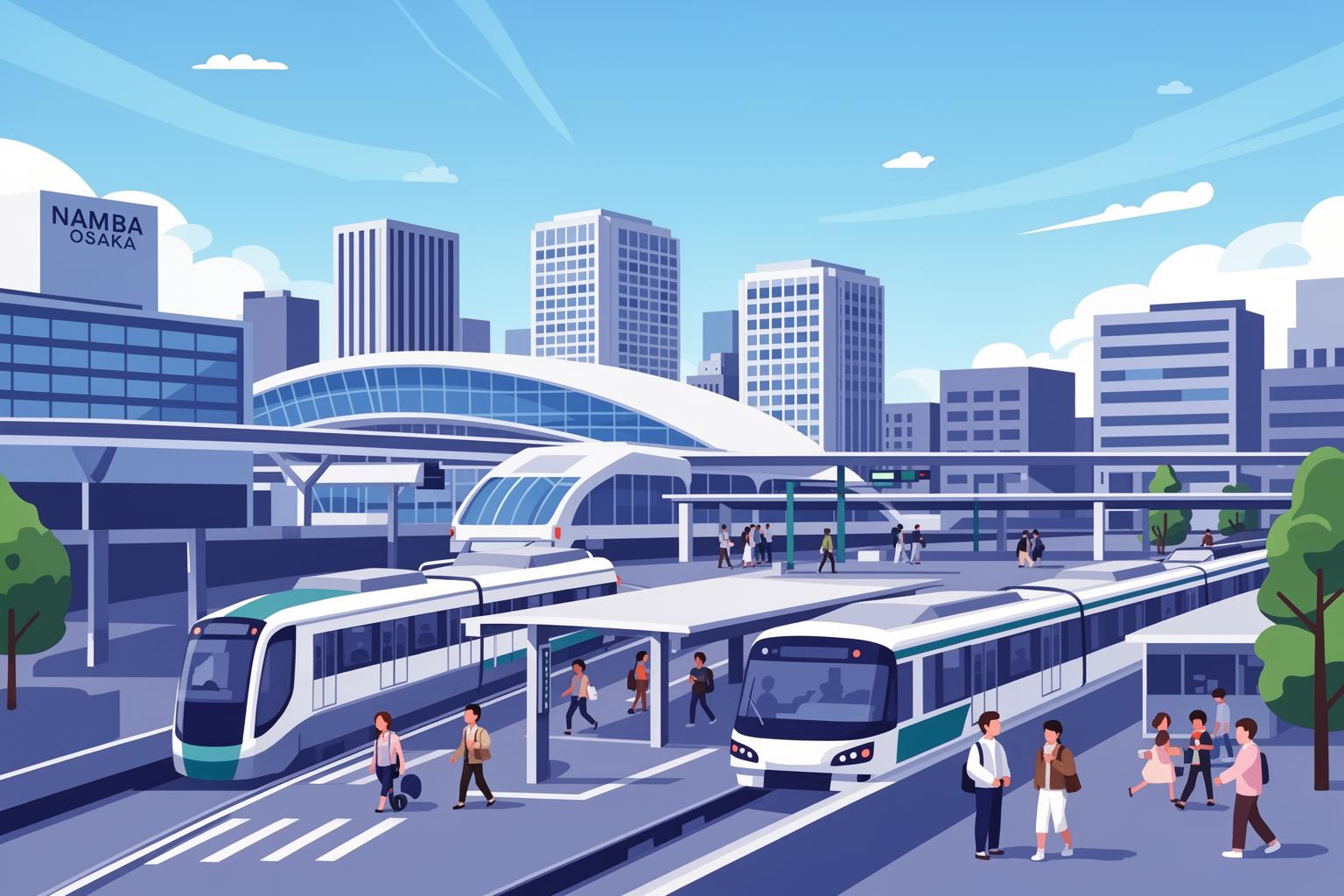
For a first-time visitor, Namba Station can feel overwhelming. It’s not a single station but rather an extensive, interconnected network of several stations operated by different railway companies, all sharing the same name. Understanding this complex hub is essential for navigating not only Namba but the entire Kansai region. The best way to think of it is as a collection of distinct terminals linked by a vast underground city filled with walkways and shopping malls.
The main components of the Namba transit system are:
Nankai Namba Station
This is often the initial entry point for international travelers, as its Rapi:t express train offers a direct, rapid connection to Kansai International Airport (KIX). It also serves as the gateway to southern Osaka and the sacred mountain of Koyasan. The station itself is a grand, historic structure connected to the Takashimaya department store.
Osaka Metro Namba Station
This station is the core of the city’s subway network. The most critical line is the Midosuji Line (red line), which acts as Osaka’s primary north-south route. It links Namba directly to Shinsaibashi, Honmachi, Umeda (for JR lines and the Kita district), and Shin-Osaka (for the Shinkansen bullet train). The Yotsubashi (blue) and Sennichimae (pink) lines also serve this station, providing access to other city areas.
Kintetsu-Nippon & Hanshin Osaka Namba Station
These two private railway lines share a station. The Kintetsu line is the main route to Nara, famous for its deer park and temples. The Hanshin line connects Namba directly with Kobe and is a popular route to the Kyocera Dome for baseball games and concerts.
JR Namba Station
This station is somewhat more isolated, located on the western edge of the complex and linked by the underground Namba Walk. Although less central, the JR Yamatoji Line is useful for reaching destinations like Nara and Tennoji.
To navigate this maze, the best tip is to follow the signs. The signage is excellent, color-coded, and features directions in English. Instead of simply searching for “Namba Station,” look for the specific line you need (e.g., Midosuji Line, Nankai Line). The underground shopping arcades, such as Namba Walk, are more than just retail areas; they serve as climate-controlled pedestrian corridors connecting the various stations. Give yourself extra time for transfers, especially on your first few visits. Don’t hesitate to ask station staff for assistance—they are accustomed to helping lost travelers. Mastering Namba Station is like obtaining a key to the city, unlocking the full potential of Osaka and its surrounding region.
The Philosophy of “Kuidaore”: An Eater’s Manifesto
We’ve touched on kuidaore, the concept of eating yourself into bankruptcy, but to truly understand Namba, you must see it as a way of life. It embodies a passionate, joyful, and utterly straightforward love of food. In Namba, eating goes beyond mere sustenance; it’s the main event, the ultimate form of entertainment. And the choices are endless.
The Art of Takoyaki
This is Osaka’s iconic street food. Small balls of savory batter filled with tender octopus, cooked in a special cast-iron pan. Watching a skilled vendor at work is mesmerizing. Using two small picks, they swiftly flip dozens of balls at once, creating a perfectly round, crispy exterior while keeping the inside molten and creamy. Typically, they are served drenched in a tangy brown sauce, Japanese mayonnaise, a sprinkle of green laver (aonori), and a flurry of dancing bonito flakes (katsuobushi). Eating them requires care; the interior is lava-hot. The right method is to poke a hole to release the steam before taking a bite.
Okonomiyaki: The Soul Pancake
Meaning “grilled as you like it,” okonomiyaki is Osaka’s soul food. It’s a savory pancake made from a flour and cabbage base, mixed with your choice of ingredients like pork belly, squid, shrimp, or cheese. In many Namba eateries, you can cook it yourself on a teppan (iron griddle) built into your table, making it a fun and social experience. Once cooked, it’s brushed with the same brown sauce as takoyaki and adorned with delicate lattice patterns of mayonnaise. It’s hearty, flavorful, and incredibly satisfying.
Kushikatsu: The Golden Rule
Kushikatsu, deep-fried skewers, are another Osaka staple closely tied to the nearby Shinsekai district but widely available in Namba. Almost anything can be skewered, coated in light panko breadcrumbs, and fried to golden perfection—from meats and seafood to vegetables like lotus root and shiitake mushrooms. They’re served with a communal pot of thin, savory dipping sauce. Here, the one and only golden rule applies: NO DOUBLE DIPPING. Dip your skewer once—and only once—at the start. If you need more sauce, use a slice of the complimentary raw cabbage to scoop some onto your plate. Breaking this rule is the ultimate faux pas.
Izakaya Hopping in Ura Namba
For an authentic local experience, explore the back alleys east of Nankai Station, an area known as Ura Namba, or “Back Namba.” This maze of narrow lanes is filled with tiny, atmospheric izakayas (Japanese pubs) and tachinomi (standing bars). The atmosphere here is lively and convivial. Squeeze into a cozy spot, order a highball or beer, and select from a menu of small plates (otsumami). This is where office workers unwind after a long day, sharing stories and laughter. It’s a fantastic way to experience Osaka’s nightlife like a true local.
Insider’s Namba: Secrets Beyond the Neon Glow
After experiencing the main attractions, Namba still has hidden delights to discover. For food enthusiasts who appreciate more than just eating, a visit to Doguyasuji is a must. Known as Osaka’s “Kitchenware Street,” this covered arcade is devoted entirely to culinary tools. Here, you’ll find shops offering professional-grade Japanese knives, a stunning variety of ceramic bowls and plates, noren curtains, paper lanterns, and, naturally, takoyaki pans and okonomiyaki spatulas. The most captivating shops specialize in shokuhin sampuru—the remarkably lifelike plastic food models displayed in restaurant windows. These are intricate works of art and serve as uniquely Japanese souvenirs.
Even amid the bustling district, moments of calm can be discovered. If the crowds feel overpowering, retreat to a traditional kissaten. These vintage coffee shops stand in contrast to modern cafes, featuring dark wood interiors, velvet seats, and a peaceful, reflective atmosphere where you can savor a carefully brewed siphon coffee. The charm lies in finding these hidden havens tucked away in basements or quiet side streets.
Namba’s atmosphere also changes with the seasons. In spring, cherry blossoms add a soft pink hue to the urban scenery, especially along the river. Summer brings vibrant festivals and the humid, lively energy of long evenings. Autumn offers crisp air perfect for strolls through the shopping arcades, while winter transforms the district with stunning illuminations, turning the neon-lit area into an even more enchanting display.
A Parting Thought on Osaka’s Vibrant Heart
Namba cannot be fully expressed through words or images. It is an experience to be felt, tasted, and heard. This neighborhood is full of delightful contradictions—a place where sacred, moss-covered statues stand mere meters away from giant animatronic crabs, where ancient puppet theater exists alongside stand-up comedy, and where tranquil terraced gardens overlook a maze of train stations. Exploring Namba is like exploring the very soul of Osaka: a city that is loud, slightly chaotic, fiercely proud, warmly welcoming, and always, always delicious. So, come with an empty stomach and an open mind. Wander its alleys, follow the aroma of something amazing grilling, strike up a conversation at a standing bar, and let Namba’s wild, wonderful, and inviting spirit craft a story that is uniquely yours.