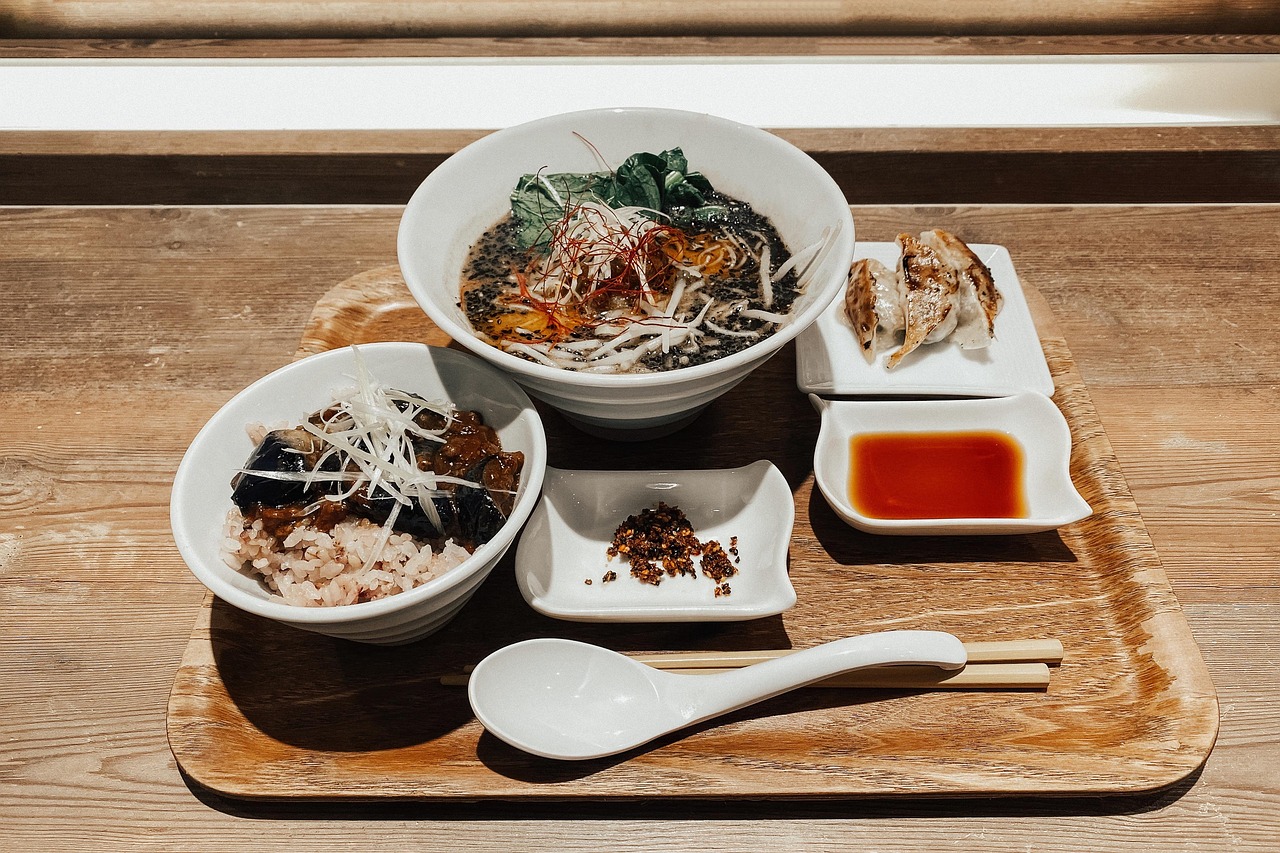
Osaka. The name itself crackles with an electric energy, a city whose soul is stirred into bubbling pots of takoyaki and pressed onto sizzling okonomiyaki grills. It’s Japan’s kitchen, a place where the mantra “kuidaore”—to eat oneself into ruin—is not a warning, but a cherished way of life. At the very center of this gastronomic universe beats the mighty heart of Namba. Step out of Namba Station, and you’re not just on a street; you’re on a stage. A torrent of humanity flows under a canopy of colossal neon signs, past the beckoning claws of giant mechanical crabs and the thunderous beats spilling from pachinko parlors. The air is thick with the savory smoke of a thousand kitchens, a symphony of sounds, sights, and smells that can be both exhilarating and wonderfully overwhelming. For any food lover, this is paradise. But for the vegan traveler, it can also present a formidable challenge. The quest for ramen, that quintessential Japanese comfort food, often feels like a journey to an impossible destination. Traditional ramen is a rich tapestry woven from threads of pork bone broth simmered for days, slices of tender chashu pork, and a perfectly soft-boiled egg nestled on top. It is, by its very nature, a celebration of animal products. The search for a truly satisfying, deeply flavorful bowl of vegan ramen in the heart of Osaka can feel like searching for a quiet temple in the middle of a rock concert. But I am here to tell you, with the warmth of a perfectly crafted vegetable broth in my belly, that the search is not only possible—it is profoundly rewarding. Namba, in all its chaotic glory, holds secrets for those willing to look. Tucked away in its vibrant arteries and quiet capillary-like side streets are culinary alchemists who have reimagined this iconic dish. They have swapped pork for kombu, chicken for shiitake, and have crafted bowls of noodle soup so rich, so complex, and so utterly soul-satisfying that they stand proudly alongside their traditional counterparts. This is not about imitation; it is about innovation. This is a guide to that quest. It’s a journey into the pulsing core of Namba to uncover the steaming, savory bowls of vegan ramen that await you, proving that in Japan’s kitchen, there is truly a seat at the table for everyone.
After discovering these incredible vegan ramen spots, be sure to explore the historic charm of Hozenji Yokocho, a preserved alleyway that offers a peaceful escape from Namba’s bustling streets.
The Soul of the Broth: Decoding Vegan Ramen in Japan
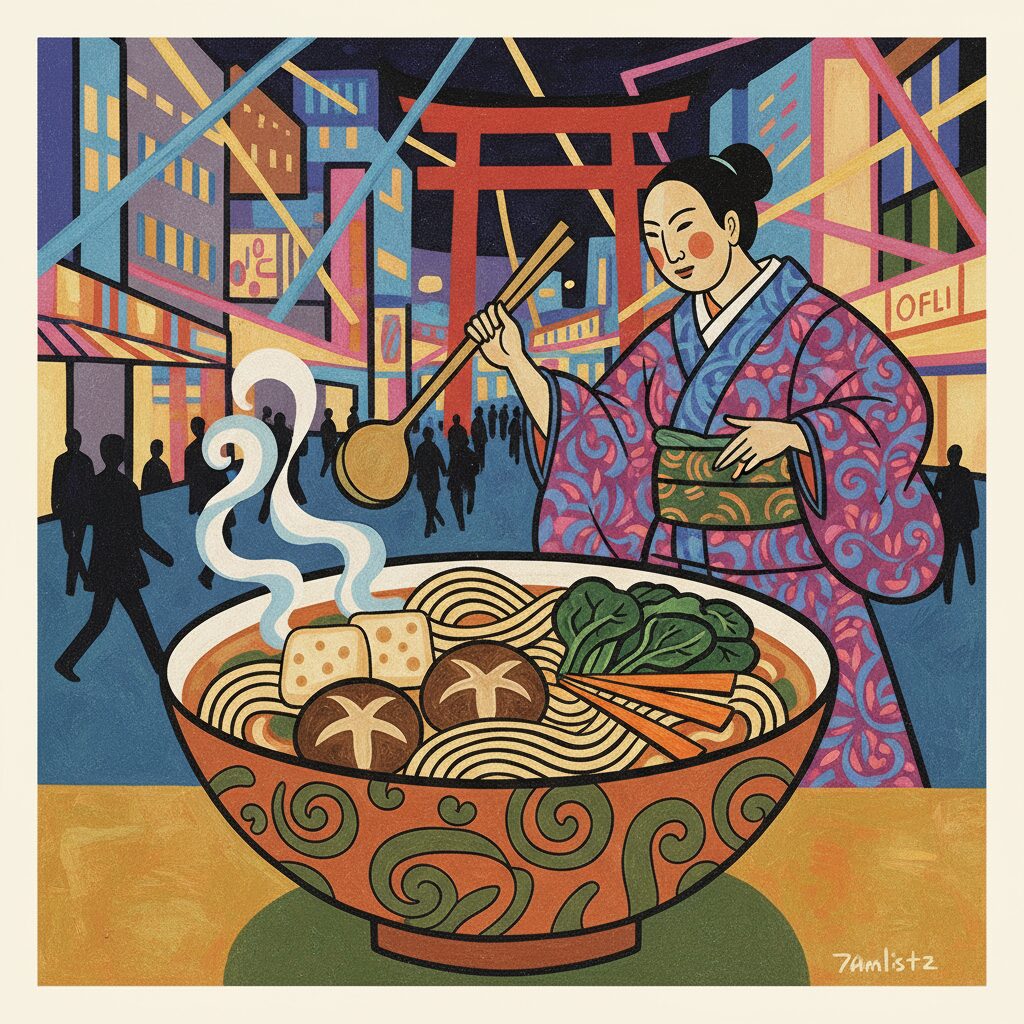
To truly savor the wonder of a great bowl of vegan ramen, one must first grasp the essence of all ramen: the broth. In Japan, the broth, often referred to as ‘soup,’ is far more than just a liquid base; it is the heart of the dish, a complex and delicate foundation supporting every other component. It is where the chef’s philosophy, skill, and soul shine most brightly. For generations, this craftsmanship has been deeply intertwined with animal products, featuring iconic styles like the creamy, opaque ‘tonkotsu’ made from pork bones, the lighter ‘shio’ often derived from chicken and seafood, and the savory ‘shoyu,’ which also traditionally includes animal-based dashi. The challenge for a vegan ramen chef is not merely to omit these ingredients but to create an entirely new realm of flavor from scratch—one that offers the same depth, richness, and ‘umami’—the prized fifth taste of savory delight—that makes traditional ramen so irresistible. This is the starting point for the craft of plant-based alchemy, transforming simple vegetables, seaweed, and fungi into liquid gold.
Beyond Tonkotsu: The Art of Plant-Based Dashi
Dashi, the fundamental Japanese soup stock, is the secret weapon in this plant-based transformation. While traditional dashi often relies on bonito flakes (dried fish), the vegan variation taps into a rich natural pantry. The undisputed champion is kombu, a type of dried kelp harvested from the cold, nutrient-rich waters around Hokkaido. When gently steeped in water at a precise temperature, kombu releases a surge of glutamic acid, the natural compound behind umami. It creates a subtle, oceanic, deeply savory base that is both clean and intricate, serving as a canvas for additional flavors. Alongside kombu, dried shiitake mushrooms provide another powerful umami source. When rehydrated, these mushrooms impart a darker, earthier, and almost smoky richness to the broth, mimicking the depth of meat-based stocks. The pairing of kombu and shiitake forms a classic foundation in ‘shojin ryori,’ traditional Japanese vegetarian Buddhist cuisine, and its use in ramen is a stroke of genius. Contemporary vegan ramen chefs don’t stop there—they become master flavor artists, layering aromas and tastes with a broad spectrum of vegetables. Charred onions and leeks add a sweet, caramelized intensity. Carrots and daikon radish contribute a gentle, underlying sweetness and body. Garlic and ginger offer a pungent, aromatic spark that awakens the palate. Occasionally, roasted tomatoes are included to introduce another layer of glutamic acid and bright acidity. These ingredients simmer for hours, their distinct essences coaxed out and harmonized in the pot. The result is a broth that can be as light and clear as a consommé or as rich and opaque as traditional tonkotsu, all without any animal products. Some chefs explore nuts and seeds, crafting creamy, opaque broths from ground sesame paste, soy milk, or cashew cream, lending their ramen a luxurious texture that rivals the richest pork-based soups.
Noodles, Toppings, and the Perfect Bowl
While the broth is the soul, the noodles are the heart of ramen. The noodle’s texture is crucial, requiring the right ‘koshi’—a term describing a pleasing firmness and chew. Vegan ramen chefs devote equal care to their noodles, typically made from wheat flour, water, salt, and ‘kansui,’ an alkaline solution that gives noodles their characteristic springiness and yellow color. From the thin, straight noodles of Hakata-style ramen ideal for slurping to the thick, wavy ‘chijiremen’ that cling beautifully to rich miso broths, the variety is vast. The chef’s choice is deliberate, crafted to perfectly complement the specific weight and flavor profile of the broth. Then come the toppings—the final flourish that turns a bowl of soup into a complete, multi-sensory experience. Here, vegan chefs display boundless creativity. Instead of ‘chashu’ pork, one might find slices of tender, marinated seitan, crumbled soy meat seasoned with savory spices, or meaty, grilled king oyster mushrooms. The soft-boiled egg is replaced by creamy avocado, sweet corn, or a dollop of rich, nutty paste. Menma, or fermented bamboo shoots, provide delightful crunch and tanginess. Crisp bean sprouts, vibrant bok choy, finely chopped scallions, and sheets of savory nori seaweed add layers of freshness and complexity. A final drizzle of aromatic oil—perhaps fiery chili oil, fragrant black garlic oil, or nutty sesame oil—binds everything together, adding a final dimension of flavor and a beautiful sheen to the broth’s surface. The construction of the bowl is an art form itself, each element placed with intention to create a visually stunning and perfectly balanced culinary masterpiece.
A Walk Through Namba’s Neon Alleys: Our First Stop
The journey begins the moment you step into the vast, multi-layered realm of Namba Station. It’s less a single station and more a hub, a meeting point for multiple train lines—Nankai, JR, and the Osaka Metro Midosuji, Yotsubashi, and Sennichimae lines. Your choice of exit shapes your entrance into Namba’s grand stage. Emerge near the Swissôtel, and you’re welcomed by a somewhat more subdued yet still lively commercial district. But if you descend into the Namba Walk underground shopping arcade or pop out near the Takashimaya department store, you are instantly swept into the main flow. Our first destination demands some navigation, a conscious turn away from the widest, noisiest streets. We seek a sanctuary, a place where ramen is made with quiet care, sharply contrasting the joyful chaos just steps away. This is a vital part of the Namba experience: learning to read its rhythms and finding calm within the storm.
Navigating the Labyrinth: From Station to Sanctuary
Imagine starting from the Midosuji Line exit, which spills you onto the grand Midosuji boulevard. The air buzzes with traffic noise and the murmur of countless conversations. Instead of heading north toward the dazzling lights of Shinsaibashi, we turn south and then east, weaving into the grid of smaller streets forming the Sennichimae district. Here, the buildings shrink in scale. Massive department stores give way to three- and four-story buildings housing everything from tiny, specialized electronics shops to enigmatic windowless bars. The crowd thins just enough for you to catch your breath. You pass traditional knife shops where artisans polish gleaming blades, and the sweet aroma of roasted tea might drift from a small storefront. This is where the treasures lie. Our first ramen shop is hypothetical, a blend of the best small, independent places found here. It boasts no huge sign or flashy lights. Its presence is marked by a simple navy blue ‘noren’ curtain over a sliding wooden door, with the word ‘ramen’ (らーめん) written in elegant white calligraphy. A modest lit lantern next to the door serves as a quiet beacon in the urban dusk. The only other hint is the faint, savory aroma that drifts out each time a patron enters or leaves—a tantalizing promise of what awaits inside.
The Ramen Shop Experience: A Symphony of Senses
Parting the noren is like stepping into another realm. The roar of Namba fades, replaced by a warm, intimate murmur. The space is small, maybe ten or twelve seats arranged along a single L-shaped wooden counter. The air is filled with the gentle hiss of simmering pots and the rhythmic clatter of the chef’s tools. Behind the counter stands the master, a figure of focused intensity, moving with an economy of motion honed by years, even decades, of practice. You are greeted with a hearty “Irasshaimase!” (Welcome!), a chorus from the chef and possibly a lone assistant. The first challenge many visitors face arrives immediately: the ticket machine. Common in many ramen shops, it’s a tall, brightly lit vending machine just inside the entrance. Buttons are covered in Japanese characters, often accompanied by small, sometimes faded photos of dishes. A little preparation helps here. Look for the magic words: ヴィーガン (vi-gan) or 菜食 (saishoku – vegetarian). Many shops catering to international visitors include English labels, but don’t rely on it. If uncertain, it’s perfectly fine to catch the staff’s attention and politely ask, “Vegan ramen, arimasu ka?” (Do you have vegan ramen?). Once you find the right button, insert your cash, make your choice, and the machine dispenses a small ticket. Take a seat at the counter and hand your ticket to the chef. This system is brilliantly efficient, letting the chef focus entirely on the food. Sitting here is a theatrical experience. You have a front-row view of the performance. Watch as the chef expertly shakes boiling water from a basket of freshly cooked noodles, steam briefly enveloping him. See him carefully ladle rich, opaque broth into a pre-warmed bowl, then meticulously arrange each topping with jeweler-like precision. The focus is absolute, a moving meditation dedicated to crafting your perfect bowl.
The Bowl of Dreams: A Creamy Sesame Miso Revelation
Then, it arrives. The bowl is gently placed before you on the counter. The first thing is the aroma—a complex, intoxicating blend of toasted sesame, savory miso, and a hint of ginger. The broth is a beautiful, creamy beige, almost bisque-like, a tribute to the emulsified soy milk and ground sesame paste forming its base. It’s not just soup; it’s a canvas. Atop this creamy canvas lies a vibrant landscape of toppings. Bright green, lightly blanched bok choy rests on one side, its leaves still crisp. Next to it, a generous heap of seasoned soy mince, pan-fried to perfect crumble, offers a savory, textural contrast. A fan of golden, sweet corn kernels adds color and bursts of sweetness. Thinly sliced scallions scatter across the top like green confetti, while a few strands of vibrant red chili offer a visual hint of gentle heat. At the center, a sheet of dark nori stands tall, and a swirl of black garlic oil, or ‘mayu,’ creates a striking black-on-beige pattern on the broth’s surface. You pick up your spoon first, as custom dictates, to taste the broth. The first sip is a revelation. Rich and creamy, it coats your tongue with a velvety texture. The flavor is immense—a deep, nutty sesame taste, complex fermented miso saltiness, and a foundational umami that hums with satisfying depth. Warm, comforting, and profoundly savory. Then, you lift the noodles with your chopsticks. Thick and wavy, they draw up a generous amount of the glorious broth. The first bite is a symphony of textures: the firm, chewy noodles; the soup’s creamy embrace; the slight crunch of bok choy; the savory crumble of soy mince. Every mouthful reveals something new. The sweetness of corn pops against the savory miso. The pungent black garlic oil adds smoky sophistication. It’s a bowl that engages all your senses. You slurp—not just out of politeness, but because it’s the natural, instinctive way to savor this masterpiece, aerating noodles and broth to experience their full flavor spectrum. In this small, quiet shop, surrounded by warm steam and the chef’s focused energy, you’ve found not just a meal, but a moment of pure, unfiltered bliss—a vegan treasure in the heart of Namba.
Dotonbori’s Dazzle and a Spicy Discovery
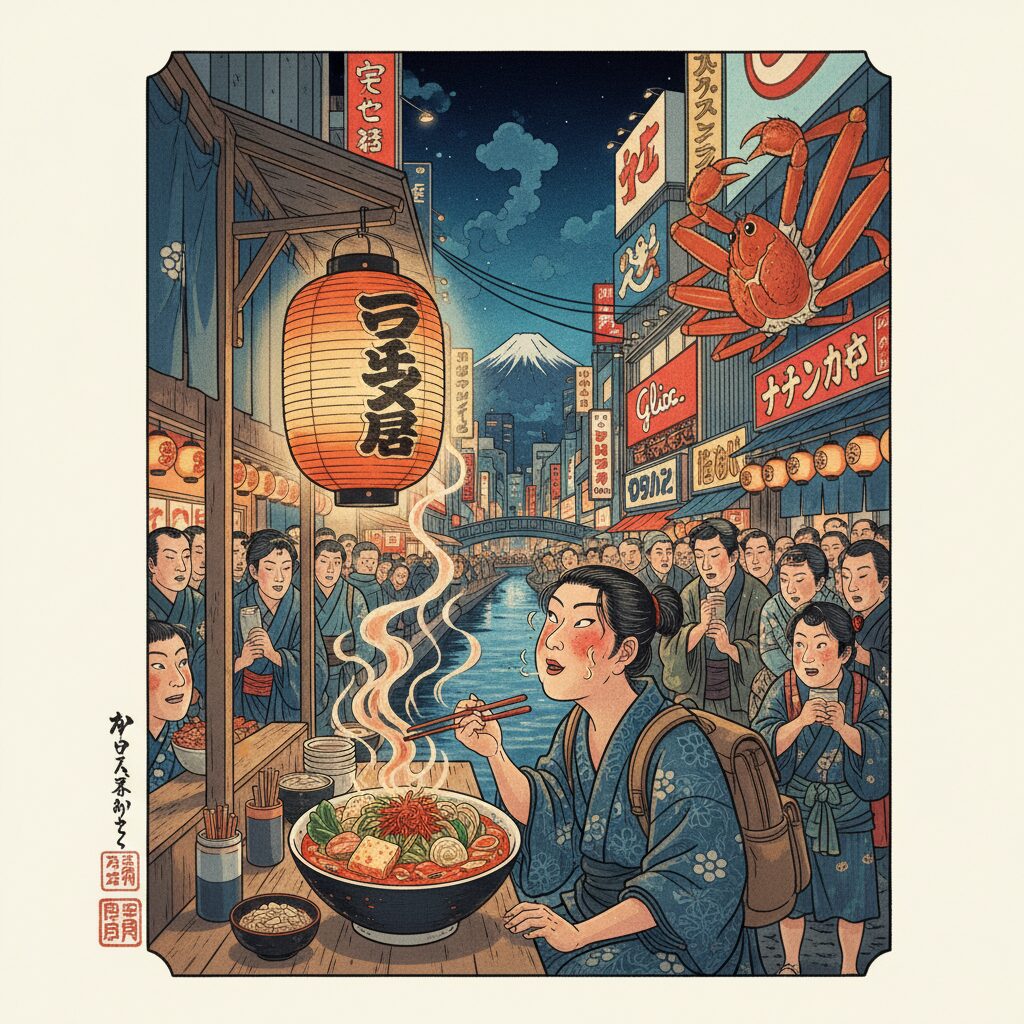
No trip to Namba is truly complete without giving in to the spectacular sensory overload of Dotonbori. After the calm, focused experience of our first ramen stop, it’s time to dive into the vibrant chaos. As dusk falls over Osaka, Dotonbori comes alive, transforming from a bustling commercial street into a dazzling river of light and sound. The famous canal serves as a mirror, reflecting a kaleidoscope of gigantic neon signs. The iconic Glico Running Man perpetually sprints across his blue track, the Asahi beer sign glows with golden allure, and enormous animatronic sea creatures cling to restaurant facades. This is the Japan of futuristic dreams, a place brimming with energy and spectacle. It forms the perfect setting for our next ramen adventure, one that embodies the area’s fiery and bold character. We’re on the hunt for a bowl with a kick—a spicy ramen that will warm us from within and fuel an evening of exploration.
Fueling Up Before the Lights
The ramen shops around Dotonbori are a different beast than the quiet, tucked-away sanctuaries. They are designed for volume and energy, often featuring brighter lights, louder music, and a faster rhythm. Finding a vegan option here might seem even more challenging amid the endless promotions for tonkotsu ramen and grilled crab legs. Yet, a new generation of ramen chefs, aware of the diverse tastes of locals and international visitors alike, has started opening spots here, offering bold, modern interpretations of classic dishes. Our destination is a venue that feels vibrant and contemporary—perhaps boasting a sleek, modern interior with polished concrete floors and pop art adorning the walls. The atmosphere buzzes with excited chatter from friends and travelers gearing up for a night out. While the ordering may still involve a ticket machine by the door, the energy feels palpably different. It’s less meditative and more celebratory. This is the kind of place you visit with friends, where ramen is not just nourishment but the official start to an unforgettable Osaka evening.
The Fiery Embrace: Tantanmen Transformed
Tonight, we’re in pursuit of a vegan ‘Tantanmen.’ Originally a Sichuan Chinese noodle dish, Tantanmen was adapted by the Japanese to become a beloved ramen variety, renowned for its spicy and nutty flavor profile. The traditional version features a broth seasoned with chili oil and sesame paste, topped with seasoned ground pork. The vegan version is a triumph of flavor engineering, recreating that signature richness and heat using only plant-based ingredients. The bowl that arrives is a masterpiece, a study in reds and oranges. The broth is a fiery, opaque crimson, shimmering under the restaurant lights with a generous layer of chili oil. Its aroma is instantly captivating—a powerful blend of nutty sesame, the citrusy tingle of Sichuan peppercorns, and the deep, smoky heat of dried chilies. Instead of ground pork, a savory and spicy crumble made from seasoned tofu or textured vegetable protein, stir-fried with chili bean paste (‘doubanjiang’) and sweet miso, tops the bowl. The other toppings are designed to complement and balance the heat: a mound of fresh, crunchy bean sprouts, a handful of vibrant green spinach, and a sprinkle of chopped cashews or peanuts adding an extra layer of nutty crunch. Your first sip of broth is an explosion of flavor. Creamy from the sesame paste, but that creaminess is swiftly cut through by waves of complex, multi-layered heat. It’s not a simple burning spiciness; it’s a fragrant heat from the chili oil combined with the signature ‘mala’—the numbing, tingling sensation from the Sichuan peppercorns that dances on your lips and tongue. The noodles, often slightly thinner in this style, are the perfect vehicle for the intensely flavorful broth. Each slurp offers the addictive combination of spicy, nutty, and savory notes. The soy crumble delivers a satisfyingly “meaty” texture, while fresh vegetables provide a cooling, crisp contrast to the soup’s richness. This is no subtle bowl of ramen. It’s bold, loud, and unapologetic—much like Dotonbori itself. It’s a dish that awakens your senses, excites your palate, and leaves you invigorated and ready to dive headfirst into the electric night.
After the Meal: A Stroll Along the Canal
With the pleasant warmth of the Tantanmen radiating through you, you’re perfectly primed to experience Dotonbori. Stepping out of the ramen shop back into the neon-soaked streets feels like stepping into a dream. Join the crowds on the Ebisubashi Bridge, the unofficial main stage of the area. It’s the prime spot to take in the full panorama of lights and snap a photo with the iconic Glico man. As you stroll along the canal-side promenade, known as the Dotonbori Riverwalk, the symphony of smells from street food vendors is intoxicating. Although most offerings won’t be vegan, they are an essential part of the atmosphere—the sweet scent of grilled mochi, the savory aroma of sizzling gyoza, the buttery fragrance of fresh-baked melonpan. The energy is contagious. Street performers might be juggling or playing music, while boats filled with tourists cruise down the canal, passengers waving to the crowds on the bridges. It’s a place to see and be seen, a vibrant, living postcard from the heart of Osaka. The spicy ramen in your belly acts as a perfect internal furnace, keeping you warm against the cool night air as you lose yourself in the dazzling, unforgettable spectacle of Dotonbori at its peak.
The Hidden Gem: A Quiet Moment in Hozenji Yokocho
Just a stone’s throw from the relentless blaze of Dotonbori lies a completely different realm—a secret whispered in the shadows cast by Namba’s towering skyscrapers. This is Hozenji Yokocho, a narrow, stone-paved alley that feels like a gateway to a bygone age. To find it, you slip away from the main streets, passing a pachinko parlor or a modern café, and suddenly, the 21st century fades into the background. The alley is just wide enough for two people to walk side by side comfortably. The ground is laid with uneven stone slabs, worn smooth by countless footsteps over the years. Traditional, two-story wooden buildings line the path, their dark timber facades radiating history and quiet dignity. Paper lanterns hang from the eaves, casting a soft, warm, and almost magical glow over the lane. The atmosphere here is distinct as well. The city’s cacophony is softened, replaced by the gentle murmur of conversation behind the sliding doors of the small restaurants and izakayas that call this alley home. Here, we seek our final bowl of vegan ramen—one that mirrors the ambiance around it: elegant, refined, and deeply soulful.
Stepping Back in Time
At the heart of the alley stands Hozenji Temple, a small but cherished place of worship. Its main attraction is a statue of Fudo Myo-o, one of Buddhism’s fierce guardian deities. Over time, worshippers have poured water over the statue as they offered their prayers, resulting in the entire figure being covered in a thick, verdant layer of moss. It’s a beautiful, tranquil sight, especially in the evening, when temple lanterns illuminate the glistening green deity. This sense of peace and reverence permeates the entire alley. The restaurants here are far from the fast-paced, high-volume venues of Dotonbori. They are small, often family-run, and specialize in traditional Japanese cuisine like kappo ryori, kushikatsu, and, if you know where to look, a more refined style of ramen. Our destination is a small, intimate ramen bar that values subtlety over spectacle. The noren curtain may be linen, and the sign carved from a single piece of wood. It’s a place that invites a slower rhythm—moments of quiet reflection before the meal.
A Clear Broth, A Clear Mind: The Elegance of Shio Ramen
Here, the ramen we find is a vegan ‘Shio’ ramen. Shio, meaning salt, is among the oldest and most fundamental ramen seasonings. A great shio ramen focuses on clarity, purity, and balance. The broth is not meant to overwhelm but to serve as a delicate, clean, and savory foundation for the noodles and toppings. Crafting a vegan shio broth requires exceptional skill. It starts with a carefully prepared kombu and shiitake dashi, lighter and clearer than broths we’ve sampled before. The emphasis is on extracting the purest umami without any cloudiness. The chef might include a medley of subtle, aromatic vegetables—white onion, celery, perhaps a touch of yuzu peel for a hint of bright citrus. The seasoning, or ‘tare,’ is a carefully guarded mix of sea salts, possibly sourced from various regions of Japan, each contributing a unique mineral character. The resulting bowl is minimalist beauty incarnate. The broth is nearly transparent, a pale, shimmering gold. It appears simple, but the aroma tells a richer story—clean, lightly oceanic, and deeply inviting. The noodles are thin and straight, floating gracefully in the clear soup. Toppings are chosen for their freshness and elegance: a few stalks of bright green mizuna, a peppery Japanese green; delicately sliced pale pink myoga (Japanese ginger), adding a zesty note; perhaps several perfectly grilled cherry tomatoes, their skins slightly blistered, bursting with sweet concentrated flavor. A few slices of tender, marinated tofu or delicate, house-made vegetable wontons might also rest atop the bowl. There is no chili oil, nor thick sesame paste. The only fat may be a single, glossy drop of high-quality leek-infused oil. The first taste of the broth is a moment of clarity. Light on the palate yet astonishingly deep in flavor, it reveals the clean umami of kombu, the subtle earthiness of mushrooms, and the complex minerality of the salt tare. It’s a broth that refreshes the palate and soothes the soul. The thin noodles are the perfect complement, offering a delicate chew without overwhelming the subtle soup. The fresh, crisp toppings provide bright, clean contrasts to the savory broth. Eating this ramen is a calm, meditative experience—a dish that invites you to pay attention, savor each distinct flavor, and appreciate the craft and restraint behind its creation. It’s the perfect culinary expression of Hozenji Yokocho itself—a quiet, beautiful, and profound experience tucked away within the vibrant chaos of Namba.
Practical Pilgrim’s Guide to Namba’s Vegan Ramen Scene
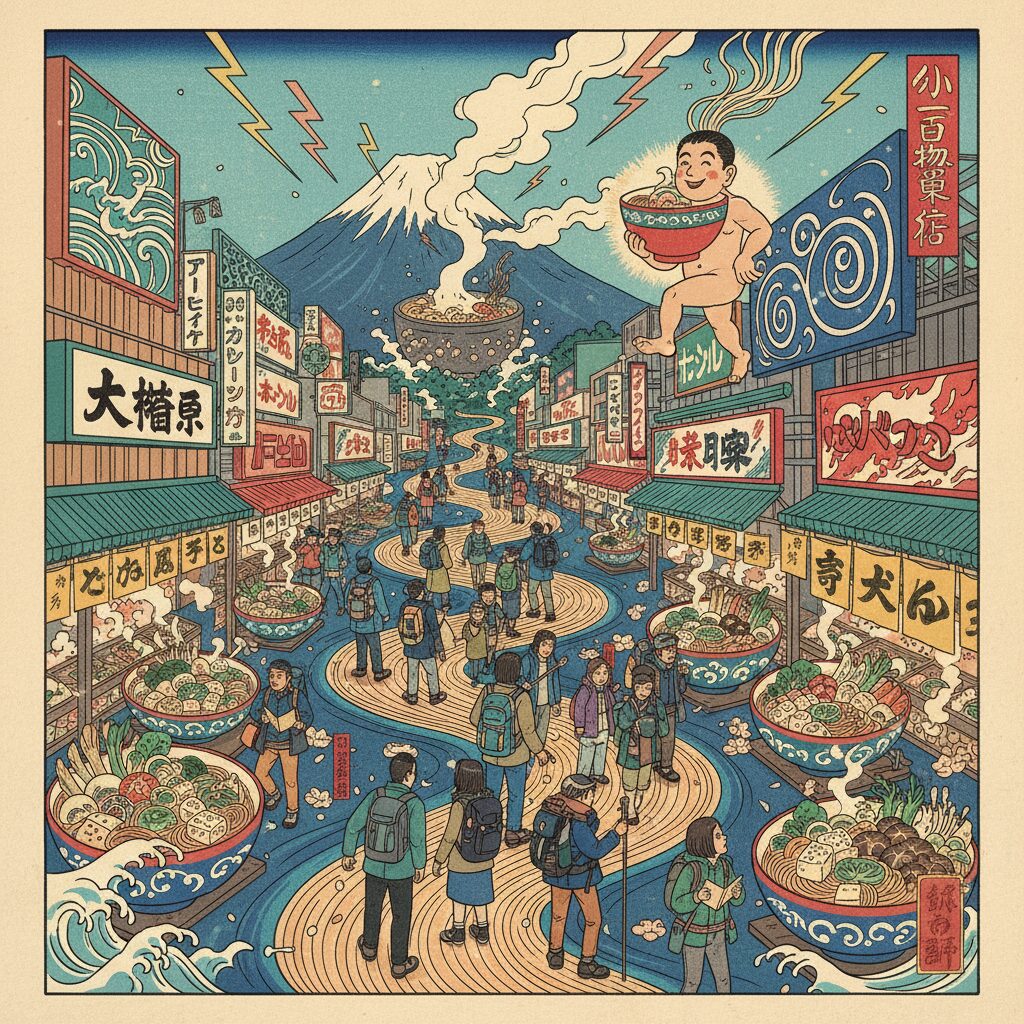
Setting out on a vegan ramen quest in Namba is an exciting adventure, and like any good adventure, a bit of preparation can make all the difference. Beyond simply locating the right shops, understanding local customs and systems will turn your experience from potentially confusing into smoothly enjoyable. Knowing how to navigate the ordering process, learning a few key phrases, and timing your visits wisely will help you dine like a local and focus on what truly matters: the delicious bowl of noodles before you.
Mastering the Vending Machine
The ramen ticket machine, or ‘kenbaiki,’ may seem intimidating at first, but it’s an incredibly efficient system once you get used to it. Here’s a closer look: first, take a moment to observe. Don’t rush, even if there’s a line behind you. Most people move quickly but understand if a visitor needs time. The machine is covered with buttons, each representing a menu item. Look for photos—they are your best guide. Check for English translations or, as mentioned, the key characters for ‘vegan’ (ヴィーガン). In shops known for their vegan options, this button might be larger or set apart. Have your cash ready. Most machines accept 1,000, 2,000, 5,000, and 10,000 yen bills, as well as coins. Insert your money first; the buttons for items you can afford will light up. Then press the button for your chosen vegan ramen. If you want extras, like a side of rice or additional noodles (‘kaedama’), press those buttons too. The machine will dispense your tickets and change. If you make a mistake, there is usually a ‘cancel’ button (取消). Collect your tickets and change, then find a seat. If the shop is full, wait in the designated line (usually along the wall inside or just outside the door) until a seat is available. Staff will often take your tickets while you wait, so your order is prepared by the time you sit down. Embrace the machine; it’s your gateway to ramen bliss.
Language and Etiquette: Speaking the Ramen Lingo
While gestures can get you by, knowing a few simple phrases can enrich your experience. We’ve covered “Vegan ramen, arimasu ka?” (Do you have vegan ramen?). Another useful phrase is pointing to an item and asking, “Kore wa beegan desu ka?” (Is this vegan?). When your ramen arrives, it’s polite to say “Itadakimasu” before eating—it’s a way to show gratitude for the meal. The best-known piece of ramen etiquette is, of course, slurping. Rather than being rude, slurping is considered the correct way to eat ramen. It serves two purposes: it cools the hot noodles as you eat, and it aerates the noodles and broth, which many believe enhances the flavor. So, don’t be shy—slurp confidently! Use chopsticks to guide the noodles to your mouth and the spoon for broth and smaller toppings. It’s perfectly acceptable to lift the bowl and drink the remaining broth directly—it’s seen as a high compliment to the chef. When finished, it’s customary to say “Gochisousama deshita” (Thank you for the meal). This expresses thanks to everyone involved, from the chef to the farmers. Most small ramen shops are cash-only, and payment is made upfront via the machine. There is no tipping in Japan. Simply finish your meal, give a polite nod or thank you to the chef, and move on. These shops rely on quick turnover, so lingering for long conversations is generally discouraged, especially if others are waiting.
Timing is Everything: Beating the Crowds
Namba is one of the busiest districts in a city of millions, and ramen is one of its most popular foods. This means popular ramen shops can have long lines, particularly during peak hours. The main lunch rush usually runs from 12:00 PM to 1:30 PM, and dinner rush from 6:00 PM to 8:00 PM. For a more relaxed experience with minimal waiting, plan your ramen meals during off-hours. An early lunch around 11:30 AM or a later one after 2:00 PM can make a big difference. Similarly, an early dinner at 5:30 PM or a later one after 8:30 PM often sees shorter lines. Some ramen shops stay open very late, making them ideal for a post-night-out stop. Visiting on a weekday instead of a weekend also typically means fewer crowds. By being strategic with your timing, you can turn a potentially long wait into a quick and satisfying meal, leaving more time to explore the endless delights of Namba.
A Final Slurp and a Fond Farewell
Our journey through the electric heart of Namba concludes, not with a feeling of loss, but with a deep sense of fulfillment. We have wandered the neon-lit canyons of Dotonbori and the lantern-adorned alleys of a bygone era. We have explored the bustling underground arcades and savored quiet moments of culinary Zen. Most importantly, we have learned that Osaka’s famed spirit of ‘kuidaore’ welcomes everyone seeking flavor, including the vegan traveler. The world of ramen, once seemingly inaccessible, has opened its doors, unveiling a universe of plant-based creativity as vibrant and diverse as Namba itself. From the rich, creamy sesame miso that offers a warm embrace, to the fiery, bold tantanmen that excites the senses, to the elegant, pure shio that soothes the soul, vegan ramen in Namba is not a compromise. It is a destination in its own right, a tribute to chefs who honor tradition while forging new paths. So, arrive in Namba with an empty stomach and an open heart. Let the city’s energy guide your steps. Don’t hesitate to slip into a small alley, lift an unfamiliar noren curtain, or navigate a vending machine covered in characters you can’t read. The reward for your curiosity is more than just a meal—it’s a connection to a culture of culinary passion, a taste of Osaka’s vibrant, ever-changing spirit, and a steaming, perfect bowl of ramen you’ll remember long after leaving Japan’s kitchen.