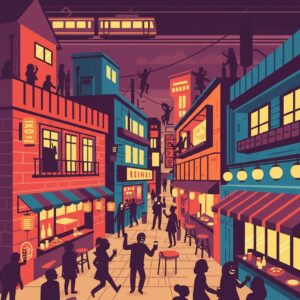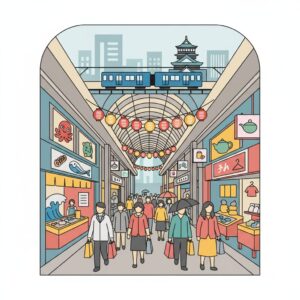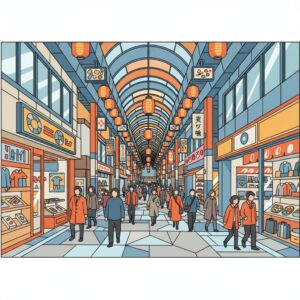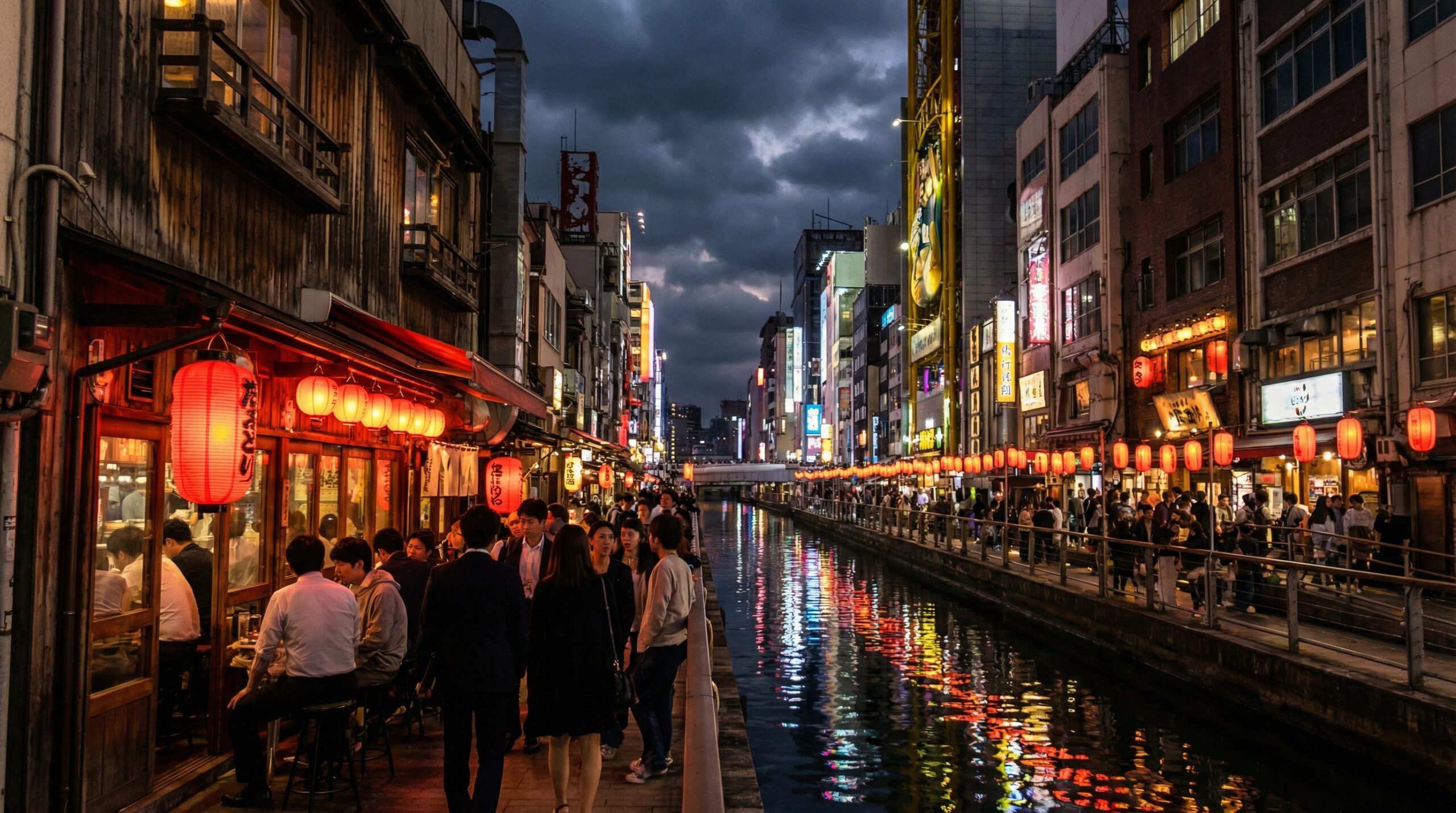
Welcome, fellow traveler, to the electric, beating heart of Osaka. We’re talking about Dotonbori, a place that isn’t just a location on a map but a full-blown sensory experience. It’s a dazzling canal-side promenade where colossal neon signs paint the water in shimmering hues of blue, red, and gold, and the air hangs heavy with the irresistible aroma of grilled octopus and savory pancakes. For anyone living in or visiting Osaka, Dotonbori is more than a tourist destination; it’s the epicenter of the city’s famed kuidaore culture, a wonderfully untranslatable concept that essentially means ‘to eat oneself into ruin.’ But beneath the brilliant lights and the playful giant crab advertisements lies something even more enticing: a vibrant, welcoming social scene, a place where the barrier between tourist and local dissolves over a shared plate of takoyaki or a clinking of glasses in a cozy izakaya. This isn’t just about finding the best food—it’s about finding a connection, sharing a laugh, and tapping into the genuine, unpretentious spirit of Osaka. Prepare to dive into a world where every meal is a party and every stranger is a potential friend.
To truly understand the spirit of this place, consider reading about the people working behind Dotonbori’s iconic food stalls.
The Electric Heartbeat: Decoding the Dotonbori Atmosphere
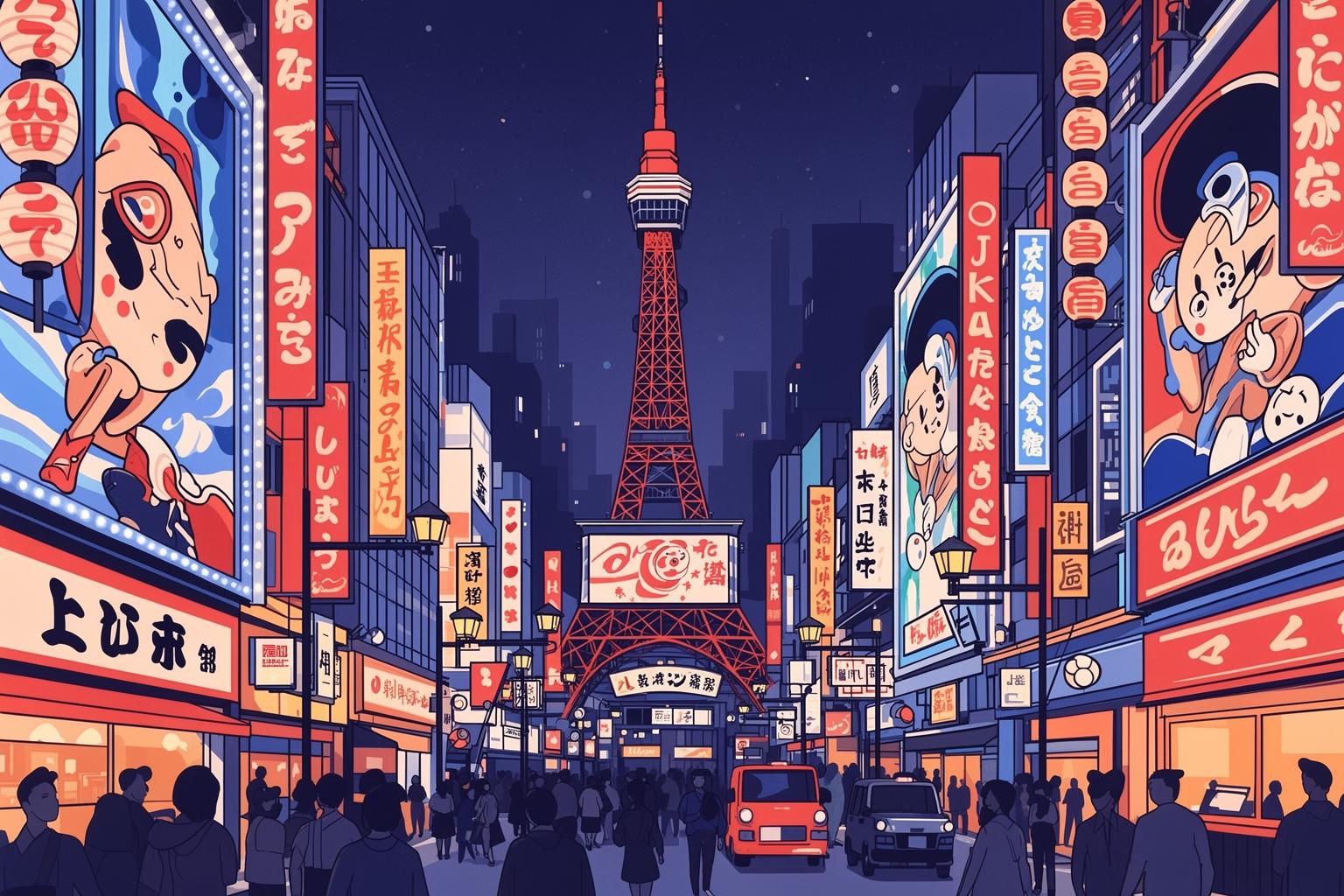
Before you can truly connect with the people, you first need to grasp the essence of the place itself. Entering Dotonbori for the first time feels like stepping onto a film set crafted by a brilliant, slightly eccentric artist. The energy is tangible, a pulsating rhythm that flows through the bustling streets and mirrors off the dark, calm waters of the Dotonbori canal. It’s a beautiful chaos—a choreographed dance of locals heading home from work, tourists with cameras raised, and chefs calling out welcomes from their steaming food stalls.
A Symphony of Sights and Sounds
The most iconic feature, naturally, is the skyline of signs. The Glico Running Man, a symbol of Osaka since 1935, eternally sprints across his blue track, a beacon of athletic optimism. A gigantic mechanical crab from the Kani Doraku restaurant waves its claws in a hypnotic rhythm. A massive pufferfish lantern glows ominously, and a huge model of a hand clutching a piece of sushi invites you to dine. These aren’t merely advertisements; they are landmarks, characters in Dotonbori’s grand theatrical stage. The soundscape is equally rich. There’s the sizzle of batter hitting a hot griddle, the rhythmic chop of cabbage for okonomiyaki, the cheerful shouts of irasshaimase (welcome!) from every storefront, and the constant, overlapping chatter of a dozen languages mingling with the warm, expressive Kansai dialect spoken by locals. It’s an urban symphony, and being there means becoming part of the performance.
The Energy of the Crowd
The crowds in Dotonbori aren’t the stressful, jostling type found in other major cities. There’s a shared purpose here: everyone is on a quest for delicious food and a good time. This fosters a surprisingly communal atmosphere. People are generally relaxed, patient, and happy to be present. You’ll see families, couples on dates, groups of friends, and solo travelers all mingling on the Ebisubashi Bridge, taking photos with the Glico Man in the background. This shared joy is the foundation of Dotonbori’s social fabric. It’s a place designed for enjoyment, and that collective mood makes it incredibly easy to feel at ease, to lower your guard, and to open yourself to the possibility of spontaneous human connection.
The Izakaya Experience: Your Gateway to Local Life
While the street food stalls provide quick, enjoyable exchanges, the true spirit of Osaka’s social life thrives within the countless izakayas scattered throughout the city. Although often translated as “Japanese pubs,” izakayas are much more than that. They serve as living rooms, community hubs, and culinary sanctuaries all at once. These are the places where colleagues relax, friends reconnect, and strangers frequently become friends over the course of an evening.
More Than Just a Pub: The Essence of the Izakaya
An izakaya centers on communal enjoyment of food and drink. Unlike Western bars, where drinking is the main focus, or restaurants, where the meal takes precedence, an izakaya strikes a balance between the two. You begin by ordering a drink, followed by several small plates to share. As these are finished, you order another round. The evening progresses slowly and naturally, guided more by conversation than by a set menu. This style of dining encourages social interaction, sharing, and a relaxed pace, making it ideal for meeting new people. The food itself—from grilled skewers to fresh sashimi and savory fried chicken—is simple, delicious, and perfectly complements beer, sake, or a highball.
Finding Your Ideal Spot: From Tachinomi to Taishu Sakaba
Dotonbori and its adjacent alleyways, such as the charming Hozenji Yokocho, are full of izakayas of all kinds. Choosing the right venue is key to a rewarding social experience. While large chain izakayas with private booths offer comfort, they’re rarely the spots to meet locals. Intimacy and shared space are what you want.
The Standing Bar Scene (Tachinomi)
For the truly adventurous, the tachinomi or standing bar is the ultimate icebreaker. These often tiny, no-frills places have you standing side-by-side with other patrons at a high counter. Personal space is minimal—and that’s intentional. This close proximity naturally sparks conversations. A casual nod to your neighbor as you order, a remark about the enticing aroma of their grilled squid, or a question about their drink can quickly start a chat. Osakans are known for their friendliness and outgoing nature, and tachinomi bars bring this out in full force. Don’t be discouraged by the lack of seats; the experience is lively, spontaneous, and genuinely authentic.
The Classic Neighborhood Izakaya
Seek out smaller, independent izakayas, often identified by a simple red lantern (akachochin) hanging outside. The best ones feature counter seating (kaunta-seki), allowing you to sit right next to other diners rather than across a table. This side-by-side setup is less formal and encourages easy, casual conversation. The shop owner, or taisho, often acts as a friendly mediator, connecting guests and maintaining a warm atmosphere. These are the places where regulars are greeted by name, and newcomers who show sincere interest are welcomed warmly.
The Unwritten Rules: Navigating Izakaya Etiquette
Although izakayas have a relaxed vibe, understanding a few cultural nuances will help you feel more at ease and earn the respect of staff and fellow patrons.
Otoshi: The Welcome Snack
Shortly after your first drink order, you’ll receive a small appetizer you didn’t ask for: the otoshi. This is a mandatory table charge. Far from a rip-off, it’s a gesture of hospitality and an essential part of the izakaya experience. Complaining about it can quickly mark you as a clueless tourist. Instead, accept it graciously and enjoy it as part of the tradition.
Ordering Like a Pro
Ordering is a continuous process. Start with drinks—a hearty “Toriaezu, nama biiru futatsu!” (“For now, two draft beers!”) is a classic opener. Then order food in waves: pick two or three dishes to start. Popular choices include edamame (salted soybeans), karaage (Japanese fried chicken), and yakitori (grilled chicken skewers). If menus seem overwhelming, don’t hesitate to ask for suggestions. Pointing at your neighbor’s dish and saying “Sumimasen, are onaji no kudasai” (“Excuse me, I’ll have the same, please”) is a great way to try something new and break the ice.
The Art of the ‘Kanpai’
When drinks arrive, wait until everyone at your table or group has a drink before taking a sip. Raise your glass, make eye contact, and cheer “Kanpai!” (Cheers!). If you bond with the people nearby, they will likely invite you to join their kanpai. This simple ritual fosters inclusion. It’s also polite to pour drinks for others before pouring your own, especially when sharing sake or beer. When someone pours for you, hold your glass with both hands as a sign of respect and gratitude.
A Culinary Crash Course: What to Eat and Drink
Izakayas offer a wide variety of food and drink, which can be overwhelming at first. For drinks, draft beer (nama biiru) is a common starting point. The Japanese highball (haiboru), a straightforward mix of Suntory whisky and soda, is very popular and refreshing. For the adventurous, try sake (nihonshu) or shochu. Don’t hesitate to ask the staff for an osusume (recommendation). As for food, you can’t go wrong with yakitori (try a moriawase, or assorted plate), sashimi if the place appears reputable, agedashi tofu (fried tofu in a savory broth), and some salad or pickled vegetables (tsukemono) to cleanse the palate. The key is to order a variety that offers different flavors and textures to share.
Street Food Stories: Connecting Over Takoyaki and Kushikatsu
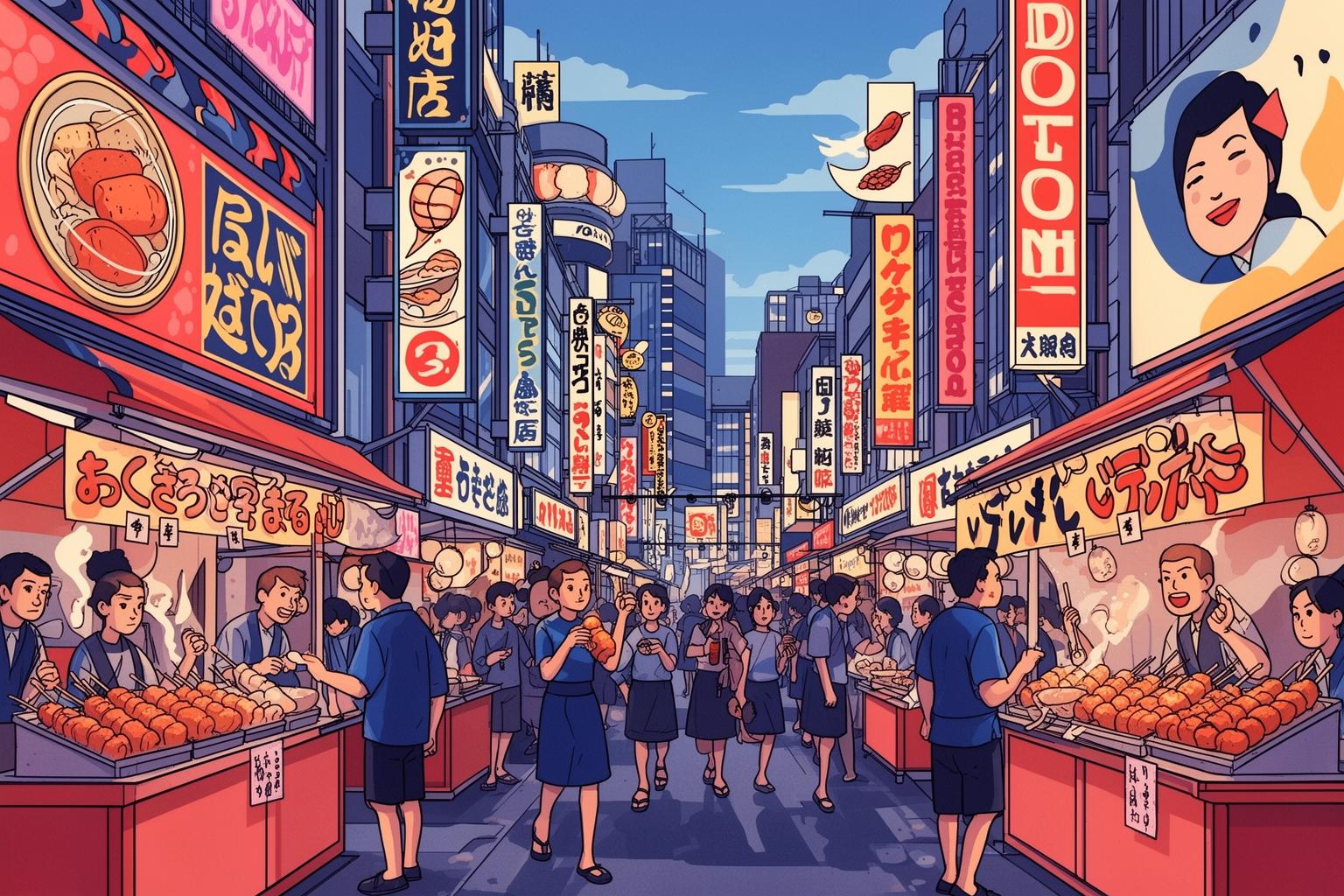
The izakaya offers an immersive experience of local culture, but the streets of Dotonbori create their own distinctive stage for social engagement. The food stalls, or yatai, are the frontline of kuidaore. The exchanges here are faster and more fleeting but just as meaningful—small, delightful moments of connection.
The Philosophy Behind Osaka’s Yatai
Street food in Osaka is far more than an inexpensive meal; it’s a form of performance art. The chefs who toss takoyaki balls with lightning speed or carefully batter and fry kushikatsu skewers are true artisans. They take great pride in their craft, and this pride becomes the foundation of your connection: through appreciation. Watching their skilled work, showing genuine interest, and offering a sincere compliment can open a window to interaction. The food is meant to be eaten immediately, often standing near the stall, creating a fleeting community of diners sharing the same experience.
The Holy Trinity of Dotonbori Street Food
Though Dotonbori offers a wide variety, three dishes stand at the heart of the street food adventure. Mastering these is the first step to becoming a true Dotonbori connoisseur.
Takoyaki: The Molten Balls of Joy
This iconic Osaka snack consists of savory batter spheres filled with octopus (tako), pickled ginger, and green onion, cooked in a specially molded pan. They are topped with a sweet and tangy takoyaki sauce, a swirl of Japanese mayonnaise, and a sprinkling of dried seaweed (aonori) and bonito flakes (katsuobushi). Watching the bonito flakes flutter in the heat rising from the takoyaki is hypnotic. A tip for newcomers: the inside of fresh takoyaki is like molten lava. Locals poke a hole in the top to release steam before eating the whole ball. Sharing a tray of takoyaki with friends, each carefully navigating the fiery centers, is a memorable bonding moment.
Okonomiyaki: The Savory Pancake Masterpiece
Often described as a “Japanese savory pancake” or “Japanese pizza,” okonomiyaki is far more complex. The name means “grilled as you like it,” and it’s a glorious, customizable mix of flour, egg, shredded cabbage, and your choice of fillings (pork, shrimp, squid, etc.), all cooked on a flat griddle. Like takoyaki, it’s generously topped with special sauce, mayo, seaweed, and bonito flakes. In Dotonbori, you’ll find stalls with smaller, portable versions as well as restaurants where you can watch it made before your eyes or even cook it yourself on a griddle built into your table. The dish is hearty, comforting, and truly representative of Osaka’s soul food.
Kushikatsu: The Golden Rule of Fried Skewers
Kushikatsu are skewers featuring a variety of ingredients—meat, seafood, vegetables—breaded in panko and deep-fried to a golden crisp. They’re served with a communal pot of thin, savory dipping sauce. This brings about the most important rule in Osaka dining: NO DOUBLE-DIPPING. You dip your skewer once and only once into the sauce. If you want more, use a provided slice of raw cabbage to scoop sauce onto your plate. Breaking this rule is a major social blunder, while following it shows respect for the culture and fellow diners. Kushikatsu is fun, diverse, and highly social. Sharing a large platter of assorted skewers with friends and a few cold beers is an ideal way to spend an evening.
The Transaction as a Connection
When ordering from a food stall, don’t be a silent customer. Make eye contact with the vendor. Smile. Use the simple Japanese phrases you know. A clear “Takoyaki hitotsu kudasai” (“One order of takoyaki, please”) and a warm “Arigato gozaimasu” (“Thank you very much”) make a big difference. When you receive your food, saying “Itadakimasu” (a polite phrase before eating) shows gratitude. After tasting it, if you enjoyed it, catch the vendor’s eye to give a thumbs-up or say “Oishii!” (“Delicious!”). These small gestures transform a simple purchase into a genuine human interaction.
The Art of Conversation: How to Break the Ice and Make a Friend
So you’ve found the perfect izakaya and got your takoyaki, but now comes the slightly more daunting step: starting a conversation. The good news is that people in Osaka, famous for their humor and friendliness, are often open to casual chats, especially in the lively atmosphere of Dotonbori.
Choosing Your Spot: The Advantage of the Counter Seat
As mentioned earlier, where you sit matters a lot. A counter seat is your best bet. It removes the formality of a table and places you in a communal space. It’s completely normal and expected for conversations to develop between neighbors at the counter. Don’t hesitate to take an empty stool between two locals; it’s often seen as an invitation to join in.
Simple Phrases That Make a Big Difference
You don’t need to be fluent in Japanese. Actually, stumbling through a few polite phrases can be quite charming. Here are some essentials:
- Sumimasen: (Excuse me) – Your versatile phrase to get someone’s attention.
- Kanpai!: (Cheers!) – The universal way to break the ice.
- Oishii!: (Delicious!) – The simplest and most effective compliment.
- Kore wa nan desu ka?: (What is this?) – A great question to ask about your neighbor’s food.
- Osusume wa arimasu ka?: (Do you have a recommendation?) – Shows you appreciate their opinion.
The Universal Language of Food and Drink
Food is the best icebreaker. If you notice someone eating something interesting, ask about it. If they seem curious about your dish, offer a taste (if appropriate, such as sharing edamame). Pouring a drink from a shared bottle of sake is a classic way to show friendship. These gestures go beyond language and express generosity and openness. Compliment the chef together. Share a laugh over a poorly flipped okonomiyaki. Connect through the shared experience.
Reading the Room: Being Culturally Sensitive
Even though Osakans are welcoming, it’s still Japan, so being aware of social cues is important. If someone appears busy, is on a date, or seems to want to be left alone, respect that. Avoid being too loud or boisterous in a quiet, intimate bar. Match the mood of the room. The goal is to blend in with the atmosphere, not overpower it. If you start a conversation and it’s not returned, simply smile politely and return to your food and drink. No harm done. But more often than not, your friendliness will be warmly received.
Practical Navigation for the Social Explorer
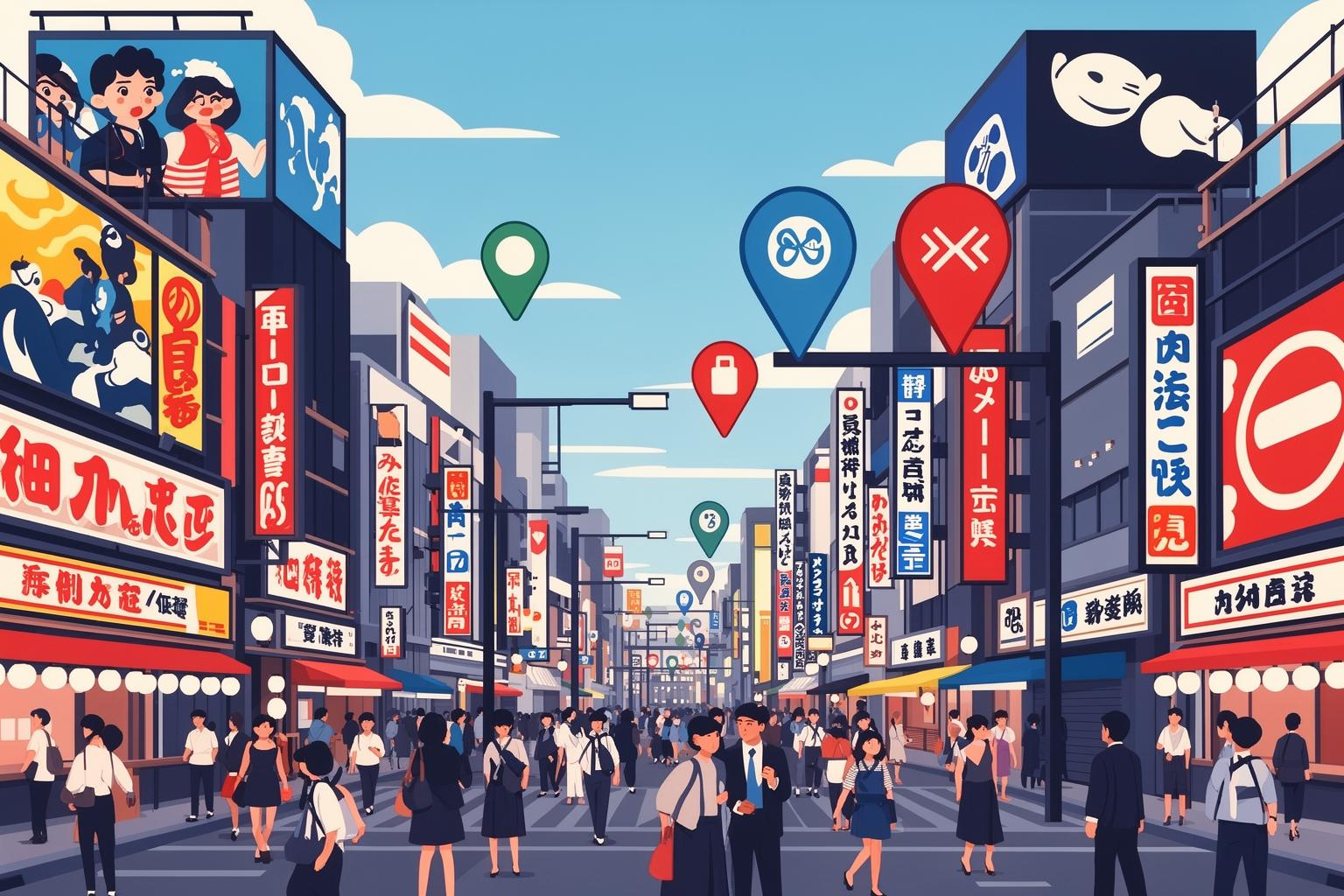
To make the most of your social adventure in Dotonbori, a bit of practical knowledge goes a long way. Understanding how to get there, the best times to visit, and what to expect in terms of costs will allow you to focus on the fun part: connecting with others.
Getting There: Your Path to the Neon Wonderland
Dotonbori is centrally situated in Osaka’s Minami (South) district and is very easy to reach. The nearest subway station is Namba Station, a major hub served by the Midosuji, Yotsubashi, and Sennichimae lines, along with several railways such as the Nankai and Kintetsu lines. From any of Namba Station’s exits, it’s just a short 5-10 minute walk north. Simply follow the crowds and the glowing lights above—you can’t miss it. Shinsaibashi Station, served by the Midosuji and Nagahori Tsurumi-ryokuchi lines, is also within easy walking distance across the Dotonbori canal.
Timing is Key: When to Visit for Different Experiences
Dotonbori offers different atmospheres depending on the time of day. For a food-focused, family-friendly outing, aim for late afternoon to early evening, around 5 PM to 8 PM. Street food vendors will be bustling, and restaurants will be lively but not overcrowded. If you want to explore the izakaya and bar scene and increase your chances of socializing, the energy really picks up after 8 PM and continues late into the night, especially on weekends. As the night progresses, the vibe becomes more relaxed and lively.
A Note on Budgeting
Dotonbori can be surprisingly affordable or quite expensive—your choice. Street food is budget-friendly. A portion of takoyaki costs about 500-800 yen, and kushikatsu skewers usually run between 100-200 yen each. You can enjoy a satisfying street food meal for under 2,000 yen. An evening at an izakaya varies widely in price; at casual tachinomi bars or local spots, expect to spend around 3,000-5,000 yen per person for drinks and a good amount of food. Naturally, more upscale venues will be pricier. Most places are cash-friendly, and while many now accept cards, it’s wise to carry enough yen, especially for smaller stalls and bars.
Beyond the Canal: Exploring the Hidden Alleys
While the main Dotonbori strip offers an unforgettable experience, the true charm for connecting with locals often lies just a few steps away from the neon lights. Don’t hesitate to explore the smaller side streets and alleys that branch off from the main thoroughfare.
Hozenji Yokocho: A Step Back in Time
Just a short distance south of the main Dotonbori canal is Hozenji Yokocho, a narrow, stone-paved alleyway that feels like stepping back into old Osaka. Illuminated by traditional lanterns, the alley is lined with small, upscale restaurants and cozy, traditional izakayas. The atmosphere here is quieter, more refined, yet equally welcoming. At the center of the alley stands Hozenji Temple, which houses the famous moss-covered statue of the deity Fudo Myo-o. Locals splash water on the statue for good luck. Taking a moment to visit the temple before settling into a cozy bar along the alley is a wonderful way to connect with the local culture before engaging in its social life. The venues here are ideal for more intimate conversations and offer a more authentic, less tourist-filled experience.
A Final Toast to Dotonbori
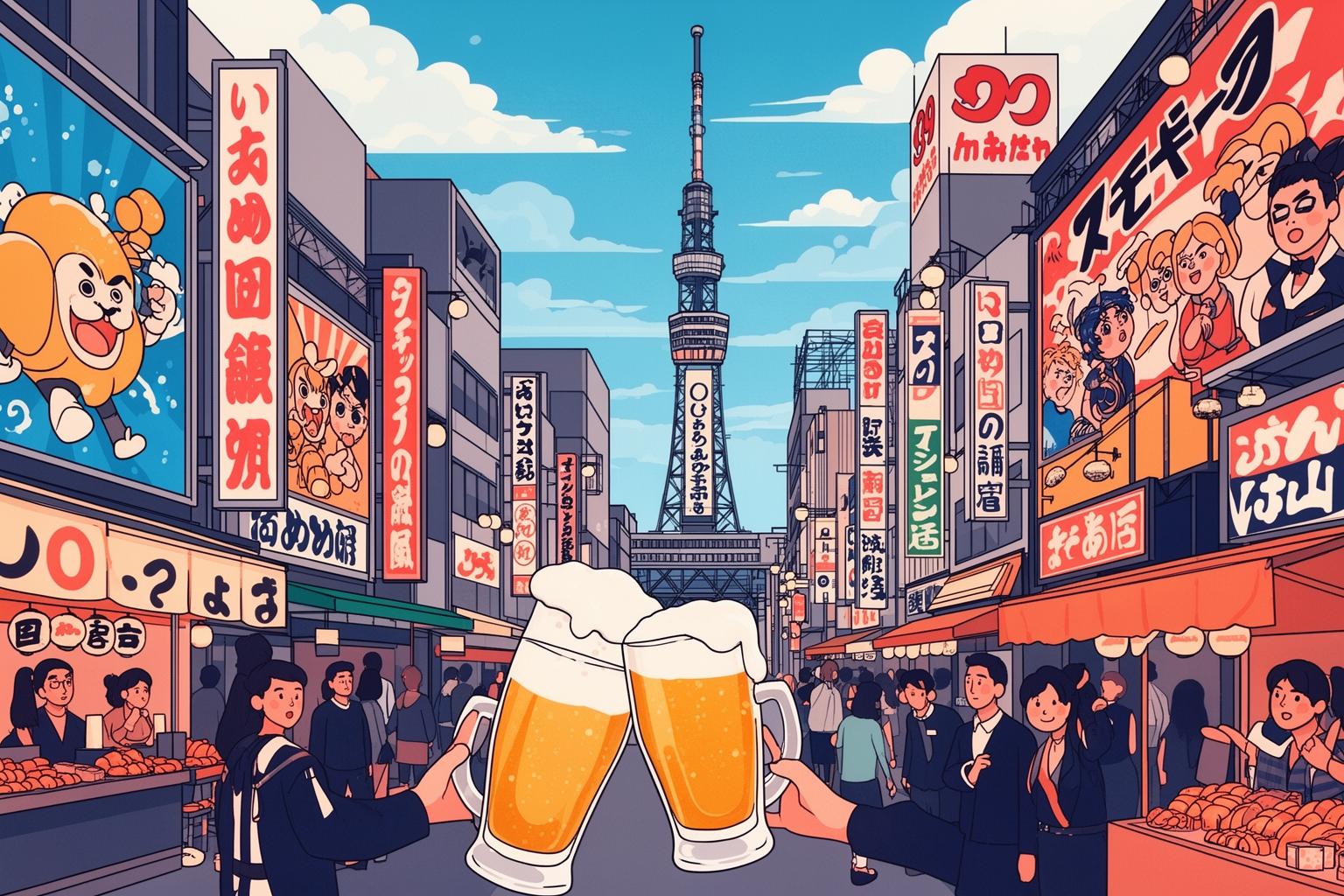
Dotonbori is far more than its flashy exterior. It stands as a vibrant, living tribute to Osaka’s passion for food, fun, and human connection. This is a place that welcomes—and challenges—you to let go of your inhibitions and fully engage. Any fear of language barriers or cultural missteps fades away when sharing a plate of perfectly fried chicken or joining in a chorus of “Kanpai!” So approach with an open mind and an empty stomach. Take a seat at a packed counter. Order the dish you can’t pronounce. Smile at a stranger. In Dotonbori, the greatest souvenir isn’t a trinket or a photo, but the memory of a shared laugh and a new friendship forged in the dazzling, delicious heart of Osaka.