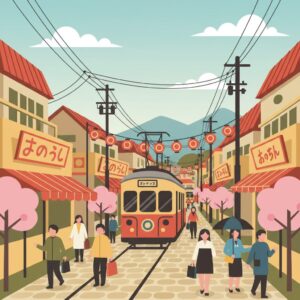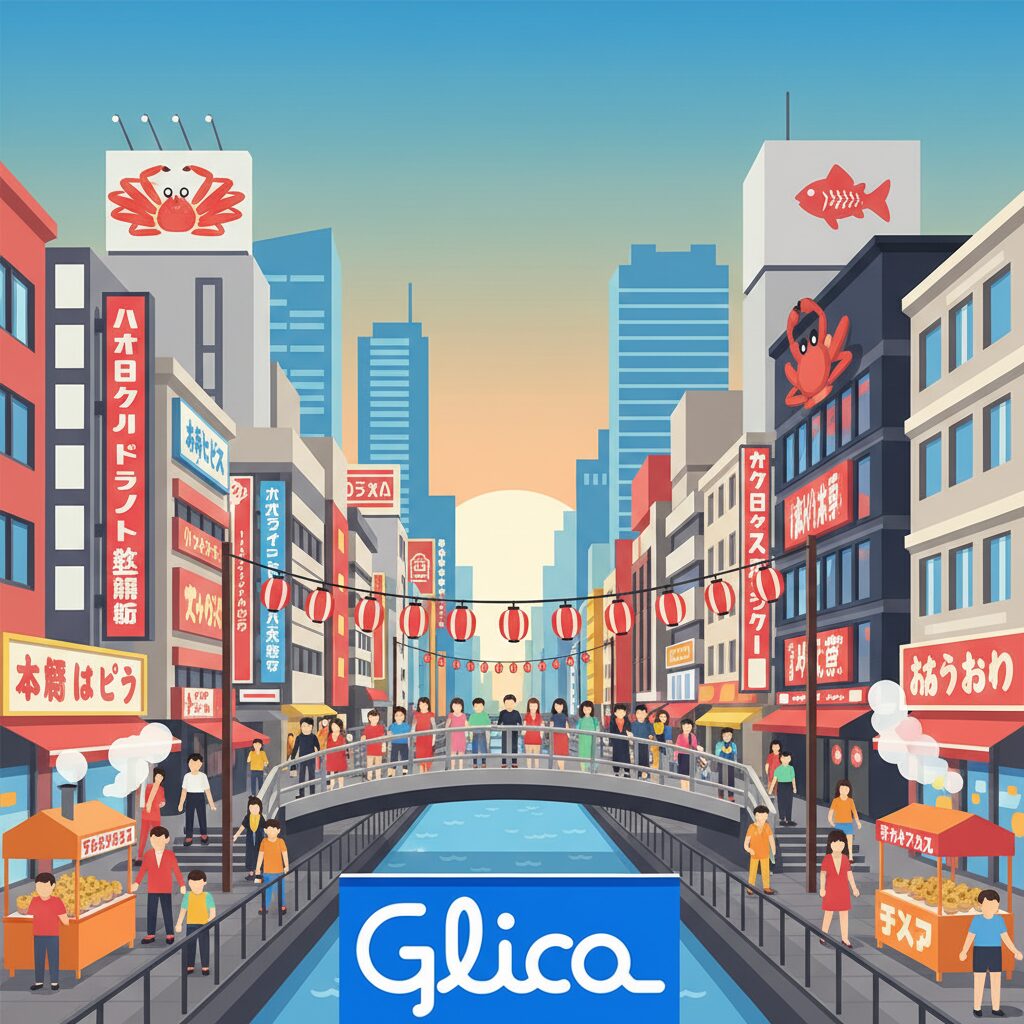
So you’ve landed in Osaka. You’ve felt the energy, you’ve heard the hype. And now you’re standing at the crossroads of your new life, probably somewhere near the Shinsaibashi-suji shopping arcade, watching the human river flow by. The thought hits you, a dazzling, dangerous idea: “What if I lived here? Right here, in the middle of all this?” The pull is magnetic, undeniable. You see the pictures, the videos that define this city for the outside world. The glowing Glico Man running his eternal race, the giant crab waving its mechanical claws over a sea of people in Dotonbori. This is Minami—Namba, Shinsaibashi, Amerikamura—the electric, chaotic, twenty-four-hour heartbeat of Osaka. It’s the image sold to the world, the one that screams energy, food, and unfiltered fun. Why not wake up to that every single day? That’s the real question, the one that separates a weekend tourist from a full-time resident. Because living here isn’t a vacation. It’s a full-contact sport. It’s a constant, daily negotiation between a life of absolute, unparalleled convenience and a life of relentless, beautiful, and sometimes maddening chaos. This isn’t a guide to the best okonomiyaki joints. This is a deep dive into the grit and the glory, an honest look at what it means to make your home in the city’s pulsating core. Before we get into it, let’s get our bearings. This is the battlefield, the playground, the neighborhood we’re talking about.
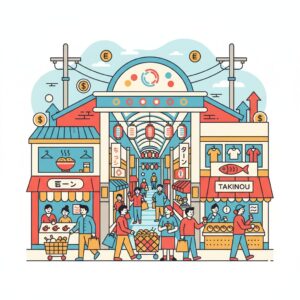
To truly understand this daily negotiation, it helps to grasp how Osaka’s commercial soul shapes every modern interaction.
The Minami Mindset: Living Life at Full Volume
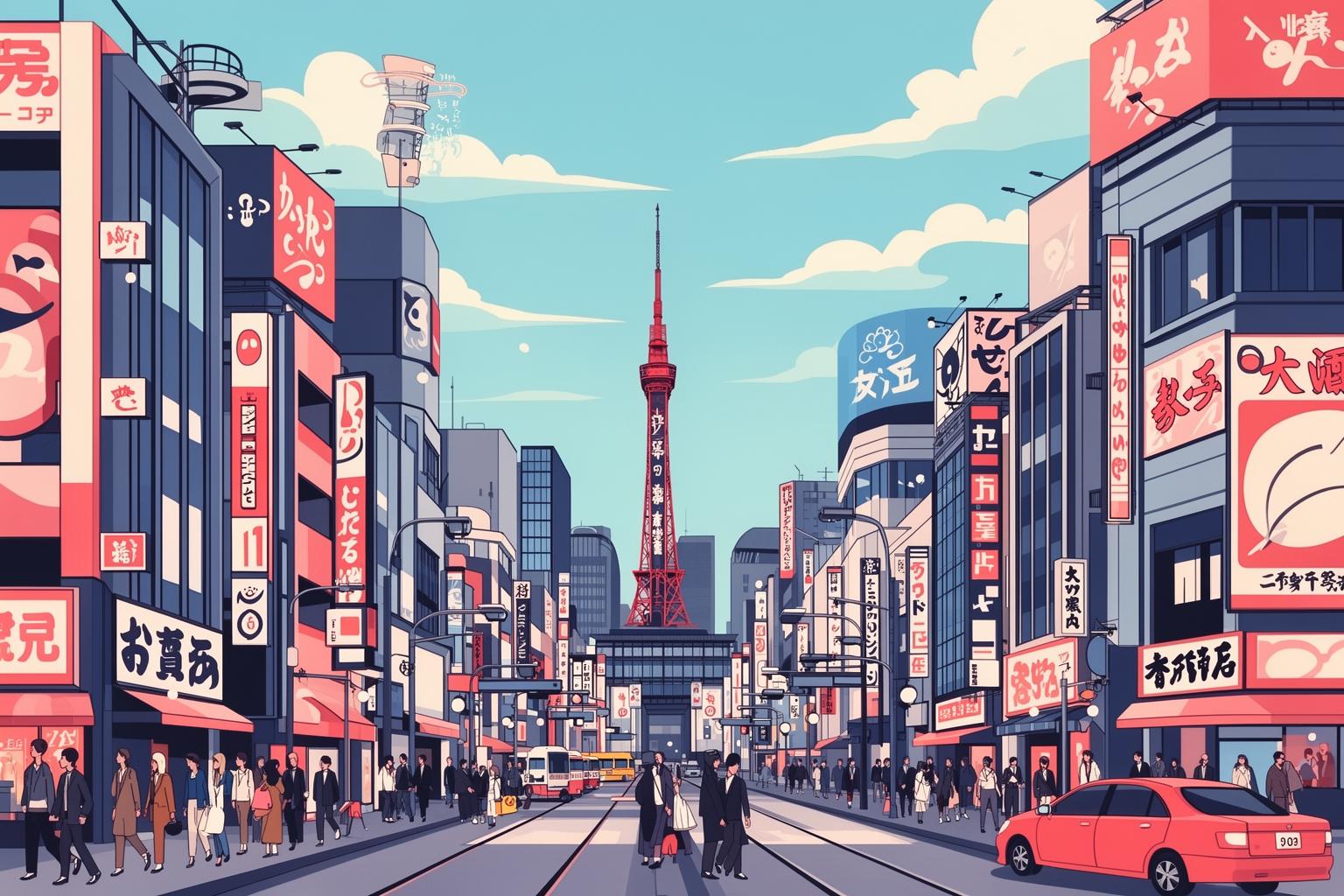
Life in Minami pulses on a different wavelength. You need to grasp this from the start. Forget the patient, orderly lines of Tokyo or the slow, reflective pace of a Kyoto alley. Here, life unfolds loudly and swiftly. The local mentality has been shaped over centuries by commerce and constant motion. This is the historic entertainment and merchant district, and its spirit runs deep. It’s a place of “Irasshaimase!” shouted with the true force of a street vendor, not the polite, mechanical greeting heard elsewhere. Here, you’d better know what you want before reaching the front of the takoyaki stand, because the person behind you already does, and the vendor won’t tolerate hesitation. This isn’t rudeness; it’s the district’s fundamental rhythm. Efficiency dominates, and time is quite literally money.
People move with clear intent, weaving through the covered Shinsaibashi-suji shopping arcade like a school of fish in a strong current. You quickly learn the unspoken rules: keep to the left, match the flow, and never stop abruptly in the middle to check your phone or gaze at a display. That’s tourist behavior. Locals, even just heading to the convenience store, become part of the current. Stopping creates a dam—a human pile-up of sighs and subtle shoves. The soundscape adds another layer to this mindset. It’s not background noise; it’s the area’s vital signs. The constant metallic clatter of pachinko parlors, overlapping J-pop and enka blasting from rival shops, the roar of tipsy salarymen spilling out of a tachinomi bar, and the rattle of a suitcase dragged over tactile paving at 2 a.m. This chaotic symphony is the soundtrack of daily life. You don’t just hear Minami; you feel it deep in your bones. People here are direct, often transactional, and always in motion. They expect you to be the same. It’s a survival of the fastest, a rhythm that can exhilarate or exhaust, depending on your own beat.
The Double-Edged Sword of Ultimate Convenience
Living in Minami presents a paradox. On one hand, you enjoy a level of convenience that feels almost like a superpower. On the other hand, that very convenience comes with a steep, often unseen, cost. It’s a daily trade-off that shapes the experience of making a home here.
Pro: The 24/7 City at Your Fingertips
This is the primary reason people choose to live in Minami. Your life requires little complex planning. Spontaneity becomes your new norm. Craving ramen at 3 AM? You’ve got a dozen legendary options within a five-minute walk. Need toothpaste at midnight? The massive, multi-story Don Quijote isn’t just open, it’s buzzing with energy. Want to catch a movie on a whim? TOHO Cinemas in Namba Parks is right there. This accessibility transforms your social life. Your apartment naturally becomes the go-to meeting spot for friends before heading out. “Let’s just meet at Hiroshi’s place” becomes the default plan, because you’re always geographically convenient to everyone.
The transportation access is, without exaggeration, among the best in Japan. Namba Station isn’t just a single station; it’s a vast underground maze connecting multiple railway operators. There’s the Midosuji Line, the city’s main artery that zooms you north to Umeda or south to Tennoji in minutes. Then the Yotsubashi and Sennichimae subway lines. The Nankai Line offers a direct express route to Kansai International Airport and the scenic south. You also have the Kintetsu and Hanshin lines, linking you to the entire region from Nara to Kobe without transfers. You are, quite literally, at the heart of the Kansai universe. This practical advantage for commuting, day trips, and late-night returns can’t be overstated. It provides a freedom that is hard to match anywhere else in the city.
Con: The Illusion of “Your” Neighborhood
Here’s the other side of the coin. The very factors that make life convenient also turn your neighborhood into an international tourist hotspot. That sense of a local, personal community? It’s incredibly hard to find. Your “local” supermarket might be a branch of Gyomu Supa or a high-end department store basement (depachika), constantly swarmed with visitors bulk-buying matcha-flavored snacks. The charming, quiet izakaya you discovered on a side street is likely featured on page 3 of someone’s “Top 10 Hidden Gems in Osaka” blog post. Essentially, you live in a theme park that never shuts down.
Many foreigners mistakenly believe that living in Minami means being immersed in “authentic Osaka culture.” In truth, it’s often a highly curated, commercialized version of it. The shopkeeper at your corner store is unlikely to remember your name or usual order, not due to unfriendliness, but because they serve thousands of new faces daily. The sense of belonging and mutual recognition that form the foundation of a true neighborhood is often missing. This contrasts sharply with areas like Tenma, Nakazakicho, or the shotengai (shopping streets) in more residential parts of Osaka, where building relationships with local vendors is part of everyday life. In Minami, you are often an anonymous resident drifting amid a sea of transient visitors. You have a postal code and a key, but the streets rarely feel like they belong to you.
Navigating the Chaos: Practical Realities of Minami Life
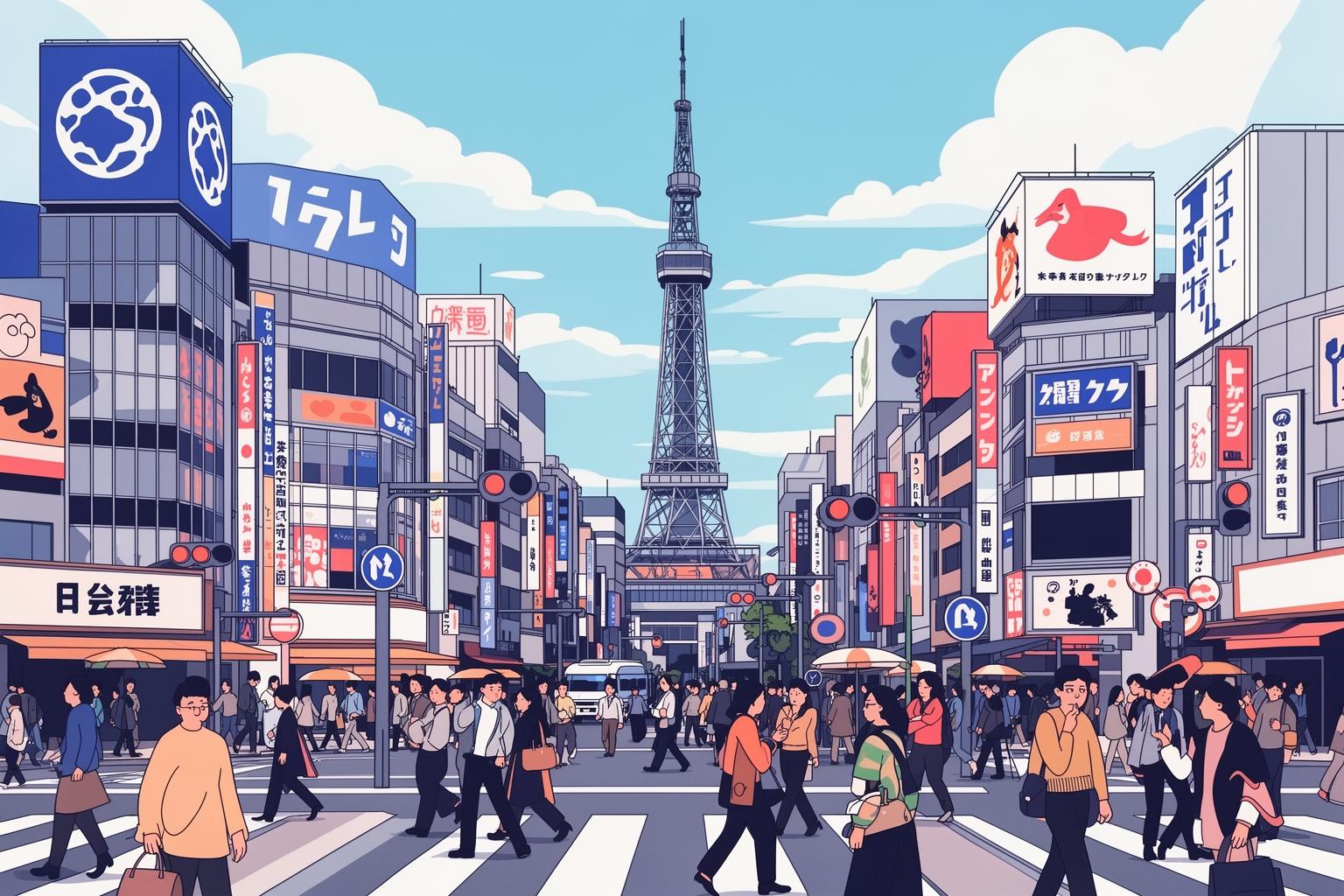
Beyond the philosophical debates, there are the stark, practical realities of living daily amid the chaos. These are the details that don’t appear in glossy photos but will profoundly impact your quality of life.
The Sensory Overload is Genuine
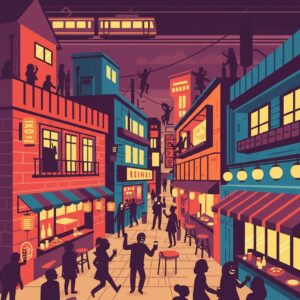
The energy of Minami is thrilling when you visit. Living there, however, that energy can quickly turn into an unrelenting sensory barrage. The noise isn’t just a weekend event. It’s the rumble of delivery trucks unloading at 5 AM on a Tuesday. It’s karaoke from a nearby bar seeping through your walls until dawn. It’s the constant loop of store jingles and promotional announcements. It’s the ceaseless wail of ambulance sirens weaving through crowded streets. Blackout curtains are not just decor; they’re essential survival tools against the endless twilight cast by giant video screens and neon signs. The glow from Dotonbori billboards can literally light up your apartment all night.
Then there are the crowds. This isn’t just about dodging the Glico Man sign on a Saturday. It’s about turning a simple grocery store trip into a tactical mission. A walk that should take ten minutes can easily double as you navigate dense throngs of slow-moving pedestrians, sudden selfie stops, or large, impenetrable groups. This daily friction, this ongoing low-level stress of maneuvering through a human obstacle course, wears you down over time. Minami has no “off” switch. The chaos is a roommate who never sleeps and never pays rent.
The Cost of Prime Location
While Osaka is generally more affordable than Tokyo, Minami stands out as the glittering exception. You’ll pay a hefty premium for location, and that premium rarely means more space or better amenities. The typical single-person apartment in Namba or Shinsaibashi is a compact 1K (one room with a small kitchen), often in buildings with paper-thin walls. For the same rent, you could find a more spacious, modern 1LDK (separate living/dining/kitchen space) in quieter but still convenient neighborhoods just a few subway stops away, like Tennoji or Nishinagahori.
The value question becomes one of lifestyle. Are you paying for square footage, or are you paying for access? For many Minami residents, the city itself becomes their living room. Their tiny apartment is just a place to sleep and store belongings. Their life unfolds in the cafes, bars, restaurants, and clubs just steps from their door. And groceries — a crucial but often overlooked issue — are another challenge. Large, affordable supermarkets are scarce in the commercial center. Your choices are mostly limited to pricey depachika in Takashimaya or Daimaru, small and expensive urban groceries like Bio-Ral or My Basket, or relying on convenience store bentos. Kuromon Market, lively as it is, caters more to tourists than residents doing weekly shopping. This ordinary daily task can quickly become both costly and inconvenient.
So, Who Actually Lives in Minami?
Given the distinct pressures and benefits, you might wonder what kind of person chooses to call this chaotic district home. It’s certainly not a place suited for families with young children or anyone seeking a peaceful retreat. The demographic is specific and self-selecting.
First, there are the young professionals, typically single and in their twenties or early thirties. For them, a short commute—or better yet, a walk to work—and an active social life are top priorities. They trade living space for lifestyle convenience. Their lives unfold outside their apartments, and Minami provides the perfect, ever-vibrant backdrop for that.
Next come the hospitality and retail workers: chefs, bartenders, club staff, hotel concierges, and shop clerks who keep the district’s 24/7 economy thriving. For them, living in Minami is purely practical. When your shift ends at 4 AM, the last thing you want is a long, complicated trip home. The area’s rhythm aligns perfectly with their unconventional work hours.
Of course, there is also a significant population of short-term residents and expatriates. People new to Osaka are often drawn to Minami because it’s the city’s most visible and lively neighborhood. They might stay a year or two to soak in the “full” Osaka experience before deciding they want a bit more tranquility and moving to a more residential area.
Finally, tucked away in the backstreets and older buildings, you’ll find the “Naniwa” locals—the multi-generational residents and small business owners who have endured waves of change. They run the tiny specialized shops, old-school kissaten coffee houses, and family-owned restaurants that have stood for decades. Their relationship with the chaos is different—it’s the water they’ve always swum in. They carry a wry, seen-it-all attitude, often watching the surrounding spectacle with a mix of amusement and resignation. They are the living history of the neighborhood, a steady anchor amid constant change.
The Osaka vs. Tokyo Comparison: Minami vs. Shibuya
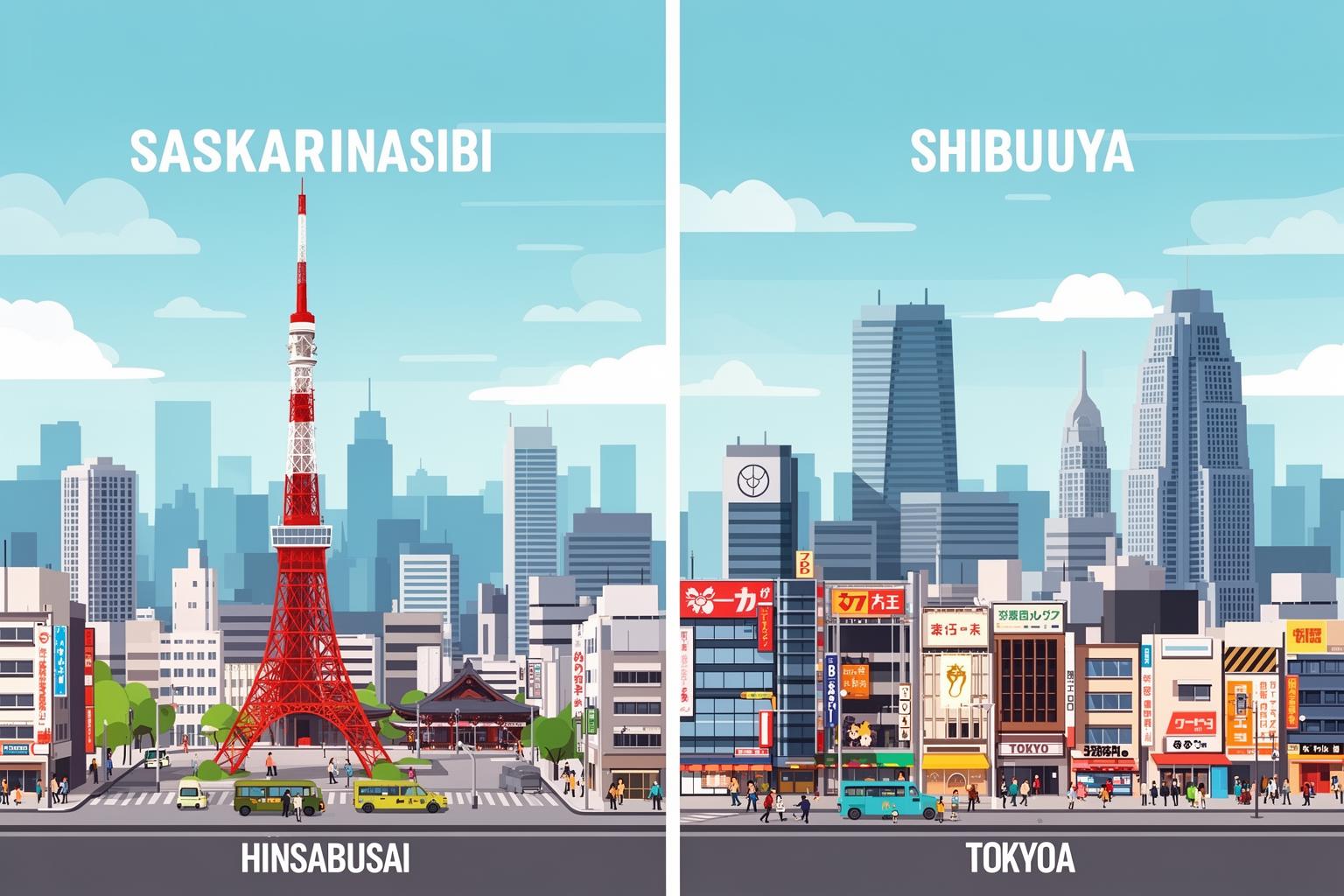
Foreigners often like to compare Minami to Osaka’s Shibuya, or perhaps its Shinjuku. On the surface, this comparison seems logical. Both are vast entertainment and transportation hubs characterized by bright lights, large crowds, and endless shopping. However, this analogy only scratches the surface and overlooks the fundamental difference in a city’s soul. To truly understand Minami, one must grasp how it fundamentally differs from its Tokyo counterparts.
Shibuya and Shinjuku, despite their chaos, feel more polished, corporate, and trend-driven. The energy is intense but controlled. There’s an air of professional coolness and a sense of being at the heart of Japanese pop culture and fashion. Interactions tend to be more reserved, reflecting typical Tokyo politeness. Minami, in contrast, is raw, gritty, and unapologetically commercial in a more grassroots way. It’s less concerned with being fashionable and more focused on making a sale, striking a good deal, and sharing a loud, hearty laugh. The chaos feels more natural and unscripted. It’s the difference between a meticulously produced pop concert and an unrestrained street festival.
This distinction is reflected in the people. A shopkeeper in Shibuya’s 109 building might be impeccably dressed and professionally polite. Meanwhile, a shopkeeper in Shinsaibashi might loudly comment on the band on your t-shirt, crack a terrible pun, and try to sell you a matching pair of socks all in one boisterous breath. This captures the essence of the Osaka merchant spirit—personal, direct, always looking for an angle, but usually with a wink and a smile. It embodies the well-known “friendly but shrewd” stereotype. Minami’s energy doesn’t stem from corporate boardrooms setting the next big trend; it arises from the ground up, from the clamor of a thousand small businesses all vying to be heard. It’s less about image and more about genuine interaction.
Finding Your Sanctuary: How to Survive (and Thrive) in Minami
If, after carefully considering all the advantages and disadvantages, you choose to take the plunge and live in Minami, know that thriving—not just surviving—is possible. Achieving this requires a thoughtful, strategic approach to life.
First, select your exact location with precision. Living just one block away from main thoroughfares like Midosuji Dori or the Dotonbori canal can mean the difference between restless nights and relative calm. Noise levels decrease dramatically once you move onto the smaller side streets. The contrast between an apartment facing a pachinko parlor and one hidden away on a quiet backstreet near Namba Parks is enormous. Be sure to scout the area at different times of day and night before signing a lease.
Second, learn to embrace vertical living. Your escape from street-level chaos often lies above. Minami is full of hidden treasures on upper floors of unassuming buildings—quiet jazz kissaten, cozy bars with spectacular views, and niche hobby shops. Train yourself to look upwards. Your sanctuary might be on the seventh floor, far removed from the bustling crowds below.
Third, master your exit routes. The key to staying sane in Minami is knowing how to get out easily. Take advantage of the excellent public transportation system. Use it as your escape hatch. Catch the Midosuji line for a quick 10-minute ride to Tennoji Park and its unexpected green spaces. Take the Nankai line south for a refreshing trip to the sea. Living in the heart of the city doesn’t mean you have to be stuck there. Think of your apartment as a base camp for adventures, not a cage.
Finally, find your “third place.” Because your apartment may be small and the streets overwhelming, you need a regular spot that feels like your own. It might be a favorite seat at a local coffee shop, a standing bar where the owner knows your preferred drink, or a quiet bookstore. This is your refuge—where you can unwind and maybe even glimpse a sense of community amid the transient nature of the district.
Living in Minami is a conscious choice. You trade personal space and tranquility for unmatched access and energy. It isn’t inherently “good” or “bad” to live here; it’s a distinct, intense lifestyle. Minami amplifies everything. If you’re outgoing, social, and energized by activity, it will fuel you like nothing else. But if you’re introverted, a light sleeper, or someone who craves peace, it will quickly wear you down. It demands engagement with the city in its most concentrated, raw, and relentless form. Choosing to live here means becoming part of the spectacle. You’re not watching the chaos from afar—you’re in it every single day. This experience will undoubtedly shape your time in Osaka, for better or worse. The only question is, are you ready for that?