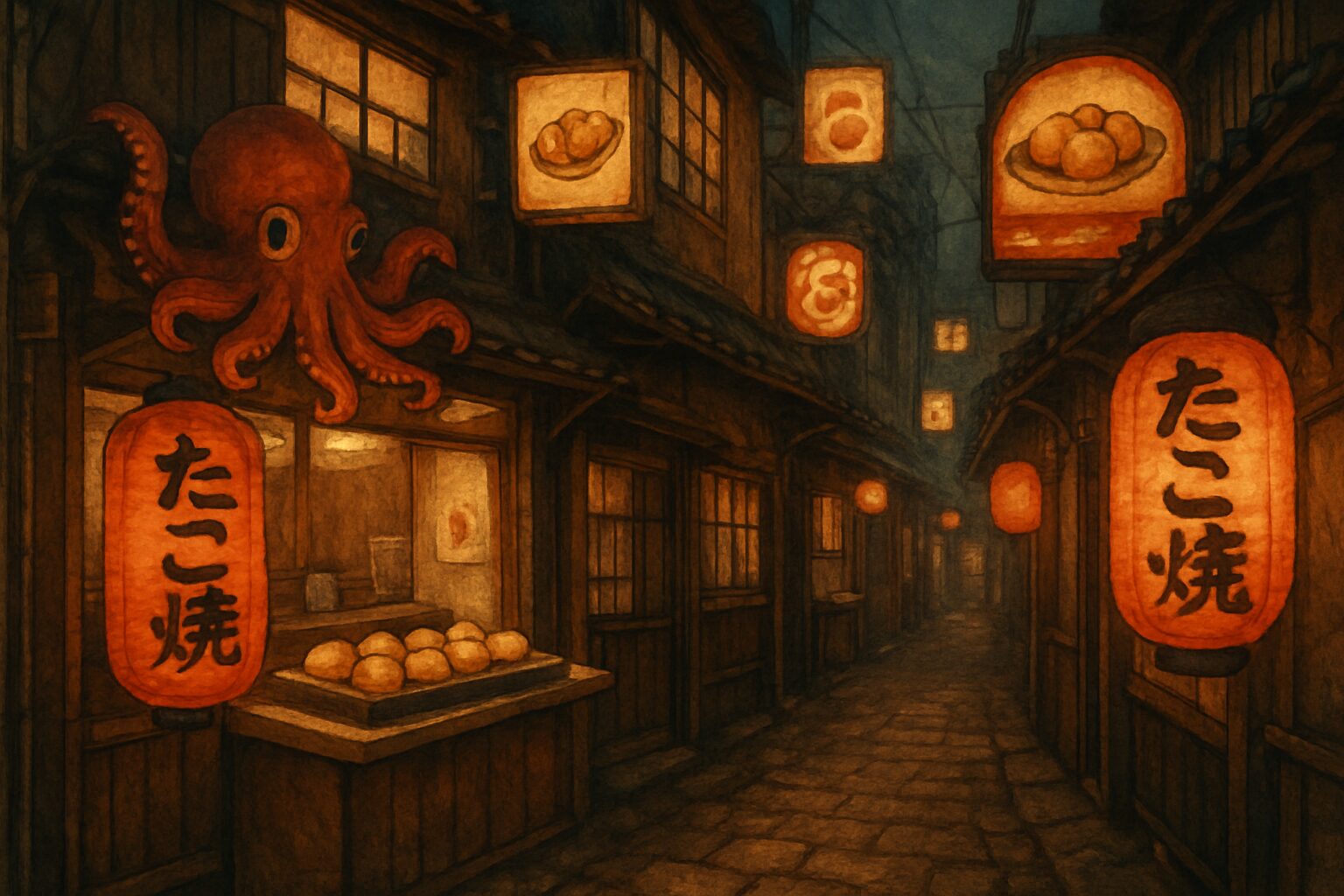
Osaka. The name itself sings a song of sizzling grills, bubbling broths, and a collective, city-wide passion for food that borders on the sacred. They call it Tenka no Daidokoro, the Nation’s Kitchen, and for good reason. This is a city that doesn’t just eat to live; it lives to eat, with a boisterous, unapologetic joy that is utterly infectious. You feel it in the air, a current running through the neon-drenched streets of Dotonbori and the quiet charm of the back alleys. But to truly understand the soul of Osaka’s culinary heart, you must travel not just through its streets, but through its history. Tucked away in the gleaming, modern expanse of the Tempozan Harbor Village, a place of giant Ferris wheels and world-class aquariums, lies a portal. It’s an unassuming entrance within the Tempozan Marketplace, one you could easily miss if you weren’t looking. But step through it, and you are immediately transported. Welcome to Naniwa Kuishinbo Yokocho, a meticulously crafted recreation of an Osaka street from the mid-Showa era, a time when Japan was buzzing with newfound energy and optimism. This is more than a food court; it’s a living museum dedicated to the flavors that defined a generation, and at the heart of it all, sizzling in their cast-iron pans, are the glorious, golden orbs of takoyaki, the city’s undisputed soul food. Here, in this vibrant alley, the past isn’t just remembered; it’s tasted, celebrated, and served up hot, fresh, and bursting with flavor.
While this alley is famous for its takoyaki, don’t miss the chance to explore its equally nostalgic retro kushikatsu alleys.
A Step Back in Time: The Ambiance of Kuishinbo Yokocho
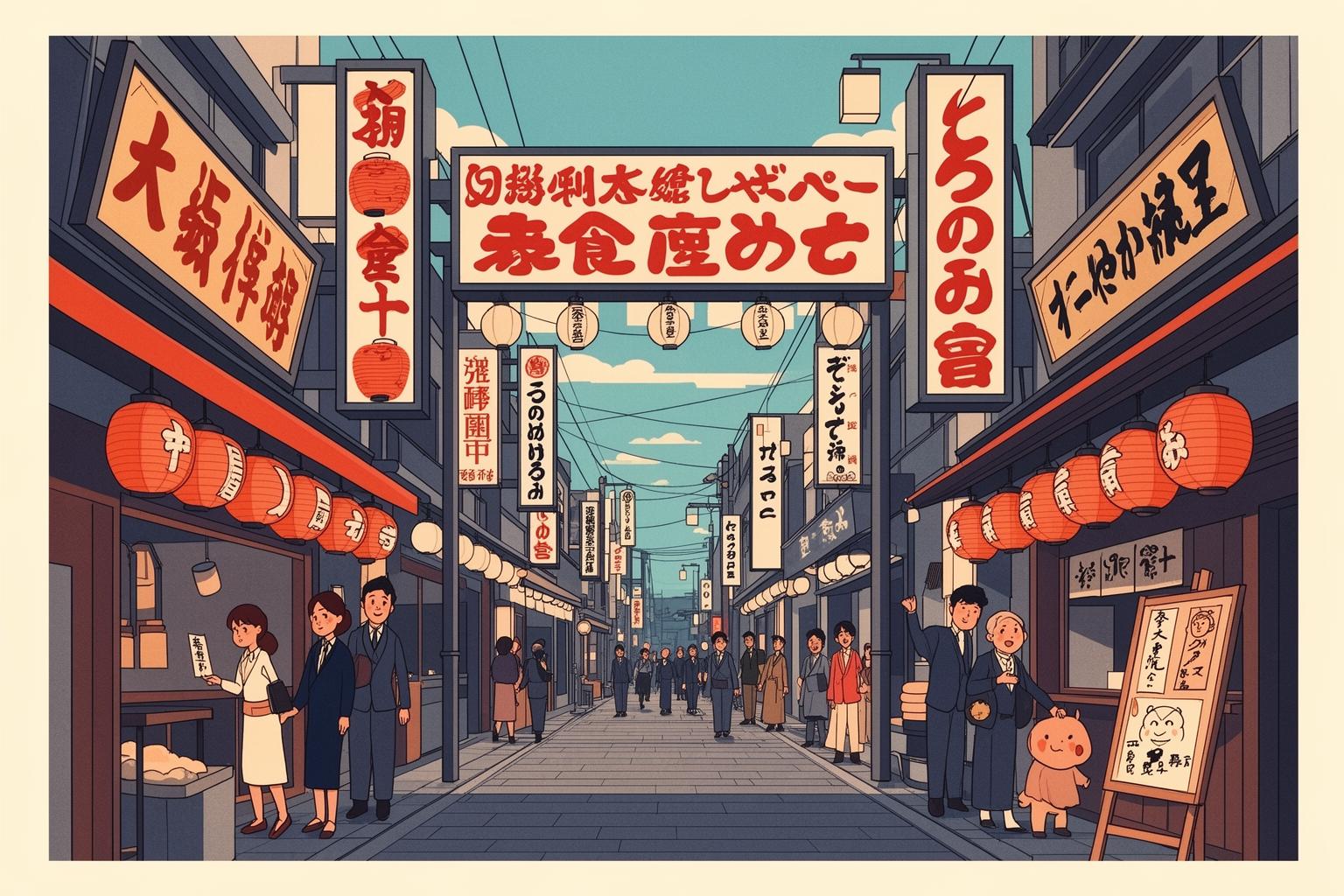
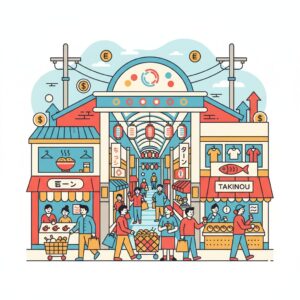
The transition is strikingly vivid. One moment, you’re surrounded by the bright, air-conditioned normalcy of a modern shopping mall; the next, you’re immersed in a world glowing with the warm, nostalgic light of paper lanterns. The air itself transforms, thickening with the savory steam of dashi broth, the sweet smokiness of grilling squid, and the unmistakable, mouthwatering scent of takoyaki batter hitting a hot grill. The soundscape shifts from generic mall music to the lively shouts of vendors, the sizzle of frying oil, and the joyful chatter of families and friends sharing a meal. As a photographer, my senses instantly heightened. This place is a visual symphony of textures and hues. The creators of Naniwa Kuishinbo Yokocho have meticulously recreated the Osaka of the 1960s, obsessing over every detail. Faux-brick walls are covered with vintage movie posters and enamel advertisements for products long gone from shelves. A classic red, round-topped postbox stands at a corner, silently echoing a time of handwritten letters. Tucked away in another corner is a gleaming, perfectly preserved Daihatsu Midget, a tiny three-wheeled truck that once served as the backbone of small businesses across Japan. Every element, from the weathered wooden fronts of the food stalls to the period-authentic packaging on display, is crafted to evoke a powerful sense of natsukashii—a Japanese word expressing a warm, heartfelt nostalgia for the past. This feeling transcends cultural barriers. You don’t need to have lived in 1960s Japan to sense the warmth and optimism this place radiates. It’s a celebration of a simpler, perhaps more communal era. The lighting is purposefully low and warm, mimicking the twilight hours when such alleys would have truly come alive. Shadows drift across the narrow walkways, creating pockets of intimacy and mystery, guiding your gaze toward the bright, bustling energy of the open-front kitchens. It’s carefully orchestrated chaos—a dense tapestry of sights and sounds that feels simultaneously overwhelming and deeply welcoming. You find yourself slowing down, not simply to choose what to eat, but to fully absorb the atmosphere, read the faded kanji on the signs, watch the dance of light and steam, and feel as though you’ve uncovered a secret shared only by those who step through its entrance.
The Quest for the Perfect Takoyaki: A Culinary Showdown
Amid this feast for the senses, the main attraction calls to you irresistibly: the takoyaki. In Osaka, this is more than just a snack; it’s an identity. A source of intense local pride and endless debate. Who makes the best? What is the ideal batter-to-octopus ratio? Sauce or no sauce? Naniwa Kuishinbo Yokocho doesn’t provide the answers; instead, it offers a delicious dilemma, featuring a curated selection of some of the city’s most legendary takoyaki vendors, each with their own distinct philosophy and flavor. The preparation itself is pure theater. You stand before the stall, captivated, as the chef, a master of their craft, pours the seasoned, dashi-infused batter into rows of hemispherical molds on the heavy cast-iron grill. With practiced skill, they place a generous piece of boiled octopus—the tako—into the center of each forming sphere, followed by a sprinkle of crunchy tempura bits (tenkasu), tangy pickled red ginger (beni shoga), and fresh green onions. Then the magic begins. Equipped with one or two metal picks, the chef moves with speed and precision that mesmerizes. They expertly flick and turn the half-cooked batter, tucking in edges, coaxing each into a perfect golden-brown ball. The rhythmic clack-clack-clack of the picks striking the iron grill is the heartbeat of Osaka’s culinary spirit. Two stalls exemplify the rich spectrum of takoyaki tradition. First is Aizuya, from Osaka’s Nishinari ward, widely credited as the originator of takoyaki, first selling it in 1935. Their style is confidently minimalist. They believe flavor should come from the batter itself, richly seasoned with a secret dashi blend. Their signature “Original Takoyaki” is served unadorned—no thick brown sauce, no mayonnaise, no dancing bonito flakes. To newcomers, it might appear plain, but one bite reveals deep complexity. The crisp exterior gives way to a molten, savory custard-like interior, where the broth’s taste and octopus’s sweetness shine. It’s history in a single bite. In stark contrast is Kukuru, a beloved spot known for a more extravagant, modern approach. Their takoyaki are famously large and fluffy, with a slightly softer texture. The highlight is the impressively large, tender piece of octopus inside each ball, so fresh it seems to melt in your mouth. Kukuru embraces toppings, generously coating their takoyaki with sweet and tangy sauce, creamy Japanese mayonnaise, a flurry of paper-thin dried bonito flakes (katsuobushi) that dance in the heat, and a dusting of vibrant green seaweed powder (aonori). This is the globally famous version, a glorious explosion of textures and flavors—sweet, savory, creamy, and oceanic all at once. The best way to enjoy this delightful rivalry is through what I call a personal takoyaki crawl. Don’t order a large portion from one stall. Instead, grab a small boat-shaped tray (funamori) of six or eight balls from Aizuya, find a spot in a communal eating area, and savor that original taste. Then head to Kukuru or another tempting stall and try their take. This comparative tasting is the ultimate Osaka experience. You become part of the city-wide debate, forming your own opinion and finding your personal champion in the grand takoyaki tournament. It’s an interactive culinary adventure that’s as fun as it is delicious, and Naniwa Kuishinbo Yokocho is the perfect stage for it.
Beyond the Octopus Balls: Other Kansai Delicacies
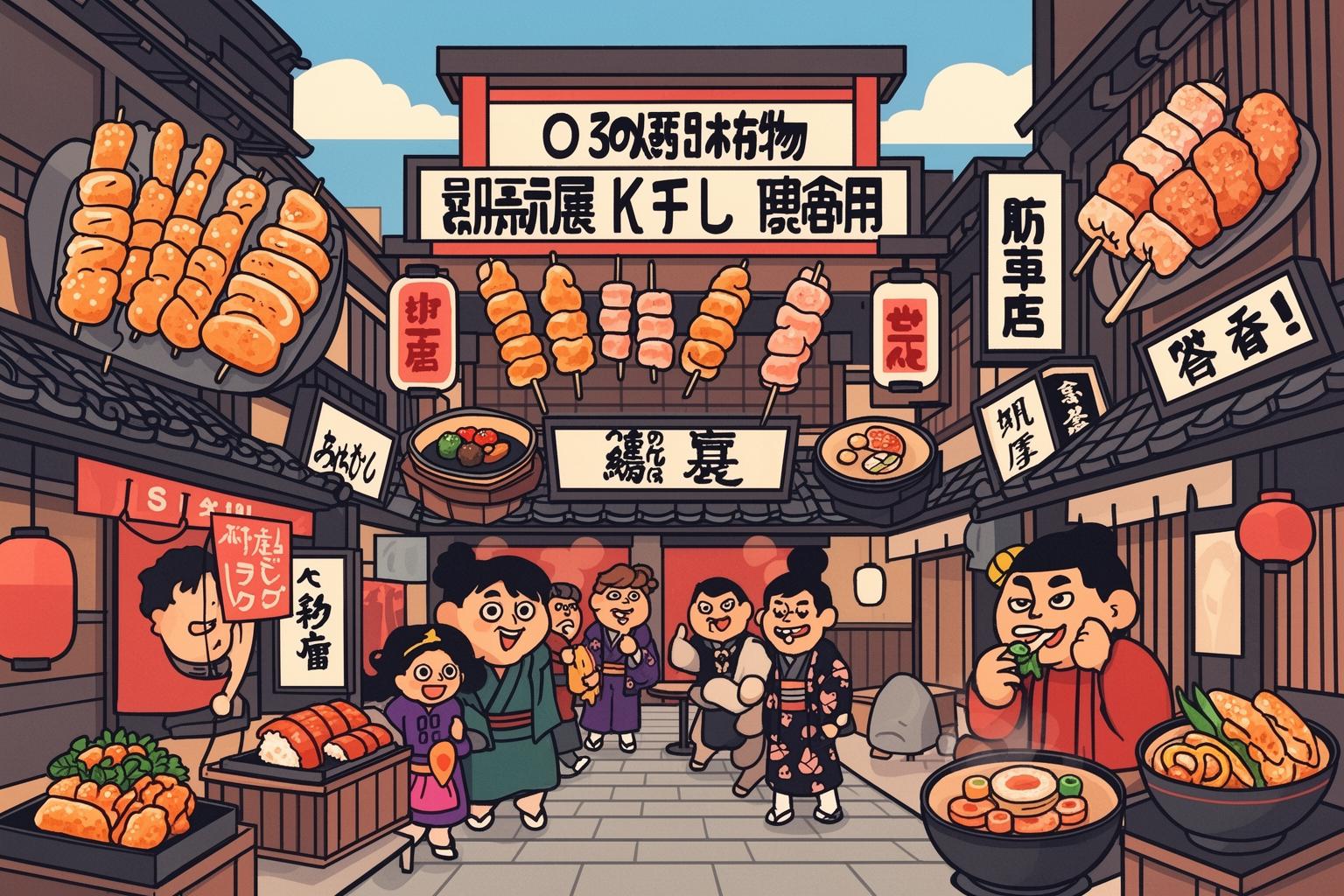
Though the allure of takoyaki is undeniable, focusing exclusively on it would mean overlooking the rich ensemble of Kansai flavors that Naniwa Kuishinbo Yokocho presents. This alleyway is a heartfelt homage to Osaka’s konamon culture—a term that literally means ‘flour things,’ referring to the batter-based dishes fundamental to the local cuisine. As you venture further into the yokocho, the sweet and savory aroma of okonomiyaki will inevitably captivate you. Often called a Japanese savory pancake, this label only scratches the surface. It’s a hearty, satisfying dish made from a batter of flour and eggs combined with heaps of shredded cabbage and various other ingredients, all cooked on a large flat-top grill, or teppan. You can pick your fillings—pork belly is traditional, but squid, shrimp, or mixed varieties are also favorites. After cooking, it’s brushed with a rich okonomiyaki sauce, drizzled with mayonnaise, and topped with bonito flakes and aonori, similar to takoyaki. Watching chefs expertly flip and shape these giant pancakes with metal spatulas adds to the experience. Another essential dish, beloved for its simple yet delicious appeal, is ikayaki. This goes beyond grilled squid; it’s a distinctive Osaka specialty where a whole squid is pressed and grilled between two very hot iron plates, cooking and flattening it simultaneously. The outcome is a tender, flavorful squid pancake, simply seasoned and served hot—perfect as a portable snack that captures the essence of the sea. Naturally, no exploration of Osaka’s culinary staples would be complete without kushikatsu. These are skewers of diverse meats, seafood, and vegetables coated in light panko batter and deep-fried to golden perfection. From tender pork loin and juicy chicken to lotus root, shiitake mushrooms, and even cheese, the variety is impressive. The vital rule of kushikatsu, always prominently posted, is NO DOUBLE DIPPING—you dip your freshly fried skewer into the communal pot of thin, tangy sauce only once. This shared ritual, governed by a simple code, is a key part of Osaka’s relaxed dining culture. To accompany it all, seek out vendors selling Ramune, the iconic Japanese soda in a Codd-neck bottle, known for the marble you push down to open. The marble’s pop is a sound deeply linked to summer festivals and childhood memories for many Japanese, making it an ideal drink to match the nostalgic vibe. For those craving something sweet, be sure to find a dagashi-ya, a small shop offering old-style, inexpensive candies and snacks that will whisk you back to the Showa-era schoolyard.
Practical Navigation: Getting the Most Out of Your Visit
One of the biggest draws of Naniwa Kuishinbo Yokocho is its prime location within a bustling entertainment district, making it an easy and rewarding stop on any Osaka itinerary. Getting there is simple: take the Osaka Metro Chuo Line (the green line) to Osakako Station, then enjoy a pleasant five to ten-minute walk toward the giant Ferris wheel. Naniwa Kuishinbo Yokocho is situated on the second floor of the Tempozan Marketplace, the shopping mall nestled between the famous Osaka Aquarium Kaiyukan and the Tempozan Giant Ferris Wheel. This ideal location makes planning your day straightforward and highly recommended. You can craft a perfect full-day experience centered around Osaka’s stunning bay area. A great plan is to start your morning at the Kaiyukan, one of the largest and most impressive aquariums worldwide. Spend a few hours immersed in its deep blue world, spiraling past whale sharks, manta rays, and playful sea otters. When you emerge, you’ll be ready for lunch—just a few steps away at Naniwa Kuishinbo Yokocho. This is an excellent time to visit; while it can get busy, the lunchtime rush enhances the lively, bustling atmosphere the alley aims to recreate. After enjoying takoyaki and other local specialties, the afternoon is yours to enjoy. A ride on the Tempozan Giant Ferris Wheel offers breathtaking panoramic views of the bay, city skyline, and distant mountains on a clear day. For an even more spectacular sight, time your ride for sunset, when the sky erupts with color and city lights begin to sparkle. To keep the adventure going, consider boarding the Captain Line shuttle ferry, which offers a quick and scenic fifteen-minute boat ride across the Aji River directly to Universal Studios Japan. This lets you combine the aquarium’s underwater wonders, the yokocho’s nostalgic flavors, and a world-class theme park’s thrills all in one action-packed day. A few handy tips for first-time visitors: although Japan is increasingly card-friendly, many small independent food stalls here still accept cash only, so it’s wise to carry some yen. After buying your food, don’t eat while walking; instead, use the designated communal seating areas sprinkled throughout the alley. These spaces are styled like small town squares or rest spots and contribute to the shared experience. Don’t hesitate to try unfamiliar dishes—the vendors are accustomed to international visitors, and a simple point and smile work perfectly. Embrace the spirit of kuidaore—a famous Osaka phrase meaning “to eat until you drop” or “eat yourself into ruin.” Naniwa Kuishinbo Yokocho is the ideal place to do just that, one delicious retro bite at a time.
Capturing the Moment: A Photographer’s Perspective
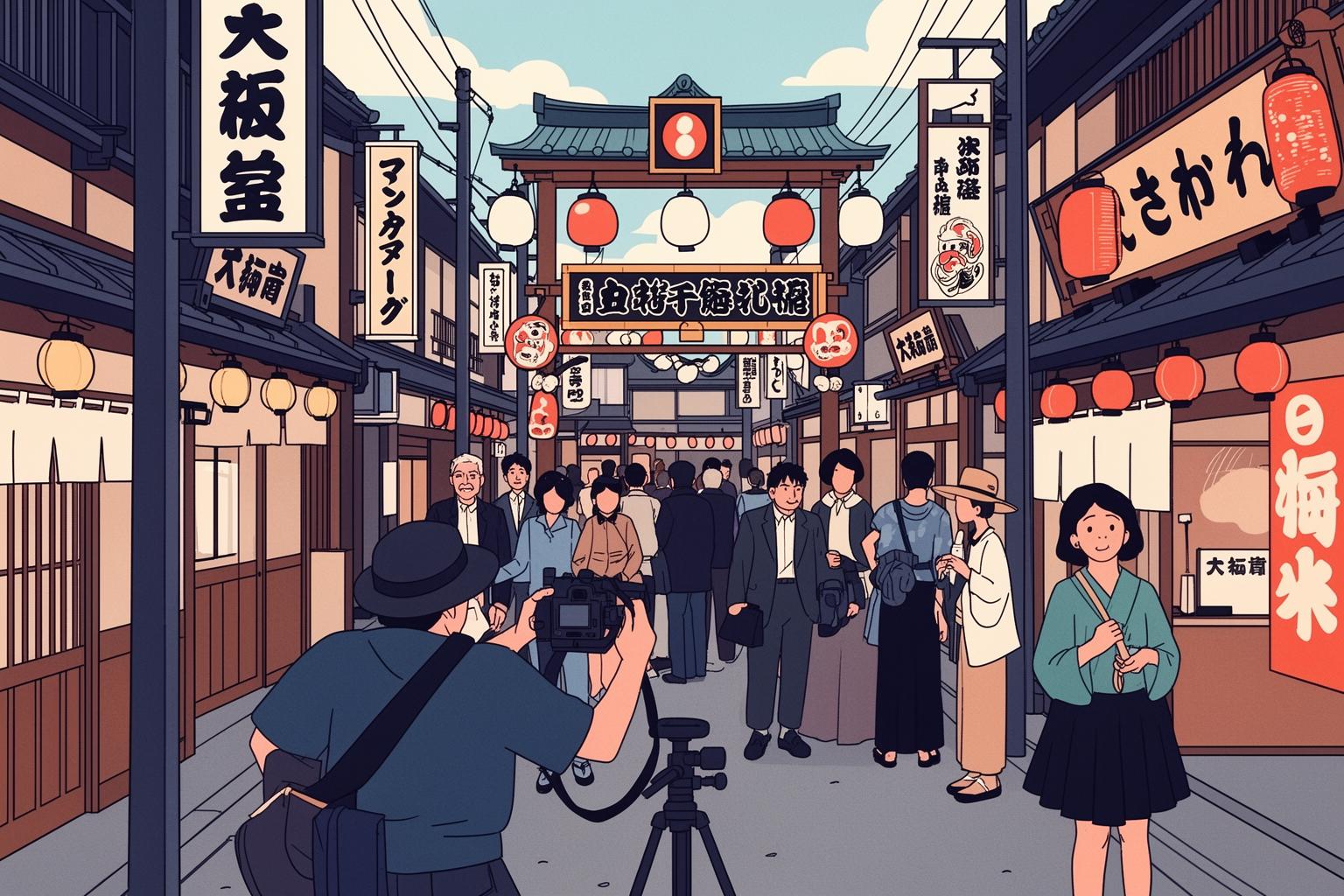
From the moment I stepped into Naniwa Kuishinbo Yokocho, my photographer’s eye was instantly engaged. This spot is a goldmine of visual stories waiting to be shared. The dim lighting can be tricky, but it’s also what gives the alley its unique charm. My tip is to embrace it. Avoid using flash, which would only flatten the scene and kill the mood. Instead, raise your camera’s ISO slightly or open your lens aperture to capture all the beautiful ambient light. The magic here is in the dance of light and shadow. Notice how the warm glow from a single paper lantern highlights a chef’s intense focus, or how the steam rising from a takoyaki grill catches the light, creating a soft, dreamlike effect. The details matter. Zoom in on textures: the charred edges of an okonomiyaki, the glossy shine of takoyaki sauce, the intricate designs on a vintage poster, or the rust on an old sign. These close-ups tell a story of skill and history. Compositionally, the narrow, twisting alleyways form excellent leading lines that draw the viewer into the scene. Use the crowds to your benefit. A long exposure can transform the moving people into dynamic blurs, contrasting with the still, timeless surroundings. This method beautifully captures the space’s energy. Yet, the most captivating subjects are the people themselves. The vendors are the lifeblood of this yokocho. Capture the rapid, graceful motions of their hands as they work. Seek moments of interaction—a vendor laughing with a customer, a child watching takoyaki being flipped with wide-eyed wonder. These candid human moments truly bring the spirit of Showa-era Osaka alive. Be respectful and unobtrusive. A friendly smile and nod can open doors. Often, chefs take pride in their craft and welcome being photographed. The challenge and joy of shooting in Naniwa Kuishinbo Yokocho lie in creating images that convey not just how the place looks, but how it feels. The aim is to make viewers almost smell the savory aromas and hear the lively sounds, transporting them just as the alley transports its visitors back in time. It’s a place that rewards patience and a sharp eye, offering the chance to capture the warm, vibrant, and delicious heart of Osaka in a single shot.
The Lasting Taste of Nostalgia
As you eventually step out of the dimly lit alley and into the bright, modern reality of Tempozan Marketplace, the experience stays with you. It’s more than the satisfying warmth from a hearty meal; it’s the lingering echo of a bygone era, a sense of connection to the city’s past. Naniwa Kuishinbo Yokocho succeeds because it recognizes that food is never simply about sustenance. It’s about memory, community, and identity. Each sizzling takoyaki ball carries history, offering a taste of Osaka’s resilience and joyous spirit. The alley acts as a delicious and essential bridge, inviting visitors from around the world, as well as younger generations of Japanese, to physically step into and savor a piece of their cultural heritage. It reminds us that beneath the surface of a hyper-modern metropolis like Osaka, old flavors and traditions are not merely preserved; they are cherished and celebrated with a palpable passion. This is a testament to the city’s kuidaore philosophy, showing that the joy of sharing good food in a lively setting is a timeless pleasure. So when you find yourself in Osaka, amidst its soaring skyscrapers and dazzling lights, I encourage you to seek out this humble gateway by the bay. Follow the scent of grilling batter and the sound of cheerful activity. Let yourself be drawn back in time to wander the lantern-lit lanes and join the great takoyaki debate. In Naniwa Kuishinbo Yokocho, you’re not just a tourist at a food court—you are a time traveler, a welcome guest at a city-wide feast, tasting not only the food but the very heart of Osaka itself.