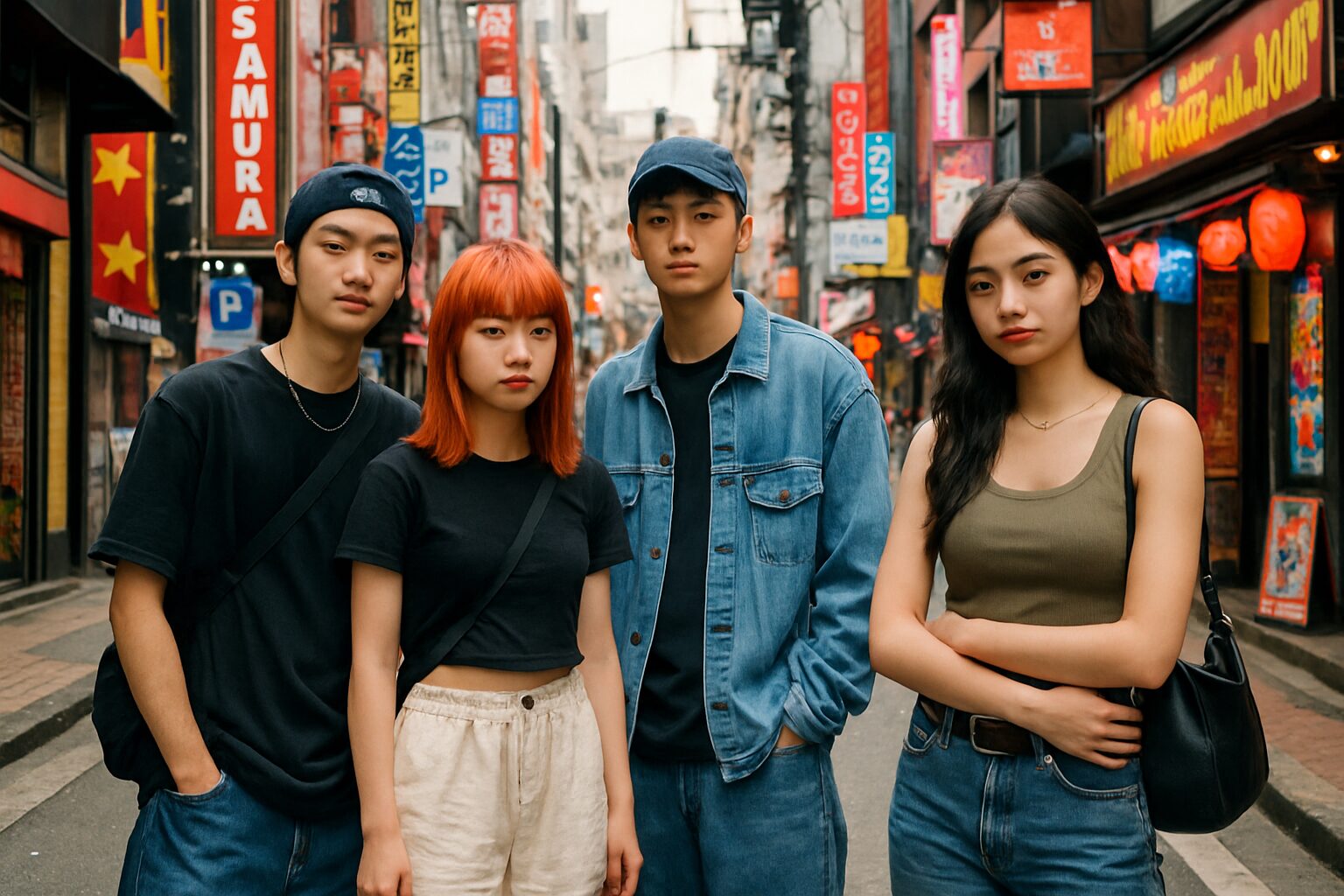
Yo, step off the beaten path, let the tourist maps curl up in your pocket. We’re diving headfirst into a concrete jungle where the heartbeat of Osaka pounds a rhythm all its own. This ain’t your grandma’s tea ceremony, nor is it the sterile shine of a futuristic skyscraper. This is Amerikamura, or as the locals lovingly call it, Ame-mura. A vibrant, chaotic, and utterly magnetic vortex of youth culture, smack-dab in the middle of this sprawling metropolis. Forget what you think you know about Japan; this place rewrites the rulebook with a spray can and a distorted guitar riff. It’s more than just a cluster of streets west of the Shinsaibashi shopping arcade; it’s a living, breathing testament to individuality. It’s where fashion isn’t just worn, it’s lived. Where music isn’t just heard, it’s felt in your bones. And most importantly, it’s where connections are forged not over polite formalities, but over a shared love for a rare vinyl record, a perfectly executed skateboard trick, or the mutual admiration of a killer pair of vintage boots. This is the soul of young Osaka, raw and unfiltered, and it’s waiting for you to plug in and feel the electricity. This is where you come not just to see, but to become part of the scene.
If you’re looking to experience more of Osaka’s vibrant nightlife after exploring Amerikamura, be sure to check out the electric energy of Dotonbori after dark.
The Vibe: Breathing in the Concrete Jungle
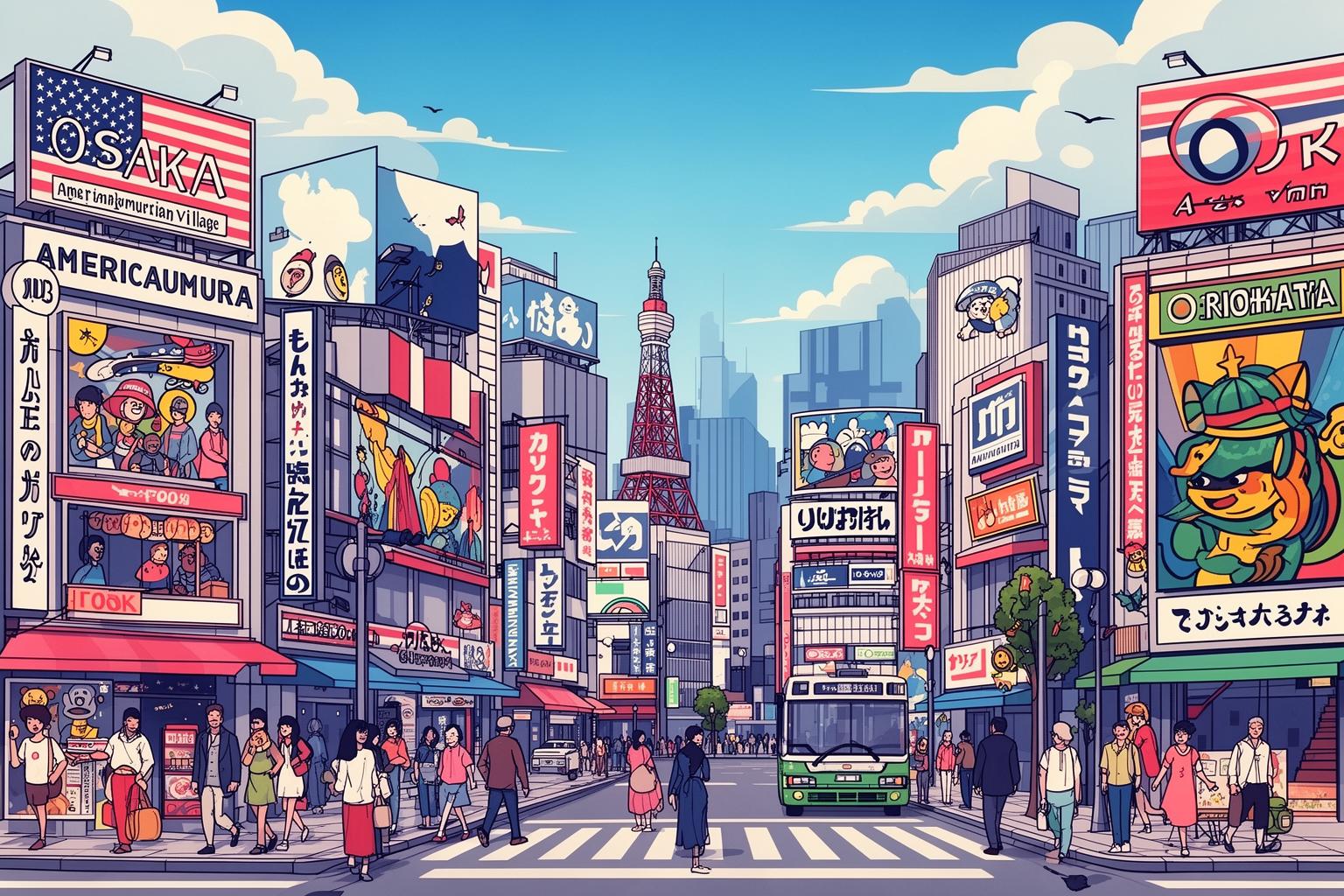
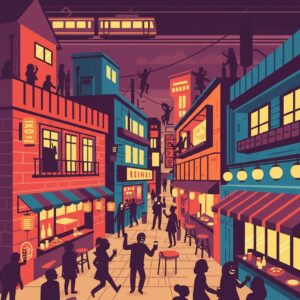
To truly grasp Amerikamura, you must engage all your senses. It’s a full immersion. The very air feels different here, thick with a creative energy that seems almost tangible. It carries the scent of sizzling takoyaki batter from a street-side stall, the rich, dark aroma of freshly brewed coffee from a third-wave cafe, and the faint, sweet fragrance of incense drifting from a tiny boutique. Close your eyes for a moment. Listen. You’ll catch the low, thumping bass of a hip-hop track seeping from a streetwear shop’s open door, the clatter of skateboard wheels on pavement, the murmur of a dozen conversations in various styles, and the distant wail of an electric guitar from a second-floor live house. It’s an urban symphony played at full volume. The visual landscape is a dazzling assault on the senses. Every surface seems like a canvas. Brick walls come alive with vibrant murals, stories told in spray paint and bold lines. Look up, and you’ll find even the streetlights are art, whimsically sculpted into human forms, forever watching over the creative chaos below. There’s constant motion, a kinetic buzz radiating from the people who call this place their playground. It’s a feeling of freedom, a sense that here, within this small grid of streets, you can be unapologetically yourself. Judgment is noticeably absent. The guy with the neon pink mohawk receives a nod from the girl in a meticulously curated 1950s swing dress. Skaters practicing kickflips in the park share the space with groups of friends just relaxing and listening to music. It’s a tapestry woven from a thousand unique threads, all contributing to the same vibrant pattern. The atmosphere shifts as the sun dips below the horizon. Daytime in Ame-mura is all about the hunt—scouring vintage racks, discovering new designers, people-watching from a cafe window. But as neon signs flicker to life, a new energy emerges. The focus moves from commerce to community, from consumption to creation. Live houses open their doors, the bars fill up, and the true magic of connection ignites in the electric twilight.
The Fashion Scene: A Runway on the Streets
Fashion in Amerikamura isn’t about chasing trends; it’s about setting them. The streets serve as a vibrant runway where personal style reigns as the ultimate form of expression. This area is arguably the heart of vintage and secondhand clothing in all of Kansai, a destination for those who believe clothes carry souls and stories. Here, the past is continuously reimagined and blended into something fresh and exciting.
Vintage Goldmines
Get ready to lose track of time, whether hours or days, exploring the vast temples of vintage fashion that define Ame-mura. These are more than just stores—they are style archives, treasure troves packed with sartorial gems. Step inside places like Kinji, and you’re not merely shopping; you’re embarking on an archaeological journey. The scale is immense, with racks stretching out like a forest of flannel, denim, and leather. The air is rich with a nostalgic hint of history. You’ll pass rows of classic American workwear, worn-in Levi’s jeans, and rugged Carhartt jackets that have lived through more than most people. Deeper inside, you might discover vibrant 80s ski jackets still bursting with neon defiance or a delicate 70s lace blouse ready to pair with ripped jeans for the ultimate bohemian-punk vibe. Then there are specialty shops like JAM and Pigsty, each with a distinct, carefully curated aesthetic. These boutiques resemble galleries, with every piece handpicked for its quality and character. Here, you’ll find immaculate military surplus gear, rare band tees from legendary tours, and finely crafted leather boots broken in to perfection. The thrill lies in the hunt—the tactile joy of browsing hangers, feeling different textures, and the sudden excitement when that perfect piece, seemingly made just for you, emerges. It’s a sustainable and deeply personal way to build a wardrobe, and in Ame-mura, this style forms a way of life.
Streetwear and Independent Labels
Vintage is the foundation, but Ame-mura’s fashion landscape is ever-evolving, driven by a lively community of independent designers and streetwear aficionados. Here, you’ll discover the forefront of Japanese street style. Hidden in narrow alleys and tucked away on upper floors of plain buildings are small boutiques bursting with vision. Often owner-run, these shops are managed by individuals passionate about their craft. They might focus on reworking vintage garments into unique pieces or showcase their own independent labels producing limited runs of graphic tees, hoodies, and accessories you won’t find anywhere else. Visiting these shops is an intimate experience—the owner often behind the counter, eager to share not only the clothes but the inspiration behind them, the music that influenced the designs, or the local artists they collaborate with. This is slow fashion at its best—a direct connection to the creator. You’ll also see a strong influence from global skate and hip-hop culture, with shops carrying both iconic international brands and niche Japanese streetwear labels. The style is bold, graphic, and frequently unisex, prioritizing comfort and attitude. It’s a look crafted for the streets, for movement, and for making a statement.
Personal Expression
The most striking thing about fashion in Amerikamura is the absence of rules. It’s a genuine melting pot of subcultures. On any afternoon, you might spot a group of friends in full gothic lolita attire, complete with intricate lace and platform shoes, passing a crew of B-boys sporting baggy jeans and oversized hoodies. Punk rockers decked out in studded leather jackets walk alongside art students wearing minimalist, avant-garde silhouettes, and vintage lovers who appear to have stepped out of a time machine. The common thread is not a single style but a shared dedication to self-expression. People use their clothing to communicate who they are, what they adore, and what they represent. It’s a powerful, inspiring sight. For visitors, it’s an invitation to dare. Wear that outrageous jacket you impulsively bought. Experiment with colors you’ve never tried before. In Amerikamura, standing out isn’t just allowed—it’s encouraged. It’s the ideal place to play with your style and discover new dimensions of your personality. Your clothes become your conversation starters and your entry into the community.
The Sound of the Underground: Music and Performance
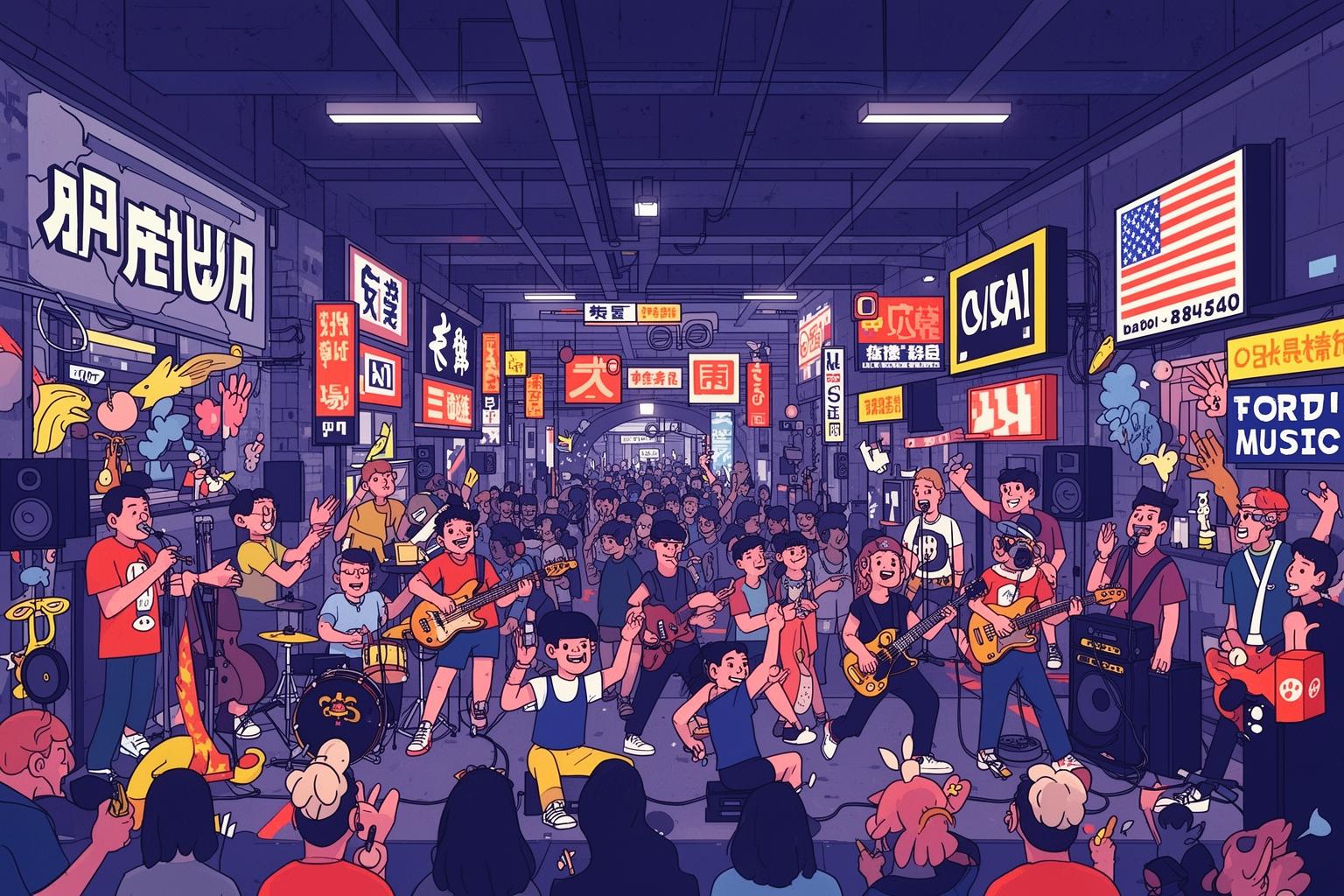
If fashion represents the look of Amerikamura, then music embodies its soul. The district pulses with sound, from carefully curated playlists playing in its shops to the raw, visceral energy radiating from its legendary live venues. This is a haven for music lovers, collectors, creators, and anyone who believes in the power of a perfect beat or an electrifying guitar solo. It’s a place where you don’t just listen to music—you feel it, breathe it, and become part of its story.
Record Stores as Sanctuaries
In an era dominated by streaming and digital downloads, Ame-mura’s record stores stand as proud sanctuaries of physical media. They serve as revered spaces for crate diggers and audiophiles alike. Entering a shop like Time Bomb Records or King Kong is like stepping into a vast library of sound. The scent of aged cardboard and vinyl is intoxicating. Walls are adorned with posters from bygone gigs, while the air hums with the warmth of a record spinning on a turntable—often something rare and cherished by the passionate staff. The experience is deeply tactile. There’s the satisfying “thump-thump-thump” as you flip through tightly packed rows of LPs, the joy of pulling out a record, admiring its artwork, and reading the liner notes. It’s a slow, intentional process of discovery that no algorithm can ever replicate. These stores are run by people who live and breathe music. The staff are walking encyclopedias of knowledge. Ask for a recommendation based on an obscure band, and they’ll not only suggest a new artist but also share the full history of the genre. They stand as gatekeepers of the underground, and striking up a conversation with them can open doors to an entirely new world of music. Here you’ll find everything from Japanese punk rock and city pop to Detroit techno, classic soul, and obscure indie releases from around the globe. Purchasing a record in Ame-mura isn’t just a transaction; it’s an act of cultural participation—a way to bring home a piece of the area’s sonic identity.
Live Houses (Live Venues)
The true heartbeat of Ame-mura’s music scene lies in its live houses. These aren’t sprawling stadiums or impersonal concert halls. A Japanese live house, or “raibu hausu,” offers an intimate, often gritty, and always intense experience. Venues like Shinsaibashi ANIMA, Pangea, or the legendary BIGCAT allow you to get up close and personal with the music. Stages are low, rooms are small, and there’s often no barrier between the audience and the band. You feel the bass drum’s vibrations in your chest and see the sweat beading on the guitarist’s brow. This is music in its rawest, most powerful form. The scene is incredibly diverse: on any given night, you might catch a thrash metal band, a dreamy shoegaze act, an emerging hip-hop crew, or an experimental noise artist performing just a few doors apart. This is where you can discover the next big breakthrough in Japan’s music scene. Attending a show is a remarkable way to connect with local culture. The crowd’s energy is contagious. Even if you don’t understand the lyrics, the passion is unmistakable. It’s a communal experience, a room full of strangers united for an hour by their shared love of sound. Don’t be daunted if you don’t speak Japanese—music is a universal language. Simply buy a ticket (often available at the door), grab a drink, and let the sound envelop you. You’ll likely find yourself chatting with fellow fans between sets, bonding over your enthusiasm for the performance.
Street Performers and Dancers
The stage in Amerikamura is not always confined indoors. The area’s central hub—a sunken concrete plaza officially known as Mitsu Park but commonly called Sankaku Koen (Triangle Park)—serves as a natural amphitheater for street performances. This is the social heart of Ame-mura, always buzzing with creative energy. On a sunny afternoon, the park becomes a kaleidoscope of activity. You’ll see crews of B-boys and B-girls laying down cardboard and perfecting power moves, their bodies spinning and contorting against gravity. A rapper might host an impromptu cypher, exchanging verses with friends as a crowd gathers to watch. Skateboarders treat the park’s ledges and steps as their personal skate spot, the sound of wheels echoing through the plaza. Musicians often busk here, their guitar cases open for tips, filling the air with acoustic melodies. This is where Ame-mura’s diverse subcultures intersect and coexist. It’s a place to see and be seen, but more importantly, a place to connect. An unspoken rule of mutual respect prevails. People come here to practice their craft and share their passion. It’s an open invitation to watch, listen, and engage. If a dancer pulls off an impressive move, a simple nod or word of appreciation can spark a great conversation. This is the community’s gathering spot, and by just being there, you become part of it.
Fueling the Vibe: Food and Drink Culture
All this creative energy needs sustenance, and Amerikamura’s food and drink scene is just as diverse and down-to-earth as its fashion and music. This isn’t a spot for fine dining or formal restaurants. Instead, it’s about quick, tasty, and often quirky bites you can enjoy on the move, alongside cozy places to relax, recharge, and connect with others. The food here is a vital part of the culture, acting as a social glue that brings people together.
Iconic Street Food
When you think of Osaka street food, takoyaki comes to mind, and Amerikamura boasts some of the city’s most beloved takoyaki stands. At legendary spots like Kogaryu, you can watch the skilled chefs at work. They stand over rows of cast-iron pans, expertly and rhythmically turning balls of batter with long metal picks until they are perfectly golden and crispy on the outside, and wonderfully gooey and molten on the inside, with a tender piece of octopus hidden within. The process is captivating to watch. The takoyaki is then generously coated in tangy-sweet brown sauce, drizzled with Japanese mayonnaise, and topped with aonori (green seaweed flakes) and katsuobushi (bonito flakes) that dance in the steam. Taking that first cautious bite, careful not to burn your tongue, is a quintessential Osaka experience. It’s food meant for sharing. You’ll find groups of friends gathered around small tables, sharing boats of takoyaki, laughing and chatting. It’s the ideal fuel for a day spent shopping and exploring. But Amerikamura’s culinary inventiveness doesn’t stop there. It’s also home to strange and wonderful creations like the “ice cream dog,” where a scoop of ice cream is served in a fried, hot dog-style bun—a surprisingly delicious mix of hot and cold, crispy and creamy. And be sure not to miss the “long softcream,” an absurdly tall, gravity-defying swirl of soft-serve ice cream that’s just as much a photo opportunity as a dessert.
Cafes for Chilling and Connecting
Sometimes you need a break from the sensory overload of the streets, and Amerikamura’s café scene offers a wide range of options to suit every mood. These are more than just places to grab coffee; they serve as social hubs, creative spaces, and glimpses into the local culture. You’ll find trendy, minimalist coffee shops with large windows perfect for people-watching. There, you can sit with a perfectly crafted latte and watch the constant parade of street style pass by. These cafés are often filled with freelancers, students, and artists tapping away on laptops or sketching in notebooks. There are also cozy, tucked-away cafés hidden down side streets or on upper floors, feeling like secret hideouts. These are places where you can sink into a comfortable armchair, listen to a thoughtfully curated vinyl soundtrack, and lose yourself in a book or conversation. Many cafés double as galleries, showcasing local artists’ work on their walls, so grabbing a coffee can turn into an unexpected art-viewing experience. These cafés offer a low-pressure atmosphere, ideal for solo travelers—you can sit for an hour with a single drink and no one will disturb you. They’re also excellent spots to meet people. If you notice someone reading a book by an author you admire or sketching in a style you like, don’t hesitate to offer a quiet compliment. It’s a natural and easy way to strike up a conversation.
Nightlife: Bars and Izakayas
As night falls, Amerikamura’s vibe shifts to its amazing collection of small, intimate bars. This is where you truly experience the local nightlife and build genuine connections. Forget large, impersonal clubs. The charm of Amerikamura’s nightlife lies in its tiny, owner-operated bars, many seating just a handful of guests. Each bar has a unique personality, often reflecting its owner’s passion. There are rock bars with walls covered in memorabilia where classic vinyl spins all night. Punk bars are loud, gritty, and warmly welcoming. Quiet, moody bars specialize in craft cocktails or Japanese whisky. Entering one of these spots feels like stepping into someone’s living room. The owner usually doubles as bartender, playing a vital role in setting the atmosphere. They’re often fascinating characters, full of stories and eager to chat with customers. This intimate setting makes it easy to strike up conversations with fellow patrons. You might find yourself sitting shoulder-to-shoulder with a local musician, a visiting artist, or a fellow traveler. Sharing time in a cool, slightly hidden spot quickly creates a sense of camaraderie. Here, you can have long, meaningful conversations, exchange stories, get tips on the best live shows, and forge friendships that last well beyond the night. Don’t hesitate to explore. Wander down a narrow alley, climb a steep flight of stairs, and push open a door that looks intriguing. You never know what amazing little world awaits on the other side.
Making Connections: Your Guide to Making Friends
Amerikamura is not just a spot to see cool things; it’s a place to connect with cool people. The entire atmosphere encourages social interaction and shared passions. However, for newcomers, breaking the ice can still feel intimidating. The key is to remember that people here are united by common interests. By immersing yourself in the culture, you’re already halfway to making a friend. It’s about staying open, curious, and placing yourself in the right situations.
Sankaku Koen (Triangle Park): The Social Hub
If you do just one thing to meet people in Amerikamura, make it this: visit Sankaku Koen and simply hang out. This concrete plaza is the vibrant heart of the community. It serves as a living room, a practice space, and a stage all at once. Find a spot on the steps, grab a can of coffee or beer from a nearby convenience store, and observe. The park is always buzzing with activity. You’ll see skaters trying to land the same trick repeatedly, encouraging one another with each attempt. Dancers will be rehearsing choreography, while friends relax nearby, chatting and laughing. The vibe is relaxed and inclusive, making it an ideal setting for interaction. The easiest way to start a conversation is with a sincere compliment. If a skater impresses you, wait for a break and tell them. A simple “That was amazing!” or “Sugoi!” works perfectly. Ask about their board or how long they’ve been skating; people generally love talking about their passions. If you spot someone wearing a band t-shirt you like, mention it to instantly find common ground. The key is not to force it—be a relaxed observer first, soak in the atmosphere, and take opportunities as they come. The park offers a low-pressure social environment where people tend to welcome new faces.
Connect with Shop Staff and Owners
The people working in Amerikamura’s shops are more than just retail employees; they’re curators, experts, and passionate members of the scene. They’re an incredible resource and a great way to engage with the local culture. When browsing in a vintage store, don’t just quietly look around. If something catches your eye, ask the staff about it—they may know its history or offer styling tips. In a record store, ask the person behind the counter what they’re listening to or for recommendations. Their faces will light up sharing their favorite music with you. These chats can often open doors to more—like tips about great live shows or favorite local bars. Shop staff act as community gatekeepers, and showing genuine interest in their expertise is the best way to earn respect and friendship. Since many shops are small and personal, over a few visits you can build real rapport and transition from customer to regular—a familiar face in the neighborhood. That’s when you start truly feeling part of the community.
Participate in Events and Gigs
Shared experiences are the quickest way to build connections. Instead of just wandering the streets, actively take part in the events that bring Amerikamura to life. The obvious choice is catching a live show. Find a band that piques your interest and see them live—you’ll be surrounded by people who share at least one passion with you: music. The breaks between bands are perfect for chatting. Ask the person next to you if they’ve seen the band before or what they thought of the opening act. The energetic, loud atmosphere makes conversations easy and informal. Beyond music, check out art gallery openings, pop-up shops, or special park events—anywhere people gather around common interests, making it easier to strike up conversations. Following local venues, shops, and artists on social media is a smart way to stay updated. By showing up, you signal that you’re an active participant, not just a bystander. That kind of engagement naturally attracts others who want to connect.
Language is Not a Major Barrier (But Effort Counts)
One of the biggest worries for foreigners in Japan is the language barrier. However, in a place like Amerikamura—international and youth-oriented—it’s less of a problem than you might expect. Many young people speak some English and are eager to practice with native speakers. Don’t let the fear of miscommunication hold you back. That said, making an effort with Japanese goes a long way. You don’t need fluency; learning a few key phrases shows respect and genuine interest in the culture. Simple words like “Konnichiwa” (hello), “Arigatou” (thank you), and “Sumimasen” (excuse me) are essential. Going further, learn phrases relevant to the scene: “Sono fuku, kakkoii desu ne” means “Those clothes are cool,” and “Kono bando, suki desu” means “I like this band.” A simple compliment in Japanese can be a powerful icebreaker. People appreciate the effort, making them more open to conversation—whether in English, Japanese, or using translation apps. Above all, body language matters most: be open, smile, and show genuine enthusiasm. That communicates more than words ever could.
Be Open and Approachable
Ultimately, making friends depends on your attitude. In a vibrant place like Amerikamura, your best approach is to be open, curious, and approachable. Put your phone away. Make eye contact. Smile. If you’re glued to your screen, you send a clear message that you don’t want to be disturbed. Sit in the park and watch the world go by. Step into shops you know little about and let your curiosity guide you. Be a person who says “yes.” If a shop owner suggests a bar, go check it out. If someone you’ve just met invites you to see a band, go along. Spontaneity is part of the Ame-mura experience. This isn’t a place for rigid schedules—it’s about happy accidents and unexpected discoveries. Embrace the energy and chaos of the neighborhood. By staying open to new experiences, you’ll naturally attract like-minded people. Your vibe attracts your tribe—and in Amerikamura, there truly is a tribe for everyone.
Practical Information for Your Adventure
Navigating Amerikamura is simple, but a few local tips can help you fully enjoy your visit and immerse yourself in the scene like a seasoned regular. Understanding the layout and rhythm of the neighborhood will allow you to focus on what truly matters: absorbing the culture and making meaningful connections.
Access: Reaching the Center of the Action
Amerikamura is conveniently located right in the heart of Osaka’s Minami district and is easy to access. Your main entry points are the major train and subway stations nearby. The closest is Shinsaibashi Station, served by the Midosuji subway line (red line) and the Nagahori Tsurumi-ryokuchi line. From Shinsaibashi Station, use one of the west-side exits (toward Yotsubashi), and you’ll be just a five-minute walk away. Yotsubashi Station on the Yotsubashi subway line (blue line) is another very convenient option, placing you right at the western edge of Amerikamura—practically stepping out of the station and into the action. If you’re coming from the lively Namba area, it’s an easy and pleasant 10-15 minute walk north. Just head up the main Midosuji-dori street and turn left after passing the Apple Store, or walk along the Shinsaibashi-suji shopping arcade and cut across. The area is laid out in a compact grid of streets, so getting genuinely lost is nearly impossible. Use Sankaku Koen (Triangle Park) as your central reference point; everything radiates from there.
Best Time to Visit: Capturing the Atmosphere
Amerikamura has a unique daily rhythm, and your experience will differ depending on the time you visit. Shops typically open around 11:00 AM or even noon, so there’s no need to hurry there early in the morning—this neighborhood wakes up late. Weekday afternoons are prime for serious shopping, with thinner crowds offering more room to browse the densely packed vintage stores and chat with staff. It’s a relaxed, intimate vibe. On weekends, especially Saturday and Sunday afternoons, Amerikamura comes alive with a vibrant and chaotic energy. The streets swell with people, ideal for people-watching, and Sankaku Koen buzzes with activity. If you want to see street fashion and soak up maximum energy, that’s the best time to go—though be prepared for crowds. The true magic of Amerikamura emerges in the late afternoon and spills into the evening. As the sun sets, daytime shoppers thin out and the nightlife crowd appears. This is when people gather to hang out, attend live shows, and visit bars. Neon lights flicker on, bathing the streets in colorful hues, and the atmosphere becomes more creative and community-oriented. A great plan is to arrive in the mid-afternoon, explore and shop, grab some street food for dinner, then transition into the evening with a live show or a visit to a cool local bar.
Exploring the Area: Key Landmarks in the Urban Maze
Though wandering aimlessly is the best way to experience Ame-mura, a few notable landmarks can help you stay oriented. The most important is Sankaku Koen (Triangle Park), the undisputed heart of the neighborhood. If you feel lost, just ask someone for “Sankaku Koen,” and they’ll direct you. Another must-see is the giant mural by artist Seitaro Kuroda on a building called “The Wall.” Titled “Peace on Earth,” this vibrant and hopeful artwork perfectly captures the neighborhood’s spirit. It’s a popular meeting spot and a great photo backdrop. You also won’t want to miss the iconic building with a large, slightly unsettling clown head protruding from the side—one of those wonderfully quirky features that make Ame-mura unique. And don’t overlook the artistic streetlights shaped like quirky human figures; spotting all their different designs as you stroll around is a delightful little treasure hunt.
Tip for First-Timers: Embrace the Unexpected
If I could offer one piece of advice for first-time visitors, it would be this: ditch your checklist. Don’t come to Amerikamura with a strict plan to visit five specific shops or snap three particular photos. The true spirit of this place lies in the unexpected detours. Your best vintage find might come from a shop you hadn’t planned to enter. The most memorable conversation might be with a stranger you meet while waiting for coffee. The best music might come from an unknown band playing in a basement venue you stumble upon by chance. Let curiosity guide you. Follow a street simply because it looks intriguing. Climb the stairs to see what’s upstairs. Linger in the park and soak in the vibe. The more you let go of expectations, the more Amerikamura will reveal itself. Be open, be present, and allow the neighborhood’s chaotic, creative energy to lead you on an adventure. That’s how you’ll discover not only great clothes and food but also a genuine connection to the vibrant soul of Osaka.
Amerikamura is far more than just a point on the map or a quirky shopping area. It’s a bold statement of independence, a refuge for the weird, the wonderful, and the wildly creative. It’s a community united by a shared belief in the power of self-expression. To visit here is to enter a world where passion is currency and style is your handshake. It’s a place that celebrates being different. So come with an open heart and mind. Come ready to explore, listen, and observe. Dive into a sea of vintage clothes, let the sound of a live house wash over you, and savor the taste of takoyaki lingering on your tongue. But most of all, come ready to connect. Make eye contact, share a smile, start a conversation. In Osaka’s electric, chaotic, and beautiful heart, you might just discover your new favorite band, your most treasured jacket, and a friend you’ll never forget.