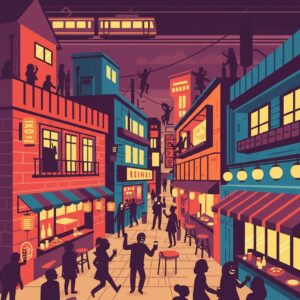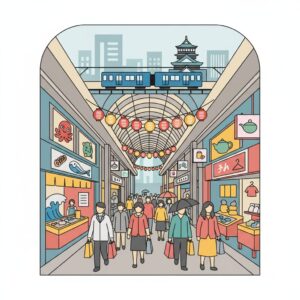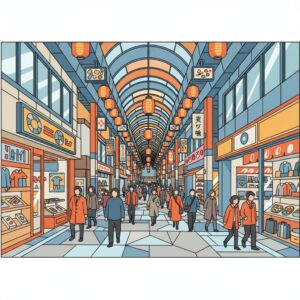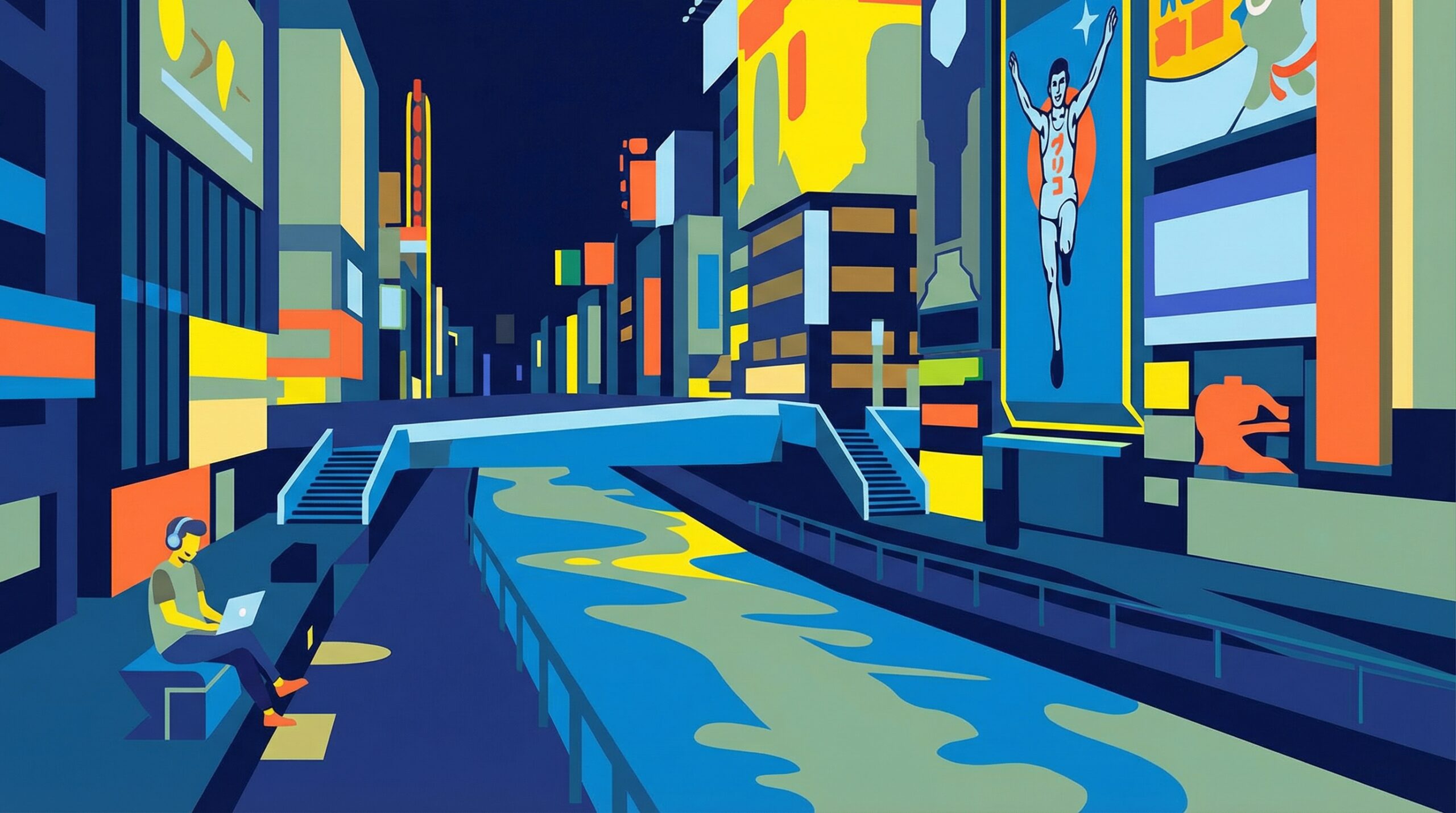
Welcome to the electric heart of Osaka, a place where the rhythmic pulse of productivity meets the chaotic, neon-drenched symphony of pleasure. For the modern remote worker, the digital nomad, the creative soul untethered from a traditional office, finding a place that fuels both your work and your spirit is the ultimate quest. Look no further than Namba. This isn’t just a district; it’s a living, breathing ecosystem that offers the perfect, if sometimes wonderfully frantic, backdrop for crafting your ideal work-life balance. Namba is where ancient tradition and hyper-modernity don’t just coexist; they dance, they collide, they create a vibrant energy that’s impossible to ignore. It’s a place where you can spend your morning deep in focused work, fueled by artisanal coffee in a quiet cafe, and your evening getting lost in a labyrinth of glowing signs, savory street food, and boundless entertainment. This guide is your key to unlocking that rhythm, to navigating the beautiful madness, and to making Namba not just a place you visit, but a place you can truly live and thrive in as a remote professional. It’s about learning to ride the wave of energy, to find your quiet corners within the storm, and to embrace the exhilarating contrast that defines this incredible corner of the world. Forget the rigid separation of labor and leisure; here, they blend into a seamless, unforgettable urban experience.
To truly understand the unique urban fabric of Osaka, consider exploring the distinct character of nearby districts like Shinsekai, which offers a fascinating contrast to Namba’s modern energy.
Crafting Your Mobile Office: Namba’s Top Spots for Productivity
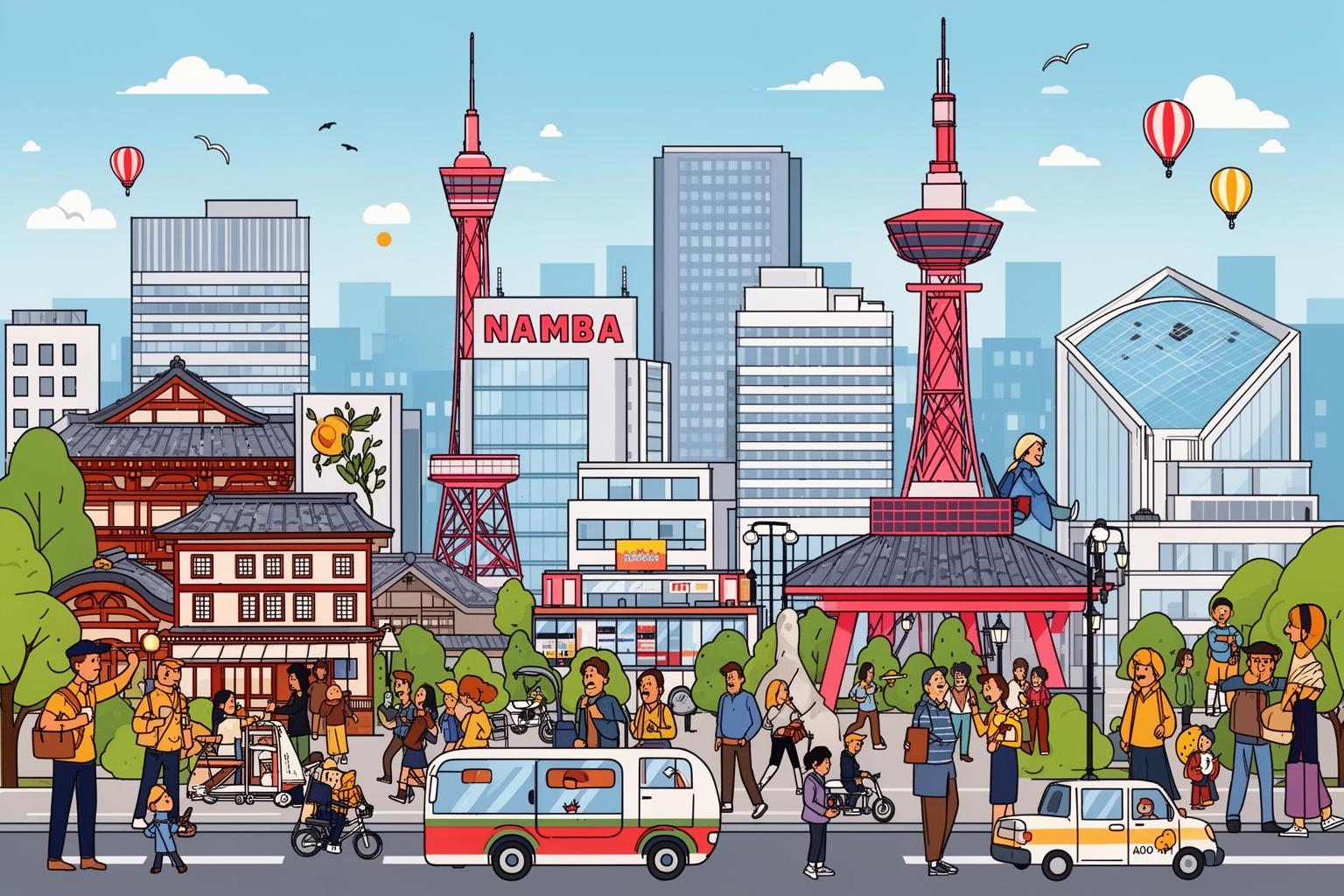
Your first challenge as a remote worker settling into a new city is establishing a reliable base of operations. Namba, with its overwhelming density, might feel daunting at first, but it conceals a wide array of options to suit every working style. The secret lies in knowing where to look—going beyond the obvious to discover the perfect nook that complements your workflow. From highly focused coworking spaces to bustling cafes that tap into the city’s vibrant energy, your ideal office is waiting.
The Dedicated Coworking Hubs
On days when you need intense concentration, stable Wi-Fi, and the quiet buzz of fellow professionals, a dedicated coworking space becomes your haven. These spaces are more than just desks; they are communities. One top choice is The DECK. Just a short stroll from Namba’s main stations, The DECK features a sleek, modern design with polished concrete floors, generous natural light, and varied seating options—from open hot desks to private booths suited for calls. The internet here is exceptionally fast and reliable, essential for handling large files or video meetings. What makes it stand out is its atmosphere: quiet yet far from sterile, fostering a shared sense of purpose. You’ll find a mix of local freelancers, startups, and international nomads. They offer day passes for those wanting to test the space, as well as flexible monthly memberships. Regular networking events and workshops provide excellent opportunities to plug into the local professional community. While it’s an investment, for crucial project days, the productivity boost is well worth every yen.
Another great, though slightly different, option is the Blink community space. Although its main hub is a bit outside the city center, its network and philosophy permeate the freelance culture throughout Namba. Keep an eye out for their events, often hosted in partner venues around the area. Becoming part of these communities offers not just a workspace but a valuable support system, helping to ease the isolation that can sometimes come with remote work.
The Cafe as Your Command Center
There are times when the sterile quiet of a formal office isn’t what you need. Sometimes what you want is the ambient clatter of ceramic cups, the hiss of a steam wand, and the low hum of city life. Namba’s cafe scene is a world unto itself, with countless places to set up your laptop for a few hours. The key is to observe good cafe etiquette: purchase drinks and snacks regularly, avoid occupying large tables during busy lunch hours, and use headphones for any audio. A dependable starting point is the Starbucks chain, with several locations in and around Namba Station, including a large one inside Tsutaya at Ebisu-bashi. These spots provide consistency—you can expect decent Wi-Fi, ample power outlets (if you pick the right seat), and a familiar menu. However, they tend to be crowded and noisy, making them best suited for less demanding tasks or quick email bursts between errands.
For a more polished experience, try local Japanese coffee chains such as Tully’s Coffee or Doutor. These venues typically offer a calmer atmosphere than their American counterparts and attract mostly local patrons. Tully’s, in particular, features comfortable upholstered seating, which is ideal for longer work sessions. Their seasonal specialty lattes offer a delightful glimpse into Japan’s love of limited-time flavors.
To truly tap into Namba’s potential, you should explore the independent cafes. These hidden gems are sprinkled throughout the side streets of Amerikamura and the quieter lanes off the main shopping arcades. Places like Brooklyn Roasting Company offer a spacious, industrial-chic environment and excellent coffee. Their large communal tables are great for spreading out, and the creative energy is inspiring. Another option is the kissaten—traditional Japanese coffee houses. Some strictly favor quiet relaxation and discourage laptop use, but others are more accommodating. These spots, with dark wood interiors, velvet chairs, and siphon coffee brewers, provide a wonderfully atmospheric and uniquely Japanese setting for work. Marufuku Coffee Shop, located in the Namba CITY complex, feels like a step back in time, offering a peaceful retreat from the modern bustle outside.
A Pro Tip for Power Users
Always carry a portable battery pack. While many cafes have outlets, the best seats are often far from them. Having your own power source lets you choose your spot based on comfort and ambiance, not just proximity to an electrical socket. It’s a small piece of gear that greatly expands your workspace possibilities across the city.
The Art of the Midday Reset: Fueling Body and Soul
The nine-to-five routine is a thing of the past for us, but the midday slump remains a very real challenge. In Namba, your lunch break is more than just a pause; it’s a chance for a full sensory reset. The astonishing variety of food within a five-minute walk can satisfy any craving and give you the boost you need to power through the afternoon.
A Culinary Journey During Your Lunch Hour
Forget dull desk lunches. In Namba, you can enjoy a culinary adventure every day. The most iconic and accessible choices are around the streets near Dotonbori. Though famous as a nighttime spot, by day it transforms into a vibrant food market. You can grab a boat of takoyaki—hot octopus balls covered with savory sauce and mayo, topped with dancing bonito flakes. It’s a quintessential Osaka treat that’s quick, affordable, and delicious. Follow the longest lines of locals; they’re always a sign of the best spots. Likewise, a plate of okonomiyaki, a savory pancake filled with cabbage and your choice of meat or seafood, is hearty and satisfying. Many restaurants, such as Mizuno, have been perfecting their recipe for decades. Watching chefs skillfully cook it on the large teppan grill right before you is part of the charm.
For a comforting bowl of ramen, there are countless options. Ichiran Ramen features a unique solo-dining setup in “flavor concentration booths,” ideal for tuning out distractions and savoring the rich pork-bone broth. For a more local vibe, explore the side streets to find smaller, independent ramen shops, each with its own secret recipe and loyal fans. Don’t hesitate to try tsukemen, where noodles are served separately for dipping in an intensely flavored broth.
If you want something lighter or faster, the basement food halls in major department stores, known as depachika, are a dream for remote workers. The Takashimaya and Marui stores in Namba offer incredible selections, from upscale bento boxes and fresh sushi to artisanal bread and elegant salads. You can put together a healthy and tasty meal and be back at your laptop in under 30 minutes. These halls are also a perfect place to sample a broad range of Japanese dishes without committing to a full sit-down meal.
Discovering Your Green Oasis Amid the Concrete
Sometimes what you need isn’t food but a break from screens and the city’s constant stimulation. Namba Parks is just the place. This architectural gem is a multi-level shopping complex topped with a stunning terraced rooftop garden that climbs eight floors. It’s like a green canyon carved into the urban environment. Strolling its winding paths for 20 minutes, surrounded by trees, flowers, and small water features, is a wonderful way to clear your mind. Plenty of benches invite you to sit, breathe deeply, and disconnect from work. The upper levels offer great views of the city, providing perspective that can be invaluable when you’re stuck on a tough problem. In spring, the cherry blossoms bloom beautifully, and in winter, the illuminations create a magical atmosphere. It’s a free, accessible, and deeply refreshing oasis right in Namba’s heart.
Another quick escape option is Hozenji Yokocho. This narrow, stone-paved alleyway, just steps from the bustle of Dotonbori, feels like a doorway to another time. Lined with traditional eateries and lanterns, its centerpiece is Hozenji Temple, home to a moss-covered statue of Fudo Myo-o. Locals come here to make wishes and pour water over the statue, which has created a thick, velvety green moss coat. The air is filled with the scent of incense, and the atmosphere is one of calm reverence. Spending a few minutes in this peaceful spot can completely reset your mind, offering a moment of quiet reflection before returning to work.
Signing Off: The Endless Pleasures of a Namba Night
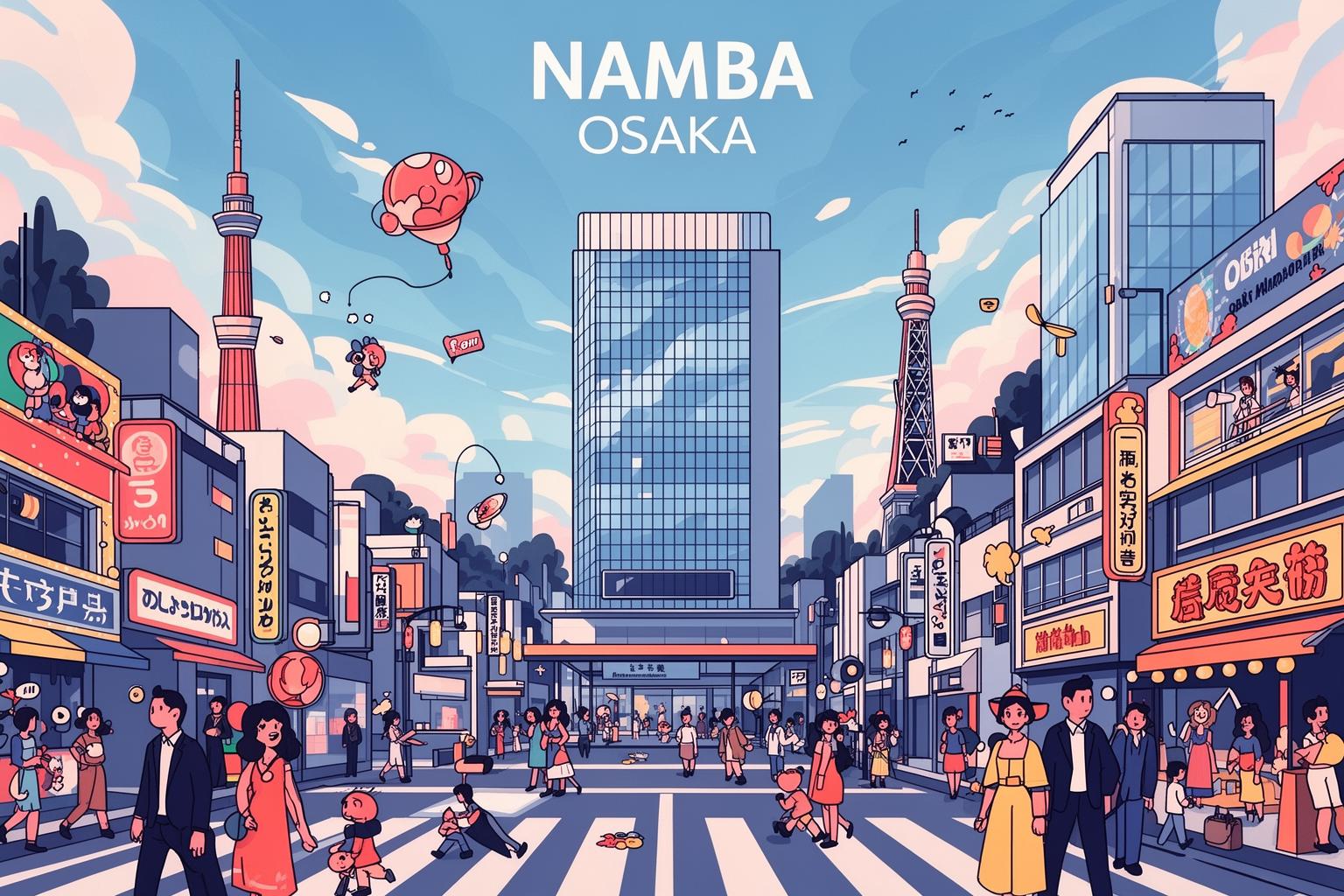
This is the moment when Namba truly comes alive. As soon as you close your laptop for the day, the district shifts from your workplace into your playground. The change is effortless and thrilling. The energy that quietly built up all day bursts forth in a dazzling display of light, sound, and flavor. Here, balancing work and play isn’t about setting a schedule; it’s about stepping outside your door.
The Dotonbori Spectacle
You haven’t really experienced Namba until you’ve immersed yourself in Dotonbori at night. The river reflects a riot of flashing, moving, three-dimensional neon signs. The iconic Glico Running Man, the giant crab, and the pufferfish lantern aren’t mere advertisements; they’re cultural symbols, landmarks of pure, exuberant commercial delight. The best way to enjoy it is by wandering. Stroll along the canal, cross the famous Ebisu-bashi bridge, and let the vibrant human energy envelop you. The sounds form a symphony of their own: vendors shouting street food sales, tinny arcade jingles, the buzz of dozens of languages, and the soft rumble of river tour boats. It’s sensory overload in the most wonderful way. Grab some gyoza from a street stall, watch the crowd, and simply take it all in. It’s the perfect remedy after a day spent in front of a screen.
Diving into Ura Namba
For a more genuine and less touristy experience, explore Ura Namba, or “Back Namba.” This maze of narrow alleys and covered arcades, especially around the Sennichimae Doguyasuji Shotengai (the kitchenware street), is packed with tiny, amazing izakayas (Japanese pubs), standing bars (tachinomi), and specialty eateries. This is where locals go to relax. The vibe is friendly and a bit chaotic. You might find a standing bar that fits only six people, serving exceptional sake and grilled skewers. You may come across an Italian restaurant run by a Japanese chef trained in Naples, or a tiny spot specializing in one dish—grilled oysters or beef tongue—executed flawlessly. It’s a place to practice your Japanese, share a drink with a local salaryman, and enjoy a spontaneous, unforgettable evening. Start at a spot like Dining Ajito, known for its creative menu, or simply wander until a red lantern and cheerful sounds pull you in. The thrill lies in the discovery.
Culture and Counter-Culture
Namba’s entertainment goes well beyond food and drink. For a taste of traditional Japanese culture, visit the Shochikuza Theatre, which hosts kabuki performances. Even if you don’t understand the language, the elaborate costumes, stylized movements, and powerful music are mesmerizing. At the opposite end is Amerikamura, or “Amemura.” Just a short walk from central Namba, it’s Osaka’s hotspot for youth fashion, music, and counter-culture. The streets are filled with vintage shops, record stores, and quirky cafes. At the heart is Triangle Park, a small concrete plaza where skaters, aspiring musicians, and fashion enthusiasts showcase their unique styles. It’s an ideal place for people-watching and tapping into the creative, rebellious spirit of Osaka’s youth. You can catch live music at small venues like Shinsaibashi BIGCAT or Sunhall, or simply explore the endlessly intriguing shops. It serves as a reminder that beneath its commercial surface, Osaka hides a gritty, artistic soul.
The Practicalities of Namba Life
Thriving as a remote worker in Namba takes more than just knowing where to work and have fun. It involves blending into the daily flow and grasping the practical details that make life easier. Namba is more than a destination; it’s an exceptionally functional urban center.
Navigating the Maze: Namba Station
Namba Station isn’t a single station but a vast, interconnected complex comprising several stations serving different railway lines: the Midosuji, Yotsubashi, and Sennichimae subway lines; the Nankai Railway (your direct route to Kansai International Airport); the Hanshin and Kintetsu lines (connecting to Kobe and Nara); and JR Namba Station. At first glance, it can be overwhelming. The trick is to familiarize yourself with key landmarks and follow the color-coded signs. The Midosuji line (red) is your main north-south route through the city, linking you to Umeda, Shinsaibashi, and Tennoji. The Nankai line is essential for weekend trips to Koyasan or quick airport access. Spend time wandering the underground passages without a set destination. Discover how Namba CITY, Namba Walk, and Takashimaya department store are all connected. Once you master this underground network, you’ll navigate the city with the ease of a local.
Your Everyday Essentials: From Market to Supermarket
While dining out in Namba is always tempting, you’ll also need to stock your fridge. The most renowned spot for groceries is Kuromon Ichiba Market. This covered market buzzes with vendors offering incredibly fresh seafood, top-quality produce, and a variety of Japanese specialties. It’s a fantastic place to shop for ingredients for a special meal and to soak in the lively market atmosphere. You can buy fresh scallops and have them grilled immediately or sample a piece of fatty tuna. However, Kuromon can be pricey since it caters largely to tourists. For your regular shopping, seek out a proper supermarket. There’s a Life supermarket near Namba Station and a Gyomu Super for buying bulk items at a discount. These stores provide a more practical and budget-friendly way to meet your daily needs, from milk and eggs to cleaning products and toiletries. Knowing where your local supermarket is located will help you feel less like a visitor and more like a resident.
Keeping Active and Healthy
Balancing long hours at your laptop means staying physically active. Besides walking a lot around Namba—which you’ll naturally do—there are several gyms nearby. Options range from large chains like Gold’s Gym to smaller, local fitness centers. Many offer day passes or short-term memberships, ideal for a nomadic lifestyle. Another excellent way to stay fit is running along the Dotonbori River. The pathways provide a surprisingly pleasant route, especially early in the morning before the crowds arrive. This gives a unique view of the district as it awakens. For a more traditional approach, consider joining a local martial arts dojo or a dance class, offering both exercise and a rich cultural experience.
Namba Through the Seasons
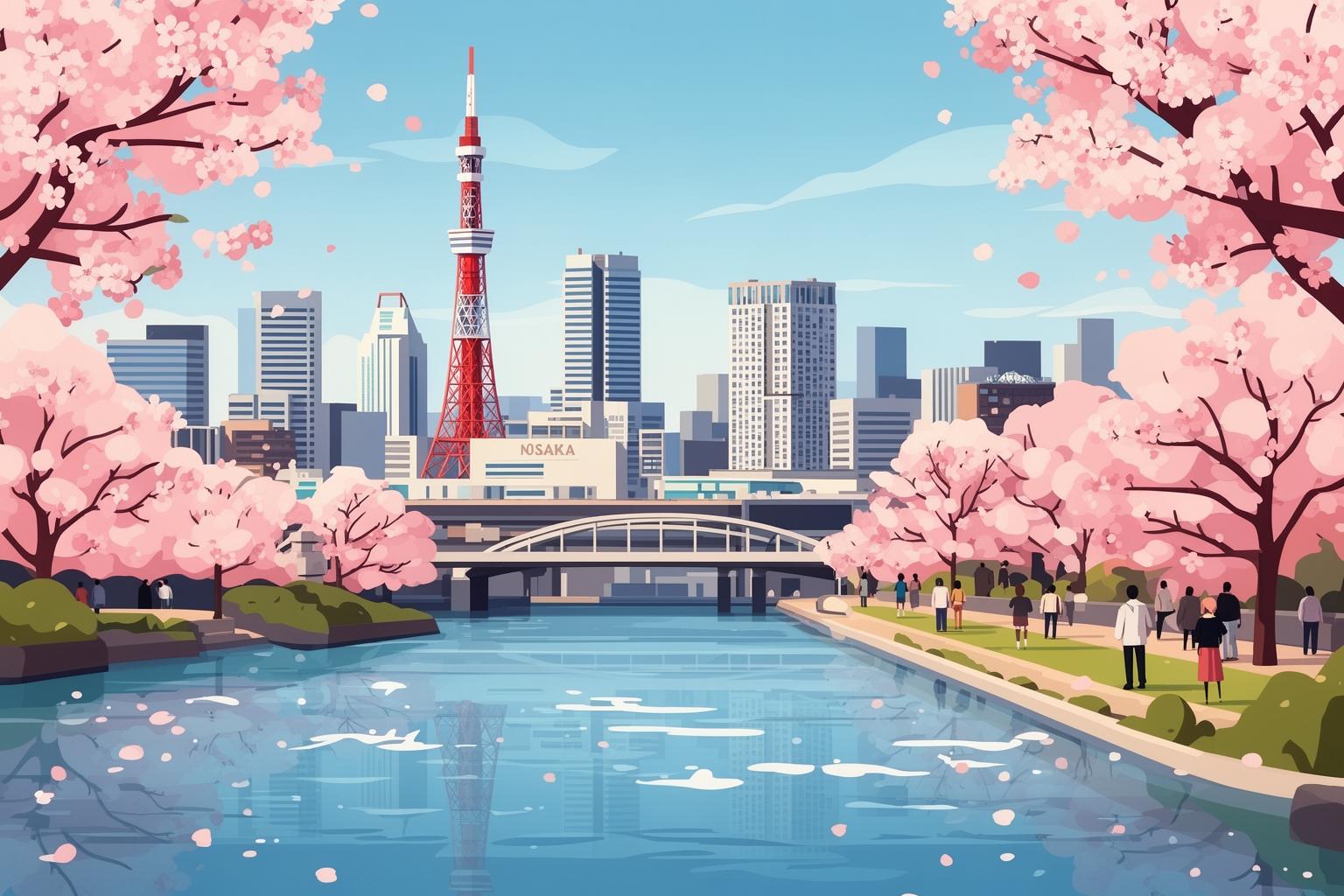
The atmosphere of Namba subtly transforms with the seasons, presenting fresh experiences and new reasons to fall in love with the area throughout the year. Grasping this seasonal rhythm will greatly enhance your visit.
Spring: Hanami and Fresh Beginnings
In late March and early April, the city is adorned in pink and white as cherry blossoms (sakura) bloom. While Namba itself isn’t known for expansive cherry blossom parks, Namba Parks offers a charming, curated display. The true charm lies in taking a short train ride from Namba Station to spots like Osaka Castle Park or Kema Sakuranomiya Park, where locals gather for hanami (cherry blossom viewing) festivities. The mood is lively and joyful, celebrating the fleeting beauty citywide. The air in Namba feels fresh and filled with hopeful energy as the weather warms.
Summer: Festivals and Fireflies
Summer in Osaka is hot and humid but also a season rich in festivals (matsuri). The most renowned is the Tenjin Matsuri in July, one of Japan’s top three festivals, known for grand processions and a stunning fireworks show over the river. Though centered north of Namba, the festive atmosphere is felt across the city. Namba becomes a focal point for people wearing colorful yukata (summer kimonos), traveling to and from the celebrations. The long evenings are ideal for enjoying a cold beer at a riverside terrace or indulging in seasonal street foods like grilled corn and shaved ice (kakigori).
Autumn: Vibrant Colors and Comforting Cuisine
As the intense summer heat fades, autumn brings a refreshing crispness to the air. The leaves in Namba Parks turn brilliant shades of red, orange, and gold, providing a stunning contrast to the urban surroundings. This is the season for “koyo,” or autumn leaf viewing. Known as the season of “appetite” in Japan, Namba’s food scene reflects this shift. Menus feature seasonal ingredients like mushrooms, chestnuts, and sweet potatoes. A warm bowl of oden from a street cart or a hearty nabe (hot pot) at an izakaya becomes the perfect comfort on a cool evening.
Winter: Illuminations and Cozy Warmth
Winter in Namba is a sparkling spectacle. From Midosuji Avenue to Namba Parks, the district is adorned with elaborate winter illuminations. The cold, dark nights are transformed into a magical scene of twinkling lights. It’s an ideal time for an evening stroll, wrapped up warmly with a hot coffee from a vending machine. This season also showcases Osaka’s soul food at its best. Nothing warms you more than a steaming bowl of ramen or a hearty plate of okonomiyaki. The izakayas of Ura Namba feel particularly cozy, offering a welcoming refuge from the chill. The year-end and New Year period is especially fascinating in Namba, where you can experience bonenkai (year-end parties) and see preparations for hatsumode, the first shrine visit of the new year, at nearby shrines like Namba Yasaka Shrine, famous for its giant lion head stage.
A Final Thought on the Namba Rhythm
Living and working in Namba means embracing duality. It involves finding silence amidst the noise, focus within the chaos, and community in the crowd. It’s about recognizing that the same energy driving the vibrant, neon-lit nights can also fuel your most productive and creative days. This district is not a peaceful mountain retreat; it’s a lively, demanding, and endlessly rewarding urban hub. By tuning into its rhythms, exploring its hidden corners, and immersing yourself in its energy, you can achieve a work-life balance that is not only sustainable but truly inspiring. So plug in, power up, and when the moment is right, close your laptop and step outside into the electrifying playground that is Namba. The balance is ready to be claimed.