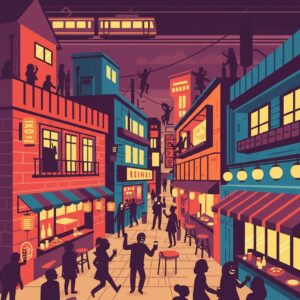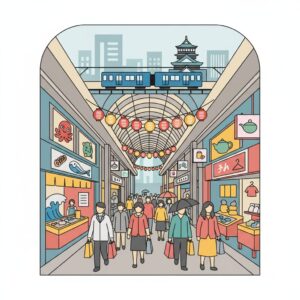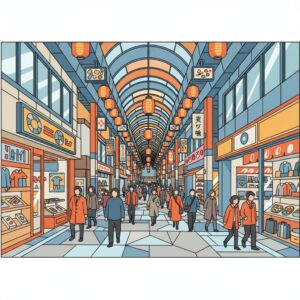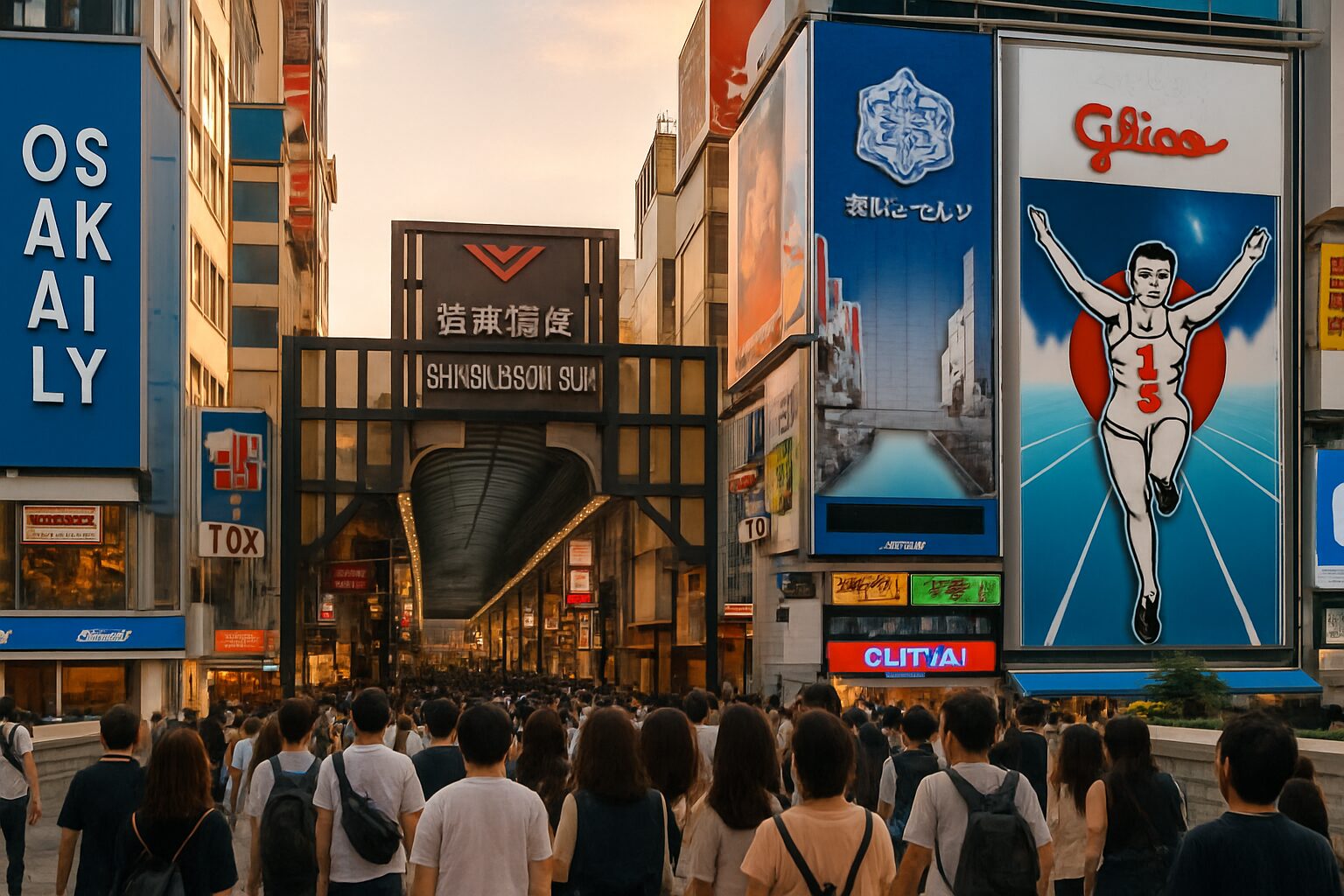
To the uninitiated eye, the Shinsaibashi Shopping Arcade is a dazzling, overwhelming river of commerce. It’s a torrent of high fashion, clattering pachinko parlors, and neon advertisements that paint the faces of a thousand tourists in electric hues. It’s the postcard image of Osaka’s relentless energy, a place you visit for the spectacle. But what happens when the spectacle becomes your neighborhood? What happens when this world-famous artery is not a destination, but the path you walk to buy milk, mail a letter, or find the right kind of laundry detergent? This is where the real Shinsaibashi reveals itself, not in the glittering storefronts, but in the rhythm of daily life that pulses just beneath the surface. For those of us who call Osaka home, this arcade and its labyrinthine side streets transform from a tourist attraction into an incredibly convenient, if chaotic, open-air pantry, pharmacy, and post office. It’s a place where you can buy a designer handbag and a daikon radish within the same hundred meters, a duality that defines the sheer, brilliant madness of living in the Minami district. This guide isn’t about the sightseeing; it’s about the surviving, the thriving, the art of running your daily errands in the very heart of the storm.
To truly understand the energy of Minami, you must also experience the iconic Dotonbori.
The Covered Sky: Navigating the Arcade Itself
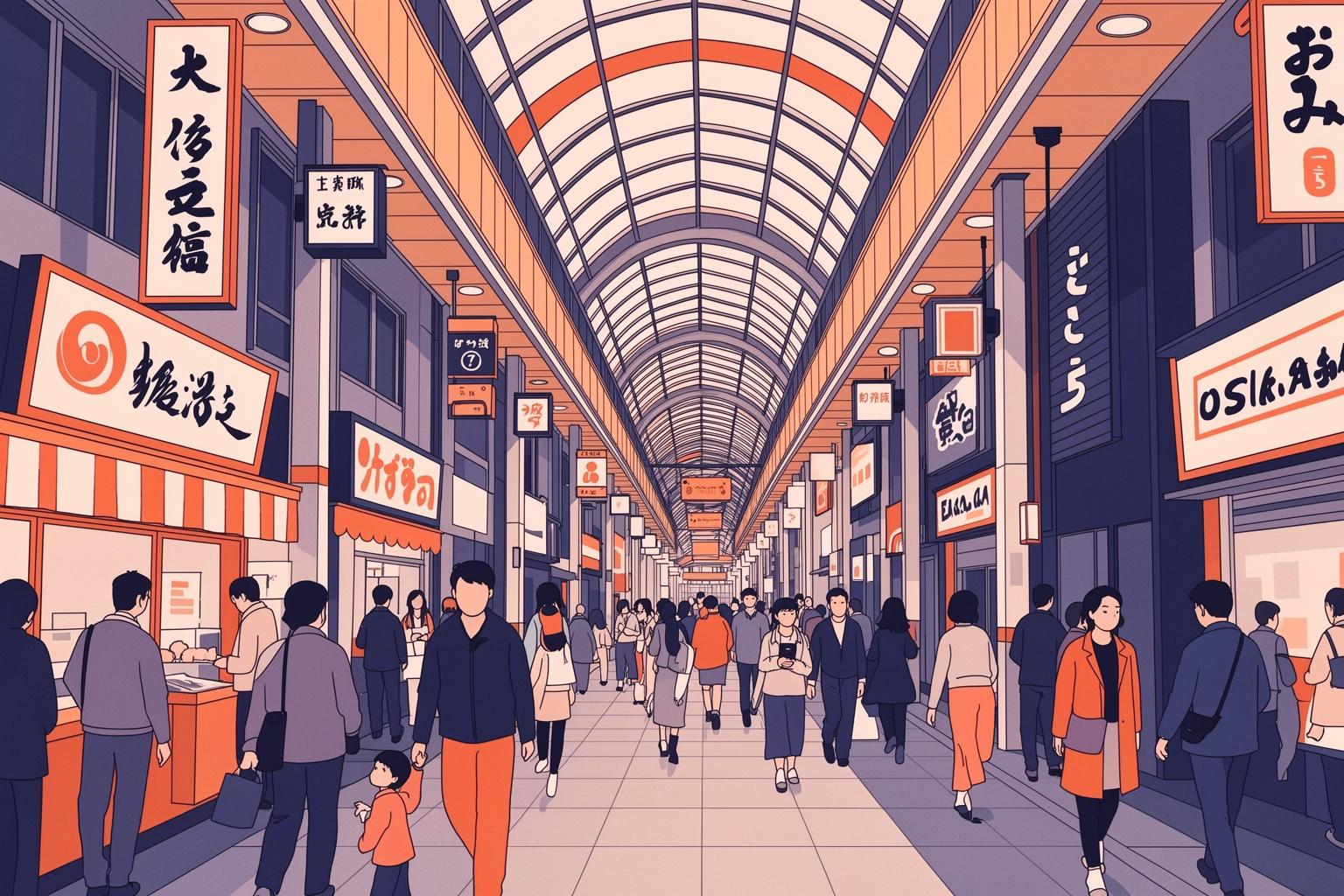
The first thing you notice about the Shinsaibashi-suji, its proper name, is that the arched roof is your greatest ally. Rain, a frequent visitor to Osaka’s skies, becomes a mere afterthought. The blazing summer sun softens into a gentle, diffused light. This covered stretch, extending from Nagahori-dori all the way to the iconic Glico Running Man sign overlooking Dotonbori, forms a microclimate, a world unto itself. The air inside is thick with a unique mixture of scents: the sweet fragrance drifting from cosmetics counters, the savory steam rising from a takoyaki stand, and the clean, almost sterile aroma of a pharmacy. The sound is a continuous, humming symphony. The chiming announcements from shops, the murmur of a hundred languages, the rhythmic clatter of rolling suitcases, and the tinny, looping jingles of drugstore ads all merge into a single, immersive soundscape. Shopping here for daily needs means learning to hear the quiet notes within this symphony. It involves knowing which side of the arcade is less crowded, finding shortcuts through department store basements, and mastering the polite yet firm weaving through crowds frozen mid-sidewalk, captivated by window displays.
Your internal clock begins to synchronize with the rhythm of the arcade. Mornings, before 11 AM, feel like a different world. The river flows gently. Shopkeepers are rolling up their metal shutters, the air carries scents of floor cleaner and fresh coffee, and you can walk at your own pace. This is the golden hour for grocery shopping or any errand that requires a clear mind. By midday, the tide comes in. The crowd swells, and the pace slows to a collective shuffle. This is when you take care of your quick, in-and-out tasks. Evenings bring peak tide, a dazzling crush of humanity beneath the electric glow of a thousand signs. This is no time for a leisurely shop, but it is when you experience the raw, unfiltered energy of the city. As a resident, you learn these tides and plan your life around them. You don’t resist the river; instead, you learn to swim with it.
The Quest for Sustenance: Unearthing Grocery Gold
At first glance, Shinsaibashi appears to be a food desert for the home cook. Among the luxury brands and crepe stands, where does one find an onion? The key is to look down, around, and just off the main path. The main lifelines for residents are supermarkets, often hidden in the basements of larger buildings or department stores, known as ‘depachika’. One essential stop for many is Foodium Higashi-Shinsaibashi, a slight detour from the main arcade but an invaluable resource. This place isn’t just for buying groceries; it’s a cultural education. The produce section reflects the Japanese reverence for the seasons, with meticulously arranged pyramids of strawberries in spring, piles of bitter melon in summer, and a dozen mushroom varieties in autumn. The seafood counter is a spectacle in itself, displaying glistening trays of sashimi-grade tuna, whole squid, and live clams. The butchers offer thinly sliced pork and beef, perfect for shabu-shabu or sukiyaki—a sight often unfamiliar to Westerners used to thick steaks. Learning to cook with these cuts is part of the adaptation process.
Beyond fresh ingredients, these supermarkets are treasure troves of prepared foods. The ‘sozai’ section is a lifesaver on busy days, featuring everything from crispy tempura and grilled fish to intricate bento boxes and fresh salads. A budget-friendly tip for residents: visit the depachika about an hour before closing to catch the ‘time sale’ phenomenon, when staff armed with sticker guns begin marking down fresh items. A 500-yen sushi platter can suddenly be half price at 250 yen. It’s a daily ritual for savvy locals—a competitive but friendly scramble for the best deals.
However, large supermarkets aren’t the only option. The true heart of neighborhood shopping lies in small, specialized shops branching off the main arcade. Wander down a side street, and you might find a ‘yaoya’, a family-run fruit and vegetable stand. The produce may not be as polished as in supermarkets but is often cheaper and full of flavor. The elderly owner might offer you a slice of a new mandarin variety to try, a personal interaction that breaks the big city’s anonymity. Similarly, small rice shops sell rice by the kilogram, milled to your preferred degree of polish, and tiny ‘tofu-ya’ offer tofu made fresh each morning. These little discoveries turn shopping here into an adventure rather than a chore.
Then there are international food stores, essential outposts for any foreigner craving a taste of home. Although mainstream supermarkets are improving their selection, stores like Kaldi Coffee Farm or Seijo Ishii remain indispensable. These smaller shops are packed to the rafters with imported pasta, exotic spices, a variety of cheeses beyond processed slices, and wines from around the world. Finding your favorite peanut butter or familiar brand of black tea can feel like a monumental victory—a small cultural anchor in this new and exciting place. These stores are more than shops; they are community hubs where you’ll hear a mix of languages, a gathering spot for Osaka’s international community.
The Pharmacy Universe: More Than Just Pills
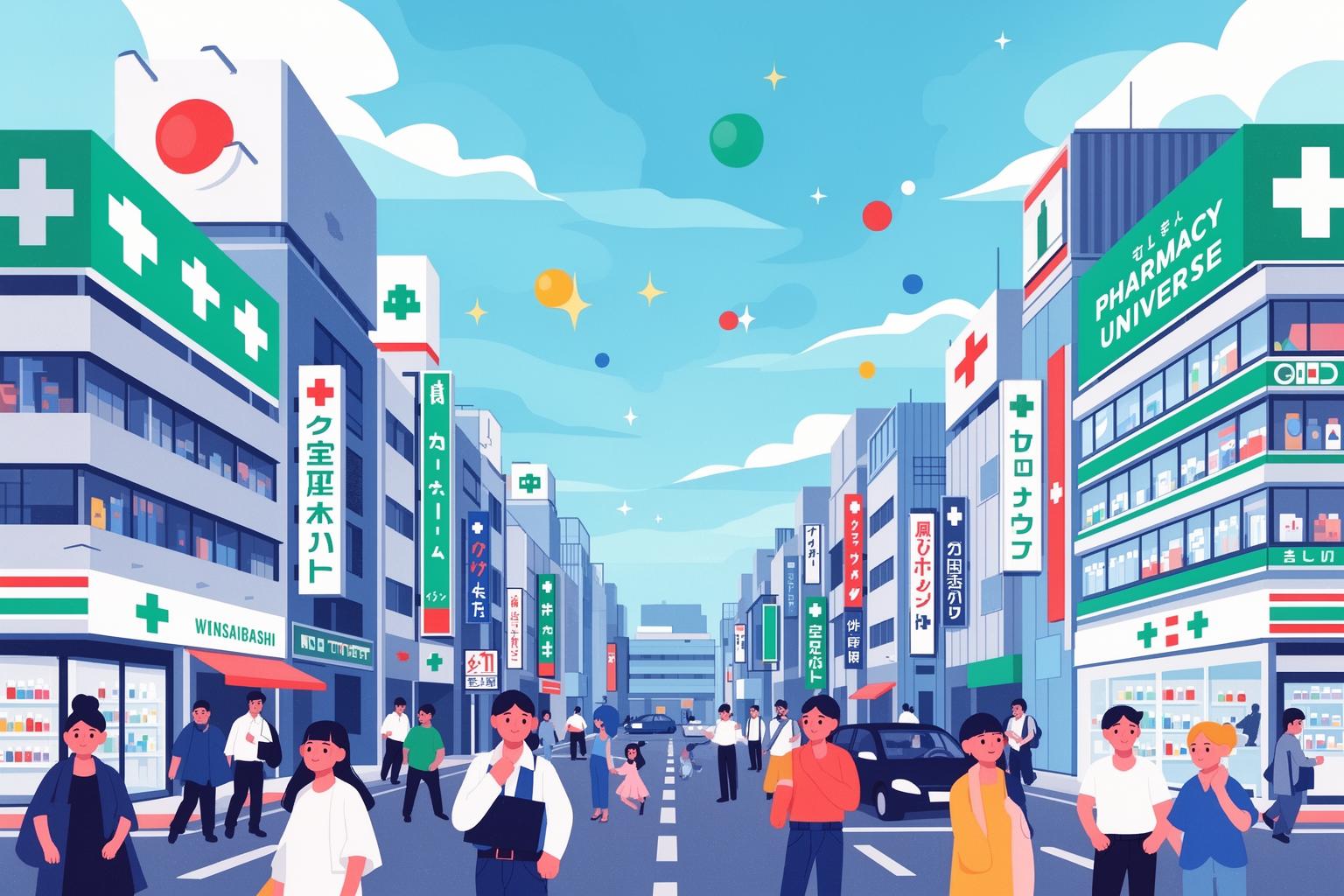
Japanese drugstores, known as ‘kusuriya’, form a world of their own, with the Shinsaibashi area serving as their vibrant galaxy. Chains such as Matsumoto Kiyoshi, Daikoku Drug, Sun Drug, and Kokumin line the arcade, their storefronts bursting with a chaotic mix of yellow, red, and blue signs shouting discounts and special deals in bold katakana. To a newcomer, they might all appear identical. However, locals recognize that each has its own distinct character and purpose. You quickly discover which store offers the best prices on laundry detergent, which has the most extensive range of Japanese skincare products, and which employs a pharmacist who can speak some English. These stores are more than just places to fill prescriptions; they function as one-stop shops for a vast array of daily necessities. In fact, it’s quite possible to furnish and maintain an entire apartment solely with items from drugstores and 100-yen shops.
The ground floor is almost always devoted to the enticing world of cosmetics and beauty products. Rows upon rows of face masks, cleansers, serums, and makeup from brands like Shiseido, Kanebo, and SK-II are showcased under bright fluorescent lighting. It’s a dazzling and sometimes overwhelming display. Yet, this is also where you’ll find everyday essentials like sunscreen (an all-year-round necessity in Japan), insect repellent, and heat pads for soothing sore muscles. On the upper floors, you’ll encounter the more ordinary but equally important items. There are aisles dedicated to dental care, offering an astonishing variety of toothbrushes ranging from ultra-soft models to complex, multi-angled designs. Household cleaning products fill other shelves, including specialized mold removers tailored to Japan’s humid climate and fragrant fabric softeners that quickly become a hallmark of your new routine. The medicine section itself offers a masterclass in Japanese self-care. It includes remedies for nearly every ailment imaginable: eye drops for screen-induced fatigue, potent energy drinks for salarymen burning the midnight oil, and numerous varieties of cold medicine. Deciphering packaging can be challenging at first, so having a translation app on hand is essential. Don’t hesitate to mime your symptoms to the staff—they’re familiar with everything and usually very helpful. Shopping in a drugstore is a rich, sensory experience. The competing jingles from various displays, the bright, almost clinical lighting, and the overwhelming volume of products create an atmosphere of organized chaos. You might go in for one item but inevitably come out with five, tempted by a ‘limited-time’ deal or a product you never realized you needed.
The Magic of 100 Yen: Mastering the Art of Frugality
No guide to daily life in Japan would be complete without acknowledging the institution that is the 100-yen shop. In the Shinsaibashi area, you’ll find several, with the massive Daiso serving as a major landmark. These are far from the dingy dollar stores of the West; they are bright, clean, and impeccably organized temples of thrift and ingenuity. For anyone setting up a new apartment, the 100-yen shop feels nothing short of miraculous. You can equip an entire kitchen—plates, bowls, chopsticks, cooking utensils, glassware, storage containers—for a fraction of the usual cost. The quality is often surprisingly good, and the design style ranges from minimalist and chic (especially in chains like Seria) to cute and whimsical. Beyond the kitchen, you’ll find all you need for daily life: cleaning supplies, laundry nets, stationery, gardening tools, small electronics accessories, and even basic clothing items like socks and slippers. It’s a place where you can solve household problems you didn’t even realize you had.
What’s truly remarkable is the creativity of the products. You’ll discover a specialized tool for perfectly seeding an apple, a container made specifically for storing green onions upright in your fridge, and a small silicone gadget for peeling garlic cloves. It offers a glimpse into a culture that values efficiency and smart solutions for everyday tasks. The food section is a hidden treasure as well. While it’s not the place for a full grocery run, you can pick up spices, sauces, instant noodles, snacks, and drinks, all for the magical price of 100 yen (plus tax). It’s an ideal place to stock your pantry with essentials. For foreigners, the 100-yen shop is a fantastic spot for souvenirs. You can find beautifully designed fans, traditional ‘tenugui’ cloths, and other small Japanese-themed items to take home without overspending. Exploring a large Daiso is an adventure in itself. It’s easy to lose an hour strolling through the aisles, marveling at the enormous variety. The key is to go in with a list, but also to embrace the joy of discovery. You will always leave with something unexpected—a small, clever item that adds a bit of convenience and delight to your daily routine.
Beyond the Essentials: Other Daily Errands
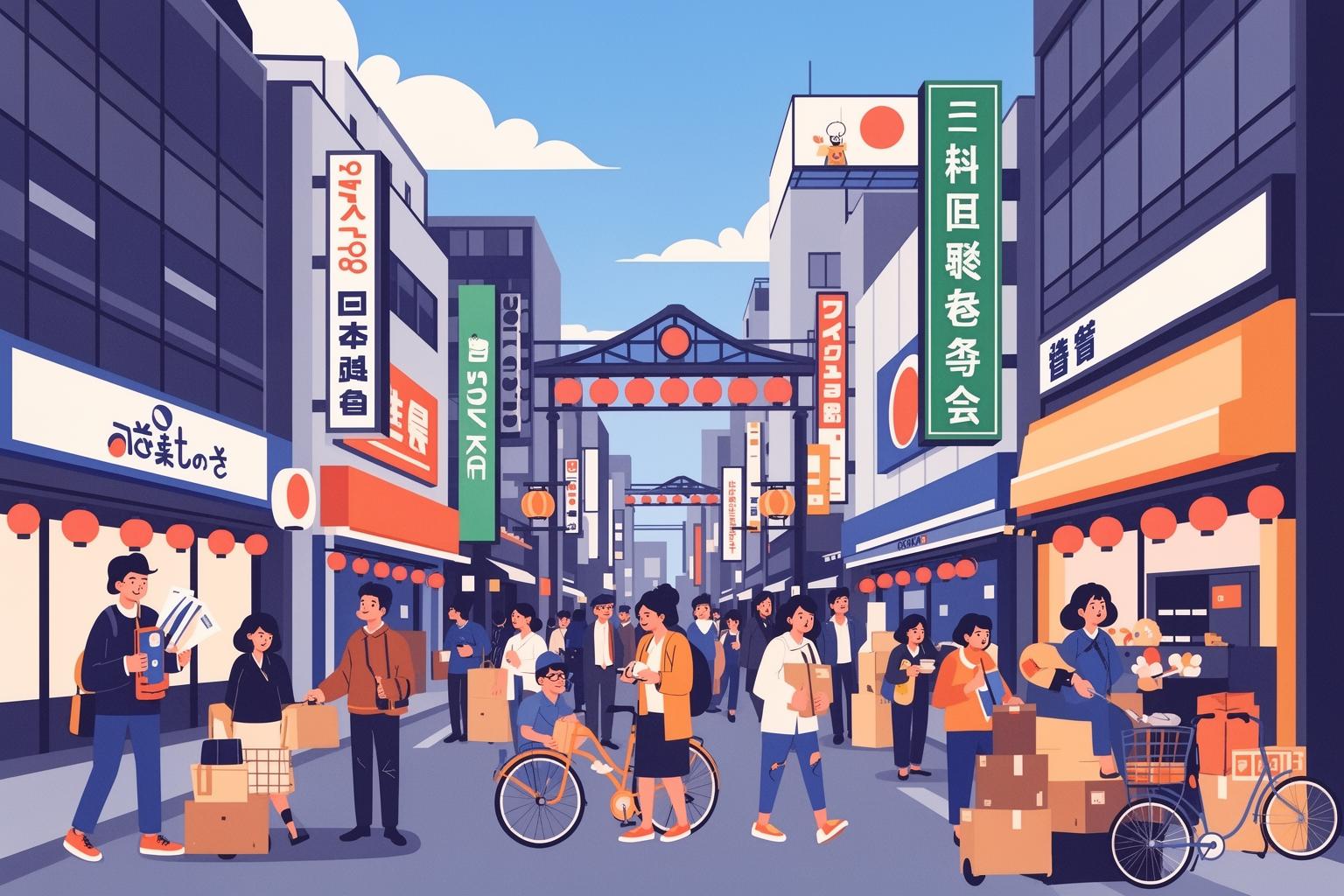
Life involves more than just buying food and soap. Shinsaibashi and its nearby areas accommodate all the other small but essential daily tasks. Post offices in Japan stand as models of efficiency. Nestled on quieter streets, they are easy to spot by their distinctive red ‘〒’ symbol. There, you can do more than simply mail a letter. You can pay utility bills, withdraw cash using international cards at their ATMs (a vital service, since many bank ATMs are not open 24/7 or friendly to foreign cards), and send packages both domestically and abroad. The staff are patient and helpful, using diagrams and gestures to bridge any language gaps. Mastering the process of completing a shipping label, or ‘chakubarai’ for cash-on-delivery, becomes a small rite of passage for any resident.
Banking can be somewhat more complicated, but major banks have branches in and around the Shinsaibashi area. Opening an account as a foreigner may involve bureaucratic hurdles, but for everyday needs, ATMs are what you’ll use most often. It’s smart to learn which convenience store ATMs work with your home bank card. Seven Bank ATMs, located inside 7-Eleven stores, are well-known for their reliability with foreign cards and serve as a genuine lifeline for newcomers. Speaking of convenience stores, or ‘konbini’, they are a key part of running errands. Open 24/7, they offer an astonishing range of services. You can buy surprisingly tasty and healthy meals, print documents from a USB drive, purchase tickets for concerts and events, pay bills, and even have packages delivered there for pickup. They are bright, clean, and safe refuges at any hour, the Swiss Army knives of Japanese retail.
For those minor setbacks in life, you’ll also find what you need. Small phone repair shops can fix cracked screens. Key cutters and shoe repair counters are often found in department store basements or near train stations. Dry cleaners operate with meticulous care, returning your garments perfectly pressed and wrapped in protective plastic. Discovering these services is part of getting to know your neighborhood and turning this bustling commercial district into a practical, livable community. Each completed errand, each brief interaction, builds a sense of confidence and belonging. You begin to recognize the faces of the shopkeepers, learn the flow of the crowds, and gradually, the overwhelming chaos of Shinsaibashi starts to feel like the familiar, vibrant heartbeat of home.
The Final Word: Embracing the Chaos
Living near Shinsaibashi means embracing a flood of sensory experiences. It’s choosing to live at the core of a swirling mix of culture, commerce, and humanity. It’s not suited for everyone. Some might prefer the tranquility of a quiet suburb. But for those who thrive on energy and see beauty in the city’s chaotic dance, it offers a uniquely vibrant experience. Running errands here is never boring. What starts as a simple grocery run can turn into an impromptu people-watching moment, a discovery of a new ramen spot tucked away in a secret alley, or an unexpected encounter with street performers. You learn to be patient, observant, and to navigate your own path through the splendid, overwhelming crowd. The key is to look beyond the dazzling exterior that welcomes tourists. Seek out the small vegetable stall, the quiet post office, the familiar cashier at your neighborhood drugstore. It is in these small, everyday moments that you find the true rhythm of Shinsaibashi—a rhythm that, once you catch its beat, becomes the soundtrack of your life in Osaka. It’s loud, unyielding, but wonderfully and vibrantly alive.