Walk through any given neighborhood in Osaka, away from the polished glimmer of the Umeda skyscrapers or the tourist-packed arteries of Namba, and you’ll eventually see it. You’ll probably feel it first, a pulsating, almost carnival-like energy bleeding out onto the street. Your eyes will catch the glare of a thousand bare fluorescent bulbs, the frantic flicker of neon signs that look more at home in a pachinko parlor than on a grocer’s storefront. You’ll hear the relentlessly upbeat, slightly distorted jingles blasting from tinny speakers. This isn’t a festival. This is just Tuesday afternoon at Super Tamade. For anyone who has built their image of Japan around the serene, minimalist aesthetic of Tokyo department stores or the quiet reverence of a Kyoto temple, the first encounter with a place like Super Tamade is a profound culture shock. It’s loud, it’s chaotic, and it’s unapologetically, aggressively cheap. The big question isn’t just “What is this place?” but “Why is this place?” The answer tells you more about the real, everyday Osaka—its mindset, its economy, and its priorities—than any guidebook ever could. This isn’t just a supermarket; it’s a living, breathing testament to the city’s pragmatic, value-obsessed soul. It’s where the abstract concept of Osaka’s distinct identity becomes tangible, found in a 98-yen bento box and a mountain of discounted tofu under a buzzing neon light.
This pragmatic, value-obsessed soul is deeply connected to the city’s unique merchant culture, where every transaction is about more than just price.
The Tamade Shock: More Than Just a Grocery Store
Your first encounter with Osaka’s discount supermarkets is an intense sensory bombardment. There’s no smooth introduction, no subtle branding to gently ease you in. The experience hits immediately and overwhelmingly—a baptism by fluorescent lighting and bargain-basement prices. In a country that often values subtlety and understated elegance, Super Tamade stands out as a bold, defiant exception. It has its own language, unique rhythm, and a set of rules entirely foreign to the carefully curated shopping experiences found elsewhere in Japan. Grasping this initial shock is the key to understanding the deep pragmatism that shapes daily life for a large portion of Osaka’s population. It’s a place that compels you to adjust your expectations of what a Japanese supermarket can—and perhaps should—be.
A Symphony of Chaos and Neon
Even before entering, Tamade makes its presence unmistakable. The exterior is a visual frenzy, often painted in outrageously bright colors and covered with an overwhelming array of signs. Neon tubes—shaped like stars, fish, or abstract squiggles—flash incessantly, day and night. It feels less like a grocery store and more like an amusement arcade that has spilled onto the street. The entrance is often a narrow squeeze, bordered by stacks of whatever is on sale that day—cases of instant noodles, pyramids of canned coffee, or massive bags of rice, all tagged with handwritten signs in thick black marker shouting their prices. There is no empty space—every inch is devoted to delivering a single message: this is cheap.
Crossing the threshold intensifies the sensory assault. The lighting is harsh and flat, reflecting off linoleum floors and stainless steel freezers. There’s no calming background music here. Instead, you’re bombarded by the “Tamade Anthem,” a high-energy, repetitive jingle that implants itself into your brain for days. Layered over this is a constant stream of announcements from staff via a crackling PA system, urgently advertising the latest “time service” deals like stock market traders. The aisles are narrow and often cluttered with boxes and displays, forcing shoppers into a close, shuffling dance with one another. The organization can feel haphazard—soy sauce might be found next to pet food, or snacks inexplicably mixed in with chilled dairy. This space rejects leisurely browsing in favor of a frenetic, treasure-hunt-like experience. You don’t simply wander through Tamade; you navigate it.
The Gospel of the 1-Yen Sale
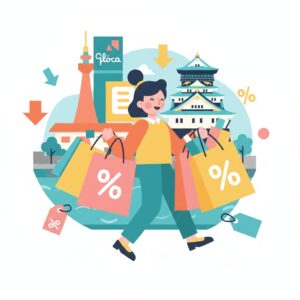
At the heart of the Tamade experience, and central to its business model, is the legendary sale. This isn’t the polite 10% discount typical of more upscale stores. It’s aggressive, almost theatrical, price-cutting. The most famous example is the 1-yen sale. The premise is simple: if you spend a certain amount—usually 1,000 yen—you become eligible to buy a specific item for a single yen. It might be a carton of eggs, a block of tofu, a can of chuhai, or a packet of tissues. This promotion acts as a powerful psychological tool, turning a mundane shopping trip into a game. Customers don’t just come to Tamade to buy what they need; they come to see what they can win for a single coin. This fundamentally changes shopping behavior, motivating customers to reach that 1,000-yen threshold to unlock the bargain.
Beyond the 1-yen lure, the entire store operates amid a constantly shifting array of deals. There are daily specials, announced in roughly printed flyers that are staples in neighborhood mailboxes. Then there’s the “time service,” when for a limited window—typically an hour—a specific item is sold at a rock-bottom price. This creates urgency and excitement. You’ll see people, especially older residents, structuring their days around these sales, gathering near the meat counter minutes before the designated time, poised to strike. The price tags themselves are part of the spectacle. Nearly always handwritten, often with multiple prices crossed out to highlight the discount’s depth, they form a visual language that communicates value directly, stripped of corporate polish.
Cracking the Code: The Osaka “Kechi” Mindset
To an outsider, especially someone from Tokyo, the relentless emphasis on price rather than presentation can feel startling, even somewhat desperate. It might easily be mistaken for a sign of poor quality or lack of sophistication. However, such an interpretation would fundamentally misunderstand the Osaka mindset. The culture that allows a place like Super Tamade not just to exist but to flourish is rooted in a deeply proud philosophy of value. Here, securing a good deal is not merely about saving money; it’s about being clever, savvy, and outsmarting the system. This perspective is often captured by the term “kechi,” a word that highlights the profound cultural divide between Osaka and the rest of Japan.
“Kechi” vs. “Stingy”: The Art of Smart Spending
In Tokyo and much of Japan, being labeled `kechi` is an insult, implying stinginess, miserliness, or being a cheapskate. It suggests a social flaw, an unwillingness to spend money properly in social settings or on quality items. In Osaka, though, the term carries a more nuanced and often positive meaning. While it can still denote stinginess negatively, it is frequently used with admiration. To be a `kechi` Osakan means being shrewd, someone who is `kashikoi` (clever) with their finances—it’s considered a badge of honor. There’s a popular saying that a Tokyoite will spend their last yen on a stylish outfit, while an Osakan will spend it on a delicious meal. This reflects the core difference: Osakans value tangible, consumable benefits over appearances, excelling in cost-performance.
This explains why haggling is more common in Osaka’s markets and why conversations often include expressions like “`Meccha yasukatta de!`” (“It was super cheap!”) or “`Erai mokatta wa!`” (“I made a great profit!”—even when simply talking about a good deal). Saving money is not shameful; it’s a triumph to be celebrated and shared. Super Tamade embodies this belief system. Shopping there is an expression of this core Osaka value. It’s a statement that you’re too savvy to be fooled by fancy packaging, brand names, or attractive lighting. You’re there for substance, and the most crucial substance is the price.
The Price is the Product
This philosophy sharply contrasts with the prevailing retail culture in Tokyo, which often revolves around the concept of `kodawari`. `Kodawari` roughly means meticulous, almost obsessive, attention to detail and quality. A Tokyo bakery will proudly discuss the specific Hokkaido wheat used in their bread. A clothing store emphasizes traditional dyeing methods for its fabrics. The story, craftsmanship, and aesthetics all contribute to a product’s value. At Super Tamade, however, the price is the story. Affordability is the product’s foremost and most celebrated attribute.
This outlook shapes every aspect of the business. Produce might be slightly misshapen or nearer to its sell-by date than items at premium grocers, but it remains perfectly edible. Meat may come from less popular cuts but is excellent for hot pots or stir-fries. Packaging is functional, not decorative. The store invests nothing in ambiance because customers aren’t there for comfort; they have a mission. This pragmatism is often misunderstood by foreigners as low standards. Locals, however, see it as efficient. Why pay an extra 100 yen for a perfectly round tomato when a slightly irregular one tastes the same in a salad? Why subsidize expensive interior décor with higher grocery prices? It’s a brutally logical approach to shopping.
Why Presentation Doesn’t Pay the Rent
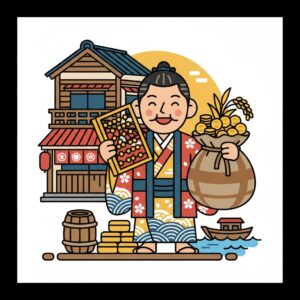
This mindset stems from Osaka’s history as a city of merchants and artisans. Unlike Tokyo, the seat of samurai government, Osaka’s identity was shaped by commerce. Success was measured not by status or rank but by a healthy balance sheet. This merchant spirit runs deep. There is a common belief that anything not directly contributing to the bottom line is `mudazukai`—a waste of money. A spacious, beautifully arranged supermarket aisle is wasted floor space better used for stacking more discounted goods. Expensive, uniform shelving is wasted capital that could lower the price of eggs by a yen or two. This is not merely a business tactic; it’s a cultural worldview.
For many Osakans, especially in working-class neighborhoods where Tamade stores are prevalent, life is practical. Budgets are real. Household financial well-being is a daily, tangible concern. Within this context, the polished aesthetics of Tokyo-style luxury supermarkets seem excessive, almost offensive, representing a different set of priorities where appearance outweighs substance. Super Tamade, in all its chaotic vibrancy, reflects the reality of its customers’ lives. It tells them, “We understand. We know what matters. We’re on your side.” This sense of connection fosters a fierce loyalty that Tokyo branding experts can only envy.
The Supermarket as a Neighborhood Anchor
Because of its strong ties to the local mindset, a store like Super Tamade becomes much more than just a place to purchase groceries. It serves as a crucial part of the neighborhood’s infrastructure, acting as both a social and economic hub that shapes the daily rhythm of life. It anchors the community by providing an essential service that supports the financial survival of many residents. The low prices are not mere marketing tactics; they are a lifeline that significantly affects household budgets, local food culture, and the overall affordability of city living. The flashy neon exterior is more than just advertising; it serves as a beacon for a distinct way of life.
The Rhythm of the Neighborhood
The presence of Super Tamade influences the weekly and even daily routines of local residents. The release of the weekly flyer is a much-anticipated event, carefully examined to plan meals for the week. Housewives and retirees—masters of household budgeting—know instinctively that Tuesday is the day for discounted tofu, while Friday offers the best deals on pork. The “time sale” announcements break up the afternoon, drawing people from their homes into the store’s aisles. This creates a shared schedule and a common reference point for the community.
This dynamic is evident in the store’s social atmosphere. It functions as an informal community center. Elderly customers gather in the aisles, exchanging gossip while comparing prices on daikon radishes. Young mothers with children swap tips on the best deals of the day. It’s a lively, bustling, and highly social environment. Unlike the often quiet and impersonal experience of modern supermarkets, shopping at Tamade is a communal event. The collective pursuit of bargains fosters a sense of camaraderie. Everyone is engaged in the same quest for value, and this daily ritual quietly but powerfully strengthens neighborhood bonds.
Economic Lifeline for Real People
To be clear, Super Tamade is not meant for everyone. You won’t find imported organic kale or artisanal French cheese on its shelves. Its specific target demographic is served with fierce dedication—students on tight budgets, pensioners stretching fixed incomes, young families carefully tracking expenses, and single workers with irregular paychecks. For these groups, Tamade is not a choice—it’s a necessity. A difference of 50 yen on a liter of milk or 100 yen on a tray of chicken might seem insignificant to some, but over the course of a month or year, these savings make city living viable. Tamade enables people to eat fresh food on a budget that might otherwise confine them to instant noodles. The prepared foods section is an entire world in itself, offering large, calorie-dense bento boxes and fried items for just a few hundred yen. For those laboring through long shifts in factories or construction sites, a 250-yen `nori bento` from Tamade is more than an inexpensive lunch—it’s the fuel that powers their day. This direct, tangible impact on people’s well-being cements Tamade’s vital place in Osaka’s economic fabric. It acts as a buffer against financial strain, a tool for economic survival.
The Ecosystem of Cheap Eats
Super Tamade’s influence goes beyond individual households, extending into the local food economy. Osaka’s reputation as the capital of `kuidaore`—eating until you drop—is not only built on luxury wagyu or elaborate kaiseki dinners. It rests on a foundation of cheap, delicious, and accessible food for the masses. Discount supermarkets fuel this ecosystem. The small, family-run `izakaya`, corner `tachi-nomi` (standing bars), and local bento shops all depend on the low-cost ingredients sourced from places like Tamade. The discounted pork from the time sale becomes the skewers grilled at neighborhood bars. The marked-down vegetables fill the soup bowls at local diners. Tamade’s pricing strategy effectively subsidizes the entire local food chain, enabling small businesses to keep prices low and stay open. This creates a virtuous cycle of affordability that defines the Osaka experience. One can enjoy drinks and snacks and pay less than what a single cocktail costs in a fashionable Tokyo neighborhood. That reality is intimately linked to the chaotic aisles and handwritten signs of the local discount supermarket.
Navigating the Aisles: A Foreigner’s Survival Guide
For a non-Japanese resident, stepping into Super Tamade for the first time can feel intimidating. The store operates on its own set of rules, and the atmosphere is vastly different from the orderly, customer-service-oriented shopping experience you might be accustomed to. However, with some knowledge and the right approach, it can be an incredibly rewarding place to shop, as well as a powerful tool for managing your budget. Learning to shop at Tamade is like mastering a new dialect of Osaka life—it brings you closer to the city’s authentic character and makes you a more savvy resident.
What to Buy and What to Possibly Skip
Success at Tamade depends on being a discerning shopper. It’s not a place to shop blindly; it’s a place to make smart decisions. The deals on shelf-stable items are almost always excellent. Canned goods, sauces, cooking oil, rice, pasta, and beverages are usually priced far lower than elsewhere. Basic produce like onions, potatoes, carrots, and cabbage are also great value. The same applies to high-turnover items such as eggs, milk, and tofu. When it comes to meat and fish, it pays to be strategic. Look out for daily sales—these items are fresh and priced to sell quickly. Pre-marinated meats can be a convenient, tasty dinner option. However, consider being cautious with pre-made sushi or sashimi late in the day, unless you are adventurous. It’s not that the quality is bad; it’s just that it correlates directly with the incredibly low price. Prepared foods, or `sozai`, are a highlight but finding your favorites takes time. Fried items (`agemono`) like croquettes and tempura are generally a safe and delicious choice.
Decoding the Signs and the System
Knowing how the store works will make shopping much easier. First, the 1-yen sale: always check the terms. Signs will indicate the minimum purchase required (usually 「1000円以上お買い上げの方」 – “for customers who purchase over 1000 yen”). Typically, you pick up the 1-yen item yourself and bring it to the register with your other groceries. Second, cash remains king. Although some locations are beginning to accept cards or digital payments, many still have cash-only lanes, and the store culture is very much cash-based. Be prepared. Third, bagging is your responsibility. After paying, you take your basket to a designated area to pack your own groceries. This is common in most Japanese supermarkets, but Tamade operates at a faster pace in a more cramped space. Finally, don’t shy away from the chaos. If you see a crowd, it’s likely a time sale. If a staff member carries a marker, they might be marking down prices on items nearing their expiry. Being observant is part of the experience.
Beyond Tamade: The Discount Shopping Ecosystem
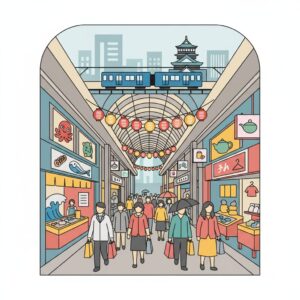
While Super Tamade is the most iconic and visually striking among Osaka’s discount chains, it is part of a larger ecosystem of value-oriented retailers. Knowing the other players completes your budget-shopping strategy. “Gyomu Super” (Business Supermarket) is another essential stop. As the name implies, it originally served restaurants and specializes in bulk items. It’s ideal for stocking up on giant bottles of soy sauce, large bags of frozen vegetables, and other pantry staples at unbeatable prices per unit. Then there are the local `shotengai`, or traditional shopping arcades, which often feature independent butchers, fishmongers, and vegetable vendors competing with supermarkets on price and quality, often with a more personal touch. A savvy Osaka shopper doesn’t rely on just one store; instead, they weave together their shopping across these varied venues, buying meat from a trusted butcher in the `shotengai`, bulk frozen goods from Gyomu Super, and daily bargains and treats from Super Tamade. It’s a complex, dynamic, and deeply rooted system of frugal living.
The Final Word: Why Tamade is the Soul of Osaka

Ultimately, Super Tamade is far more than just a bargain spot to buy food. It’s an institution, a cultural landmark. It represents the most genuine, unfiltered, and lively expression of Osaka’s core identity you’re likely to encounter. It reflects the city’s merchant heritage, its practical priorities, and its resilient, straightforward way of life. To truly love Osaka is to at least recognize and respect a place like Tamade, even if you choose to shop elsewhere. It reveals a side of Japan completely missing from travel guides and the polished, peaceful images often shown to outsiders. It’s a Japan where efficiency outweighs elegance, value is a virtue, and community is built around the shared pursuit of a bargain.
When you see a group of older women animatedly debating the price of mackerel beneath a flickering neon sign, or a young student carefully tallying his purchases to earn a 1-yen carton of milk, you’re witnessing the heartbeat of daily life in this city. You’re seeing the `kechi` spirit not as a flaw, but as a vital approach to survival and even joy. Super Tamade isn’t pretty. It isn’t peaceful. It isn’t refined. But it is deeply, unmistakably, and wonderfully Osaka. And grasping its loud, chaotic, and budget-savvy soul is the key to truly understanding the city itself.