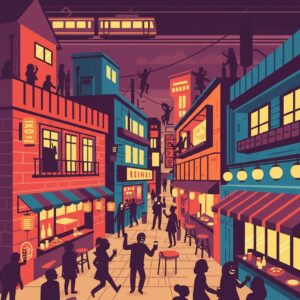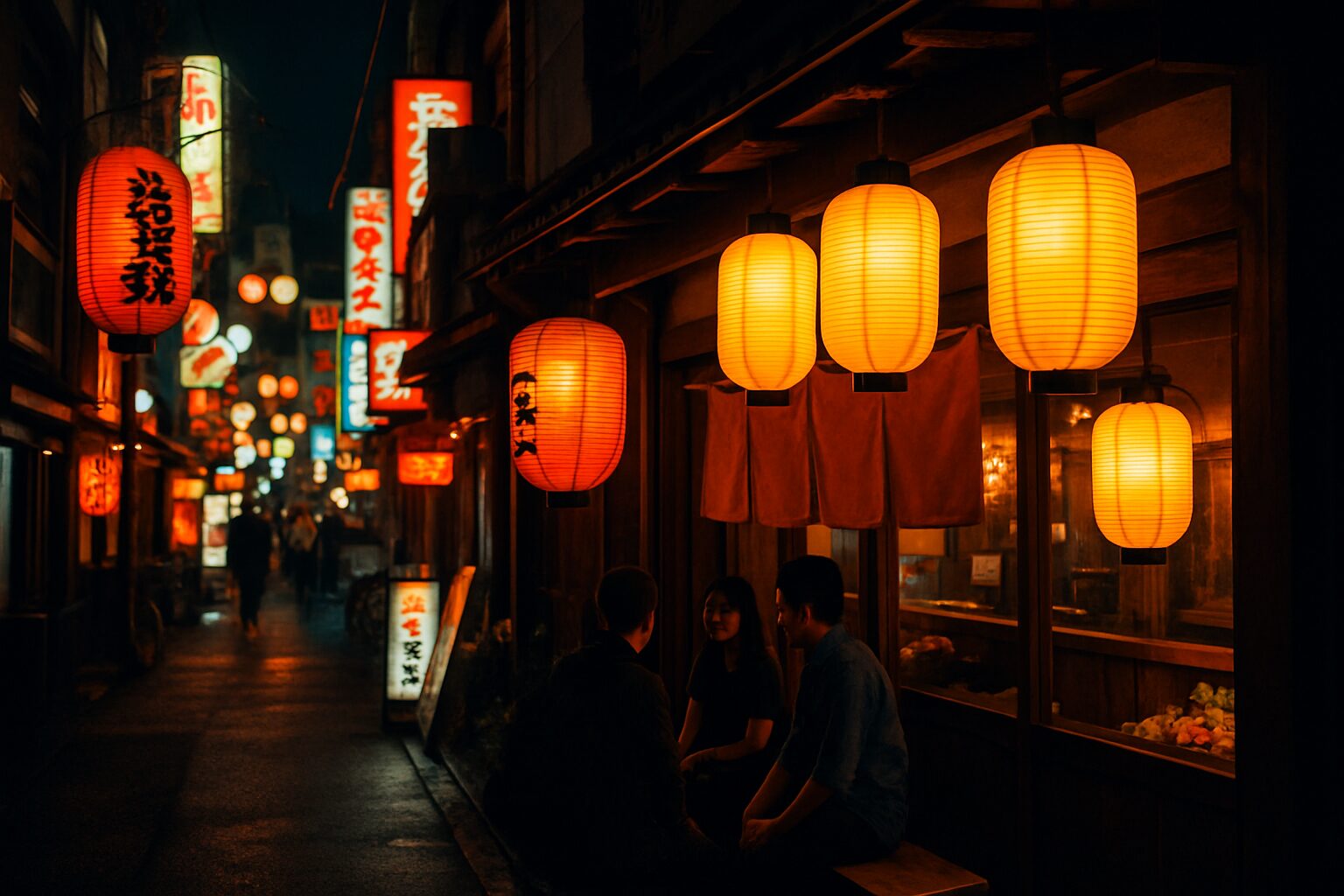
Welcome, traveler, to the electric heart of Osaka, a place where reality feels saturated, where neon light bleeds into the dark waters of a canal, and where the very air thrums with a singular, joyful purpose: the pursuit of pleasure through food and drink. This is Dotonbori. More than just a street or a district, Dotonbori is a testament to the city’s unofficial motto, kuidaore—to eat and drink until you drop, or more poetically, until you fall into a blissful, gastronomic ruin. It is a sensory explosion, a culinary labyrinth, and the spiritual home of the Japanese izakaya. For anyone seeking to understand the soul of Osaka after dark, this dazzling, chaotic, and utterly intoxicating neighborhood is the essential text. Here, along the banks of a canal dug by a 17th-century merchant, the story of modern Japanese popular culture is written every night in glowing signs, the steam from ramen stalls, and the clinking of glasses in establishments that range from hole-in-the-wall counters to multi-story temples of taste. This is where Osaka comes to play, and it invites you to join the revelry.
To further explore the dynamic contrasts of urban Japan, consider reading about the fascinating parallels between Osaka’s Nishinari and Tokyo’s Shinjuku.
A Symphony of Neon and Gastronomy: The Dotonbori Experience
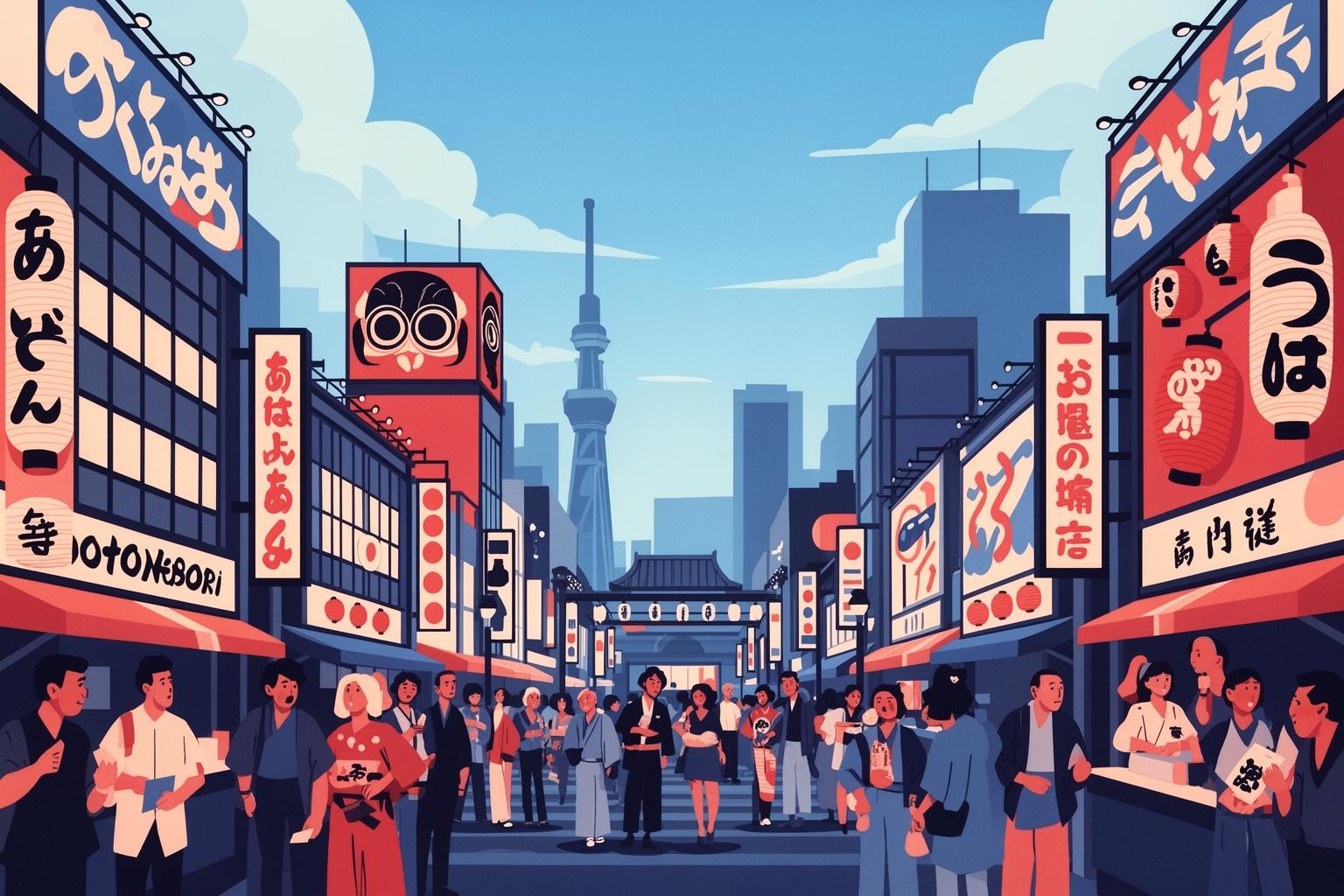
To step into Dotonbori as dusk descends is to be reborn into a realm of heightened senses. The first thing that captures your attention is the light. It’s more than mere illumination; it feels like a living presence. The iconic Glico Running Man, a symbol of athletic victory since 1935, races endlessly along his digital finish line, his vivid colors mirrored in the eyes of thousands gathered on the Ebisu Bridge to photograph him. Nearby, a gigantic mechanical crab at the Kani Doraku restaurant waves its claws with mesmerizing slowness, promising delicious seafood feasts. A giant octopus towers over a takoyaki stand, its tentacles seeming to writhe in the electrified air. These are not just advertisements; they are landmarks, giants of commerce that have become woven into the city’s identity. They create a canyon of light, a dazzling corridor pulling you deeper into its embrace. The air is thick with a tantalizing haze—a fragrant blend of grilled meat from yakiniku eateries, the sweet and savory aroma of okonomiyaki batter hitting a hot griddle, and the rich, grounding scent of dashi broth simmering in countless pots. Beneath this visual and olfactory onslaught lies the soundscape: a cacophony of vendor calls, the sizzle of oil, the rhythmic chopping of chefs’ knives, the murmur and laughter of the crowd, and the distant pulse of music spilling from open doorways. It’s a chaotic symphony, yet it plays a strangely harmonious tune—the anthem of a city completely at ease with its lively, food-obsessed spirit. For a moment of relative quiet, descend the steps to the Tombori River Walk. This promenade, running parallel to the main street, offers a different vantage point. Here, you can watch neon lights dance on the water’s surface as river cruises glide by, passengers waving to those above. It’s a place to breathe, to absorb the grand scale of the spectacle before plunging back into the vibrant fray at street level, ready to begin your culinary adventure.
The Soul of Osaka’s Night: Unveiling the Izakaya
At the heart of the Dotonbori experience—and indeed Japanese nightlife itself—lies the modest yet profound institution of the izakaya. To the unfamiliar, it may appear to be simply a Japanese pub or bar, but that description barely captures its essence. An izakaya is a social haven, a place where the lines between eating and drinking blur. It is neither a restaurant where you have a drink before your meal nor a bar where you might snack on crisps. Rather, it serves as a third space, a living room for the city, where food and alcohol come together in the alchemy of a great evening.
What Exactly is an Izakaya? More Than Just a Bar
The term itself offers insight: i (to stay) and sakaya (sake shop). Historically, izakayas grew out of liquor stores that allowed patrons to linger and drink on-site, gradually adding simple snacks to accompany the beverages. That spirit of casual hospitality continues today. The menu features a range of small plates meant for sharing. It stands in stark contrast to a formal multi-course meal; instead, you order a few dishes at a time, letting the evening unfold naturally. The food reflects the diversity of Japan, from staples like yakitori (grilled chicken skewers), karaage (Japanese fried chicken), and agedashi tofu (lightly fried tofu in savory broth) to fresh sashimi, grilled fish, and imaginative seasonal specials. The drinks menu is equally inclusive. While sake, in its many varieties—from dry to sweet, chilled to warm—remains a cornerstone, ice-cold draft beer (nama biiru) is the universal starting point. Shochu, a versatile distilled spirit, enjoys great popularity, often mixed with soda and fruit juice in a drink called chuhai. The ubiquitous highball—Japanese whisky with sparkling water—is a crisp, refreshing staple. The izakaya is a place for conversation, unwinding after work, and forging connections. Here, the Japanese social fabric is revealed in its most relaxed and genuine form.
Navigating the Izakaya Scene: A Primer for the Uninitiated
Entering your first izakaya can feel a bit intimidating, but a few simple tips will ensure a smooth, enjoyable experience. First, after being seated, you will almost always receive a small appetizer you didn’t order. This is the otoshi, a compulsory starter that also functions as a seating charge. Don’t be concerned; see it as the chef’s first offering. When you’re ready to order, don’t wait for the server to approach—politely but confidently call “Sumimasen!” (“Excuse me!”) to catch their attention. The charm of the izakaya lies in the shared experience. Order a variety of dishes for the table and let everyone dive in. It’s a communal event. Izakayas vary widely in style—from rustic, traditional venues with wooden beams and tatami mats to sleek, modern spaces with minimalist design, and lively, affordable chains. A particularly memorable option is the tachinomi, or standing bar, which offers quick, inexpensive drinks and snacks in a no-frills setting. These spots are great for a brief stop and provide a wonderful chance to mingle with locals casually. Keep in mind that while Dotonbori is a bustling tourist area, many of its finest izakayas are small, family-run businesses. A bit of patience and a warm smile go a long way—they are eager to share their culture and cuisine, and your genuine interest will be warmly welcomed.
Legendary Izakayas and Watering Holes of Dotonbori
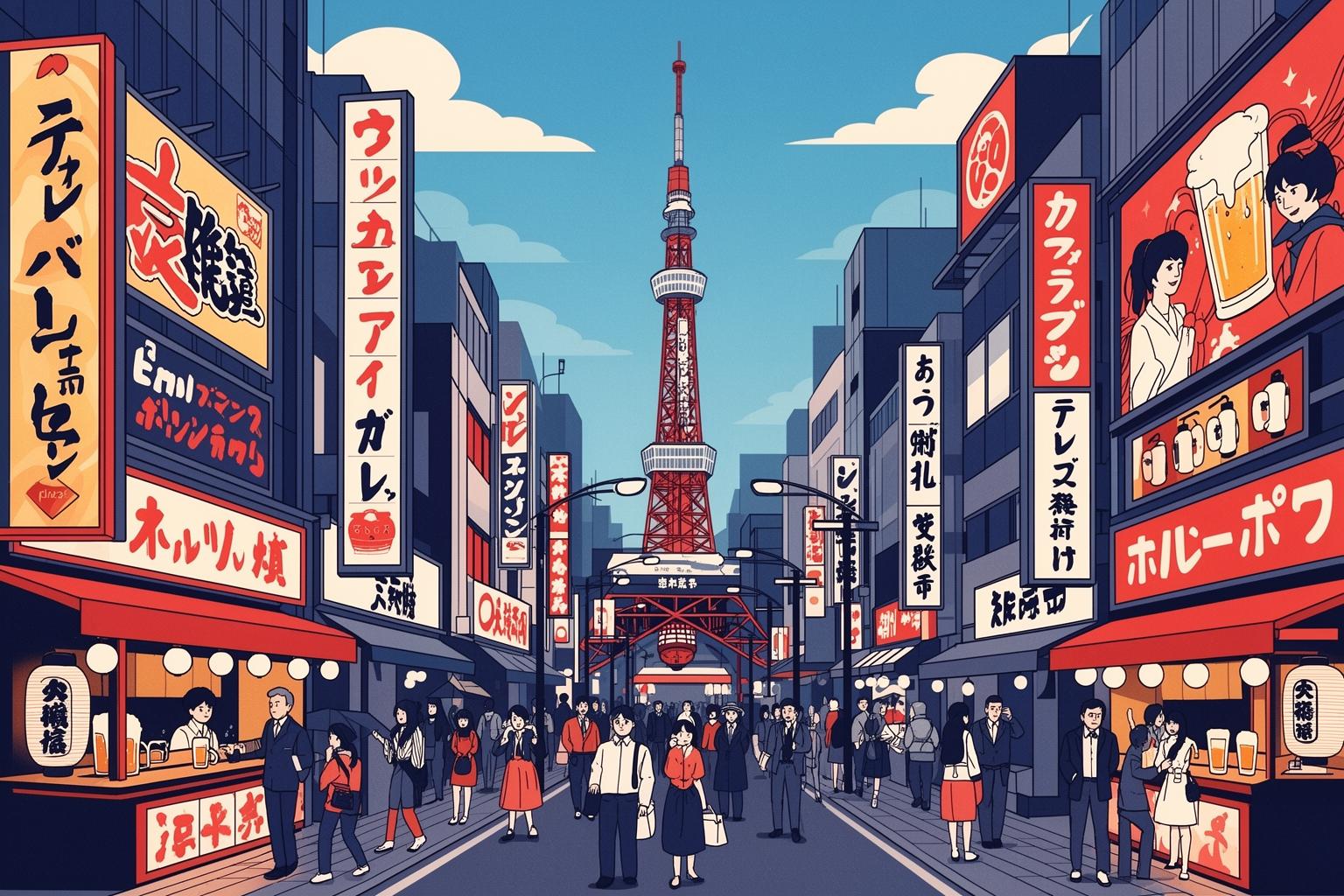
While Dotonbori’s main street is lined with bright, inviting restaurants, the real charm often lies just a few steps away, down narrow alleys and hidden side streets. Here, the glare of oversized signs softens, replaced by the warm glow of paper lanterns and the intimate murmur of conversation. This is where you’ll find establishments that have been nourishing the bellies and spirits of Osakans for generations.
Hozenji Yokocho: A Step Back in Time
To discover the historical heart of Dotonbori’s nightlife, you need to visit Hozenji Yokocho. This enchanting, stone-paved alley feels like a world apart from the neon jungle, despite being just yards away. Lanterns cast a gentle, warm light on the traditional wooden facades of the tiny restaurants and izakayas that line the street. The air carries the scent of incense from Hozenji Temple, the alley’s spiritual center. At the temple’s core stands the famed Mizukake Fudo-son, a statue of a Buddhist deity so thoroughly covered in vibrant green moss that its original form is nearly unrecognizable. Worshippers pour water over the statue as they pray, a ritual that has sustained the moss for centuries, creating a figure of serene, natural beauty amid the urban bustle. This alley offers a more refined, atmospheric experience. Consider dining at Hozenji Sanpei, known for its exquisite okonomiyaki and teppanyaki dishes, prepared with expert skill right before your eyes. Or try a kappo-style restaurant, where you sit at the counter and watch the chef craft a series of elegant, seasonal dishes. Eating in Hozenji Yokocho is about more than just food; it’s about immersing yourself in the ambiance of old Osaka, a quiet moment of reverence for tradition in the heart of the city’s most vibrant entertainment district. It feels like a secret whispered between modern buildings, a treasured memory preserved in stone and lantern light.
Modern Marvels and Niche Delights: Beyond the Lanterns
While tradition is honored in Dotonbori, the area is far from static. It also hosts a new wave of izakayas and bars that reinterpret classic concepts with contemporary flair. These venues might specialize in a particular type of sake, craft beer, or unique culinary theme. For instance, you might find an izakaya devoted entirely to seafood, where the day’s fresh catch is displayed on ice and you can choose how your fish is prepared—grilled, simmered, or served as pristine sashimi. One notable spot, Akaoni, has earned a Michelin Bib Gourmand for its takoyaki, elevating this humble street food into an art form. Though primarily a takoyaki stand, its upstairs seating area operates as a lively izakaya where you can pair various styles of octopus balls with a curated selection of sake from throughout Japan. Imagine biting into perfectly crispy-on-the-outside, molten-on-the-inside takoyaki, with the tender octopus flavor bursting through, followed by a sip of complex, fragrant junmai daiginjo sake. It’s a sublime pairing that perfectly captures Osaka’s blend of high and low culinary artistry. Other establishments focus on their drink menus, offering dozens or even hundreds of sake varieties, with knowledgeable staff guiding you through tasting flights and explaining each brew’s nuances, from its region to the rice polishing ratio. These modern izakayas preserve tradition by actively engaging with it, creating fresh and exciting experiences for a new generation of diners and drinkers.
The Tachinomi Experience: Standing Room Only
For a truly local and wonderfully efficient slice of Osaka nightlife, you must embrace the tachinomi, or standing bar. These joints are designed for speed, sociability, and value. You’ll often find them clustered in covered shopping arcades or near train stations, serving as social hubs for commuters heading home or friends gathering for the evening. There are no seats, just a tall counter where you order directly from the staff. The menu is typically straightforward, chalked on a blackboard, featuring quick-to-prepare dishes like skewers, simmered offal (doteyaki), and fresh sashimi. The appeal is multi-layered. It’s affordable, allowing you to sample a variety of food and drink without a big commitment. It’s also highly social. Standing shoulder-to-shoulder with other patrons breaks down barriers, and it’s common for conversations to ignite between strangers over a shared love for a tasty dish or a good glass of shochu. A tachinomi is the ideal spot for the night’s first drink—a quick beer and snack to whet your appetite—or for a final nightcap. It epitomizes Osakan culture: practical, friendly, unpretentious, and dedicated to the simple pleasure of a good drink and delicious bite.
Beyond the Izakaya: Dotonbori’s Diverse Nightlife
While izakayas represent the quintessential Dotonbori experience, the district’s nighttime offerings are extensive and diverse. The spirit of kuidaore permeates every corner, presenting countless ways to indulge—from casual street snacks to lively karaoke sessions.
Street Food Safari: The Heart of Kuidaore
Before stepping into an izakaya, your senses will be overwhelmed by the incredible variety of street food from numerous stalls and shops. This is truly where the kuidaore adventure begins. You won’t walk ten feet without spotting a takoyaki stand. Watching the vendors craft these treats is a captivating performance. With swift, fluid movements, they pour a savory batter into special cast-iron pans with hemispherical molds, add a piece of octopus, and then expertly flip the spheres with two small picks at remarkable speed until golden brown and perfectly shaped. Served piping hot in a paper boat, topped with a tangy brown sauce, Japanese mayonnaise, and flakes of dried bonito (katsuobushi) that flutter in the steam, takoyaki is Osaka’s signature flavor. Another essential dish is okonomiyaki, often called a “Japanese savory pancake.” The name means “grilled as you like it,” and it’s a hearty, customizable meal. A batter of flour, eggs, and shredded cabbage is combined with ingredients like pork belly, squid, or shrimp, then cooked on a large flat-top grill (teppan). It’s finished with the same tangy okonomiyaki sauce, mayonnaise, bonito flakes, and powdered green seaweed, offering pure comfort food. For lovers of fried treats, kushikatsu is a must. Various meats, seafood, and vegetables are skewered on bamboo sticks, breaded, and deep-fried to a golden crisp. Served with a communal dipping sauce, the one strict rule—reiterated by every vendor and sign—is NO DOUBLE-DIPPING! This is sacred for public hygiene and culinary tradition in Osaka. Naturally, ramen is also key. Dotonbori hosts some of the city’s most renowned ramen spots, like the 24-hour Kinryu Ramen with its giant dragon sign, and Ichiran, where you can customize every element of your bowl and enjoy it in a private “flavor concentration booth.”
From Cocktails to Karaoke: Other Nighttime Delights
Once you’ve satisfied your appetite for street food, Dotonbori offers a wealth of other nighttime entertainment options. For a refined drink, seek out one of the many cocktail bars hidden on upper floors of unassuming buildings. These speakeasy-style venues feature master bartenders who create exquisite, seasonal cocktails with Japanese precision and artistry. These serene, elegant spaces provide a peaceful contrast to the lively streets below. At the opposite end, karaoke reigns as a national pastime. Dotonbori is dotted with multi-story karaoke venues where you can rent private rooms with friends, order drinks and snacks by phone, and sing your heart out to an extensive selection of Japanese and international songs. It’s a joyous, liberating experience and an essential part of a full night out in Japan. For a taste of local culture, you might also catch a comedy show at the Namba Grand Kagetsu theater, home to the Yoshimoto Kogyo entertainment empire, which has been bringing laughter to Japan for over a century. Even if you don’t speak the language, the slapstick and physical comedy often transcend linguistic boundaries.
A Historian’s Perspective: The Genesis of Dotonbori
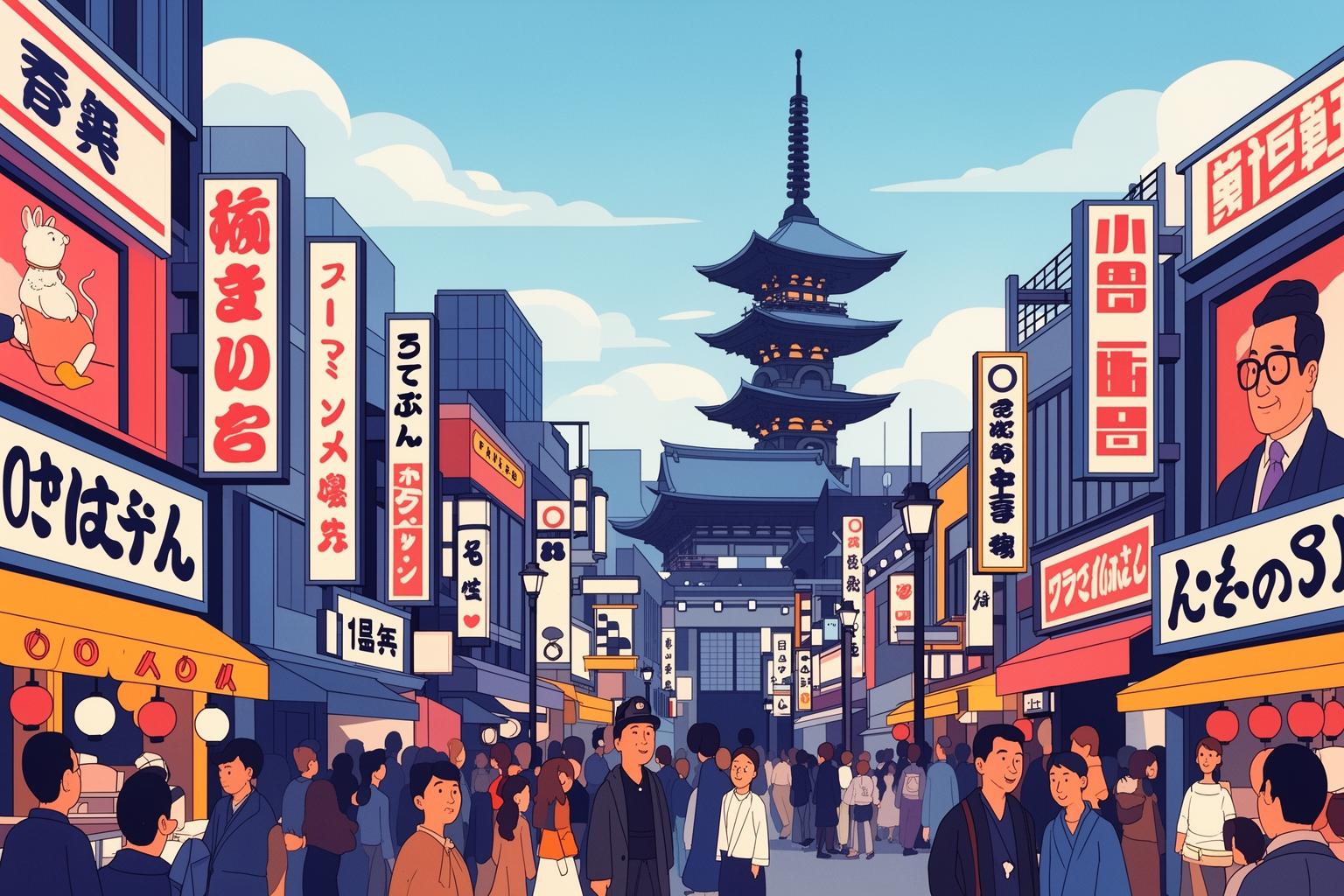
To truly appreciate the vibrant spectacle of modern Dotonbori, one must trace its origins back to the early 17th century, a time of growing peace and commerce under the Tokugawa shogunate. The story begins in 1612 with a visionary local entrepreneur named Yasui Doton. Recognizing the potential to expand transport and trade in the rapidly developing city of Osaka, he invested his personal fortune to start digging a canal linking the Umezu River with the Kizugawa River. Sadly, Doton was killed during the Siege of Osaka in 1615 before completing his project. Nonetheless, his cousins finished the canal that same year in his memory, naming the new waterway Dotonbori—“Doton’s Canal.” To consolidate control over the city’s burgeoning entertainment scene, the shogunate designated the southern bank of the canal as Osaka’s official theater district. This move became the defining moment that shaped the area’s identity for the next four centuries. Theaters for both kabuki, the highly stylized dance-drama, and bunraku, traditional puppet theater, quickly appeared along the canal. These theaters, known for their elaborate productions and celebrated actors, attracted large audiences from all social classes. To serve these crowds, teahouses, restaurants, and souvenir shops multiplied, transforming the area into a lively entertainment hub. The flamboyant and competitive theater culture extended onto the streets, where theaters used giant, striking signs (kanban) to attract patrons—a tradition that directly inspired the massive neon and mechanical signs that characterize Dotonbori today. Historically, the Glico Running Man is the modern counterpart to a giant painted sign promoting the era’s most famous kabuki actor. Over the centuries, as theaters gave way to cinemas and other entertainments, the district increasingly emphasized its other major strength: food. The restaurants that once served theatergoers became popular destinations themselves, cementing Dotonbori’s reputation as the heart of Osaka’s kuidaore culture. This historical legacy—rooted in spectacle, performance, and catering to the public’s desire for enjoyment—is what gives Dotonbori its unique and lasting vibrancy.
Practical Navigation for a Perfect Dotonbori Night
While Dotonbori’s lively chaos is a major part of its appeal, having a bit of practical knowledge will help you navigate the area like a local and make the most of your time in this vibrant district.
Getting There and Getting Around
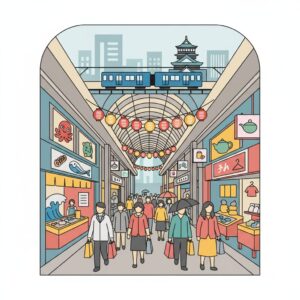
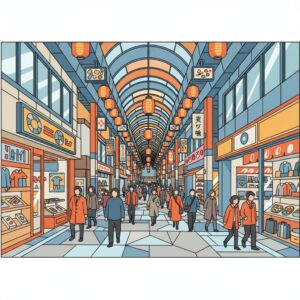
Dotonbori is situated in Osaka’s Minami (South) district and is extremely well-connected by public transportation. The main hub is Namba Station, which is actually a complex comprising several stations serving multiple railway lines. For the subway, you can take the Midosuji, Yotsubashi, or Sennichimae lines to Namba Station. From there, it’s only about a five-minute walk. The area is also accessible via Osaka-Namba Station for the Hanshin and Kintetsu private railway lines (handy if you’re coming from Kobe or Nara) and JR Namba Station for the Japan Rail network. Once you arrive, the best way to explore is on foot. The main Dotonbori street runs alongside the canal, but the real gems are often discovered by venturing into the covered shopping arcades (shotengai), such as Shinsaibashi-suji, which crosses the canal, or by wandering through the maze of side streets. The ideal time to visit is definitely in the evening, from around 6 PM onward, when the lights come on and the district truly bursts with energy. Many izakayas and restaurants stay open until midnight or later, with some ramen shops and bars operating 24 hours a day.
Insider Tips for the First-Timer
To make sure your first visit to Dotonbori is a great success, keep a few tips in mind. First, come with an empty stomach. The enormous variety of food available is astonishing, and you’ll want to sample as much as possible. Avoid settling for one large meal at a single restaurant; instead, embrace the kuidaore spirit and nibble your way through the area. Try takoyaki from one stall, a few kushikatsu skewers from another, and then stop by an izakaya for some small plates and a drink. Don’t hesitate to stray from the main path. The most authentic and memorable experiences often lie in quieter alleys like Hozenji Yokocho or up on the second or third floors of buildings you might otherwise pass by. Watch for the distinctive red lanterns (akachochin) that indicate an izakaya is open. While credit cards are commonly accepted at larger venues, many smaller, family-run izakayas and street food stalls still only take cash, so it’s smart to carry a sufficient amount of yen. Learning a few basic Japanese phrases will greatly enhance your experience. A cheerful “Kanpai!” (Cheers!), an enthusiastic “Oishii!” (Delicious!), and a polite “Gochisosama deshita” (Thank you for the meal) will be warmly welcomed. Finally, take it slow. A night in Dotonbori is a marathon of delights, not a sprint. Enjoy the atmosphere and let the city’s vibrant energy guide your journey.
A Final Toast to the City of Eateries
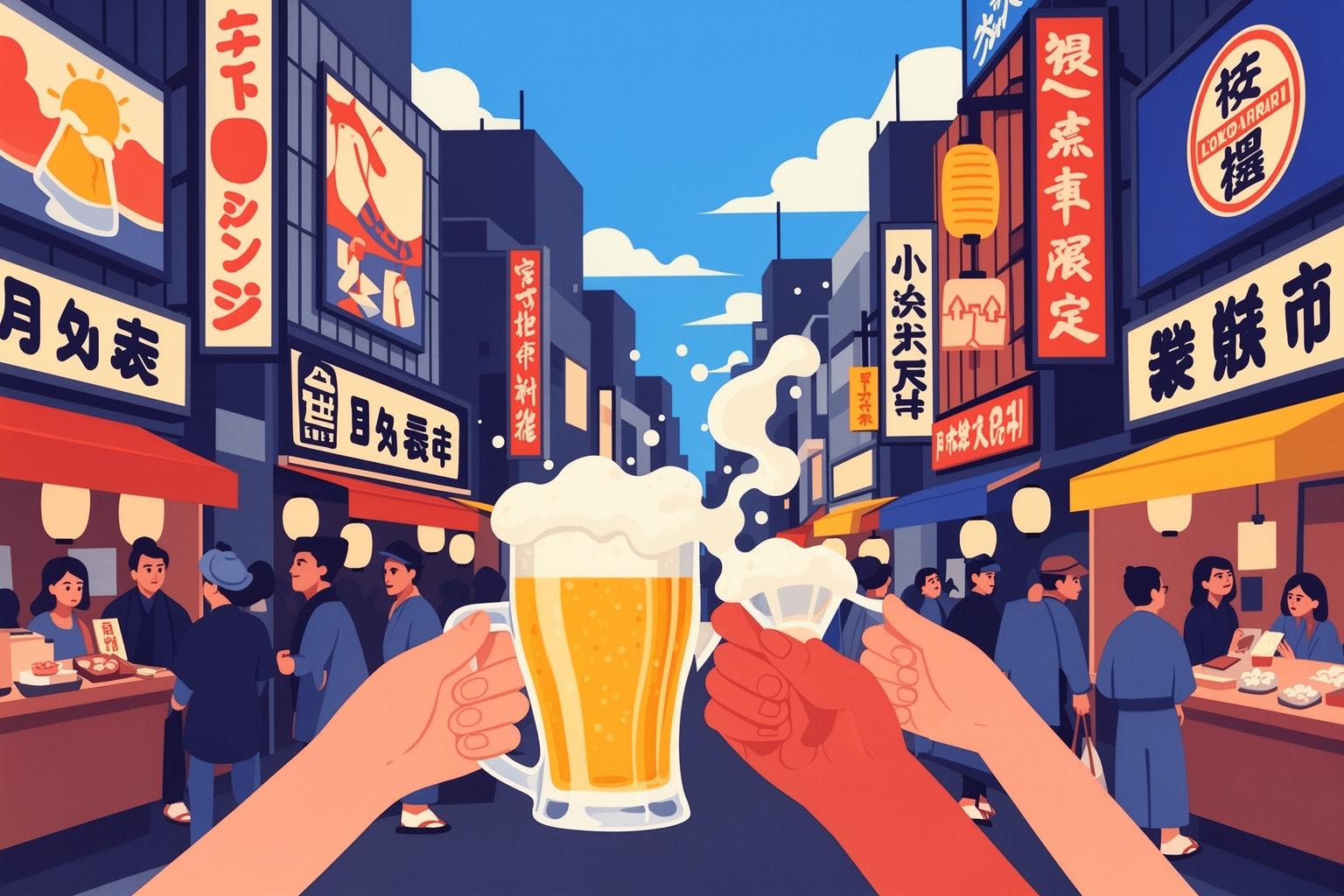
Dotonbori is more than merely a collection of restaurants and bars; it is a vibrant, living celebration of life’s simple joys. It’s a place that openly displays its passion for good food, good drink, and good company with pride. In its neon-lit streets and lantern-adorned alleys, you encounter the true spirit of Osaka—a city that is bold, generous, and unapologetically joyful. Here, history and modernity converge in a dazzling burst of flavor and light, where a moss-covered statue offers a quiet moment just steps away from a massive mechanical crab. Spending an evening here means taking part in a nightly festival, a communal ritual connecting you to generations of Osakans who have roamed these streets seeking a delicious meal and a moment of happiness. So come, raise your glass, and toast to the glorious, chaotic, and unforgettable spirit of Dotonbori. The feast awaits.