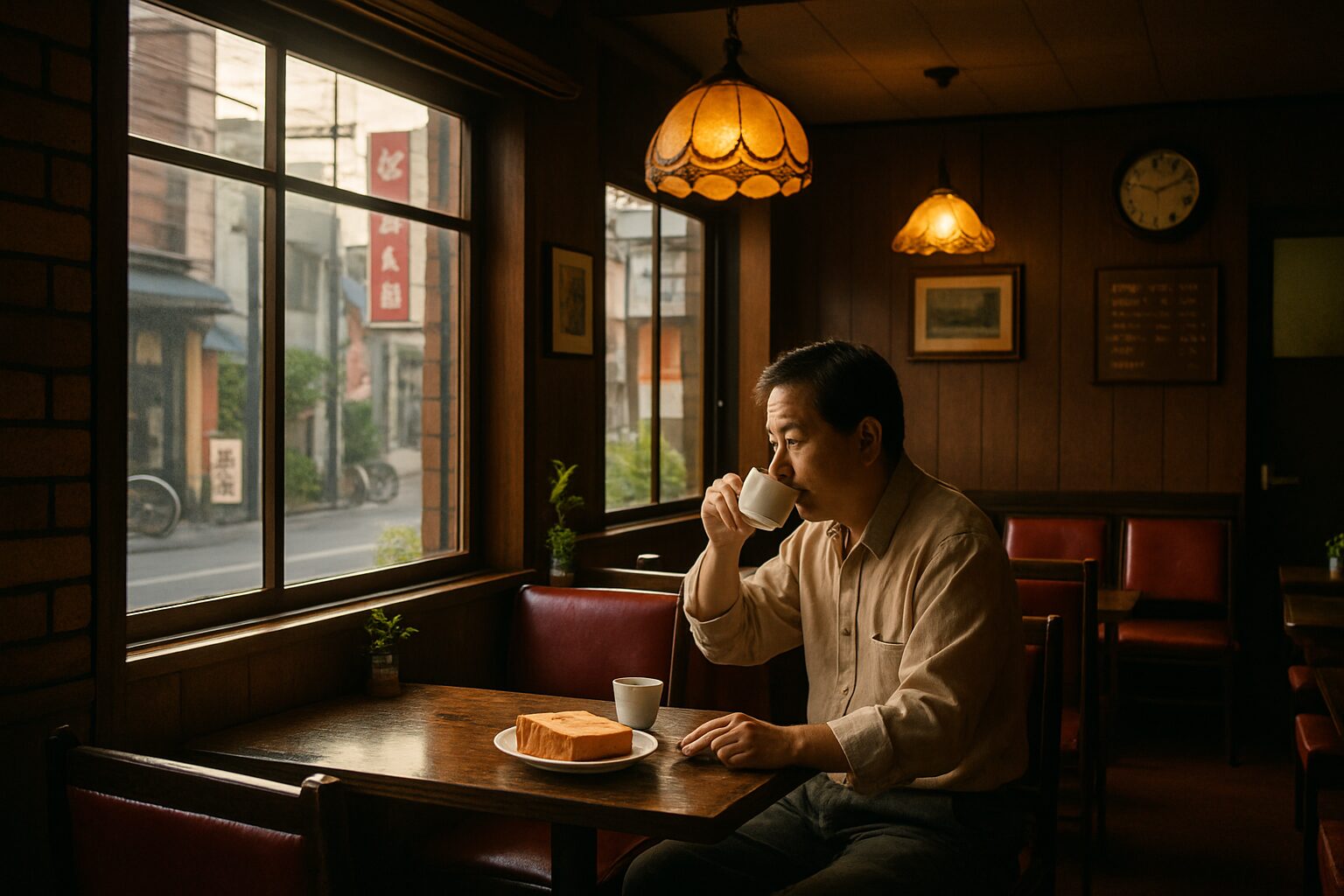
There’s a rhythm to Osaka that you feel before you truly see it. It’s in the early morning hum of the subway, the gentle clatter of shop shutters rolling open, and the scent of possibility that hangs in the humid air. Before the neon lights of Dotonbori flicker to life and the commercial heart of Umeda begins its frantic pulse, the city partakes in a quiet, cherished ceremony. This isn’t a grand ritual held in a shrine or a temple; it’s a daily communion that takes place in the hushed, coffee-scented sanctuaries known as kissaten. For those seeking the true soul of this vibrant metropolis, the journey begins here, with a simple, elegant, and profoundly satisfying tradition: the “Morning Service,” or mōningu sābisu as it’s known across Japan. This is more than just breakfast; it’s an institution, a cultural anchor, and the most authentic way to plug into the city’s unique frequency. It is a portal to a bygone era, a living museum of Showa-era charm, where for the price of a single cup of coffee, you are gifted a moment of peace, a delicious meal, and a genuine slice of local life. To understand Osaka, you must first understand its morning ritual, a practice that beautifully encapsulates the city’s core values of hospitality, community, and incredible, undeniable value.
To truly embrace the city’s rhythm, consider how this morning ritual of community and value beautifully complements the evening tradition of unwinding at a neighborhood sento.
The Anatomy of a Classic ‘Morning Service’
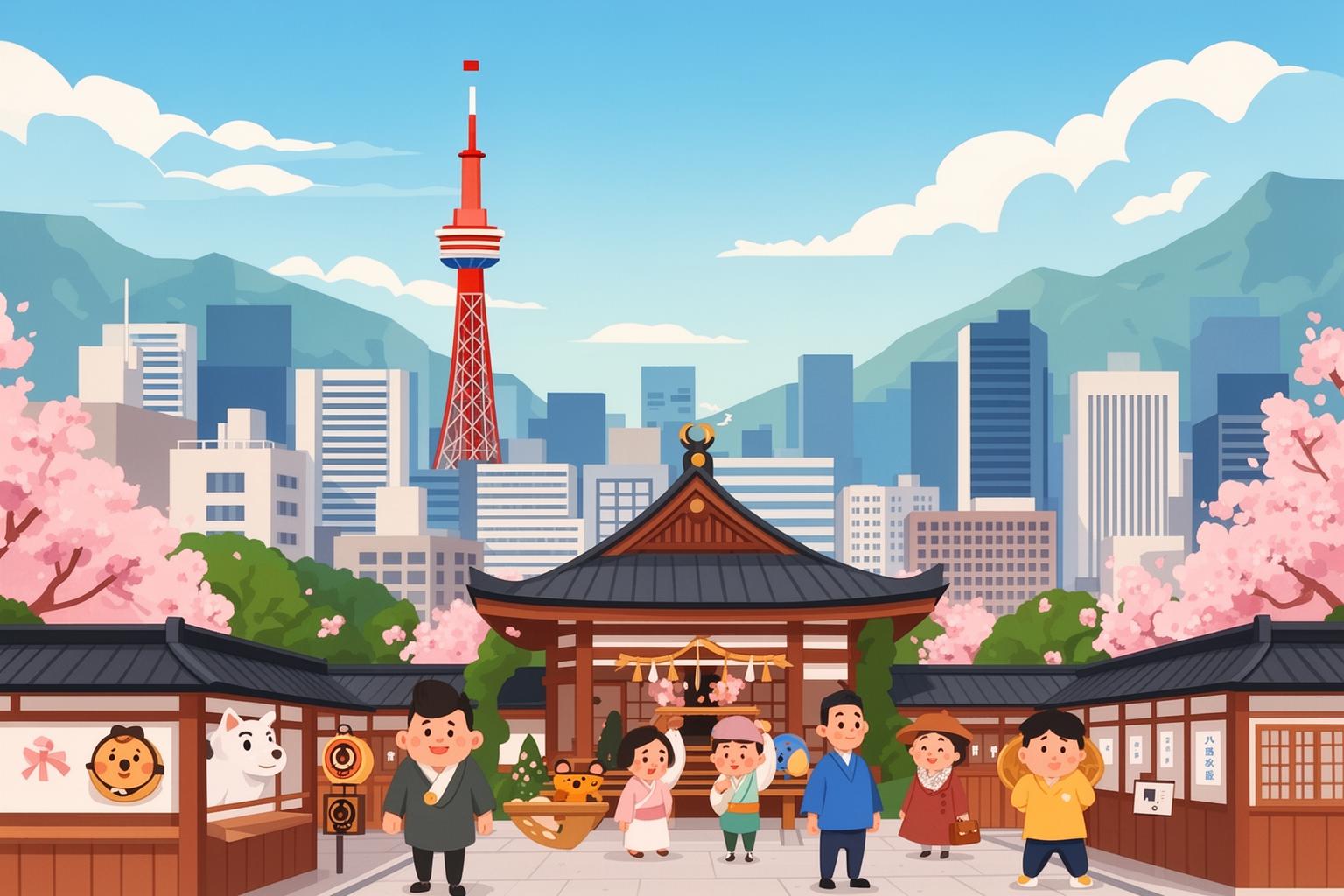
The idea of “Morning Service” seems simple at first glance, yet its execution showcases Japanese precision and hospitality. At its core, it’s a value proposition that almost feels too good to be true—a philosophy born during the post-war economic boom and refined over many years. The basic concept is that when you order your morning coffee, the establishment expresses gratitude by offering a complimentary or heavily discounted light breakfast. Essentially, you pay for the drink and the experience, while the food is a generous, welcoming gift. Believed to have originated in the nearby prefecture of Aichi, this practice found an ideal home in Osaka, a city known for its shrewd merchants and discerning customers who deeply appreciate kosupa, or cost performance. An Osakan can spot a good deal from afar, and the mōningu setto perfectly embodies this principle.
So, what exactly appears at your small, dark-wood table? The classic trio forms the foundation of this ritual. First and foremost is the coffee. This is not the fleeting, paper-cup coffee of modern chains but coffee as a craft. In many traditional kissaten, coffee is made using a siphon, a theatrical and elegant process involving glass globes, open flames, and vacuum pressure principles. The result is a remarkably clean, smooth, and aromatic brew. Alternatively, you might encounter coffee prepared via the neru dorippu, or flannel drip method, where the barista painstakingly pours hot water in a thread-like stream over finely ground beans, producing a rich, full-bodied cup with low acidity. The beans typically feature a dark, proprietary roast, a flavor profile perfected over generations to suit local tastes. Served in a delicate, often pre-warmed porcelain cup and saucer, this coffee is the centerpiece of the entire experience.
Accompanying the coffee is the iconic slice of Japanese toast. This is shokupan, a pillowy, slightly sweet milk bread, cut into a gloriously thick slab, often over an inch thick. It’s toasted to a perfect golden brown, boasting a satisfyingly crisp exterior that gives way to a cloud-like, steamy interior. It usually arrives with a single pat of butter slowly melting into its warm crevices, and perhaps a small dollop of strawberry jam or orange marmalade served in a tiny dish. Simple, comforting, and utterly delicious.
Completing this holy trinity is the humble egg. Most commonly, this is a yude tamago, a hard-boiled egg served either pre-peeled or still in its shell accompanied by a tiny salt shaker. It’s a perfect protein boost, a simple and wholesome addition. Some places may offer a small, delicate portion of scrambled eggs or a perfectly fried egg instead. Regardless of its form, the egg completes the set as a balanced, satisfying breakfast.
But the true charm often lies in the “something extra.” This is where the personality of the kissaten shines through. Your tray might also include a small side salad of crisp lettuce and shredded cabbage, drizzled with a tangy sesame or wafu dressing. It could be a single, perfect slice of ham, a small bowl of plain yogurt with a touch of honey, a few slices of fresh fruit like orange or banana, or even a small cup of consommé soup. These little extras elevate the meal from a simple snack to a truly fulfilling start to the day, all for a price typically between 400 and 600 yen—often just slightly more than the cost of the coffee alone.
The Soul of the Kissaten: Beyond the Breakfast Plate
Breaking down the “Morning Service” into its individual elements misses the essence completely. While the food draws you in, it is the atmosphere—the elusive fūinki—that keeps you seated and beckons you back. Entering a classic Osaka kissaten is like stepping across a threshold into another time. The hectic pace of the 21st-century city fades away, replaced by a deep and soothing stillness. These spaces are like amber encapsulations, tributes to the lasting charm of the Showa era (1926–1989), a period marked by significant social and economic transformation in Japan.
The aesthetic is a harmonious blend of retro allure. The lighting is always low and warm, emitted from ornate Tiffany-style stained-glass lamps or refined brass fixtures. Seating is plush and inviting, featuring high-backed booths draped in well-worn velvet or cracked leather, typically in tones of burgundy, forest green, or deep brown. Dark, polished wooden paneling covers the walls, absorbing sound to create an intimate, cocoon-like atmosphere. The air itself is heavy with the rich, comforting aroma of brewing coffee, a fragrance that has permeated the very structure over many decades.
Behind the counter, you will almost invariably find the “Master,” a figure of quiet dignity and concentration. Usually an elderly gentleman who has tended this domain for much of his life, he moves with an economy refined by years of practice. He is no loquacious bartender; he is a master craftsman. Observe him as he carefully measures the coffee beans, polishes the siphon globes until they shine, and performs the pour-over with a surgeon’s steady hand. His presence is the silent, pulsating heart of the establishment, the guardian of its traditions, and the conductor of its tranquil orchestra. A profound, unspoken respect exists between the Master and his regular customers, forged through years of shared quiet mornings.
The soundtrack to this setting is never obtrusive. It might consist of the soft tones of a classical symphony, the wistful notes of a solo piano, or the cool, intricate rhythms of a vintage jazz record, played at a volume that favors contemplation over conversation. The other sounds include the gentle clinking of porcelain cups, the subtle rustle of newspapers being opened, the soft hiss of the coffee machine, and occasional low murmurs of conversation among elderly friends.
This brings us to the clientele, the other fundamental element of the kissaten’s soul. On any morning, you will observe a cross-section of neighborhood life. In one booth, a salaryman in a crisp suit methodically reads the Nikkei Shimbun, Japan’s financial newspaper, preparing for the day ahead. In another, two elderly women, friends for half a century, catch up on local news over coffee and toast. A university student might be tucked into a corner, absorbed in a textbook, seeking a quiet spot to study away from a cramped apartment. The local tobacconist or grocer may drop in for a brief break, exchanging a few quiet words with the Master. This is no place for loud business meetings or rowdy tourists. It serves as a third space, an extension of the neighborhood’s living room, a place of comfort and routine where the social fabric of the community is woven quietly, day after day.
This entire experience stands in striking, beautiful contrast to the globalized coffee chains dominating modern cities. Where chains offer speed, uniformity, and Wi-Fi, the kissaten offers slowness, character, and a deep bond with place. There is no rush to leave; you are free to linger over a single cup of coffee as long as you like, reading, reflecting, or simply watching the soft morning light filter through the window. It is an analog experience in a digital world, a sanctuary of peace that feels more essential now than ever before.
How to Find Your Perfect Morning Spot in Osaka
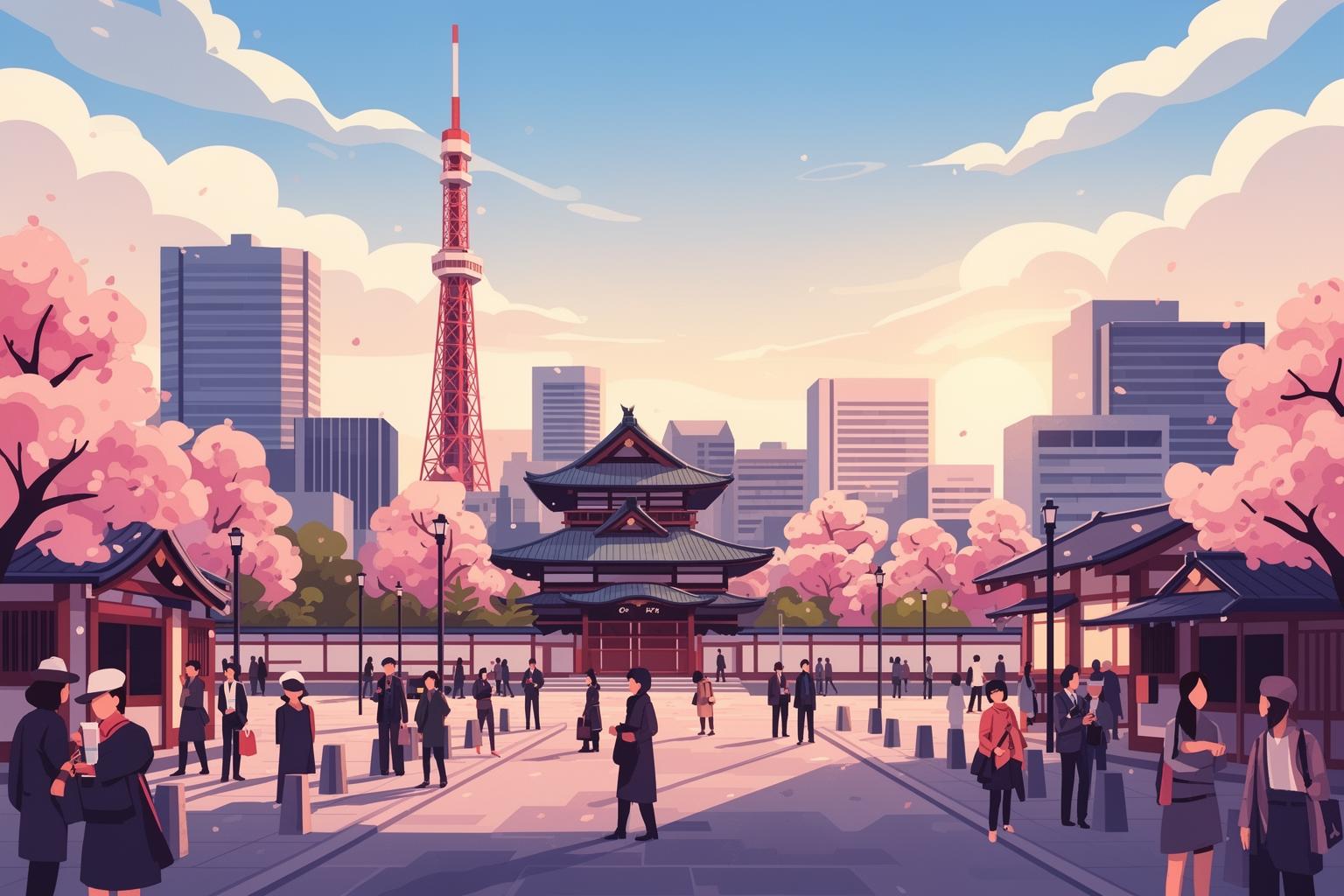
While these timeless establishments are scattered throughout the city, often tucked away on side streets and hidden in the basements of older buildings, certain neighborhoods stand out as especially rich hunting grounds for the authentic kissaten experience. Knowing where to look is the first step in your morning adventure.
One of the best places to begin is the magnificent Tenjinbashisuji Shotengai. As Japan’s longest covered shopping arcade, stretching an impressive 2.6 kilometers, its vast scale means it houses a staggering variety of businesses, including numerous old-school kissaten. The real pleasure here is in the exploration. Stroll along the main thoroughfare, then slip into one of the smaller side alleys branching off. There, away from the main bustle, you’ll discover unassuming entrances with faded awnings and charmingly retro hand-written signs. These are the places that have served local shopkeepers and residents for generations. Finding a seat in one of these spots feels like being let in on a neighborhood secret.
For a more bohemian and artsy vibe, head to Nakazakicho. This delightful district, just a short walk from the urban center of Umeda, miraculously survived wartime bombings and retains a maze of narrow, winding lanes and pre-war wooden buildings. Many have been transformed into quirky boutiques, independent galleries, and, naturally, uniquely characterful cafes and kissaten. The morning service here might come with a slightly modern twist—perhaps artisanal bread or specially sourced coffee beans—but the intimate, retro atmosphere remains beautifully intact. It’s a fantastic place to wander and find a cafe with a truly distinctive personality.
If you yearn for a pure dose of Showa-era nostalgia, venture south to the Shinsekai and Tennoji areas. Shinsekai, with its iconic Tsutenkaku Tower, feels like a district frozen in time. The kissaten here are genuine relics, often furnished with the same pieces and décor they had in the 1960s. They’re gritty, authentic, and utterly unpretentious. Sitting in a Shinsekai kissaten, watching elderly locals play shogi (Japanese chess) and read horse racing forms, is one of the most immersive cultural experiences available in Osaka. It offers a powerful glimpse into the city’s working-class soul.
Even within the gleaming business districts of Umeda, Yodoyabashi, and Namba, these tranquil havens endure. Hidden in underground shopping arcades or on upper floors of unremarkable office buildings, you’ll find kissaten that serve as vital decompression chambers for the city’s workforce. They are essential oases where office workers can gather their thoughts before a big meeting or find a moment of quiet solitude before facing the day’s pressures.
So, what visual cues should you watch for? The most obvious sign is the display case out front, filled with shokuhin sampuru—the wonderfully realistic plastic and wax food models for which Japan is famous. A slightly sun-faded model of a coffee cup, a slice of toast, and a boiled egg is a sure indication that a classic “Morning Service” awaits inside. Look for names written in old-fashioned Kanji or Katakana script, often on a simple wooden sign. The entrance itself might seem a bit daunting—a heavy wooden door, perhaps with a small curtained window that reveals little about the interior. Be brave. Push it open. The gentle chime of a small bell will announce your arrival, and you’ll be greeted by that glorious, inviting aroma of coffee.
For first-time visitors, the process is wonderfully simple. “Morning Service” usually runs from the moment the shop opens (around 7 or 8 AM) until about 11 AM. Find an open seat, and the Master or staff will bring you a glass of water and a menu. Often, the “Morning Set” is the highlighted item. You can just point and say, “Mōningu setto, kudasai” (Morning set, please). They might ask if you prefer your coffee hot or iced (“Hotto or aisu?”). A simple “Hotto, kudasai” is enough. From there, you can relax and enjoy. One important cultural note for Western visitors: many of these older kissaten still allow smoking. Though this is becoming less common, if you’re sensitive to cigarette smoke, it’s a good idea to peek inside first to gauge the atmosphere. When you’re ready to leave, you usually take the bill (which may have been left on your table) to the cash register near the entrance to pay. It’s a simple, seamless ritual designed for comfort and ease.
A Deeper Dive: Variations on a Theme
While the classic coffee-toast-egg trio forms the foundation of the “Morning Service” tradition, a delightful array of variations can be found, reflecting regional preferences and the distinct character of each establishment. A brief exploration of Nagoya, widely regarded as the birthplace of this morning ritual, reveals an even greater focus on indulgence. The famous “Nagoya Morning” often includes the traditional elements but adds signature touches like ogura toast—thick toast generously spread with sweet red bean paste (anko) and butter. Other Nagoya versions might include a side of chawanmushi (a savory steamed egg custard) or a small bowl of udon noodles, further blurring the line between a light breakfast and a hearty meal.
In Osaka, though the offerings may be somewhat more modest, the city’s competitive merchant spirit ensures remarkable variety. Some kissaten distinguish themselves by their bread, sourcing it from renowned local bakeries or baking it on-site. Others emphasize their coffee, offering single-origin beans or a special house blend kept secret for generations. You may find “Morning Sets” that replace the toast with a hot sandwich, or hotto sando, a cherished Japanese comfort food. Popular fillings include tamago (a fluffy Japanese egg omelet), ham and cheese, or even katsu (deep-fried pork cutlet). For a lighter or more traditionally Japanese start, some establishments offer an okayu set featuring gentle rice porridge with savory toppings like pickled plums (umeboshi) and salted kelp (kombu), or a simple onigiri set with a couple of rice balls and a bowl of miso soup.
The rise of third-wave coffee culture has also inspired a new generation of cafes to put their own twist on the tradition. In trendy neighborhoods, you might find a “Morning Special” including avocado toast on sourdough, a side of granola with artisanal yogurt, and a perfectly crafted flat white. Although the ingredients are more contemporary, these modern cafes still uphold the core principle of mōningu sābisu: providing exceptional value and a warm welcome to start the day. This evolution highlights the enduring strength and adaptability of the concept, showing it can evolve with changing tastes while preserving its fundamental appeal.
This variety turns the simple quest for breakfast into a delightful treasure hunt. Every kissaten you enter offers a new possibility, a unique interpretation of a shared cultural tradition. Part of the joy lies in discovering “your” spot—the one whose coffee, toast, and atmosphere perfectly match your personal taste, a place that can become your own morning sanctuary during your stay in Osaka.
An Osakan Morning Itinerary: Integrating the Kissaten Ritual
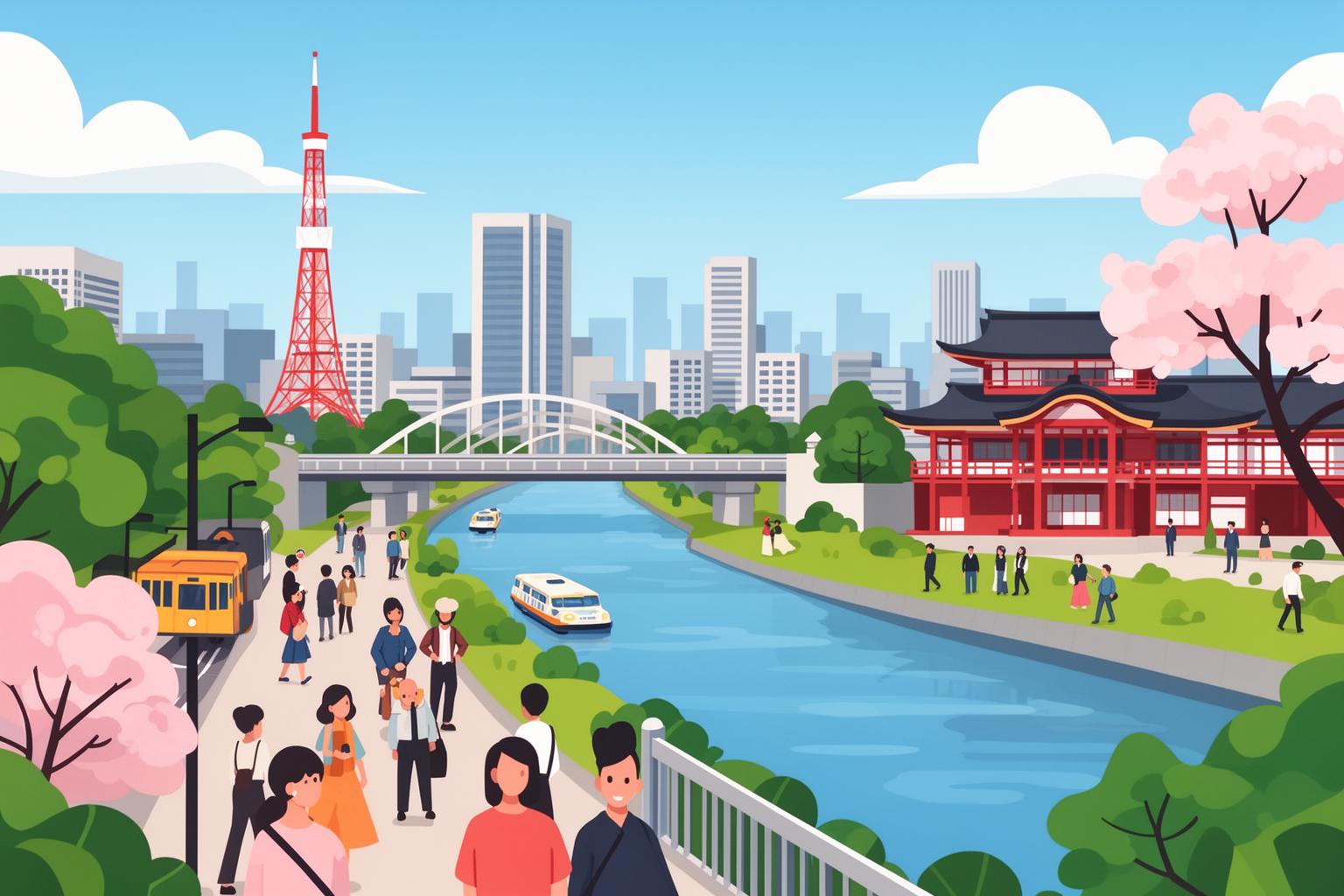
The true charm of the kissaten morning ritual lies in how effortlessly it blends into a day spent exploring Osaka. It’s more than just a meal; it serves as the ideal introduction to any adventure you have in store. By beginning your day like a local, you create a slower, more observant, and more connected rhythm for your experiences.
Picture this itinerary for the culture enthusiast: Your day starts in the Tenma district. After a calm and nourishing “Morning Service” at a hidden gem tucked just off the Tenjinbashisuji arcade, you’re perfectly situated to visit the nearby Osaka Tenmangu Shrine, a beautiful and significant spiritual site dedicated to the god of scholarship. With the peacefulness of the kissaten still lingering, you can truly appreciate the shrine’s serene grounds before the crowds arrive. Next, you might explore the captivating Osaka Museum of Housing and Living, where you can stroll through a life-sized reproduction of an Edo-period townscape. Your tranquil, traditional breakfast will have readied you to fully embrace this journey into the city’s history.
Or consider a plan suited for the urban explorer with a fondness for retro vibes. Your morning begins in the lively, gritty district of Shinsekai. You discover a kissaten that seems untouched since the 1950s, filled with an atmosphere thick with history (and perhaps a hint of smoke). You relish your simple, hearty breakfast amid the conversations of locals, feeling the nostalgic heartbeat of old Osaka. Energized by coffee and toast, you then walk a short distance to the iconic Tsutenkaku Tower. As you ascend the observation deck, you take in expansive views of the city, having connected with its most grassroots, historical essence. From there, you can wander through Janjan Yokocho Alley, a narrow street buzzing with standing bars and kushikatsu restaurants, now fully alive and vibrant.
For the avid shopper, the kissaten offers a strategic and calming beginning. Before plunging into the thrilling chaos of the Shinsaibashi-suji shopping arcade or the upscale department stores of Umeda, you find a quiet café in a nearby side street. Here, you savor your morning set while planning your shopping strategy. It’s a peaceful moment before the surge of consumer energy. By the time the stores open around 10 or 11 AM, you are caffeinated, nourished, and mentally ready to navigate the bustling crowds and countless retail options, having started your day with a moment of pure, unhurried indulgence.
These are just a few examples. The important thing is to view the “Morning Service” not as a standalone event but as the first, vital step in a day of discovery. It roots you in local culture, offers affordable and tasty fuel, and lets you observe the city as it slowly awakens. It’s a moment to pause, plan, and savor before diving into the vibrant energy that makes Osaka so captivating.
A Gentle Closing: The Enduring Charm of the Morning Ritual
In a fast-paced and ever-evolving city like Osaka, rituals serve as an essential anchor. They are the threads of continuity linking the past with the present, the constants amid constant change. The “Morning Service” at a local kissaten exemplifies such a ritual. It is much more than an inexpensive breakfast; it represents a cultural legacy, a quiet act of community-building that unfolds daily in thousands of small, independent cafés. It stands as a testament to an era that prized craftsmanship over convenience and conversation over connectivity.
Participating in this ritual grants you temporary membership in the local community. It offers a chance to sit among the people who form the city’s backbone and observe their everyday routines. It is an opportunity to support a small, family-run business that safeguards a precious piece of cultural heritage. In a world that often feels loud, rushed, and impersonal, the kissaten provides a remedy: a space that is quiet, slow, and profoundly human.
So, when you find yourself in Osaka, resist the urge to grab a quick pastry from a convenience store or a familiar latte from a global chain. Instead, give yourself the gift of a slow morning. Look for the faded awning, the plastic food displays, the heavy wooden door. Step inside, let the bell announce your arrival, and inhale the sacred aroma of coffee brewed over decades. Order the “Morning Set.” Watch the Master at work. Savor the impossibly fluffy toast. And as you sit in the warm, dim light, you will realize that you are doing more than just having breakfast. You are connecting with the very soul of Osaka, beginning your day not as a tourist, but as a temporary local, fully immersed in the beautiful, comforting rhythm of the city’s morning song.