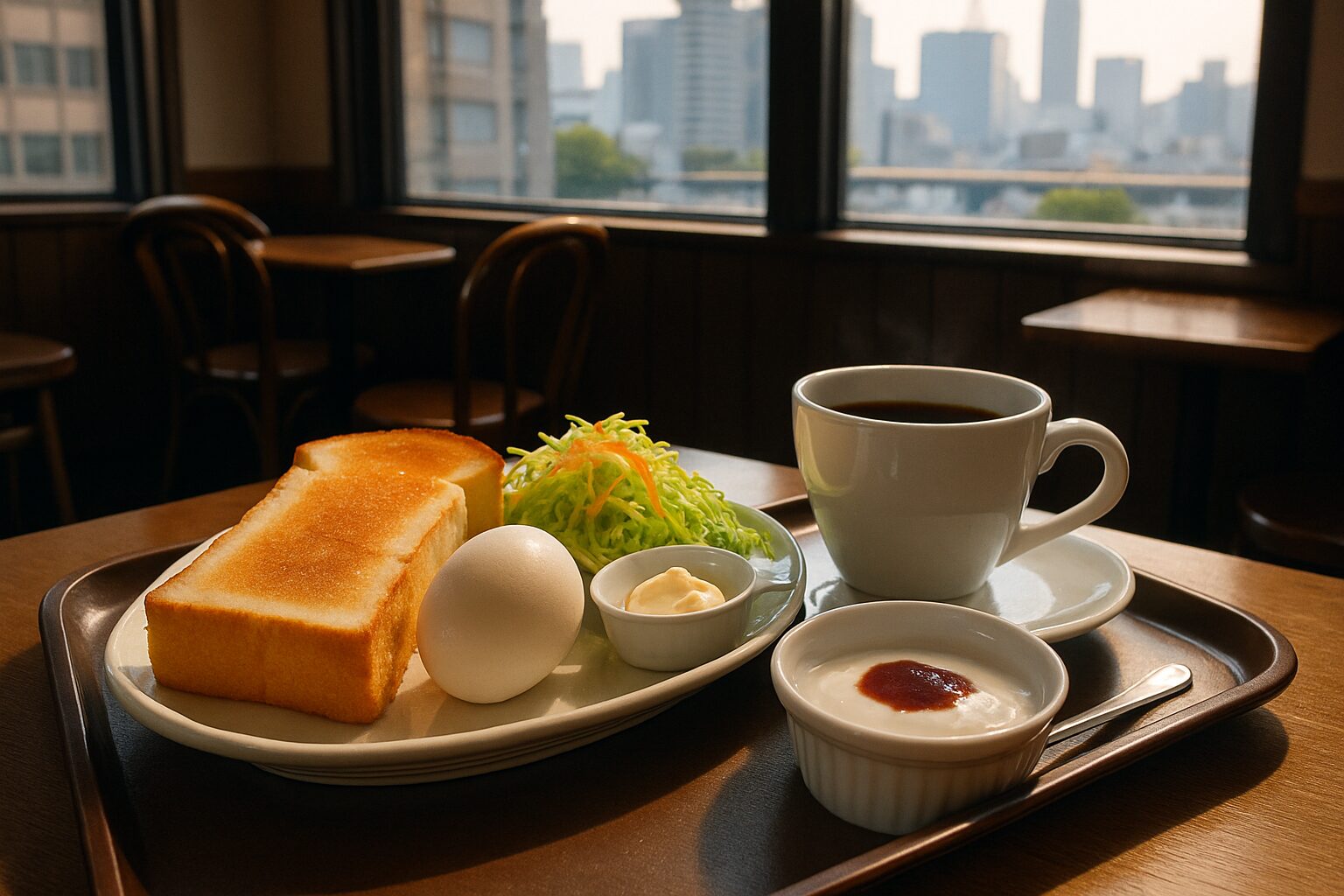
The morning in Osaka doesn’t just dawn; it ignites. It crackles with the energy of a million lives beginning their day, a symphony composed of the rumble of the Midosuji Line, the cheerful shouts of shopkeepers rolling up their shutters, and the distant clang of a streetcar bell. In this city that works hard and plays harder, the start of the day isn’t just a rush to get out the door. It’s a ritual. It’s a moment of quiet communion, a tradition steeped in history and flavor, known as “Morning Service,” or as the locals say, mōningu sābisu. This isn’t your typical brunch, nor is it a quick grab-and-go affair. It’s an institution, a cultural touchstone found in the city’s most treasured time capsules: the humble and magnificent kissaten, the classic Japanese coffee shop. Forget the sleek, minimalist cafes of the modern world for a moment. We’re about to step through a looking glass into a different era, a place where the simple price of a cup of coffee buys you a moment of peace, a hearty start, and a direct line to the soul of old Osaka. This is a journey into the heart of the city’s daily rhythm, a guide to understanding how Osaka truly wakes up, one thick-cut toast and perfectly brewed coffee at a time. It’s a testament to the idea that the best things in life are often the simplest, a warm plate and a welcoming seat in a room that has seen it all.
To truly understand the city’s dedication to accessible, soulful dining, you can also explore the vibrant world of Osaka’s supermarket sozai aisles.
The Soul of the Kissaten: A Portal to a Bygone Era
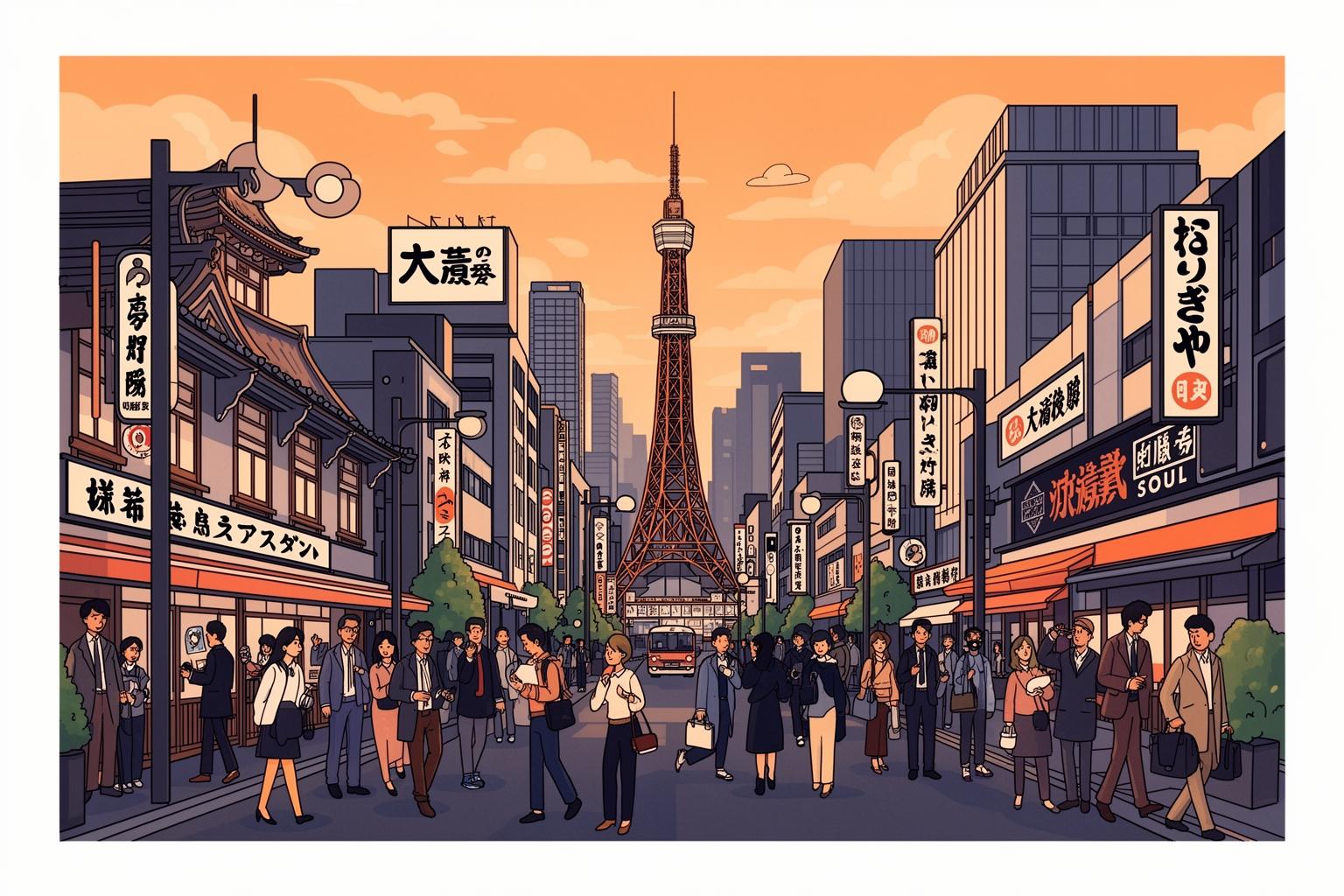
To truly appreciate the gift of a “Morning Set,” one must first grasp the sanctuary in which it is served. The kissaten (喫茶店) is far more than a simple coffee shop. It serves as the city’s living room, a library of quiet moments, and a theater of everyday life. Opening the heavy, often dark-wood door of a classic kissaten is to step away from the relentless pace of 21st-century Osaka. The atmosphere inside is distinct—thick with the echoes of countless conversations, infused with the rich, earthy scent of dark-roast coffee, and frequently carrying the sweet, nostalgic aroma of tobacco smoke—a relic of an era when coffee and cigarettes were inseparable companions in reflection. The interior is bathed in a warm, amber light, filtered through stained-glass lampshades or lace curtains, illuminating worn velvet armchairs and polished mahogany counters. The soundtrack is not a frenzied pop beat but the soft murmur of a jazz trio on vinyl, the delicate clinking of porcelain cups, and the gentle rustle of turning newspaper pages.
These establishments were the heart of the Showa era (1926-1989), a time of profound change and economic growth in Japan. As the nation modernized, the kissaten became an essential “third space” between home and work. Here, salarymen held secret meetings, artists and writers debated their latest works over endless coffee, and young couples shared first dates under the watchful eye of the establishment’s “Master.” The Master (マスター, masutā) embodies the soul of the kissaten. More than a barista, he is the curator of the space and the silent guardian of its ambiance. Often a man of few words, he moves with practiced grace behind the counter, polishing glasses, crafting coffee with a siphon brewer that resembles alchemical apparatus, and offering subtle nods to familiar visitors. He has witnessed generations come and go, overheard confessions and celebrations, and provided a steady, stable presence in the ever-changing neighborhood. The kissaten is his realm, and the comfort it offers is his legacy. In an era of fleeting trends and digital isolation, the kissaten stands as a monument to permanence and the profound solace found in the familiar and unchanging.
Unpacking the “Morning Set”: An Unbeatable Deal
The concept of the “Morning Service” is a charming example of Japanese hospitality combined with astute business sense. According to legend, it originated in Japan’s Chubu region as a strategy for coffee shops to attract the early morning crowd. The idea was straightforward yet groundbreaking: provide customers with a little something extra alongside their morning coffee, a small gesture of gratitude to start their day. In Osaka, a city known for its practicality and appreciation of a good deal, this concept was eagerly embraced and refined into an art form. The result is the “Morning Set” (mōningu setto). For the price of a single cup of coffee, or perhaps just a hundred yen more, you receive a complete and satisfying breakfast. It stands as one of the few genuine economic miracles left in modern times—a deal so good it feels like a secret shared with you. But what exactly does this magical set include? While the details vary between kissaten, reflecting their unique pride and local identity, the essential components remain remarkably consistent: a sacred trio of morning comfort.
The Sacred Trio: Coffee, Toast, and Egg
At the center of every Morning Set is the coffee. This is no light, fruity, third-wave brew you might find elsewhere. Kissaten coffee is typically a deep, dark roast, often brewed using a siphon. Watching a Master prepare siphon coffee is both a scientific demonstration and theatrical showmanship. The process of glass globes, open flames, and vacuum pressure combines precision and spectacle. The end result is a cup of coffee that is incredibly smooth, full-bodied, and low in acidity, with a robust, almost smoky flavor. It’s a serious cup, crafted to wake you up and energize you for the day ahead. You are usually offered a choice between “blend coffee” (burendo kōhī), the house specialty, or “American coffee” (amerikan kōhī), which is milder. Served in delicate, often ornate porcelain cups with a tiny pitcher of cream and a bowl of sugar cubes, the coffee alone makes for an event.
Next is the toast, and this is no ordinary toast either. The bread is shokupan (食パン), Japanese milk bread, famous for its exceptional fluffiness and subtle sweetness. It’s sliced extraordinarily thick—sometimes an inch and a half—resulting in a texture that’s crisp on the outside yet cloud-like on the inside. Toasted to a perfect golden brown and served piping hot, it is typically accompanied by a pat of butter melting into its porous surface and a small pot of strawberry jam. Some places offer variations like cinnamon toast, cheese toast, or even the Nagoya specialty Ogura toast, topped generously with sweet red bean paste (anko). The simple delight of this thick, fluffy toast is a cornerstone of the Japanese breakfast ritual.
The third element completing the trinity is the egg. Most often, this is a single hard-boiled egg (yude tamago, ゆで卵) served warm in a small dish with a shaker of salt. There’s a meditative quality to tapping the shell, peeling it carefully to reveal the smooth white inside, and seasoning it just right. It’s simple, protein-rich, and perfect. Some kissaten offer alternatives like freshly scrambled eggs, delicate folded omelets, or miniature sunny-side-up eggs. Regardless of preparation, the egg provides a savory balance to the sweet jam and rich butter of the toast, rounding out the meal with perfect harmony.
The Optional Accompaniments: Salads, Yogurt, and More
Beyond the core trio, a kissaten’s generosity can truly shine. The Morning Set serves as a canvas for the Master’s expression of the shop’s unique character. A common addition is a small side salad—usually shredded cabbage and lettuce, sometimes with a slice of tomato or cucumber—drizzled with a distinctive Japanese dressing, such as a nutty sesame goma dressing or a tangy onion vinaigrette. This offers a fresh, crisp element that cleanses the palate. Another frequent addition is a small serving of plain yogurt, sometimes accompanied by a dollop of fruit compote or a drizzle of honey, adding a touch of healthy probiotic goodness. Depending on the establishment, extras can become even more elaborate: a single Vienna sausage, a slice of ham, seasonal fruit like an orange wedge or grapes, or a small bowl of potato salad. These additions make exploring different kissaten so enjoyable, each offering its own unique take on morning hospitality—a small, delicious surprise that says, “Welcome, we’re glad you’re here.”
Navigating the Labyrinth: Finding Your Neighborhood Gem
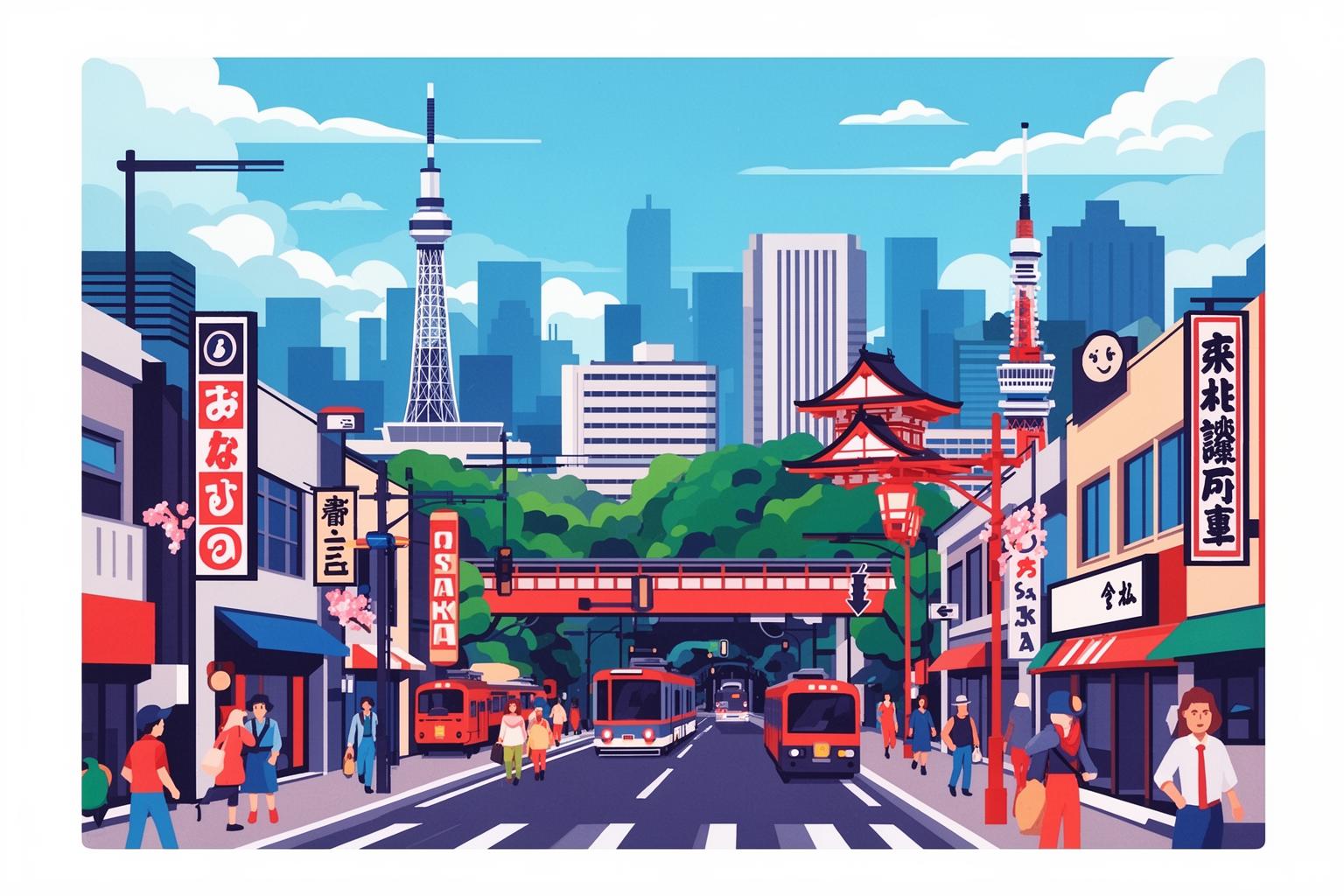
Osaka is a vast metropolis, a collection of unique neighborhoods, each with its own beat and character. Within this urban mosaic, thousands of kissaten await—from renowned, grand cafés to tiny, hidden, tucked-away spots. Finding your ideal morning experience is a journey of exploration. It’s about more than just the food; it’s about discovering an atmosphere that resonates with you, a place that feels like your own. To truly grasp the richness of this culture, you need to explore. You must stroll down side streets, glance into dimly lit entrances, and follow the aroma of brewing coffee.
The Umeda Hustle: A Businessman’s Sanctuary
In the gleaming high-rise district of Umeda, surrounding the bustling Osaka and Umeda Stations, the pace is unyielding. Here, amid department stores and office towers, kissaten provide an essential retreat. Picture a spot hidden in the basement of an old office building, worlds apart from the rush of commuters above. Let’s call it “Coffee House Baron.” Inside, the booths are upholstered in dark red leather, worn with age. Brass lamps emit a soft, intimate glow. The air is still and respectful. Most patrons are men in suits, their faces obscured by the morning edition of the Nikkei newspaper. Conversation is minimal. They come for a moment of solitary preparation before the day’s challenges. The Master, a stern man clad in a crisp white shirt and black bowtie, works with quiet efficiency. A Morning Set at a place like Baron is classic and straightforward. The coffee is strong and black. The toast is perfectly square and evenly golden. The boiled egg lands silently on the table. There are no fanciful extras, no unnecessary details. It’s a purposeful breakfast, meant to be enjoyed with quiet dignity. It serves as a refueling point for the city’s economic engine, a place steeped in silent tradition where the rituals of the Showa-era salaryman are preserved like relics.
The Namba Beat: Showbiz and Smoke
Heading south to Namba, the lively, chaotic core of Osaka’s entertainment district, the energy shifts completely. It’s loud and flashy, home to manzai comedy, the National Bunraku Theatre, and countless arcades and eateries. Namba’s kissaten seem to hold stories, whispers of stage and screen secrets exchanged over formica tables. Imagine a café called “Arabia,” just off a neon-lit, crowded street. Its walls are decorated with yellowed, autographed photos of famous comedians and singers from the 70s and 80s. The seats are plush velvet, perhaps in bold shades of purple or green. Smoke hangs thick in the air amid lively chatter in the melodic Osaka dialect. This kissaten isn’t meant for quiet reflection; it’s a social hub. It’s where performers once grabbed a bite before their shows, where deals were struck, and gossip traded. The Master here is a character—a woman sporting a beehive hairdo who calls everyone “honey” and recalls orders from two decades ago. The Morning Set at Arabia is more substantial. The toast may come topped with melted cheese. The salad often includes a slice of ham. It’s a breakfast for night dwellers—a hearty, comforting meal to ease them into daylight. It captures the grit and glamour of Osaka’s showbiz heritage.
The Shōtengai Secret: The Heart of the Community
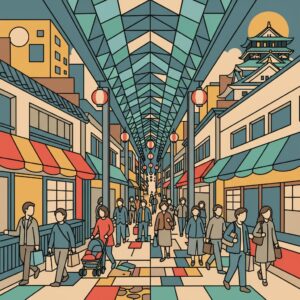
Now, moving away from the city center into the residential heartland, venture into a shōtengai—a covered shopping arcade. These arcades are the lifeblood of Osaka’s neighborhoods, and the kissaten within serve as their living rooms. Take “Café Alps” on Tenjinbashisuji Shopping Street, Japan’s longest shopping arcade. Here, the true community spirit of Osaka flourishes. Customers are familiar faces: elderly grandmothers, or obaa-chan, gather for daily chats. The local fishmonger stops by for coffee after setting up his stall. The Master knows everyone’s name, asks about grandchildren, and keeps track of neighborhood news. The atmosphere is wonderfully warm and inviting. You’ll be treated like a regular, even on your first visit. The Morning Set feels lovingly prepared. The toast is sliced from bread baked at a nearby bakery. The egg arrives fresh from a local farm that morning. A small bowl of yogurt is served with fruit preserved by the Master’s wife. It’s simple, yet deeply comforting. This is the kissaten as a social institution, a vital hub that holds the community’s fabric intact. Breakfast here means being embraced by Osaka’s famous warmth and generosity firsthand.
The Student Haven: Retro Cool in Nakazakicho
Finally, wander over to Nakazakicho, a maze of narrow alleyways and preserved pre-war wooden buildings that has become a bohemian haven for artists, designers, and students. Here, the kissaten culture has been rediscovered and reinvented by a younger generation. Picture “Salon de AManTo,” a sprawling, eclectic space part coffee shop, part art gallery, part community center. Furniture is an endearing mix of vintage pieces. Local artwork decorates the walls. Students sit with laptops, sketchbooks, or engage in quiet, intense conversations. The atmosphere is relaxed, creative, and intellectual. The Master might be a young, bearded artist passionate about the ritual of siphon coffee. The Morning Set reflects this blend of tradition and modernity. The coffee is still a dark siphon brew, but perhaps made from a single-origin Ethiopian bean. The toast remains thick-cut shokupan, but may be served with avocado or homemade granola. The music likely leans toward indie folk rather than classic jazz. This kissaten is evolving, demonstrating that its appeal is timeless. It reveals the universal desire across generations for a quiet, beautiful space to think, create, and connect. It offers hope that this cherished tradition will continue to thrive for many years ahead.
How to “Morning” Like a Local
Stepping into a kissaten for the first time can feel somewhat intimidating, like entering a private club. However, these places are almost always exceptionally welcoming. Knowing a few simple etiquette tips can help you feel more comfortable and fully enjoy the experience. First, timing is key. The “Morning Service” is a limited-time offer, usually available from the shop’s opening (typically between 7:00 and 9:00 AM) until around 11:00 AM. After that, the special set is no longer on the menu. When you enter, the staff will warmly greet you with “Irasshaimase!” (Welcome!). You may seat yourself unless told otherwise. Once settled, a glass of water and an oshibori—a small, rolled towel—will be brought to you. In summer, it will be cold; in winter, steaming hot. This towel is for wiping your hands only, a polite ritual to refresh yourself before your meal. When you’re ready to order, simply say, “Mōningu setto, kudasai” (Morning set, please). They will likely ask your drink preference: “Hotto kōhī” for hot coffee or “Aisu kōhī” for iced coffee are the standard options. Then, just relax. The kissaten ethos encourages you to take your time—read a book, plan your day, or gaze out the window. No one will hurry you. When you’re ready to leave, take your bill, usually placed on your table, to the cashier at the front. It’s not customary to leave money on the table. Lastly, a key point about smoking: many traditional kissaten still allow smoking throughout. For some, this is a vital part of the nostalgic atmosphere; for others, it can be off-putting. If you’re sensitive to smoke, it’s best to seek a kissaten with a designated non-smoking section (kin-en seki, 禁煙席) or a more modern café. The smoke is part of the preserved Showa-era charm, for better or worse.
Not Just for Breakfast: The Enduring Charm
The charm of the kissaten extends well beyond the morning hours. These establishments serve as all-day havens, transforming their atmosphere as the day unfolds. While the Morning Set might be the best value, the lunch and afternoon menus offer their own distinctive, nostalgic delights. The kissaten preserves a unique style of Japanese-Western fusion cuisine known as yōshoku. One of the most emblematic dishes is the Napolitan Spaghetti. This is not an authentic Italian recipe; rather, it is a purely Japanese creation of spaghetti stir-fried with onions, peppers, sausage, and a sweet, tangy ketchup-based sauce. It represents the ultimate comfort food, evoking childhood memories for many Japanese people. Another classic menu item is the Cream Soda. This isn’t an ordinary float—it’s a tall, elegant glass filled with vividly bright green melon-flavored soda, crowned with a perfect scoop of vanilla ice cream and topped with a single maraschino cherry. It is a piece of pop art, a fizzy, sweet, and deeply nostalgic treat. For a genuine Osaka specialty, be sure to try the Mixed Juice (mikkusu jūsu). Originating in a Shinsekai kissaten, this beverage is a thick, creamy fusion of milk and assorted fruits, typically banana, orange, and peach. It’s healthier than a milkshake, more filling than a smoothie, and utterly delicious. Naturally, there are desserts as well. The Pudding a la Mode is a retro masterpiece in presentation: a firm, caramel-topped custard pudding (purin) served in a boat-shaped dish, accompanied by canned fruit, a dollop of whipped cream, and a wafer cookie. The kissaten is a place you can revisit throughout the day—a perfect spot for a quiet lunch, an afternoon sweet treat, or an evening coffee to unwind. It consistently meets the needs of its community from dawn till dusk, serving as a steady, comforting presence in city life.
Your Morning, Your Osaka Story
Ultimately, the “Morning Service” at an Osaka kissaten is far more than just an affordable breakfast. It’s a cultural experience. It’s a way to engage with the city’s everyday rhythm. It’s an opportunity to slow down, unplug from the digital buzz, and connect with something genuine and lasting. Each kissaten boasts its own character, history, and community. The serious salaryman refuge in Umeda, the chic showbiz spot in Namba, the friendly neighborhood gathering place in a shōtengai—they all weave together the vibrant, intricate tapestry of Osaka. Finding your favorite is a personal adventure. It’s about discovering the spot where the coffee hits the perfect note, the toast is just right, and the ambiance makes you feel, if only for an hour, truly at home. So, next time you have a free morning in Osaka, resist the temptation to grab a quick pastry from a chain bakery. Instead, meander down a side street, keep an eye out for a nostalgic sign and a softly lit window. Push open that heavy door, inhale the aroma of fresh coffee, and say the magic words: “Mōningu setto, kudasai.” You won’t merely be ordering breakfast—you’ll be opening a door to the soul of this remarkable city, beginning your own Osaka story one perfect, simple, and unforgettable morning at a time.