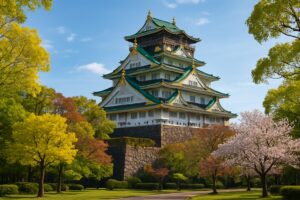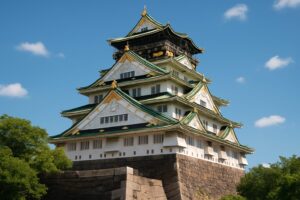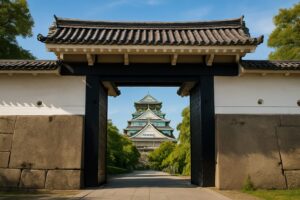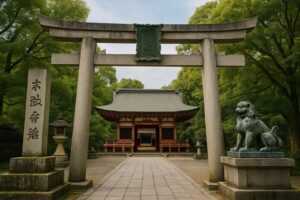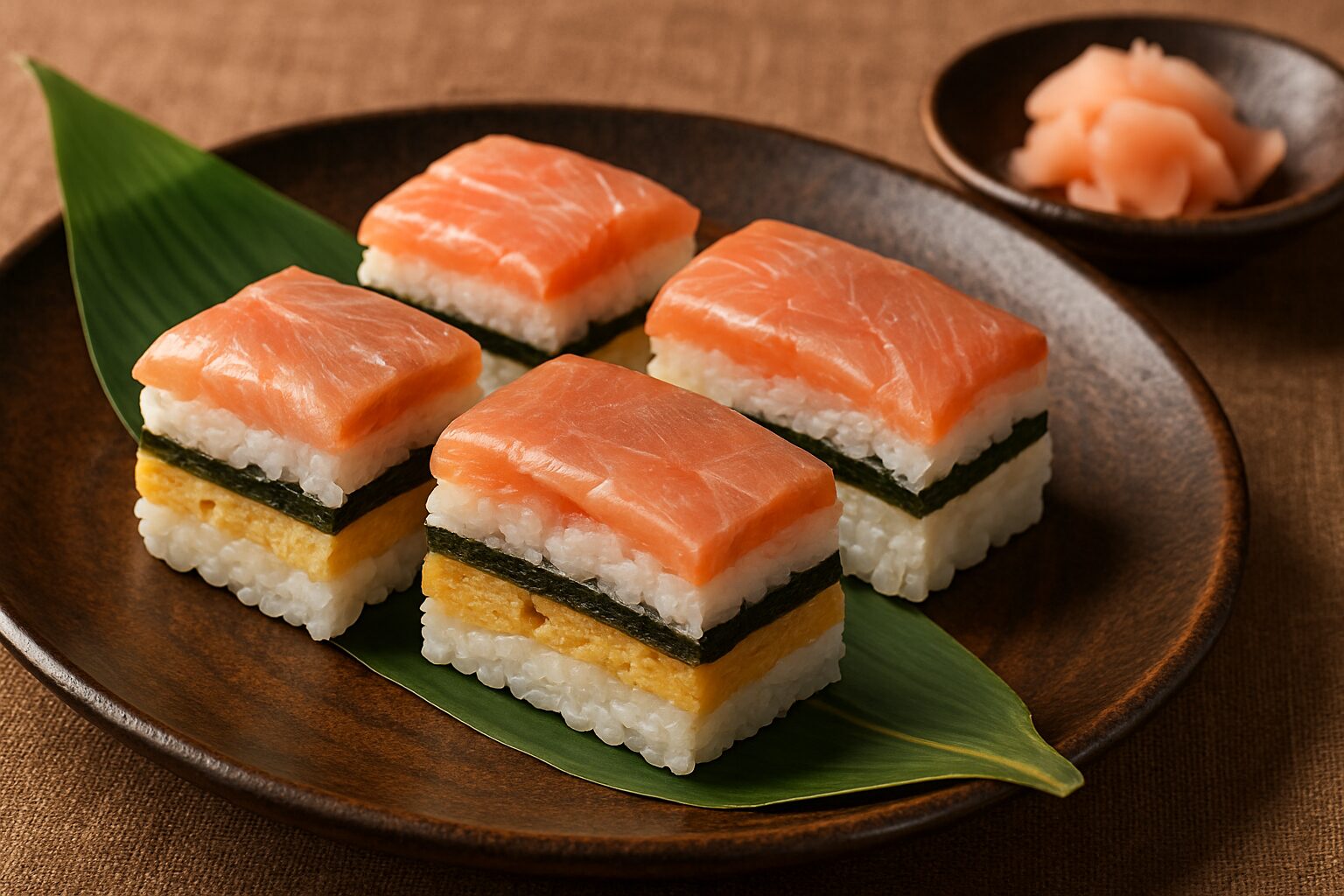
There’s a rhythm to Osaka that everyone knows. It’s the pulse of Dotonbori’s neon heart, the sizzle of takoyaki on a hot griddle, the boisterous laughter spilling from a thousand izakayas. It’s a city that wears its energy on its sleeve, loud and proud. But just a stone’s throw from the formidable stone walls of its most famous landmark, Osaka Castle, lies a different cadence. It’s a quieter beat, a melody played on cobblestone whispers and the rustle of ancient camphor trees. This is Tamatsukuri, a neighborhood where the city’s modern symphony fades, and the echoes of a much older Japan take center stage. For me, as a photographer always searching for the soul of a place, Tamatsukuri is a revelation. It’s not just a district; it’s a storybook, its pages filled with samurai legends, ancient shrines, and, if you know where to look, some of the most profound and authentic sushi experiences imaginable, tucked away behind humble noren curtains in unassuming, family-owned establishments. This isn’t about chasing trends or Michelin stars; it’s about a pilgrimage to the heart of Edomae tradition, served with a side of Osakan warmth, right in the shadow of the great castle.
After immersing yourself in the historic charm and sushi traditions of Tamatsukuri, consider experiencing the modern contrast of Osaka Castle’s illuminated night view from a hidden sky-lounge bar.
The Weight of History on Quiet Streets
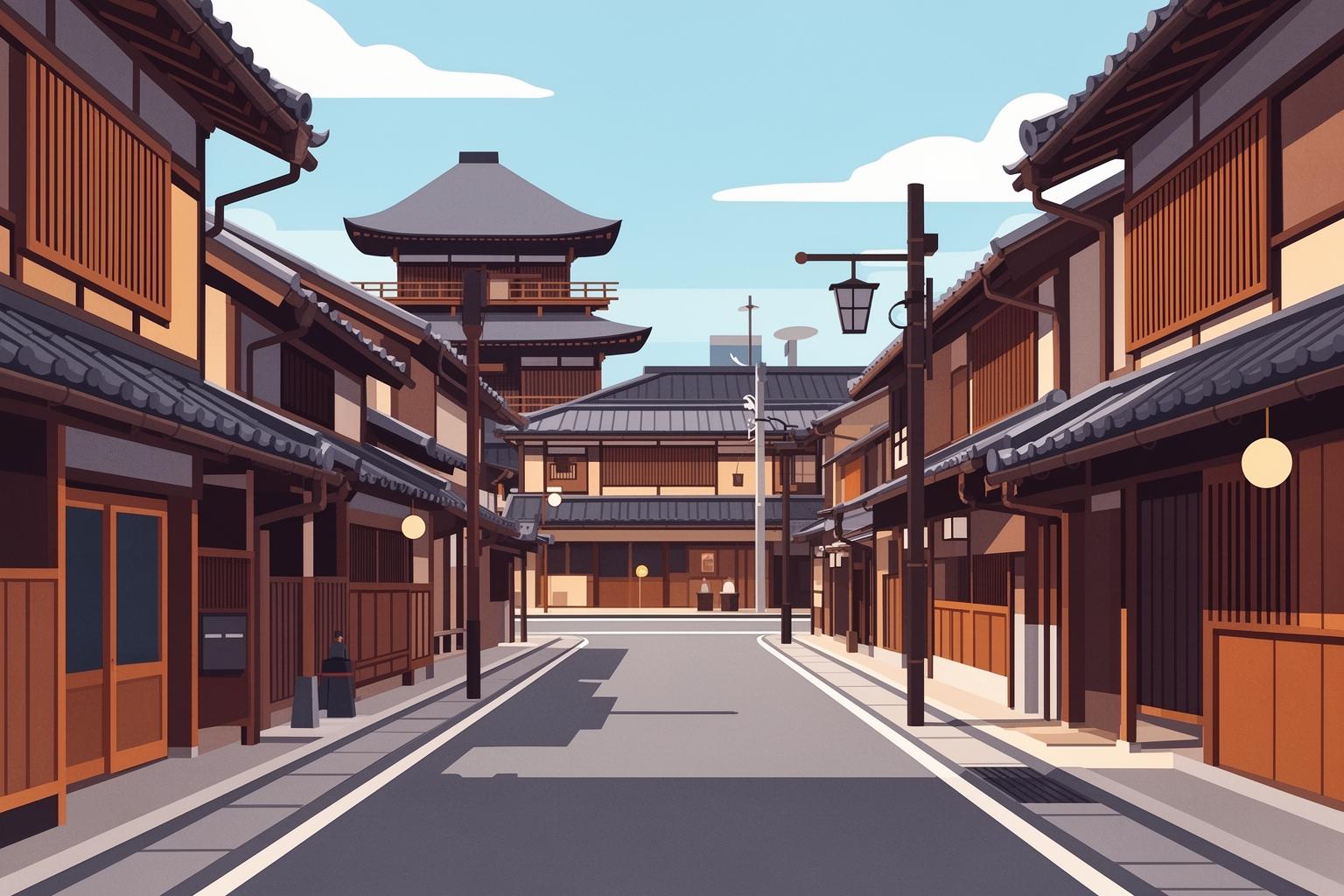
To truly appreciate the sushi of Tamatsukuri, you must first grasp the history beneath your feet. This is far from just another neighborhood in Osaka; it is arguably one of its oldest areas. The very name, Tamatsukuri (玉造), means “jewel making,” a direct nod to the powerful clans who, over 1,500 years ago, crafted comma-shaped magatama jewels here for the Yamato court. Strolling through these streets feels like walking along a timeline. There is an unmistakable weight in the air, a gravitas that the glass and steel towers of Umeda can never convey. The neighborhood is a ‘teramachi,’ or temple town, where the concentration of sacred sites creates a tangible sense of tranquility. Unlike Kyoto’s grand and sprawling temples, these are intimate, local places of worship, seamlessly woven into everyday life. You’ll witness residents pausing for a quick prayer on their way to the grocery store, with the scent of incense blending effortlessly with the aroma of roasting tea from a nearby shop. This is living history, not something preserved behind glass.
More dramatically, this peaceful area once served as the backdrop for one of Japan’s most legendary battles: the Siege of Osaka. The famed samurai Sanada Yukimura, known as the “Crimson Demon of War,” constructed his famed fortress, the Sanada-maru, on this very ground to protect Toyotomi Hideyori against the overwhelming forces of Tokugawa Ieyasu. The serene grounds of Sankō Shrine now occupy what was once the center of this desperate and brilliant defense. Standing before Yukimura’s statue here means standing on a battlefield that decided the fate of a nation and ushered in over 250 years of Tokugawa shogunate rule. This profound historical significance imbues the neighborhood with a deep sense of resilience and tradition. It’s a place that has endured through the rise and fall of empires, holding firmly to its identity. This same enduring spirit, along with a dedication to craft passed down through generations, is exactly what you discover in its hidden sushi-ya.
The Soul of Sushi: Seeking the Family Counter
In Japan, the term “restaurant” often seems insufficient. This is especially true for the small, family-run sushi counters found throughout neighborhoods like Tamatsukuri. These are more than just businesses; they are legacies. Frequently operated by a husband-and-wife team, a father and son, or even three generations working quietly in harmony, these establishments uphold a culinary tradition. The master, or taisho, at the counter is more than a chef; he is a craftsman, an artist, and a curator of the sea’s finest ingredients. His wife, the okami-san, is the gracious host who orchestrates the restaurant’s warm atmosphere, ensuring every guest feels not merely served, but genuinely welcomed. This is the realm of kazoku-keiei (family management), presenting a striking and beautiful contrast to the impersonal efficiency of contemporary dining.
Entering one of these places feels like stepping into a private home. There is no flashy décor or trendy music. The focus is singular and absolute: the sushi. The space itself reflects this philosophy. A simple, flawlessly planed wooden counter, often crafted from a single piece of cypress, polished to a soft sheen by decades of use. Behind it, the taisho moves with an economy of motion that reflects a lifetime of dedication. His knives, his most treasured tools, are arranged with surgical precision. The air is still, filled only with quiet reverence and the subtle, clean scent of vinegar and fresh seafood. This environment commands respect, yet it is not intimidating. Instead, it is deeply calming. It invites you to slow down, to focus, to engage all your senses in the meal about to unfold. For a traveler, discovering such a place is more than just dining; it is a genuine cultural immersion, a direct link to the core of Japanese craftsmanship.
A Counter of Dreams: The First Encounter
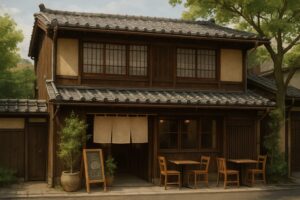
My search took me down a narrow side street, away from the main road linking the station to the castle park. Here, the streetlights emitted a softer, warmer glow. I found it almost by chance: a simple, dark wood facade with a small, indigo-dyed noren curtain hanging in the doorway. A single, plain white lantern beside it displayed two characters, handwritten in elegant calligraphy, which I could only assume was the restaurant’s name. There was no menu outside, no pictures of glistening tuna, no English signs. There was only the curtain, a quiet invitation to those who knew.
Pushing it aside felt like stepping into another era. The outside world vanished. Inside was a tiny space, anchored by a stunning hinoki wood counter seating no more than eight people. An elderly taisho, his face etched with concentration, stood behind it, meticulously wiping down a ceramic dish. His wife, the okami-san, turned away from arranging flowers in a small alcove and greeted me with a warm, genuine smile and a soft “Irasshaimase.” I was the only guest at that early hour. The silence was not awkward; it was comfortable, filled with the quiet confidence of masters at work.
There was no menu. The okami-san simply asked, “Nomimono?” (A drink?). I requested sake, and she presented a small, chilled bottle of a local brew. Then the taisho glanced at me, a silent question in his eyes. I knew the magic words: “Omakase, onegai shimasu.” I leave it to you. A slight nod was his only reply, and the ritual began.
He started not with fish, but with the rice, the shari. He explained, in simple Japanese I could mostly follow, that the rice is the soul. His was seasoned with a red vinegar, lending it a faint brownish hue and a deeper, mellower flavor than the more common white rice vinegar. The first piece he placed on the lacquered geta before me was ika, squid. It was scored with a diamond pattern of such delicate fineness it looked like spun silk. He had brushed it with a whisper of nikiri soy sauce and added a microscopic dab of yuzu zest on top. The texture was sublime—not chewy, but tender and yielding, dissolving into sweetness, followed by the bright, citrusy fragrance of the yuzu. It was a statement of intent: this meal would focus on subtlety and precision.
Next came kohada, gizzard shad. This is a true test of an itamae’s skill, a fish that can easily be overpoweringly fishy if not prepared perfectly. His was a masterpiece. The silver skin shimmered under the soft light. It had been salted and marinated in vinegar for just the right amount of time, a delicate balance that transformed its strong flavor into a complex, savory umami bomb perfectly matched by the warm, acidic rice. It was followed by a piece of chu-toro, medium fatty tuna, from the coast of Oma. It wasn’t the famously fatty o-toro, but something more nuanced. The marbling was exquisite, and as it rested on my tongue, the fat began to melt, releasing a wave of rich, clean flavor that coated my entire palate. He had placed the tiniest smear of wasabi, freshly grated from the root, between the fish and the rice, its pungent heat slicing through the richness in a perfect, fleeting burst.
Piece after piece arrived, each a small, perfect world of its own. A sweet, plump botan shrimp (botan-ebi). A rich, smoky slice of seared saltwater eel (anago), so tender it seemed to vanish on contact, leaving behind the sweet, caramelized flavor of the sauce it was brushed with. A vibrant orange orb of sea urchin (uni), creamy and briny, tasting purely of the cold, clean ocean. With each piece, the taisho would say just one or two words: the name of the fish, its origin. It wasn’t a lecture; it was a quiet sharing of knowledge, an invitation to appreciate the provenance of what I was eating. This was not food as fuel; this was food as narrative, each piece a chapter in the story of the Japanese seas and the artisan who honored them.
Strolling Through Samurai Country: The Path to Sankō Shrine
Brimming with incredible sushi and a deep sense of satisfaction, a stroll through the neighborhood felt necessary. The best way to fully appreciate both the meal and the experience is to follow the history that surrounds you. From the quiet backstreets, I headed toward Sankō Shrine, the spiritual center of the Sanada-maru legend. The journey itself is meaningful. You pass traditional wooden houses with tiled roofs, their gates decorated with small Shinto charms. You catch glimpses of carefully maintained gardens, little green sanctuaries tucked behind worn walls. Life moves at a slower pace here. There are no convenience stores on every corner, no blaring advertisements—only the gentle hum of a quiet, residential community going about its day.
Reaching Sankō Shrine is a humbling experience. It’s neither large nor ornate. Its strength lies in its deep, resonant history. A striking bronze statue of Sanada Yukimura clad in full battle armor dominates the entrance, his gaze fixed on the distant silhouette of Osaka Castle, the prize he fought so fiercely to protect. It’s a powerful, moving image. Nearby is a modest cave, revered as the legendary “nuké-ana,” the escape tunnel said to have connected the fortress to the castle grounds. Whether fact or folklore, it sparks the imagination, symbolizing the cunning and resourcefulness of this celebrated warrior.
Standing there, you can almost hear the roar of battle, the clash of steel, and the war cries that echoed across these hills four centuries ago. It’s a profound moment of connection with the past. This wasn’t just a story in a history book; it happened right here. The shrine is also well known for its annual Sanada-maru festival, where locals don samurai armor and parade through the streets in a vibrant celebration of their neighborhood’s most famous hero. Visiting this shrine offers vital context for the entire area. It explains the fierce pride and strong sense of identity that define Tamatsukuri. The spirit of Sanada Yukimura—marked by dedication, skill in battle, and unwavering principle—feels very much like the spirit behind the sushi counter, where a different kind of artist fights a daily battle for perfection.
Jewels and Foxes: The Ancient Tamatsukuri Inari Shrine
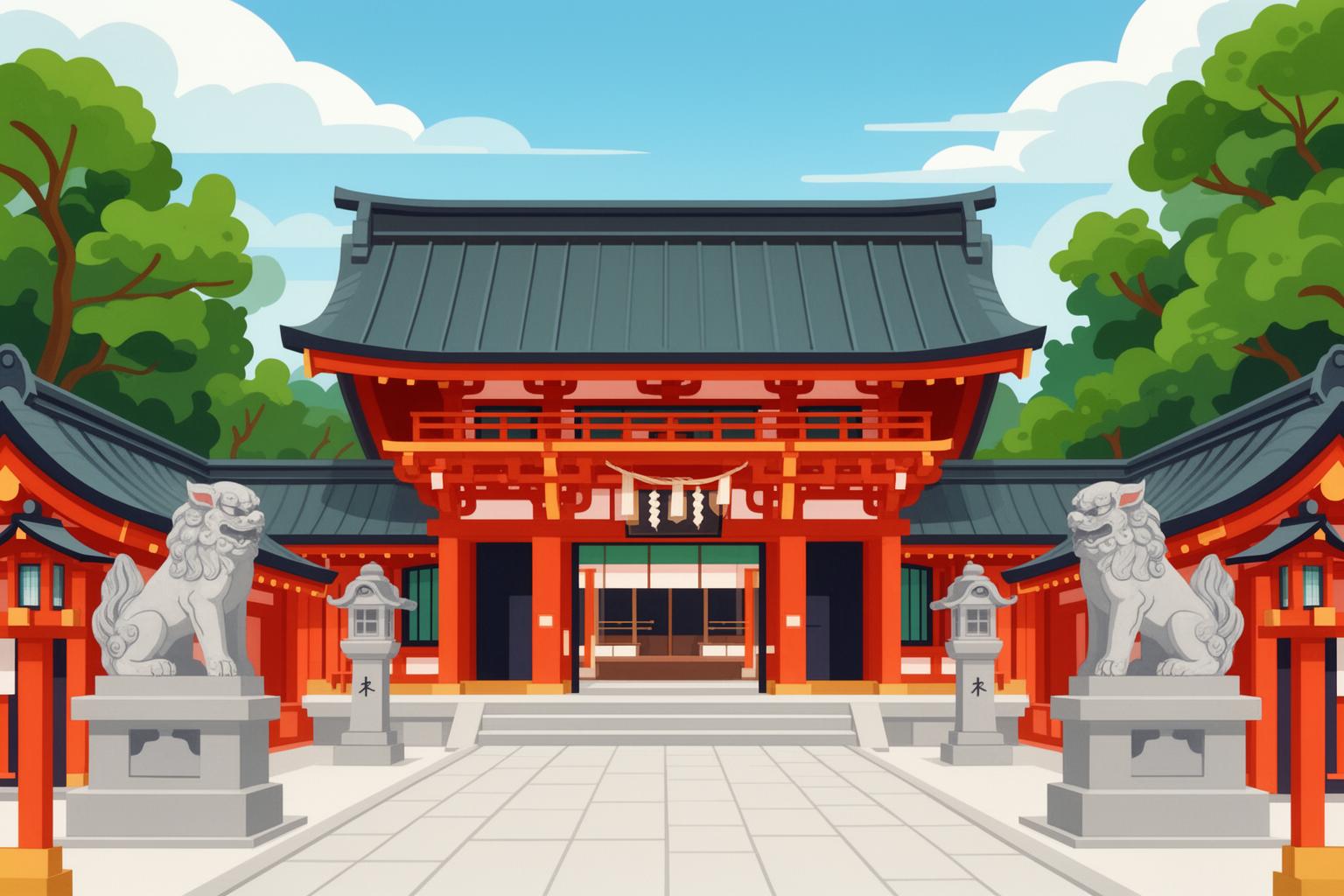
No visit to the neighborhood would be complete without stopping by its namesake, the Tamatsukuri Inari Shrine. Older than the Sanada legend, this shrine is believed to have been established centuries earlier, closely tied to the area’s history as a hub for jewel crafting. Its expansive grounds provide a peaceful retreat, shaded by ancient trees. The atmosphere here contrasts with Sankō Shrine’s martial spirit, carrying a more mystical air deeply connected to the Shinto roots of the land.
As an Inari shrine, it is protected by numerous kitsune, or fox statues, revered as the messengers of the god Inari. Some are weathered and covered in soft green moss, while others are newer, decorated with bright red bibs left as offerings. What sets this shrine apart is its link to the local craft; you’ll find fox statues clutching jewels in their mouths, a direct reference to the ‘Tamatsukuri’ name. There is also a small stage for Noh and Kyogen performances, reflecting the shrine’s rich cultural heritage.
However, the shrine’s most intriguing feature is its collection of small subsidiary shrines devoted to various historical and theatrical figures. One of the most significant is dedicated to the Toyotomi clan, serving as a poignant memorial amid the area’s history marked by the Tokugawa victory. It reminds visitors that history is complex, layered with loyalty and memory. As you wander these grounds, you sense the profound intertwining of craft, commerce, faith, and history that defines Tamatsukuri. It is a place that honors its artisans, warriors, and gods with equal respect.
Practical Tips for Your Tamatsukuri Pilgrimage
Exploring a historic local neighborhood like Tamatsukuri is incredibly rewarding, and a bit of preparation can make the experience even smoother for first-time visitors.
Getting There
Access is exceptionally convenient. Tamatsukuri is served by both the JR Osaka Loop Line and the Osaka Metro Nagahori Tsurumi-ryokuchi Line. From major hubs such as Osaka Station (Umeda) or Tennoji, the JR line offers a direct and efficient route. This easy access makes it an ideal half-day trip, which can be combined with a visit to the nearby Osaka Castle. Spend the morning exploring the castle’s expansive grounds and museum, then retreat to Tamatsukuri’s tranquil streets for an intimate and authentic lunch followed by a leisurely afternoon stroll.
Dining Etiquette at a Sushi Counter
Eating at a small, traditional sushi-ya is a distinctive experience, and following a few etiquette tips shows respect for the craft and the chef.
- Omakase Comes First: In a sushi spot without a menu, entrusting the chef with ‘omakase’ is the best choice. It guarantees the freshest seasonal ingredients and lets the taisho guide your dining experience.
- Soy Sauce: The chef usually brushes the perfect amount of nikiri (a special soy sauce blend) onto the sushi before serving. You should avoid dipping sushi in soy sauce unless instructed. For sashimi, pour just a small amount of soy sauce into your dish—drenching it is considered rude.
- Hands or Chopsticks?: Both are acceptable for eating nigiri sushi, with eating by hand being the more traditional method. However, always use chopsticks when eating sashimi or gari (pickled ginger).
- One Bite: Nigiri sushi is designed to be eaten in a single bite to appreciate the perfect harmony of fish, rice, wasabi, and nikiri all at once.
- Pace Yourself: This is not fast food. Enjoy each piece slowly. Appreciate the chef’s skill. The meal is a slow, intentional performance. Don’t hurry.
Timing and Reservations
Many of these small family-run establishments lack websites or online booking systems and may not even have a phone number. The best strategy is often to visit during the day to check their hours or simply try your luck when they open for dinner. Be prepared for them to be busy, as they cater to loyal local customers. Lunch can sometimes be an easier time to find a seat. Also, remember these chefs rely on the daily market. If the catch is poor or they run out of their carefully crafted rice, they may close for the day. This reflects quality, not poor service. It’s all part of the adventure.
A Taste That Lingers
As dusk began to settle and I left Tamatsukuri, the single white lantern of the sushi-ya glowing warmly behind me, I felt a deep sense of gratitude. The experience was about far more than simply eating exquisite fish. It was about connection—a bond to a living, present history, to a craft refined through generations, and to the quiet dignity of a family devoted to a singular art form. In a city as dynamic and forward-thinking as Osaka, Tamatsukuri serves as a vital link to the past. It reminds us that behind the towering castles and dazzling billboards, the true soul of Japan often dwells in the small, quiet corners—the backstreets where a master chef gently places a perfect piece of sushi before you, offering not just a meal, but a piece of his heart. It’s a flavor, and a feeling, that lingers long after you’ve left.