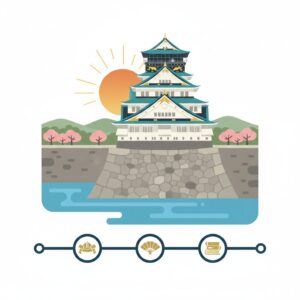
Osaka, a city that pulses with a relentless, vibrant energy, holds its history close. It’s a place where neon-drenched arteries of commerce and entertainment flow around tranquil islands of tradition. Nowhere is this captivating duality more palpable than in the view from above, looking out from the sleek, modern towers of Osaka Business Park (OBP) towards the serene, illuminated majesty of Osaka Castle. This isn’t just a pretty picture; it’s a dialogue across centuries, a visual symphony of ambition, resilience, and beauty. The quest for the perfect vantage point to witness this nightly spectacle leads not to crowded observation decks, but to the discreet, hidden sky-lounge bars tucked away in the upper echelons of OBP’s gleaming skyscrapers. These are sanctuaries of sophistication, offering a front-row seat to one of Japan’s most iconic views, a perspective that transforms a simple drink into a profound and unforgettable experience. Finding them is part of the adventure, a journey that rewards the curious traveler with a moment of quiet awe, suspended between the city’s glittering present and its storied past.
After taking in the breathtaking night view, you might want to continue your exploration of the area by discovering the hidden culinary jewel of kushikatsu near Osaka Castle.
The Urban Tapestry of Osaka Business Park
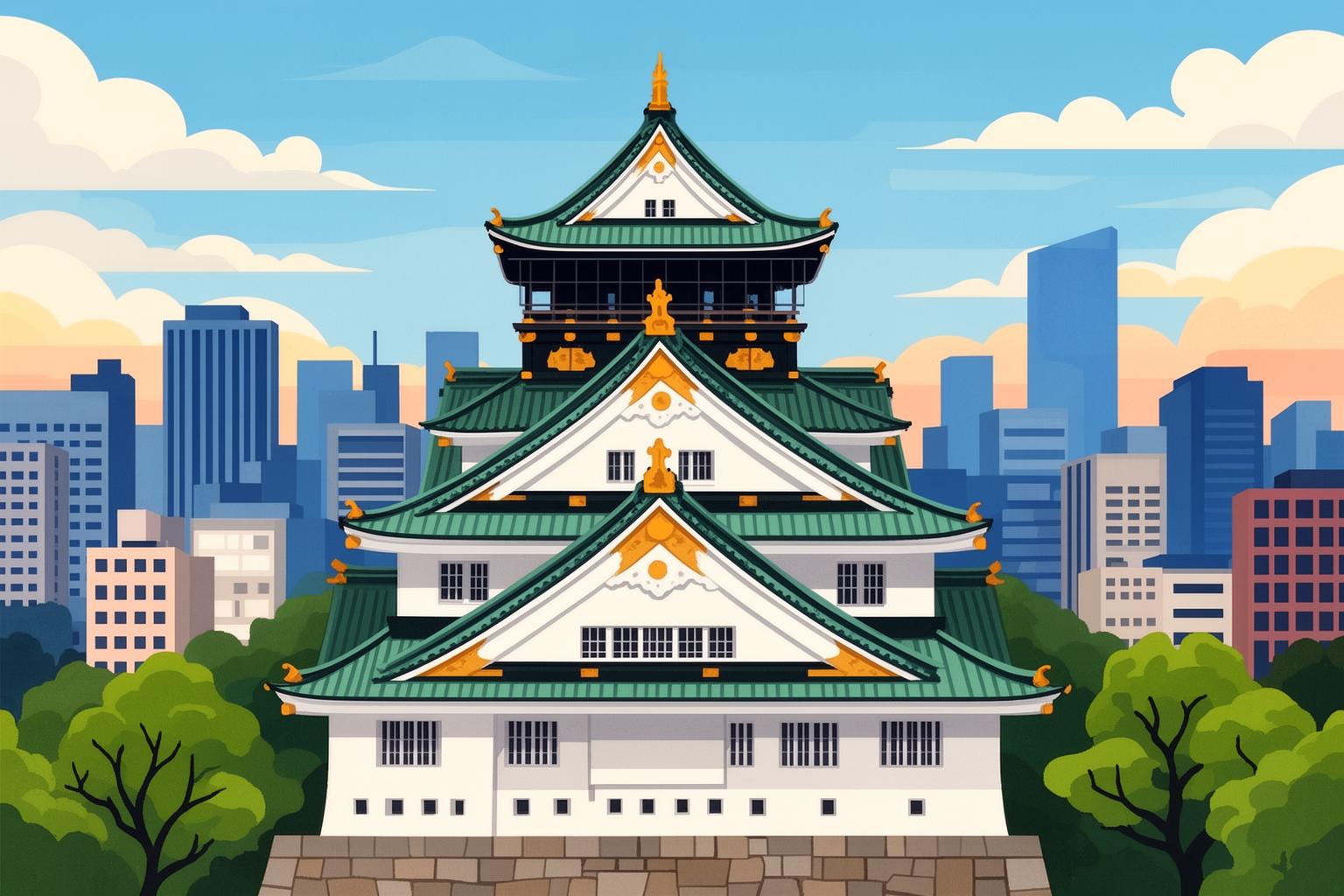
Osaka Business Park, universally known as OBP, rises from the eastern bank of the Kyū-Yodo River like a city-state of glass and steel. By day, it serves as the vibrant heart of Kansai’s corporate world—a canyon of architectural ambition where sunlight bounces off polished facades and impeccably dressed professionals move with quiet, purposeful rhythm. The air buzzes with commerce and innovation. In many ways, it feels like a world apart from the lively, epicurean chaos of Namba or the quirky, creative energy of Shinsaibashi. OBP represents Osaka at its most globally minded and forward-looking. Its origin in the 1980s was a bold declaration, transforming a former industrial area into a gleaming symbol of Japan’s economic strength. The buildings themselves stand as monuments to that era—towers with names resonating in boardrooms worldwide, their clean lines and soaring heights designed to convey power and prestige. Walking through its wide, manicured plazas during a weekday lunch hour, you sense the engine of the modern Japanese economy at work.
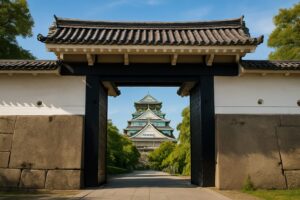
Yet this district of the future was created, quite literally, in the shadow of the past. Directly across the waters of the Second Neya River and the castle’s vast outer moat stands its silent, watchful neighbor: Osaka Castle. The contrast is strikingly stark. The park’s geometric precision and cool, reflective surfaces give way to the organic, imposing stonework of the castle walls—ramparts built centuries ago by armies of men, each stone a testament to feudal power and the unyielding will of the shoguns. This juxtaposition defines OBP’s unique identity. It is a place where a simple turn of the head transports you from the 21st century to the 16th. As the sun begins to set, OBP’s character undergoes a dramatic change. The daytime hustle fades, the flow of workers thinning to a trickle. A deep, resonant quiet settles over the plazas. The buildings, which seemed like functional corporate hubs just hours earlier, begin to glow from within, their countless windows forming a mosaic of light against the darkening indigo sky. It is in this twilight hour that the district reveals its second, more poetic side. It ceases to be merely a place of business and becomes a gallery of light, a silent audience for the grand spectacle about to unfold across the water as the floodlights awaken, casting a golden, ethereal glow upon the castle keep.
The Quest for the Perfect Perch: Beyond the Obvious
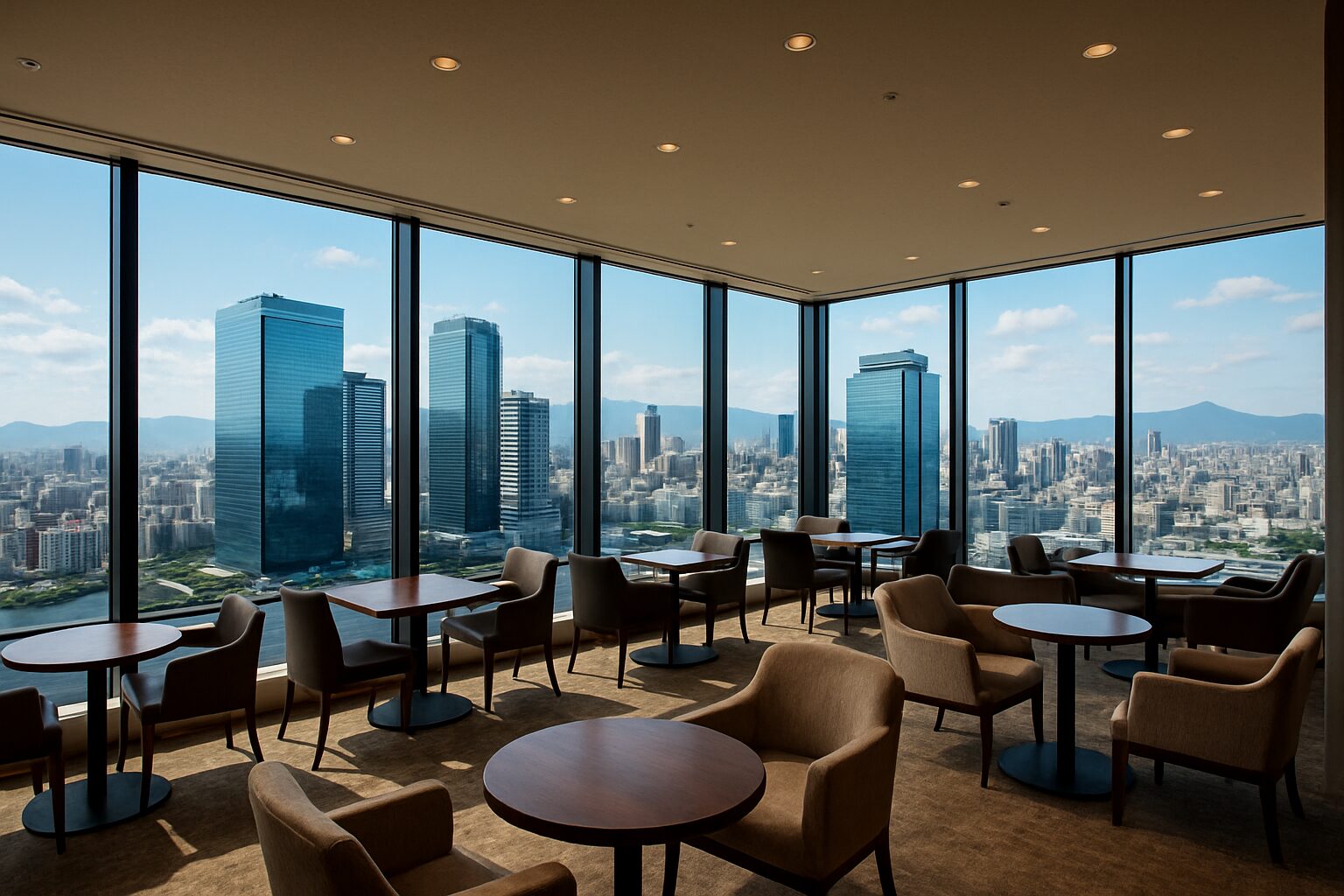
The true magic of this nightly transformation is most fully appreciated from an elevated vantage point. While an evening walk through Osaka Castle Park provides a ground-level view of the illuminated castle, the experience from a sky lounge in OBP is on an entirely different level. It is an ascent, both literal and metaphorical. The journey begins in the quiet, marble-lined lobby of a seemingly nondescript corporate building or luxury hotel. There’s a subtle excitement in bypassing the security gates for the main offices to find the dedicated elevator bank, the one with buttons granting access to the top floors. These elevators are often sleek, silent capsules that ascend with a smoothness that masks their speed. As you rise, the noise of the city streets fades away, replaced by a gentle hum. The doors open not onto a crowded observation deck filled with tourists, but into a space of carefully curated tranquility.
Why a sky lounge? Because it tells a story, not just offers a snapshot. It creates an atmosphere of comfort, elegance, and reflection. Here, the view is not something to rush to capture on your phone before moving on; it is something you inhabit for an hour or two, letting its subtle details unfold. It’s about the intentional choice of a seat, not for its closeness to the bar, but for its perfect alignment with the castle. It’s about the sensation of holding a heavy crystal glass, savoring the complex flavors of a carefully crafted cocktail or a fine single malt whisky, and how these tastes deepen the visual experience before you. The mood is one of understated luxury. The lighting is soft and intimate, ensuring that the city’s glow outside remains the primary source of illumination through the large panoramic windows. The seating is plush and inviting, encouraging you to recline and simply absorb the scene. Gentle music, often performed by a live jazz piano trio or thoughtfully curated ambient tracks, provides a refined soundtrack that never overshadows the main attraction. This is a world crafted to shield you from the city’s bustle, to elevate the moment, and to frame the historic icon outside as a priceless masterpiece within a gallery of the night sky.
Unveiling the Sanctuaries in the Sky
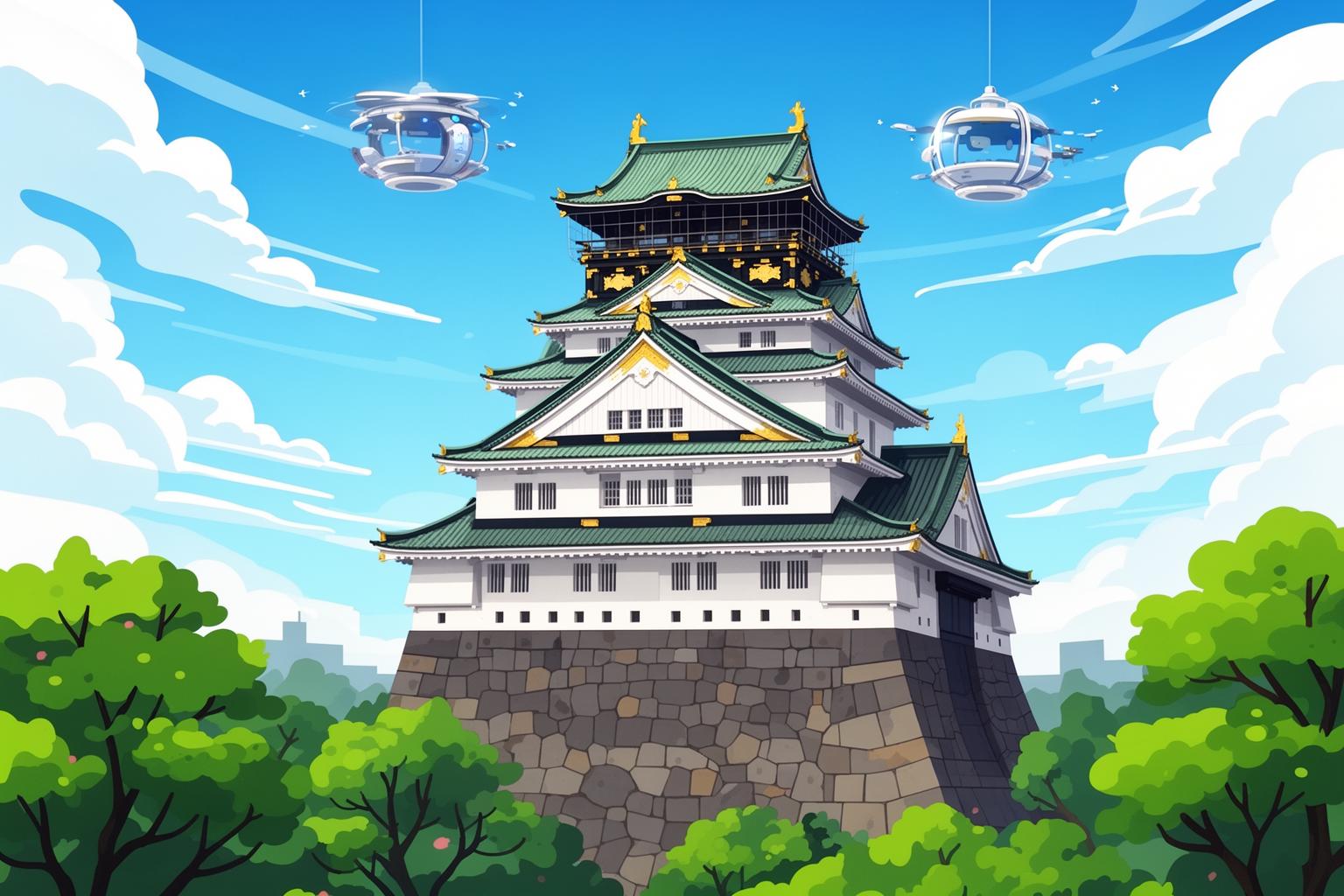
Although specific names and locations may vary, the archetypes of these elevated sanctuaries remain unchanged, each presenting a slightly different nuance of the same sublime experience. Picture, for example, stepping into a classic hotel sky lounge on the 38th floor. The immediate sensation is one of timeless elegance. A thick, soft carpet muffles your footsteps. The air is cool and faintly scented. A long, polished mahogany bar gleams under subtle spotlights, its shelves stocked with an encyclopedic selection of global spirits. The bartenders, dressed in sharp, dark vests, move with a practiced economy of motion that reflects years of expertise. They chip ice from a large, clear block, stir a Negroni with a graceful flourish, and offer a warm, knowing nod of welcome. The patrons include international business travelers sealing deals, a stylish couple celebrating a quiet anniversary, and solo wanderers like yourself, all drawn by the promise of the view. You are guided to a small table for two, positioned right against the floor-to-ceiling glass. The chair is leather, deep and comfortable. Below, the city spreads out like a river of light, cars flowing like luminous cells through its arteries. And there, perfectly centered in your view, is Osaka Castle. It appears to float, a golden beacon of permanence amid a sea of fleeting light, its reflection shimmering on the dark, still surface of the moat. The waiter approaches, not with a menu, but with a quiet inquiry about your preferences. You order a classic Martini, extra dry. It arrives impeccably chilled, the olive a small, savory promise. The first sip is clean, crisp, and cold, a perfect contrast to the warmth of the castle’s glow. Here, time seems to slow. The conversations around you form a low, pleasant murmur, the clink of glasses a delicate punctuation. The view captivates you. You notice subtle shifts in light, the way clouds drift past the moon, the occasional flicker of a light in the distant Ikoma mountains. This is a place for quiet reflection, a cinematic experience in which you are both audience and protagonist.
Alternatively, imagine a different kind of venue: a refined French or Italian restaurant on the 40th floor of a corporate building, featuring a dedicated bar and lounge area. The atmosphere here is livelier, carrying the energy from the adjacent dining room. You hear faint, joyful sounds of celebration, the clinking of fine cutlery on porcelain. The aroma is not one of polish and old leather, but of exquisite cuisine—a hint of truffle, a whisper of roasting herbs. The bar area is sleek and modern, perhaps with a backlit onyx counter and minimalist stools. You might not find a century of whiskies here, but rather a curated selection of exceptional wines and inventive, seasonal cocktails featuring Japanese ingredients like yuzu or sansho pepper. You take a seat at the bar, which still offers an angled yet stunning view of the castle. You order a glass of champagne and a small plate of artisanal cheeses. The experience focuses less on solemn contemplation and more on sophisticated, urban indulgence. You might strike up a conversation with the person next to you—a local architect who points out specific buildings and tells their stories. The view of the castle here feels part of a larger, more dynamic urban narrative. It is not an isolated icon in the darkness but the historical anchor of a thriving, modern city. You watch as office building lights extinguish one by one in a slow, patterned dimming that signals the end of the working day, while the castle’s light remains steady and unwavering. It serves as a reminder that while the city’s daily business may end, its history, its soul, continues to shine brightly through the night.
The Historical Panorama: A Historian’s Perspective
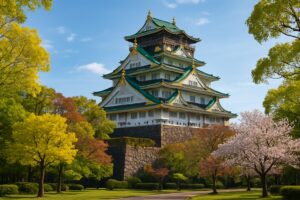
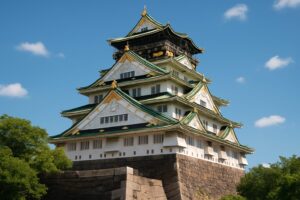
To gaze upon Osaka Castle from such a height is to observe a timeline unfolding in three dimensions. As a historian, I find this vantage point endlessly captivating, as it condenses centuries of turbulent history into one stunning panorama. The structure before us today, the magnificent five-story keep with its white walls, green-tiled roofs, and golden accents, is a 20th-century reconstruction. The original castle—a massive fortress meant to be the heart of a unified Japan—was built in the late 16th century by the great warlord Toyotomi Hideyoshi. It stood as a symbol of his unmatched power and ambition, designed to awe and intimidate. What you see from your perch in OBP is the ghost of that ambition, an accurate replica resting upon the very same colossal stone foundations laid by Hideyoshi’s forces. Those enormous granite walls, rising from the deep moat, are the authentic remnants that survived through the ages. They endured sieges, cannon fire, and the wear of time. Look closely, and you might almost sense the history embedded within—the sweat of the laborers, the vigilance of the samurai guards, the echoes of battles that shaped the fate of a nation.
The original Toyotomi castle was razed in 1615 by the forces of Tokugawa Ieyasu, an act of symbolic erasure meant to wipe away the memory of the prior dynasty. The Tokugawa clan then constructed an even larger castle atop the ruins, asserting their new reign. That version, too, was largely destroyed by fire and neglect over the centuries. The present keep, completed in 1931, stands as a symbol not only of the city’s feudal past but also of its modern spirit of civic pride and remembrance. It was rebuilt with contributions from the citizens of Osaka, a tribute to their deep bond with this icon. Remarkably, it survived the firebombings of the Second World War, which devastated the surrounding city but spared the main tower. So when you gaze upon that illuminated building, you are not merely seeing an old castle. You are witnessing a narrative of destruction and rebirth, political power, dynastic struggle, and ultimately, the extraordinary resilience of Osaka itself. The surrounding park, dark and tranquil from your high vantage point, covers what was once a sprawling town of samurai residences and merchant quarters. The moat’s waters, now calm and reflective, were once a formidable defense line. The shining towers of OBP rise on land that has borne witness to this entire history. This single view embodies the shift from a feudal fortress city to a modern commercial megapolis. It is a dialogue between the age of the sword and the age of the microchip, a visual testament to Japan’s remarkable journey through time.
Practical Navigation for the Aspiring Sky-Gazer
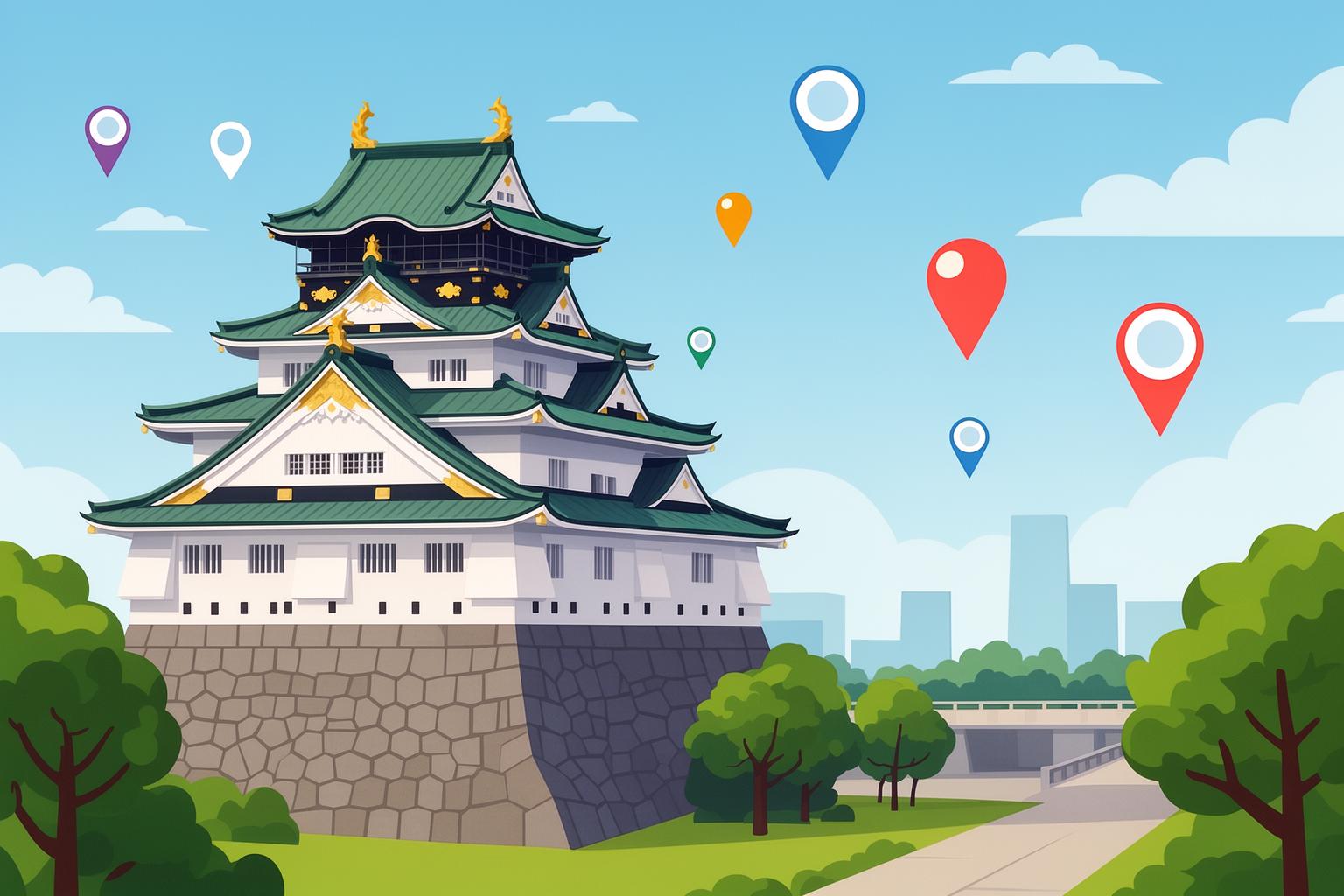
Embarking on this elevated exploration of Osaka calls for some practical knowledge to ensure the experience is as smooth and spectacular as the view itself. Accessing Osaka Business Park is exceptionally easy, reflecting Osaka’s efficient public transportation system. The most direct option is the Osaka Metro Nagahori Tsurumi-ryokuchi Line, which has a dedicated Osaka Business Park Station located right in the district’s heart. Alternatively, JR Osakajokoen Station on the Osaka Loop Line sits at the edge of Osaka Castle Park, allowing for a scenic walk through the grounds before your ascent. Kyobashi Station, a major hub for JR and Keihan lines, is also just a short stroll across the river, connecting OBP to a broader network.
Timing is perhaps the most crucial factor in creating the perfect evening. The aim should be to experience the full transition from day to night. Arriving at your chosen lounge about thirty minutes before sunset is advisable. This gives you time to settle in, order your first drink, and watch the sky put on its daily light show. You’ll witness the castle bathed in the warm, golden glow of late afternoon, with its details crisp and clear. Then, as the sun sinks below the horizon, the sky will ignite with shades of orange, pink, and purple, silhouetting the castle’s iconic outline. This “magic hour” is a photographer’s dream and a truly stunning moment. Just as the last traces of color disappear and the city lights start to dominate, the castle’s illuminations turn on, marking the grand finale. Experiencing this gradual unfolding is far more rewarding than arriving after dark.
The view also delights with seasonal changes. In spring, particularly during peak cherry blossom season, the castle seems to float above a sea of pale pink blossoms, creating an unbelievably romantic and quintessentially Japanese scene. Summer brings deep, lush greens in the park’s foliage, providing a striking contrast to the castle’s stone and tile. Autumn covers the trees in fiery reds and golds, adding a warm, nostalgic beauty to the panorama. Winter offers the clearest, crispest air, allowing exceptionally sharp, detailed views, with city lights sparkling more intensely against the cold, dark sky.
For first-time visitors, a few small tips can make a big difference. Don’t be deterred by the imposing, corporate appearance of the buildings in OBP. Many towers housing these lounges are multi-use and welcome the public to their upper-floor venues. A quick online search for “OBP sky lounge” or “Osaka Castle view bar” will reveal current options. Always check websites for opening hours and, importantly, dress codes. While many places accept smart-casual attire, some exclusive hotel bars may prohibit shorts, sandals, or overly casual T-shirts. Reservations are strongly recommended, especially on Friday and Saturday evenings, to secure a prime window seat. Lastly, be mindful of the pricing. You’re paying for a premium experience and an unparalleled view. A single cocktail can easily cost what a full meal might elsewhere. Consider it not an expensive drink, but an admission ticket to a truly special and memorable experience. Sip slowly, savor the atmosphere, and let the view work its magic.
Beyond the Bar: Extending the Evening in OBP
While the sky lounge is undoubtedly the main attraction, the experience is beautifully enhanced by what you do before or after your visit. To truly appreciate the contrast between the grounded reality and the elevated view, I highly recommend taking a walk through Osaka Castle Park as dusk begins to fall. Though bustling with tourists during the day, the park takes on a serene and almost mystical atmosphere in the evening. Softly lit pathways, the fading sounds of the city, and the gentle rustling of leaves alongside the quiet lapping of water in the moat create a tranquil setting. Walking along the base of the towering stone walls, you can look up to grasp their immense scale, gaining a tangible sense of the fortress’s defensive strength. This makes the subsequent view from above even more striking, as that imposing size transforms into something graceful and almost delicate when seen from afar.
After your time in the lounge, descending back to street level doesn’t mean the evening must end. OBP is relatively quiet at night but serves as an ideal starting point for further exploration. A short, scenic stroll across Katamachi Bridge leads you to the Kyobashi district, OBP’s livelier, more rough-edged counterpart. Kyobashi is a maze of covered shopping arcades and narrow alleys filled with brightly lit izakaya (Japanese pubs), standing bars, and budget-friendly eateries. The shift is immediate and refreshing. You can move from the cool, refined calm of the sky lounge to the warm, lively atmosphere of a local yakitori spot, where the air is rich with the aroma of grilled chicken and filled with laughter. This contrast captures the spirit of Osaka perfectly. Enjoying a sophisticated cocktail with a historic view, then following it with a cold beer and skewers in a bustling neighborhood pub, allows you to experience the city’s full range of charms. It links the grand, sweeping story of the city with its cozy, personal pleasures, crafting a wonderfully balanced and deeply satisfying night out.
A Final Toast to Time and the City

Ultimately, searching for a hidden sky lounge in Osaka Business Park is about far more than simply finding a bar with a scenic view. It is an act of curation, a deliberate choice to connect with the city on a deeper, more reflective level. It means recognizing that a place’s geography is also its biography. From that elevated, tranquil spot, where the illuminated castle presides over its sparkling, modern realm, you transform from a mere tourist into a privileged witness of time itself. The drink in your hand becomes a toast—to Hideyoshi’s bold vision, to the Tokugawa’s steadfast authority, to the resilience of the citizens who rebuilt their city from the ashes, and to the relentless innovation that keeps driving its skyline ever upward.
The experience stays with you long after you’ve taken the elevator back down to ground level. The image of the castle, glowing in the dark like a lantern of history, lingers in your mind. It reshapes your understanding of Osaka, unveiling the deep historical foundation upon which its vibrant, contemporary culture stands. It serves as a powerful reminder that in this city of relentless energy and constant transformation, the past is never truly gone. It remains present, honored, and on a clear night, from just the right vantage point, it shines even brighter than any neon sign. I invite you to make this small pilgrimage, to discover your own sky-high refuge, and to raise a glass to the magnificent, multifaceted spirit of Osaka.