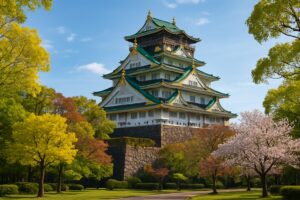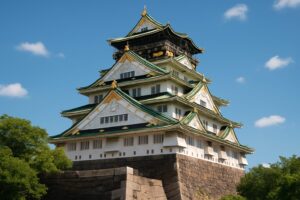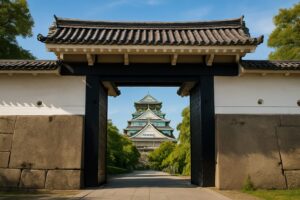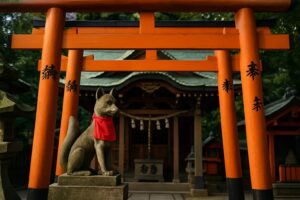
Step off the train at Osakajokoen Station, and the city’s electric hum begins to fade, replaced by the rustle of leaves and the broad, open sky of Osaka Castle Park. It’s a space where time seems to bend. Towering office buildings frame the horizon, but here, on these sprawling grounds, history breathes. You walk past runners, families on picnic blankets, and tourists making a beeline for the magnificent castle keep. But tucked away, just a stone’s throw from the castle’s main Otemon Gate, lies a sanctuary of a different sort. It’s a place not of fortification, but of aspiration. This is Hokoku Shrine, a spiritual haven dedicated to one of Japan’s most legendary figures, Toyotomi Hideyoshi. It’s a whisper of tranquility amidst the grandeur, a place where ambitions are voiced and futures are prayed for, all while offering some of the most soul-stirringly beautiful photo opportunities in the entire city. For anyone living in or exploring Osaka, Hokoku Shrine isn’t just a stop on a tour; it’s a deep dive into the heart of what makes this city tick: ambition, resilience, and a touch of golden luck.
After immersing yourself in the spiritual ambition of Hokoku Shrine, you can continue your exploration of the area by visiting a unique rooftop running track with views of Osaka Castle Park.
A Sanctuary of Ambition: The Spirit of Toyotomi Hideyoshi
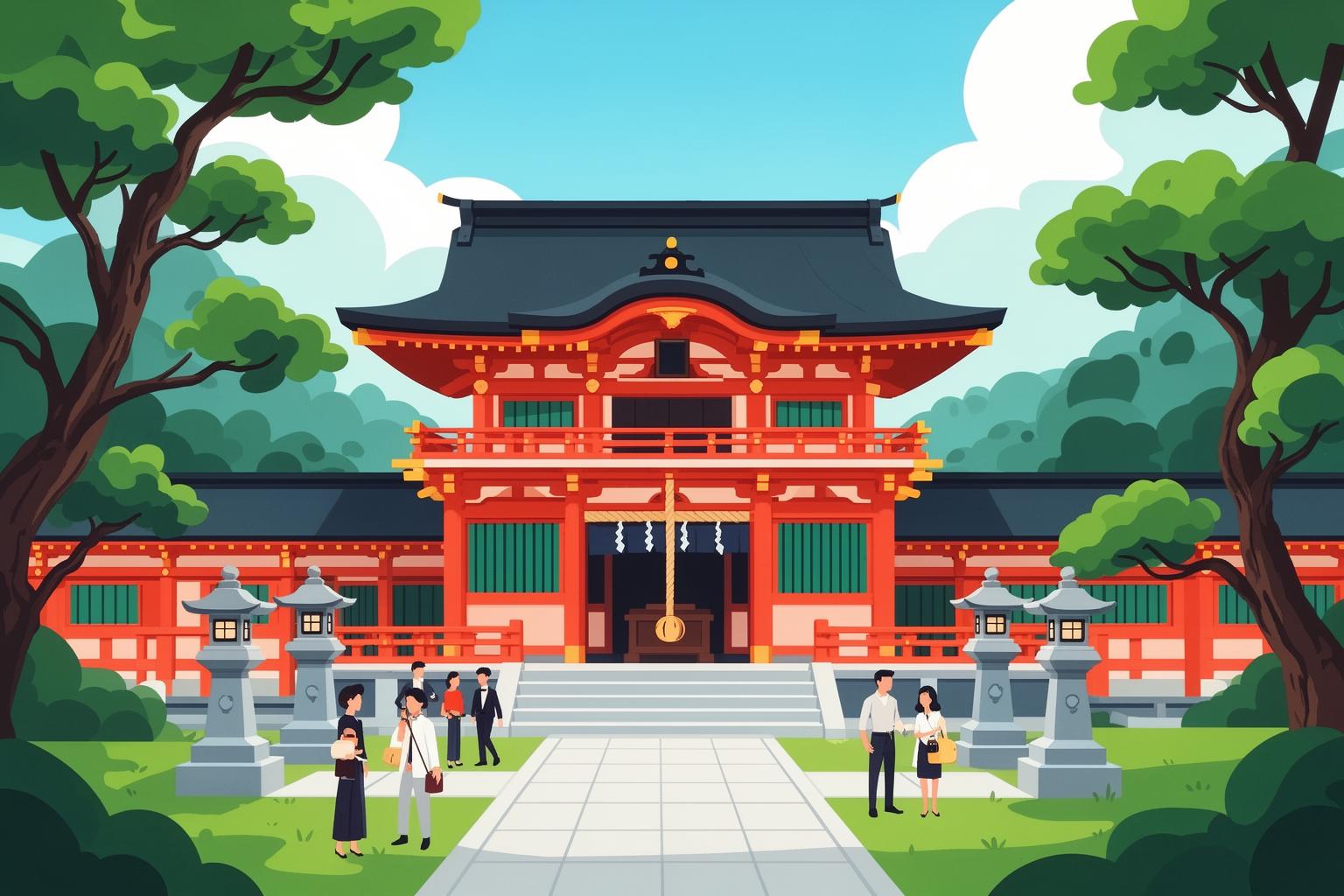
To truly understand Hokoku Shrine, you must first grasp the man it commemorates. This is more than just a place of worship; it stands as a monument to a life so remarkable it seems almost legendary. Toyotomi Hideyoshi was born a peasant, a person with no distinguished name or lineage in a society rigidly defined by birthright. Yet, through sheer intelligence, charisma, and relentless ambition, he rose from being a sandal-bearer for the influential warlord Oda Nobunaga to becoming the Taiko, the de facto ruler who unified all of Japan in the late 16th century. His story represents the ultimate example of social mobility, a testament to the idea that greatness can be earned, not just inherited. This shrine, rebuilt on the site of his greatest fortress, Osaka Castle, serves as a powerful repository of that spirit. It enshrines his deified essence, along with those of his son, Hideyori, and his loyal brother, Hidenaga. The atmosphere here is deeply infused with this history. Standing before the main hall, you are on ground that epitomizes the peak of his accomplishments. The shrine’s name, 豊國 (Hokoku), means ‘Abundant Nation’—a title granted posthumously by the emperor that honors his legacy of bringing peace and prosperity to a country once torn by war. This context transforms a simple visit into a meaningful experience. You’re not merely observing old structures; you’re engaging with a compelling narrative of perseverance. This is why many come to pray for shusse, or success in life and career. From recent graduates aiming for their first jobs to entrepreneurs launching new ventures, the shrine resonates with anyone pursuing growth. The energy here is tangible—a quiet confidence and sense of possibility that seem to radiate from the ancient camphor trees and the stoic stone lanterns lining the path. Hideyoshi’s story is a foundational part of Osaka’s identity—a city celebrated for its mercantile spirit, practicality, and love of a good success story. He chose this land as his power base, and the castle and shrine remain enduring symbols of that golden era. Visiting Hokoku Shrine is, in essence, connecting with the very source of Osaka’s enduring energy.
Stepping Through the Torii: An Architectural and Atmospheric Journey
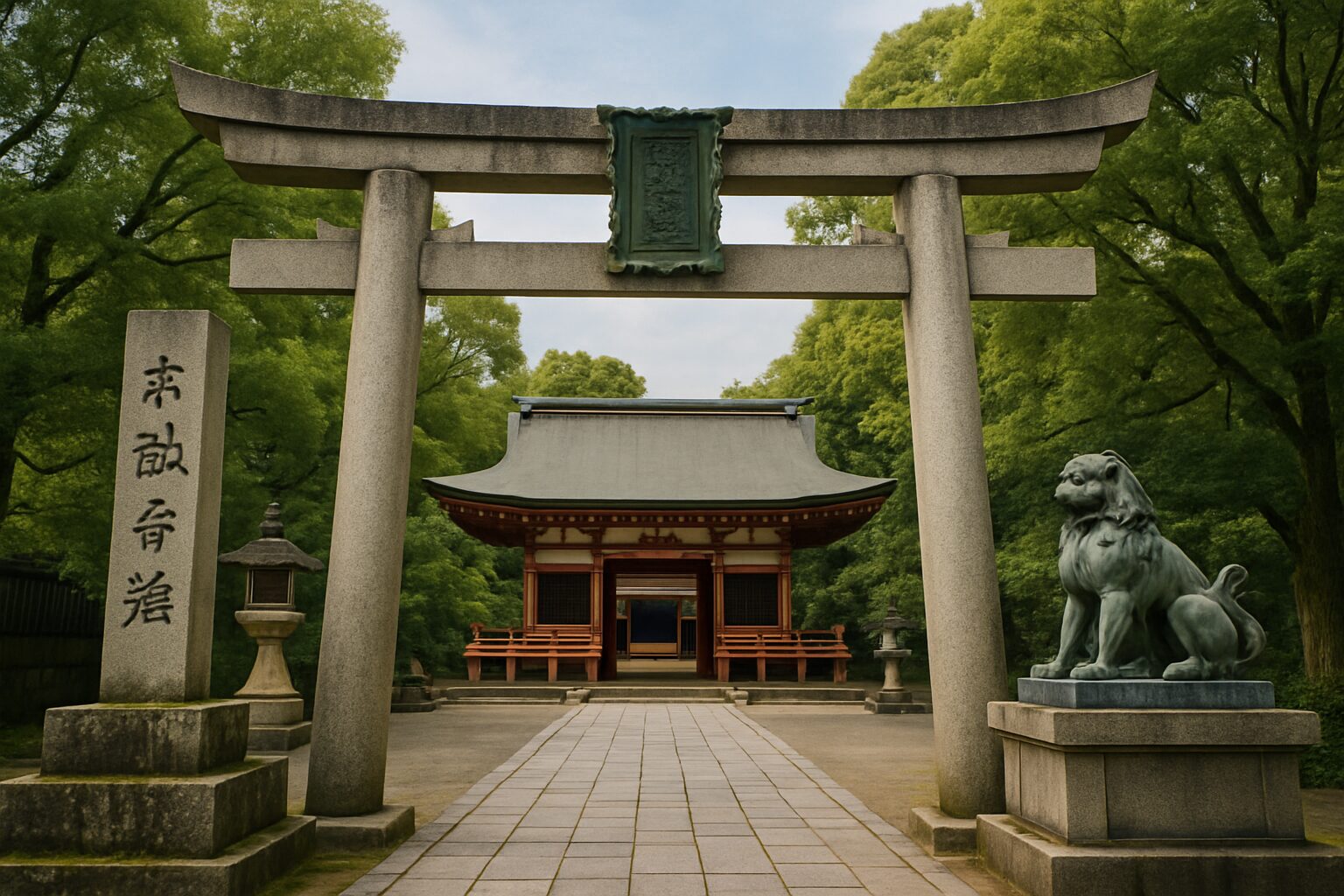
The approach to Hokoku Shrine is a journey through transitions. You leave the broad, sunlit paths of the castle park and pass beneath a massive stone torii gate. Immediately, the atmosphere changes. The scale becomes more intimate, the mood more focused. The gate, carved from solid granite, feels ancient and unyielding—a formal boundary between the secular world and the sacred space within. It frames your perspective, guiding your gaze toward the heart of the shrine and fostering a moment of mental preparation. As your feet meet the crisp, white gravel of the main pathway, the sound of your steps becomes a rhythmic element of the shrine’s soundscape, a gentle percussion that invites a slower, more deliberate walk. Straight ahead stands the haiden, or worship hall. This elegant structure of unpainted cypress wood, with its clean lines and gracefully curved roof, is a masterpiece of traditional Japanese shrine architecture. Its style is dignified yet inviting, with open sides that seem to merge seamlessly with the surrounding nature. Before you reach it, you’ll encounter the impressive bronze statue of Toyotomi Hideyoshi himself. It’s an essential stop. He stands armored, a confident and visionary expression on his face, gazing out toward the city he built. The level of detail is remarkable, from the ornate patterns on his armor to the resolute set of his jaw. It’s a powerful, almost life-like monument and a favorite spot for visitors to pause, reflect, and take a photo with the great unifier. To the side of the path is the temizuya, the purification fountain. Here, a sculpted dragon pours a steady stream of clear water into a stone basin. This is a crucial part of the shrine experience—a ritual cleansing before approaching the gods. Watching locals perform this simple, elegant ritual offers a lesson in mindfulness. The gentle splash of water, the smooth touch of the bamboo ladle, the cool sensation on your skin—it’s a sensory experience that calms the mind. As you stand before the haiden, you notice the intricate details. A thick shimenawa, a sacred rope made of woven rice straw, is stretched across the entrance, adorned with jagged paper streamers called shide, signaling a purified space. Through this, you can glimpse the honden, the main sanctuary behind it, where the spirit of the deity dwells. It is a more ornate building, with touches of gold and detailed carvings tucked into the eaves. The act of prayer here is simple yet profound: a coin tossed into the offering box, a deep bow, two crisp claps to attract the attention of the kami, a moment of silent reflection, and a final bow. Even for those who are not religious, participating in this ritual is a way to show respect and connect with the shrine’s atmosphere. The entire complex is a harmony of natural materials—wood, stone, gravel, and paper—all blending with the surrounding greenery to create a space that feels both crafted and deeply organic.
The Art of the Wish: Ema, Omikuji, and Goshuin
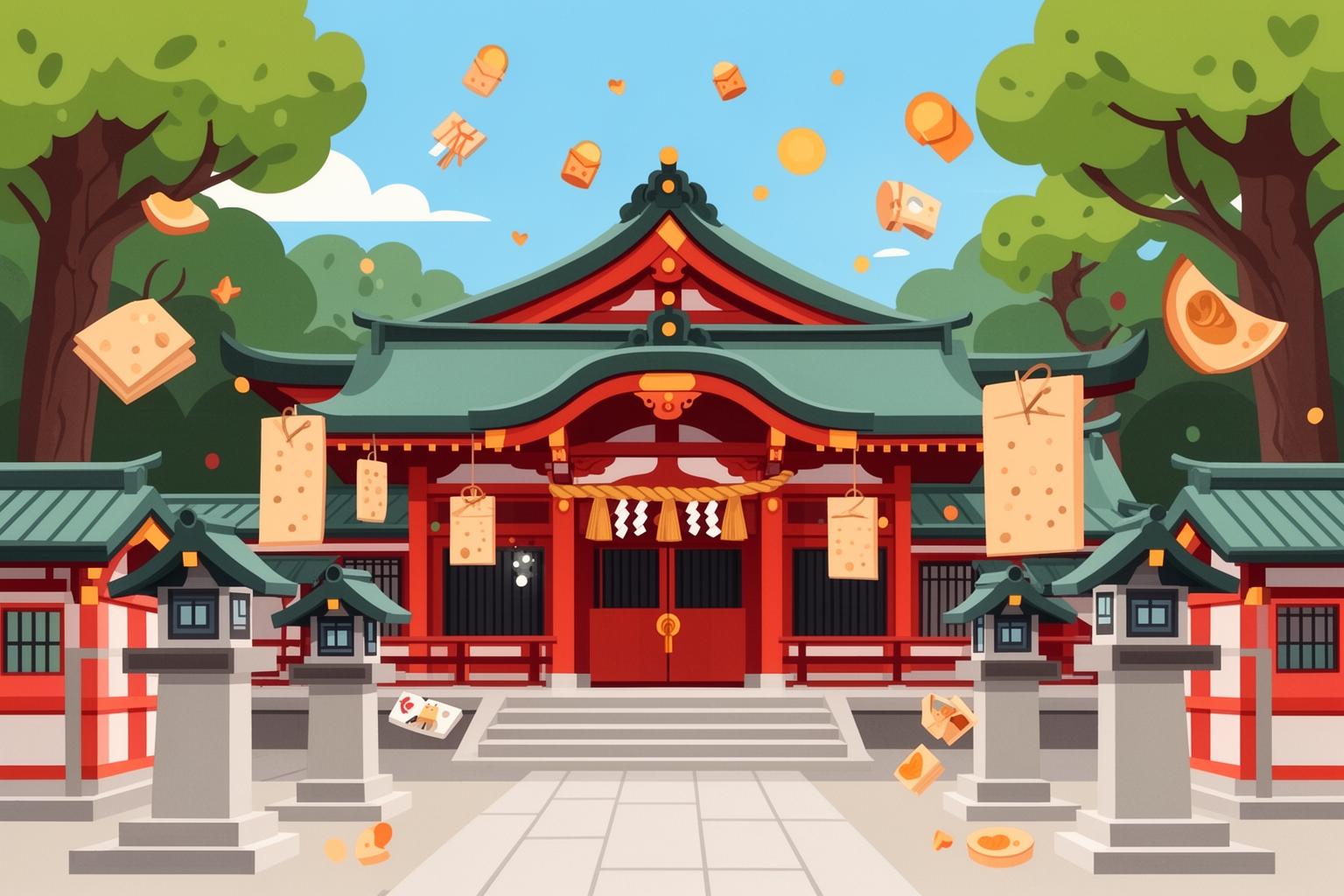
Hokoku Shrine is more than just a site for passive admiration; it offers an interactive spiritual experience. One of its most visually striking features is the wall of ema, or wooden votive plaques. These small, beautifully decorated tablets allow visitors to leave their wishes and prayers for the kami. At Hokoku Shrine, the dominant motif on the ema is the hyōtan, or gourd, which was Hideyoshi’s personal emblem and battle standard. According to legend, he began with a single gourd on his banner and added one for each victory, eventually creating a large cluster symbolizing his unstoppable success. Today, visitors buy these gourd-shaped ema, write their own hopes on the back—whether a promotion, success in exams, or a happy family life—and hang them on special racks. The sheer number of them, softly clinking in the breeze, provides a powerful visual symbol of collective hope. This act is both a deeply personal and public declaration of ambition, as well as a highly photogenic scene. Another important ritual is drawing an omikuji, or paper fortune. For a small offering, you shake a wooden box until a numbered stick falls out, matching a drawer that holds your fortune. The experience is filled with playful anticipation. Unfolding the small slip to learn your fate—will it be dai-kichi (great good luck) or dai-kyo (great bad luck)?—is an exciting moment. The fortunes include poetic verses covering different life areas like health, romance, business, and travel, offering folk wisdom and guidance. The custom is to keep a good fortune with you for luck to linger, while tying a bad one to a designated tree or wire on the shrine grounds, leaving the misfortune for the gods to handle. For those who appreciate art and calligraphy, obtaining a goshuin is essential. This unique seal and handwritten calligraphy, given at shrines and temples as proof of a visit, is painstakingly inscribed by a priest with the shrine’s name and date into your goshuincho—a special book for collecting them—before being stamped with the shrine’s official vermilion seals. The result is a stunning piece of art and a beautiful tangible keepsake of your visit to this sacred place. The goshuin from Hokoku Shrine, often featuring Hideyoshi’s gourd emblem, is especially prized. And naturally, there are the omamori, or protective amulets. These small, embroidered silk pouches contain prayers or blessings designed to bring specific types of luck. Hokoku Shrine offers a wide range, with the most popular ones being those for shusse (career success) and shobai hanjo (business prosperity). Carrying one is like carrying a small piece of the shrine’s powerful energy with you. These practices elevate a visit from mere sightseeing to a deeply personal and meaningful engagement with Japanese culture.
A Photographer’s Paradise: Capturing the Seasons at Hokoku Shrine
For anyone with a camera, Hokoku Shrine is an endless source of inspiration, a place whose mood and color palette shift with the changing seasons. Located within the expansive Osaka Castle Park, it benefits from a stunning natural backdrop that is always evolving. In spring, the area bursts into a sea of soft pinks and whites as the cherry blossoms bloom. The image of the shrine’s traditional architecture framed by delicate sakura branches is the quintessential symbol of Japan. The contrast between the ancient wooden haiden and the fleeting beauty of the blossoms is truly breathtaking. Capturing the Hideyoshi statue with a cascade of petals in the foreground and the imposing castle keep in the distance tells countless stories of power and grace. Summer brings a rich, verdant green. The camphor and maple leaves grow thick and lush, creating a cool canopy that dapples the shrine grounds with soft, shifting light. The air buzzes with the sound of cicadas, a soundtrack unique to Japanese summers. This season highlights the vibrant contrast between the deep greenery, the dark wood of the shrine, and the bright white gravel paths. The intense sunlight can cast dramatic shadows, adding depth and texture to your photos. Autumn, perhaps the most striking season, sets the park ablaze with fiery reds, brilliant oranges, and vivid yellows from the maple and ginkgo trees. The path to the shrine is carpeted in fallen leaves, and the golden late-afternoon light bathes the scene in a warm, nostalgic glow. It’s an ideal time to focus on details: a single perfect red maple leaf resting on a moss-covered stone lantern, or the way the setting sun illuminates the intricate carvings on the shrine’s roof. Winter offers a different kind of beauty—quiet serenity and stark elegance. The crowds thin, and a peaceful silence envelops the grounds. Bare branches form delicate, lace-like patterns against the winter sky. On rare occasions, a light dusting of snow transforms the shrine into a magical, monochrome wonderland. The low winter sun casts long shadows, accentuating the form and structure of the architecture. This season also brings Hatsumode, the first shrine visit of the New Year, when the shrine comes alive with visitors, food stalls, and a festive, hopeful energy, presenting a unique and equally captivating photographic chance. For the best results, visit during the early morning or late afternoon—the ‘golden hours’ when light is soft and warm. Don’t just capture the grand scenes; look closely for small details—the texture of the shimenawa rope, the graceful curve of a roof tile, or the way incense smoke curls through the air. Hokoku Shrine truly rewards the keen and observant eye.
Practical Guidance for Your Pilgrimage of Success
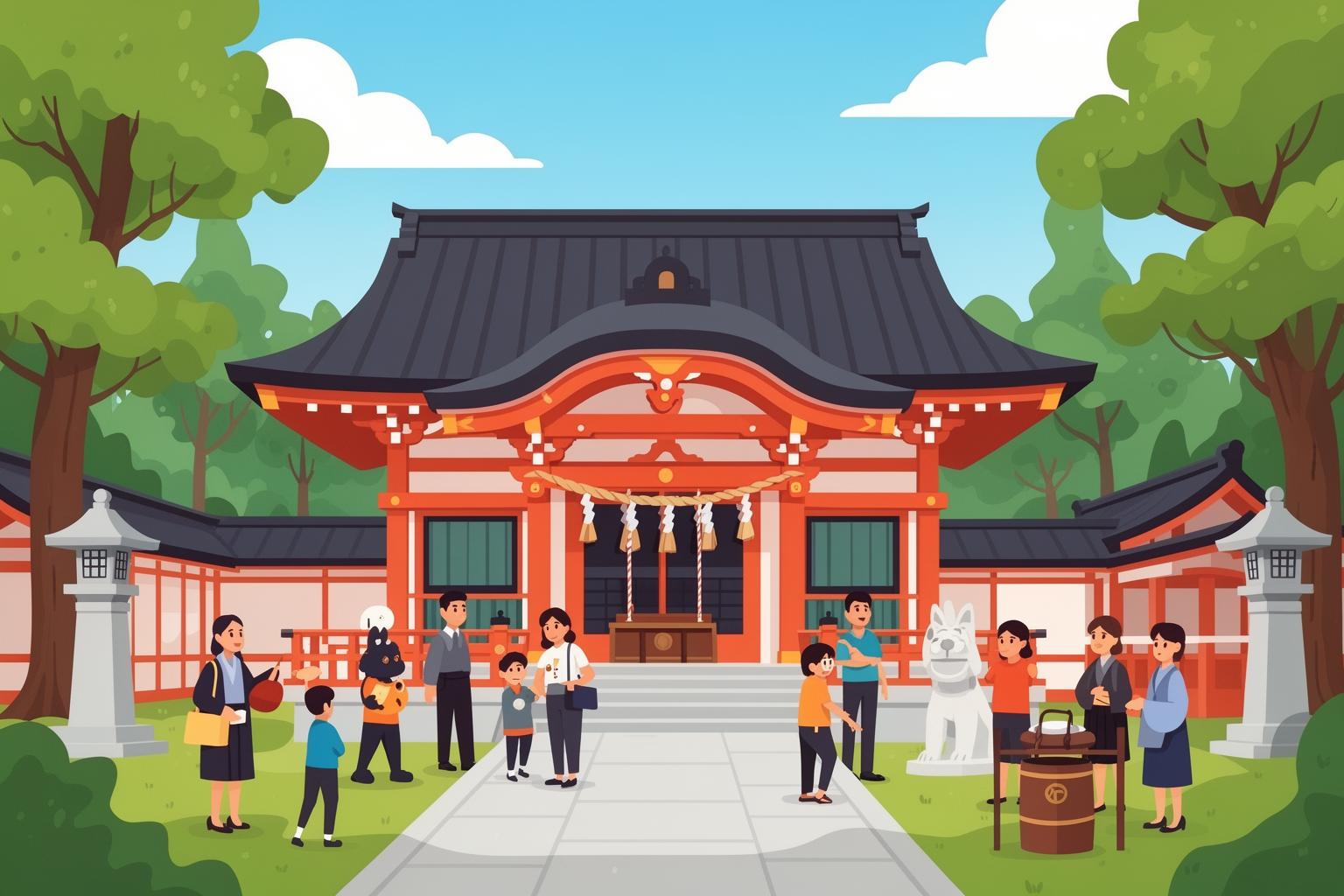
Getting to Hokoku Shrine is simple due to its prime location within one of Osaka’s most accessible landmarks. The easiest route is to take the JR Loop Line to Osakajokoen Station or Morinomiya Station. From either station, enjoy a pleasant 15-to-20-minute walk through the park. Alternatively, you can use the Chuo or Tanimachi subway lines to reach Tanimachi Yonchome Station, which is closer to the Otemon Gate entrance of the castle grounds, resulting in a slightly shorter walk to the shrine. This walk serves as part of the experience, allowing you to relax and take in the park’s atmosphere before arriving. The shrine is generally open from sunrise to sunset, but the office for purchasing omamori or receiving a goshuin usually operates from around 9:00 AM to 5:00 PM. For the most tranquil visit, a weekday morning is best. You’ll share the space with a few local worshippers, allowing you to enjoy the calm ambiance away from the crowds gathered near the main castle tower. For first-time visitors to a Shinto shrine, understanding basic etiquette helps show respect. At the temizuya (purification fountain), hold the ladle with your right hand, scoop water, and pour it over your left hand. Then, switch hands to pour water over your right. Return the ladle to your right hand, pour some water into your cupped left hand, and rinse your mouth—avoid drinking directly from the ladle or spitting water back into the basin; instead, use the small drainage area at the base. Finally, hold the ladle vertically to let the remaining water run down the handle, cleansing it for the next person. When walking along the main path to the shrine, stay to the sides, as the center is traditionally reserved for the kami. At the worship hall, the prayer ritual is known as ni-rei, ni-hakushu, ichi-rei (two bows, two claps, one bow). After tossing your offering, bow deeply twice, clap your hands twice, hold them together for silent prayer, and finish with one final deep bow. While visiting, you’re ideally situated to explore the rest of the Osaka Castle grounds. The main castle tower is a must-see for its museum and panoramic views. The Nishinomaru Garden, on the western side, is a beautiful lawn area with a separate entrance fee, offering stunning views of the castle, especially during cherry blossom season. For dining or shopping, the Jo-Terrace Osaka complex, located just outside Osakajokoen Station, features a variety of modern restaurants and cafes. For a deeper historical perspective, the Osaka Museum of History, across the road from the park’s southwest corner, provides excellent context for everything you’ve experienced.
A Final Bow: Embracing the Energy of Hokoku Shrine
Leaving Hokoku Shrine and passing beneath the great stone torii once more, you sense a subtle change. The sounds of the park and the city beyond return, yet you carry with you a fragment of the shrine’s calm. Visiting here is more than a cultural stop; it’s an invitation to pause and reflect. It’s a place where the monumental history of a nation’s unifier converges with the quiet, personal hopes of everyday people. You see it in the determined gaze of Hideyoshi’s statue, feel it in the weight of countless wishes hanging on the ema racks, and hear it in the silent prayers whispered at the main hall. Hokoku Shrine reminds us that Osaka is a city built on dreams, a place where ambition is honored. Whether you come to pray for your own success, capture its serene beauty with your camera, or simply find a moment of peace in the shadow of the grand castle, the shrine offers a unique and meaningful experience. It’s a place to connect with the past, contemplate your future, and appreciate the enduring power of a carefully placed wish. So next time you wander the magnificent grounds of Osaka Castle, take that small detour. Step into this sanctuary of success, breathe in its sacred air, and let the inspiring spirit of the Taiko guide your own journey forward.