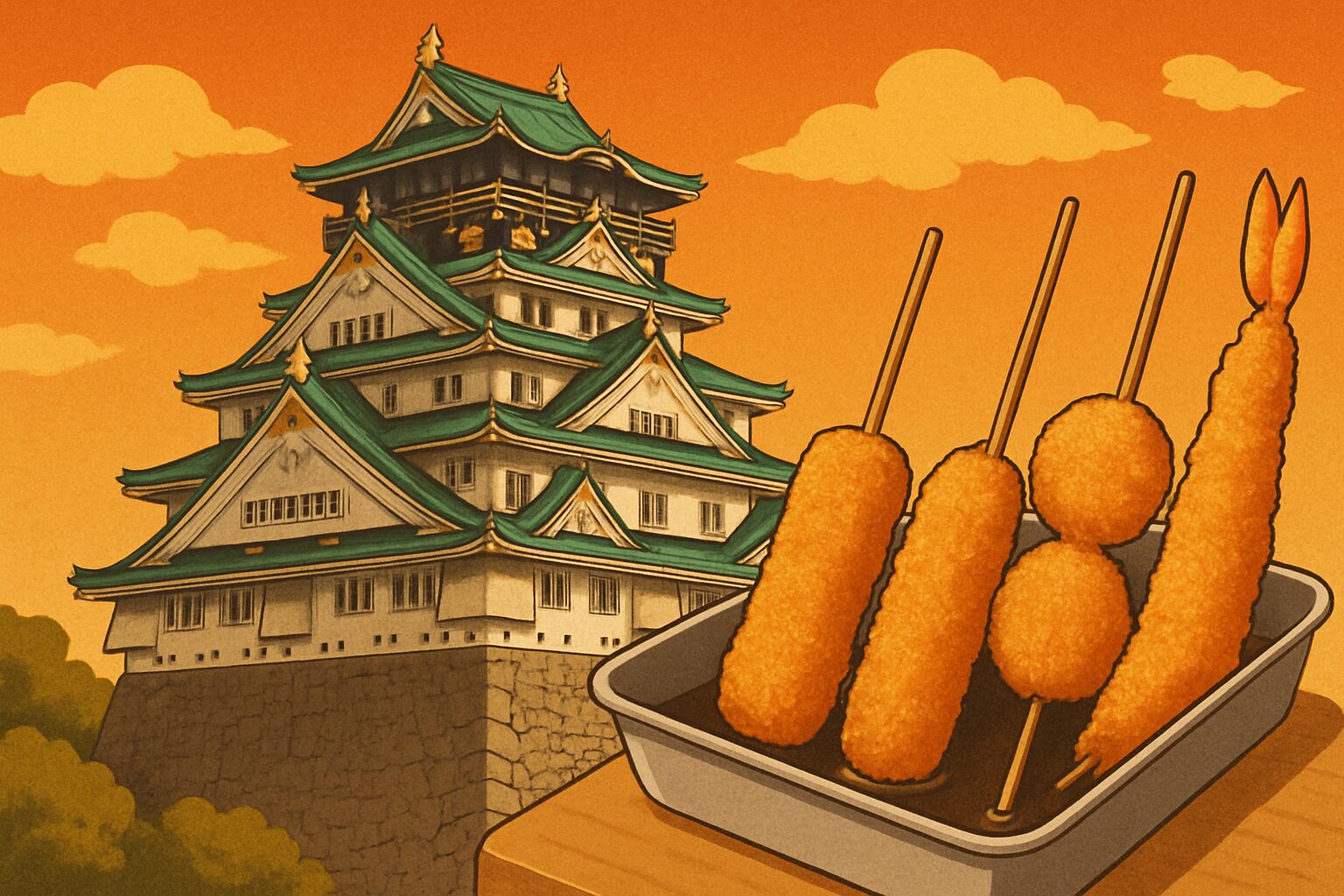
Welcome, traveler, to the heart of Japan’s kitchen, the city of Osaka, where the rhythm of life beats in time with the sizzle of a hot griddle and the happy chatter of diners. Most journeys into Osaka’s legendary food scene begin under the glittering neon canopy of Dotonbori, a magnificent spectacle of culinary chaos. But I want to take you somewhere else, just a stone’s throw from the stoic majesty of Osaka Castle, down a quiet lane where the true soul of Osakan cuisine whispers. Here, in the unpretentious neighborhood of Chuo Ward, lies a sanctuary for those who seek not just a meal, but an art form. This is the world of Kushikatsu Go-hon, a name that resonates with local connoisseurs as a pinnacle of creativity and flavor. Kushikatsu, the city’s beloved deep-fried skewers, is often seen as a casual, boisterous affair. But at Go-hon, it is elevated to a gastronomic performance, a delicate dance of fresh ingredients, whisper-light batter, and a chef’s profound understanding of taste. This isn’t just about food; it’s about discovering the quiet passion that fuels Osaka’s culinary reputation, far from the madding crowds. It’s a place where every skewer tells a story, and you’re invited to listen.
For a different culinary experience near the castle, consider exploring the exquisite sushi restaurants near Osaka Castle Park.
The Ambiance: Stepping into a Different World

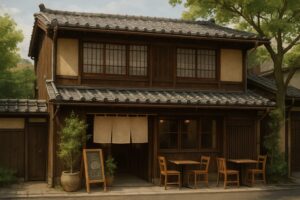
Locating Kushikatsu Go-hon is just the beginning of the adventure. There are no oversized inflatable crabs or dazzling billboards here. Your path leads you off the main streets into a maze of quiet residential lanes where the city’s rhythm slows to a calm, steady pulse. You might even feel disoriented, doubting your map’s guidance. Then, there it is—a simple, refined facade, adorned with a traditional indigo noren curtain hanging gracefully above the doorway. The name “五本” (Go-hon) is etched with understated confidence. There’s no fanfare, only an invitation to a more intimate experience.
Drawing the curtain aside feels like stepping into another world. The air inside is warm, carrying the clean, nutty scent of fine cooking oil mingled with the faintly sweet aroma of dashi stock. The space is small and intimately personal, featuring a smooth wooden counter that seats about a dozen guests. This is the stage. Behind it, the master, or Taisho, moves with a calm, practiced grace that borders on meditative. Soft, focused lighting highlights the chef’s hands as he transforms simple ingredients into golden delights. The gentle bubbling of the fryer forms a soothing soundtrack, broken only by the subtle clinking of glasses and the quiet murmurs of discerning patrons, mostly well-dressed locals in the know. There are no rowdy tourist crowds here. Instead, the room is shared by couples enjoying a special date night, business partners closing deals over memorable meals, and solo diners savoring a moment of culinary Zen. The atmosphere is reverent but never stuffy. It’s a mutual respect for craftsmanship, a shared secret that links everyone present. You immediately realize you are more than a customer—you are a guest in the chef’s personal culinary atelier.
The Art of Kushikatsu: More Than Just Fried Food
For those unfamiliar with the concept, kushikatsu is fundamentally simple. Various ingredients—meats, seafood, vegetables—are skewered onto a bamboo stick, or kushi, dipped in a batter of flour and egg, coated with fine panko breadcrumbs, and deep-fried until golden and crispy, or katsu. In most Osaka venues, you receive a menu, call out your order, and dip your skewers into a shared pot of tangy, sweet sauce. It’s quick, tasty, and deeply satisfying. But that is not how Go-hon does it.
At Go-hon, the experience is shaped by the philosophy of omakase, meaning, “I leave it to you.” There’s no menu to wrestle with. You simply sit down, order a drink, and trust the chef with your palate. He begins a procession of skewers, each selected from the freshest ingredients available that day at the market and served at its prime. This is a conversation between chef and guest, a journey curated by an artist. The chef watches your pace and reactions, tailoring the sequence of flavors accordingly. The meal flows on, a seemingly endless parade of delights, until you indicate you’ve had enough by saying, “Stop.”
What truly distinguishes Go-hon is the chef’s obsessive attention to detail. The batter is a delicate masterpiece—exceptionally thin, light, and airy. It encases the ingredients in a fragile, crispy shell that shatters at the first bite, free from any greasiness. The oil, a custom blend, is maintained at an exact temperature, ensuring each item is cooked flawlessly, steaming the ingredient inside while crisping the exterior. And the sauces? Forget the communal pot. Each skewer at Go-hon is a complete composition. The chef presents it with a recommended accompaniment, which might be a pinch of specialty salt from the Noto Peninsula, a squeeze of fresh sudachi citrus, a dab of English mustard, or a proprietary sauce crafted in-house. The famous “no double-dipping” rule of Osaka becomes irrelevant here, as the chef has perfectly balanced each flavor profile for you. This is kushikatsu deconstructed and reimagined as a refined culinary art form.
A Culinary Journey Through the Menu
Although the menu is omakase and varies with the seasons, the creativity remains unwavering. Get ready for a parade of flavors and textures that will transform your perception of what can be skewered and fried. Each piece is a tiny masterpiece, accompanied by a subtle explanation of its origin and suggested pairing.
The Classics, Reimagined
You’ll probably begin with something familiar—a respectful nod to tradition—yet prepared with such precision that it feels entirely new. The Angel Prawn (Tenshi no Ebi) often serves as the opener. This is no ordinary shrimp. It’s a large, translucent prawn from New Caledonia, valued for its sweetness. The chef fries it so skillfully that the head and tail become as crisp as potato chips, edible and bursting with ocean flavor, while the body stays succulent and tender. You may be advised to enjoy it as is or with a tiny touch of house-made tartar sauce speckled with smoked pickles.
Next up is the Kagoshima Kurobuta Pork Loin (Butabara). Forget any dry, stringy pork you’ve encountered. This comes from a heritage breed of black pig, famous for its marbling. The frying process melts the fat into liquid gold, infusing the lean meat with rich flavor and moisture. The panko crust adds the perfect textural contrast, and a dash of sharp, spicy karashi mustard on the side cuts through the richness, refreshing your palate for the next skewer.
Even a simple Asparagus (Asparagus) skewer is an eye-opener. A single, thick spear, often wrapped in a paper-thin slice of prosciutto or pancetta, is fried so that the stalk is perfectly steamed inside its crispy shell—tender yet with a vibrant snap. The saltiness of the cured meat and the green, earthy sweetness of the asparagus create a harmony of flavors that is both simple and profound.
Seasonal Sensations
As the meal unfolds, the chef will lead you through the tastes of the current season, a pivotal practice in Japanese cuisine. If you dine in Spring, you might be served a skewer of Bamboo Shoot (Takenoko). Freshly harvested, it’s simmered in a light dashi broth before frying, imparting a deep, savory flavor. It’s often accompanied by a dusting of aromatic sansho pepper, whose tingling citrus notes evoke the essence of a mountain forest. Another spring specialty is Fiddlehead Fern (Kogomi), with its distinct, slightly bitter and nutty flavor—a true forager’s delight.
In the heat of Summer, the skewers become lighter and more refreshing. A skewer of Hokkaido Sweet Corn (Tomorokoshi) bursts with sunshine. The kernels are incredibly sweet, and the quick frying caramelizes their natural sugars, enhancing the flavor. This might be followed by Hamo, the daggertooth pike conger, a fish that requires a master’s skill to prepare due to its numerous tiny bones. Fried, its fluffy white meat is exquisite, often paired with a tart plum (umeboshi) sauce that brightens the palate.
Autumn ushers in a bounty of earthy, robust flavors. A skewer of mixed Mushrooms (Kinoko)—perhaps maitake, shiitake, and shimeji—offers a deep, woodsy umami. Golden Ginkgo Nuts (Ginnan), known for their distinctive chewy texture and slight bitterness, are a seasonal favorite. You might even find a skewer of Chestnut (Kuri), simmered in a sweet soy glaze before frying, delivering a delightful blend of sweet and savory that feels like a comforting embrace.
Winter brings rich, indulgent treasures from the sea. A plump Hiroshima Oyster (Kaki) is a highlight. The hot oil warms it just enough so that when you bite into the crispy shell, the creamy, briny oyster inside floods your mouth. For the more adventurous, there’s Cod Milt (Shirako), also known as “white children.” This delicacy, with its custard-like texture and rich oceanic flavor, is sublime fried, melting on the tongue like a savory cloud. It’s often served with a splash of ponzu sauce to cut through the richness.
The Creative Masterpieces
This is where Taisho truly excels, delving into culinary fusion and imagination. A signature dish you might encounter is Foie Gras with Simmered Daikon. A cube of rich, buttery foie gras is paired with a piece of daikon radish that has been slowly simmered in dashi until tender. The pair is skewered, battered, and fried, resulting in a striking contrast: a crispy exterior, creamy liver, and soft, savory radish. A drizzle of aged balsamic vinegar reduction unites the flavors in a symphony of indulgence.
Another showstopper is Camembert Cheese with Honey and Black Pepper. A generous wedge of French Camembert is fried whole. The crust contains the molten cheese, which spills onto your tongue with each bite. The chef finishes it with a drizzle of acacia honey and a grind of fresh black pepper. This skewer blurs the line between savory and sweet, serving as a perfect interlude or even a prelude to dessert.
For a taste of pure luxury, there is the Hokkaido Scallop with Sea Urchin (Hotate to Uni). A massive, sashimi-grade scallop is fried briefly, leaving the center sweet and nearly raw. Immediately after frying, it’s topped with a generous dollop of creamy, golden sea urchin roe (uni). The residual heat gently warms the uni, releasing its sweet, briny aroma. It’s two of the ocean’s greatest treasures united in one unforgettable bite.
Other inventive creations may include Avocado Wrapped in Prosciutto, a delightful blend of creamy and salty; a fluffy, cloud-like cake of Grated Yam and Minced Shrimp (Ebi Shinjo); or Lotus Root Stuffed with Spicy Pork Mince (Renkon no Hasami-age), offering wonderful crunch and bursts of savory flavor. The chef might even surprise you with a dessert skewer, such as a simple Banana fried and dusted with cinnamon sugar, or a mochi skewer filled with red bean paste. The possibilities are limited only by the chef’s imagination and the season’s bounty.
The Drink Pairings: Sake, Shochu, and Beyond
An experience at Kushikatsu Go-hon is incomplete without sampling the carefully curated beverage list. The chef knows that the right drink does more than quench thirst; it elevates the food by cleansing the palate and enhancing the flavors. The classic pairing for kushikatsu is, naturally, a frosty, ice-cold Japanese draft beer such as Asahi or Kirin. Its crisp effervescence perfectly cuts through the richness of the fried coating, preparing you for the next skewer. It’s an ideal way to start your meal.
For those eager to explore further, the sake selection is a real treasure. The Taisho usually offers a rotating list of jizake, or craft sake, from small, artisanal breweries around Japan. The chef can guide you to the perfect choice. A dry, crisp Junmai from Niigata prefecture, for example, makes an excellent all-rounder, with a clean finish that refreshes the palate without overpowering delicate ingredients. For richer skewers like foie gras or oyster, he might recommend a fuller-bodied Yamahai or Kimoto sake, whose earthy, savory notes can stand up to intense flavors. Don’t hesitate to ask for a recommendation, or osusume. Simply describing the flavor profile you prefer (dry, sweet, fruity, rich) will help him find the perfect match.
Shochu, Japan’s distilled spirit, is another superb companion. A classic imo-jochu (sweet potato shochu), served on the rocks or mixed with hot water (oyuwari), offers an earthy sweetness that complements the savory notes of the food beautifully. Alternatively, a lighter mugi-jochu (barley shochu) provides a cleaner, crisper profile, similar in character to a fine vodka or gin.
In a nod to contemporary tastes, Go-hon may also feature a small but thoughtfully chosen selection of wines. A glass of sparkling wine, whether Champagne or Japanese Koshu sparkling, is an excellent choice. Its acidity and bubbles provide the same palate-cleansing effect as beer but with an added touch of elegance. A crisp, unoaked white wine like Sauvignon Blanc or Chablis would also pair wonderfully with seafood and vegetable skewers. The key is balance—selecting a drink that complements, rather than competes with, the artistry on the plate.
Practical Guide for Your Visit

Visiting a hidden gem like Go-hon requires some preparation, but the rewards are well worth it. Here’s what you need to know for a smooth and enjoyable experience.
Location and Access: Kushikatsu Go-hon is situated in Osaka’s Chuo Ward, conveniently within walking distance of the impressive Osaka Castle. The closest subway stations are Tanimachi Yonchome (on the Tanimachi and Chuo lines) or Morinomiya (on the Chuo and Nagahori Tsurumi-ryokuchi lines). From either station, it’s roughly a 10-minute walk. The last few streets are quiet and residential, so having a map app on your phone is highly advised. Look for the simple, elegant exterior with a dark blue noren curtain.
Reservations are Essential: This cannot be emphasized enough. Go-hon is a small establishment with a devoted local clientele. Arriving without a reservation, especially on a weekend evening, will almost certainly lead to disappointment. It’s best to book your seats at least a week or two in advance, or even earlier if possible. Reservations are usually made by phone. If you’re not confident speaking Japanese, your hotel concierge can be an invaluable help in securing a booking for you. This is a common and recommended practice in Japan, especially for international visitors.
Understanding the Omakase ‘Stop’ System: Keep in mind you are in the chef’s hands. He will serve you his creations one after another without a fixed menu or price. Your meal ends when you tell him you’re full. The polite way to do this is simply say, “Stop, kudasai,” or “Onaka ippai desu” (I’m full). It’s wise to keep track of how many skewers you’ve eaten to manage your appetite and budget. The chef won’t be offended; this is how the meal is meant to be enjoyed.
Budgeting for a Premium Experience: Kushikatsu Go-hon is far from an ordinary street-food spot. It offers a premium dining experience showcasing top-quality ingredients and expert technique. The price reflects this level of quality. Depending on your appetite and choice of drinks, expect to pay between ¥8,000 and ¥15,000 per person, possibly more. Consider it an investment in a memorable culinary experience—plan your budget accordingly and enjoy every bite.
Language and Etiquette: While the chef may not speak fluent English, his hospitality easily crosses language barriers. He will likely use simple English to describe ingredients. A smile and gestures will go a long way. Learning a few basic Japanese phrases is appreciated: “Arigato gozaimasu” (Thank you very much), “Oishii desu” (It’s delicious), and “Gochisosama deshita” (Thank you for the meal, said when leaving). The most important etiquette is to eat each skewer soon after it’s served. Kushikatsu is best enjoyed hot, crispy, and fresh from the fryer.
Beyond the Meal: Exploring the Osaka Castle Area
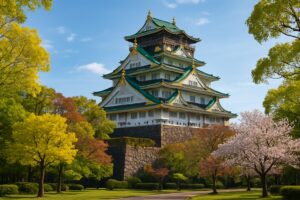
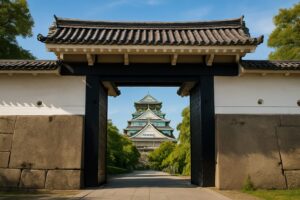
One of the greatest pleasures of dining at Go-hon is its location, which allows you to incorporate the meal into a broader exploration of one of Osaka’s most historic and beautiful neighborhoods. Plan your day to conclude with this outstanding dinner. Spend the afternoon surrounded by the splendor of Osaka Castle. Climb to the top of the main keep for sweeping views of the city, and stroll through the expansive castle grounds, including Nishinomaru Garden, which is particularly breathtaking during cherry blossom season in spring and for its colorful foliage in autumn.
Just south of the park lies the Osaka Museum of History. Its innovative exhibits take you on a captivating journey through the city’s past, from its ancient days as the capital called Naniwa-kyo to its vibrant modern form. The views of the castle from the museum’s upper floors are stunning and offer a distinctive perspective.
In contrast to the neon-lit districts of Namba and Umeda, the area surrounding the castle is much quieter and more residential. A walk here before or after dinner provides a glimpse into the everyday life of Osakans. You’ll see children playing in small parks, locals cycling home from work, and quaint shops and cafes nestled on side streets. After your meal at Go-hon, a stroll along the castle’s illuminated outer moat is a wonderfully romantic and peaceful way to end the evening, with the modern city skyline sparkling in the distance beyond the ancient stone walls.
A Final Word from Your Guide

In a city as dynamic and diverse as Osaka, it is often the quiet, hidden spots that leave the most enduring impression. Kushikatsu Go-hon is one such gem, embodying the Japanese spirit of shokunin—the devoted artisan who dedicates a lifetime of passion and skill to mastering a single craft. Dining here is far more than simply enjoying fried food on a stick; it is a sensory experience, a cultural lesson, and a sincere connection with a true master of his craft. It reflects the quiet confidence of a chef who understands that the finest ingredients and the most meticulous techniques require no grand fanfare. This is Osaka’s soul food, elevated to an art form. So when you visit this remarkable city, be sure to explore the famous sights and soak in the vibrant atmosphere. Then, take a small detour—seek out the unassuming street, spot the modest noren curtain, and let yourself embark on an unforgettable culinary journey. In these moments of flavorful discovery, the genuine spirit of Osaka shines through.