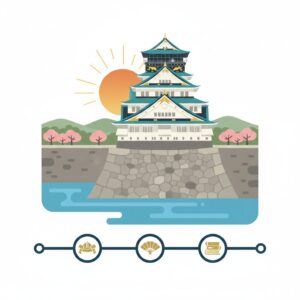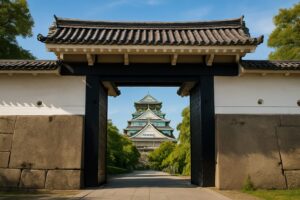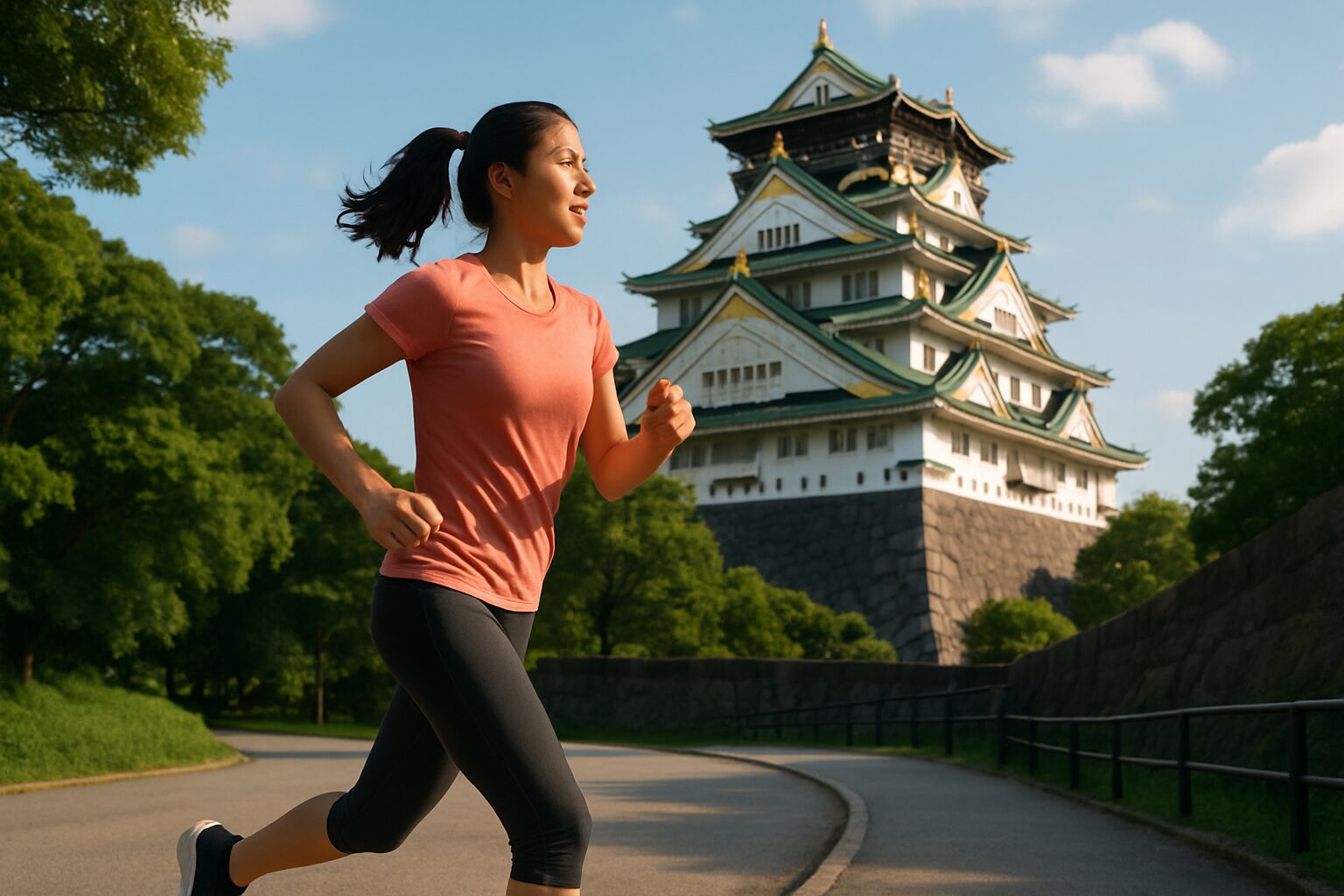
There’s a rhythm to Osaka that every runner quickly discovers. It’s the steady beat of your own two feet on the pavement, a personal percussion against the backdrop of a city humming with life. And there is no grander stage for this daily ritual than Osaka Castle Park. Here, beneath the watchful gaze of the magnificent, multi-tiered castle keep, you find your stride. The path unspools before you, a ribbon of earth and stone that circles the ancient moats. You’re not just jogging; you’re tracing the lines of history, your modern pulse echoing the footsteps of samurai and shoguns. The air is fresh, filled with the scent of pine and cherry trees, and with every kilometer, the city’s noise fades into a supportive, energetic hum. You push through that final stretch, legs burning, lungs grateful, and a singular, primal thought begins to dominate your mind: food. Not just any food. You need a reward. A restorative, soul-warming, deeply satisfying meal that justifies every drop of sweat. You need ramen. And just east of this runner’s paradise, in the unassuming neighborhood of Morinomiya, lies the answer to your hungry prayers. This isn’t the flashy, neon-drenched Osaka of Dotonbori. Morinomiya is quieter, more local, a place where the true culinary heartbeat of the city can be found in steaming, unpretentious bowls. It’s the perfect finish line, where your epic run around a feudal castle culminates in a delicious, slurp-worthy victory. Get ready to refuel, because we’re about to dive into the best post-run ramen shops waiting for you just steps from Osaka Castle Park.
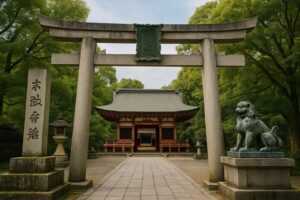
After your run, consider exploring the nearby Tamatsukuri Inari Shrine to complete your journey through Osaka’s historic layers.
Why Ramen is the Ultimate Runner’s Feast

To someone unfamiliar, ramen might appear to be just a simple bowl of noodle soup. However, for those who understand it, especially runners, it’s a meticulously crafted recovery meal disguised as pure indulgence. Let’s explore the fascinating science behind it. The cornerstone of any exceptional ramen is the broth. It’s not merely hot water with added flavor; it’s a complex, slow-simmered elixir, often prepared for hours or even days, until the essence of pork bones, chicken carcasses, dried fish, kelp, and aromatic vegetables is drawn out into a savory, soul-soothing liquid. For a runner recovering from exercise, this broth is invaluable. It’s rich in sodium and other electrolytes essential for rehydration and replenishing what has been lost through sweat. The warmth of the soup helps to ease tired muscles from within, offering a comforting internal heat akin to a hug for your weary core. Next, the noodles arrive—glorious, springy, and packed with carbohydrates. They serve as glycogen replenishment, the primary fuel your muscles demand after depletion. They glide down smoothly, restoring your energy reserves and preventing the dreaded post-exercise slump. But there’s more. Atop this flawless foundation sits the protein. The classic ramen topping, chashu—thin slices of tender, slow-braised pork belly—provides the protein and fats needed for muscle repair and a lasting sense of fullness. And we can’t overlook the ajitama, the seasoned soft-boiled egg. Its creamy, molten yolk and perfectly marinated white offer another dose of high-quality protein along with vital vitamins. Every ingredient, from the crunchy menma (bamboo shoots) to the sharp zest of green onions, works together in harmony. It’s a complete meal in a single bowl—a symphony of textures and flavors that satisfy every craving a hungry runner has: salty, savory, rich, and deeply comforting. In Japan, ramen is far more than fast food; it’s soul food, a cultural symbol representing warmth, community, and fulfillment. For a runner, it becomes something even greater: a ritual, a delicious ceremony celebrating the effort just expended.
Stepping into the Morinomiya Ramen Arena
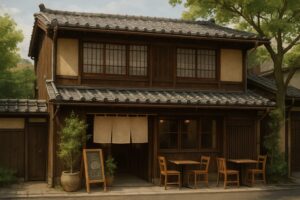
The neighborhood of Morinomiya, directly accessible from the eastern edge of Osaka Castle Park, has a distinctly different vibe compared to the more tourist-heavy areas near the castle’s main gate. It feels more lived-in and authentic. The streets feature a mix of residential buildings, small offices, and independent, owner-operated shops that give the area its unique character. This is exactly why it’s an excellent spot to search for ramen. You’re more likely to find yourself seated shoulder-to-shoulder with local office workers on lunch breaks or families sharing weekend meals than large tour groups. This local atmosphere carries over to the ramen shops themselves, which range from decades-old establishments with well-worn wooden counters evoking a nostalgic Showa-era charm, to sleek, modern venues experimenting with innovative flavor combinations. One of the first things visitors will notice is the ubiquitous ticket machine, or kenbaiki, stationed by the entrance of most shops. Don’t be daunted—this is your gateway to ramen bliss. The process is straightforward: insert your cash, browse the buttons (often accompanied by pictures and sometimes English), and select the one for your desired ramen, toppings, and sides. A small ticket will print out along with your change. You give this ticket to the chef or staff, and your part is done. It’s a wonderfully efficient system that allows the kitchen to focus on what they do best: crafting the perfect bowl of noodles. It also contributes to the authentic, no-fuss atmosphere that defines the local ramen experience. So, take a deep breath, let the savory steam wafting from the shop’s vents guide you, and get ready to discover the hidden gems of the Morinomiya ramen scene.
The Contenders: Morinomiya’s Finest Bowls
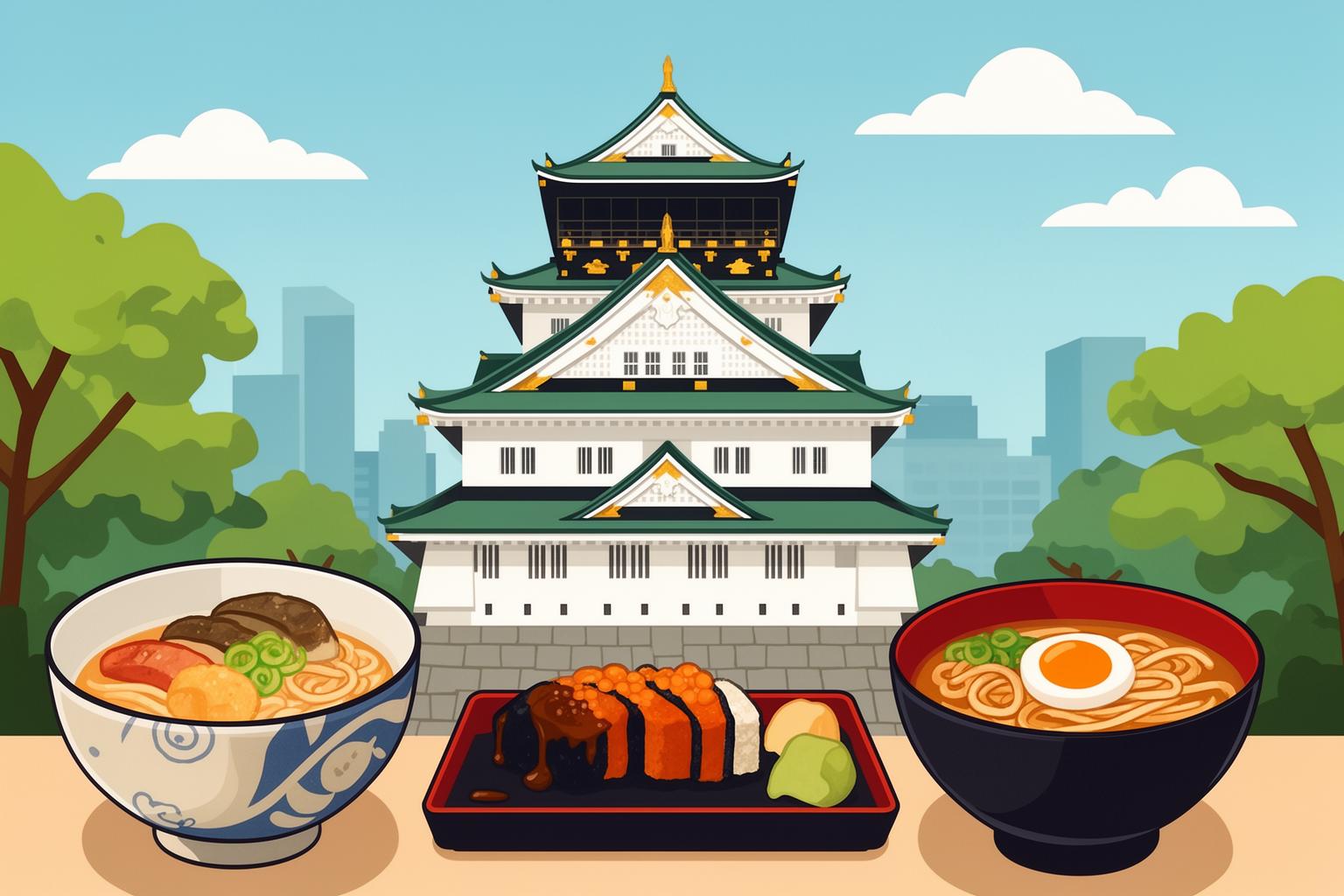
Stepping out from the park’s Morinomiya entrance, you’ll quickly find yourself near several outstanding ramen shops. Each one serves a distinct philosophy in a bowl, offering a different approach to the ideal post-run refuel. Here are a few top contenders that never disappoint.
Ramen Jouroku: The King of Takaida-kei
The Atmosphere
Approaching Ramen Jouroku, it’s clear you’ve arrived at a place with a serious reputation. There’s often a line—a silent nod to the quality inside—but it moves with typical Japanese efficiency. The exterior is understated, marked only by a simple noren curtain. Inside, the space is small and focused, featuring a classic counter-only setup seating about a dozen people. The air is filled with the rich, dark scent of soy sauce and chicken stock, thick with steam and the rhythmic sounds of the kitchen: water vigorously shaken off freshly boiled noodles, the sizzle of a wok, sharp kitchen calls. The decor is minimal, centering attention solely on the food. You’ll sit on a simple stool with a direct view into the open kitchen, a piece of culinary theater showcasing masters at work. The atmosphere feels timeless, dedicated to perfecting a singular craft.
The Signature Bowl
Jouroku is a shrine to a specific and beloved local style of ramen: Takaida-kei, or Takaida-style. This is classic Osaka ramen, a sub-genre of chuka soba (Chinese-style noodles). Forget creamy, heavy tonkotsu broths; this is all about shoyu. The signature Chuka Soba bowl features a broth that is strikingly dark, nearly black in the bowl. This intensity comes from a rich, dark soy sauce base, yet the flavor remains nuanced, not merely salty. It’s deeply savory, built on a chicken-stock backbone with a subtle tang that cuts through the richness. A thin layer of chicken oil shimmers on the surface, adding a luxurious mouthfeel and carrying the aroma directly to you. The noodles also shine: thick, straight, and incredibly chewy, with a substantial texture that holds up beautifully to the powerful broth. They offer a satisfying heft and are a true delight to slurp. The toppings are classic and perfectly prepared. The chashu is a leaner pork cut simmered in the same shoyu base until tender and flavorful, offering a meaty contrast to the noodles. A generous mound of bright green Kujo-negi (a premium green onion from Kyoto) sits in the center, its sharp, fresh flavor providing an essential counterbalance to the dark, savory soup. It’s a bold, assertive, deeply satisfying bowl that tastes like a slice of Osaka’s history.
The Runner’s Recommendation
After a long run, your body craves salt and substance, and Jouroku delivers. Opt for the Chuka Soba and consider adding an ajitama (seasoned egg) for an extra protein boost. The perfectly jammy yolk melts into the dark broth, adding another layer of creamy richness. If you’re especially hungry, go for the osei (large) noodle portion. A side of rice is a fantastic idea too—once you finish the noodles, pour the remaining potent broth over the rice to create ojiya, a second, equally delicious meal. It’s the ultimate carb-load, ensuring you’re fully refueled and ready for your next adventure.
Local’s Tip
Since Jouroku is well-known, timing matters. Try visiting during off-peak hours, like mid-afternoon between lunch and dinner rushes, to reduce your wait. Also, check out the condiments on the counter—a light sprinkle of black pepper can enhance the broth’s savory notes, but use it sparingly to respect the chef’s intended flavor. Watch how the regulars eat; it’s a lesson in efficiency and appreciation.
Access and Info
Just a 5-10 minute walk southwest of Morinomiya Station, it’s easy to locate. Exit the station, cross the main road, and enter the grid of smaller streets. The spot is popular, so hours are generally steady, but it’s wise to check online beforehand, as ramen masters sometimes close once the soup runs out.
Menya Morido: The Modern Chicken Maestro
The Atmosphere
Menya Morido offers a sharp contrast to Jouroku’s old-school atmosphere. This is the new wave of ramen. The exterior is sleek and modern, with stylish branding hinting at the refined experience inside. The interior is bright, pristine, and well-lit, often playing contemporary J-pop or jazz softly in the background. The counter is smooth and polished, and the open kitchen gleams with stainless steel. The staff are lively and welcoming, greeting you with a cheerful “Irasshaimase!” It feels less like a gritty noodle shop and more like a casual, modern bistro specializing in ramen. This clean, orderly environment can be especially inviting after a sweaty run, providing a calm and comfortable space to relax and refuel.
The Signature Bowl
Morido’s specialty is Tori Paitan, a creamy chicken-based ramen that has gained widespread popularity in Japan. Think of it as the chicken counterpart to the famous pork tonkotsu. The broth is the soul of this bowl—made by simmering chicken carcasses for hours until collagen and marrow break down, producing an opaque, milky, and incredibly rich soup. The flavor is pure, concentrated chicken—deeply savory yet clean, without the heavy funk sometimes found in pork broths. It’s velvety, smooth, and coats the noodles beautifully. Speaking of noodles, Morido typically serves thin, straight ones that provide a firm bite contrasting wonderfully with the broth’s creaminess. The toppings are carefully selected to complement the chicken theme: two kinds of chashu—classic braised pork belly and more uniquely, sous-vide chicken breast slices. The chicken is tender and moist, a lighter protein choice harmonizing with the broth. Additional toppings include crisp bamboo shoots, finely chopped onions adding sweetness and crunch, and fresh greens like mizuna for a vibrant touch. The whole bowl is elegant, balanced, and utterly delicious.
The Runner’s Recommendation
For a post-run meal, the Tori Paitan is an excellent pick. It’s rich and satisfying without feeling as heavy as tonkotsu, making it perfect if you don’t want to feel weighed down. Try the tokusei (special) version for extra toppings, including the all-important seasoned egg. If available, a side of karaage (Japanese fried chicken) is a perfect companion, doubling down on chicken flavor and providing a great protein and fat boost. The crispy, juicy chicken pieces are delightful when dipped into the creamy ramen broth.
Local’s Tip
Morido often features seasonal or limited-time specialty bowls. If one is advertised, don’t hesitate to try it. The chefs are creative, and these unique offerings provide a refreshing change. Also, look out for a small pot of yuzu kosho on the counter—a paste made from yuzu citrus and chili peppers. Adding a small amount midway through your meal can transform the flavor, introducing a bright, citrusy, and slightly spicy kick that cuts through the richness and refreshes your palate.
Access and Info
Menya Morido is conveniently located very close to Morinomiya Station, often just a few minutes’ walk away. Its modern storefront is easy to spot. Like other popular shops, it follows a regular schedule, but it’s good to check social media or their website for any last-minute updates or special bowl announcements.
Mendokoro Jin: The Seeker of Umami Depth
The Atmosphere
Mendokoro Jin strikes a balance between the traditional and the modern. It has the intimate, focused feel of a classic ramen-ya but with a slightly more polished, contemporary edge. The lighting is warmer, and the wooden counter appears newer. The place exudes quiet confidence, with a focus on craftsmanship and the pursuit of perfectly balanced flavors. The chefs move with calm precision, their actions efficient and deliberate. The main soundtrack is the clatter of bowls and gentle simmering of the soup pot. Patrons often include ramen aficionados and locals who appreciate high quality. It’s where you come to sit, concentrate on your bowl, and experience a truly transportive meal. The aroma in the air is complex, with hints of seafood and soy sauce signaling the intricate broth being crafted.
The Signature Bowl
Jin is renowned for its refined W-Soup, or ‘double soup’. This style combines two distinct broths—usually an animal-based stock (like pork or chicken) and a seafood-based gyokai broth made from dried bonito, mackerel, and niboshi sardines—to create a soup of extraordinary depth and complexity. The result offers the best of both worlds: the rich, savory body from the animal stock paired with the fragrant, umami-packed punch of the sea. The broth often has a beautiful amber color—clear yet profoundly flavorful, evolving as you eat. It starts savory, then waves of seafood aroma appear, finishing with a subtle smoky sweetness. The noodles tend to be medium-thick, wavy (chijire-men), expertly designed to hold the complex soup in their curls for delivery to your mouth. Toppings are carefully selected to complement, not overwhelm, the delicate balance: exceptionally tender chashu (often slow-cooked at low temperature), perfectly marinated ajitama eggs that highlight the seafood notes, and sometimes unique additions like a dollop of yuzu paste or a square of premium nori seaweed that melts gently into the broth.
The Runner’s Recommendation
A bowl of Jin’s W-Soup ramen makes an excellent recovery meal—deeply satisfying and nourishing. The broth is rich in minerals from the seafood components and electrolytes from the shoyu base. For the full experience, order the signature bowl with all toppings. If you want extra carbs, a side of gyoza (pan-fried dumplings) pairs perfectly. The crispy, savory dumplings provide a pleasant textural contrast to the soup and help meet your caloric needs. The combination of intricate ramen and classic gyoza is a match made in heaven.
Local’s Tip
This soup deserves to be savored slowly. Taste the broth on its own before mixing everything. Notice how flavors evolve as toppings integrate. Shops specializing in W-Soup pride themselves on noodle texture, so eat them while still perfectly firm. Some places also offer tsukemen (dipping noodles) as an alternative. On hot days, this is a great option—the noodles are served cold and dipped into a hot, concentrated broth for a different but equally delicious experience.
Access and Info
Usually tucked away on a side street yet still within easy walking distance of Morinomiya Station, finding Jin feels like uncovering a hidden treasure. Its reputation precedes it, so a quick map search will bring you right to the door. Because the soup is meticulously prepared in limited batches, it may close early when sold out, so aiming for an earlier lunch or dinner is recommended.
Beyond the Bowl: The Complete Refueling Experience
Your post-run recovery doesn’t have to end with the last bite of noodles. The area around Morinomiya provides a complete ecosystem for the weary athlete, allowing you to complete your experience by treating your body to the full trifecta of Japanese-style restoration: a run, a meal, and a soak.
Side Dish Synergy
A great bowl of ramen stands on its own as a masterpiece, but the right side dish can elevate the meal from merely satisfying to sublime. These sides aren’t just afterthoughts; they are essential elements of the culinary experience. The undisputed champion of ramen companions is gyoza. These crescent-shaped dumplings, filled with a savory mix of ground pork, cabbage, and aromatics, are pan-fried to perfection. The bottom is irresistibly crispy and golden brown, while the steamed top remains soft and chewy. Mixing your own dipping sauce from the provided soy sauce, vinegar, and chili oil (rayu) is a small but rewarding ritual. Another standout side is karaage, Japanese fried chicken. Unlike its Western counterparts, karaage is typically made with marinated boneless thigh meat, coated in potato starch, and double-fried. This creates a craggy, incredibly crispy crust that gives way to astonishingly juicy and flavorful meat. It’s a protein-packed indulgence well deserved after a tough run. For those needing a serious carb boost, a side of chahan (fried rice) is the perfect choice. Often cooked in a searingly hot wok, it carries a smoky aroma and is loaded with small pieces of pork, egg, and green onion. Many ramen shops offer a half-size portion, making it an ideal complement to your noodle bowl.
The Post-Ramen Cool Down and Soak
After savoring a steaming, savory bowl of ramen, the next natural step is to cool down and fully relax your body. You can take a gentle stroll through a quieter part of Osaka Castle Park, perhaps finding a bench to sit and digest while enjoying the peaceful scenery. For a truly elevated recovery experience, consider visiting a local sento, or public bathhouse. This is a quintessential Japanese ritual. For a modest fee, you can thoroughly scrub down and then soak your tired muscles in a series of hot baths. The intense heat helps to soothe aches, improve circulation, and induce deep relaxation. Emerging from a sento, clean, warm, and completely refreshed, then heading home after your run and ramen, creates an experience that makes you feel like you’re not just visiting Osaka, but truly living in it. A quick search for a sento near Morinomiya will likely reveal several nearby spots eager to welcome you.
Mastering the Osaka Castle Running Course

To fully enjoy the ramen, you must first respect the run. The Osaka Castle Park course is a runner’s paradise, offering an ideal combination of history, nature, and excellent amenities.
The Legendary Loop
The most favored route is the loop around the outer moat, measuring about 3.5 to 4 kilometers depending on the exact path you choose. The terrain is primarily paved and flat, making it suitable for runners of all abilities. The true charm lies in the scenery. On one side, you encounter the towering, majestic stone walls of the castle, an extraordinary engineering marvel that has endured for centuries. You’ll pass historic turrets and gates, feeling the presence of history with each step. On the other side, you’re enveloped by the park’s lush greenery, which transforms beautifully with the seasons. It’s a course stunning enough to distract you from tired legs and make the distance pass quickly.
Runner-Friendly Facilities
Osaka Castle Park is exceptionally well-equipped for runners. Public restrooms and water fountains are conveniently located along the main routes. For those seeking more specialized facilities, there are several running stations near the park, such as Running Base Osaka Castle near Morinomiya. These venues offer lockers for your belongings, changing rooms, and—most importantly—shower facilities. This allows you to travel light, run right in the park, freshen up afterward, and head straight to enjoy your ramen without needing to return to your hotel first. It’s a highly convenient arrangement that makes fitting a run into your travel schedule effortless.
Timing Your Run for the Perfect Day
The experience of running around the castle varies greatly with the time of day and season. A spring run during cherry blossom season is almost overwhelmingly beautiful, as you jog beneath canopies of pale pink flowers. Summer runs are best in the early morning or late evening to avoid intense heat and humidity, with the bonus of the castle illuminated against the night sky. Autumn offers a breathtaking display of red and gold leaves, providing a crisp, colorful backdrop for your run. Winter brings clear, cool air, ideal for achieving a personal best. No matter when you visit, you’re guaranteed a world-class urban running experience.
A Final Slurp of Wisdom
There is a distinctive and beautiful harmony in the ritual of running around Osaka Castle and then replenishing your body and soul at a local Morinomiya ramen shop. It’s an experience that stimulates all the senses: the physical exertion, the historical grandeur, the savory aroma of the broth, the comforting warmth of the bowl in your hands, and the final, satisfying slurp. This combination is more than just exercise followed by a meal; it’s a way to connect with the city of Osaka on a deeper, more personal level. You join a daily rhythm shared by thousands of locals, trading your sweat and effort for a taste of genuine, unpretentious Japanese culinary culture. So, next time you find yourself in Osaka, pack your running shoes. Challenge yourself on the paths circling the great castle, push your limits, then walk those tired but happy legs to Morinomiya. Take a seat at a simple wooden counter, order a steaming bowl of victory, and discover why the best finish line in Osaka lies at the bottom of a ramen bowl.