Step off the train at Tamatsukuri, and the air itself seems to change. Here, just a stone’s throw from the formidable, magnificent ramparts of Osaka Castle, the grand scale of history gives way to something more intimate, more personal. The wide boulevards of the city fray into a network of quieter streets, where the rhythm of life slows to a gentle, steady beat. This is a neighborhood that wears its history not as a monument, but as a well-loved coat. It’s a place of whispered legends and simmering pots, of sacred foxes carved from stone and heavenly broths perfected over generations. This is the world of the Tamatsukuri Inari Shrine, an ancient sanctuary that serves as the spiritual anchor for an area that has, in a wonderfully Osakan turn of events, also become a clandestine paradise for ramen lovers. Forget the neon-drenched chaos of Dotonbori for a moment; the real soul food of this city often lies hidden in plain sight, waiting for those willing to wander. Here, the spiritual pilgrimage to a centuries-old shrine and the culinary pilgrimage for the perfect bowl of noodles become one and the same journey—a journey into the heart of a different Osaka.
After exploring this historic neighborhood, you can also enjoy modern dining with a view of the historic ramparts at Jo-Terrace Osaka.
Echoes of Antiquity: The Soul of Tamatsukuri Inari Shrine
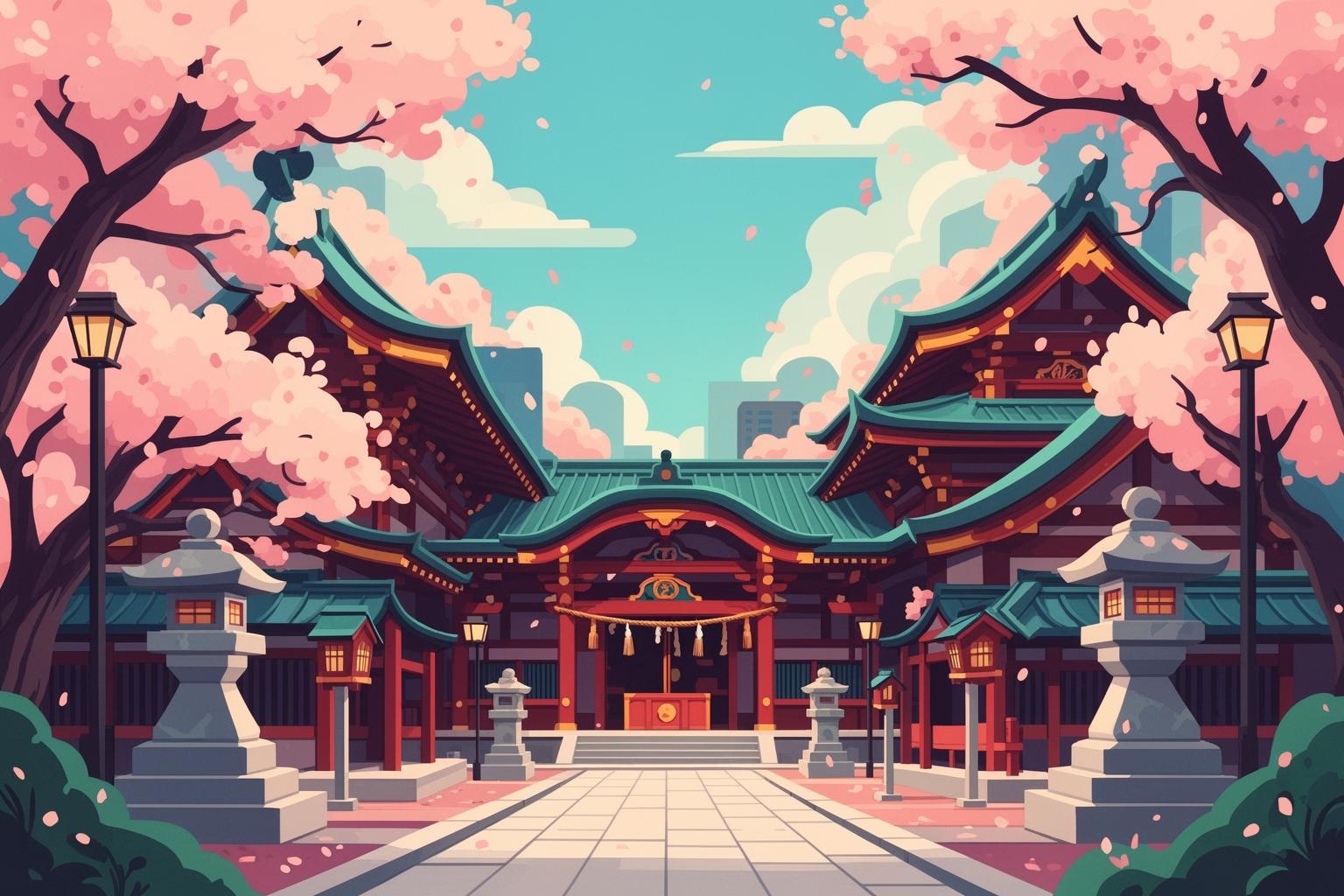
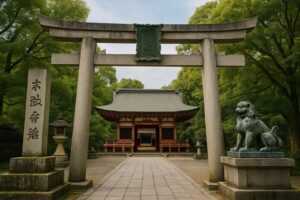
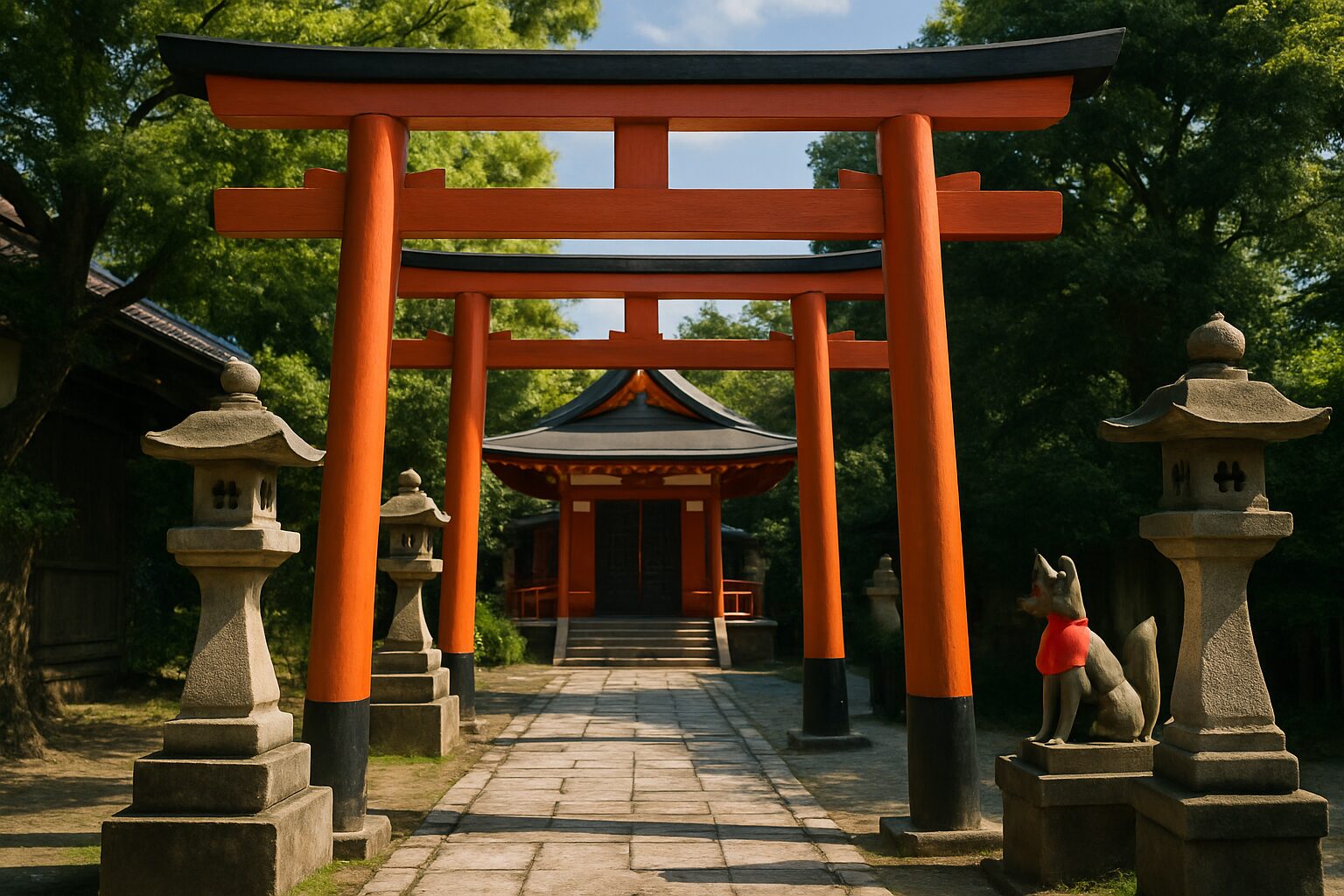
Before you even consider noodles, you must first pay your respects to the kami, the spirits of this land. Your journey begins at Tamatsukuri Inari Shrine, a site deeply rooted in Japanese history, said to have been founded long before Osaka was even called Osaka. Its presence quietly asserts endurance. While the nearby castle has been built, burned, and rebuilt through the centuries, this shrine has remained a constant—a spiritual anchor for merchants, warriors, and everyday people. The name Tamatsukuri means “jewel making,” a nod to the ancient artisan clans who once lived here, crafting the curved magatama beads that symbolized power and divinity. Walking through its vermilion torii gates is like stepping into a portal to that distant past. The roar of city traffic on the nearby Hanshin Expressway fades away, replaced by the crunch of gravel beneath your feet and the rustle of leaves in ancient camphor trees with thick, gnarled branches that seem to hold the secrets of time.
The air here is heavy with a tangible sense of peace. Follow the main path, and you’ll be met by pairs of stone foxes, or kitsune. These are the messengers of Inari Okami, the deity of rice, sake, commerce, and worldly prosperity. Each statue is distinct, with its own character. Some stand proud and alert, clutching a sacred jewel in their jaws. Others bear gentle, almost whimsical expressions, their stone fur smoothed by centuries of rain and the hopeful hands of visitors. Many wear bright red bibs—offerings from devotees seeking protection and good fortune. Pause for a moment to really observe them. Notice the subtle differences in carving, the way one tail curls just so, or the protective gaze in another’s eyes. These are not mere ornaments; they are guardians of this sacred space, silent witnesses to countless prayers whispered over generations. The main hall, or honden, is a stunning example of classic shrine architecture, with its sweeping roof and intricate wooden details. Yet the true magic of Tamatsukuri Inari lies in its smaller, hidden corners. Step off the main path, and you’ll find tiny sub-shrines honoring various other deities, each tucked among the foliage, inviting intimate discovery. This is a place that rewards slow, mindful exploration. You might discover a well, a small moss-covered stone lantern, or a quiet bench perfectly positioned to catch the afternoon sun filtering through the leaves. It is here, in this profound stillness, that you can sense the true spirit of the shrine—a spirit of resilience, community, and enduring faith that has shaped this neighborhood for well over a thousand years.
The Culinary Counterpoint: Unraveling Osaka’s Ramen Tapestry
After paying your respects and cleansing your spirit in the serene shrine, it’s time to nourish the body. In Osaka, that often means ramen. The city’s connection to this humble noodle soup is marked by passionate and endless innovation. While other regions of Japan are known for a single signature style—the rich tonkotsu of Fukuoka or the clear shoyu of Tokyo—Osaka is a vibrant, chaotic melting pot of many varieties. It’s a city of merchants and creators, where ramen chefs, or ramen taisho, approach their craft with obsessive, artisanal dedication. In the backstreets around Tamatsukuri, you won’t see the large chains that dominate the more tourist-filled areas. Instead, you’ll find small, independent shops, often with just a handful of counter seats, each representing the unique vision of its master. These hidden gems are the spots locals rave about, where the broth is a life’s labor and every bowl is a masterpiece.
To truly understand the ramen here, you must first grasp its soul: the broth. It is everything. A ramen master might devote sixteen hours a day, seven days a week, to tending his pot. The broth is a living creation, a complex alchemy of ingredients and time. Even within this small area, you’ll encounter a remarkable variety. There are the rich, opaque pork bone broths called tonkotsu, simmered for hours until the collagen and marrow dissolve into a silky, emulsified soup that coats your lips and warms you from inside out. Then there’s its poultry counterpart, tori paitan, a similarly creamy and comforting broth made from chicken, offering a lighter yet deeply flavorful experience. On the other end are the clear soups, or chintan. Shoyu ramen, based on soy sauce, can range from light and delicate, with a clean seafood and chicken dashi base, to dark and bold, with robust flavors of aged soy sauce and aromatic oils. Shio, or salt-based ramen, is perhaps the most revealing, its crystalline clarity allowing no room for error, showcasing the pure, unadulterated umami of its core ingredients. Each broth is a world unto itself, a story told in liquid form.
And what story is complete without its protagonist? The noodles, or men, are just as vital. They are far more than simple starch; they are the vehicle for the broth, crafted with meticulous care. You’ll find thin, straight Hakata-style noodles, perfect for soaking up rich tonkotsu, best eaten quickly before they soften. There are thick, wavy, and wonderfully chewy noodles, often yellow from the addition of kansui (alkaline water), designed to cling to hearty miso or flavorful shoyu, their twists holding onto the soup. Texture is key, and you may be asked for your preference: katame (firm), futsuu (normal), or yawarakame (soft). The toppings are not mere garnishes but essential contributors. Chashu, slices of braised pork, can be fatty and melt-in-your-mouth or lean and seared for a smoky aroma. The ajitsuke tamago, a soft-boiled egg marinated in a sweet-savory blend of soy sauce and mirin, is a jewel in any bowl, its yolk a perfect jammy gold. Crispy menma (fermented bamboo shoots), sharp green onions, and earthy wood ear mushrooms all add to a symphony of textures and flavors. This obsessive attention to every single detail elevates a simple bowl of noodles into a deeply profound culinary experience.
The Hunt Begins: Navigating the Ramen Alleys of Tamatsukuri
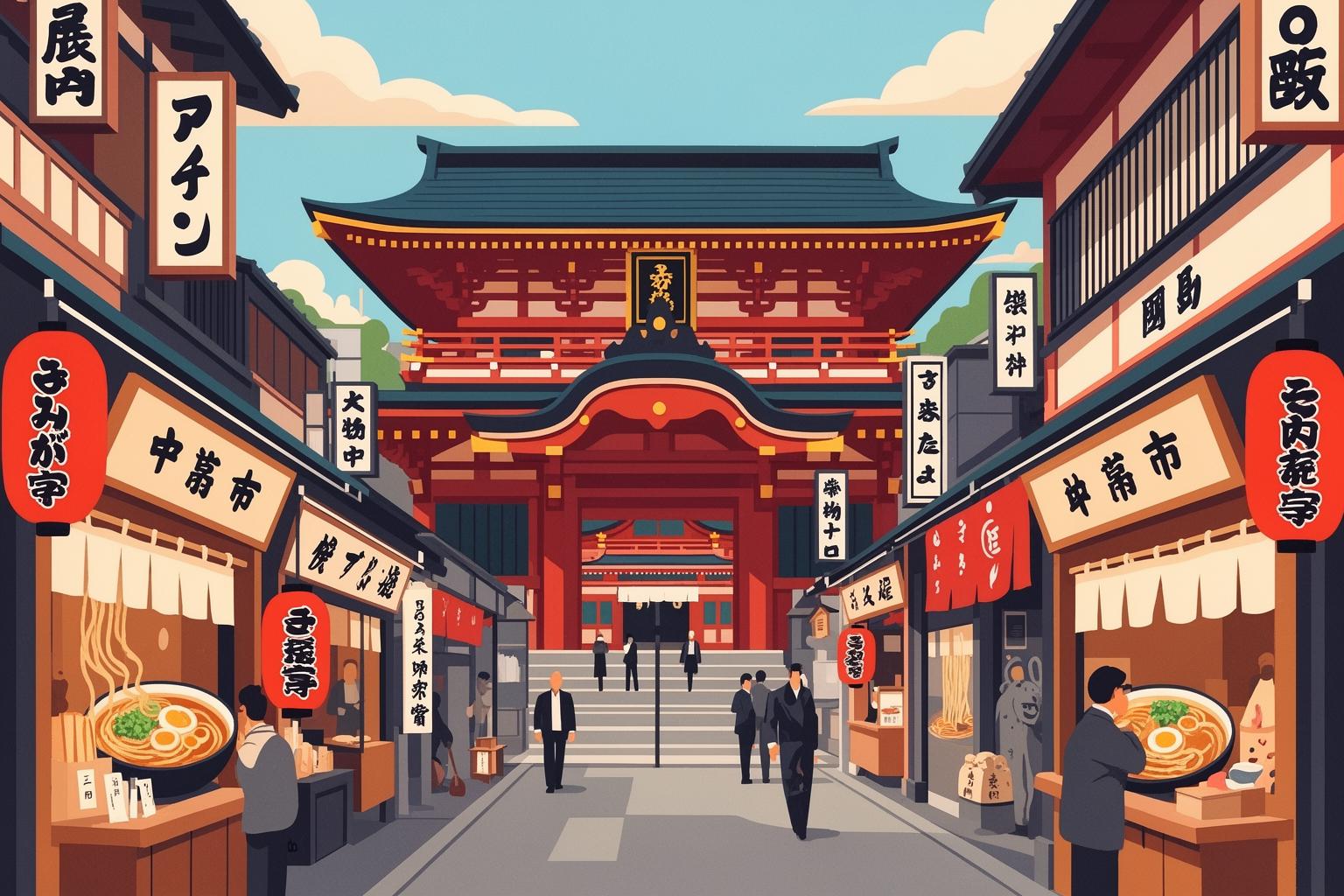
Your quest for the perfect bowl begins as soon as you step beyond the shrine grounds. The streets here keep their secrets quiet. You need to seek out subtle hints: a simple cloth noren curtain hanging in a doorway, a small lantern glowing with the character for ‘ramen’ (らーめん), the faint, enticing aroma of pork and dashi wafting on the breeze, or perhaps a modest, patient line of customers waiting outside an otherwise unmarked storefront. This is the excitement of the hunt. Each shop is its own unique universe.
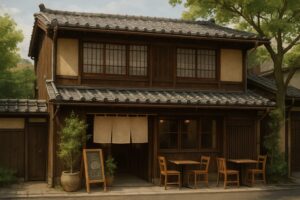
Picture yourself discovering one such spot, a tiny shop nestled in a narrow side street. The wooden facade is aged and dark, the noren curtain a faded indigo. Inside, there are only eight seats at a long wooden counter, polished smooth by the elbows of countless diners. Behind the counter stands the master, an elderly man who moves with a quiet, practiced grace. He speaks little, but his focus is absolute. This is the sanctuary of classic shoyu ramen. The air hums softly with the bubbling of the stockpot. You order from a simple, hand-written menu on the wall. The bowl that arrives is a study in understated perfection. The broth is a deep, clear amber, shimmering with a thin layer of fragrant chicken oil. Its flavor is profound—a wave of savory soy sauce, followed by the rich, oceanic umami of kombu and katsuobushi, all resting on a gentle, clean base of chicken stock. The noodles are thin and wavy, cooked to perfect firmness, clinging to the broth with every slurp. The toppings are simple: two slices of perfectly rendered chashu, a handful of sharp scallions, a pinwheel of narutomaki fish cake, and crisp, dark green spinach. This isn’t a ramen that demands attention; it whispers stories of a bygone era. It tastes of nostalgia, of craftsmanship refined over fifty years. It is pure, unadulterated soul.
Then, just a few blocks away, you might find its polar opposite. The storefront is bright, with a modern, minimalist design. A sleek ticket machine, or shokkenki, greets you at the door, its colorful buttons showcasing the shop’s offerings. Inside, the energy is different. A younger chef with focused intensity commands the kitchen, and the soundtrack is a soft thrum of modern jazz. This is the realm of the new-wave tori paitan. The bowl before you is a vision in white. The broth is thick, creamy, and opaque, a rich potage of chicken that is both delicate and deeply satisfying. It’s prepared by simmering chicken carcasses for hours at a high temperature, breaking down bones and cartilage until they emulsify into this velvety liquid. Instead of traditional chashu, you might find slices of sous-vide chicken breast, impossibly tender and juicy. The toppings form a vibrant composition of colors and textures: finely sliced purple onion for a sharp, clean bite, a bright green dollop of basil-infused oil, and a perfectly cooked egg with a yolk the color of sunset. This is ramen as modern art—innovative, exciting, and utterly delicious. It honors tradition but isn’t constrained by it, perfectly reflecting Osaka’s forward-looking spirit.
Your journey might also lead you to a haven of hearty, robust flavors. Imagine a place renowned for powerful miso ramen, a style originating from the cold northern island of Hokkaido but enthusiastically embraced and adapted here. The shop feels warm and rustic, the air thick with the savory, fermented aroma of miso and garlic. The master here is boisterous, greeting customers with a loud “Irasshaimase!”. The bowl he serves is a fortress of flavor. The broth is thick and complex, a blend of several types of miso, pork stock, and vegetables, creating a taste that is simultaneously sweet, savory, and deeply funky. It might be spiked with chili, sending a pleasant wave of heat through your body. The noodles are thick and muscular, designed to withstand the powerful soup. They are topped with a mountain of stir-fried bean sprouts and cabbage, savory minced pork, and sweet corn. Eating this ramen is an invigorating, almost primal experience. It’s a meal that fills and fortifies you, a bear hug in a bowl—perfect for shaking off the chill of a winter day or refueling after a long walk through the castle grounds.
A Walker’s Guide: Connecting the Shrine, the Slurps, and the Streets
This neighborhood invites walking. It gradually reveals its charm to those willing to wander. The best way to experience Tamatsukuri is to craft your own spontaneous tour, using the shrine as your starting point and the lure of ramen as your guide. Begin your day at either JR Tamatsukuri Station on the convenient Osaka Loop Line or the subway station on the Nagahori Tsurumi-ryokuchi Line. From there, head toward the shrine. Resist the temptation to follow your phone’s map too precisely. Instead, explore the smaller streets. Notice the details that characterize local life: carefully tended potted plants lining house entrances, the clatter of a local shotengai shopping arcade coming alive, and an old bicycle resting against a weathered wall. This sets the gentle tone for your spiritual and culinary adventure.
Spend a leisurely hour at the shrine. Don’t just snap photos; find a quiet spot to sit. Listen to the rustling wind in the trees and the distant chime of a bell. Observe local residents pausing for a quick prayer on their way to work or while walking their dogs. It’s a living, breathing part of the community, not merely a tourist spot. Once you feel centered and calm, it’s time to start the ramen quest. This is where the real excitement begins. Follow your intuition. Explore alleys that catch your eye. Peek behind noren curtains. The best discoveries often come unplanned. A small tip for newcomers: many of these smaller, specialized ramen shops operate on limited hours—usually open only for lunch (typically 11:30 AM to 2:30 PM) and dinner (around 6:00 PM to 9:00 PM)—and often close one day a week, usually Monday or Tuesday. Flexibility is essential. If your first choice is closed, see it as a chance to find another gem.
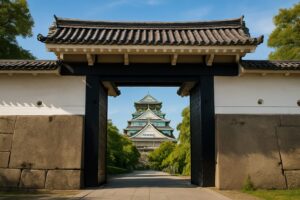
After your satisfying meal, the ideal way to digest and reflect is a walk to the nearby Osaka Castle Park. It’s a pleasantly short stroll from Tamatsukuri, and the change of scenery is striking. You leave the cozy, village-like atmosphere of the shrine neighborhood and enter the expansive grandeur of the park. The massive stone walls and the iconic castle tower appear before you, a stunning contrast to the quiet streets you just left behind. This combination creates the perfect half-day itinerary: begin with spiritual reflection at the shrine, follow with an exceptional culinary experience, and finish with a dose of epic history and a relaxing walk through beautiful park grounds. It’s a journey that engages all the senses, revealing two very different yet equally vital facets of Osaka’s character.
Beyond the Bowl: Appreciating the Nuances of the Neighborhood
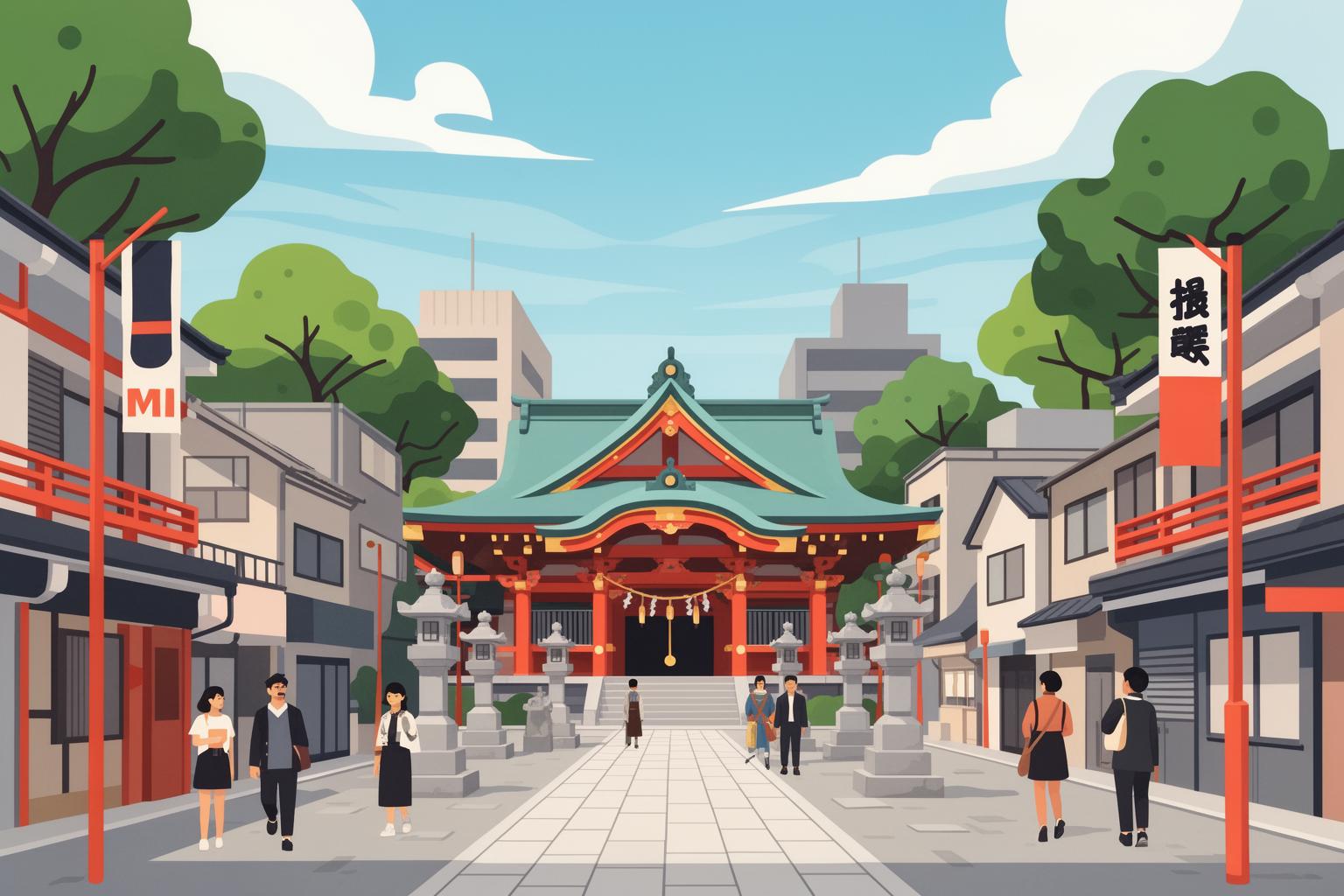
To truly appreciate this corner of Osaka, you need to look beyond the well-known landmarks. The entire Tamatsukuri area is rich with a history that predates the famous castle nearby by centuries. This land was once a crucial point along the ancient Yamato River, serving as a center of governance and trade long before the city evolved into its present form. As you stroll through the streets, picture the generations that have passed this way—the ancient jewel makers, the samurai loyal to Toyotomi Hideyoshi who established their homes here, Edo-period merchants, and the resilient residents who rebuilt after the devastations of war. This historical depth gives the neighborhood a unique, grounded ambiance.
Keep your senses alert for other hidden gems as you explore. You might come across a traditional kissaten, a vintage coffee shop where time seems paused in the 1970s, serving thick toast and siphon coffee to elderly regulars. You could discover a tiny shop selling freshly baked senbei, with the warm aroma of toasting rice and soy sauce wafting into the street. Small parks and playgrounds offer a window into the daily lives of local families. These small encounters enrich your experience, turning a simple meal into part of a larger narrative and a deeper bond with the place.
The neighborhood also transforms beautifully through the seasons. In spring, the walk to Osaka Castle Park becomes a breathtaking journey through clouds of cherry blossoms, making a post-ramen stroll a must. Summer offers the cool shade of the shrine’s ancient trees, a refreshing break from the city’s heat and humidity, perfectly paired with a cold tsukemen (dipping ramen). Autumn brings crisp air and vibrant foliage to the park, ideal for a long, leisurely walk. Winter welcomes the steam rising from a bowl of hot, hearty ramen, offering comforting warmth against the chill. Each season presents a fresh perspective from which to appreciate the charms of Tamatsukuri.
This journey is about more than just food; it’s about connection. It’s the unspoken camaraderie you share with other diners at the counter, all engrossed in the bowl before you. It’s the respect you feel for the ramen master, who has devoted their life to perfecting this single dish. It’s the quiet moment of gratitude at the shrine, linking you to centuries of history and faith. In Tamatsukuri, the ancient and the modern, the sacred and the everyday, the serene and the savory coexist in perfect, delicious harmony. It’s an invitation to slow down, look more closely, and discover the profound beauty hidden just beneath the surface of this remarkable city. So, come wander these streets with an open mind and an empty stomach—both the spirits and the chefs of Tamatsukuri await you.