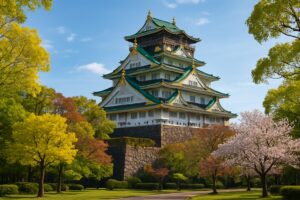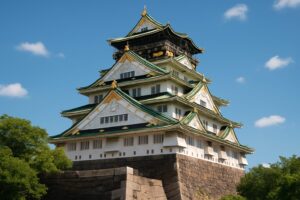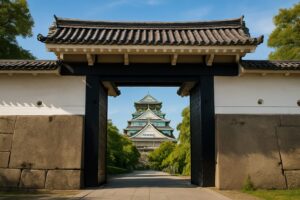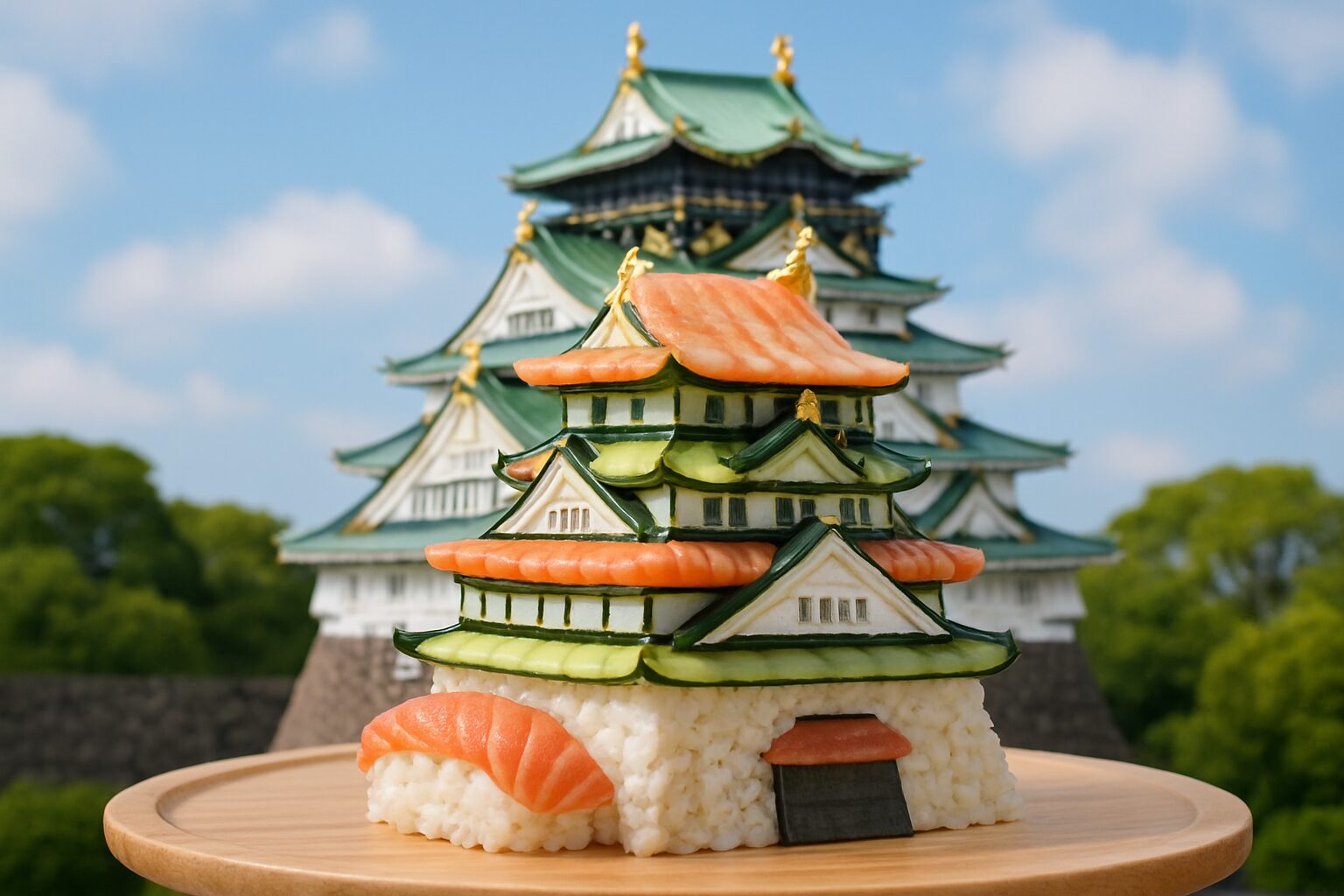
Osaka Castle stands not just as a monument of stone and history, but as the very heart of the city, a stoic guardian watching over a metropolis that pulses with an insatiable energy. Its tiered roofs curve toward the sky like the pages of an ancient story, its formidable stone walls and deep moats whispering tales of shoguns, samurai, and the unification of a nation. To stand before it is to feel the weight of centuries. But Osaka’s story isn’t confined to its past. This city is, and has always been, the culinary soul of Japan, famously known as Tenka no Daidokoro—the Nation’s Kitchen. And so, after you’ve walked the historic grounds, climbed the majestic keep, and gazed out at the sprawling urban landscape, a different kind of journey begins. It’s a quest for a flavor that is as fundamental to Japanese culture as the castle itself: the perfect piece of sushi. Finding a truly exceptional sushi experience in the shadow of such a monumental landmark is more than just a meal; it’s about connecting the city’s profound history with its vibrant, living culture. It’s about finding that quiet, perfect moment where a masterfully prepared bite of fish on vinegared rice tells a story all its own. This guide is your compass, pointing you beyond the obvious and into the heart of Osaka’s sushi scene, where tradition and innovation dance on your palate.
For a different culinary adventure steeped in history, explore the ancient Tamatsukuri Inari Shrine area and its famous ramen scene.
The Culinary Moat: Bridging History with Flavor
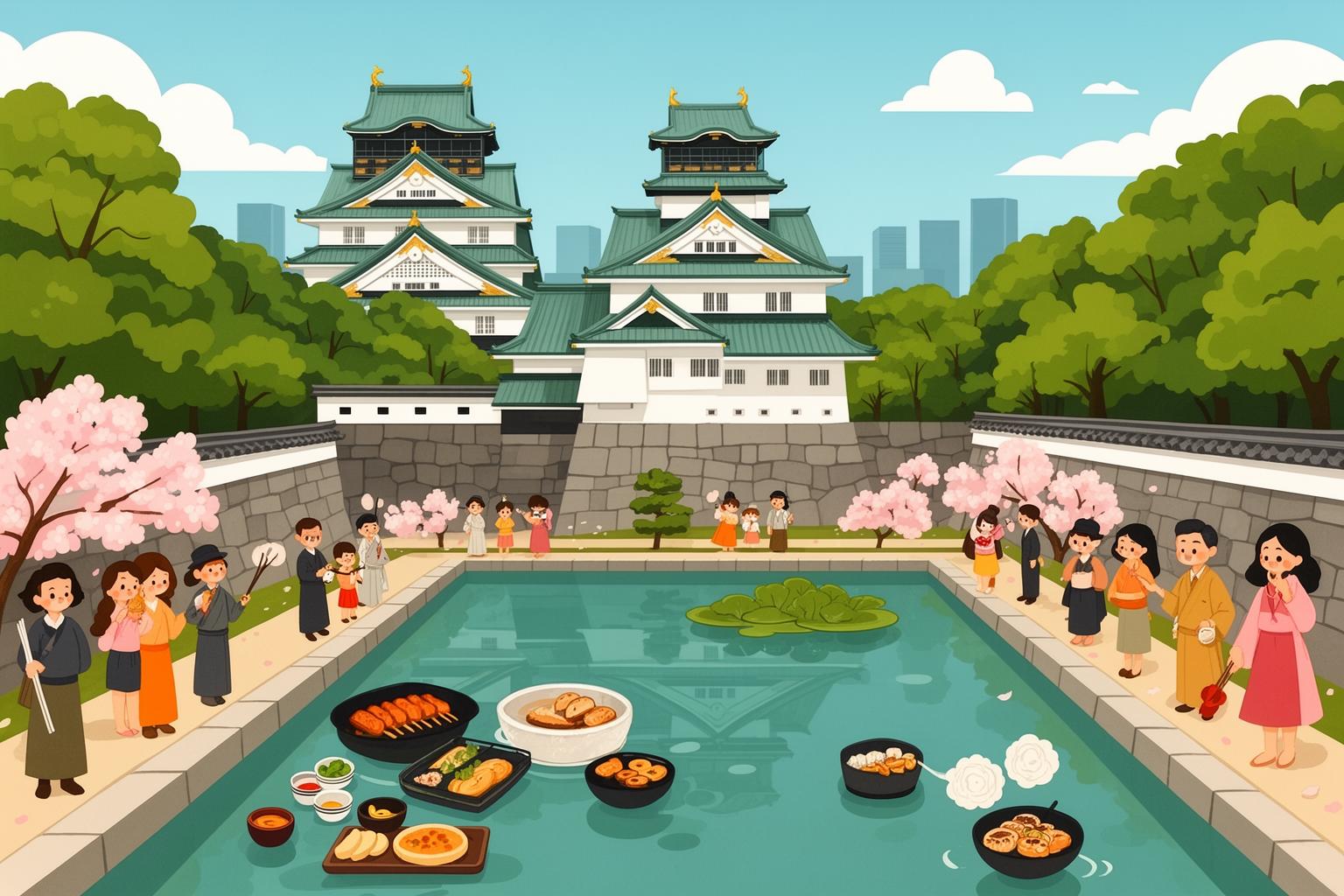
The area surrounding Osaka Castle Park presents a captivating blend of contrasts. On one side lies the tranquil, expansive greenery of the park itself, where history lingers in ancient plum groves and grand gatehouses. On the other, modern Osaka thrives in all its bustling reality. This culinary zone acts like a contemporary moat, and venturing across it in search of genuine sushi requires some effort. The immediate surroundings host large developments such as Jo-Terrace Osaka, which offer convenient, often tourist-focused dining choices. While fine for a quick meal, the true treasures—the establishments beloved by local connoisseurs and families for generations—are found a bit farther away, in lively neighborhoods radiating from the castle like spokes on a wheel.
To begin your quest, you need to grasp the distinct character of each neighboring district. Head east, and you arrive in Kyobashi, a vibrant, high-energy center of commerce and nightlife. Its covered shopping arcades, or shotengai, form a maze of glowing signs, the clamor of pachinko parlors, and the tantalizing scents of grilled meats and savory broths. Here, the sushi scene is varied and egalitarian, ranging from bustling standing sushi bars where office workers grab quick dinners to lively, rowdy izakaya serving exceptional sashimi. It’s a place that pulses with city life, alive with every step you take.
Move southwest toward Tenmabashi or northwest to the modern towers of Osaka Business Park (OBP), and the vibe changes sharply. The pace slows, replaced by an atmosphere of sophistication. Restaurants often offer stunning views of the Okawa River or city skyline, catering to diners seeking a more refined and peaceful experience. This is where you’re likely to find calm, minimalist sushi counters devoted to the art of omakase, where dining unfolds as a carefully orchestrated performance. The riverside setting encourages a post-meal stroll, the city lights shimmering on the water, providing an ideal, romantic close to an exquisite dinner.
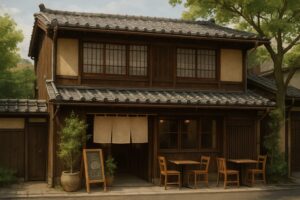
Then there are the quieter, more residential areas like Morinomiya to the south and Tamatsukuri to the southeast. These neighborhoods feel like an authentic slice of local life. The streets are calmer, dotted with small shops and apartment buildings. It is in these modest lanes that you might discover a tiny, family-run sushi-ya that has been a neighborhood favorite for decades. These spots reward the curious traveler, offering an experience that is genuinely authentic, personal, and unforgettable, even if it means navigating a menu entirely in Japanese with the help of a translation app and a good dose of adventurous spirit.
Decoding Kansai’s Sushi Scene: More Than Just a Roll
Before you even enter a restaurant, it’s helpful to know that sushi in the Kansai region, including Osaka, has its own distinct history and traditions that differentiate it from the internationally recognized Tokyo-style, or Edomae, sushi. While world-class Edomae nigiri can be found in Osaka, the city also proudly preserves an older style of sushi that reflects its heritage as a thriving merchant hub.
The most iconic of these is hakozushi, or pressed sushi. Long before modern refrigeration existed, sushi served as a method of preserving fish in fermented rice. Over time, this approach evolved, and Osaka developed a unique technique. Freshly prepared fish, often cooked or cured, is layered with vinegared rice in a rectangular wooden box called an oshibako. Pressure is applied to compress the layers into a beautiful, dense cake-like form, which is then sliced into neat, bite-sized rectangles. The result is a work of art, showcasing vibrant colors and perfectly defined layers. The flavors tend to be milder and more complex than nigiri, with ingredients like shimmering mackerel (saba), savory grilled eel (anago), and delicate sea bream (tai) frequently featured. Eating hakozushi means experiencing a piece of Osaka’s history, a culinary tradition born from the ingenuity of its people.
Another Kansai specialty to seek out is battera, a type of pressed sushi made specifically with vinegared mackerel and topped with a thin, almost translucent sheet of kelp. Its name comes from the Portuguese word bateira, meaning “small boat,” which the sushi’s shape is said to resemble. This flavor profile is distinctively Osakan—a delicate harmony of savory, sour, and umami that reflects the region’s refined palate.
Of course, Osaka’s reputation as the Nation’s Kitchen means it has unmatched access to some of the finest seafood in Japan. The city’s central wholesale market is a treasure trove of marine delights, and the best sushi chefs maintain deep, long-standing relationships with purveyors who provide the pinnacle of seasonal freshness. From the rich, fatty tuna (toro) that melts in your mouth to the sweet, firm texture of local squid (ika) and the briny burst of salmon roe (ikura), ingredient quality is paramount. In Osaka, sushi is not merely food; it is a celebration of the sea, prepared with reverence and skill honed over generations.
Your Quest for the Perfect Bite: Types of Sushi Establishments to Expect
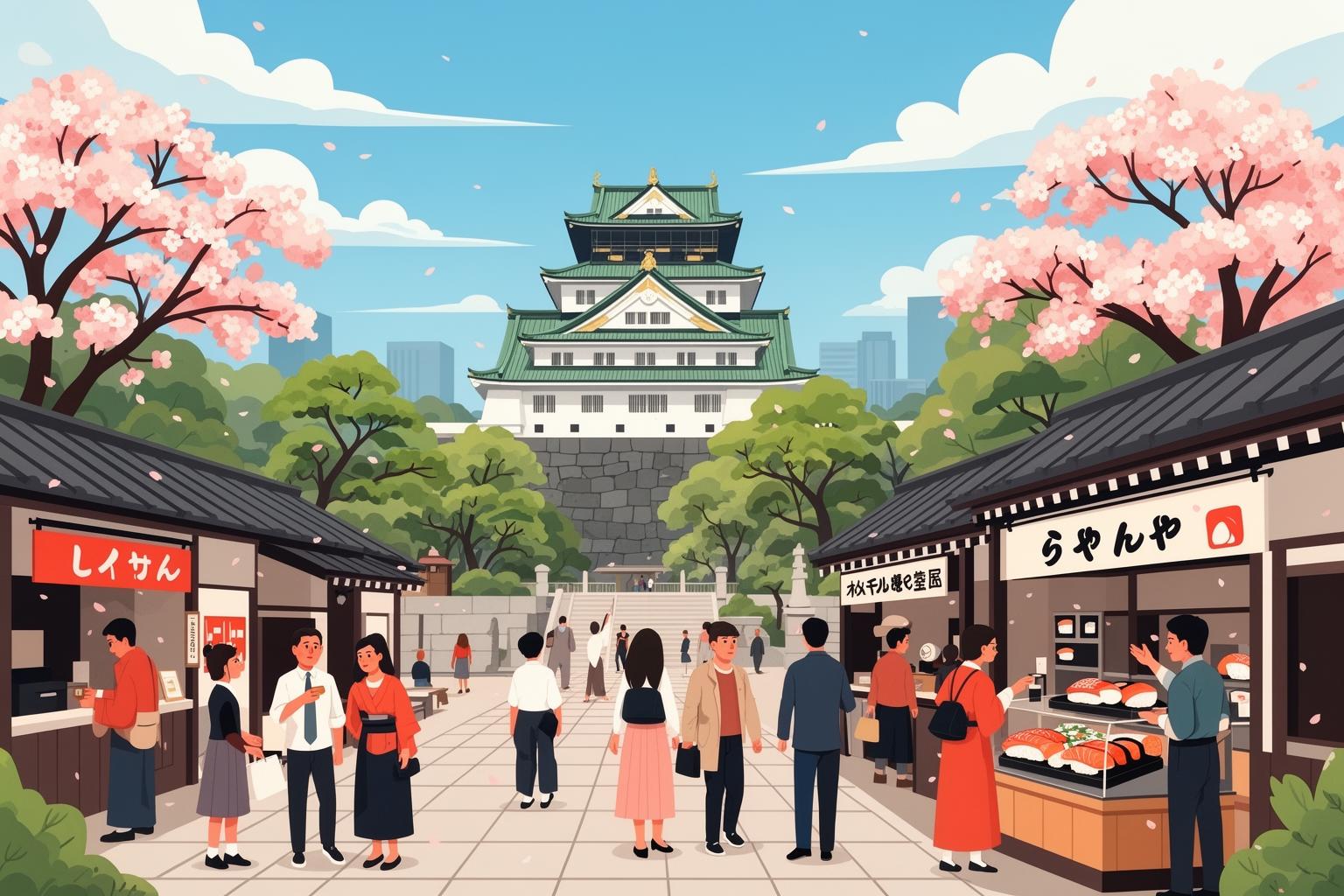
Finding your ideal sushi meal near Osaka Castle means selecting the right type of establishment to match the experience you desire. The city provides a broad range of options, each with its own distinct ambiance, price range, and set of subtle customs. Grasping these differences is essential for a fulfilling and enjoyable culinary journey.
The Omakase Experience: A Master’s Symphony
At the pinnacle of the sushi world lies the omakase experience. The term translates to “I’ll leave it up to you,” meaning you entrust your entire meal to the skilled hands and impeccable judgment of the itamae, or sushi master. These spots are usually small and intimate, often seating only a few guests at a pristine wooden counter. There is no menu. The meal is a seasonal symphony—an arrangement of small plates and individual nigiri presented one at a time, each showcasing the best ingredients available that day. The chef carefully balances flavors, textures, and temperatures, creating a narrative arc that flows from delicate white fish to richer, more robust selections, ending with a comforting close.
An omakase dinner is a performance. You watch the chef’s hands move with fluid, practiced grace—slicing fish with a razor-sharp knife, forming the small bed of rice (shari) with gentle precision, and brushing on a subtle touch of seasoned soy sauce or a hint of yuzu zest. Each piece is served directly before you, on a ceramic plate or polished stone slab, meant to be eaten immediately to enjoy its perfect temperature and texture. This experience is contemplative and reverent. It’s also the priciest option, with reservations often required months in advance. It’s a special occasion meal, a deep dive into the art of sushi that will linger in your memory.
Casual & Authentic: The Neighborhood Sushi-ya
Most sushi restaurants in Japan fall into this category. The neighborhood sushi-ya forms the backbone of the local food scene, where residents come for consistently excellent meals without the formality or cost of an omakase restaurant. The atmosphere is relaxed and friendly. You might hear warm greetings from regulars, family chatter, and light conversation between customers and the chef behind the counter. Seating usually includes a counter for close-up viewing of the preparation, as well as tables for groups.
Here, you typically order à la carte, either by marking your selections on a paper menu or simply telling the chef what you want. Many also offer set menus, or moriawase, which provide good value and a great way to sample various fish without the pressure to choose precisely. Quality is often exceptional, as these establishments rely on repeat business from discerning locals. A good neighborhood sushi-ya is a true gem. Look for clean, bright places bustling with Japanese customers. Don’t hesitate—even with a language barrier, pointing at the fish in the refrigerated display and smiling will earn you a delicious meal and a warm welcome.
Kaiten-zushi Revolution: Fun, Fast, and Fresh
Conveyor belt sushi, or kaiten-zushi, has sometimes been seen as cheap and low-quality, but in modern Japan, this is far from the truth. The industry has transformed, with many chains and independent shops now offering incredibly fresh, high-quality sushi in a fun, accessible, and tech-savvy environment. For visitors, especially families or sushi novices, it’s a fantastic, approachable introduction.
The concept is straightforward: small plates of sushi circulate around the restaurant on a conveyor belt, and you pick up whatever appeals. Plates are color-coded by price, and your total is tallied by counting the empty plates at the end. The real innovation is in ordering. Most modern kaiten-zushi places feature multilingual touchscreen tablets at every seat, allowing you to browse the full menu— including cooked dishes, soups, and desserts—and order specific items freshly prepared. Your order is delivered straight to your seat, often via a miniature bullet train or a fast lane on the belt, adding a playful element to the meal. This system removes language barriers and guarantees you get exactly what you want, made to order. It’s quick, affordable, and an enjoyable way to sample a wide range of sushi without any pressure.
Navigating the Neighborhoods: Where to Point Your Compass
With knowledge of the types of experiences available, you can now focus your search on the specific neighborhoods around Osaka Castle, each offering its own unique character and atmosphere.
Kyobashi: The Energetic Hub
Step off the train at Kyobashi Station, and you’re immediately immersed in the lively core of a traditional Osaka entertainment district. The covered shotengai here are a sensory delight. The air is filled with vendors shouting, the aroma of takoyaki sizzling on griddles, and the glow of countless neon signs reflecting on polished floors. Finding sushi here is an adventure itself. You can discover excellent tachigui, or standing sushi bars, tucked into narrow storefronts, where you can enjoy a few pieces of high-quality nigiri and a beer at a surprisingly low cost. These spots are fast-paced and efficient, popular with commuters heading home. Further into the arcades, you’ll encounter more established restaurants, some serving the community for decades. Kyobashi is ideal for an impromptu, high-energy sushi crawl, hopping from one place to another and sampling local flavors in a truly dynamic setting. It’s less about quiet reflection and more about savoring delicious food as part of the city’s exhilarating pulse.
Tenmabashi & OBP (Osaka Business Park): Riverside Sophistication
For a more tranquil and refined dining experience, the area around Tenmabashi Station and the nearby Osaka Business Park is the place to go. Walk along the Okawa River, and you’ll find hotel restaurants and stylish dining spots located on the upper floors of gleaming office buildings. Sushi restaurants here tend to be upscale, emphasizing a polished and memorable evening. Many have private rooms or counter seats offering panoramic views of the illuminated Osaka Castle and the city skyline. This area is perfect for booking a special omakase dinner or enjoying a carefully prepared sushi set in an elegant, calm atmosphere. Its proximity to the river also makes it an excellent choice after an evening sightseeing cruise, allowing a smooth transition from the beauty of the water to the delight of a perfectly crafted meal. This neighborhood invites you to dress up a bit and truly savor the moment.
Morinomiya & Tamatsukuri: The Local’s Retreat
If you want to escape the tourist path and find a place that feels genuinely authentic, head to the residential neighborhoods of Morinomiya and Tamatsukuri. These areas, bordering the southern edge of the castle park, provide a glimpse into everyday life in Osaka. Searching for sushi here is like a treasure hunt. The best spots often hide on quiet side streets, marked only by a simple noren curtain over the door and a softly glowing lantern. Inside, you’ll find cozy spaces, often run by an older couple who know their regular customers by name. Menus might be exclusively in Japanese, but the warmth of the welcome transcends language. Here, you may discover an extraordinary piece of hakozushi made from a family recipe or have a chef proudly present a rare local fish at the peak of its season. Dining in Morinomiya or Tamatsukuri is about more than just the food; it’s about connection, community, and the quiet pride in craftsmanship that defines the best of Japanese cuisine.
The Art of Eating: A First-Timer’s Guide to Sushi Etiquette

Entering a traditional sushi restaurant in Japan for the first time can feel somewhat intimidating, but the basic etiquette rules are straightforward and designed to enhance your dining experience. Following them shows respect for both the chef and the cuisine.
The Soy Sauce Dip
This is the most frequent mistake made by first-timers. When dipping nigiri sushi into soy sauce (shoyu), you should lightly dip the fish side, not the rice side. There are two reasons for this. First, the rice can absorb too much soy sauce, which overwhelms the delicate flavor of the fish and may cause the rice to fall apart. Second, the chef has already seasoned the rice to what they consider the perfect balance. A gentle touch of soy sauce on the fish is sufficient to complement it. For pieces that already come with a sauce or glaze, such as unagi, no soy sauce is necessary.
Wasabi & Gari
Think of wasabi and pickled ginger (gari) as supporting elements, not the main focus. The chef typically places a small amount of wasabi between the fish and rice on each piece of nigiri. If you want more, you can add a tiny bit to the fish before dipping it in soy sauce, but never mix wasabi directly into the soy sauce dish to make a slurry, as this is considered unsophisticated. Pickled ginger (gari) is not a sushi topping; its purpose is to cleanse your palate between different pieces of sushi, helping you fully appreciate the distinct flavors of each.
Hands or Chopsticks?
For nigiri sushi, eating with your clean hands is perfectly acceptable—and preferred by many purists—as it gives you better control and helps prevent the fish from separating from the rice. Use your thumb, index, and middle fingers to gently pick up the piece, invert it, and dip the fish side into the soy sauce. Using chopsticks is also perfectly fine. For sashimi (raw fish slices without rice) and rolled sushi, chopsticks are the standard utensil.
Ordering with Confidence
If dining at a restaurant with an à la carte menu, don’t hesitate to start with familiar favorites like maguro (tuna), sake (salmon), or ebi (shrimp). From there, you can explore further. Ordering a moriawase (chef’s selection platter) is always a safe and exciting choice. It is also good practice to eat sushi in a particular order, beginning with lighter, white-fleshed fish (shiromi) such as sea bream (tai) or flounder (hirame), progressing to richer fish like tuna, and finishing with stronger-flavored items like mackerel (saba) or sea urchin (uni). This sequence allows your palate to savor the subtle nuances of each piece without being overwhelmed.
The Final Piece
In many traditional sushi restaurants, it is customary to end your savory meal with a piece of tamagoyaki, a sweet, rolled Japanese omelet. It’s served either on its own or as nigiri. The quality of a restaurant’s tamagoyaki is often viewed as a benchmark of the chef’s overall skill, reflecting their ability to handle even the most basic ingredients with finesse and care. It offers a slightly sweet, comforting end to the meal before you move on to green tea or dessert.
A Perfect Day: Combining Castle Views with Culinary Highs
To truly maximize your time, incorporate your sushi adventure into a carefully planned itinerary that blends Osaka’s rich history with its vibrant food culture.
Morning Exploration & Lunch: Arrive early at Osaka Castle Park, right when it opens, to enjoy the grounds bathed in soft morning light and avoid the heaviest crowds. Take your time wandering through Nishinomaru Garden, with its charming teahouse and stunning views of the castle keep. Climb to the top of the main tower for an impressive 360-degree panorama of the city. After immersing yourself in history, take a leisurely 15-minute walk south to the Morinomiya area. Discover a small, unpretentious sushi-ya and savor a delicious, affordable lunch set alongside locals on their break. It’s a perfect, laid-back way to recharge and experience the city’s authentic rhythm.
Afternoon Culture & Omakase Dinner: Spend your afternoon exploring the region’s history further at the excellent Osaka Museum of History, situated just outside the castle park’s southwest corner. As evening falls, watch the castle’s dramatic illumination brighten against the darkening sky. Then, take a short taxi ride or a pleasant walk to the Tenmabashi neighborhood for a world-class omakase dinner you smartly reserved weeks ahead. Allow the master chef to lead you through a sublime culinary journey, with each piece of sushi reflecting the season and skill. It’s a refined and unforgettable conclusion to a day rich in cultural immersion.
Evening Buzz & Casual Bites: For a more lively experience, plan your castle visit for late afternoon. As the sun sets, head to the castle’s boat pier and enjoy a scenic Aqua-Liner cruise along the Okawa River, watching the city’s lights begin to sparkle. Disembark near Osaka Business Park and cross the bridge into the vibrant energy of Kyobashi. Explore the bustling shopping arcades and drop into a popular kaiten-zushi restaurant. Have fun picking plates off the conveyor belt, ordering favorites via the touchscreen, and soaking up the cheerful, lively chaos. It’s a fun, delicious, and truly Osakan way to spend the evening.
Secrets from a Tour Planner: Pro Tips for a Flawless Experience

As a professional journey planner, I’ve discovered that a bit of insider knowledge can elevate a good trip into an unforgettable experience. Here are some tips to help make your sushi adventure near Osaka Castle smooth and stress-free.
Reservations Are Essential: I can’t emphasize this enough. For mid-range to high-end sushi restaurants, especially at dinner, booking ahead is more than recommended—it’s often necessary. Popular spots may be fully booked weeks or even months in advance. Take advantage of your hotel’s concierge service, as they often secure reservations that might be challenging for those who don’t speak Japanese. Online platforms like TableCheck or Omakase are also increasingly useful for international travelers.
Cash Still Reigns: While Japan is gradually adopting credit cards, many smaller, family-run, and independent eateries—often the most authentic and charming—remain cash-only. Always carry enough Japanese yen to avoid awkward moments when paying.
Lunch Sets Offer Great Value: To enjoy the quality of an upscale sushi restaurant without the high dinner cost, look for lunch specials. Many renowned places serve teishoku (set meals) or exclusive lunch-only sushi platters that offer excellent value. This is the perfect way to taste top-tier sushi craftsmanship on a budget.
Don’t Worry About Language Barriers: The hospitality of Osakans, known as omotenashi, is famous. Even if you don’t speak Japanese, a friendly smile, a respectful bow, and a genuine willingness to try will be well received. Use translation apps, and don’t hesitate to point at what catches your eye. Most chefs and staff appreciate the effort and will gladly assist you.
Follow the Line: In Japan, a queue of locals waiting outside a restaurant is one of the best signs of quality and value. If you see a line and have the time, it’s almost always worth the wait. This real-time waiting list rarely leads you astray.
A Taste to Remember
The journey from the imposing, stone-clad base of Osaka Castle to a quiet spot at a sushi counter is shorter than you might expect. Both are cornerstones of Japanese culture, embodying a profound respect for history, a commitment to craftsmanship, and an unwavering pursuit of perfection. Searching for your ideal sushi meal in the castle’s shadow is more than just a quest for food—it’s an invitation to discover the city’s lively neighborhoods, connect with its friendly people, and savor a culinary art perfected over centuries. Whether you are enchanted by the performance of an omakase chef, intrigued by the novelty of bullet train deliveries at a kaiten-zushi restaurant, or comforted by the warmth of a family-run establishment, the experience will become a lasting part of your Osaka tale. So proceed with curiosity, an open heart, and a hearty appetite. The perfect bite awaits.