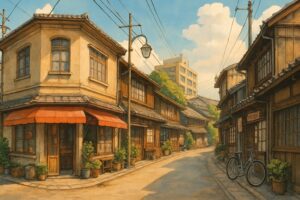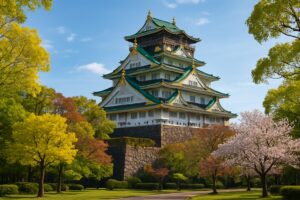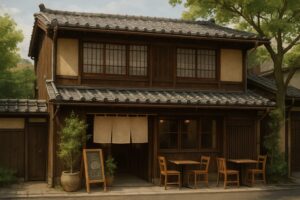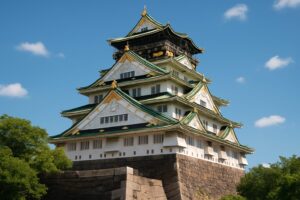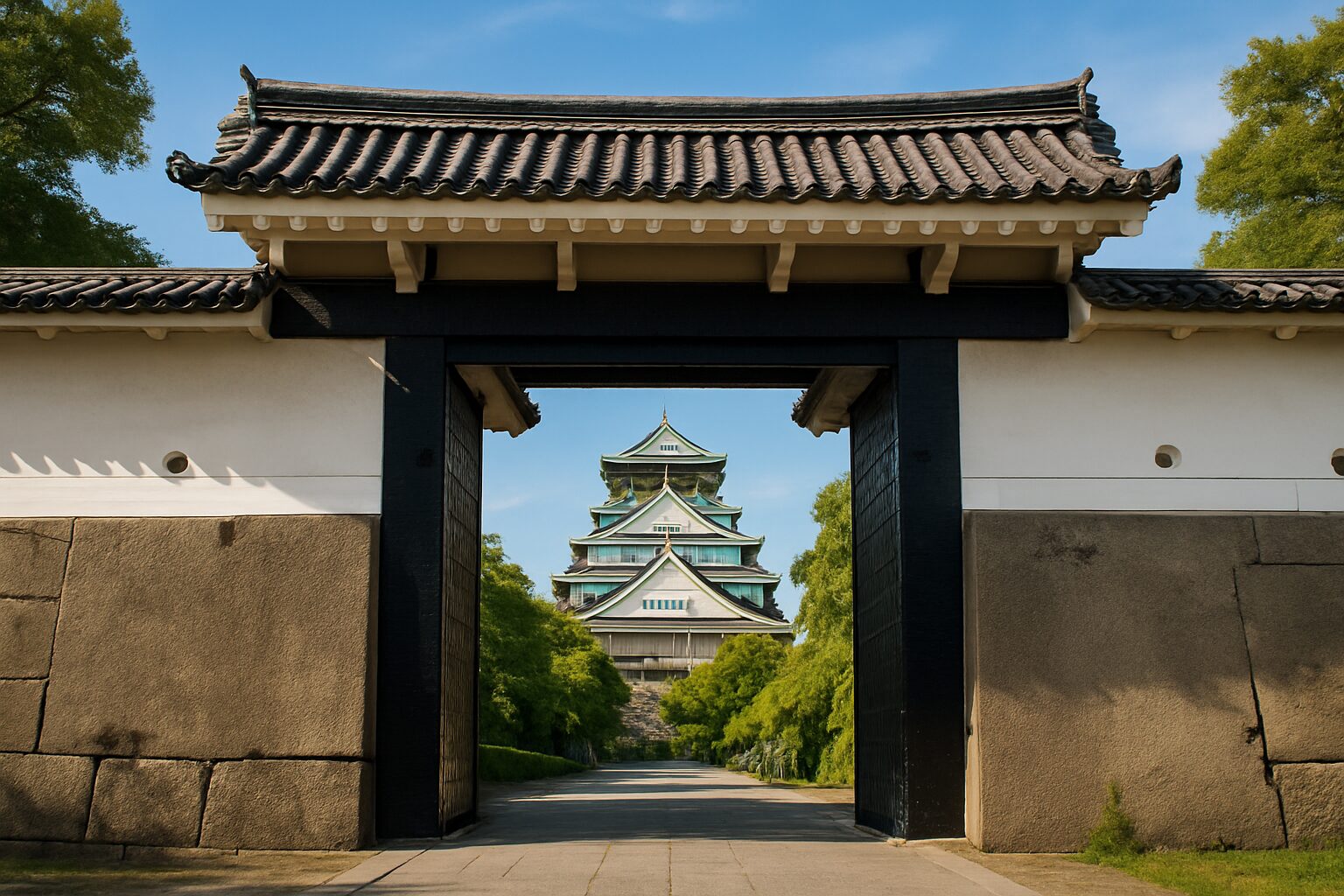
Step off the train at Morinomiya or Osakajokoen, and the first thing that hits you isn’t a sound, but a feeling. It’s the sheer, breathtaking scale of space. In a country where every inch is meticulously utilized, the sprawling grounds of Osaka Castle Park feel like a deep, green exhale. The air shifts. The city’s relentless hum softens to a distant murmur, replaced by the crunch of gravel underfoot, the rustle of thousand-year-old camphor trees, and the faint, triumphant echo of history. At the center of it all, rising like a titan from a sea of jade, is the castle keep, the Tenshukaku. Its white plaster walls gleam, its ornate golden fish dance on the rooftops, a proud, unblinking sentinel watching over the city it defines. This is the Osaka of postcards, the symbol of power, unification, and resilience—a fortress that has been burned, rebuilt, and reborn through centuries of turmoil. But to truly understand this place, to feel its pulse, you must look beyond the stone moats and gilded towers. The true, living soul of Osaka beats in the small shops, the bustling stalls, and the warm, open faces of the people who call this castle’s shadow their home. And the key to unlocking that soul, to turning a simple transaction into a genuine connection, is a language as rich and flavorful as the city’s famed cuisine: Osakaben. This isn’t just a dialect; it’s a rhythm, a performance, a direct line into the warm, mercantile heart of Japan’s second city. This guide is your invitation to learn the steps, to speak the rhythm, and to find the real Osaka waiting for you just beyond the castle gates.
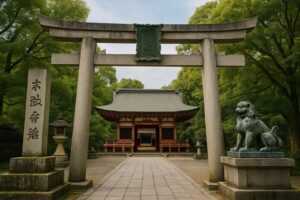
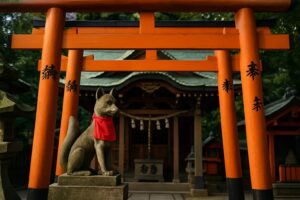
Before you begin your linguistic journey, consider visiting the nearby Hokoku Shrine to share your wishes for success.
The Echoes of a Merchant City: Why Osakaben Rings Different
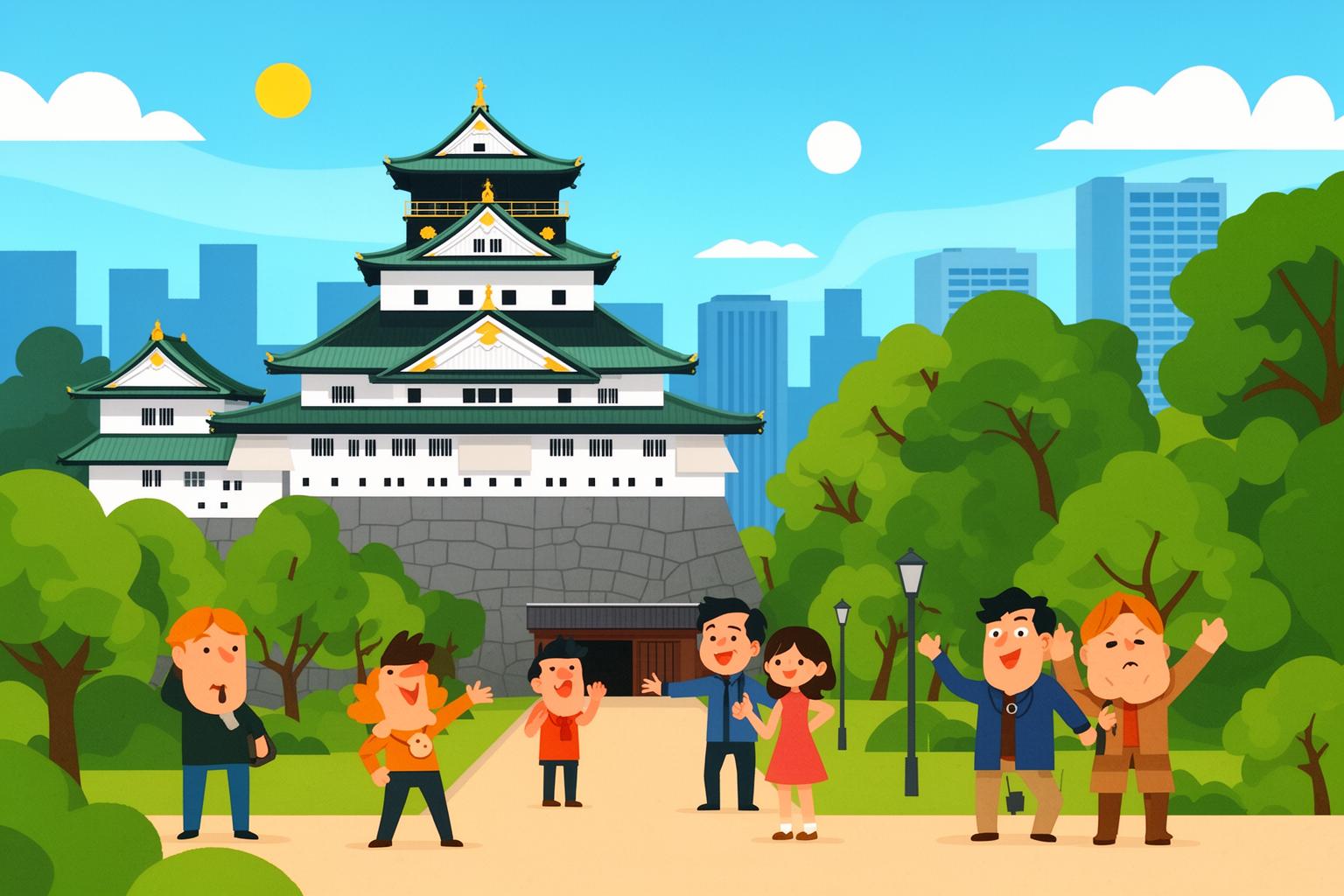
To truly grasp the melody of Osakaben, you must first understand the stage on which it was born. Long before Tokyo rose as Japan’s political center, Osaka thrived as its vibrant, chaotic, and unapologetically commercial heart. During the Edo period, it was known as Tenka no Daidokoro, the Nation’s Kitchen. Rice, sake, textiles, and treasures from all corners of the archipelago flowed into its ports and were traded in its famed markets, such as the Dojima Rice Exchange, the world’s first futures market. This was not a city of stoic samurai and rigid courtly customs; it was built by merchants, artisans, and entertainers whose survival and success depended not on poetry or posturing, but on quick wit, sharp negotiation, and the ability to build trust and rapport instantly. Their language evolved in tune with this reality. Standard Japanese, or Hyojungo, the dialect of Tokyo, carries the refined, often indirect tone of the administrative class. It is precise, polite, and designed to maintain a respectful distance. Osakaben, by contrast, is the sound of the marketplace. It’s a language that bridges gaps—direct, expressive, efficient, and wonderfully, contagiously human. Think of it as the difference between a carefully composed formal letter and a heartfelt conversation shouted over a bustling counter. One conveys information; the other forges connection. The phrases tend to be shorter, the intonation more melodic and varied, and the vocabulary sprinkled with words that prioritize feeling and shared experience over sterile politeness. When you hear the rhythmic cadence of a shopkeeper near Osaka Castle, you are not just hearing a regional accent; you are hearing the living echo of centuries of commerce—the clatter of the abacus, the good-natured banter of rival vendors, and the fundamental belief that business is, at its core, a relationship between people. That is why learning a few key phrases is so powerful. You are not merely mimicking locals; you are showing understanding and respect for the city’s deep-rooted cultural DNA. You step beyond the role of a passive tourist to become an active participant in the daily performance of Osakan life.
First Impressions: Greeting the Guardians of the Stalls
Your journey into the world of Osakaben begins the moment you step into a shop. The first thirty seconds of any interaction set the entire tone, and in Osaka, the right greeting acts as a bridge made of sound, transforming you from a faceless customer into a welcomed guest. For a moment, forget what you might have learned from a typical textbook; the local rhythm demands a different kind of opening.
Beyond ‘Konnichiwa’: The Osakan Welcome
Upon entering a small souvenir shop or a takoyaki stand, the first word you’ll likely hear, delivered with a hearty, rising intonation, is `Maido!`. It flows naturally, a greeting and a thank you combined. Literally, it means something like “every time” or “always,” a shortened form of maido arigatou gozaimasu, which translates to “thank you for your continued patronage.” But its meaning runs deeper. It signals acknowledgement and implies a relationship, even if one has not yet been established. The shopkeeper is not merely saying “hello”; they’re saying, “Welcome back, valued friend, even if this is your first visit.” It’s an immediate expression of warmth and hospitality—an Osakan verbal handshake. So how should you respond? A simple warm smile and a slight nod will do perfectly well. You’re acknowledging their welcome. If you’re feeling bold, you might quietly respond with `Maido` yourself, though it’s usually reserved for the seller. A phrase more useful to keep in your repertoire is `Oki ni!`, the quintessential Osakan way of saying “thank you.” While `Arigatou` is widely understood, `Oki ni` feels softer, warmer, and more intimate. It carries the weight of generations of gratitude exchanged over market stalls. Using `Oki ni` signals to the shopkeeper that you’ve made an effort to embrace their way of speaking. It’s a small word that expresses great respect for their culture. Picture the scene: you enter a shop, the owner beams and calls out `Maido!`. You meet their gaze, smile, and as you begin to examine the carefully arranged goods, you say a simple `Oki ni`. In that brief moment, a connection is formed. You are no longer just another tourist; you’re someone who’s engaging with them on their own terms.
The Rhythmic Dance of Entry: Setting a Friendly Tone
In many Western cultures, it’s common to browse silently, keeping to oneself until a decision is made. In the intimate world of an Osakan shop, however, initiating a small, polite interaction before touching anything can make all the difference. The phrase `Chotto misete moratte ii?` is your key. It translates to, “Is it alright if I take a look?” The standard Japanese equivalent is usually `Chotto mite mo ii desu ka?`, which is perfectly polite. Yet the Osakan version carries a subtle but important difference in nuance. The `misete moratte` part literally means “to receive the favor of you showing me,” framing your browsing not as a right but as a small favor you ask from the shopkeeper. This slight shift in tone is incredibly powerful. It expresses humility and respect for their space and goods. It’s a gentle invitation, offering them the choice to engage if they wish. It’s the difference between walking into someone’s home and simply looking around, versus saying, “What a lovely home; would you mind if I took a look?” Paired with a friendly smile and perhaps a slight bow, this phrase signals that you are a considerate and engaged visitor. The reply will almost always be a welcoming `Hai, douzo!`, inviting you to browse at your leisure. But you’ve done more than simply receive permission; you’ve started a dialogue. You’ve set the stage for a warm, human-to-human interaction instead of a cold, silent transaction. This is the first step in the rhythmic dance of Osakan commerce.
The Art of the Ask: Navigating the Treasures of the Shop
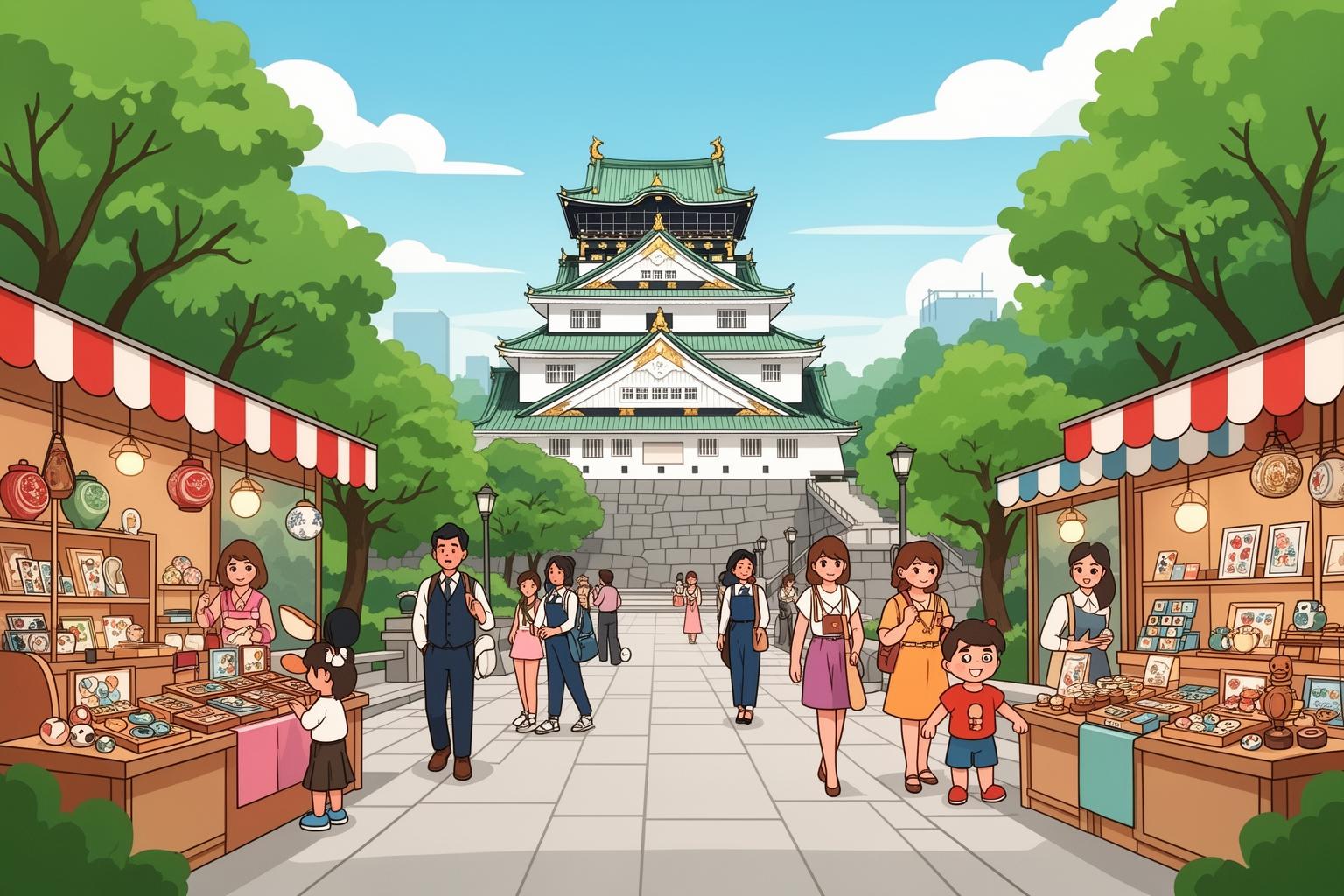
Once you’ve set a warm and welcoming tone, the real enjoyment begins. You notice something that catches your eye—a finely crafted fan, a quirky blowfish-shaped keychain, or a box of sweets unique to the Kansai region. Now is the moment to dive deeper, ask questions, and show your appreciation using the local dialect. This is where Osakaben truly shines, with its expressive and wonderfully efficient phrases perfectly suited to the lively atmosphere of a shop.
“How Much is This Symphony?”: Inquiring about Price with Local Flair
The most basic question in any shopping experience, of course, is the price. The standard Japanese phrase is `Kore wa ikura desu ka?`, which is formal, correct, and gets you the information you need. But in Osaka, there’s a word rich with local flavor: `Nanbo?`. The phrase `Kore, nanbo?` is the Osakan way to ask, “How much is this?” It’s softer, more casual, and instantly marks you as someone in the know. The word `nanbo` feels less like a clinical inquiry and more like a friendly chat between neighbors. Imagine holding a small, intricately painted Daruma doll, catching the shopkeeper’s eye, raising the doll with a questioning smile, and asking, `Sumimasen, kore nanbo?`. The effect is immediate. It lowers the formal barrier between customer and clerk. The shopkeeper will likely respond with a smile, telling you the price in a friendly tone. It’s a small switch—from `ikura` to `nanbo`—but it transforms the whole dynamic of the conversation. After they tell you the price, a great follow-up is `Hee, sou nan ya!`. This multi-purpose exclamation roughly means, “Oh, really!” or “Is that so!” It’s not an expression of shock or disbelief, but one of engaged interest. It shows you’re listening and processing the information, keeping the conversation flowing. This small acknowledgment is a crucial part of the rhythm, turning a simple price check into a pleasant micro-conversation.
Expressing Delight: “This is a Real Gem!”
When you find something you truly love, expressing that admiration is a powerful way to connect with the shopkeeper. After all, their goods reflect their own taste and curation. The phrase you want is `Meccha ee yan!`. This is Osakaben gold, and it’s an absolute joy to say. Let’s break it down. `Meccha` is a very common Kansai adverb meaning “very” or “super.” It’s more emphatic and casual than the standard `totemo`. `Ee` is the Osakan pronunciation of `ii`, meaning “good.” And `yan` is a classic sentence-ending particle that’s hard to translate directly. It adds emphasis, seeks agreement, and creates a sense of shared feeling, similar to saying “…isn’t it!” in English. So, `Meccha ee yan!` is a powerful burst of positivity meaning something like, “This is super awesome, isn’t it!” Using this phrase when you find an item you adore is like giving a direct compliment to the shop owner. It tells them their product is not just good but genuinely impressed you. For a slightly different tone, you can use `Honma ni ee na`. `Honma` is another core Osakaben word, meaning “really” or “truly,” replacing the standard `hontou ni`. The `na` at the end serves a similar role to `yan`, creating a sense of shared wonder. `Honma ni ee na` feels a bit more contemplative, as if you’re quietly admiring the craftsmanship. Whether you choose the energetic `Meccha ee yan!` or the appreciative `Honma ni ee na`, you are communicating on an emotional level, sharing your delight and validating the shopkeeper’s work. This creates a strong bond that goes beyond the simple act of buying and selling.
When You’re Just Browsing: The Graceful Exit
There will, of course, be times when you browse a shop and decide not to buy anything. This can sometimes feel awkward, especially in a small store where the owner has been attentive. In Osaka, there’s a beautifully graceful way to handle this situation that leaves a positive impression and keeps the door open for a future visit. The phrase is `Oki ni, mata kimasu wa`. Let’s dissect this elegant parting line. `Oki ni` is a familiar Osakan way of saying “thank you” warmly. It acknowledges their time and hospitality. `Mata kimasu` means “I’ll come again.” And the final particle, `wa`, often used softly and more feminine in Kansai, adds a gentle, friendly touch. Altogether, it means, “Thanks so much, I’ll be back again.” This is far more polite and connecting than simply leaving in silence. It communicates that you appreciated the experience of being in their shop and that your decision not to buy isn’t a rejection of their offerings. It’s a gesture of goodwill. It tells the shopkeeper you see their store not just as a one-time stop but as part of the neighborhood you might visit again. It costs nothing to say but leaves a feeling of warmth and respect, the true currency of communication in this merchant city.
The Heartbeat of Commerce: The Playful Art of the Bargain
No conversation about Osakan commerce would be complete without mentioning the famed tradition of haggling. This practice demands a notable level of cultural sensitivity and should be approached playfully, never aggressively. The stereotype of Osakans loving a good bargain stems from the city’s long-standing merchant culture, where negotiation was not merely about price but also about the interaction itself. It’s a game of communication, a dance of wit and charm. Knowing when and how to participate in this dance is a refined skill, but one that can lead to some of the most memorable moments during your visit.
To Haggle or Not to Haggle: Reading the Room
Firstly, it’s important to understand where haggling is appropriate. You should never haggle in department stores, convenience stores, chain shops, or any establishment with clearly marked, fixed prices and a formal checkout counter. Attempting to do so would be seen as rude. The art of bargaining is reserved for certain settings: small, independent, owner-operated shops (especially those selling older items or souvenirs), stalls in traditional shotengai (covered shopping arcades), or flea markets. The area near Osaka Castle, blending modern spots like Jo-Terrace with smaller, older souvenir shops around its edges, offers potential opportunities. The key is to gauge the atmosphere. Is the owner actively engaging with customers? Is the vibe relaxed and conversational? If yes, you might be in the right setting. Remember, the aim isn’t to slash prices dramatically; it’s to partake in a lighthearted exchange and perhaps receive a modest discount—often called a service in Japan—as a gesture of friendly interaction.
The Gentle Probe: “Can You Sweeten the Deal?”
If the moment feels right, the phrase to use is not a demand but a gentle, almost shy request: `Chotto dake makete kureru?`. This phrase is beautifully nuanced. `Chotto dake` means “just a little.” This immediately signals you’re not being unreasonable. `Makete` comes from the verb `makeru`, meaning to discount or lower the price. The final `kureru?` casually asks if someone would do this as a favor. Altogether, it translates roughly to, “Would you do me the favor of giving just a small discount?” Tone is key. This should be accompanied by a big, friendly, almost sheepish smile. It should feel like a polite plea for a small indulgence, not a demand. Often, bundling items is a smart approach. For example, if buying two or three things, you could say, `Mittsu kau kara, chotto dake makete kureru?` (“Since I’m buying three, could you give me a little discount?”). This gives a reason for your request and increases the chance of a positive response. If the seller agrees, they might shave off a hundred yen or add a small extra item. Your reply should be an enthusiastic `Honma ni?! Oki ni!` (“Really?! Thank you so much!”). If they politely decline, often with a smile and a wave, your response still matters: `Wakatta, oki ni!` (“I understand, thanks anyway!”). You graciously accept their decision and proceed with the purchase at the original price. There should be no pressure or disappointment. The true reward isn’t the discount but joining in a playful, centuries-old Osakan tradition—which in itself is priceless.
Beyond the Transaction: Weaving Yourself into the Local Fabric
True communication in Osaka extends beyond the simple mechanics of buying and selling. It involves sharing a moment, acknowledging the surroundings, and embracing the city’s renowned sense of humor. By learning a few phrases unrelated to shopping, you can transform your interactions from mere transactions into memorable cultural exchanges, leaving the shopkeeper smiling and with a good story to tell.
The Universal Icebreaker: Complimenting the Shop
One of the best ways to kick off a conversation positively is by complimenting the business itself. If you enter a shop bustling with customers and lively energy, a great phrase to use is `Erai nigiwatte masunaa!`. In Osakaben, `Erai` often means “very” or “a lot,” while `nigiwatte masu` means “it’s bustling” or “it’s lively.” The `naa` at the end adds a tone of impressed observation. Essentially, you are saying, “Wow, you’re doing really great business here, aren’t you!” This is a strong compliment for a shop owner and shows that you’re paying attention to more than just the products on the shelves. It invites them to share about their day, their business, or the neighborhood. Another slightly different but equally effective phrase is `Ee mise desu ne. Itsumo konna kanji desu ka?`, meaning “It’s a wonderful shop, isn’t it? Is it always this lively?” This phrase combines a compliment with a question, genuinely inviting a response, and can spark a fantastic conversation about local life, going far beyond the price of a souvenir.
Sharing a Laugh: The Soul of Osakan Communication
Osaka is deeply connected with comedy. It’s the birthplace of Manzai, a style of stand-up comedy, and its people are famous for their quick wit and love of laughter. Tapping into this humorous spirit, even as a listener, is key to truly embracing the city’s heart. Listen out for a few classic phrases. One is `Akan!`, which means “no good,” “it’s impossible,” or “oh no!” A shopkeeper might say it if they drop something or when telling a self-deprecating story. Recognizing it and responding with a sympathetic smile shows you’re on their wavelength. Then there’s the holy grail of Osakan expressions: `Nande ya nen!`. This is the ultimate tsukkomi (straight man) retort to a boke (funny man) remark, meaning “Why the heck?!” or “You’ve got to be kidding me!” While using it yourself requires expert timing and confidence, you will definitely hear it. A shopkeeper might joke about a ridiculously high price, waiting for your reaction. Hearing `Nande ya nen!` in conversation is witnessing pure Osakan culture. Finally, listen for the charming verbal tic, `shiran kedo`. It means “I don’t really know for sure, though.” Osakans famously add this to the end of statements, even those delivered with authority, as a way to soften a claim, add humility, and share a subtle wink with the listener. A shopkeeper might give you a detailed history of a particular pottery style, then finish with `…shiran kedo`. If you catch this and smile, you’ve reached a new level of cultural fluency. You’re no longer just a visitor—you’re part of the joke, and in Osaka, that is the highest honor.
Putting It All Together: A Stroll Through the Castle’s Shadow
Let’s picture it now. You step off at Tanimachi Yonchome station and stroll toward the castle, the massive stone walls of the outer moat rising to welcome you. The park buzzes with life. In spring, it’s a soft pink sea of cherry blossoms, with families and couples spread out on blue tarps, sharing food and laughter. In summer, the cicadas hum with electric intensity, and the lush green trees provide a refreshing shelter from the sun. Autumn sets the maple and ginkgo trees ablaze with fiery reds and golds. Winter brings a stark, quiet beauty, as the bare branches form a delicate filigree against the sky. You wander the grounds, marveling at the immense fortress Toyotomi Hideyoshi built to be impregnable. You climb the keep and gaze out over the sprawling metropolis, a city that has risen from the ashes time and again. You feel the weight of history, the tales of shoguns, samurai, and sieges. But now, you’re ready to experience living history. You head to the modern, stylish Jo-Terrace complex or meander down a side street until you discover a small, intriguing shop, perhaps one selling traditional Tenugui hand towels. The door chimes as you step inside. An elderly woman behind the counter looks up from her newspaper and offers a warm, crinkled smile. “Maido!” she says, her voice a comforting melody. You return her smile with a nod. “Chotto misete moratte ii?” you ask, your voice a bit hesitant but clear. “Hai, douzo, yukkuri mite kudasai,” she replies, gesturing around the shop, inviting you to take your time. Your eyes sweep over the vibrant cloths hanging on the walls. One catches your attention—it features a bold, graphic design of the Osaka Castle keep. You take it down carefully. The cotton is soft and textured. “Uwaa, meccha ee yan!” you exclaim, perhaps a little louder than you meant. The woman chuckles, pleased. “Kore, nanbo?” you ask, holding it up. She tells you the price. You decide to buy it, and also one with a pattern of sumo wrestlers for a friend back home. As you bring both to the counter, a surge of confidence rises in you. “Futatsu kau kara,” you begin with a playful grin, “chotto dake makete kureru?” The woman’s eyes sparkle. She laughs heartily, genuinely. She taps a few numbers into her calculator, shakes her head mockingly, and shows you a new total, just a little less than the original. A small victory. As she wraps your towels in crisp paper, you feel genuine gratitude—not for the discount, but for the moment. “Honma ni, oki ni!” you say, bowing your head slightly as you hand over the money. “Oki ni,” she replies, her smile reaching her eyes. As you turn to leave, you offer one final “mata kimasu wa.” You step back into the bright afternoon, the castle looming in the distance. The whole exchange took maybe five minutes, but it wasn’t just a transaction. It was a story, a connection, a perfect Osakan symphony.
Practical Tips for the Linguistic Explorer

Starting this linguistic adventure is thrilling, and a few final tips can help make it smoother. First, keep in mind that listening is just as crucial as speaking. Focus on the musicality of Osakaben—the rise and fall of intonation, the pace of speech, and the way laughter is naturally mixed into conversation. This dialect is experienced as much as it is heard. Absorb the city’s rhythm, and your attempts to speak it will sound more authentic. Second, don’t be afraid of making mistakes. Osakans are famously relaxed, friendly, and patient. They won’t ridicule a flawed accent or incorrect grammar. Instead, they’ll be pleased and impressed by your effort. Simply trying to speak their language shows respect and friendship, and it will be met with warmth and encouragement. The goal isn’t perfection; it’s connection. Lastly, while the shops near the castle provide a good starting point, don’t hesitate to explore further. Take a short train ride to the bustling, energetic shotengai in Kyobashi or Tenjinbashisuji, or immerse yourself in the lively markets around Tsuruhashi. In these truly local spots, you’ll hear Osakaben in its purest, most vibrant form and find countless chances to practice your phrases and experience Osaka’s genuine, unfiltered hospitality.
Visiting Osaka Castle lets you touch the cold, hard stones of history, tracing the outlines of a feudal past filled with epic battles and political intrigue. But Osaka’s story didn’t end with the last shogun’s fall. It’s a story still unfolding every day in the city’s streets, markets, and shops. The castle’s ancient walls tell of the city’s strength, but the warm `Maido!` and sincere `Oki ni!` of a local shopkeeper tell of its soul. By learning these phrases and joining in this rhythmic dance of communication, you’re doing more than just buying a souvenir. You’re creating a memory. You’re reaching across counters and cultures to form a genuine, human connection. You’re discovering that the greatest treasure in the Nation’s Kitchen isn’t something you can buy, but a feeling you can share. So go forth, be bold, speak with a smile, and let the heart of Osaka unfold before you, one friendly phrase at a time.