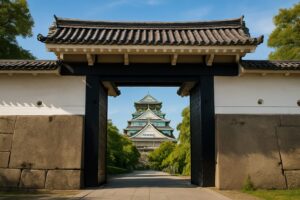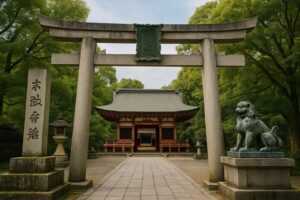
Step off the bustling city street and into a realm where time itself seems to bend. Here, under the watchful gaze of ancient camphor trees and stone-carved foxes, lies Tamatsukuri Inari Shrine, a sanctuary that holds the very soul of Osaka’s history. This isn’t just another shrine; it’s a living chronicle, a place where the myths of gods, the ambitions of shoguns, and the quiet prayers of generations intertwine. Long before the neon glow of Dotonbori ever flickered, this sacred ground was a center of spiritual power and artisanal craft, its roots stretching back an astonishing seventeen centuries. To visit Tamatsukuri Inari is to walk through a gateway to the past, to feel the palpable energy of a city shaped by legendary figures like Toyotomi Hideyoshi, the great unifier who considered this shrine the sacred guardian of his magnificent Osaka Castle. It’s a place of profound tranquility, a verdant oasis where you can connect with the deep, enduring spirit that makes Osaka so much more than a modern metropolis. Prepare to uncover stories etched in stone and whispered on the wind, stories that reveal the heart of a city and its people.
After immersing yourself in this ancient spiritual power, you can continue your exploration of the historic Tamatsukuri district by discovering its Echoes of Edo through a sushi pilgrimage.
Echoes of Creation: The Shrine’s Primordial Origins
To truly understand Tamatsukuri Inari Shrine, you must first travel back to an era steeped in legend, long before Japan became a unified nation. The shrine’s history begins around the 4th century, during the Kofun period, a time marked by the construction of massive keyhole-shaped tombs for the ruling elite. The very name Tamatsukuri provides the first insight into its ancient role, translating to ‘jewel-making’ or ‘bead-making,’ a direct reference to the influential clans that settled this region. These were not simple artisans; the Tamatsukuri-be were masters of their craft, a guild of jewelers who held significant status within the Yamato court. They expertly carved magatama, comma-shaped beads fashioned from precious stones such as jade, agate, and jasper. These beads were far more than ornamental; magatama were powerful symbols of spiritual and political authority, believed to contain the spirits of gods and to be among the three sacred treasures of the Imperial Throne. The area surrounding the shrine served as both their workshop and home, and this sacred site was established to honor their ancestral deities and to pray for skill and protection in their essential work.
The Divine Patronage of Ukanomitama-no-kami
The main deity enshrined here is Ukanomitama-no-kami, a figure of great importance in the Shinto pantheon. Often identified with the better-known name Inari Okami, this deity is the divine spirit of grains, agriculture, food, and prosperity. In an agrarian society, earning the favor of such a god was critical for survival. The successful rice harvest, the cornerstone of life, was seen as a blessing from Ukanomitama-no-kami. As Japan’s economy developed, so too did this deity’s role. From the fields to the marketplace, Inari became the protector of commerce, business success, and overall good fortune. This explains why Inari shrines, with their iconic vermilion torii gates and fox messengers, appear not only in rural villages but also in bustling cities and even atop department stores. Tamatsukuri Inari, as one of the oldest, stands as a powerful testament to this enduring faith. Its founding symbolizes the fusion of two critical elements in ancient society: the spiritual power of gods of sustenance and the tangible influence of master craftsmen who created symbols of imperial authority.
The Legends of Imperial Foundation
Though historical documentation from so early a period is limited, the shrine’s oral traditions and later chronicles paint a rich picture of imperial ties. One notable legend credits its founding to Emperor Suinin, the 11th Emperor of Japan, who is believed to have ruled during the 1st century. It is said he established the shrine to honor the deity of the Tamatsukuri-be artisans who served his court. Another enduring story connects the shrine to the semi-mythical Empress Jingu. Following her legendary military expedition to the Korean peninsula, she reportedly enshrined deities here to safeguard the land and its people, further securing its role as a spiritual stronghold for the region. These origin tales, whether historical fact or symbolic myth, underscore the shrine’s profound link to the heart of Japanese identity and its significance to the ruling elite from the nation’s earliest days. It was never merely a local village shrine but a place of national importance from the very beginning.
The Age of Warlords: A Shogun’s Guardian Spirit
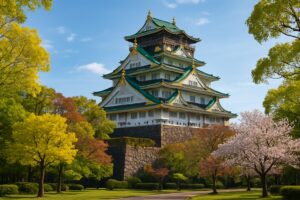
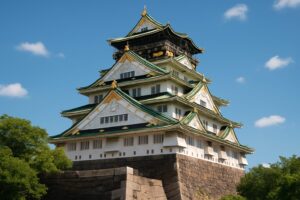
Centuries passed, and as the era of emperors gave way to the age of samurai, the significance of Tamatsukuri Inari Shrine only increased. Its fate became closely tied to the rise of Osaka as a formidable political and military hub. The shrine’s most renowned chapter begins with one of Japan’s most famous and dynamic figures: Toyotomi Hideyoshi. Born a peasant, Hideyoshi ascended through sheer intelligence and determination to become the great unifier of Japan in the late 16th century. He selected Osaka’s strategic location as his seat of power and initiated the construction of a castle unlike any seen before—Osaka Castle, a magnificent and seemingly impregnable fortress that would become the center of his new regime.
Hideyoshi and the White Fox of Victory
Hideyoshi was a man who recognized the significance of both military strength and divine blessing. He appointed the ancient Tamatsukuri Inari Shrine as the guardian deity of the castle’s southwest quadrant, a direction considered spiritually vulnerable. Yet, his connection went beyond mere strategic positioning. A powerful legend recounts Hideyoshi’s devotion to the Inari faith. During his campaigns to unify the nation, it is said that a white fox, the sacred messenger of the god Inari, appeared before him. This divine vision was seen as a potent omen of victory and a sign of the deity’s protection. In gratitude and reverence, Hideyoshi became a devoted patron of Inari shrines, particularly Tamatsukuri Inari. He generously funded its maintenance and expansion, ensuring its prominence. For Hideyoshi, this shrine was not merely a place of worship but a spiritual fortress, its power extending outward to safeguard his castle, clan, and grand vision for Japan. His patronage transformed the shrine, elevating its status and forever linking its identity to Osaka’s golden age.
The Tragic Princess: Senhime’s Devotion
The shrine’s history takes a heartrending turn with the downfall of the Toyotomi clan. After Hideyoshi’s death, Tokugawa Ieyasu seized power, culminating in the legendary Siege of Osaka in 1615. Inside the besieged castle were Hideyoshi’s son and heir, Toyotomi Hideyori, and his wife, Senhime. Senhime’s story is one of Japan’s great tragedies. She was the granddaughter of Tokugawa Ieyasu and a political pawn, married to her cousin Hideyori to secure an alliance that ultimately failed. During the brutal final attack on the castle, as flames engulfed the Toyotomi legacy, Senhime was rescued from the inferno while her husband and his mother perished within. After this traumatic event, Senhime became a devoted follower of Tamatsukuri Inari Shrine. She found comfort within its sacred grounds and prayed for the souls of her lost family. She sponsored reconstructions and made significant donations, channeling her grief and devotion into preserving the shrine deeply revered by her husband’s family. Today, her presence is commemorated by a beautiful and poignant bronze statue within the shrine grounds, depicting her alongside Hideyori. It stands as a powerful reminder of the human tales of love, loss, and faith woven into the fabric of this place.
An Oasis of Tranquility: The Atmosphere and Architecture
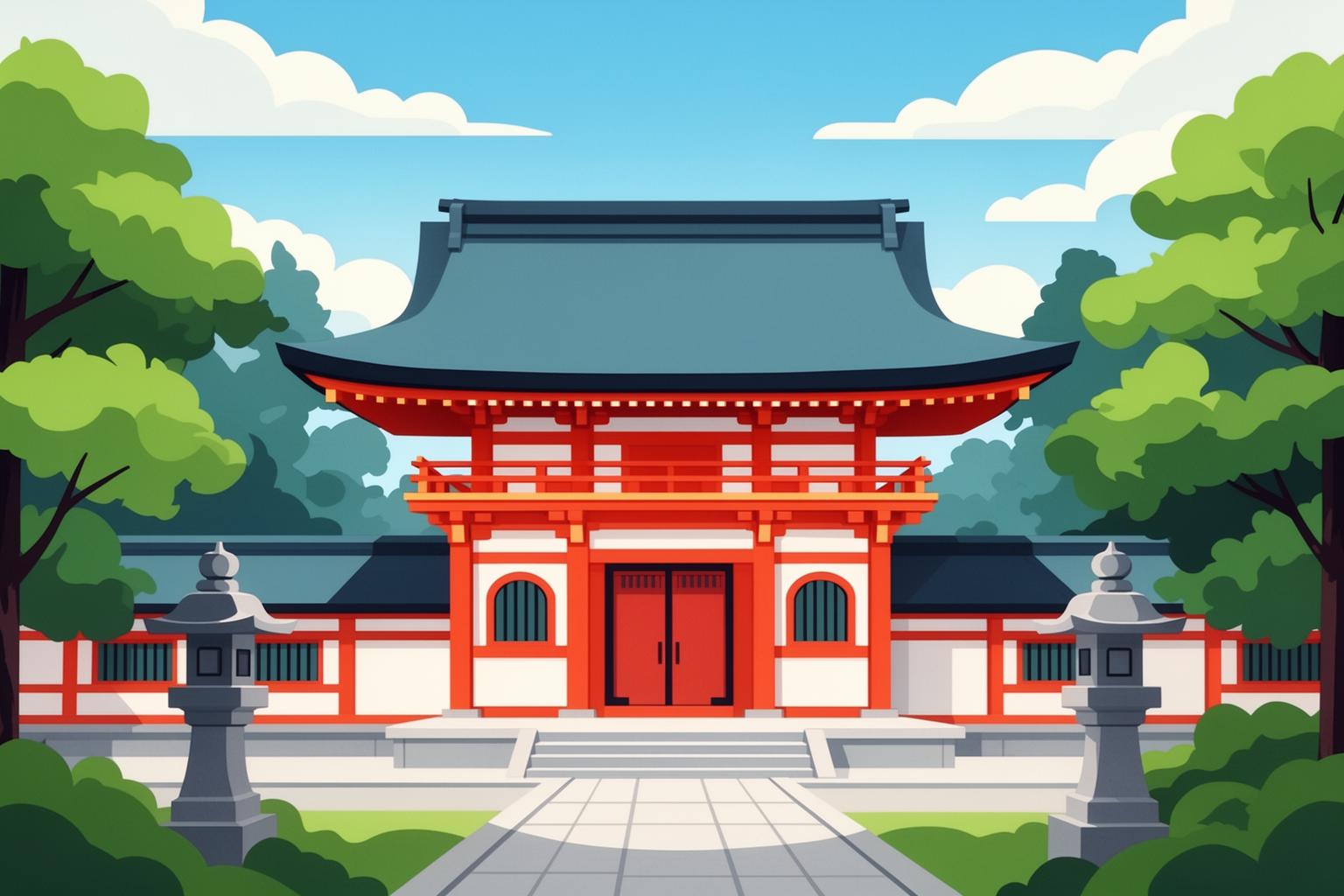
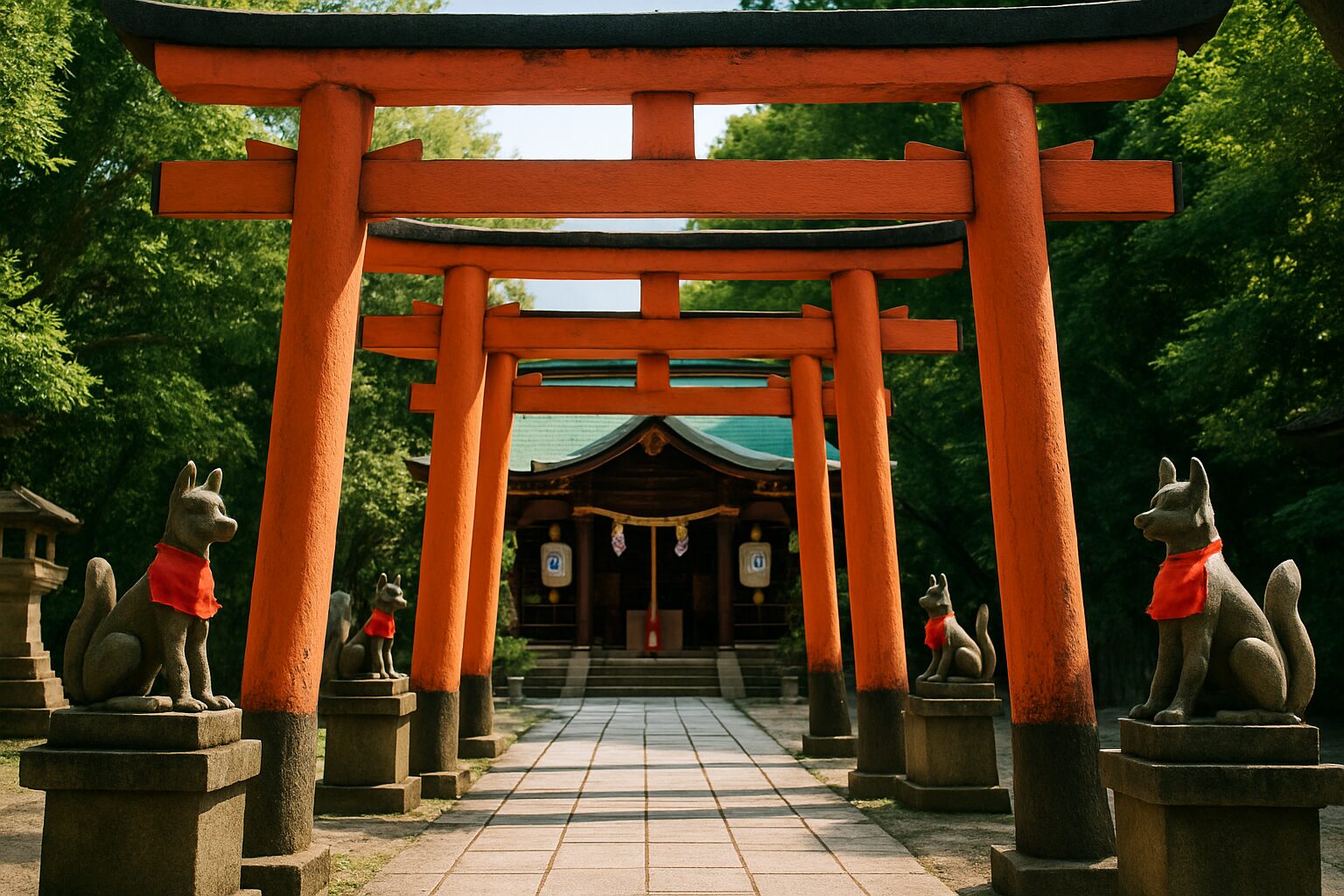
Passing through the grand stone torii gate at the entrance of Tamatsukuri Inari brings a dramatic change in atmosphere. The urban noise of Osaka fades away, replaced by the gentle crunch of gravel beneath your feet and the rustling of leaves from the towering, centuries-old camphor trees, whose thick trunks stand like ancient guardians. The air feels cooler, calmer, and filled with a tangible sense of peace. This is a place that encourages quiet reflection. Though not expansive, the grounds are thoughtfully arranged to create a harmonious and sacred environment. The vivid vermilion of the shrine buildings contrasts strikingly with the lush greenery, forming a scene that is quintessentially Japanese and deeply spiritual.
Exploring the Sacred Structures
The main hall, or haiden, stands as a symbol of resilience. Like many historical buildings in Japan, it has been destroyed by fires and wars—including the Siege of Osaka and World War II—and carefully rebuilt each time by devoted supporters. The current structure, though modern, adheres to traditional design with its elegant, sweeping rooflines and pristine wooden construction. It represents the steadfast faith of the community. Before reaching the haiden, visitors come upon the temizuya, a purification fountain. Here, one performs the ritual of cleansing hands and mouth, a symbolic act to purify body and spirit before approaching the kami, or gods. The procedure is simple and meditative: hold the ladle in your right hand and pour water over your left, switch hands and pour over your right, then pour a little water into your cupped left hand to rinse your mouth, spitting it out quietly beside the basin. This respectful custom helps ease the transition into a mindful state.
The Messengers of the Gods: The Kitsune
One of the most enchanting features of any Inari shrine is the presence of kitsune, or foxes. Throughout Tamatsukuri Inari’s grounds, you will find numerous statues of these graceful creatures. It is a common misunderstanding that Inari is a ‘fox god.’ In reality, the foxes are regarded as divine messengers of Ukanomitama-no-kami. They are powerful, intelligent beings traveling between the human and spiritual worlds. The statues frequently appear in pairs, guarding the entrances to sacred spaces. Look closely and you’ll notice they often hold symbolic items in their mouths or beneath a paw—a key to a celestial granary, a scroll of wisdom, or a sacred jewel (tama), which resonates here especially given the shrine’s name. Their expressions range from calm and wise to fierce and protective. As guardians of the shrine, their vigilant presence enriches the mystical atmosphere of this place.
Discovering the Shrine’s Unique Treasures
While the main hall serves as the spiritual heart of the shrine, the true enchantment of Tamatsukuri Inari is found in exploring its smaller, hidden corners, each holding its own unique story and blessing. A leisurely walk through the grounds uncovers numerous fascinating details that many visitors often overlook.
The Loving Couple: Meoto Kitsune and the Bonds of Matrimony
Nestled within is one of the shrine’s most cherished and distinctive features: the Meoto Kitsune, or ‘Married Couple Foxes.’ This pair of stone statues, representing a husband and wife, presents a rare and endearing sight. They are honored as powerful symbols of matchmaking (enmusubi), marital harmony, and fertility. Visitors come here to pray for assistance in finding a partner, for a long and happy marriage, or for the blessing of children. The affection and partnership they symbolize offer a gentle and heartwarming contrast to the more solemn guardian foxes. Nearby, you’ll often find small, fox-shaped ema (wooden prayer plaques) adorned with heartfelt wishes related to love and family. This stands as a testament to the shrine’s role in the personal and intimate moments of people’s lives.
A Glimpse into the Past: Sub-shrines and Sacred Stones
Throughout the compound are several smaller sub-shrines, each dedicated to different deities and providing distinct blessings. Taking time to visit these enhances the overall experience.
- Manannansha Shrine: This shrine is especially notable as it is dedicated to the ancestral deities of the Tamatsukuri-be, the original jewel-making clans. Praying here offers a connection to the very foundation of the shrine’s history and invites blessings related to skill, creativity, and success in one’s craft or profession.
- Koyasusha Shrine: This shrine honors deities of safe childbirth and healthy child growth. It is frequently visited by expectant mothers and families seeking prayers for an easy delivery and the well-being of their children.
These smaller sanctuaries highlight the multifaceted nature of Shinto, where a diverse pantheon of kami watches over all aspects of life. They make the shrine a comprehensive spiritual resource for the community—a place to turn to for any of life’s challenges or celebrations.
Fortunes and Wishes: Ema and Omikuji
No visit to a shrine is complete without taking part in some of its traditions. At the shrine office, you can purchase ema and omikuji. The ema at Tamatsukuri Inari are especially charming, often decorated with images of the shrine’s signature foxes or symbols related to Toyotomi Hideyoshi. You write your wish or prayer on the back of the wooden plaque and then hang it on a designated rack for the kami to receive it. Reading the hopes and dreams of others—expressed in many different languages—can be a moving experience.
Omikuji are paper fortunes drawn from a box for a small donation. When you unfold the slip of paper, it reveals your fortune, which can range from ‘Excellent Luck’ (dai-kichi) to ‘Bad Luck’ (dai-kyo), along with specific predictions concerning health, love, and business. If you receive a good fortune, you keep it with you. If your fortune is unfavorable, don’t worry—the custom is to tie the paper strip onto a designated tree branch or wire within the shrine grounds. This act is believed to leave the bad luck behind, attached to the sacred tree, allowing the kami to purify it.
A Practical Guide for the Modern Pilgrim
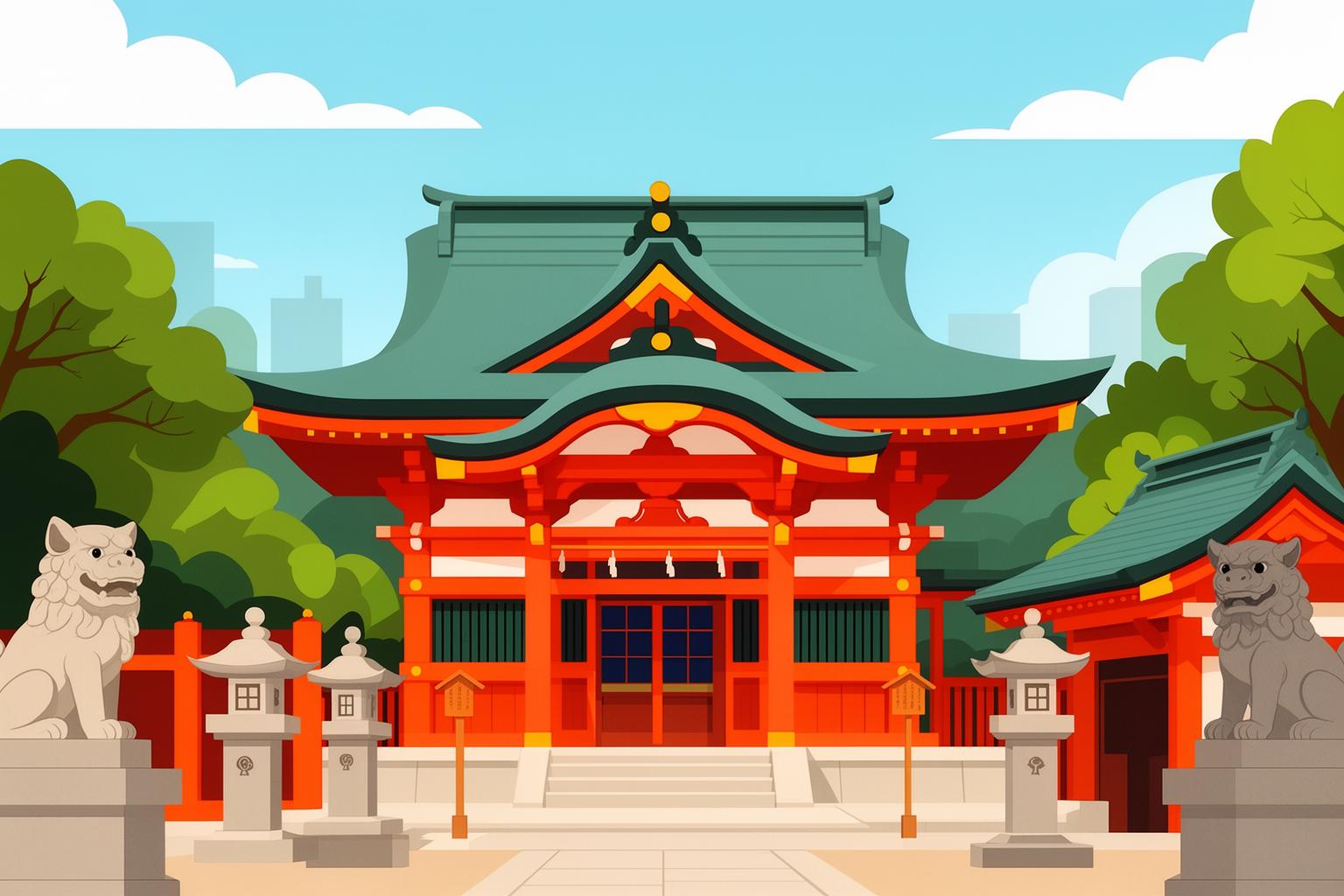
Visiting Tamatsukuri Inari Shrine offers a simple yet fulfilling experience. Its convenient location makes it an easy addition to any Osaka itinerary, providing a peaceful break from the city’s fast-paced energy.
Getting There: Access and Transportation
The shrine is easily reachable through several train lines.
- By JR Train: Ride the JR Osaka Loop Line to Tamatsukuri Station. From there, it’s a pleasant and straightforward 5-minute walk. This route is often the most direct for those with a Japan Rail Pass.
- By Subway: Take the Osaka Metro Nagahori Tsurumi-ryokuchi Line to Tamatsukuri Station. The shrine is just a 2-minute walk from Exit 1.
Its proximity to a major JR loop line station makes it simple to combine a visit with other important sites like Osaka Castle or the temples in the Tennoji area.
When to Visit and What to Expect
The shrine grounds are technically open around the clock, so you can enjoy a quiet stroll at any time. However, the shrine office—where you can buy amulets (omamori), prayer plaques (ema), and receive a calligraphy stamp (goshuin) for your collection—is generally open from 9:00 AM to 5:00 PM. For a truly tranquil and reflective experience, an early morning visit is highly recommended. The gentle morning light filtering through the trees and the stillness before the city fully wakes is enchanting. Visiting on a weekday will also help you avoid crowds typical on weekends and holidays.
Special events bring a different, more lively atmosphere. During New Year’s (Hatsumode), locals flock to the shrine to offer their first prayers of the year. The annual Summer Festival (Natsu Matsuri), held in July, is a vibrant celebration featuring traditional music, food stalls, and a festive ambiance.
First-Time Visitor Tips and Shrine Etiquette
Japanese shrines are welcoming, so there’s no need to feel uncertain. Observing a few simple customs is a thoughtful way to show respect and enrich your visit.
- The Torii Gate: This torii gate symbolizes passing from the secular to the sacred. It’s customary to bow once before entering and to turn around and bow again upon leaving.
- The Main Path: Avoid walking directly in the center of the path leading to the main hall, as this is considered the route for the kami (deities).
- Praying at the Hall: When you reach the haiden, you’ll see an offering box. It’s customary to toss in a coin (a 5-yen coin is considered especially lucky). Then, follow the typical prayer procedure: bow deeply twice, clap your hands twice, say your silent prayer, and bow deeply once more. This “two bows, two claps, one bow” is the standard prayer ritual at Shinto shrines.
- Photography: Photographs are generally allowed on the grounds, but please be courteous and considerate. Avoid photographing people in prayer, refrain from using flash, and do not take pictures inside the main hall.
Beyond the Gates: Exploring the Historic Tamatsukuri Neighborhood
The appeal of visiting Tamatsukuri Inari Shrine goes beyond its sacred grounds. The surrounding neighborhood, one of Osaka’s oldest, is a quiet, predominantly residential area rich in history, offering a captivating contrast to the city’s more famous entertainment quarters.
Following the Legacy of a Samurai Hero: Sanada Yukimura
The Tamatsukuri area holds a strong connection to the closing, intense moments of the samurai era. Just a short stroll from the shrine lies the Sanadayama district, which played a key role in the Siege of Osaka. Here stood the formidable Sanada-maru fortification, skillfully designed and defended by the legendary samurai Sanada Yukimura. Fighting on the Toyotomi side, Yukimura’s strategic brilliance and fierce bravery dealt significant losses to the much larger Tokugawa forces. Although the Toyotomi were eventually defeated, Yukimura’s reputation as one of Japan’s greatest heroes was cemented here. As you walk through the peaceful streets, you can discover several monuments and historical markers honoring him, including the Sanko Shrine, which contains a statue of Yukimura inside a cave said to be a secret tunnel he used to reach Osaka Castle. Exploring this area after visiting Tamatsukuri Inari Shrine adds a rich dimension of samurai history to your experience.
A Historical Walk to Osaka Castle
One of the best ways to explore this area is by planning a walking route. Begin your morning at Tamatsukuri Inari Shrine, then wander through the historic neighborhood en route to Osaka Castle Park. The stroll is enjoyable and takes you past ancient temples, small local shops, and quiet residential streets. As you near the castle, the immense stone walls and deep moats come into view, conveying a remarkable sense of scale and strength. This path invites you to approach the castle not merely as a standalone tourist site but as the historical endpoint of a spiritual pilgrimage starting at its guardian shrine. It’s a journey that links the faith of the shoguns with the power of their fortresses, offering a deeper appreciation for the intertwined history of Osaka.
The Enduring Soul of Osaka
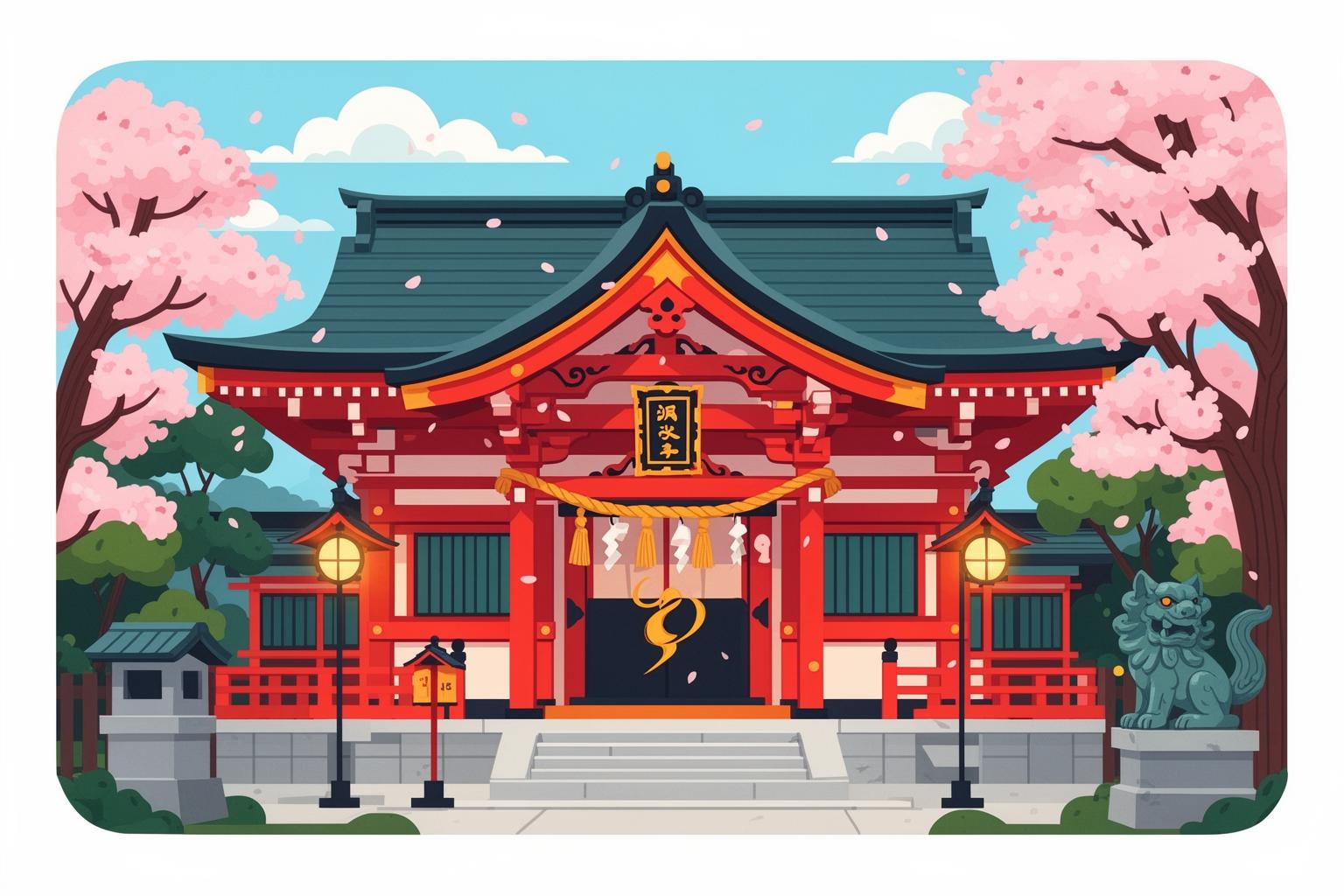
Tamatsukuri Inari Shrine is more than just a collection of beautiful buildings and historical stories. It is a living place of faith, a sanctuary that has quietly safeguarded Osaka for nearly two thousand years. It has witnessed the rise and fall of clans, the ambitions of shoguns, the sorrows of princesses, and the everyday hopes of countless generations. Here, the grand narrative of Japanese history feels close and personal. You can sense the weight of centuries in the shade of the camphor trees and observe the continuity of belief in the fresh flowers placed before a fox statue. A visit provides an opportunity to connect with an authentic and enduring part of Japanese culture, a spiritual anchor in a city that is always evolving yet never forgets its roots. It serves as a reminder that even in the most modern metropolises, the echoes of the past are ever-present, waiting to be heard by those who pause to listen.