In the global shift towards remote work, the search for the ‘third place’—that elusive space between the domestic sphere and the corporate office—has become a defining quest of modern professional life. We seek more than just a table and a reliable Wi-Fi signal; we seek a backdrop, a hum of life, a place that tethers us to our surroundings when our work threatens to send us adrift in a digital sea. For the foreign resident in Osaka, a city powered by a relentless, kinetic energy, this search presents a fascinating paradox. How do you find a quiet corner for focused work in a metropolis famous for its boisterous markets, gregarious merchants, and a dialect that seems to tumble out with an extra dose of vigor? The answer, I’ve found, lies beyond the sterile efficiency of co-working spaces and the anonymous comfort of global coffee chains. It is found in the rich, complex, and deeply human ecosystem of the local neighborhood cafe. But stepping into one with a laptop under your arm is not a simple transaction. It’s an entry into a social contract, a microcosm of Osaka itself, governed by unspoken rules, relational currency, and a unique brand of pragmatic warmth that sets this city apart from its more reserved counterpart, Tokyo. This isn’t just about finding a place to work; it’s about learning how to be in Osaka.
For those who find themselves captivated by this unique local character, exploring the possibility of renting a renovated ‘kominka’ house in Nakazakicho offers a deeper way to connect with Osaka’s historic neighborhoods.
The Unspoken Etiquette of the Osaka Cafe Office
Before you even open your laptop, you first need to learn how to read the room. This skill is perhaps the most crucial for navigating everyday life in Japan and takes on a unique character in Osaka’s commercial and community-focused spaces. The social dynamics in a cafe here differ greatly from those in Tokyo, where efficiency and anonymity often dominate. Recognizing this difference is the initial step toward finding your place.
The Tokyo vs. Osaka Cafe Dynamic
In Tokyo, cafes often feel like quiet, functional extensions of the corporate world. They are frequently designed with the solo worker in mind: rows of counter seats facing a wall, each equipped with its own power outlet, forming individual pods of productivity. The atmosphere is subdued, broken only by the click of keyboards and the hiss of espresso machines. Interaction with staff is minimal and transactional, and lingering is subtly discouraged by a palpable pressure to maintain turnover. You are a customer, a data point in the day’s sales, and your presence is welcomed as long as it is both profitable and unobtrusive. The social contract here is straightforward, clear, and impersonal.
Osaka, however, follows an entirely different logic. The local cafe acts less like a productivity pod and more like an extension of the neighborhood living room. It is a relational, not transactional, space. Community is the primary focus, with coffee and cake serving as social lubricants. This doesn’t mean working is impossible, but you are expected to integrate into the existing social fabric rather than merely occupying a corner of it. The owner—often an oji-san (older man) or oba-chan (older woman) who has run the establishment for decades—is not just a service provider but the gatekeeper and centerpiece of a small community. Your relationship with them shapes your experience far more than the speed of the Wi-Fi.
Reading the Room: The Art of Kuuki wo Yomu in a Cafe Setting
The Japanese concept of kuuki wo yomu, or “reading the air,” is essential. In an Osaka cafe, this means cultivating a sensitive awareness of the day’s rhythm. The hectic lunch rush, typically from noon to 1:30 PM, is absolutely not the time to be camped out with your laptop nursing a single coffee; the space is meant for diners and regulars on their lunch breaks. While a Tokyo barista might silently wish you’d leave promptly to clear the table, an Osaka cafe owner may give you a direct—though gentle—look and ask if you need anything else, a clear but kindly nudge. Ignoring this cue is a serious social mistake.
Conversely, the mid-afternoon lull, from around 2:00 PM to 5:00 PM, is the ideal time for remote work. The lunch crowd has dispersed, and a quiet settles in. But this is no sterile Tokyo silence; it is a comfortable, lived-in quiet. The owner might be watching a baseball game on a small TV in the corner or chatting with another regular at the counter. Here, your presence is noticed. The owner might approach—not to rush you out, but out of genuine curiosity. “What are you working on so intently?” they might ask. This is not an intrusion; it is an invitation. Engaging in a brief, friendly conversation is part of the unspoken agreement. It shows you understand that you are in a shared space, a guest in their commercial home.
The Currency of Loyalty: More Than Just Yen
This brings us to the most important principle: becoming a jouren-san, or a regular. In Osaka’s merchant culture, loyalty functions as a tangible asset. It is a form of social currency built over time, granting privileges that a transient customer never enjoys. Being a jouren-san is about more than just frequency; it’s about conduct.
It means ordering more than the cheapest item on the menu. It means making eye contact and sincerely saying gochisousama deshita (“thank you for the meal”) when you leave. It means the owner begins to remember your usual order, perhaps preparing your coffee just the way you like it without needing to ask. This investment of time and attention pays off. As a recognized regular, your three-hour work session, punctuated by a few orders, is not seen as an imposition but as part of the cafe’s daily rhythm. You are no longer merely occupying a seat; you are contributing to the atmosphere.
This is in stark contrast to the anonymity of large chains, where you could visit daily for a year and remain a stranger. In the local Osaka cafe, your presence is woven into the day’s narrative. This relational approach to commerce lies at the heart of the city’s character. Everything is personal, and building those personal connections is the key to unlocking the city.
Decoding the Cafe Landscape: From Showa-Era Kissaten to Modern Roasters
Not all cafes are the same, and selecting the right kind of spot for your work is essential. Osaka’s cafe culture is a vibrant mosaic, showcasing the city’s history and its changing preferences. Each style of cafe offers a unique ambiance and, importantly, its own set of unwritten etiquette.
The Kissaten: A Living Room Stuck in Time
Entering a traditional kissaten is like stepping back into the past. Many of these establishments, dating from the Showa era (1926-1989), feature dark wooden paneling, aged velvet chairs, ornate siphon coffee makers, and the familiar, nostalgic aroma of roasted coffee and often tobacco. They are remnants of a pre-digital era, serving as such.
The kissaten’s purpose is not to facilitate work. It is a place for escape, conversation, and quiet reflection. The clientele tends to be older; loyal regulars who have visited for decades to read newspapers, smoke, and converse with the owner. Wi-Fi is rare, and power outlets almost nonexistent. Bringing a laptop here misses the point entirely. It’s like taking a business call in a quiet train car—not only rude but disruptive to the carefully maintained atmosphere.
I learned this lesson early in a small kissaten near Tennoji. I found a quiet corner, opened my laptop, thinking I was being unobtrusive. Soon, I felt the gentle yet persistent attention of other patrons and the elderly woman behind the counter. She finally approached, not angry but genuinely puzzled. “Is that a… television?” she asked, pointing at my screen. Our ensuing talk revealed her cafe was a haven for locals seeking refuge from city noise and cramped apartments. My glowing screen was an unwelcome intrusion. It was a strong reminder: a place that serves coffee isn’t automatically a workspace.
The Neighborhood Modern Cafe: The Ideal Blend
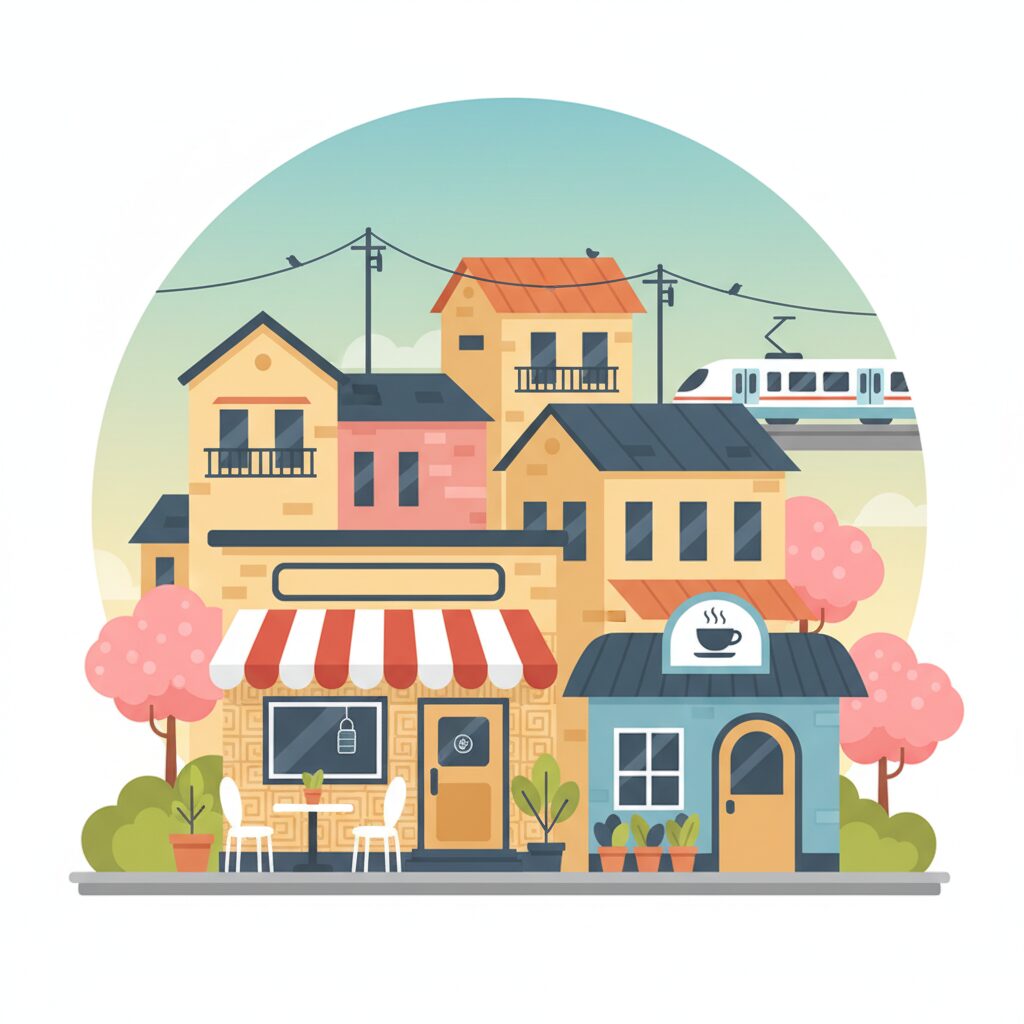
The perfect setting for today’s remote worker is the independent, contemporary cafe. Often run by younger entrepreneurs, these places combine a passion for coffee craft with an understanding of modern necessities. The atmosphere is lighter—light wood, minimalist design, plenty of daylight. Crucially, they almost always provide Wi-Fi and offer several seats equipped with power outlets.
Yet even in these modern venues, the spirit of Osaka endures. They are not clones of WeWork. The owners are businesspeople, yes, but also deeply rooted in their local communities. They know their neighbors, the shopkeepers nearby, the families down the street. They belong to a neighborhood ecosystem and expect customers to honor that. The unspoken rule is one of mutual respect. You use their electricity, internet, and space, so you should be a considerate customer. This means ordering regularly. One Americano does not justify a four-hour stay. Having a coffee in the morning, a sandwich at lunch, and perhaps another drink in the afternoon is a fair and respectful pattern. It shows you appreciate their business and understand the reciprocal relationship. It turns your presence from a potential burden into a welcome guest.
The Growth of Specialty Roasters and Chain Cafes
Naturally, Osaka also hosts specialty roasters and international chains like Starbucks, Tully’s, and Doutor. They fulfill a clear, straightforward role. These are neutral, predictable places where you can rely on steady Wi-Fi, air conditioning, and a work-friendly environment without needing to read complex social cues. The social contract here is simple and universal: you pay for your items, and you are left alone. There is no expectation of community or interaction.
These chains are invaluable for convenience, especially in major hubs like Umeda or Namba. But depending solely on them means missing out on a core aspect of Osaka life. You remain a surface-level, anonymous customer amid many others. Working in a Starbucks in Osaka is not substantially different from doing so in London or New York. The real cultural insight and deeper connection to the city come through small, independent cafes where your presence has meaning and your brief interactions contribute to the neighborhood’s vitality.
The Osaka Communication Style: Building Bridges Over a Coffee Counter

The way people interact in Osaka continually fascinates outsiders, and the local cafe serves as an ideal setting to observe this. While Osakans are often stereotyped as friendly, this single word falls short of capturing a communication style deeply rooted in centuries of merchant tradition. It is a manner that is direct, pragmatic, humorous, and focused on quickly forming a human connection.
Beyond “Friendly”: The Pragmatism Behind Osaka Banter
What many see as simple friendliness is actually a highly effective social tool. In a city shaped by merchants (shounin no machi), swiftly establishing rapport was vital for business. This evolved into a style of banter common in everyday life. A typical example is the greeting Mokarimakka?, which literally means “Are you making money?” While a Tokyoite might find this question surprisingly blunt or even rude, in Osaka it is a common, lighthearted way to say hello, similar to “How’s it going?”
The usual response is not a detailed financial update but the equally idiomatic Bochi bochi denna, meaning “So-so” or “Can’t complain.” This ritualistic exchange acts as a social handshake. When a cafe owner leans over the counter to ask, they are not invading your privacy but opening a line of communication with local dialect and humor. Taking part in these small rituals is a strong sign that you are more than a tourist—you are making an effort to engage with the local culture.
“Ame-chan” Culture and the Meaning Behind Small Gestures
Another distinctive Osaka custom is the ame-chan, small individually wrapped candies that many middle-aged and older women (obachan) carry in their purses to share with friends, acquaintances, and even strangers. This practice is not merely about a fondness for sweets; it physically embodies a culture of small, unsolicited gestures that nurture and uphold community ties.
In a cafe, the spirit of ame-chan might show in various ways. Once you become a regular, the owner may place a small biscuit on your saucer with your second coffee or bring you a glass of water on a hot day without being asked. These items aren’t menu extras; they are small gifts, tokens of your relationship. The key is to understand that these gestures aren’t just freebies—they are signals. The owner is saying, “I see you. I appreciate your patronage. You belong here.” The proper response isn’t a mere nod but a slightly warmer thank you, a small bow, or a genuine smile. This exchange completes the loop, reinforcing the mutual respect that underlies the connection.
Navigating the Noise: Is Osaka Too Loud for Focused Work?
A common worry for those moving from quieter Japanese cities is Osaka’s reputation for loudness. To some extent, this is true. Ambient noise in a local Osaka cafe tends to be higher than in a Tokyo counterpart. The TV might be on, the owner might be engaged in a loud, laughing conversation, and the general buzz of life feels more intense.
Whether this is an advantage or drawback depends entirely on your work style. If you need complete silence for deep focus, you might find it challenging. Yet, the noise in an Osaka cafe is rarely harsh or intrusive. It is the sound of community and life in motion. For many, myself included, this background chatter offers comfort. It creates a sense of connection and energy that can be more inspiring than the sterile quiet of a library. It reminds you that you’re part of a living, breathing city, not isolated in a sanitized workspace. The key is to be prepared. A good pair of noise-canceling headphones is essential for any remote worker, letting you tune your environment in or out depending on the task at hand.
Practical Strategies for the Aspiring Cafe Worker in Osaka
Succeeding as a remote worker in Osaka’s cafes requires more than just cultural understanding; it calls for a practical approach. It involves having the right equipment, the right mindset, and the right strategy to find and settle into a space that suits you.
The Gear and the Mindset
Practically speaking, never assume a cafe will have everything you need. Power outlets aren’t always available, and when they are, they tend to be in high demand. A portable battery pack is your most valuable accessory, freeing you from the wall and expanding your seating options. Likewise, although most cafes offer Wi-Fi, the connection can be unreliable. Investing in a personal pocket Wi-Fi device is worthwhile, providing a dependable backup and ensuring your productivity isn’t compromised by a weak signal. Noise-canceling headphones, as noted, are essential for deep focus.
Even more crucial than the gear is the mindset. You must shift your perspective from that of a consumer to that of a community member. Don’t see the cafe merely as a utility to exploit for cheap desk space. Instead, view your patronage as subscribing to a pleasant work environment and a small community. Your payments are made not just in yen, but through friendly greetings, occasional small talk, and a genuine respect for the space and its staff. This mental shift is what separates being tolerated from being welcomed.
Finding Your Spot: A Neighborhood-by-Neighborhood Overview
Osaka is a city of distinct neighborhoods, each with its own character reflected in its cafes. Finding the right fit involves exploration and personal preference.
Nakazakicho: Nestled near Umeda, this bohemian area is a network of narrow alleys and beautifully preserved old buildings housing quirky, independent cafes. The atmosphere is creative and relaxed. These cafes are excellent for soaking up the vibe and finding inspiration, but their small size and limited seating make them better suited for light work, writing, or brainstorming rather than a full day of intense coding.
Honmachi/Yodoyabashi: As the city’s central business district, this area features cafes that cater more to professionals. You’ll find sleek, modern spots and some upscale chains. The ambiance can feel more like Tokyo—efficient and somewhat impersonal. Still, by exploring side streets, you can discover hidden gems operated by owners who embody Osaka’s relational business style.
Tenma/Kyobashi: These traditional Osaka neighborhoods are known for their extensive covered shopping arcades and lively, casual drinking venues. They also boast a high concentration of old-fashioned kissaten. Visiting cafes here is a wonderful way to people-watch and absorb the city’s traditional character, but they are generally impractical as workspaces. They serve as a reminder that some places are meant for observation, not laptop use.
Shinsaibashi/Namba: This is the core of Osaka’s entertainment and tourist district. Cafes here are mostly large chains designed to accommodate high volumes of transient customers. They are functional, predictable, and lack soul. For a local remote worker, this area is a last resort—a place to go when you need a guaranteed seat and Wi-Fi and have no other options. The experience is devoid of local charm.
The Financial Calculation: Is It Worth It?
There’s no denying that working from cafes comes with a cost. Two or three drinks plus a light meal can easily total 2,000 yen or more per day, which is a significant expense compared to working from home for free. But is it worth it?
To answer, you need to look beyond the monetary cost. What you’re paying for isn’t just coffee and a seat—you’re investing in your mental well-being by getting out of the house. You’re buying a change of scenery that can stimulate creativity. Most importantly, in Osaka, you’re paying for a gentle, organic form of cultural immersion. A co-working space might be cheaper per hour, but it often becomes an expatriate bubble, isolating you from the very city you’ve chosen to live in. In contrast, the local cafe offers a daily, low-pressure chance to practice your Japanese, observe local customs, and feel the genuine rhythm of the neighborhood. It is, in its own way, a continuous, practical lesson in how to live here.
Conclusion: The Cafe as a Microcosm of Osaka
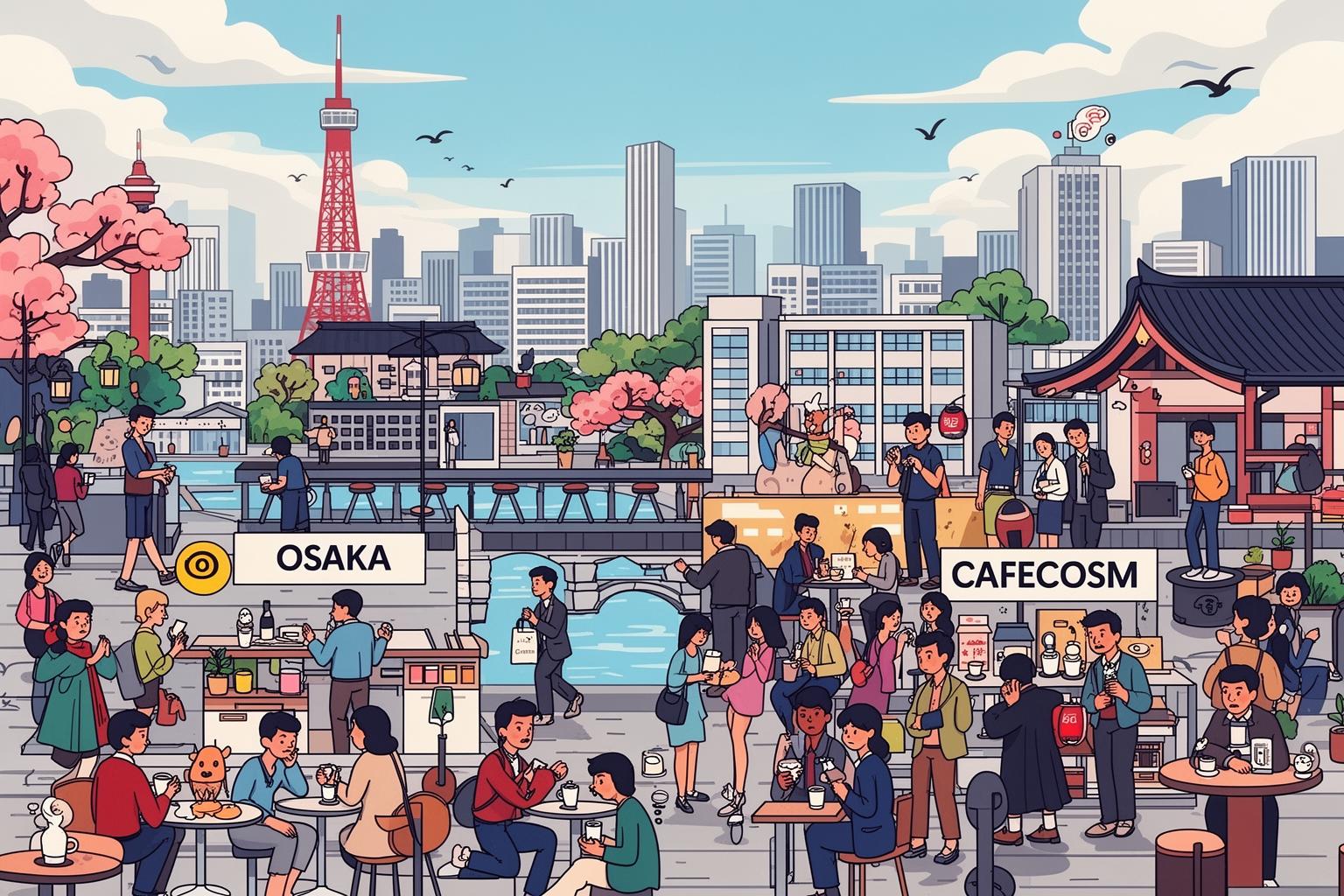
The modest neighborhood cafe, when seen from the right perspective, becomes much more than just a spot to check emails. It serves as a perfect microcosm of Osaka itself. Inside its walls, the city’s defining traits unfold in miniature every day. The emphasis on relationships over impersonal transactions, the merchant’s practical approach to earning loyalty, the straightforward yet friendly communication style, and the ever-present, vibrant buzz of community—it’s all there to be noticed and felt.
To select a local cafe, to become a regular, to learn the subtle rhythm of when to work and when to converse, is to understand how to navigate Osaka. It pushes you beyond the superficial stereotypes of the city as simply “friendly” or “noisy” and guides you toward grasping the deeper cultural logic behind these traits. It shows you that in Osaka, business is personal, community is currency, and a simple cup of coffee can be an invitation to belong.
In an era where remote work can bring about significant isolation, separating us from the physical spaces we occupy, the local Osaka cafe presents a compelling and profoundly human alternative. It is a place where productivity and community coexist, blended together to create a rich, fulfilling experience that connects you not only to your work but also to the very heart of the city you call home.