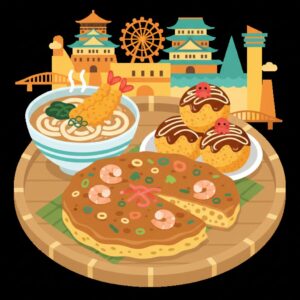
Osaka, the city affectionately known as Japan’s Kitchen, or ‘Tenka no Daidokoro’, pulses with a gastronomic energy that is legendary. The sizzle of takoyaki on the streets of Dotonbori, the hushed reverence of a kappo counter, the plumes of steam rising from a ramen-ya—these are the images that define Osaka’s culinary landscape for the world. But for those of us who call this vibrant city home, there is another, more intimate culinary world that unfolds not under the glare of restaurant neon, but beneath the bright, steady fluorescence of the local supermarket. This is the world of ‘sozai’ (惣菜), the vast and glorious universe of Japanese delicatessen food. To truly eat like a local in Osaka is to bypass the restaurant queue at least a few times a week and instead, to stand before the gleaming, abundant displays of the sozai section, contemplating the perfect, effortless meal. This is not merely about convenience; it is a profound cultural ritual, a daily pageant of flavor, freshness, and the authentic taste of a Japanese home, offered up for all to share. It’s where the heart of Osaka’s everyday food culture truly beats—accessible, affordable, and astonishingly delicious.
For a truly authentic and budget-friendly Osaka supermarket experience, a visit to a legendary local chain like Super Tamade is an essential part of the adventure.
The Philosophy of Sozai: More Than Just a Meal
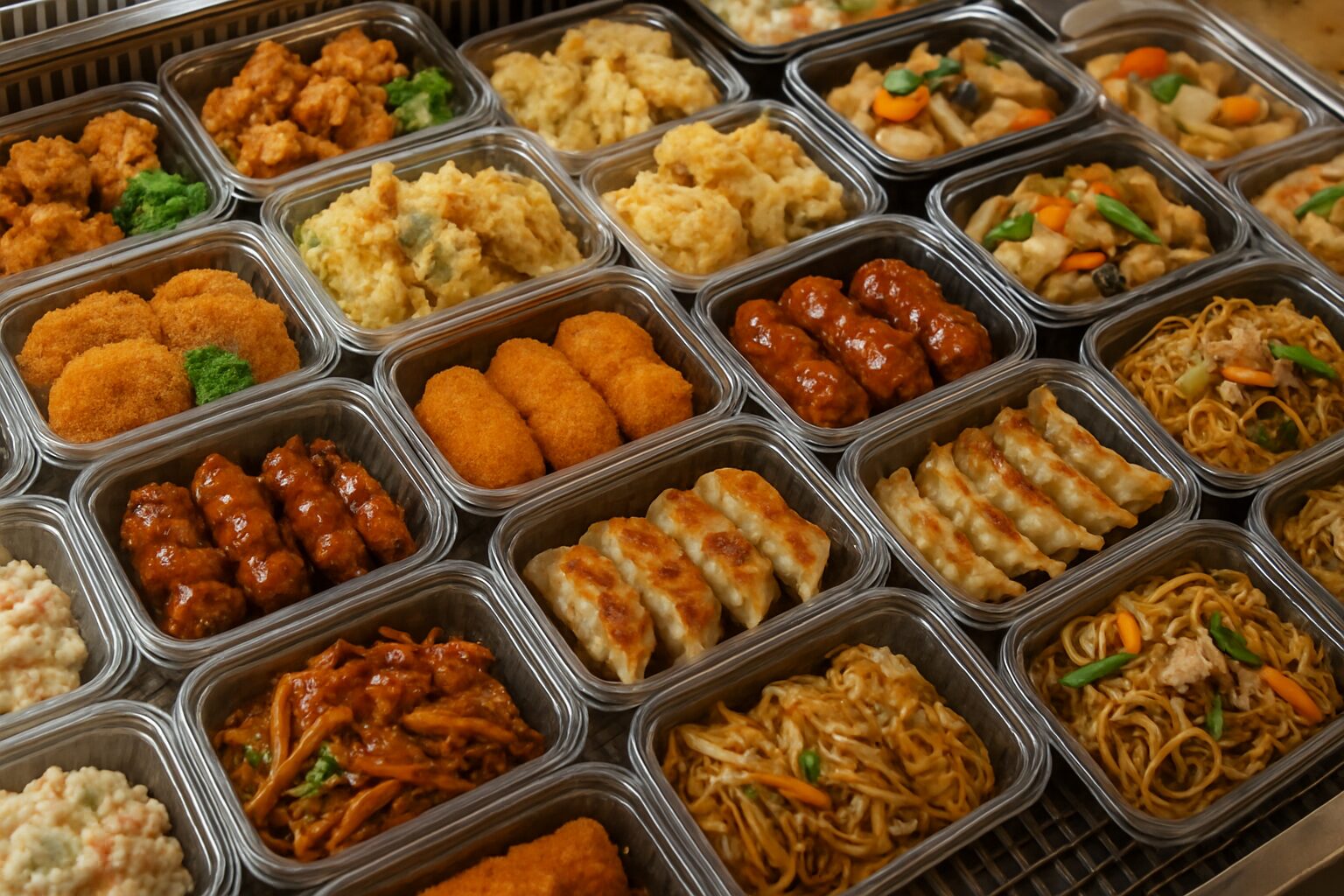
To truly understand sozai, one must look beyond the simple English translation of ‘deli’ or ‘side dish.’ Sozai is a concept intricately embedded in Japanese society, offering a brilliant solution to the challenges of modern life without sacrificing the quality and comfort of a home-cooked meal. It embodies ‘ofukuro no aji,’ the flavor of a mother’s cooking—wholesome, nourishing, and made with care. In a city where time is precious, sozai serves as a vital link to traditional foodways. It is the working professional’s relief after a long day, the student’s nutritious alternative to instant noodles, and the elderly couple’s way to enjoy a variety of dishes without the effort of cooking. The supermarket sozai section mirrors the Japanese dining table, reflecting a profound cultural focus on balance, seasonality, and aesthetic presentation. Each neatly packed tray, each perfectly fried croquette, invites one to experience this philosophy firsthand. It quietly affirms that a good meal is a basic right, not a luxury, and that convenience should never come at the expense of soul.
The atmosphere in a supermarket’s sozai corner, especially in a busy Osaka neighborhood, is a symphony of sensory details. It begins with the visuals: a dazzling mosaic of colors and textures. Deep amber karaage piled high, glistening emerald seaweed salads, fiery orange slivers of salmon, and the pristine white of freshly packed rice. Then come the sounds: the rhythmic clatter of tongs as staff carefully arrange new items, cheerful announcements of freshly baked bread or special discounts, and the low hum of shoppers considering their evening meals. The air itself is rich with an appetizing blend of aromas—the savory scent of soy sauce and dashi, the clean, sweet fragrance of cooking rice, and the irresistible smell of fried foods fresh from the kitchen. It is a space that feels both lively and comforting, a place of daily ritual where the community quietly gathers in shared appreciation of good, honest food.
A Guided Tour Through the Aisles of Abundance
Exploring the sozai section for the first time can be an exhilarating and somewhat overwhelming experience. The sheer diversity on offer is astounding, reflecting the rich depth and variety of Japanese home cooking. Navigating this culinary treasure trove is like setting out on a delightful journey. The selections can be grouped broadly, with each category opening a door to a unique aspect of Japanese gastronomy. Taking the time to discover each one reveals the craftsmanship and attention to detail that transform these supermarket delights into something truly exceptional.
Agemono: Mastery of Deep-Frying
Nowhere is the Japanese quest for perfect texture more apparent than in the ‘agemono’, or fried foods, section. This often forms the centerpiece of the sozai display, a golden-hued paradise inviting with its satisfying crunch.
The Star: Tori no Karaage
Japanese fried chicken, known as ‘karaage’, is a beloved staple nationwide, and supermarket versions are widely enjoyed. You’ll find various cuts, most commonly ‘momo’ (thigh), juicy and rich, and ‘mune’ (breast), leaner in texture. The marinade is crucial—a secret mix of soy sauce, ginger, garlic, and sometimes sake or mirin—that deeply flavors the meat before it’s coated in potato or corn starch and fried to crispy excellence. Each supermarket chain boasts its own unique recipe, making sampling karaage from different stores a local pastime. It’s ideal as the main feature in a bento, a tasty snack, or a simple dinner centerpiece.
The Classic Favorite: Tonkatsu
The pork cutlet, or ‘tonkatsu’, stands as another giant in the agemono lineup. There are two main varieties: ‘hire’ (fillet), known for its tenderness and leanness, and ‘rosu’ (loin), notable for its ribbon of fat that melts during cooking, enhancing flavor and juiciness. The secret lies in the ‘panko’ breadcrumbs, which form a light, airy, and delightfully crisp crust, perfectly complementing the succulent pork inside. It is frequently sold with a small packet of tangy, sweet tonkatsu sauce.
The Refined Choice: Tempura
Supermarket ‘tempura’ boasts an impressive assortment of ingredients encased in a delicate, lace-like batter. Classics include ‘ebi’ (shrimp), ‘nasu’ (eggplant), and sweet, fluffy ‘kabocha’ (Japanese pumpkin). A standout is ‘kakiage’, a superb fritter made from mixed vegetables like onions and carrots, sometimes with small shrimp, all bound together in a light tempura batter. It’s a textural delight. While it may lack the piping-hot freshness of specialty restaurants, the quality remains impressively high.
The Comfort Classics: Korokke and Menchi Katsu
‘Korokke’, the Japanese take on the croquette, is the epitome of comfort food. The most common version features a creamy, savory mashed potato filling encased in a crispy panko crust. Variations include ‘kabocha korokke’ and rich cream-based versions with corn or crab. Its relative, ‘menchi katsu’, is a minced meat patty—usually pork or a beef-pork blend—that is juicy, savory, and deeply satisfying. These flavors evoke childhood memories for many Japanese, making their presence in the sozai section indispensable.
Yakimono and Itamemono: The Elegance of Grilling and Stir-Frying
This category encompasses a broad range of grilled and stir-fried dishes, highlighting savory flavors fundamental to Japanese cuisine.
Salt-Grilled Fish: Saba no Shioyaki
‘Saba no shioyaki’, or salt-grilled mackerel, is a staple of the traditional Japanese meal. Simply salted and grilled until the skin crisps and blisters, the flesh remains rich and oily. This straightforward, wholesome dish pairs beautifully with a bowl of white rice and miso soup. Other grilled fish options, like salmon (‘sake’) or horse mackerel (‘aji’), are also commonly available.
Flavorful Skewers: Yakitori
Though best savored freshly grilled over charcoal at an izakaya, supermarkets offer commendable pre-grilled ‘yakitori’ skewers. Look for varieties such as ‘momo’ (thigh), ‘negima’ (thigh and Welsh onion), and ‘tsukune’ (minced chicken meatballs), available in both ‘shio’ (salt) and ‘tare’ (sweet soy glaze) styles. They make a fantastic, convenient meal addition or a perfect snack alongside a cold beer.
Impeccable Dumplings: Gyoza
Many larger supermarkets feature a dedicated counter for freshly made ‘gyoza’. These pork and vegetable dumplings are pan-fried to develop the sought-after ‘hane’—a crispy, lace-like skirt—while the top remains steamed, keeping the filling juicy. Picking up a pack of these is far easier than preparing them from scratch, delivering authentic, satisfying flavor.
Nimono: The Heartwarming World of Simmered Dishes
‘Nimono’ refers to dishes gently simmered in broth made from dashi, soy sauce, mirin, and sake. These dishes epitomize Japanese comfort food with their complex, layered flavors.
The Iconic: Nikujaga
‘Nikujaga’ (meaning ‘meat and potatoes’) is arguably the most cherished of all Japanese home-cooked stews. Thinly sliced beef or pork is simmered with potatoes, carrots, and onions until everything is tender and infused with the sweet and savory broth. It’s a dish steeped in nostalgia and warmth, with supermarket versions offering a faithful and delicious tribute.
Earthy Sweetness: Kabocha no Nimono
This simple dish features Japanese pumpkin simmered in a dashi-based broth, exemplifying the Japanese philosophy of emphasizing an ingredient’s natural flavor. The ‘kabocha’ softens and becomes tender, its inherent sweetness balanced beautifully by the savory broth. It offers a wholesome and appealing side dish.
Aemono and Salads: Vibrancy and Texture
Here you will find a lively variety of vegetable-based side dishes, essential for creating a well-rounded Japanese meal.
A Timeless Classic: Potato Salad
Forget what you know about Western-style potato salad. The Japanese version, ‘potesara’, is iconic. Made with partially mashed potatoes, thinly sliced cucumber, carrot, onion, and often ham or corn, all bound by the distinctive umami-rich tang of Kewpie mayonnaise, it is creamy, crunchy, and utterly addictive.
Nutty and Green Goodness: Horenso no Goma-ae
This classic dish features boiled spinach dressed in a sweet, nutty sesame dressing (‘goma-ae’). It’s a simple, elegant means of enjoying greens and provides a delightful textural contrast to other dishes.
Rice, Noodles, and Complete Meals
Beyond individual items, the sozai section offers full meals and staples, making it a true one-stop shop for dinner.
The Handy Delight: Onigiri
‘Onigiri’, or rice balls, make for a perfect snack or light meal. The variety is vast: classic fillings include salted salmon (‘shiozake’), pickled plum (‘umeboshi’), kelp (‘kombu’), and the ever-popular tuna with mayonnaise. They are culinary art forms in themselves—a perfect package of flavor and sustenance.
The Curated Experience: Bento Boxes
The ‘bento’ represents the essence of the sozai concept—a complete, balanced meal neatly packed into a box. There are countless styles. The ‘Nori Bento’ features a bed of rice topped with soy-simmered kelp and a sheet of nori seaweed, usually accompanied by fried fish and chikuwa tempura. The ‘Makunouchi Bento’ is more elaborate, a sampler offering small portions of various sozai for a little taste of everything. These are not merely meals but thoughtfully curated culinary journeys.
The Strategic Art of the Sozai Purchase

To truly master the art of sozai, it’s helpful to understand the rhythm of a supermarket day and the various tiers of stores you’ll find in a city like Osaka.
Choosing Your Supermarket Arena
Not all supermarkets are the same. In Osaka, you have a range of options, each offering a unique sozai experience.
- Everyday Heroes (Life, Mandai, Tamade): These are the supermarket workhorses. They provide a wide selection, great value, and an authentic look into the daily shopping habits of Osakans. Stores like Life and Mandai boast extensive, high-quality sozai sections that are regularly refreshed. Super Tamade is a local legend, known for its rock-bottom prices and lively, slightly chaotic atmosphere.
- Premium Purveyors (Hankyu Oasis, Ikari Supermarket): These upscale chains focus on premium ingredients and gourmet preparations. The presentation tends to be more polished, and you’ll often find unique or Western-style sozai alongside traditional Japanese dishes. The quality is outstanding, with prices to match.
- The Grand Stage: Depachika: For the pinnacle of the sozai experience, venture into the ‘depachika’—the stunning food halls nestled in the basements of major department stores like Hankyu, Hanshin, and Takashimaya in Umeda or Namba. This is sozai elevated to an art form. Here, individual stalls from renowned restaurants and specialty shops showcase restaurant-quality food, an incredible variety, and an electric atmosphere. Though pricier, it’s an unmatched treat for special occasions or gourmet picnics.
The Golden Hour: Navigating the Evening Discounts
One of the most exciting parts of local life in Osaka is the ‘yugata no taimu seru’, the evening time sale. As the day ends, supermarkets discount the day’s fresh sozai. This is where the magic unfolds.
Around 6 or 7 PM, staff appear with sticker guns to start marking down prices, often in stages. Initially, you might see a modest 10% or 20% discount sticker (割引 – waribiki). Later in the evening, these could be replaced by 30% off or the coveted ‘hangaku’ (半額) sticker, meaning a 50% discount. It’s a spectacle to witness. A polite but attentive crowd follows the staff, ready to quickly grab their favorite items as soon as prices drop. It’s a test of patience and timing. For foreign residents, it’s not only a way to save money but also a rich cultural experience. A tip: stay observant and respectful—there’s no shoving, just a quiet, focused dance for the best deals.
Assembling Your Perfect Sozai Experience
Once you’ve made your selections, the joy of sozai lies in how you choose to enjoy it. The possibilities are as diverse as the dishes themselves.
Crafting the Perfect Meal at Home
The most common way to enjoy sozai is as a simple, convenient dinner at home. The key is to consider balance, just like in a traditional Japanese meal. Choose a main protein, such as a piece of grilled fish or some tonkatsu. Add one or two vegetable side dishes, like kinpira gobo or a seaweed salad. Finally, pick up a pack of fresh rice (most supermarkets sell single-serving heated packs) or a few onigiri. In minutes, you have a meal that is more varied, nutritious, and satisfying than most takeout options, at a fraction of the cost.
The Ultimate Urban Picnic
Osaka is blessed with beautiful parks ideal for picnics, and sozai makes the perfect picnic food. Imagine gathering a selection of karaage, tamagoyaki, onigiri, and a small salad, then heading to Osaka Castle Park. Find a spot with a view of the majestic main tower and enjoy your feast. In spring, this experience transforms into ‘hanami’ (cherry blossom viewing), where your delicious spread is savored beneath a canopy of delicate pink blossoms. Other great spots include Utsubo Park, with its stunning rose garden, or the lush greenery of Nagai Park. A sozai picnic is one of the simplest and most delightful pleasures of life in this city.
Tips for the First-Time Sozai Explorer
- Bring Your Own Tongs (If You Prefer): While stores provide tongs for self-serve items, some shoppers bring their own for hygiene reasons. It’s optional, not mandatory.
- Don’t Be Afraid to Mix and Match: The charm of sozai is variety. Purchase small portions of several different items to create your own personalized tasting menu.
- Look for Seasonal Items: Japanese cuisine is highly seasonal. In spring, watch for dishes with bamboo shoots (‘takenoko’). In autumn, you’ll find mushroom rice (‘kinoko gohan’) and chestnut dishes. This is how you eat in harmony with the seasons, just like the locals.
- Check the Time Stamp: Most packages have a sticker indicating when the item was made, helping you gauge its freshness.
The True Taste of Osaka’s Kitchen

Living in Osaka means immersing yourself in a culture that celebrates food in every form. While the city’s renowned restaurants offer unforgettable experiences, the modest supermarket sozai section provides something just as valuable: a daily connection to the authentic, unpretentious, and deeply satisfying flavors of Japanese home cooking. It is a world of incredible variety, exceptional quality, and unmatched convenience. It democratizes good food, making it accessible to everyone, every single day. So, the next time hunger strikes, step away from the restaurant guides and enter the automatic doors of your nearest supermarket. Let your eyes roam, let your senses lead you, and create a meal from the heart of Japan’s kitchen. By doing this, you’re not merely buying dinner; you’re engaging in a cherished daily ritual and uncovering the delicious, hidden soul of Osaka.