Step off the neon-drenched streets of Osaka, away from the sizzle of takoyaki grills and the ceaseless river of people flowing through Shinsaibashi. Peel back a layer of the city’s vibrant, modern skin, and you’ll find something warm, steaming, and deeply woven into the fabric of daily life: the sentō, or public bathhouse. This isn’t just a place to get clean. Oh no, it’s so much more. It’s a community living room, a secular temple of relaxation, and a bubbling, liquid window into the true heart of Japan. For generations, before every home had its own private bathroom, the sentō was the cornerstone of the neighborhood. It was where neighbors caught up, where children learned social rules, and where the day’s fatigue was washed away in a shared ritual of warmth and camaraderie. Today, as private baths have become the norm, many of these charming institutions have faded away. But in a city like Osaka, known for its fierce pride in tradition and community, a powerful revival is underway. Young entrepreneurs are breathing new life into historic bathhouses, and a new generation is rediscovering the profound, simple joy of a communal soak. Visiting a sentō is more than a tourist activity; it’s an invitation to participate in a living, breathing piece of Osakan culture. It’s a chance to connect with the city and its people on a level that’s raw, real, and wonderfully human. So, let’s pull back the noren curtain and dive into the steamy world of Osaka’s public baths, exploring the beautiful reasons to go and navigating the cultural currents you’ll find inside.
To truly understand the city’s daily rhythms beyond the bathhouse, consider exploring the vibrant world of Osaka’s supermarkets.
The Soul of the City: Unveiling the Sentō Experience
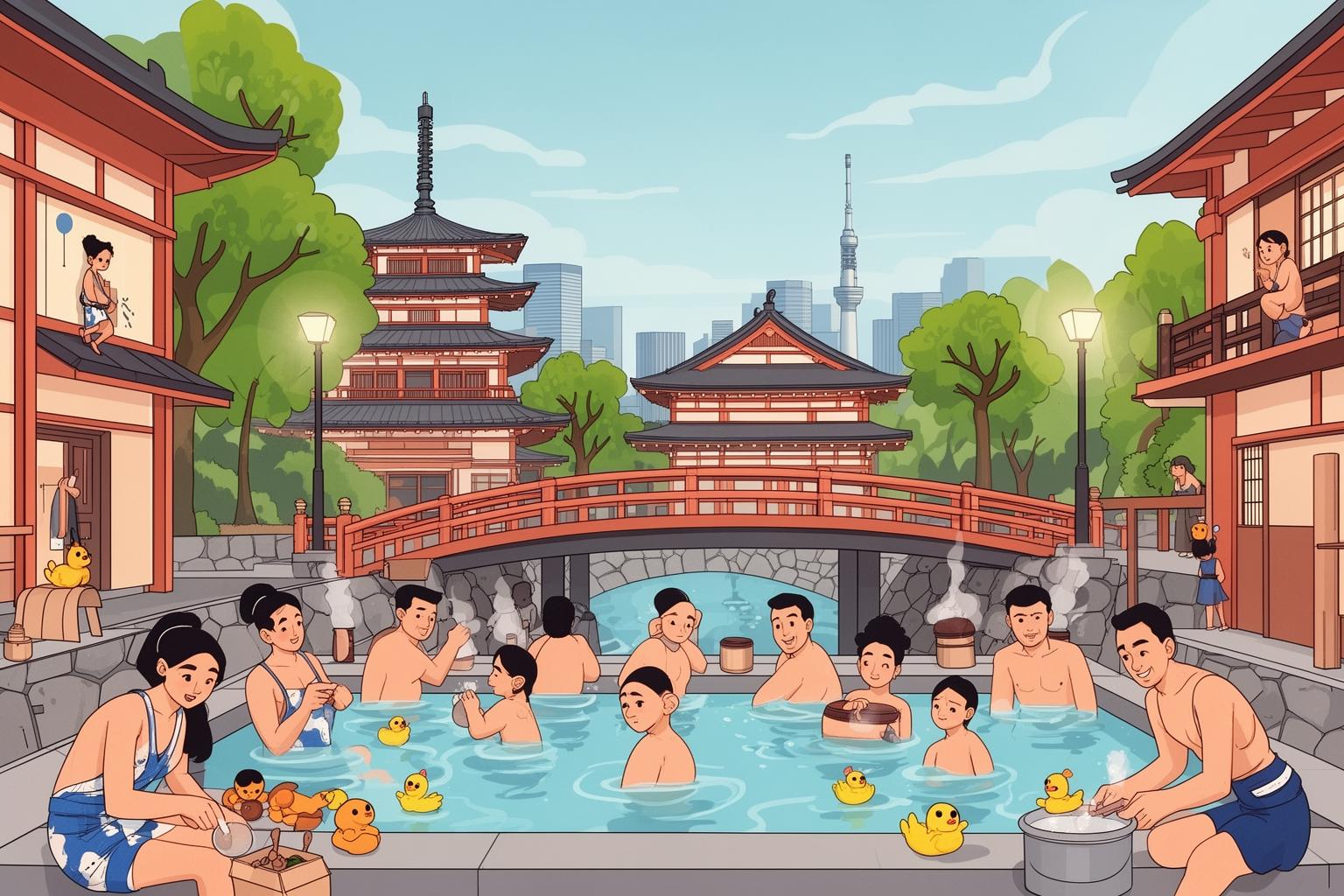
Entering a traditional sentō for the first time is a complete sensory experience. You pull aside the heavy cloth curtain, or noren, often adorned with the character ゆ (yu), which means hot water. The initial sensation is the sound—a gentle symphony of echoes against tile: the rhythmic splash of water from faucets, the soft murmur of conversations between old friends, and the clatter of a plastic stool being shifted. Next comes the scent—a clean, humid blend of soap, steam, and occasionally the subtle, earthy aroma of cypress or hinoki wood used for the tubs’ construction. The air is warm and thick, enveloping your skin like a blanket. You are likely greeted by the owner, the bandai-san, seated on a raised platform from which they have watched the ebb and flow of their neighborhood for decades. Their presence offers a comforting anchor in this unfamiliar setting. The changing room, or datsuijo, feels frozen in time. Wicker baskets or vintage wooden lockers with intricate keys line the walls. Old-fashioned scales, worn benches, and posters advertising local businesses or classic Japanese drinks complete the scene. It feels less like a locker room and more like a treasured clubhouse. As you enter the bathing area itself, steam swirls around you. Light filters through high, frosted windows, illuminating the dance of water vapor in the air. Often, a magnificent mural of Mount Fuji or a tranquil landscape graces the far wall, a traditional artistic element meant to provide bathers with a grand view to contemplate as they soak. The atmosphere is one of deep peace and unhurried rhythm. There is no rush. People move with a calm, deliberate grace. The sentō is a haven of tranquility amid urban chaos, a place where time slows to the rhythm of dripping water and slow, deep breaths.
A Tale of Two Baths: Sentō vs. Onsen
Before delving deeper, it’s important to clarify a common source of confusion for visitors to Japan: the difference between a sentō and an onsen. Although both involve communal bathing in hot water, they are fundamentally distinct, and recognizing this difference will enrich your appreciation of each. The primary distinction lies in the water itself. By Japanese law, an onsen must use naturally heated geothermal spring water, often rich in minerals. Various onsen towns across the country take pride in the unique chemical makeup and alleged health benefits of their local springs. Onsens are destinations typically located in volcanic, mountainous areas, and are linked to travel, nature, and therapeutic retreats. In contrast, a sentō is a public bathhouse that uses heated tap water. Its purpose is not to provide mineral-based therapy but to serve communal and hygienic needs. The sentō functions as a neighborhood institution—a practical yet culturally significant space catering to the daily routines of local residents. To put it simply: an onsen is a special occasion, a weekend escape to the countryside, while a sentō is your regular Tuesday evening stop to wash away the day’s fatigue. This difference in purpose shapes their distinct atmospheres. Onsen resorts often feel more luxurious and tourist-oriented, featuring elaborate ryokan inns, yukata robes, and multi-course kaiseki meals. Meanwhile, the sentō feels more grounded and everyday. It’s where a grandfather patiently washes his grandson, where high school students chat after club practice, or office workers quietly unwind before heading home. The architecture mirrors this contrast as well. Although some sentō boast stunning architecture, their charm typically lies in well-preserved historical details and craftsmanship—such as intricate tilework and carved wooden transoms—rather than the expansive, nature-integrated designs typical of many onsens. In Osaka, a city situated on a flat plain far from volcanic activity, the sentō dominates. It represents the authentic urban bathing experience that defines the city’s connection to water and community. While “super sentō” facilities may use natural spring water transported from distant sources or artificial minerals, the classic corner sentō remains the true heart of Osaka’s bathing culture.
The Pros: Why You Should Absolutely Dive In
Beyond simply getting clean, the reasons to embrace the sentō experience are many and profoundly fulfilling. It provides a distinctive blend of cultural immersion, physical wellness, and sensory enjoyment that’s rare to find elsewhere, especially at such an affordable price.
An Authentic Slice of Japanese Life
There may be no better way to witness everyday Japanese life than at a local sentō. This isn’t a staged performance for tourists; it offers a genuine, unfiltered glimpse into a community at ease. Here, social hierarchies seem to dissolve along with the soap suds. In the bath, a company CEO might be soaking next to a construction worker, with no distinction between them. This idea is often called hadaka no tsukiai, or “naked communion.” Devoid of external status symbols—clothes, watches, briefcases—people simply share a common human experience. You’ll hear authentic Kansai-ben, the lively and distinctive dialect of Osaka, spoken in relaxed, spontaneous conversation. You’ll observe small, unspoken acts of courtesy, like someone rinsing a stool for the next bather or giving a subtle bow of acknowledgment. It offers a powerful lesson in cultural anthropology, and by participating, you move beyond being a mere observer of Osaka to becoming a temporary part of its rhythm. You share a space that has been a social cornerstone for centuries—a connection that is both humbling and exhilarating.
Health and Wellness Benefits
Although the water may lack volcanic minerals, the physical benefits of visiting a sentō are undeniable. The practice of alternating between hot and cold water, known as onrei-yoku, is central to the experience for many. Soaking in a hot tub, usually heated to a potent 40-43 degrees Celsius (104-109 F), boosts blood circulation, relaxes tense muscles, and opens pores. The heat is a powerful remedy for the aches and pains that come from a day of walking and exploring the city. After a long soak, many bathers head to the cold plunge pool, or mizu-buro. The initial shock is intense, but the effect is revitalizing. The cold water tightens the skin, stimulates the nervous system, and leaves you feeling refreshed and alert. This hot-and-cold cycle can be repeated several times, creating a profound sense of physical and mental renewal. Additionally, many sentō offer a variety of specialty baths. You might encounter a denkiburo, or “electric bath,” where a low-level electric current passes through the water to gently stimulate muscles—a strange yet surprisingly pleasant feeling. There are also jacuzzis (called “jet bath”), herbal baths infused with medicinal plants, and milky-white silk baths with microbubbles. It’s a sensory playground designed to promote health and deep relaxation.
Incredible Value and Architectural Marvels
In a world of ever-increasing prices, the sentō remains one of the best bargains you can find. For just a few hundred yen—often less than a cup of coffee—you gain access to an hour or more of pure, unfiltered relaxation. Most sentō provide soap and shampoo, and renting a towel is available for a small fee, making it an easy, spontaneous activity. But the value goes beyond just cost. You’re also paying admission to a living museum. Many of Osaka’s older sentō are masterpieces of Taisho and Showa-era architecture. Look for the miya-zukuri style, with its grand, temple-like curved roofs and intricate carvings. Inside, the tile work can be stunning. From tiny mosaic patterns to large, beautifully painted ceramic panels depicting carp, cranes, or scenes from Japanese folklore, the craftsmanship is remarkable. The iconic Mount Fuji mural mentioned earlier is a classic symbol of sentō culture. Although the tradition began in Tokyo, it spread nationwide, offering city dwellers a symbolic escape to nature. Even the lockers, wall clocks, and advertisements for vintage soap brands serve as beautiful relics of a bygone era. Visiting a sentō is as much an aesthetic journey as it is a physical one.
The Cons: Navigating the Nuances and Challenges
Certainly, for first-timers, especially those from different cultural backgrounds, the sentō can present a few challenges. These are not insurmountable obstacles but rather cultural nuances best approached with some prior knowledge and an open mind.
The Intimidation Factor: The Naked Truth
Let’s begin by addressing the biggest concern for many Westerners: public nudity. In most Western cultures, being naked around strangers often causes anxiety and vulnerability. In Japan, within the context of a sentō or onsen, nudity is completely non-sexual and straightforward—it’s simply the practical state for bathing. The key is to realize that nobody is staring at you. Really. Everyone is there to relax and focus on themselves. Trying to cover up too much or acting shy can, ironically, draw more attention than just behaving naturally. The best advice is to watch what others do and follow their example. Use your small modesty towel to cover yourself while walking from the changing room to the washing area, but remember this towel should never go into the bathwater. You can place it on your head—a classic sentō look—or leave it at the side of the tub. It takes a few minutes to adjust, but the sense of freedom that comes from shedding both your clothes and your self-consciousness is a unique and wonderful part of the experience. Just breathe, relax, and enjoy the moment.
The Unwritten Rules: Sentō Etiquette 101
The sentō follows a series of well-established, though often unwritten, rules intended to maintain everyone’s comfort and hygiene. Ignoring these guidelines is the quickest way to stand out as an outsider. The most important rule is to wash your body thoroughly before entering the bath tubs. The tubs are meant for soaking and relaxing, not for cleaning. The washing area is equipped with stools, faucets, and handheld showers. Sit on the stool (washing while standing is considered rude because it may splash others), and scrub yourself completely with soap. Once you are spotless, rinse off all the suds before heading to the tubs. Remember, keep your small towel out of the bathwater. Don’t swim or splash around in the tubs, and avoid dunking your head underwater. When leaving the bathing area to return to the changing room, it’s polite to do a quick dry-off with your small towel to avoid dripping water on the floor. These rules might seem numerous, but they all boil down to one simple concept: be considerate of the shared space. Following them shows respect for the culture and for your fellow bathers.
The Tattoo Taboo: A Modern Dilemma
This is an important issue that requires careful consideration. Historically, tattoos in Japan have been linked to the yakuza, the organized crime groups. To keep out gang members, many bathing facilities—including sentō, onsen, and even public pools—have strict “no tattoos” policies. However, the situation is changing, especially in cosmopolitan cities like Osaka, which have many foreign residents and tourists. Nowadays, many people recognize that in other cultures, tattoos are a form of personal expression rather than a sign of criminality. So, what should you do if you have tattoos? Rules vary depending on the place. Traditional sentō run by older owners may still enforce a strict ban, while more modern sentō or those in areas with many young people and foreigners may be more lenient. Some facilities allow small tattoos if covered with a waterproof patch. The best approach is to check ahead of time. You can find information online (websites like “Tattoo-Friendly” can help), or if you speak some Japanese, call to inquire. When unsure, it’s usually better to select a different sentō than to risk being asked to leave, which can be uncomfortable for everyone involved. Fortunately, the trend is moving toward greater acceptance, but it remains a cultural sensitivity to keep in mind.
Osaka’s Sentō Scene: A Neighborhood Guide
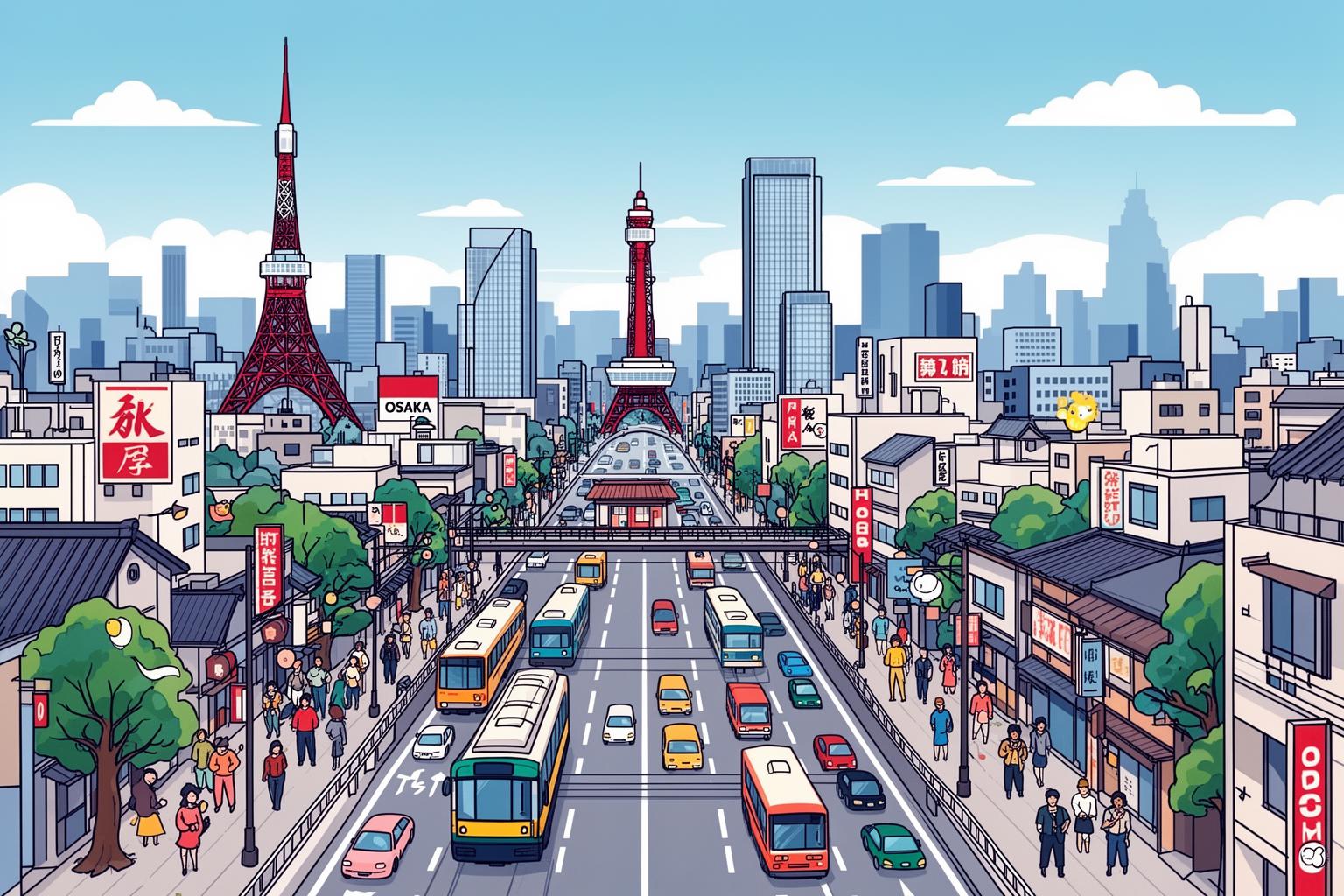
Osaka is an expansive city, and its sentō culture is as varied as its neighborhoods. From sleek modern baths to charming historical relics, there’s a soak for every preference.
Retro Charm in Shinsekai
Picture a sentō hidden on a quiet side street just steps from the iconic Tsutenkaku Tower. Located in one of Osaka’s most atmospheric and nostalgic districts, these bathhouses seem frozen in time since the Showa era. The exterior may resemble a majestic temple, while inside, vibrant tilework, wooden lockers with vintage keys, and classic post-bath drinks like bottled milk and Ramune soda create a timeless atmosphere. Bathing here feels like immersing yourself in history, surrounded by echoes of the district’s lively past. The clientele is predominantly elderly locals who have frequented the baths for decades, enhancing the deep sense of authenticity.
Designer Baths in Amerikamura or Horie
On the other hand, in the trendier neighborhoods, you’ll find “designer sentō.” These are often older bathhouses revamped by younger owners with a sharp sense of modern design. They maintain traditional aspects—the separation of sexes and washing before soaking—while incorporating contemporary features. Expect minimalist concrete walls, stylish lighting, premium grooming products, and perhaps even a craft beer bar or a small art gallery in the lobby. These spots attract a youthful crowd of students, artists, and professionals, creating a chic and social atmosphere. They perfectly illustrate how sentō culture is evolving and flourishing in the 21st century.
Super Sentō: The Public Bath on Steroids
For a completely different experience, visit a “super sentō.” These expansive, modern complexes elevate the basic public bath into full-day entertainment hubs. They offer a wide array of baths: outdoor rotenburo, carbonated baths, herbal soaks, single-person pots, and more. Multiple types of saunas and steam rooms are almost always available. But it doesn’t end there. Super sentō also feature restaurants, massage services, relaxation lounges with reclining chairs and manga libraries, and sometimes game arcades. Although the entrance fee is higher, you can easily spend half a day indulging in relaxation. While they may lack the cozy, neighborhood feel of smaller sentō, they are incredibly fun, family-friendly, and a perfect, approachable introduction to Japanese bathing culture.
The Complete Sentō Ritual: From Entry to Exit
To help you feel at ease on your first visit, here is a step-by-step guide to the entire process.
Preparing for Your Visit
If you want to save a bit of money, bring a small towel for washing and a larger towel for drying. Also, bring your preferred soap and shampoo. However, if you decide to visit spontaneously, don’t worry. This is known as going tebura, or “empty-handed.” You can rent towels for a small fee and purchase single-use packets of shampoo and body soap at the front desk.
The Genkan and Bandai
First, you’ll enter through the genkan, or entryway, where you must remove your shoes. Small shoe lockers are provided for storing your footwear, and you’ll take a key, often a wooden token. Next, head to the front desk, the bandai, to pay the entrance fee. There will be two separate entrances or curtains, one for men (男) and one for women (女). Be sure to use the correct one!
The Datsuijo (Changing Room)
Once inside your gender’s changing room, find an empty locker. Undress completely, placing your clothes and large bath towel inside. Keep the locker key on you, typically worn on a wristband. The only items you should bring into the bathing area are your small wash towel and any toiletries you brought or purchased.
The Kakeyu and Washing Area
Upon entering the steamy bathing area, the first step is to find a small basin and scoop hot water from one of the main tubs. This is called kakeyu. Splash this water over your body, starting at your feet and moving upward, to help your body adjust to the temperature. Then, proceed to the washing stations. Find an empty stool, sit down, and wash yourself thoroughly. Be sure to rinse off all soap before moving on.
Soaking and Relaxing
Now for the best part. Carefully and slowly enter one of the tubs. Let out a contented sigh—it’s practically mandatory! You can switch between different tubs, trying the jacuzzi or the herbal bath. If you feel too hot, step out and rest on your stool before returning. If you’re feeling adventurous, try the cold plunge pool for an invigorating contrast. This is your time to relax, so soak as long as you feel comfortable.
The Post-Bath Bliss
When you’re finished soaking, return to the changing room. Use your large towel to dry off completely. Many changing rooms provide amenities such as cotton swabs, hair dryers, and basic lotions. Once dressed, it’s customary to spend a few moments relaxing in the lobby. This is the perfect time to enjoy another classic sentō tradition: the post-bath drink. The classic choice is a cold bottle of fruit milk (furūtsu gyūnyū) or coffee milk (kōhī gyūnyū), savored while lounging on a vinyl couch and soaking in the calm, communal atmosphere. It’s the perfect conclusion to a perfect ritual.
The Future of Sentō: A Revival in Progress
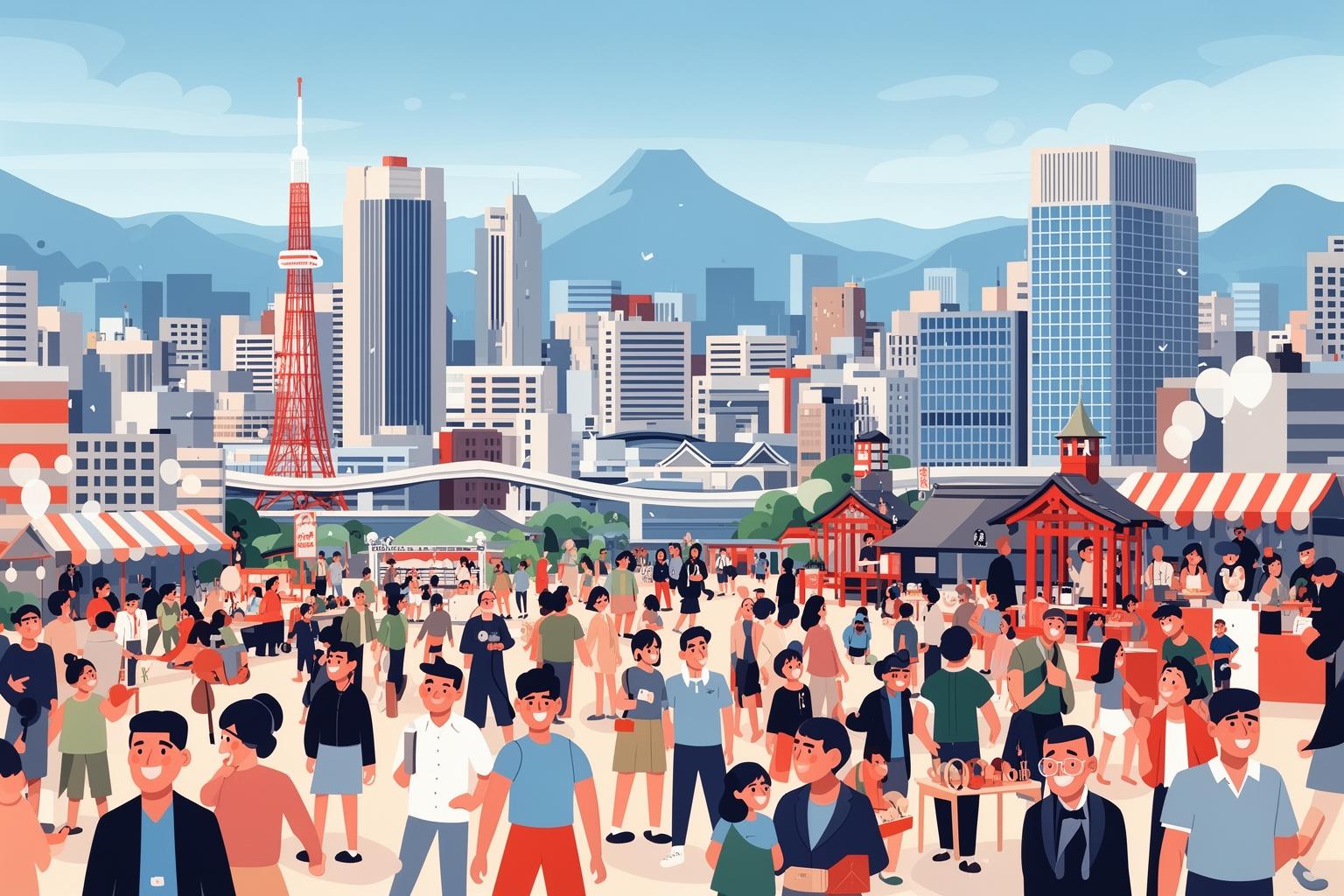
For decades, the story of the sentō was one of decline. As modern conveniences spread, the number of bathhouses throughout Japan sharply decreased. However, recently, the trend has started to reverse. A new generation, equipped with an appreciation for tradition, community, and wellness, is leading a sentō revival. Young architects are discovering innovative ways to preserve the historic charm of old buildings while modernizing their facilities. Artists are being commissioned to create new murals and installations. Some sentō now host live music events, pop-up shops, and even collaborations with local craft breweries. They are transforming from simple bathhouses into vibrant cultural hubs. This revival is about more than just conserving old buildings; it is about reaffirming the value of shared public spaces in an increasingly isolated digital age. It acknowledges that there is something irreplaceable about the simple act of gathering together, sharing warmth and conversation in a space that belongs to everyone. By visiting a sentō in Osaka, you are not merely witnessing a tradition; you are actively engaging in its lively and exciting future.
There’s a special kind of freshness you experience after a visit to a Japanese public bath. It’s more than just physical cleanliness. It’s a sensation of mental clarity, physical rejuvenation, and a quiet connection to the people and city around you. It’s an experience that removes the complexities of travel and offers a moment of pure, simple, human contentment. So be bold. Step through the noren, embrace the steam, and allow yourself to immerse in one of Osaka’s most beloved and enduring traditions. You’ll leave with more than just clean skin; you’ll leave with a deeper understanding and warmth toward this incredible city and its people.