Yo, let’s talk about the real Osaka. Not just the neon lights of Dotonbori or the towering castle, but the city’s living, breathing, steaming soul. You’ll find it tucked away on quiet neighborhood streets, behind a sweeping tiled roof and a simple curtain, announced by a tall, slender chimney reaching for the sky. This is the world of the sentō, the Japanese public bathhouse. And in Osaka, it’s not just a place to get clean; it’s the community’s living room, a cultural touchstone, and your ticket to understanding the warm, unpretentious heart of the Naniwa people. Forget your guidebooks for a moment. Forget the tourist traps. We’re about to take a deep dive into one of the most authentic, relaxing, and uniquely Japanese experiences you can have. This is where the day’s worries dissolve in hot water, where strangers become neighbors, and where you can wash away the fatigue of city life, emerging refreshed, renewed, and a little more connected to the place you now call home. This isn’t just about bathing. It’s about belonging. It’s a rhythm of life that has echoed through these streets for centuries, a warm embrace waiting for anyone willing to step through the noren curtain and leave their inhibitions at the door. Get ready to soak it all in, one blissful, steaming tub at a time.
To further immerse yourself in the city’s unique social fabric, consider learning about the customs at Osaka’s standing bars.
The Heartbeat of the Neighborhood: What Exactly is a Sentō?
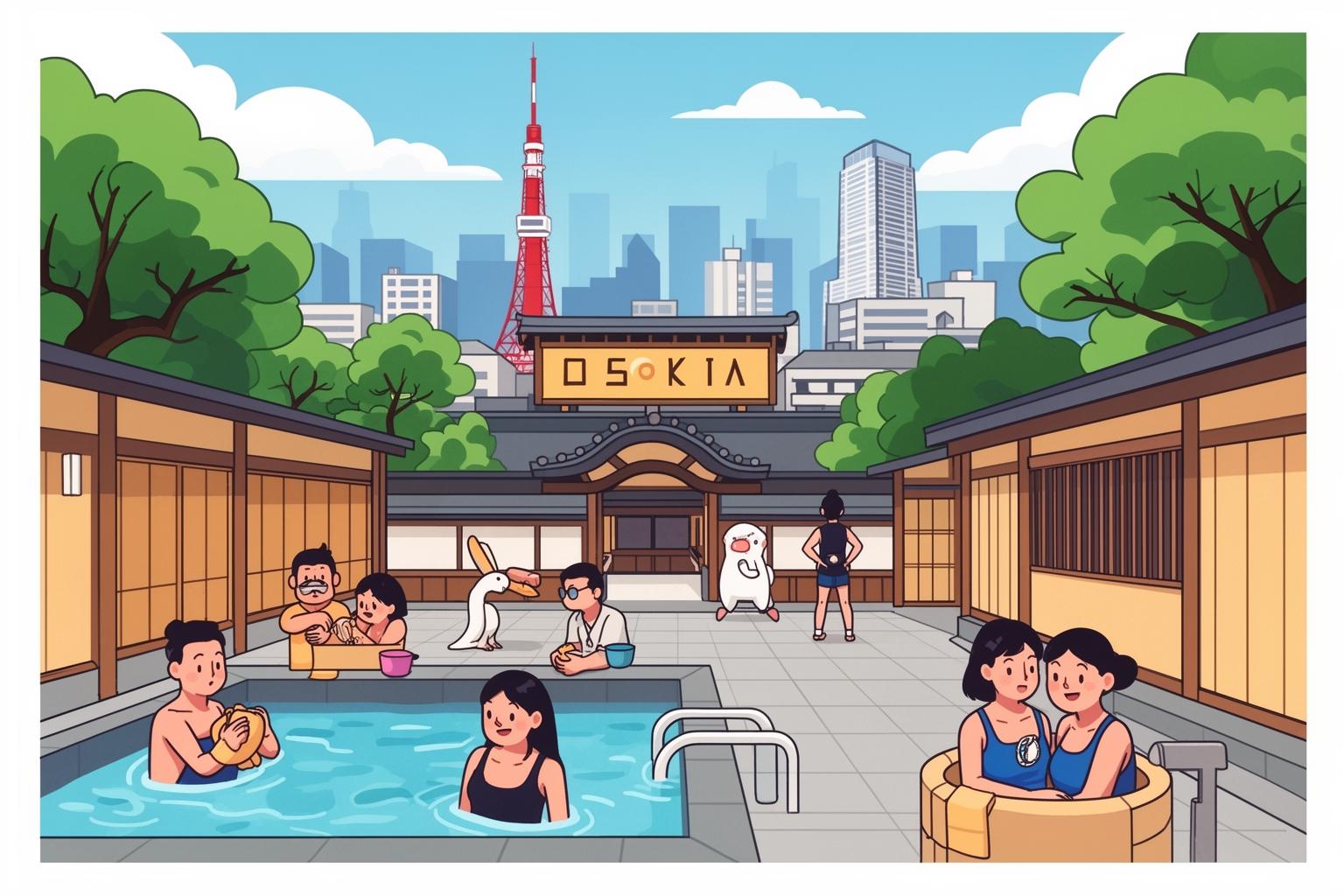
Before we dive into the how-to, let’s clarify what a sentō actually is. A sentō is a public bathhouse. Simple enough, right? But that’s like saying a campfire is just a source of warmth—it misses the whole point. A sentō is fundamentally different from its more famous relative, the onsen. While an onsen uses naturally geothermally heated spring water, often mineral-rich and located in scenic resort towns, a sentō uses locally sourced tap water heated by a boiler. This distinction is key. An onsen is a destination, a vacation. A sentō is a daily ritual, a neighborhood cornerstone. It’s the difference between a Michelin-starred restaurant and your grandma’s kitchen; both provide nourishment, but only one feels like home.
Historically, sentō were essential. In the post-war period and for decades after, most Japanese homes lacked private baths. The sentō was where everyone—from the local tofu maker to the salaryman—came to wash away the day’s grime. It was a great equalizer. In the bathing area, stripped of clothes and status, everyone was the same. This fostered a unique kind of connection known as hadaka no tsukiai, or “naked communion.” It’s a concept that embodies unguarded, honest interaction, where barriers fall and people connect on a purely human level. You’d catch local gossip, get tips on where to find the freshest fish, or simply share a quiet moment of communal relaxation. Though most homes now have baths, this spirit of community endures, stubbornly and beautifully.
The architecture itself tells a story. Many traditional sentō are built in a style called miyazukuri, echoing the design of Shinto shrines. You’ll see grand, sweeping karahafu gables and intricate wood carvings, a testament to the reverence once held for these establishments. The tall chimney, once a proud beacon in every neighborhood, remains the most visible landmark. Inside, the layout is a masterclass in functional design, perfected over centuries. You step from the street into the genkan, where you exchange your shoes for a wooden locker key. You then pass through the noren curtains—traditionally blue or navy for men (`男`) and red or pink for women (`女`)—and enter the changing room, the datsuijo. At the center, in older sentō, you might find the bandai, a raised platform where the attendant sits, collecting fees and keeping a watchful eye over both men’s and women’s sides. It’s a system of beautiful, practical tradition—a living museum you can actually step into and become a part of.
The Naniwa Vibe: A Warm, Steamy Welcome
Every region in Japan possesses its own unique character, and this is evident in its sentō as well. Tokyo’s bathhouses often feel somewhat reserved and a bit hurried. But this is Osaka, where things are quite different. There’s a tangible warmth and down-to-earth energy that embodies the spirit of Osaka. The atmosphere isn’t one of quiet, meditative reverence; rather, it’s alive with a comfortable, bubbling vitality. As soon as you enter the humid, echoing bathing area, you’re immersed in a symphony of sounds: the rhythmic splash of water from faucets, the clatter of small plastic stools on tiled floors, the deep, contented sigh of someone sinking into a hot tub, and beneath it all, the friendly, melodic chatter of regulars speaking in the rich, expressive Kansai dialect. It’s a soundscape of pure, unfiltered relaxation.
It’s an immersive sensory experience. You feel the steam on your skin, opening your pores. You catch the clean scent of soap and shampoo mingling with the faint, pleasant aroma of cypress wood or the herbal infusion in a special bath. Your eyes take in the light dancing across the water and the beautifully crafted tile art often gracing the walls—depicting koi fish swimming, majestic cranes, or perhaps local landmarks rendered in vibrant Kutani-yaki tiles. Some older sentō boast stunning majolica tile walls, colorful relics of the Taisho Roman era’s fascination with Western aesthetics. Above the partition separating the men’s and women’s baths, you might even find the iconic painted mural of Mount Fuji. Though more common in the Kanto region, this emblem of Japanese bathing culture can still be discovered in some of Osaka’s classic sentō, offering a grand vista to contemplate while you soak.
The people are the heart of the experience. You’ll see elderly grandfathers carefully scrubbing their backs, fathers instructing their young sons on the proper way to rinse, and groups of friends catching up after a long week. Don’t be surprised if an old-timer strikes up a conversation with you. Osakans are known for their friendliness and curiosity. They might ask where you’re from, what you do, or simply offer a nod and a smile. There’s an unspoken understanding here: we’re all here for the same purpose—to find a small moment of peace and comfort. It’s a world apart from the often impersonal nature of big city life. Here, you’re not an anonymous foreigner; you’re simply another neighbor enjoying the bath.
Your First Plunge: A Step-by-Step Sentō Survival Guide
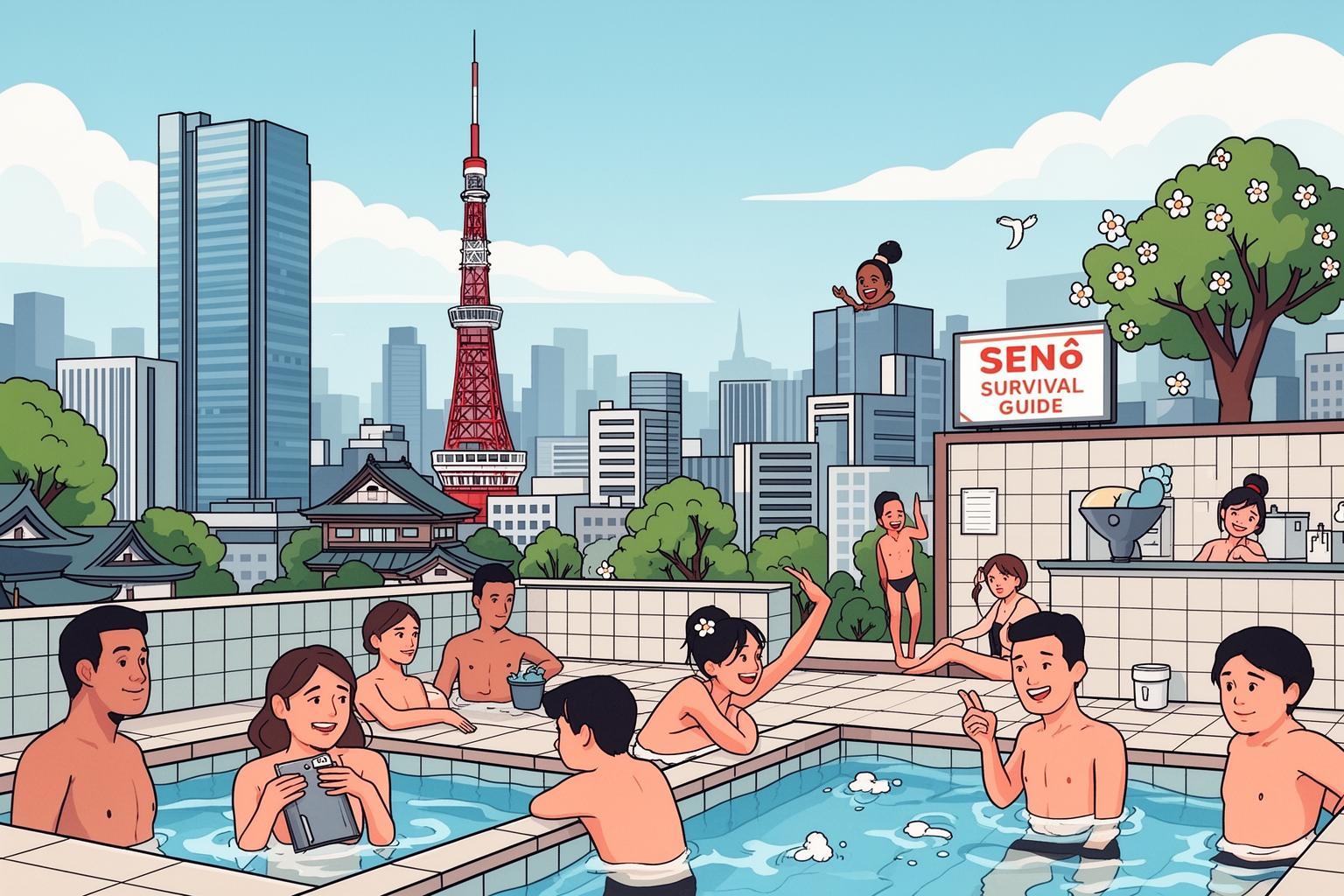
Feeling a bit nervous? That’s completely normal. Stepping into a place where everyone is naked and follows a set of unwritten rules can feel intimidating. But trust me, it’s much simpler and more inviting than you expect. Let’s go through it step by step, so you can walk in with the confidence of a regular.
Step 1: Arrival and Entry – Let the Great Undressing Begin
First, locate your sentō. Look for the distinctive `ゆ` (yu, meaning hot water) symbol on the noren curtain or the tall chimney stack rising above the rooftops. As you arrive, you’ll enter the genkan, the entrance hall. Here, the first rule of Japanese indoor life applies: shoes off. You’ll find small shoe lockers (getabako). Place your shoes inside and take the wooden key, often attached to a long piece of wood, which you’ll carry with you.
Next, pay the fee. Many modern sentō have a ticket machine (kenbaiki) near the entrance. Press the button for a standard adult bath (`大人` or `おとな`), which usually costs between 490-520 yen in Osaka. Insert your coins or bills, and a small ticket will be issued. If no machine is available, pay the attendant directly at the counter, whether it’s a classic bandai or a modern front desk. Present your ticket or payment.
Now, what do you need? If you’re experienced, you’ll bring your own “sentō kit”: a small towel, a larger bath towel, soap, shampoo, and a razor, all in a small plastic basket. But if it’s your first time, don’t worry. Most sentō cater to spontaneous bathers. You can request a tebura setto (“empty-handed set”), which includes a rental towel and basic toiletries for a few hundred extra yen. Or you can purchase individual items. It’s perfectly fine to come with just the entry fee in cash.
Step 2: The Changing Room – The Point of No Return
Pass through the appropriate noren curtain (`男` for men, `女` for women) into the datsuijo, the changing room. This area is typically lined with wooden or metal lockers. Find an empty locker—this is your spot to get undressed. Everyone will be in various stages of undress. The key is to be natural. No one is staring or judging; it’s as ordinary as changing in a gym. Place all your clothes and your large bath towel inside the locker. The key usually has a stretchy rubber or plastic band—loop it around your wrist or ankle so you don’t lose it.
Now, you’re left with only your small towel (often called a “modesty towel” by foreigners, although its purpose is more practical) and your locker key. You can use this small towel to loosely cover yourself as you move from the changing room to the bathing area if you feel shy, but many do not bother. Its main use is for washing and drying, as we’ll cover next.
Step 3: The Main Event – The Bathing Area and Its Sacred Rules
Slide open the door to the bathing area, the yokujo. A warm wall of steam greets you. Before thinking about entering the inviting tubs, you must follow the most important sentō rule: wash your body thoroughly before entering the bath. The large tubs are for soaking and relaxing, not for cleaning. Think of them as a shared resource; you wouldn’t want to soak in someone else’s dirt, nor would they want to soak in yours.
First, find an open washing station. These consist of rows of faucets with removable showerheads, a small plastic stool, and a washbowl. Sit on the stool—it’s considered rude to wash while standing, as you might splash others. Turn on the water, fill your bowl, and pour warm water over yourself, starting at your feet and working up. This initial rinse, called kakeyu, helps your body get used to the temperature. Soap up your small towel or a nylon washing cloth and scrub thoroughly. Be sure to rinse off every last bit of soap. Clean your stool and the area around you with a quick rinse for the next person—good manners matter.
Step 4: The Blissful Soak – Exploring the Tubs
Clean and rinsed, you are now ready for the tubs (yufune). This is your reward. But remember two more crucial rules! First, your small towel must never enter the bathwater. You can fold it neatly and place it on your head (the classic sentō style) or leave it on the tiled edge of the bath. Second, ease yourself into the water slowly—no jumping, diving, or splashing. This is a place of calm.
Now, explore! Most sentō offer several baths with different temperatures and purposes, such as:
- Atsu-yu: The main hot bath, usually around 42-44°C (107-111°F). It’s intense at first but deeply relaxing once you adjust.
- Nuru-yu: A lukewarm bath, ideal for longer soaks or those sensitive to heat.
- Jetto Basu (Jet Bath): A jacuzzi-style bath with powerful water jets that massage your back and legs—a pure delight after a long day.
- Denki-buro (Electric Bath): This one is unique, with low-voltage electric currents passing between two plates in the water. Sitting between them produces a tingling, buzzing sensation that may relieve muscle stiffness. Be cautious and keep metal objects, like your locker key, away from the plates! It’s an unusual but distinctly Japanese experience.
- Kusuri-yu (Herbal Bath): Baths infused with seasonal herbs, minerals, or traditional Chinese medicines, giving the water unique colors and fragrances. They’re great for the skin and very relaxing.
- Mizuburo (Cold Plunge Pool): A small, very cold bath usually located near the sauna. Alternating between the hot sauna and cold plunge (on-rei-yoku) is believed to improve circulation and leave you feeling revitalized.
If there’s a sauna, feel free to use it. The etiquette is to sit on the provided towel or your own small towel. After the sauna, rinse off your sweat at a washing station before entering the mizuburo or any other bath.
Step 5: The Afterglow – Post-Bath Rituals
When you’ve soaked enough, head back to the changing room. Before entering, use your small, damp towel to wipe as much water off your body as possible to avoid dripping on the floor. Once inside, grab your large, dry bath towel from the locker and dry off completely.
The changing room is a place to cool down and relax. You may find old-fashioned scales, massage chairs, and vintage hair dryers that look museum-worthy. Take your time. There’s no rush—this is part of the experience. Finally, for the grand finale, enjoy the quintessential post-sentō ritual: a celebratory drink. Head to the vending machine or cooler and pick up an ice-cold bottle of milk. Popular options include coffee milk (kōhī gyūnyū) or fruit milk (furūtsu gyūnyū). There’s something indescribably perfect about drinking a cold, sweet beverage after a hot bath—it’s the ideal end to a perfect soak. Many Osakans also prefer a cold beer, which is another excellent choice.
Diving Deeper: The Sentō Spectrum and Unspoken Rules
Not all sentō are made the same. In Osaka, you’ll encounter a broad range, from gritty Showa-era time capsules to sleek, modern “Super Sentō.” The classic neighborhood spots offer the most authentic atmosphere. They may show some wear and tear, but they are full of character, from the detailed tilework to the weathered wooden lockers. These are the establishments truly intertwined with the community’s fabric.
On the other hand, Super Sentō are large, modern complexes resembling spas or water parks. They usually feature a wide variety of baths, including large outdoor baths (rotenburo), multiple sauna types, restaurants, massage services, and relaxation lounges with manga libraries. They cost more (typically 1,000-2,500 yen) but provide a full day of relaxation. For beginners, Super Sentō can be a less intimidating choice, as they often welcome foreign visitors and may have English signs.
Now, let’s address the sensitive issue of tattoos. Historically in Japan, tattoos have been linked to the yakuza (organized crime), so many bathing facilities enforce a strict “no tattoos allowed” policy. This concerns many foreigners. While the situation is gradually evolving, it remains tricky. Older neighborhood sentō vary; some older operators strictly uphold the rule, while others are more relaxed, especially if you’re clearly a foreigner. Super Sentō are usually the strictest, often denying entry to anyone with visible tattoos. It’s best to check the sentō’s website or look for signs at the entrance. You can also search online for “tattoo friendly sentō Osaka.” Some places may permit entry if you cover tattoos with waterproof patches. Though frustrating, this is a cultural reality you should be aware of.
Other etiquette points are simpler. Tie up long hair to keep it out of the bath water. If you bring children, teach them not to run, shout, or swim in the tubs. Conversation is allowed but keep your voice at a moderate level; it’s a shared space for relaxation. Ultimately, the key principle is consideration for others—keep this in mind, and you’ll be fine.
The Soul of the Soak
A sentō offers more than just hot water and rules. Look closely, and you’ll discover artistry and soul in every detail. Take note of the small, carefully tended courtyard garden (tsubo-niwa) visible through a window from the bathing area, providing a peaceful touch of nature. Appreciate the craftsmanship in the wooden ceiling or the carved transom above the door. Consider the unseen hero of the bathhouse, the kamaba or boiler man, who for generations has skillfully tended the fires to maintain the water at that perfect, soothing temperature.
The sentō represents a culture in transition. With the rise of private baths, their numbers have sharply declined over the past 50 years. Yet, a passionate revival is underway. Young entrepreneurs are revitalizing old, defunct sentō, renovating them to preserve classic architecture while introducing modern features like craft beer taps, art galleries, and live music stages. They are redefining the sentō not only as a place to bathe but as a vibrant community hub for a new generation. By visiting a sentō, you’re not merely taking part in an old tradition; you’re actively helping to keep a vital piece of Osaka’s culture alive and steaming.
So, the next time you feel tired, stressed, or simply disconnected from the city, don’t just go home and turn on the TV. Look for the nearest `ゆ` sign. Bring a small towel and a few hundred yen. Step through the noren, leave the modern world behind, and let yourself melt into the warm, inviting waters. It’s a simple gesture, but it can transform your entire connection with this city. You’ll leave feeling not just clean, but refreshed. Restored. And you’ll come to understand, in a way no museum or tour ever could, the true, warm, and wonderful soul of Osaka.