Step off the neon-drenched streets of Osaka, away from the sizzle of takoyaki grills and the ceaseless river of humanity flowing through Shinsaibashi. Duck under a simple noren curtain marked with the unmistakable hiragana character for hot water, ゆ (yu). Here, in the quiet, steam-filled heart of the neighborhood, lies a cultural institution as vital to the city’s spirit as its castle: the sentō, or public bathhouse. This isn’t just a place to get clean. It’s a sanctuary, a social club, a wellness center, and a living museum rolled into one. For the foreign resident navigating the exhilarating chaos of life in Osaka, the sentō presents a unique doorway into the soul of the community. It’s a place where social barriers dissolve with the steam, where the day’s worries are scrubbed away, and where you can connect with the city on a level far deeper than any tourist experience. But this immersion doesn’t come without its own set of cultural hurdles. Embracing the sentō is a journey, one that requires shedding inhibitions along with your clothes. It’s a rhythmic dance between profound reward and initial trepidation. Is it worth taking the plunge? For those willing to understand its nuances, the answer is a resounding, soul-warming yes. The sentō is more than a bath; it is a profound lesson in Japanese community, humility, and the simple, restorative power of shared warmth. It’s where you’ll find the unvarnished, authentic rhythm of daily life in this incredible city, a rhythm that beats strongest in the gentle lapping of hot water against tile.
For a different kind of soulful immersion in the Kansai region, consider planning a spiritual weekend on Mount Koya.
The Warm Embrace: The Unparalleled Pros of the Sentō Lifestyle
The most compelling reason to incorporate the sentō into your daily life in Osaka is the profound sense of connection it provides. In a vast city that can sometimes feel impersonal, the local bathhouse stands as a stronghold of authentic community. This is what the Japanese refer to as hadaka no tsukiai, or ‘naked communion.’ This idea is key to appreciating the sentō’s unique charm. When everyone is undressed, they shed their social status, job titles, and daily facades. A company CEO might be sitting next to a construction worker, a student beside a retiree. In this setting, everyone is equal, bonded by the shared ritual of bathing. For a foreigner, sentō can be an incredibly effective means of integration. At first, you may feel like an outsider, but persistence matters. A friendly nod, a quiet ‘konbanwa’ (good evening), and respectful observance of the etiquette will gradually secure your place in this small community. You’ll start to recognize the familiar faces: the elderly men discussing the latest Hanshin Tigers game, mothers finding a moment of tranquility, friends catching up weekly in the sauna. Over time, you will no longer be seen as ‘the foreigner’ but simply as another familiar face, another neighbor sharing the water. This slow acceptance is deeply gratifying, offering a sense of belonging that can be hard to find when living abroad. The conversations may be simple, often focused on the weather or the bathwater’s quality, but they are the threads that weave you into the local social fabric. The bantō, the attendant at the entrance, often becomes a friendly gatekeeper and a reservoir of local knowledge. Seeing you come and go, their warm greetings signal that you are no longer just a visitor, but part of the neighborhood’s rhythm.
A Symphony of Restoration for Body and Mind
Beyond its social benefits, the sentō is truly a temple of wellness, offering a sophisticated range of therapeutic experiences at a remarkably affordable price. Modern ideas of ‘self-care’ pale in comparison to this age-old tradition. The journey begins with the main tubs, filled with water heated to a precise, muscle-melting temperature, typically around 40-43 degrees Celsius (104-109 F). Immersing yourself in this water feels like a full-body exhale, releasing the tension accumulated from navigating a bustling city. But the experience seldom ends there. Many sentō in Osaka feature a variety of specialized baths, each with a distinct purpose. You might encounter a denki buro, or electric bath, which passes a low-voltage current through the water. Although initially surprising, the tingling sensation is valued for its ability to ease deep muscle aches and nerve pain. It’s a uniquely Japanese experience that you approach cautiously at first but may come to appreciate for its quirky yet powerful relief. Then there are the yakuyu, or medicinal baths, infused with natural herbs, minerals, and seasonal ingredients like yuzu citrus in winter or iris roots in early summer. The fragrant steam offers aromatic therapy, while the ingredients are believed to provide benefits ranging from improved circulation to softer skin. Jet baths, or ‘jetto basu,’ act like hydro-masseuses, targeting your back and legs with streams of pressurized water to ease knots you didn’t even know you had. The true art of the sentō wellness experience, however, often lies in contrasts. After heating your body to the core in a hot bath or dry sauna, the next step is a daring plunge into the mizuburo, or cold water bath. The initial shock is intense, a full-system reset that literally takes your breath away. But as you emerge, your skin tingles with renewed vitality, circulation kicks into high gear, and a wave of clarity and euphoria sweeps over you. This hot-and-cold cycle, known as contrast therapy, is scientifically proven to boost the immune system, reduce inflammation, and invigorate the spirit. It’s a powerful, natural high that leaves you feeling entirely refreshed and ready to take on anything. This regular ritual of deep cleansing, muscle relaxation, and circulatory stimulation can profoundly benefit your overall physical and mental health, serving as a potent antidote to the stresses of urban life.
A Living Portal to Authentic Culture and History
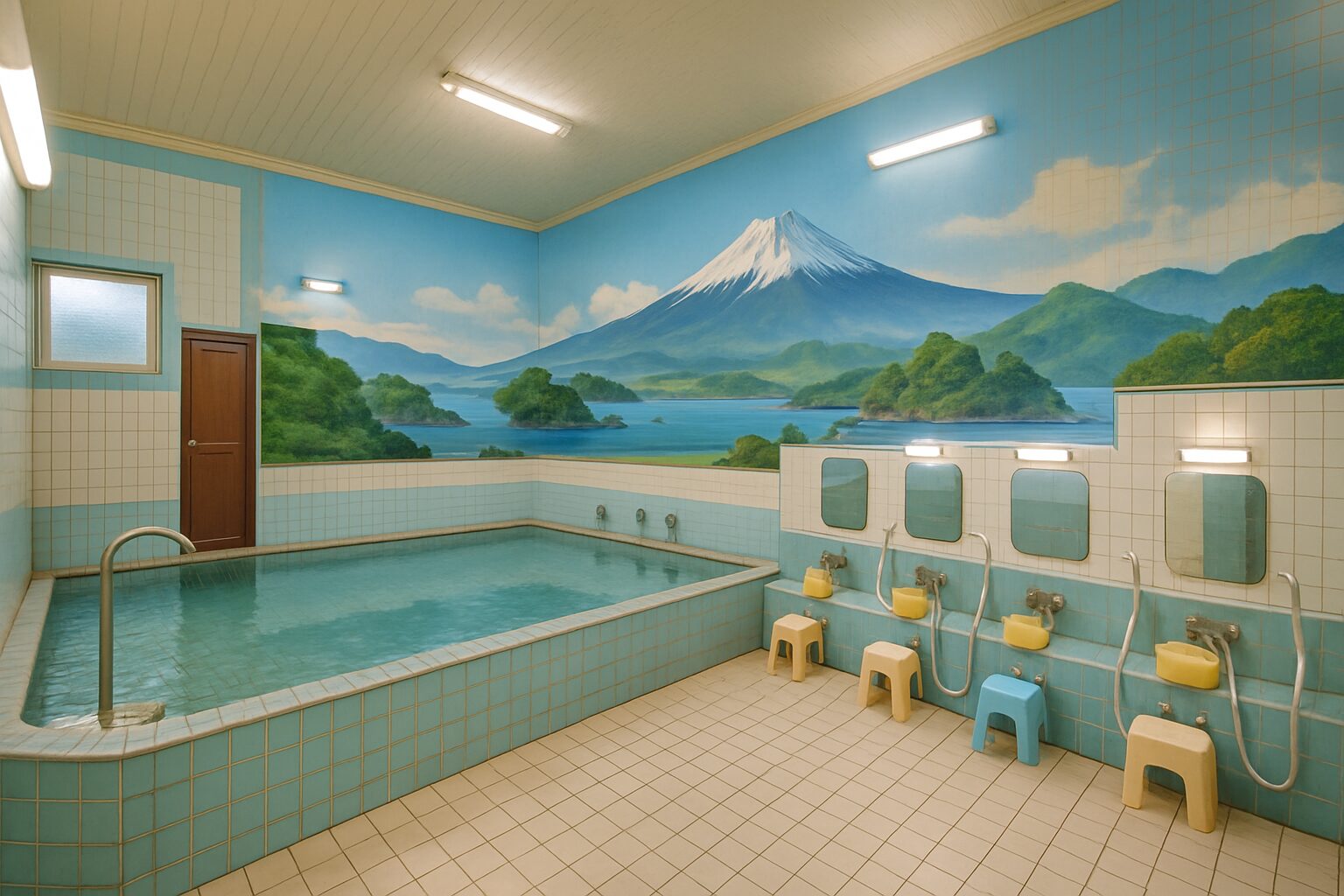
Visiting a sentō is about more than hygiene or health; it is an act of cultural participation. Each bathhouse serves as a time capsule, reflecting the era in which it was built and the community it serves. Classic neighborhood sentō, many dating back to the Showa period (1926-1989), are architectural gems. You’ll often find a high, vaulted ceiling designed to let steam escape, creating an unexpectedly airy and spacious atmosphere. The changing rooms feature old wooden lockers with intricate keys, vintage massage chairs that rumble and shake for a hundred yen, and analog weight scales. The true artistic highlight, however, is usually found on the wall dividing the male and female baths. Here, you often see a grand mural, a penki-e, most famously depicting a majestic Mount Fuji. Even in flat, urban Osaka, this iconic image connects bathers to a broader sense of Japanese identity and natural beauty. The tiles themselves can be artistic, adorned with colorful koi fish, blooming flowers, or geometric patterns. These details are more than decoration; they form a carefully crafted environment that is both functional and visually pleasing, a space for the spirit as well as the body. By frequenting a sentō, you actively help preserve this tradition. Many of these smaller, family-run bathhouses struggle to compete with modern apartments equipped with private bathrooms. Your patronage is a vote for maintaining this unique cultural heritage. Moreover, the sentō offers a glimpse into the unfiltered, everyday life of Japanese people. You’ll observe small, intimate rituals: the meticulous way an elderly man folds his towel to place it on his head, the post-bath custom of drinking a cold bottle of fruit milk or a draft beer, the calm, unhurried pace of it all. This is not a display for tourists; it is the genuine, unvarnished rhythm of life in Osaka. It provides a deeper, more nuanced understanding of Japanese culture than any textbook or temple visit ever could.
Navigating the Waters: The Cons and Cultural Hurdles
Despite all its wonderful benefits, becoming a regular at a sentō is not without challenges, especially for those from cultures where public bathing is uncommon. The biggest hurdle for most newcomers is the idea of public nudity. In many Western cultures, nudity is considered very private and often sexualized. However, in the context of a Japanese sentō, it is completely non-sexual and matter-of-fact—it serves as the great equalizer. Still, this intellectual acceptance doesn’t always erase feelings of vulnerability or self-consciousness during the first few times you undress in a room full of strangers. The sensation of being “on display” can be overwhelming. Your mind might flood with worries: Are others looking at me? Am I doing this correctly? This initial discomfort is a real drawback for many and may even prevent them from trying at all. The key is to observe the behavior of others. You’ll soon realize that no one is staring; people are there to relax, bathe, and follow their own routine. They are just as uninterested in your body as you are in theirs. A small modesty towel—a thin washcloth you can buy or rent at the front desk—becomes essential. Although it must never enter the bathwater, it’s carefully used to cover yourself while moving between the washing area and the baths. This small act of concealment provides considerable psychological comfort as you adjust to the environment. Overcoming this barrier is a gradual process requiring a mental shift and the shedding of ingrained cultural norms. Once achieved, it can be wonderfully liberating. You begin seeing your body not as an object of judgment, but simply as a body among many others, all gathered to get clean and feel good.
The Intimidating Gauntlet of Unspoken Rules
Following closely behind the nudity hurdle is the fear of making a social faux pas. The sentō operates on a deeply ingrained, often unspoken, set of rules and etiquette. Violating one—even inadvertently—can cause embarrassment or, in some cases, a gentle reprimand from a regular. This “etiquette gauntlet” can feel very intimidating for first-timers. The protocol is exact and must be followed. The most important, inviolable rule is that you must wash your body thoroughly before entering any communal baths. The baths are for soaking and relaxation, not for cleaning. To wash, find an open station along the wall, which includes a low plastic stool, a faucet with hot and cold taps, a handheld showerhead, and a plastic bucket. You sit on the stool—never stand, to avoid splashing others—and scrub yourself from head to toe with soap and shampoo. Only after rinsing away all suds are you considered “clean” enough to enter the tubs. Another essential rule concerns the modesty towel. It can be used for scrubbing while washing but must never touch the bathwater. Most people place it on the side of the tub or, in a classic sentō gesture, fold it neatly and balance it on top of their head. Other rules are subtler. You should enter the baths slowly and gently, without splashing; avoid swimming or horseplay; keep your voice low—quiet conversation is acceptable, but loud talk is disruptive. Before returning to the changing room, you are expected to quickly wipe down your body with your towel to prevent dripping excessive water on the floor. None of these rules are difficult in practice, but their sheer number and the fact they are second nature to others can cause anxiety. The best strategy is to watch and learn. Spend a few minutes observing the regulars, mimic their behavior, remain quiet, respectful, and deliberate. Your sincere effort to respect the customs will be noticed and appreciated far more than immediate perfection.
The Persistent Tattoo Taboo
For many foreigners, tattoos represent a significant and often frustrating obstacle to fully enjoying Japan’s bathing culture. Traditionally, tattoos in Japan have been linked to the yakuza, or organized crime groups. As a result, many bathing establishments—especially onsen (hot spring resorts) and modern “super sentō”—ban patrons with tattoos of any size or design. This can be deeply disappointing for visitors and residents who view their tattoos as personal expression rather than criminal affiliation. The situation in Osaka, however, is somewhat more nuanced and often more relaxed. Traditional neighborhood sentō tend to be more lenient. Serving a local, regular clientele, they are often willing to overlook small-to-medium tattoos, particularly on foreigners. They operate under a “don’t ask, don’t tell” approach, provided the tattoos aren’t excessively large or intimidating. The emphasis is usually on not disturbing other patrons rather than the tattoos themselves. Super sentō and larger commercial bathhouses tend to be stricter, frequently posting prominent “No Tattoos” signs in multiple languages at their entrances. Being refused entry can be unpleasant. The best approach is to research beforehand. Check the facility’s website (browser translation tools can help) or read recent reviews from tattooed visitors. For smaller tattoos, cover-up stickers or bandages—available at many drugstores or online—are practical solutions. When in doubt, discretion is key. Simply concealing a small tattoo with your modesty towel while moving around can often prevent issues. The tattoo taboo is slowly evolving, with more venues adopting tattoo-friendly policies, especially in tourist-heavy areas. However, the stigma remains strong and requires extra planning and flexibility, which can be a definite drawback for heavily tattooed residents.
A Deeper Dive: Understanding Osaka’s Sentō Spectrum
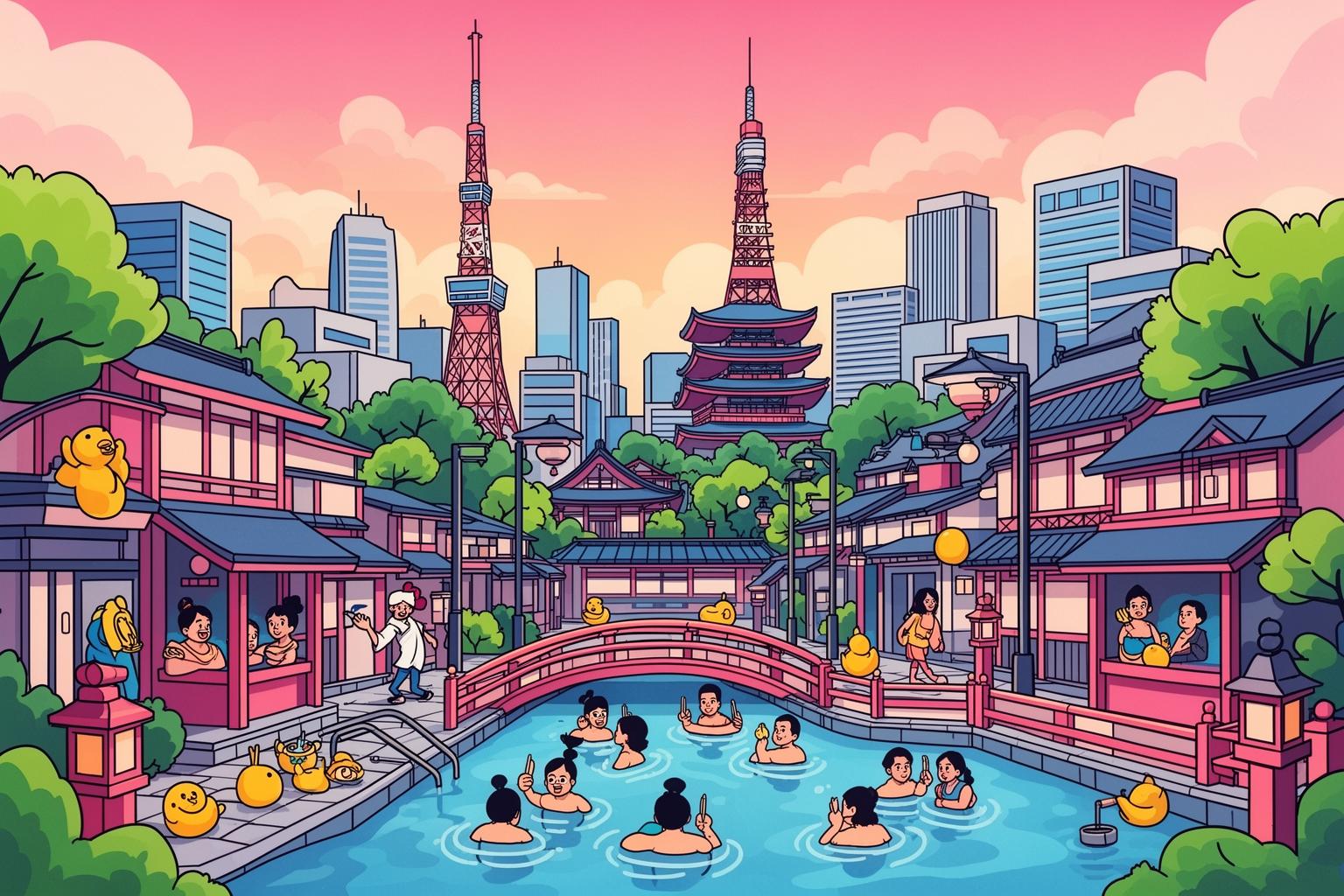
Not all sentō are made the same. Osaka presents a diverse array of bathing experiences, each with its own distinct character and ambiance. Knowing the different types can help you discover the ideal soak to suit your mood and preferences.
The Classic Neighborhood Sentō
This is the essence of bathhouse culture. Often hidden on a quiet residential street, these small, family-run establishments have served their communities for generations. Their charm lies in nostalgia. The exterior may showcase beautiful ‘temple-style’ architecture (miyazukuri), featuring a grand, sweeping roof. Inside, you’ll find the iconic Fuji mural, exquisite Kutani-yaki tile art, and the familiar sound of wooden buckets on stone floors. The facilities are simple—perhaps just a few hot tubs, a cold plunge, and a small sauna—but the water is always impeccably clean and perfectly heated. The atmosphere is calm and intimate. This is the place for an authentic, no-frills experience and to absorb the local neighborhood vibe. It’s also the least intimidating place for those with tattoos and a great spot to practice your budding Japanese skills with welcoming locals. Prices are the lowest, fixed by the prefectural government, making it an incredibly affordable glimpse into daily life.
The Modern Super Sentō
At the opposite end of the spectrum are the super sentō. These large, modern complexes focus less on a quick daily wash and more on a full day of entertainment and relaxation. Think of them as wellness-themed water parks. Alongside a wide variety of indoor baths (herbal, jet, electric), they almost always feature a rotenburo, an outdoor bath. Soaking under the open sky, often surrounded by garden scenery, is an exquisite experience. Super sentō also offer multiple saunas (dry, steam, salt), massage treatments, relaxation lounges with reclining chairs and manga libraries, plus full-service restaurants. They’re perfect for a weekend indulgence or a long, leisurely afternoon of self-care. The downside is they tend to be more commercial, busier, and significantly more costly than your neighborhood sentō. Their tattoo policies are usually stricter, so it’s essential to check beforehand. While they may lack the intimate, historical charm of classic sentō, their extensive amenities make them a wonderfully fun and revitalizing experience.
The Designer and Renovated Sentō
Recently, a new generation of ‘designer’ sentō has revitalized the tradition. Often, older bathhouses are purchased and renovated by younger owners blending classic sentō culture with modern design. You might see minimalist concrete walls alongside traditional tile art, stylish lighting, and carefully selected craft beers to enjoy after your bath. These venues aim to attract a younger crowd while preserving the core values of the public bath. They often foster a strong community atmosphere by hosting small events or art exhibitions. Representing the evolution of sentō, they prove this ancient tradition has a vibrant future. They strike a perfect balance—offering more comfort and style than a basic neighborhood bathhouse without the overwhelming size of a super sentō.
Taking the Plunge: Your First Sentō Journey
Feeling ready to give it a try? Let’s go through the process step by step to make the experience clear. First, find a sentō. Look for the ゆ symbol or the kanji 湯 (yu) on a map or while exploring a neighborhood. At the entrance, you’ll see the getabako, a wall of small lockers for your shoes. Remove your shoes, place them in a locker, and take the wooden key with you. Then, proceed to the front desk, the bandai. Here, you’ll pay the entrance fee, typically a modest 400-500 yen for a basic sentō. If you didn’t bring your own supplies, you can buy or rent everything you need here: a small ‘modesty’ towel, a larger bath towel for drying off, soap, and shampoo. Next, you’ll be directed to the appropriate changing room: 男 (otoko) for men and 女 (onna) for women. Inside the datsuijo, or changing room, find an empty locker or basket. This is the moment. Take a deep breath, then disrobe completely. Store your clothes and large bath towel in the locker. You’ll only bring your small modesty towel and toiletries with you into the bathing area. Now, enter the bathing area. Your first stop is always the washing station, or arai-ba. Find an empty stool, sit down, and wash yourself thoroughly. Once fully rinsed, you’re ready for the main event. Approach the tubs. It’s polite to use one of the buckets to scoop bathwater and splash it over your legs and torso to get used to the temperature before entering. Then, ease yourself in slowly. Ah, bliss. Remember to keep your towel out of the water. Relax and soak. Feel free to move between different tubs, and if you’re adventurous, try the sauna and cold plunge cycle. When finished soaking, you can return to your washing station for a final rinse if you like. Before going back to the changing room, wring out your small towel and wipe your body as best you can. This simple courtesy helps keep the changing room floor dry. Dry off completely with your large bath towel, get dressed, and feel free to relax in the changing room. Many have fans, benches, and those classic vending machines selling cold milk. As you leave, return your locker key to the front desk and remember to retrieve your shoes. A simple ‘arigatou gozaimashita’ (thank you very much) to the attendant is a thoughtful finishing touch. You’ve done it. You’ve successfully navigated the sentō. You’ll step out into the Osaka night feeling cleaner, lighter, and more connected to the city than ever before. It’s a feeling that, once experienced, becomes wonderfully addictive—a warm rhythm you’ll want to return to again and again.