There are moments when you travel, or when you settle into a new city, that slice through the curated veneer of guidebooks and tourist trails, plunging you directly into the thrumming, unapologetic heart of a place. In Osaka, that moment often arrives not in a serene temple garden or atop a gleaming skyscraper, but under the blinding, almost aggressive glare of a Super Tamade supermarket. To the uninitiated, the facade is a chaotic explosion of light and color, a visual cacophony that seems more suited to a pachinko parlor or an old-school arcade than a place to buy your weekly groceries. Flashing LED signs, garish yellow and red banners screaming incomprehensible bargains, and a giant, almost cartoonish logo—it’s an assault on the senses, and it is quintessentially, wonderfully Osaka. This is not merely a store; it is a cultural institution, a 24-hour beacon for the budget-conscious, and your first, most important lesson in understanding the pragmatic, resourceful spirit of Japan’s kitchen. Forget everything you think you know about the quiet, minimalist aesthetic of Japan; step inside Super Tamade, and you step into the real, vibrant, and incredibly affordable world of daily life in this city. It’s where students, pensioners, families, and night-shift workers converge, united by a common, unspoken goal: to master the art of living well without spending a fortune, a core tenet of the Osakan identity. This is the ground floor of kuidaore—the city’s philosophy of eating until you drop—where the grand culinary adventure begins not with a Michelin star, but with a humble 1-yen sale.
For those looking to extend this frugal philosophy to their travels, mastering the city’s public transport is key, and you can learn how with a guide to Osaka Metro’s day passes and discount tickets.
An Orchestra of Chaos: The Tamade Atmosphere

To genuinely appreciate Super Tamade, you must first submit yourself to its environment. This is no calm shopping trip. It is a complete sensory immersion into a realm ruled by the principles of overload. The lighting is harsh, fluorescent, and unyielding, intended not to create atmosphere but to highlight the brightly colored price tags that are the store’s true focal points. Every surface appears covered with hand-drawn signs, a frantic script of discounts and daily specials written in bold black and red marker. These signs form a language of urgency and opportunity. They dangle from the ceiling, are taped to freezer doors, and pop up from heaps of produce like triumphant banners. The color palette is a constant jolt of primary colors, with the signature bright yellow and crimson found on everything from shopping baskets to staff uniforms, crafting a visual rhythm that is both startling and oddly mesmerizing.
The soundscape at Tamade is equally intense. A nonstop mix of lively J-pop, nostalgic enka ballads, or the store’s own jingle plays through a network of overtaxed speakers, competing with the steady, rhythmic beeping of cash registers and the clattering of shopping carts maneuvering through cramped, bustling aisles. Overhead, prerecorded announcements and live staff calls ring out, informing shoppers about freshly fried chicken, limited-time cabbage deals, or imminent half-price sushi markdowns. The collective hum of shoppers, the rustle of plastic bags, the thud of daikon radishes dropping into baskets—all combine into a commerce symphony that is both chaotic and profoundly human. The aromas also tell their story: the earthy scent of root vegetables in the produce section fades into the sweet, savory smell of grilled eel and the rich, greasy fragrance of freshly fried tempura and croquettes from the deli counter. It is a place that smells of nourishment, of meals being prepared and appetites satisfied.
And then there are the people. The charm of Tamade lies in its diverse crowd. You’ll find elderly women, masters of household budgeting, carefully scrutinizing fish packages with sharp eyes for the best bargains. University students grab cheap bento boxes and cans of chuhai to fuel late-night study sessions. Young mothers with children in tow fill their carts with family-sized packs of meat and vegetables. Salarymen, ties loosened after a long day, pick up discounted sushi platters for a solitary dinner. It is a cross-section of society, a place where social divisions fade in the shared quest for a good deal. The energy is not frantic but purposeful. There is a tangible sense of intent in the air, a collective understanding that this is not about luxury or presentation but about the essential, fulfilling act of feeding oneself and one’s family well and affordably.
The Alchemist’s Lair: Navigating the Aisles of Frugality
Shopping at Super Tamade feels less like a chore and more like a treasure hunt. The store is designed to reward those who are observant and patient. While it offers all the usual supermarket sections, each one operates under Tamade’s distinctive philosophy of aggressive pricing and high-volume turnover. Grasping its quirks is essential to unlocking its full potential.
The Mythical 1-Yen Sale: A Commercial Ritual
Perhaps the most renowned of Tamade’s promotions is the legendary 1-yen sale. It has become local folklore—and yes, it really exists. However, it serves as a classic loss leader, a strategy to lure customers inside and encourage spending. To qualify for the 1-yen item—such as a carton of eggs, a pack of udon noodles, a block of tofu, or a bag of bean sprouts—you usually need to spend a minimum amount, typically 1,000 yen, on other products first. To the uninitiated, it may seem like a gimmick, but for regular shoppers, it’s an essential part of their weekly routine. They don’t shop at Tamade solely for the 1-yen item; rather, they incorporate it into their planned grocery trip. It becomes a small, satisfying victory—a symbolic reward for their savvy shopping. These items are often displayed in a high-traffic area, marked by a large, eye-catching sign, creating a focal point of excitement in the store. Taking part in this ritual, even as a foreigner, is your first step to shopping like a local. It’s a small game that connects you to the neighborhood’s economic heartbeat.
The Sōzai Sanctuary: Osaka’s Prepared Food Haven
If there is one section that embodies the spirit of Super Tamade, it is the sōzai—the prepared foods counter. This is where the magic truly unfolds and a lifeline for those on a tight budget or a busy schedule. The variety is staggering. Gleaming platters of sushi priced so low they would make a Tokyoite envious—often a full tray for 400 or 500 yen. Rows of bento boxes filled with rice, a main protein like grilled fish or tonkatsu, and several side dishes, frequently selling for an incredible 250 to 350 yen. Mountains of fried foods—the cornerstone of cheap, satisfying meals: golden-brown korokke (croquettes), crispy chicken karaage, vegetable and shrimp tempura, and savory menchi-katsu (minced meat cutlets), often priced below 100 yen each. You’ll also find fresh onigiri with various fillings, colorful salads, and packs of yakisoba or okonomiyaki. This section reflects Osaka’s practical food culture. It recognizes that people are busy and hungry, offering hot, hearty, and delicious meals for less than the price of a fancy café coffee.
But the true Tamade experts know to watch the clock. As evening falls, a quiet, elegant ritual begins. Staff appear with sheets of brightly colored stickers, signaling the start of the markdown frenzy. Initially, 20% or 30% off stickers appear, but the patient are rewarded. Wait until later—perhaps after 9 or 10 PM—and the coveted red hangaku (半額) or 50% off stickers emerge. This is the golden hour. A 400-yen sushi platter drops to 200 yen. A 300-yen bento becomes 150 yen. The sōzai section transforms into a feeding frenzy as shoppers who have been waiting swoop in to claim their bargains. Participating in this nightly event is an essential Osaka experience. It’s a moment of communal, budget-conscious joy.
The Foundation of the Kitchen: Produce and Proteins
Shifting away from the instant gratification of the sōzai counter, the produce and protein aisles are where you build the base for home-cooked, affordable meals. The fruit and vegetable sections at Tamade teach a lesson in seasonality and practicality. You won’t find perfectly round, blemish-free melons like those in luxury department stores. Instead, you’ll discover heaps of fresh, local, seasonal produce piled high and priced to sell quickly. Daikon radishes as large as your forearm, bags of shiny green peppers, enormous heads of cabbage, and nets of onions and potatoes—all at prices encouraging bulk cooking. Here, you can truly appreciate the link between the seasons and the Japanese dinner table.
The meat and fish counters are equally impressive in their dedication to value. Huge refrigerated cases hold enormous trays of thinly sliced pork and beef, perfect for stir-fries, hot pots, or sukiyaki. Minced meat, chicken thighs, and pre-marinated options offer endless possibilities for quick, easy dinners. The fish section reflects Osaka’s closeness to the sea, offering whole fish, fillets, and pre-cut sashimi blocks at a fraction of the prices found elsewhere. Purchasing your proteins at Tamade lets you cook traditional Japanese dishes at home for remarkably low costs. A hearty nabe hot pot, a dish meant to be shared with family or friends, can be put together for under 2,000 yen, easily feeding four or five people—a social and culinary triumph made possible by Tamade’s pricing.
The Merchant’s Soul: Understanding the Tamade Philosophy

To dismiss Super Tamade as simply a cheap, flashy supermarket is to overlook its deep connection to Osaka’s historical identity. For centuries, this city has been Japan’s commercial hub, home to the akindo (merchants). This merchant culture cultivated a spirit of pragmatism, ingenuity, and a strong appreciation for value—akindo shuhō, the merchant’s way. This spirit prioritizes delivering quality products at fair prices over refined aesthetics (wabi-sabi). Super Tamade embodies this spirit in the 21st century. Its founder, Kyoichi Mae, had a keen understanding of the Osaka mindset. The bright lights and loud music are not accidental but a clever marketing tactic. In a city wary of pretension and eager for a bargain, the store’s appearance is a bold neon declaration: “We don’t spend on fancy decor so we can offer you savings!”
This approach starkly contrasts with Tokyo’s consumer culture, which often emphasizes branding, presentation, and a polished shopping experience. In Osaka, the true status symbol is the quality of the deal. Boasting about how little you paid is a common and respected social exchange, and Tamade fuels these conversations. The store’s growth also aligns closely with Japan’s recent economic history. Rising after the burst of the bubble economy in the early 1990s, Tamade addressed the needs of families and individuals facing economic stagnation. It became more than a supermarket; it was a financial anchor, a symbol of resilience that helped people maintain a good quality of life—especially regarding food—even as incomes tightened. It reflects its era and city: a place that adapts, endures, and thrives with cheerful, unpretentious grit.
A Practical Field Guide for the Tamade Neophyte
Your first visit to Super Tamade can be intimidating. The sheer volume of products, shoppers, and promotions may feel overwhelming. However, with a few simple tips, you can navigate it like an experienced local.
First, timing is crucial. The Tamade experience shifts significantly depending on the time of day. Weekday mornings tend to be relatively quiet, ideal for leisurely stocking up on essentials. The period between 4 PM and 7 PM is the busiest, as shoppers stop by after work to pick up dinner ingredients. But the real excitement happens late at night. If you’re hunting for half-price bento and sushi, arriving around 9 PM is your best chance. Since most branches operate 24/7, there’s always a time that fits your schedule, whether you’re an early bird or a night owl.
Second, come prepared. Although many branches now accept credit cards, Tamade has long been a cash-focused store. It’s wise to carry a decent amount of yen just in case. More importantly, bring your own reusable shopping bag, or as it’s called in Japan, my baggu. This is not only better for the environment but also saves you a few yen on plastic bags at checkout—a small but meaningful act of thrift that aligns perfectly with the Tamade spirit.
Third, have a plan for exploring the store. The layout can sometimes seem confusing, with special sale items piled in large bins in the middle of main aisles. The best strategy is to do a complete walkthrough when you first enter. Circle the perimeter, noting the daily specials and loss leaders before venturing into the aisles. Don’t hesitate to pick up items, inspect them, and compare prices. Shopping here is an active, engaged experience.
Finally, grasp the quality-price balance. You’re not shopping at a gourmet grocer. The produce is fresh and tasty but may have cosmetic flaws. The sushi is satisfying and very affordable, though it won’t rival a meal crafted by a master itamae. Tamade’s brilliance lies in its mastery of the “perfectly good.” It offers food that is wholesome, flavorful, and safe, at the lowest possible price. Manage your expectations, and you’ll appreciate the value. Accept that a slightly misshapen carrot tastes just as good in a stew, and you’ll have embraced the Tamade mindset.
Creating Your Own Tamade Feast
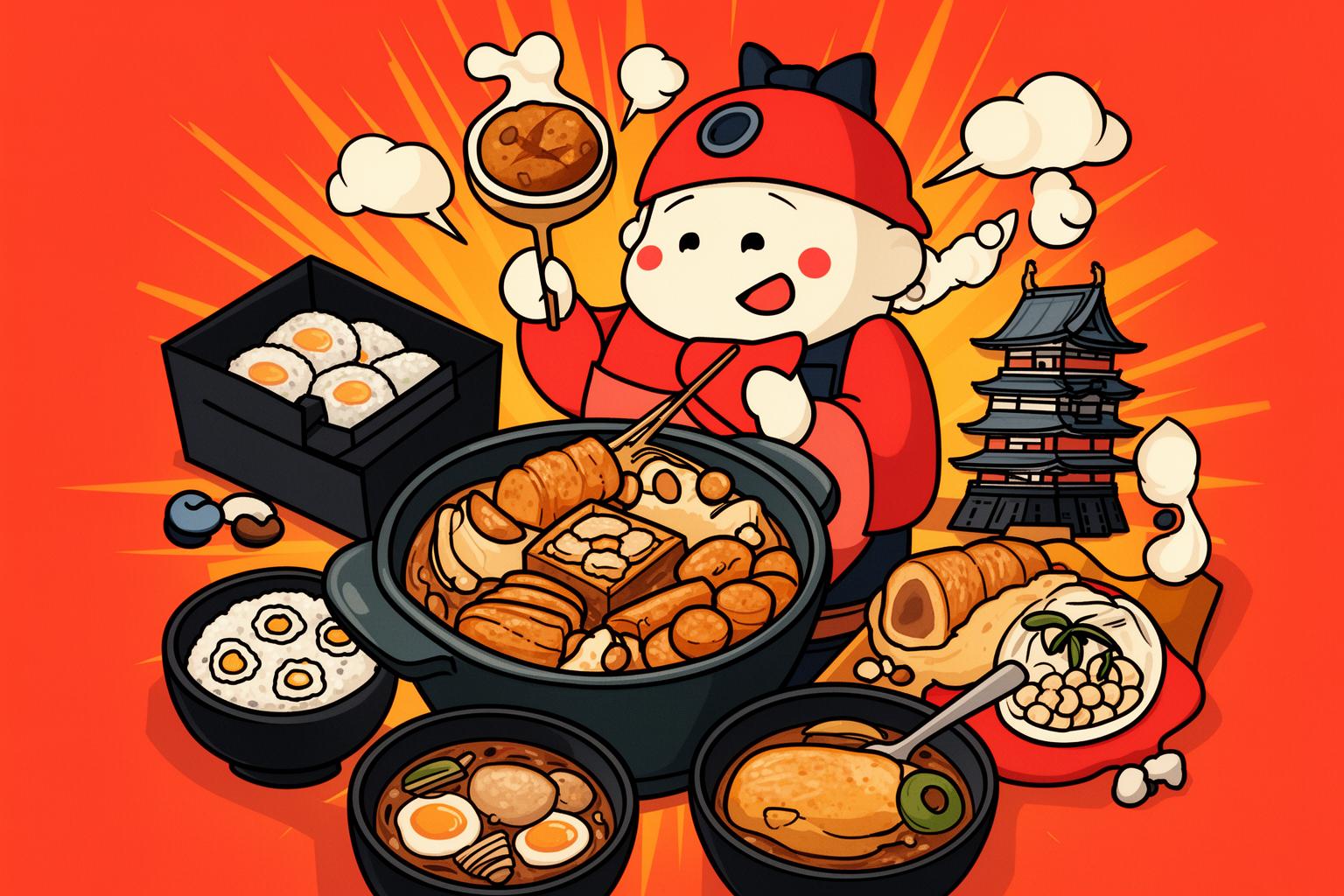
The best way to experience Super Tamade is to turn shopping there into a culinary adventure. Don’t just shop for food; shop for the joy of creating something delicious and affordable.
Try the “1,000 Yen Challenge.” See if you can purchase all your meals for an entire day for less than 1,000 yen. This isn’t just possible at Tamade—it’s quite easy. Start with a 100-yen onigiri for breakfast, a 250-yen bento for lunch, and for dinner, pick up a package of noodles, a bag of mixed vegetables, and a small portion of pork for a quick stir-fry. Add a can of tea or a cheap beer, and you’ll probably still have some change left. It’s a fun challenge that offers a fascinating glimpse into the economics of daily life in Osaka.
Consider hosting a nabe or takoyaki party. These communal, do-it-yourself meals are central to Osaka’s social life, and Tamade has everything you need. For a hot pot, you can buy broth, thinly sliced meat, tofu, a variety of mushrooms, napa cabbage, and udon noodles—all at remarkably low prices. For takoyaki, you’ll find the flour mix, octopus, pickled ginger, and sauces. Inviting friends over to cook and eat together is a wonderful way to experience Japanese culture, and doing it with ingredients from Tamade makes it genuinely representative of Osaka.
Finally, use Tamade as a testing ground for exploring Japanese snacks and drinks. The shelves are filled with a dizzying variety of chips, crackers, candies, and beverages, many from brands you may not recognize. Instead of sticking to the familiar, fill your basket with anything that looks unusual or intriguing. It’s a low-risk, high-reward way to discover new favorites and broaden your palate, turning a simple grocery run into an exciting journey of discovery.
Super Tamade is far more than just flashing lights and low prices. It is a vibrant expression of Osaka’s character—loud, efficient, unpretentious, and warm at its core. It’s a place that removes pretenses and connects you to the city’s fundamental rhythms: working, eating, saving, and living. Shopping at Tamade means taking part in Osaka’s daily life in its rawest form, standing shoulder-to-shoulder with the people who truly embody this remarkable city. It’s not only a way to save money but also a means to understand a culture, a history, and a philosophy—one ridiculously cheap and delicious bento box at a time. In its neon-lit, bustling way, it is a sacred temple of thrift, and a visit to its aisles is a pilgrimage every Osaka visitor and resident should undertake.