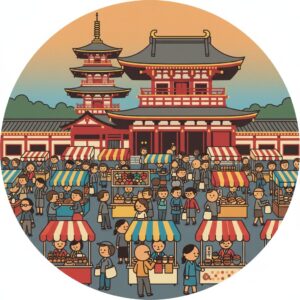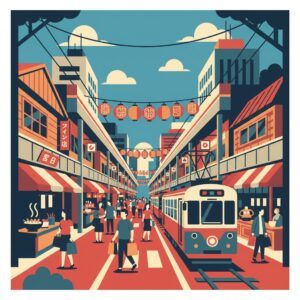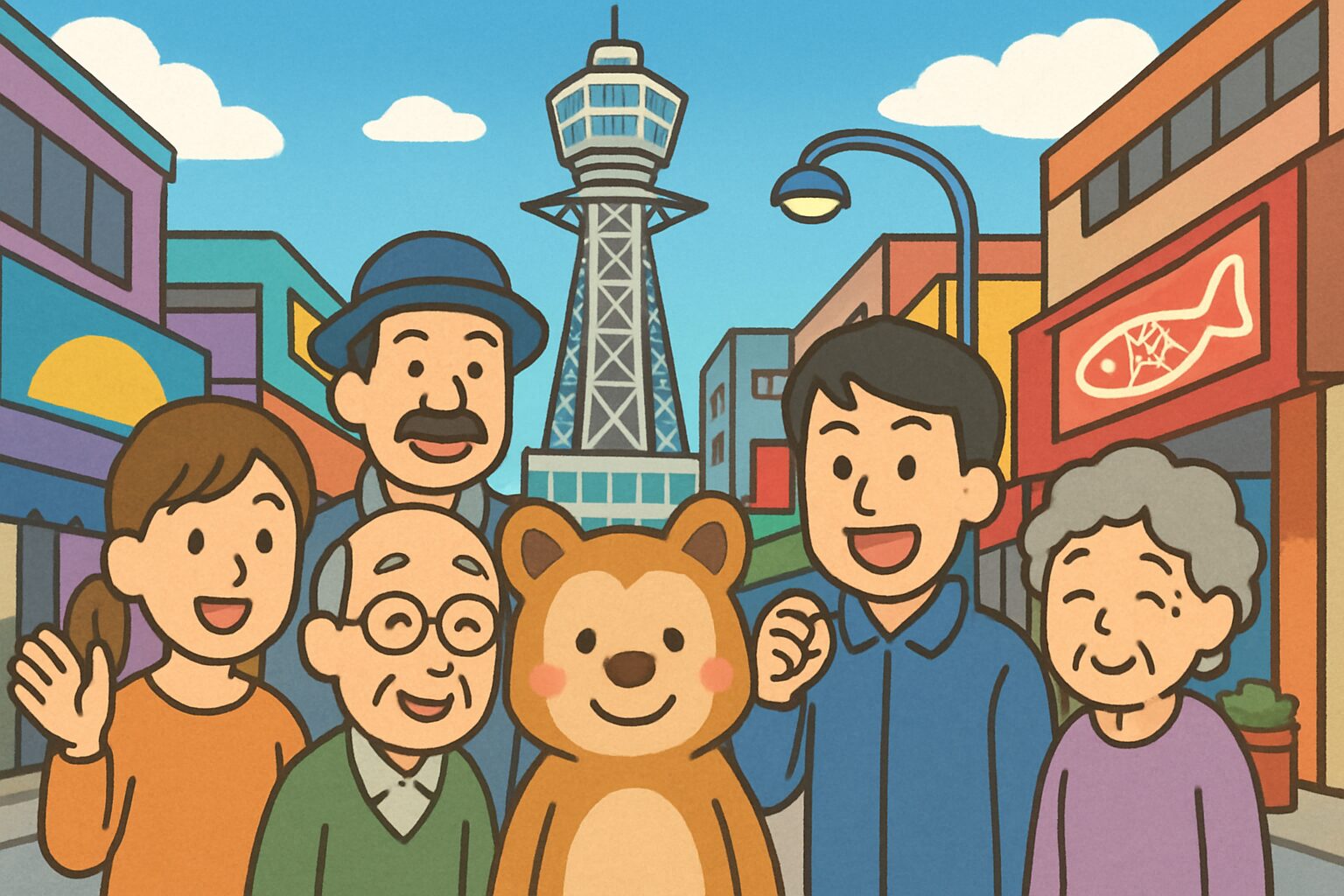
Step off the train at Dobutsuen-mae, and the air itself changes. It’s a shift you feel deep in your bones, a tangible alteration in the city’s rhythm. The polished hum of central Osaka, with its sleek department stores and choreographed pedestrian crossings, fades into a distant memory. Here, in Shinsekai, the world hums to a different tune. It’s a melody composed of the clatter of pachinko balls, the sizzle of oil in deep fryers, the gruff but hearty laughter spilling from curtained doorways, and the low, intense murmur of men hunched over shogi boards in smoky parlors. This is the “New World,” a name bestowed over a century ago with boundless optimism, now worn with a comfortable, beautiful patina of age and experience. For the foreign resident looking to understand the soul of Osaka, to peel back the layers of modernity and find the city’s raw, beating heart, Shinsekai isn’t just a destination; it’s an education. It’s a living, breathing testament to a time gone by, a community defined not by what’s new, but by the enduring strength of its people, its traditions, and its unshakeable character. This neighborhood doesn’t ask for your polite admiration; it invites you to pull up a stool, grab a skewer, and listen to its stories.
For a deeper dive into the culinary heart of this district, including how to navigate its famous fried skewers, explore our guide to Shinsekai’s kushikatsu etiquette and living history.
A Living Museum of Showa-Era Dreams

To walk through Shinsekai is to wander through a memory palace of Japan’s 20th century. The neighborhood arose from a massive surge of ambition at the dawn of the century, created as the stunning centerpiece for the 1903 National Industrial Exposition. This was more than just a fairground; it was a bold statement of Japan’s modernization. The northern half was inspired by Paris, featuring a grand steel tower, the original Tsutenkaku. The southern half drew from New York’s Coney Island, showcasing an amusement park called Luna Park. It was a place of fantasy, a symbol of progress and international flair, where the future appeared bright and boundless. The name “Shinsekai,” meaning “New World,” was a promise of forthcoming prosperity.
Yet history tells a fickle tale. The original tower was damaged by fire and dismantled for war efforts. Luna Park closed, and in the decades that followed, Shinsekai’s glamorous glow faded. While other parts of Osaka surged forward into a hyper-modern era of glass skyscrapers and bullet trains, Shinsekai seemed to pause in time. Economic neglect left its architecture largely intact, preserving the Showa period aesthetic (1926-1989). This was not a deliberate, museum-like preservation; it was an organic freeze in time. The result is an atmosphere that feels genuinely authentic, a bit frayed at the edges, but alive with spirit. The faded kanji on hand-painted signs, the crumbling facades of old cinemas now screening classic films to a handful of devoted patrons, the very layout of narrow alleys—all evoke a different era. This is what makes the area so captivating. It isn’t a theme park recreation of the past; it is the past itself, stubbornly and beautifully refusing to disappear.
This setting has fostered a unique community. It became a refuge for laborers, entertainers, and those living on the margins of mainstream society. It is a place where the “characters” that contribute to Osaka’s reputation for being down-to-earth and unpretentious still linger. In the afternoons, elderly men gather in small parks or dedicated clubs, the sharp click of shogi (Japanese chess) pieces providing a steady rhythm to the neighborhood’s soundscape. These are more than just games; they are daily rituals, social anchors in a rapidly changing world. The shopkeepers are not fresh-faced youths in corporate attire; they are often second or third-generation owners, their faces marked by the stories of the neighborhood. They have witnessed it all, and their presence delivers a profound sense of continuity and resilience that forms the true foundation of Shinsekai’s social fabric.
The Rhythms of Daily Life in the Shadow of Tsutenkaku
Rebuilt in 1956, the Tsutenkaku Tower stands as the steadfast guardian of Shinsekai, stretching into the sky as a retro-futuristic beacon anchoring the neighborhood. Yet, the true life of the area unfolds far beneath its observation deck. Shinsekai follows its own distinctive rhythm, governed not by office hours but by the simple joys of food, games, and companionship.
Mornings start slowly, almost hesitantly. While much of Osaka rushes to work, Shinsekai awakens with a long, leisurely stretch. Shopkeepers raise metal shutters with a familiar clang, the sound reverberating through the still-quiet streets. The air is dense with the savory, comforting aroma of dashi broth simmering in the kitchens of 24-hour udon and soba shops, ready to serve early laborers or those finishing a night shift. It’s a moment of preparation, a quiet breath before the day’s lively burst. You might see a local sweeping the pavement outside their shop, exchanging a gruff but familiar “ohayo” with a neighbor. This is the community at its most intimate—a brief pause before the day’s performance begins.
As the sun rises higher, the energy shifts. By midday, pachinko parlors are alive, their doors sliding open to release a cacophony of electronic jingles and the metallic clatter of silver balls. This sound is as much a part of Shinsekai as the temple bell is to Kyoto. Kissaten, Showa-era coffee shops with vinyl booths and sweet coffee, start filling with regulars. Here, time slows down. Old friends read sports papers, smoke cigarettes, and engage in conversations that feel almost revolutionary in today’s fast pace. This is where neighborhood gossip circulates and bonds are strengthened over simple coffee and thick toast.
But it is at dusk that Shinsekai truly comes alive. The giant fugu lantern of the Zuboraya restaurant lights up, and neon signs begin flickering on, bathing the streets in a warm, electric kaleidoscope of colors. This is the neighborhood’s prime time. The smell of frying oil dominates as kushikatsu joints fire up their fryers. The clinking of beer mugs, the sizzle of doteyaki (beef sinew stew) bubbling in miso, and the rising hum of conversation create a communal symphony. People spill out from tiny standing bars, or tachinomi, faces flushed and animated. In these spaces, social barriers fade away. A construction worker might laugh alongside a tourist, an office worker unwinds beside a local artist. It is during these evening hours, beneath the watchful glow of Tsutenkaku Tower, that you sense Shinsekai’s vibrant social pulse—loud, unapologetic, and warmly welcoming.
Beyond the Kushikatsu Skewers: Finding Your Place
For a foreign resident, breaking into the social life of any new place can feel intimidating. In Shinsekai, however, the barriers to entry are surprisingly low—if you approach it with the right mindset. This is not a spot for cautious observation from a distance; it requires active participation. The route to connection here is built on shared experiences, and the most common currency is simply showing up.
Your immersion into the local scene might start in Janjan Yokocho Alley, a narrow, covered arcade that serves as the neighborhood’s main artery. The name itself comes from the shamisen sounds that once drew in customers. Today, the soundtrack is a blend of shogi pieces, sizzling grills, and lively chatter. The alley is packed with tiny restaurants, kushikatsu counters, and standing bars, each offering just a few seats. This is your training ground. Choose a lively spot, slide onto a stool, and order a beer. Don’t let a language barrier hold you back. A simple “biru, kudasai” (Beer, please) and a friendly nod are enough to get started. The trick is to become a semi-regular. Return to the same place a few times. The owner will begin to recognize you, and other patrons will see you’re more than a passing tourist. Before long, a nod will lead to a brief conversation, and a brief conversation can grow into a real connection.
Look beyond the familiar. While kushikatsu is the undisputed staple of Shinsekai cuisine—and the communal rule of “no double-dipping” in the sauce is a sacred social contract—you’ll find other ways to engage. Seek out a local sento, or public bathhouse. These are essential community hubs where neighbors of all ages gather not just to bathe, but to relax and socialize in a uniquely Japanese way. Stripping down and sharing a hot bath acts as a great equalizer, a place where pretenses dissolve. It’s an immersive cultural experience that places you right in the heart of daily community life.
Consider stopping by one of the shogi clubs. Although the game is complex, many players welcome spectators and may even be happy to teach you the basics. The atmosphere in these clubs combines intense focus with moments of friendly banter. By showing interest and respect, you signal your desire to understand their world. And never underestimate the charm of the local kissaten. These neighborhood coffee shops are like living rooms. By becoming a regular for your morning coffee, you weave yourself into the daily rhythm, becoming a familiar face in Shinsekai’s unfolding story.
The Unspoken Rules and Endearing Quirks
Every community has its own unwritten rules and social codes, and Shinsekai is no different. Navigating this environment is part of the experience. The first thing to realize is that this isn’t the polished, ultra-polite Japan often portrayed in travel guides. Here, interactions are more direct, more Osakan, and refreshingly straightforward. People speak their minds. There’s less of the formal “tatemae” (public facade) and more of the genuine “honne” (true feelings). This can be refreshing but calls for a small adjustment. A gruff tone from a shopkeeper isn’t rudeness; it’s efficiency. A direct question from a fellow patron at a bar isn’t nosiness; it’s an invitation to connect.
Cash remains king in many smaller, family-run places. While larger establishments might accept cards, carrying yen is essential and shows respect for the traditional way of doing business. Tipping is not customary, but a sincere “gochisosama deshita” (thank you for the meal) when leaving is deeply appreciated and goes a long way.
Embrace the local deity: the Billiken. You’ll find statues of this quirky, grinning, pixie-like figure everywhere, especially atop Tsutenkaku Tower. Originally an American charm doll, he was enshrined in Luna Park and became Shinsekai’s adopted god of “things as they ought to be.” Rubbing the soles of his feet is believed to bring good luck. This is more than a mere superstition; it’s a shared ritual that unites locals and visitors alike. Taking part in this small tradition connects you to the history and whimsical spirit of the area. It’s a way of saying, “I’m part of the secret.”
The language itself plays a key role in the experience. You’ll hear Osaka-ben, the local dialect, spoken in its purest and most vibrant form. Words come faster, with distinct intonation and unique vocabulary. You might hear “meccha” for “very” or “akan” for “no good.” You don’t need to master it, but recognizing and appreciating its musicality is another way to tune into Shinsekai’s vibe. It’s the sound of home for those who live here—a dialect rich with humor, warmth, and a playful irreverence.
A Glimpse into the Future of a Bygone Era
For decades, Shinsekai remained Osaka’s best-kept secret, a forgotten enclave from the Showa era. But such well-kept secrets don’t last forever. In recent years, the world has begun to rediscover the neighborhood’s gritty charm. Backpackers and adventurous travelers, tired of overly polished attractions, are drawn to its authenticity. This influx of fresh energy has brought both opportunities and challenges. You can observe the gradual change in the stylish new hotels appearing on the outskirts, like the towering OMO7, which offers Shinsekai walking tours to its guests. English menus are becoming more widespread, and it’s increasingly common to hear a variety of languages spoken in what were once exclusively Japanese izakayas.
This naturally creates tension. How does a neighborhood so rooted in its past embrace the future without losing its soul? For residents and longtime shop owners, this is a very real concern. Some worry that growing popularity will smooth out the rough edges that make Shinsekai unique, turning it into a sanitized version of itself. They fear that the very character attracting visitors could be diluted by the pressures of mass tourism. It’s a delicate balancing act: welcoming new business while preserving the community that has endured so many challenges.
Yet, Shinsekai’s spirit is remarkably resilient. The community has a strong sense of identity, shaped through decades of shared experience. The heart of the neighborhood—the shogi clubs, the 24-hour eateries, the deep-rooted personal connections—remains intact. The new developments may attract a different crowd, but they haven’t displaced the old guard. For now, the two worlds coexist, creating a fascinating and dynamic social fabric. A group of international tourists might be snapping photos of the Tsutenkaku Tower while, just around the corner, local grandfathers are engrossed in a game of Go, completely unaware of the changing world beyond their small circle.
This moment of transition makes a visit more compelling than ever. It offers a chance to witness a community grappling with its identity, a living story unfolding in real time. Shinsekai’s future is unwritten, but its past remains a powerful anchor. It will likely never become another perfectly manicured tourist spot. Its heart is too stubborn, its character too ingrained. It will stay a place of beautiful imperfection, a celebration of the human, the real, and the enduring strength of community.
In the end, Shinsekai is more than just streets and buildings. It is a feeling. It’s the warmth of sharing a bottle of sake on a cold night, the intellectual thrill of a perfectly played move in a shogi match, the simple comfort of a bowl of hot udon at 3 a.m. It challenges visitors to look beyond the surface, to find beauty in the worn and wisdom in the old. For any foreigner living in Osaka, spending time here is not just about tourism; it’s about understanding the city’s complex identity. It’s an invitation to step out of your comfort zone and engage with a community that is raw, honest, and profoundly welcoming in its unique way. Walk its streets, listen to the clatter and laughter, pull up a stool at the smallest bar you can find, and let the “New World” reveal a side of Japan you never knew existed. You might just find a second home in the shadow of the smiling Billiken.