Welcome to Osaka, a city that pulses with a rhythm all its own, a sprawling metropolis where the energy is electric and the food is legendary. And within this vibrant urban tapestry lies Tennoji Ward, a district that doesn’t just exist on a map but lives and breathes as the city’s southern gateway, its historical heart, and its modern soul. Imagine a place where the serene chants from Japan’s oldest Buddhist temple drift on the same breeze that whispers around the country’s tallest skyscraper. This is Tennoji. It’s not just a place to visit; it’s a place to live, to connect, to build a life. For the foreigner seeking a home in Osaka, Tennoji isn’t just an option; it’s a dynamic, multifaceted answer to the question, “Where can I experience the best of this city?” It’s a canvas of towering glass and ancient wood, of manicured gardens and bustling market streets, offering a living experience that is as convenient as it is culturally profound. Here, you’re not just renting an apartment; you’re plugging into the very mainframe of Osaka life, with threads of transport, culture, nature, and commerce all converging right at your doorstep. Get ready to explore the journey of making this incredible corner of Osaka your home, a process filled with unique customs and rewarding discoveries. Your new life, set against the stunning backdrop of the Tennoji skyline, is about to begin.
To truly immerse yourself in the local culture, understanding the unique dialect and social codes of Osaka’s neighborhoods can be just as important as finding the perfect apartment.
The Vibe of Tennoji: A Symphony of Old and New
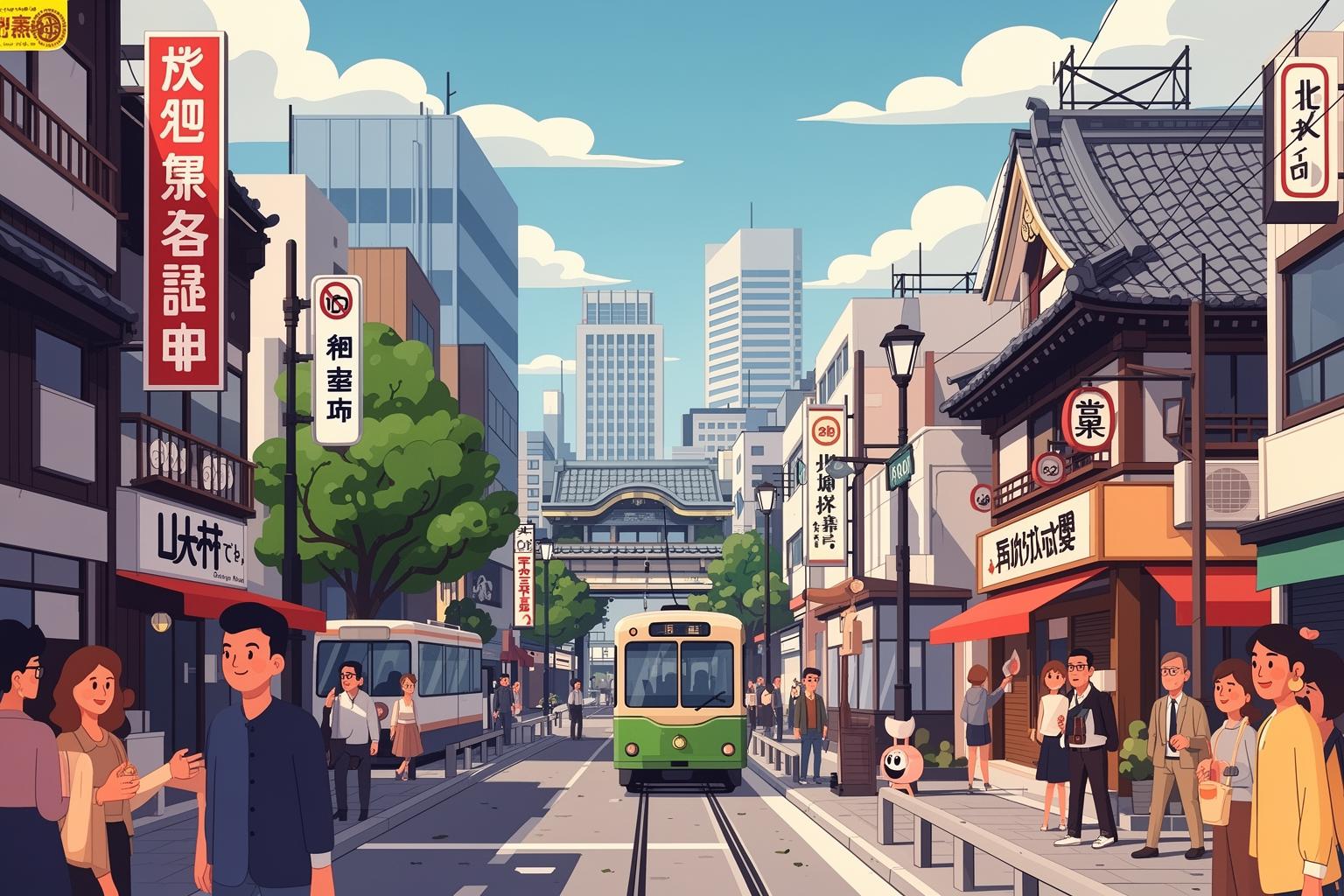
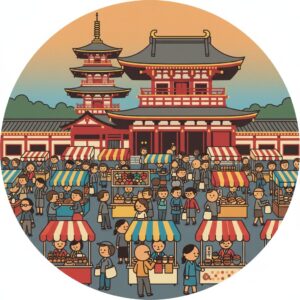
To truly understand Tennoji is to embrace its striking contradictions and feel the rhythm of its unique, dual-hearted pulse. This district defies fitting neatly into a single category. It is a living, breathing place where centuries blend in a harmonious—and sometimes surprising—dance. Stand at the heart of the ward, and you can sense this symphony unfolding around you. In one direction, your eyes rise along the soaring 300 meters of Abeno Harukas, a sleek glass and steel monolith piercing the Kansai sky. Its observation deck offers a god’s-eye view of the city, a contemporary symbol of human ambition. Yet, turn your gaze, and the atmosphere shifts dramatically. The air grows still, filled with the scent of aged cypress and sweet incense. Before you lies Shitennoji, an expansive temple complex established in 593 AD, its graceful pagoda and stone-paved courtyards murmuring tales from a time when Osaka was just an emerging capital. This contrast defines the very essence of the Tennoji experience. The vibe is a constant, gentle collision between the sacred and the secular, the ancient and the avant-garde. The soundscape mirrors this perfectly: the deep, resonant boom of a temple gong briefly overlapped by the cheerful jingle of a department store entrance, followed by the distant, romantic hum of a JR train departing on its cross-country journey. It’s the chatter and laughter of families picnic-ing on the lush lawns of Tenshiba Park mingling with the quiet focus of art enthusiasts admiring treasures in the Osaka City Museum of Fine Arts. The atmosphere in Tennoji is profoundly accessible and rich with depth. It feels grounded, genuine, and unpretentious. Around the station, the energy pulses with the high-intensity buzz of a major urban center—shoppers carrying bags from Mio and Abeno Kintetsu, commuters striding purposefully to their trains—while just a few blocks away, the concrete dissolves into charming residential streets where potted plants adorn doorways and the pace of life slows to an easy stroll. It’s a place both vast and intimate, a bustling city crossroads that has somehow preserved the soul of a constellation of distinct, welcoming villages. Living here means choosing your own rhythm, day by day, moment by moment. You can plunge into the exhilarating rush of modern urban life or retreat into the quiet contemplation of a 1,400-year-old sacred space—all within a ten-minute walk. That’s the magic, the irresistible draw, of the Tennoji vibe.
Navigating the Rental Maze: The Japanese Apartment Hunt Deconstructed
The dream of waking up to a Tennoji sunrise is compelling, but making it a reality means navigating the unique and often perplexing landscape of the Japanese rental market. This process is governed by its own set of rules, terminology, and cultural etiquette, quite different from what many foreigners may be accustomed to in their home countries. However, don’t be discouraged. Think of it as a quest—a structured journey with defined steps and essential allies to guide you. With some preparation and the right support, this maze transforms into a clear path leading straight to your new front door. The entire system is based on relationships, trust, and a significant amount of paperwork, but at its heart, it aims to ensure a smooth and stable tenancy for both you and the landlord. So take a deep breath, and let’s clarify this process together, turning potential confusion into confident action. We’ll break down the key players, the unusual fees, the guarantor challenge, and the mountain of documents you’ll need to conquer to secure your prize: an ideal apartment in the center of Osaka.
Finding Your Agent: Your Gateway to the City
In Japan, you generally don’t contact landlords directly. Your journey starts and ends with a fudousan-ya, the real estate agent. This person or agency is much more than a salesperson; they are your guide, translator, negotiator, and cultural interpreter. They literally and figuratively hold the keys to the city’s extensive apartment inventory. The most crucial step in your apartment search is selecting the right agent. While you can explore large online portals like Suumo, Homes, or Lifull to get an idea of what’s available and pricing, these sites act more as catalogs. The real work is done inside the agent’s office. For foreigners, it’s vital to find an agency not just willing but experienced in working with non-Japanese clients. Many smaller, local agencies may reject foreigners due to language barriers or unfamiliarity with visa and guarantor procedures. If that happens, don’t be discouraged. Instead, focus on larger, well-known real estate companies that often have dedicated international departments or smaller boutique agencies that specifically advertise as “foreigner-friendly.” Searching for terms like “Osaka apartment for foreigners” or “Gaijin-friendly fudousan Osaka” can help you find potential allies. When you meet your agent, be ready for an in-depth discussion. They will want to know everything: your budget, the desired apartment size (using the Japanese LDK format—Living, Dining, Kitchen), preferred Tennoji location, visa status, occupation, and Japanese language skills. Be honest and thorough. The more details you provide, the better your agent can sift through thousands of listings to find your perfect match. A great agent won’t just show you properties—they’ll explain each building’s unique rules, advise on neighborhood pros and cons, and advocate for you with property managers and landlords. They are your champion in this journey, so choose wisely.
The Unique Vocabulary of Japanese Rentals
When entering a Japanese real estate office, you will be bombarded with terms that don’t have exact English equivalents. Understanding this specialized vocabulary is essential for managing your budget and avoiding unexpected move-in costs. These initial expenses can be substantial, often amounting to three to six times the monthly rent, so it’s crucial to know exactly what you’re paying for. Let’s break down the primary fees.
First is Shikikin (敷金), your security deposit. This concept is the most familiar to Westerners. Usually amounting to one or two months’ rent, it’s held by the landlord to cover damages beyond regular wear and tear or unpaid rent. The good news is that this amount is theoretically refundable. After you move out, cleaning and repair costs are deducted, and the remainder is returned—assuming the apartment is well maintained to maximize your refund.
Next is the most notorious, culturally specific fee: Reikin (礼金), or “key money.” Literally meaning “gratitude money,” this one-time, non-refundable payment is given to the landlord as a thank-you gift for renting their property. This custom dates back to the post-war era when housing was scarce and has stubbornly persisted in many parts of Japan. It usually equals one or two months’ rent. While it can feel like a bitter pill, the good news is that reikin is gradually disappearing. Many modern buildings, especially those managed by large corporations or marked as “UR” (Urban Renaissance Agency) housing, have eliminated it entirely. Your agent can help you find numerous “zero reikin” options.
Then there’s Chukai Tesuryo (仲介手数料), the agent’s fee or commission. This pays for the efforts your real estate agent has put in—searching, translating, negotiating, and handling paperwork. By law, this fee is capped at one month’s rent plus tax and is a standard, non-negotiable charge.
In addition to these main fees, you’ll commonly see others. Yachin (家賃) is the basic monthly rent. Alongside it, Kyoekihi (共益費) or Kanrihi (管理費) refer to common area or maintenance fees covering hallway cleaning, elevator upkeep, landscaping, and other shared services. Consider it a supplement to your rent. You may also encounter fees for lock replacement (kagikoukan-dai) and mandatory renter’s insurance (kasai hoken). Knowing these terms upfront empowers you to read rental cost estimates confidently and manage your finances effectively.
The Guarantor Gauntlet: Who Will Support You?
Now we come to one of the biggest hurdles for foreigners renting in Japan: the requirement of a hoshonin (保証人), or guarantor. A guarantor co-signs your lease, agreeing to cover your rent and any damages if you fail to pay. For Japanese tenants, this is usually a family member, such as a parent or sibling. For newcomers who are foreign nationals, finding a Japanese person with a steady income willing to take on this financial responsibility is extremely difficult. Landlords and property managers tend to be risk-averse, and the guarantor system is their safety net. Their concern is that foreign tenants might suddenly leave Japan, leaving unpaid rent and an empty apartment behind.
Fortunately, the rental market has developed an excellent solution: the hoshonin-gaisha (保証会社), or guarantor company. These companies have become the standard guarantor for renters throughout Japan, including Japanese tenants. Instead of relying on an individual, you pay a fee to one of these companies, which then guarantees your lease to the landlord. This arrangement benefits both sides: the landlord gets the security they need, and you avoid imposing on a Japanese friend or employer. Your real estate agent usually manages this process. When you apply for an apartment, you’ll also submit an application for the designated guarantor company. They conduct checks, which might include employment verification and, sometimes, contacting your emergency contact. The cost varies but typically involves a one-time fee of 30% to 100% of one month’s total rent (including maintenance fees), followed by an annual renewal fee around 10,000 yen. Though it is an additional upfront charge, the peace of mind and access it provides to the rental market are invaluable. For 99% of foreigners, using a guarantor company is the only way through this gauntlet, professionalizing the process and removing the personal barrier of finding an individual guarantor.
The Paperwork Parade: Documents You’ll Need
After finding your ideal apartment and preparing to apply, you enter the final stage of the quest: gathering your documents. The Japanese rental process is thorough and demands a detailed paper trail to confirm your identity, legal status, and financial stability. Having these documents ready will smooth the application process and signal to your agent and landlord that you’re a serious, well-organized candidate. Scrambling last-minute to locate missing papers can delay or even cost you the apartment.
The most important document is your Residence Card, or Zairyu Card (在留カード). This official ID verifies your visa status and legal residence in Japan. Provide clear photocopies of both front and back. Also, have your passport ready, as some applications require copies of the photo page and visa stamp.
Next, prove your ability to pay rent with proof of income. For employed individuals, this is generally straightforward: a copy of your employment contract (koyou keiyakusho), an employment letter from HR (zaishoku shoumeisho), or recent pay slips (kyuyo meisaisho) usually suffice. Students need proof of scholarship or bank statements showing adequate funds. Self-employed or freelance applicants may face stricter requirements, such as tax returns (kakutei shinkoku) from the previous year or detailed bank statements demonstrating a consistent income.
Almost all applications also require a Japanese phone number, creating a classic chicken-and-egg dilemma for newcomers since phone plans often need a fixed address. Your best option is to secure a prepaid SIM or short-term phone plan immediately after arrival. Additionally, you’ll need a Japanese bank account for paying rent via automatic transfer. While initial fees can sometimes be paid in cash, opening a bank account should be a top priority. Lastly, you must provide an emergency contact in Japan (kinkyuu renrakusaki). This person is not a guarantor and has no financial liability; they serve simply as a contact the landlord can reach if you’re unavailable. This could be a friend, colleague, or school or work contact. Organize these documents neatly in a folder, and you’ll be poised to complete the paperwork parade with confidence.
A Deep Dive into Tennoji’s Neighborhoods: Finding Your Perfect Pocket
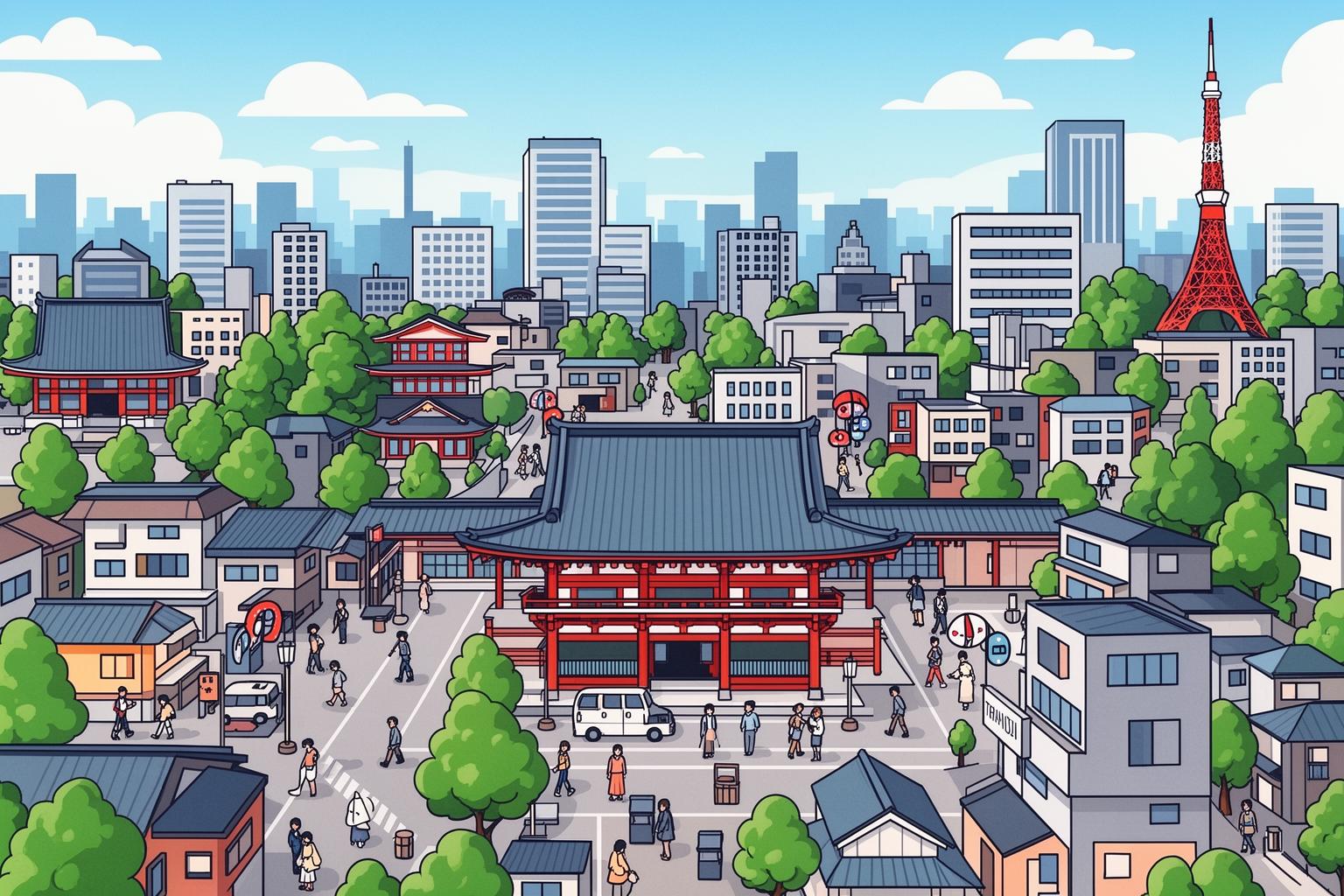
Tennoji Ward is not a single entity; rather, it is a tapestry of smaller neighborhoods, each boasting its own unique character, pace, and lifestyle. Selecting where to live within the ward is just as crucial as choosing the apartment itself. The streets you call home will shape your daily routine, weekend activities, and overall experience of Osaka. Do you thrive on the vibrant energy of a major transit hub, with endless shopping and dining options at your disposal? Or do you prefer a quieter, more reflective lifestyle surrounded by history and tradition? Maybe you seek a down-to-earth, community-oriented neighborhood with a retro atmosphere and affordable living. Tennoji offers a spot that’s just right for you. Let’s explore some of the ward’s most popular and appealing residential areas, each with its own distinct flavor.
Around Tennoji Station & Abeno: The Ward’s Pulsing Core
Living near Tennoji Station and the nearby Abeno district puts you at the very heart of southern Osaka’s circulatory system. This area is the epitome of convenience, where life moves quickly and energetically. If unparalleled access to transportation, shopping, and entertainment is a priority, this is your place. The vibe is unmistakably modern and cosmopolitan. Dominated by the towering Abeno Harukas, the skyline overlooks a buzzing ground-level scene of department stores like Kintetsu, busy shopping centers such as Mio and Q’s Mall, plus countless restaurants, cafes, and bars. This neighborhood suits the urban adventurer, the socialite, or anyone who wants the city to extend seamlessly from their living room.
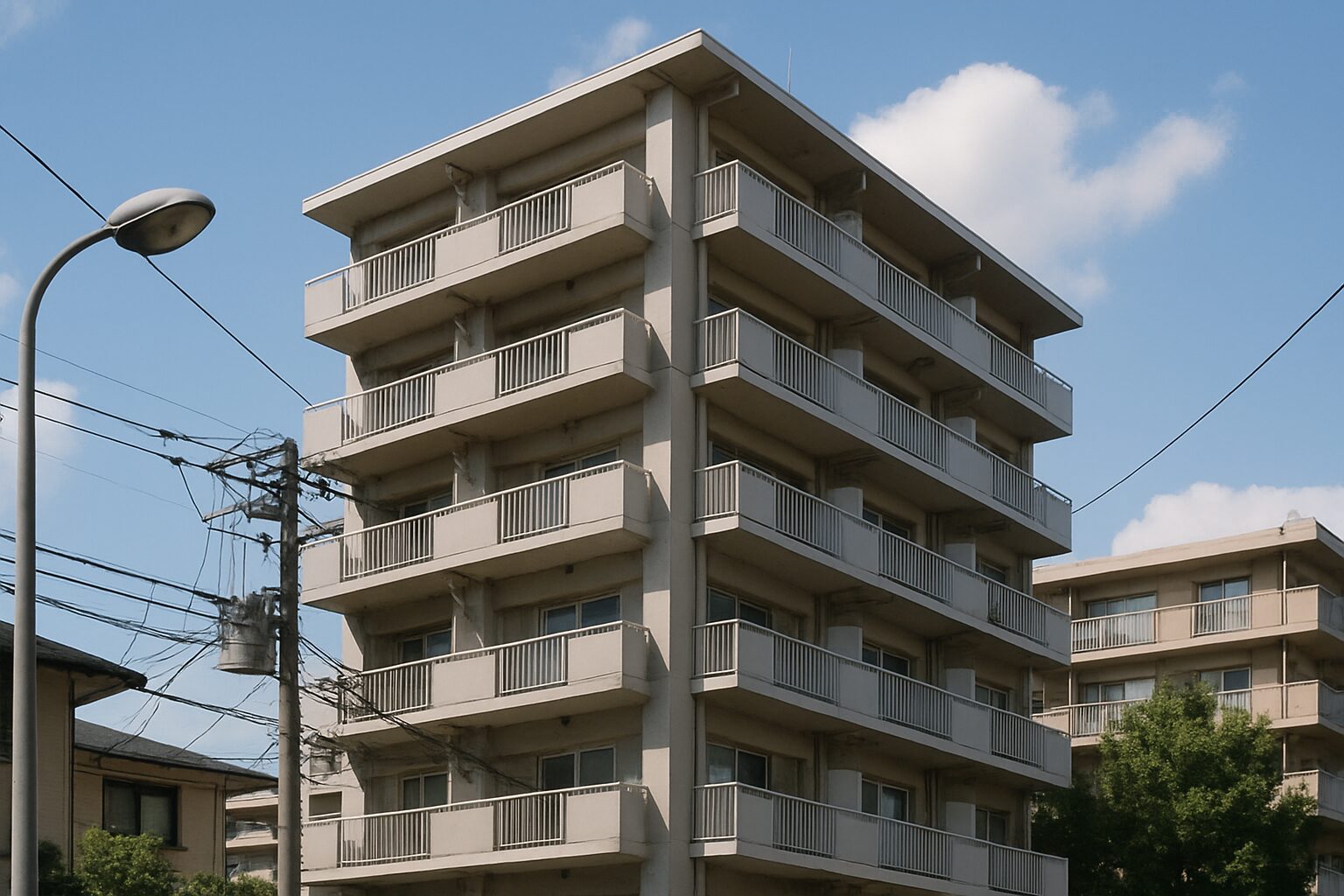
Apartment options here match the contemporary environment. The area is packed with high-rise and mid-rise manshon (Japanese-style upscale concrete apartments) that often include coveted amenities like auto-lock security, delivery boxes (takuhai box), modern interiors, and sometimes even concierge services. You’ll find a wide range of compact, efficient studios and one-bedroom units ideal for singles and young professionals, alongside larger family-sized apartments on higher floors with stunning city views. Expect to pay a premium for this convenience, as rents here are among the highest in Tennoji Ward, but many consider the trade-off worthwhile. Life here means effortless mobility—you can hop onto the JR Loop Line to circle the city, take the Midosuji subway directly to Namba, Shinsaibashi, and Umeda, or catch a limited express train to Kansai International Airport without transfers. Weekends can be spent browsing fashion boutiques, watching movies, visiting the art museum inside Abeno Harukas, or discovering new favorite izakaya in the winding alleys behind the main streets. This is urban living at its most energetic and interconnected.
The Peaceful Streets near Shitennoji Temple: Embracing Tradition
A short walk northeast from the busy station radically changes the city’s character. Approaching Shitennoji Temple, the city’s noise fades into a respectful quiet. This neighborhood offers a very different experience: a chance to live steeped in history within a peaceful environment that feels worlds apart from the urban rush, yet remains remarkably central. The atmosphere here is reverent and tranquil. Streets are quieter and narrower, lined with a mix of traditional homes, low-rise apartments, and small family businesses. Shops sell Buddhist altars and religious items, and old-fashioned sweet shops that have been around for generations add to the ambiance. The air seems imbued with the calm radiating from the ancient temple grounds.
Apartments near Shitennoji provide a broad range of options. Many well-kept, somewhat older buildings offer more space for your money compared to the newer towers near the station. Newer stylish low-rise developments also blend harmoniously with the historic surroundings. This area is perfect for finding a charming apartment filled with character, perhaps boasting a tatami room or a balcony overlooking a quiet street. Rent tends to be more moderate here, striking a great balance between location and value. Life near Shitennoji promotes mindful living. Your morning jog might pass the temple’s five-story pagoda. You may become a regular at a local kissaten (traditional Japanese coffee shop) where the owner remembers your usual order. It’s a place that encourages a slower, more thoughtful pace of life. Participate in the lively flea markets held on the temple grounds on the 21st and 22nd of each month, or simply enjoy a quiet stroll through the meticulously maintained Keitakuen Garden. Despite its peaceful nature, you’re never far from convenience. The Tanimachi subway line offers easy city access, and Tennoji Station is just a pleasant 10-15 minute walk away. This neighborhood suits students, academics, or anyone seeking a tranquil sanctuary without giving up city perks.
Teradacho & Momodani: Local Flavor and a Strong Sense of Community
Just one stop north of Tennoji on the busy JR Loop Line are the neighborhoods of Teradacho and Momodani. Stepping off the train here feels like entering a nostalgic, more laid-back side of Osaka. These areas are the core of local, humble living. They radiate warm, grounded charm, with lively shotengai (covered shopping arcades) and a tangible community spirit. The vibe recalls the Showa Era, with retro aesthetics and a welcoming, bustling energy. Neighbors chat on the streets, butchers know your name, and prices for daily groceries and street food remain refreshingly affordable. Momodani, in particular, is known for hosting one of Osaka’s largest and most vibrant Korean communities, adding a rich cultural layer, diverse cuisine, and energetic atmosphere, including a lively Korea Town that’s a feast for the senses.
For those seeking value, these neighborhoods are a treasure trove. Most housing consists of older yet often spacious apartments, including apaato (typically two-story wooden buildings) and long-established manshon. Rents here are among the lowest in the ward, making it ideal for students, artists, or anyone on a tighter budget. You might miss some of the modern facilities of newer buildings, but enjoy larger spaces and a genuine connection to a local neighborhood. Life in Teradacho and Momodani centers on the shotengai, which serve as the community’s heartbeat—offering fresh produce, seafood, clothing, pharmacies, and 100-yen shops. Dining options are plentiful and affordable, ranging from classic ramen shops and okonomiyaki eateries in Teradacho to authentic Korean BBQ and kimchi stores in Momodani. Although you lose the immediate multi-line access of Tennoji Station, the JR Loop Line ensures you’re only a two-minute ride from Tennoji and well connected to the entire city. Living here provides an authentic, immersive Osaka experience—a chance to be part of a working-class neighborhood with warmth, heart, and an unbeatable community spirit.
The Tennoji Lifestyle: Beyond Your Four Walls
Choosing an apartment in Tennoji involves much more than just considering the square footage or number of rooms. It’s about embracing a lifestyle—a rich and diverse tapestry of experiences that will enliven your weekdays and weekends alike. Living here means your daily life extends well beyond your doorstep, reaching into the parks, museums, train stations, and restaurants that give this ward its unique charm. It’s a place that caters to every mood and interest, offering both thrilling urban adventures and tranquil moments of natural beauty. Tennoji makes commuting effortless, cultural enrichment accessible with just a short walk, and satisfies your culinary cravings any time of day or night. Let’s delve into the key aspects of the Tennoji lifestyle that make living here so rewarding and endlessly engaging.
A Green Oasis in the Urban Jungle
In a city as dense and vibrant as Osaka, access to green spaces is not a luxury but a vital necessity for mental and physical well-being. This is where Tennoji truly excels, providing an exceptional green lung at its heart. The crown jewel is the expansive Tennoji Park, a beautifully varied space serving as the community’s backyard. Recently, a large section of the park was renamed “Tenshiba,” a spacious, impeccably maintained lawn that welcomes the public free of charge. On sunny days, Tenshiba bursts with life: families lounging on picnic blankets, children chasing bubbles, couples reading beneath shaded trees, and groups of friends enjoying craft beers from trendy cafes lining the area. It’s a perfect spot to relax, feel the grass beneath your feet, and watch the world unfold before the striking backdrop of the Abeno Harukas skyscraper.
Yet, the park offers much more. Inside its grounds is the historic Tennoji Zoo, a cherished institution providing fun and educational experiences for all ages. Nearby stands the impressive Osaka City Museum of Fine Arts, featuring an extensive collection of Japanese and Chinese art and artifacts. For those seeking serenity and tradition, the Keitakuen Garden is a hidden treasure. This exquisite Japanese stroll garden, complete with a central pond, teahouse, and carefully sculpted pines, transports visitors to a more refined era. Having this incredible combination of open lawns, cultural sites, and peaceful gardens just a short walk from home is a rare boon in a major city. It means your daily routine can include a morning run through lush greenery, a sunny afternoon reading break, or an evening stroll through a beautifully lit landscape. This green sanctuary is essential to the exceptional quality of life enjoyed by Tennoji residents.
A Commuter’s Paradise: Connecting You to Everything
One of the strongest practical reasons to live in Tennoji is its role as a major transportation hub. Tennoji Station is far more than a simple stop; it’s one of Osaka’s most crucial railway terminals, a vital junction where key train and subway lines meet, allowing seamless travel across the city, throughout the Kansai region, and beyond. This outstanding connectivity transforms daily commuting from a strenuous task into a smooth, efficient routine and opens limitless opportunities for weekend trips and explorations. Living here means less time spent traveling and more time enjoying life.
Let’s consider the full strength of this hub. On the Japan Railways (JR) side, the essential Osaka Loop Line encircles the city, rapidly connecting you to major stations like Osaka (Umeda), Kyobashi, and Tsuruhashi. The Yamatoji Line provides a direct, scenic path to the historic city of Nara—ideal for day trips to encounter its famous deer and temples. The Hanwa Line heads south to Wakayama Prefecture and, crucially, offers rapid service straight to Kansai International Airport (KIX). Additionally, the Haruka limited express train stops here, delivering the fastest and most comfortable link to and from the airport.
On the subway side, Tennoji is served by two key lines. The Midosuji Line, Osaka’s main north-south route, connects you in a single ride to bustling entertainment areas like Namba and Shinsaibashi, the business district of Yodoyabashi, and Shin-Osaka, the Shinkansen terminal. The Tanimachi Line also runs north-south, linking you to government offices at Tanimachi Yonchome and the commercial district of Higashi-Umeda. Complementing these options, just beside JR Tennoji Station is Kintetsu Abenobashi Station. From here, the Kintetsu Railway extends to the south and east, providing excellent access to destinations such as sacred Mount Yoshino, famed for its thousands of cherry blossoms, and the Ise-Shima National Park in Mie Prefecture. This remarkable concentration of transport modes makes Tennoji one of Kansai’s most strategically advantageous places to live, offering you virtually limitless travel possibilities.
A Culinary Journey on Every Corner
Osaka is famously known as Tenka no Daidokoro, “The Nation’s Kitchen,” and residing in Tennoji places you at the very heart of this gastronomic haven. The ward and its surroundings boast an astonishing variety of dining choices to suit every taste, budget, and occasion. Your culinary adventures can be elegant or casual, often within just a few blocks. The upper floors of the Abeno Harukas Kintetsu Department Store feature upscale restaurants where you can savor exquisite Japanese and international dishes while enjoying sweeping city views. It’s an ideal setting for special occasions or refined dinners.
However, the authentic spirit of Osaka’s food culture thrives at street level, where Tennoji offers a treasure trove of tasty, affordable options. The side streets and covered shopping arcades near the station are filled with lively izakaya (Japanese pubs), ramen shops wafting savory steam late into the evening, and standing sushi bars providing quick, fresh bites. A short walk away is the unforgettable Shinsekai district—a retro, slightly gritty neighborhood anchored by the iconic Tsutenkaku Tower and renowned as the birthplace of kushikatsu, deep-fried skewers of meat, seafood, and vegetables. Bar-hopping through the vibrant kushikatsu joints and sharing skewers dipped once in the communal sauce (no double-dipping!) is a quintessential Osaka experience right at your doorstep. For fans of international cuisine, Korea Town in nearby Momodani offers a fantastic selection of authentic Korean BBQ, spicy stews, and shops selling homemade kimchi and other delicacies. From grabbing a quick takoyaki snack on the street to indulging in a multi-course kaiseki meal, Tennoji is a culinary playground that can endlessly delight and surprise you.
Practical Tips for a Smooth Move-In
Congratulations! You’ve navigated through agents, deciphered the fees, completed the paperwork, and signed the lease. The keys to your Tennoji apartment are now in your hand. But the process isn’t quite finished yet. The final step is the move-in itself, which involves setting up essential services that will transform your empty apartment into a comfortable, fully functional home. In Japan, apartments are typically handed over as a blank slate. Utilities are inactive, and the rooms come completely unfurnished. Taking care of these practical matters promptly and efficiently will help ensure your first days and weeks in your new home are as stress-free and enjoyable as possible. Here’s a checklist of key tasks to help you transition smoothly into your new life in Osaka.
Setting Up Utilities: The Trio of Electricity, Water, and Gas
When you receive your apartment keys, electricity, water, and gas will not yet be connected. You’ll need to arrange for these services to be activated in your name. While your real estate agent can provide contact information for local providers, setting them up is your responsibility. Electricity and water are generally straightforward and can often be arranged online or by phone. In the Kansai region, electricity is provided by Kansai Electric Power Co. (KEPCO), and water services by the Osaka City Waterworks Bureau. You’ll need to provide your new address, your name, and the start date for service.
Gas requires a bit more coordination. For safety reasons, a technician from the gas company (usually Osaka Gas) must visit your apartment to open the main valve and perform a safety inspection of your gas appliances, such as the stove and water heater. This means scheduling an appointment and being physically present at the apartment. It’s best to arrange this for your move-in day or the day after. Note that communication may require basic Japanese or assistance from a friend, though some companies offer English support. A good tip is to start this process a week or two before your move-in to allow plenty of time for scheduling and to ensure you have hot water and cooking capabilities from day one.
Internet: Your Digital Lifeline
A reliable internet connection is as crucial as electricity or water nowadays. How you get connected in your Japanese apartment can vary. Some modern buildings come with pre-installed internet, where you only need to pay a monthly fee to the building management to activate the service, which is the most convenient option. However, most people will need to sign up for their own service with an internet provider. Japan is known for its fast fiber-optic connections (hikari), with major providers like NTT, au, and SoftBank. The process involves selecting a plan, signing a contract (usually for two years), and scheduling an installation appointment, which can take several weeks, especially during busy moving seasons like March and April. A great temporary solution is renting a pocket Wi-Fi device to provide immediate internet access from move-in day until your fiber optic line is installed. Some providers even offer free pocket Wi-Fi rentals while you wait. Research providers carefully and don’t hesitate to ask your agent for recommendations.
Furnishing Your Home
One of the biggest adjustments for many foreigners is that Japanese apartments come completely unfurnished. This doesn’t just mean no sofa or bed; often there’s no refrigerator, washing machine, curtains, or sometimes even no light fixtures in main rooms. You start with a blank canvas. Stores like Nitori and Muji are popular choices for new items. Nitori is Japan’s equivalent of IKEA, offering a wide range of affordable and functional furniture, appliances, and household goods. Muji offers a minimalist, design-focused style at a somewhat higher price point. For major appliances, large electronics stores like Yodobashi Camera or Bic Camera are ideal.
If you’re on a budget, the second-hand market is an excellent resource. Look for local risaikuru shoppu (recycle shops), which often carry used furniture and appliances in great condition at a fraction of the original cost. Keep an eye on online expat communities and forums such as Facebook groups, where departing foreigners often hold “sayonara sales,” allowing you to pick up quality items cheaply. Furnishing your apartment from scratch can feel overwhelming but also presents a wonderful opportunity to create a space that reflects your personal style and comfort.
Understanding Your Lease: The Fine Print
Before getting too settled, take the time to thoroughly review your lease agreement (chintai taishaku keiyakusho). While your agent may have explained the main points, it’s important to understand the details that govern your tenancy. Pay attention to clauses regarding pets (most apartments have strict no-pet policies unless otherwise specified), noise regulations, and especially garbage disposal procedures. Japan enforces a strict and complex system for sorting trash, with separate collection days for burnable, non-burnable, and recyclable waste. Your building will have a designated collection area and detailed rules you must follow.
Also, be aware of the lease renewal process. Standard leases in Japan last two years. At renewal, you typically have the option to extend the lease but often must pay a renewal fee (koushinryou), which can be as much as one month’s rent. Finally, understand the move-out procedures, particularly the clause on “restoration to original condition” (genjo kaifuku). This means you are responsible for restoring the apartment to its initial condition, minus normal wear and tear, upon leaving. Your security deposit (shikikin) is primarily used for this. Understanding these terms from the start will help ensure a smooth relationship with your landlord and prevent costly misunderstandings later.
Embracing Your New Life in Tennoji
Your journey has reached its end. The boxes are unpacked, the internet is set up, and the aroma of your first home-cooked meal fills the air of your new apartment in Tennoji. This is the moment when renting transitions into the art of living. You are no longer just a visitor or tourist; you have become a resident, part of the vibrant, ever-evolving story of this remarkable ward. Tennoji is now your neighborhood, a place of endless discovery waiting just outside your door—a place where you can craft a life perfectly balanced between the dynamic energy of a world-class city and the profound tranquility of ancient history and nature’s restorative presence.
Embrace the rhythm of your new home. Let the convenience of the transportation network inspire you to explore every corner of Kansai. Let the green expanse of Tennoji Park be your haven for relaxation and recreation. Allow the diverse culinary scene to thrill your senses and introduce you to new flavors. Wander the side streets, find a tiny café that becomes your regular spot, practice your Japanese with the friendly shopkeeper in the local shotengai, and discover your favorite view of the city lights near Abeno Harukas. Your life in Tennoji will be a rich tapestry woven from these small, everyday moments and grand urban adventures. It is a place that rewards curiosity and warmly welcomes those who choose to call it home. The initial challenges of the rental process will soon fade into a distant memory, replaced by the daily joy of living in one of Osaka’s most dynamic and soulful districts. Your Osaka story begins here, in the vibrant heart of Tennoji. Welcome home.