Osaka. The name itself crackles with energy, a city that hums with a rhythm all its own. Known as Japan’s kitchen, or tenka no daidokoro, it’s a sprawling, pulsating metropolis where food is not just sustenance, but a religion, a passion, and a way of life. From the sizzling griddles of okonomiyaki stalls in Dotonbori to the delicate artistry of kaiseki in quiet laneways, Osaka promises a feast for every sense. Yet, for the global traveler, particularly those seeking Halal cuisine, navigating this culinary paradise can sometimes feel like a quest for a hidden treasure. The soul of Japanese comfort food, the undisputed king of noodle soups—ramen—is often a heart-wrenching near-miss, its rich, savory broths traditionally built upon a foundation of pork.
But what if I told you there’s a place where this barrier dissolves, where the steam rising from a perfect bowl of noodles carries no compromise, only pure, unadulterated flavor? Tucked away in the historic and vibrant Tennoji district, there is a beacon for ramen lovers from every corner of the globe. This place is Tsuki no Odori, which translates to “Dance of the Moon.” It’s more than just a restaurant; it’s a heartfelt invitation, a culinary bridge offering an authentic Japanese ramen experience that is completely, certifiably Halal. Here, the star of the show is Tori Paitan, a creamy, luscious chicken ramen that rivals its pork-based cousins in depth and satisfaction. It’s a testament to Osaka’s inclusive spirit and its unwavering dedication to incredible food. This is the story of a ramen shop that doesn’t just feed your hunger, but nourishes your traveler’s soul, proving that the most profound connections are often made over a shared meal, in a city that truly knows how to eat.
For more Halal dining options in the area, consider exploring a nearby Halal Turkish restaurant in Tennoji.
A Culinary Oasis in the Heart of Tennoji

Finding Tsuki no Odori is part of the adventure. It isn’t found on a grand, neon-lit avenue. Instead, you discover it by wandering off the main street of the Tennoji area, down a quieter side road that feels more local and intimate. The journey itself marks a shift, moving from the urban bustle of nearby Tennoji Station—a major transit center where JR lines, subways, and shoppers converge—to a calm neighborhood enclave. The atmosphere changes, the pace slows, and you start to sense the unique character of this district, where the ancient tranquility of Shitennoji Temple coexists with the modern ambition of the Abeno Harukas skyscraper.
As you near, the first thing that might catch your attention is the subtle, inviting aroma of grilled chicken and simmering broth wafting onto the street. The storefront is modest, with a traditional noren curtain hanging over the entrance, softly inviting you in. Pushing it aside feels like stepping into another world. The space is cozy, intimate, and alive with the quintessential spirit of a Japanese ramen-ya. Warm wooden tones fill the interior, from the long counter where you can watch the chefs work their craft to the simple tables neatly arranged in the compact space. It’s a small restaurant, which enhances its charm and gives the sense that you’ve uncovered a local secret, even though it’s well-loved by those who know it.
Inside, the atmosphere is a wonderful blend of dedicated culinary skill and warm hospitality. You hear the rhythmic clatter of utensils, the sizzle of chicken on the hot grill, and the cheerful greetings of “Irasshaimase!” from the staff as new guests arrive. The air is thick with steam and savory aromas. It’s a multi-sensory experience that prepares your palate for what’s to come. The staff are genuinely welcoming, well accustomed to serving a diverse clientele from across the globe. Their smiles are sincere, and they effortlessly overcome language barriers, often providing English menus to guide you through their offerings. You’ll notice a mix of diners: a local salaryman on his lunch break, students sharing stories, and travelers whose faces glow with the joy of discovery. It’s a place where everyone, no matter where they come from, is united by a common goal: to savor an exceptional meal.
The Star of the Show: The Halal Tori Paitan Ramen
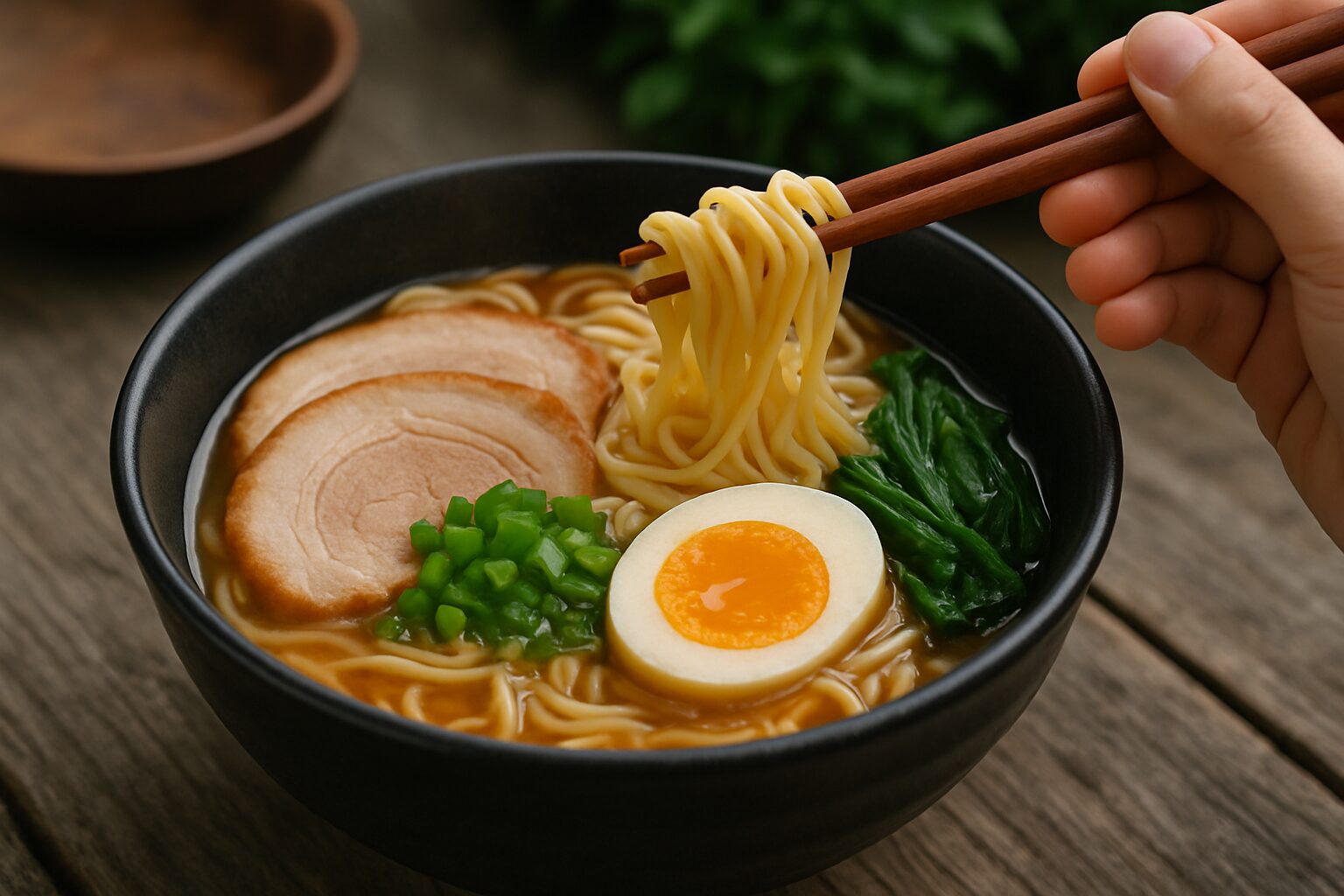
Let’s discuss the reason you came here: the ramen. At Tsuki no Odori, the specialty is Tori Paitan, a true masterpiece. For those new to this style, while Tonkotsu ramen is renowned for its broth made from long-simmered pork bones, Tori Paitan is its poultry counterpart. The name literally translates to “chicken white soup,” made by boiling chicken bones and parts over high heat for many hours. This intense process breaks down collagen and fats, emulsifying them into a broth that is opaque, milky, and incredibly rich, with a velvety texture that lingers on your tongue.
The broth at Tsuki no Odori is nothing short of sublime. It’s a creamy, pearlescent liquid bursting with profound savory flavor. The first sip is a revelation. It carries a deep, concentrated chicken taste that is both clean and complex, unfolding layers of umami with every mouthful. It’s comforting and robust, warming you from within, yet lacks the heaviness sometimes found in rich Tonkotsu broths. This is a broth made with patience and precision, proving that simple ingredients, when handled with care, can produce extraordinary results.
Nestled in this magnificent broth are the noodles, perfectly crafted for their role—wavy, medium-thick, and cooked to an impeccable al dente. They offer a satisfying chew and firmness that resist softening or becoming mushy in the rich soup. Serving as more than just a filler, they capture the creamy broth with each lift of the chopsticks, delivering a harmonious, complete bite every time. They are an equal partner in the success of the dish.
The toppings follow, each thoughtfully prepared and Halal-compliant. The traditional chashu, or braised pork belly, is cleverly replaced here with tender slices of braised chicken. The chicken is juicy and flavorful, having soaked in a savory marinade, providing a wonderful textural contrast to the soup. The standout topping might be the ajitsuke tamago, a seasoned soft-boiled egg. The yolk is perfectly jammy and molten gold, its richness offering a decadent balance to the savory broth. Crisp slices of menma (bamboo shoots) add a delightful crunch, while a sprinkle of finely chopped green onions brings a sharp, fresh note that cuts through the richness and brightens the entire bowl. Each element is delicious on its own; together, they create a symphony of flavor and texture that is both deeply satisfying and beautifully balanced. Eating this ramen is a comforting culinary experience filled with pure joy.
Beyond Ramen: Exploring the Menu

Although the Tori Paitan ramen rightly takes center stage at Tsuki no Odori, limiting yourself to just that would mean missing out on the other exceptional Halal Japanese dishes they have perfected. This restaurant is also a well-regarded izakaya—a Japanese-style pub—specializing in yakitori, or grilled chicken skewers. This makes it an excellent choice for a more leisurely dinner where you can savor a broader range of flavors.
From the moment you glance at the yakitori menu, it’s clear you’re in for a treat. The variety is extensive, featuring different parts of the chicken, each offering its own distinct texture and flavor. There’s momo (thigh), which is juicy and tender; mune (breast), which is lean and clean-tasting; and tebasaki (wings), with their crispy skin and succulent meat. The skewers are simply seasoned with either shio (salt) or tare, a sweet and savory soy-based glaze that caramelizes beautifully over the charcoal grill. Watching the chef at work on the grill resembles a form of culinary theater as they skillfully turn the skewers, fan the flames, and baste them with sauce until perfectly cooked, resulting in a smoky char outside and tender meat inside. Ordering an assorted yakitori platter is a wonderful way to start your meal or complement your ramen.
But the menu offers more than just that. It also includes other classic Japanese comfort foods, all prepared to Halal standards. The chicken gyoza are a must-try: pan-fried dumplings with a crispy, golden-brown bottom and a soft, steamed top, filled with juicy, flavorful minced chicken. They come with a dipping sauce that beautifully enhances their savory flavor. Another highlight is the karaage, Japanese fried chicken. The chicken is marinated in a mix of soy sauce, ginger, and garlic, then coated in potato starch and deep-fried to a perfect crisp. This creates an incredibly juicy interior with a light, crunchy exterior that’s utterly addictive. These side dishes elevate a visit to Tsuki no Odori from a quick ramen stop into a fully immersive Japanese dining experience, offering Muslim travelers dishes they might have previously assumed were unavailable to them.
A Commitment to Halal Authenticity
What truly distinguishes Tsuki no Odori is its deep and transparent dedication to Halal principles. For Muslim travelers, the peace of mind that comes from dining at a certified restaurant is invaluable, and this establishment exceeds expectations to provide that confidence. It’s not merely a “pork-free” kitchen; it operates as a fully integrated Halal establishment, certified by the Japan Halal Foundation. This certification involves a rigorous process, including careful sourcing of all ingredients, ensuring that all meat is slaughtered in accordance with Islamic law, and confirming that no alcohol or other prohibited substances are present in any of the marinades, sauces, or broths.
This commitment to authenticity extends throughout the kitchen’s operations. The restaurant uses separate sets of cooking utensils, cutting boards, and crockery exclusively for their Halal menu to avoid any cross-contamination. Such meticulous attention to detail reflects a profound respect for the dietary requirements and religious beliefs of their customers. It’s a level of care that fosters trust and allows diners to relax fully and simply savor their meals.
Perhaps the most considerate and meaningful feature of Tsuki no Odori is the availability of a dedicated prayer space. For Muslim travelers, fitting daily prayers around sightseeing and mealtimes can be challenging. By providing a clean, quiet room for prayer, equipped with a qibla direction marker and prayer mats, the restaurant offers an invaluable service. It elevates the establishment from merely a place to eat to a welcoming sanctuary—a gesture of hospitality that speaks volumes. It acknowledges that Halal is not only about food but encompasses a holistic lifestyle. This commitment makes Tsuki no Odori a landmark destination for the Muslim community in Osaka and a shining example of inclusive hospitality in Japan.
Exploring the Tennoji Neighborhood

One of the greatest pleasures of dining at Tsuki no Odori is its location in the wonderfully diverse Tennoji district. A meal here can serve as the perfect highlight for a day spent exploring an area that beautifully captures Osaka’s blend of history, nature, and modernity. Whether before or after enjoying your ramen, the surrounding neighborhood invites you with a wealth of sights to explore.
A short and pleasant walk from the restaurant will bring you to the grounds of Shitennoji Temple, one of Japan’s oldest officially administered temples. Founded in the 6th century by Prince Shotoku, it is a serene and expansive complex that provides a peaceful retreat from the city’s hustle and bustle. You can stroll through the grounds, admire the beautifully reconstructed five-story pagoda and Golden Pavilion, and sense the weight of centuries of history. It’s an ideal spot for quiet reflection and a wonderful cultural complement to your culinary experience.
For a taste of nature and family-friendly fun, Tennoji Park is situated right next to the station. This large urban park houses the Tennoji Zoo and the Osaka City Museum of Fine Arts. Within the park, you’ll find the exquisite Keitakuen Garden, a traditional Japanese stroll garden that is a hidden oasis of tranquility, featuring a pond, teahouse, and meticulously maintained landscapes.
Towering over the entire district is Abeno Harukas, Japan’s tallest skyscraper. A visit to the Harukas 300 observation deck on the upper floors is essential. The 360-degree panoramic views of Osaka—and on clear days, as far as Kobe and Kyoto—are absolutely stunning. The building also contains a massive Kintetsu department store, offering endless shopping options, as well as a fantastic art museum.
A slightly longer walk or a quick train ride will take you to the nostalgically retro neighborhood of Shinsekai, meaning “New World.” Dominated by the iconic Tsutenkaku Tower, this area is a vibrant, colorful burst of Showa-era nostalgia. It is famous for its kushikatsu (deep-fried skewers) eateries, flashy neon signs, and old-school game arcades. The atmosphere here contrasts sharply with the rest of Tennoji—it’s loud, kitschy, and incredibly fun, providing a glimpse into Osaka’s playful and boisterous spirit.
Practical Tips for Your Visit
Planning your visit to Tsuki no Odori is simple, but a few tips can help make your experience even smoother. The restaurant is easiest to reach from a couple of major train stations. It’s about a 10-15 minute walk from the expansive JR Tennoji Station, a key hub for the JR Loop Line and several subway lines. A slightly closer option is Shitennoji-mae Yuhigaoka Station on the Tanimachi Subway Line. Walking from either station offers a pleasant stroll through a residential area, giving you a glimpse of Osaka beyond the usual tourist spots.
Tsuki no Odori serves both lunch and dinner, but it’s a popular and cozy place that can fill up quickly. During peak times, such as 12:00 to 1:30 PM for lunch and 6:30 to 8:00 PM for dinner, you may find a line. To avoid waiting, consider visiting during off-peak hours, like early lunch or later dinner. The experience is definitely worth any wait, but planning ahead can save you time.
When ordering, like many ramen shops in Japan, Tsuki no Odori may use a ticket vending machine, or kenbaiki, near the entrance. Don’t be intimidated! These machines often feature pictures and sometimes English translations. The process is straightforward: insert your cash, press the buttons for the ramen, side dishes, and drinks you want, then collect the tickets along with your change. You give the tickets to a staff member, who will prepare your order. If you’re unsure about anything, the friendly staff are happy to assist with the machine.
Regarding etiquette, ramen shops are usually casual settings. The emphasis is on enjoying the food while it’s hot and at its best. Slurping your noodles is not just acceptable but often considered a compliment to the chef! It also helps cool the noodles as you eat. After finishing your meal, it’s customary not to linger too long, especially if there are others waiting for a seat. Overall, it’s an efficient, delicious, and deeply satisfying dining experience.
A Flavorful Conclusion to Your Osaka Journey

In a city boasting tens of thousands of restaurants, Tsuki no Odori stands out as something truly exceptional. It is more than just a spot serving delicious, Halal-certified Japanese cuisine. It represents Osaka’s evolving and increasingly global hospitality. This culinary embassy warmly invites the world with a message: “Welcome. Our culture and flavors are for you, too.” Sitting at its counter and savoring a bowl of rich, creamy Tori Paitan ramen is to experience the essence of Japanese comfort food without barriers, feeling the warmth and care infused into every single bowl.
This restaurant offers a delicious reminder that travel is about connection—connecting with new places, new people, and new flavors. It demonstrates that food can serve as a universal language, bridging cultural divides and creating shared moments of joy. For the Muslim traveler, it is a vital pilgrimage, a place of comfort, assurance, and exceptional taste. For any food lover exploring Osaka, it offers a chance to enjoy an exquisitely crafted bowl of ramen that proudly stands on its own merits. So, when you find yourself wandering the vibrant streets of Osaka, let the dance of the moon lead you to this cozy corner of Tennoji. A warm, savory bowl of happiness awaits, a perfect, flavorful memory from Japan’s kitchen.