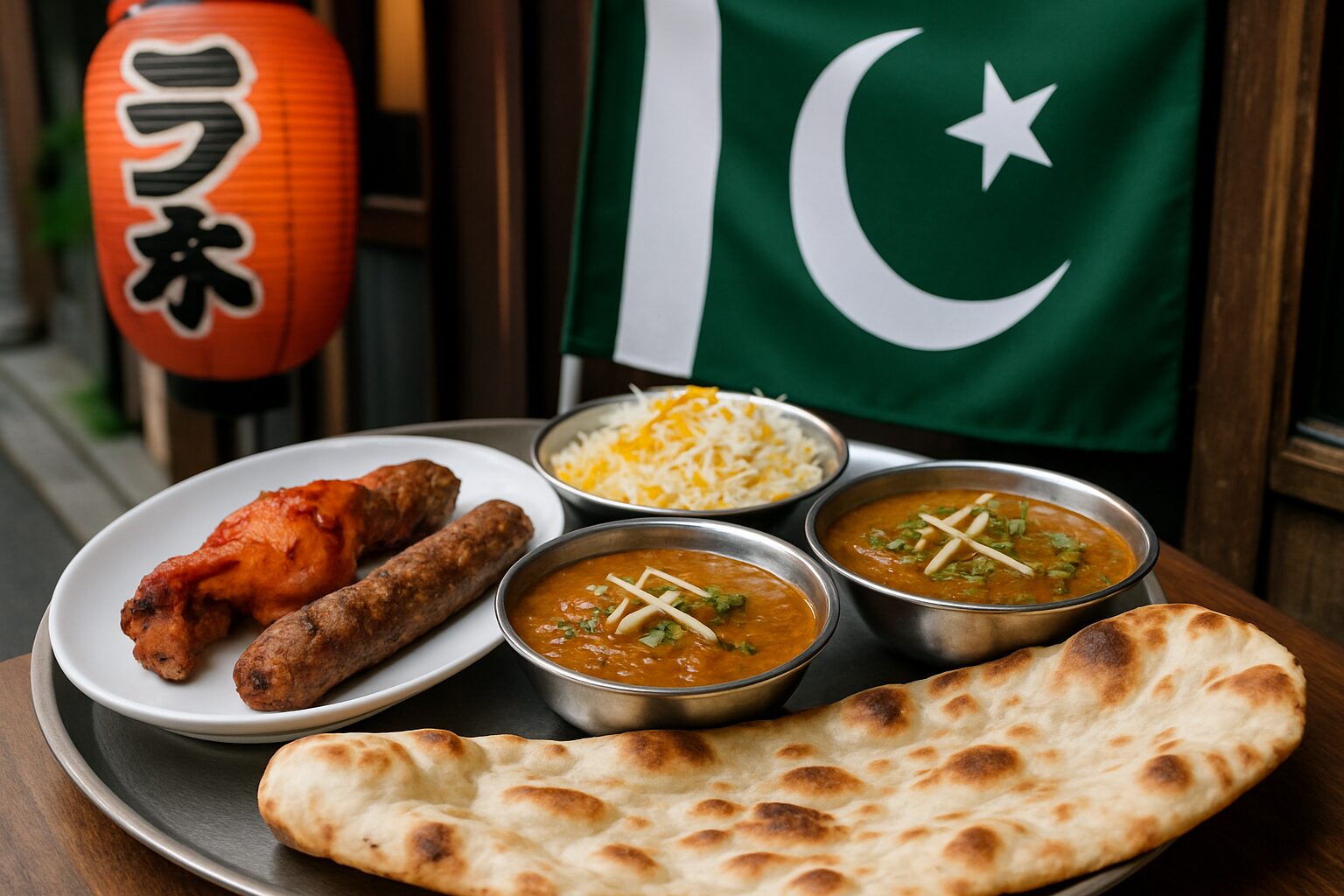
Osaka. The very name conjures a whirlwind of sensory delights. It’s a city that moves to its own kinetic rhythm, a sprawling metropolis painted in neon and fueled by an insatiable appetite. The air thrums with the sizzle of takoyaki, the chatter of crowded shotengai arcades, and the ceaseless pulse of a community that famously lives by the creed of kuidaore—to eat oneself into ruin. In this culinary paradise, where every street corner offers a new temptation, the search for something truly authentic, something that transcends mere sustenance and speaks to the soul, becomes a journey in itself. It is a quest that leads you away from the familiar and into the heart of a different culture, a different world of flavor. This journey, for those in the know, for the seekers of genuine taste and warm hospitality, often culminates at a humble yet legendary destination tucked away from the main thoroughfares: Ali’s Kitchen. This is not just a restaurant; it’s a portal. It is a vibrant, aromatic embassy of Pakistani culture, standing as a testament to the power of food to bridge worlds, right in the electric heart of Osaka. For the Muslim traveler, it is a sanctuary of Halal integrity. For the adventurous foodie, it is a treasure chest of spices and slow-cooked wonders. For anyone who walks through its doors, it is an unforgettable story told one delicious bite at a time, a story that begins the moment the fragrant steam of freshly baked naan and rich, simmering curry first greets you. Prepare to be transported.
If you’re exploring the diverse culinary landscape of the Tennoji area, you might also enjoy discovering a soulful vegan Japanese set meal at a nearby cafe.
The Culinary Heartbeat of Pakistan in Namba’s Neon Glow
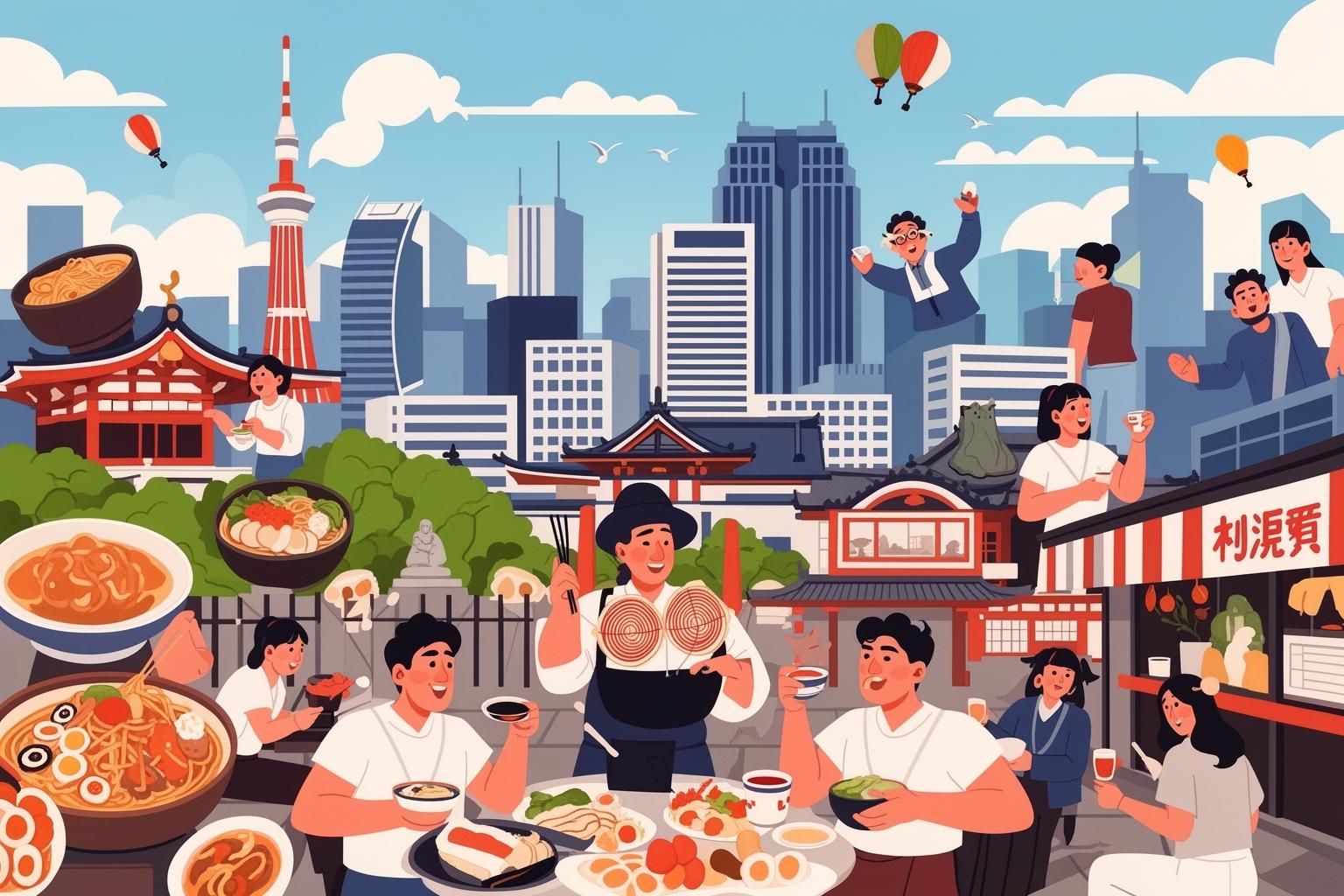
While the Tennoji area boasts an impressive array of landmarks, from the ancient Shitennoji Temple to the towering Abeno Harukas, the journey to Ali’s Kitchen leads you into the vibrant heart of Osaka’s entertainment district. Situated in Shinsaibashi, a neighborhood that seems to embody the city’s very soul, it hums with constant energy. Traveling from Tennoji is straightforward—a direct ride on the crimson Midosuji subway line—offering a seamless transition between two distinct facets of Osaka. Emerging from Shinsaibashi Station’s underground, you step into a kaleidoscope of light and sound. This is Minami, the southern core of the city, teeming with commerce and ceaseless motion. You’ll weave through the famous Shinsaibashi-suji, a covered shopping arcade stretching seemingly endlessly, where a river of people flows past glittering shops and enticing food stalls. The atmosphere is electric, a vivid symphony of modern Japan at its liveliest.
Then, you turn off the main thoroughfare onto a quieter side street. The roar of the crowd softens to a gentle murmur. The neon lights dim. And there it is—the modest facade of Ali’s Kitchen. The contrast is immediate and striking. Outside, Osaka dazzles with its high-energy spectacle. Inside, a different world unfolds. Pushing open the door feels like crossing into a cozy, welcoming home in Lahore or Karachi. The air is thick with the fragrant blend of cardamom, turmeric, and sizzling ginger. The city’s frantic pace fades, replaced by the gentle rhythm of traditional Pakistani music and the warm, genuine smiles of the staff. The decor isn’t lavish, but it’s rich with character and authenticity. Intricate textiles adorn the walls, displaying beautiful patterns in deep, earthy tones. Photographs and artwork offer glimpses of Pakistan’s landscapes and culture. It feels personal, lived-in, and infused with the spirit of its owner. This isn’t a themed chain restaurant; it’s a space that has grown naturally, filled with the love and passion of those who run it. It’s a sanctuary of warmth and flavor, a calm, fragrant refuge amid the bustling urban sea of Osaka.
Ali’s Philosophy: A Symphony of Spices and Tradition
To truly appreciate the magic of Ali’s Kitchen, one must first get to know the man behind it—Mr. Ali. He is more than a restaurateur; he is a culinary ambassador, a preserver of tradition, and the very heart and soul of the establishment. His philosophy is straightforward yet steadfast: to serve authentic Pakistani food made with love and without compromise. In a country where international cuisine is often altered, sweetened, or toned down to suit local tastes, Mr. Ali’s dedication to authenticity is both rare and deeply admired. He insists on using recipes handed down through generations, employing techniques that cannot be hurried, and carefully sourcing and grinding spices to maintain their rich, complex aromas and flavors.
This commitment also includes strict adherence to Halal principles. For Muslim residents and visitors in Japan, finding reliable Halal food can be a considerable challenge. Ali’s Kitchen has long served as a trusted beacon for this community. The term ‘Halal’ means permissible under Islamic law, and in the context of food, it involves specific requirements for sourcing, slaughtering, and preparing meat, along with avoiding prohibited ingredients such as pork and alcohol. Ali’s Kitchen is among Osaka’s pioneering and most trusted Halal-certified restaurants. This certification is not just a label; it is a pledge of integrity and respect for faith, offering peace of mind and a sense of belonging to Muslim patrons. However, the appeal of Ali’s Kitchen extends beyond those seeking Halal options. Its reputation rests on the universal appeal of exceptional taste. Food enthusiasts from all backgrounds—local Japanese office workers, curious travelers, and expatriates from around the world—come here, drawn by the promise of a genuine culinary experience. Mr. Ali’s vision has shaped a space that is both an essential community hub and a world-class dining destination, demonstrating that food prepared with passion and care can bring people from every background together around a shared table.
A Journey Through the Menu: Beyond the Biryani
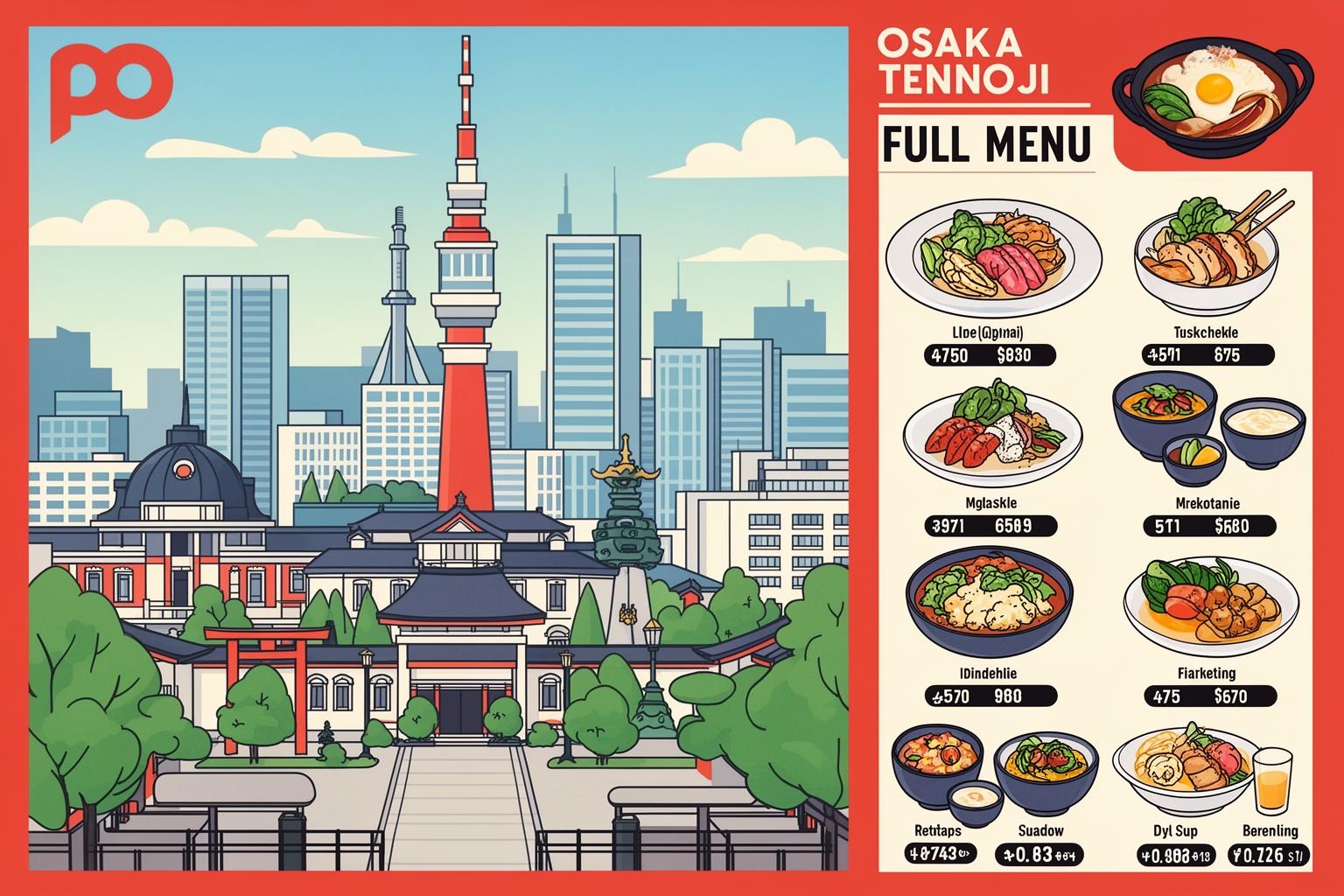
Exploring the menu at Ali’s Kitchen is an adventure in itself. It offers a carefully curated selection of Pakistan’s most cherished dishes, each narrating a tale of region, history, and culinary craftsmanship. While it’s tempting to choose something familiar, the real delight is in delving into the depths of the menu, where intricate, slow-cooked masterpieces await.
The Legendary Biryani: A Dish of Celebration
Let’s start with the crown jewel, the dish that has made Ali’s Kitchen legendary: the biryani. This isn’t the simple combination of rice and curry you might find elsewhere. This is biryani done right—a culinary masterpiece. It begins with the finest long-grain basmati rice, each grain separate, fluffy, and infused with the delicate aroma of saffron and whole spices. Hidden beneath this golden mound are tender, succulent pieces of meat, either chicken or mutton, marinated in yogurt and a secret blend of spices, then slow-cooked to perfection. The magic occurs in the ‘dum’ cooking process, where the pot is sealed, allowing the rice and meat to steam in their own juices. This locks in every bit of flavor, so that with every spoonful, you enjoy a harmonious burst of taste and texture. The mutton biryani, especially, is extraordinary. The meat is so tender it falls apart with the slightest touch, its rich, gamey flavor perfectly complemented by the fragrant rice and the subtle sweetness of fried onions. It is a dish of celebration and community, a complete meal that satisfies on a deeply primal level.
Karahi and Curries: The Soul of the Kitchen
Beyond the biryani, the array of Pakistani curries reveals itself. These are no one-dimensional gravies; each dish has its own distinctive character. The Chicken Karahi is a rustic, bold dish traditionally cooked and served in a ‘karahi,’ a deep, circular pan similar to a wok. Its appeal lies in freshness: pieces of chicken stir-fried with generous amounts of fresh ginger, garlic, green chilies, and ripe tomatoes create a thick, vibrant sauce that clings perfectly to the meat. It’s bright, spicy, and utterly addictive. For those seeking something truly special, the Haleem is a must-try. This dish is a testament to complexity and patience—a thick, savory porridge made from a blend of wheat, barley, and lentils, slow-cooked for hours with shredded meat until it achieves a smooth, uniform texture. Garnished with fried onions, fresh mint, and a squeeze of lemon, it is at once comforting, nourishing, and layered with rich flavors. Another slow-cooked treasure is the Nihari, a rich and silky stew, traditionally prepared with beef or lamb shank. Cooked overnight until the meat is meltingly tender, it swims in a decadent, spice-infused gravy. Once a breakfast staple for kings and laborers alike in Old Delhi, it’s a dish that warms you from within—the ultimate comfort food.
From the Tandoor: The Art of Bread and Grills
No Pakistani meal is complete without offerings from the tandoor, the traditional clay oven that imparts a distinct smoky flavor to everything it cooks. The grilled meats at Ali’s Kitchen are exceptional. The Seekh Kebabs stand out—minced lamb or chicken blended with onions, herbs, and spices, shaped onto skewers, and grilled until juicy with perfect char marks. The Chicken Tikka features boneless pieces marinated in yogurt and a fiery spice mix, resulting in tender interiors with a delightfully crisp exterior. Yet, the tandoor’s most essential role is baking the bread. The naan at Ali’s Kitchen is a marvel—hand-pulled and stretched, slapped against the searing hot walls of the tandoor, it puffs up in seconds, coming out light, fluffy, and blistered with a smoky char. Whether you choose plain naan, aromatic garlic naan, or whole wheat roti, these breads are the ideal vessels for scooping up the exquisite curries. They are no mere accompaniment; they are a vital part of the culinary symphony.
Completing the Feast: Sips and Sweets
To complete your culinary journey, be sure not to miss the supporting players. Begin with crispy, golden samosas, their flaky pastry revealing a savory filling of spiced potatoes and peas. The ideal drink to accompany the meal is a Lassi, a traditional yogurt-based beverage available sweet, salty, or mango-flavored—the perfect refreshing counterpoint to the meal’s heat. After dining, a cup of Dudh Patti Chai is essential. This isn’t average milk tea; it is a strong, milky brew made by boiling tea leaves, milk, and sugar together, yielding a creamy, intensely flavorful, and comforting drink. If you have room for dessert, Kheer is a sublime choice. This creamy rice pudding, delicately infused with cardamom and garnished with pistachios and almonds, offers a sweet, gentle conclusion to a powerful and flavorful feast.
The Ambiance: A Feast for the Senses
The experience at Ali’s Kitchen is comprehensive, engaging more than just your sense of taste. The restaurant’s visual environment plays a crucial role in its appeal. The walls serve as a canvas showcasing Pakistani life and art. You might spot a framed piece of intricate mirror work embroidery, a photograph of the majestic Karakoram Highway, or traditional calligraphy. These details foster a sense of place, gently educating and immersing you in the culture without overwhelming you. The lighting is warm and welcoming, casting a soft glow that encourages lingering conversations and a leisurely pace. This is not a venue that rushes you; rather, it’s a place to settle in, savor, and connect.
The restaurant’s soundtrack adds another dimension to the ambiance. The gentle melodies of a sitar or the soulful tones of a ghazal often play quietly in the background, offering a soothing presence that transports you away from the J-pop and city noises outside. This auditory backdrop blends seamlessly with the sounds of a lively, content dining room. You’ll hear the soft clinking of cutlery, the murmur of conversations in various languages—Japanese, English, Urdu, and more—and the occasional hearty laugh. The clientele reflects a beautiful mosaic of Osaka itself. On any given evening, you might see a group of Japanese friends eagerly trying new dishes, a large family from the local South Asian community celebrating an occasion, a pair of backpackers from Europe savoring a taste of the exotic, and a solo diner quietly enjoying a moment of culinary pleasure. This diversity highlights the universal appeal and welcoming spirit of the restaurant. The service, often led by Mr. Ali himself when he is present, completes the experience. The staff are more than servers; they act as hosts—warm, attentive, and genuinely eager to guide you through the menu, explain the dishes, and make you feel like a treasured guest in their home. This sincere hospitality is the invisible ingredient that transforms the entire experience from a simple meal into a cherished memory.
Practical Guidance for Your Visit to Ali’s Kitchen

Finding your way to a memorable meal at Ali’s Kitchen is simple, but a few tips can make your visit smoother and even more enjoyable.
Access and Location
Ali’s Kitchen is situated in the Shinsaibashi district of Chuo Ward. The easiest way to reach it is by subway. The nearest stations are Shinsaibashi Station (on the Midosuji and Nagahori Tsurumi-ryokuchi Lines) and Namba Station (served by several lines, including Midosuji, Yotsubashi, Sennichimae, and others). From either station, it’s roughly a 5 to 10-minute walk. If you’re coming from the Tennoji area, take the Midosuji Line directly to Shinsaibashi Station—it’s just three stops away. The restaurant is tucked away on a side street, so using a map app on your phone is highly recommended for first-timers. Look out for the distinctive sign and the warm glow from its windows.
Best Time to Visit and Reservations
Ali’s Kitchen offers both lunch and dinner services. Lunchtime tends to be busy with local workers and shoppers seeking a delicious, hearty meal. The lunch sets provide excellent value. Dinner is when the atmosphere truly shines, offering a relaxed vibe perfect for an unhurried meal. The restaurant is relatively small and quite popular, so it can get crowded, especially on weekend evenings. For dinner, particularly if you’re in a group of three or more, it’s strongly recommended to make a reservation in advance. Calling ahead to book a table usually works well. This will help you avoid a long wait and ensure you can fully unwind and enjoy your experience.
What to Expect and Insider Tips
First-time guests should come hungry. The portion sizes are generous and designed to satisfy. Pakistani cuisine often features robust spice levels, but the kitchen can usually adjust the heat to suit your taste, so don’t hesitate to ask. For the most authentic experience, however, consider trying the dishes as the chef intends. Payment is typically accepted via cash or credit card, but it’s wise to have some cash on hand while in Japan. The best way to enjoy the full range of the menu is to dine with friends and order family-style. Try a biryani, one or two curries such as Karahi or Haleem, a plate of mixed grills, and a basket of assorted naans. This approach allows everyone to sample a variety of dishes and find their favorites. Feel free to ask the staff for recommendations—they are passionate about their food and eager to assist. And don’t forget to save some room for a cup of chai at the end—it’s the perfect, authentic finish to your meal.
Exploring the Neighborhood: Before and After Your Meal
One of the biggest advantages of Ali’s Kitchen’s location is its closeness to some of Osaka’s most iconic neighborhoods. You can easily complement your meal with exciting urban exploration, making for a full day or evening of entertainment.
Before dinner, why not dive into the vibrant youth culture of Amerikamura (American Village), just a short walk away? This eclectic area is the hub of Osaka’s street fashion, packed with quirky vintage stores, independent boutiques, and numerous trendy cafes. It’s a great spot for people-watching and soaking in the city’s creative vibe. Alternatively, you can enjoy some retail therapy along the extensive Shinsaibashi-suji shopping arcade, where you’ll find everything from luxury department stores to unique souvenir shops.
After a satisfying meal, a post-dinner stroll is almost essential. Head south toward the Dotonbori Canal, the dazzling core of Osaka’s nightlife. Here, you’ll be greeted by a stunning view of enormous, flashing neon signs, including the iconic Glico Running Man and the massive moving crab of the Kani Doraku restaurant. The lights reflecting on the canal’s surface create a captivating, Blade Runner-like cityscape. You can take a boat cruise along the canal or simply stroll along its promenades, soaking up the vibrant atmosphere. The striking contrast between the intense, modern energy of Dotonbori and the cozy, traditional ambiance of Ali’s Kitchen will deepen your appreciation for both. It perfectly captures Osaka’s unique blend of vastly different worlds within just a few city blocks.
More Than a Meal: A Cultural Bridge in Osaka

In a vast and diverse city like Osaka, a restaurant such as Ali’s Kitchen serves a purpose far greater than merely providing food. It stands as an essential cultural institution. For the Pakistani community and other South Asian expats in the Kansai area, it feels like a home away from home—a place to gather, speak their native language, celebrate festivals, and introduce their Japanese friends to the tastes of their homeland. It nurtures a sense of community and continuity, helping to preserve cultural identity in a foreign environment.
At the same time, for Japanese locals and international visitors who dine there, Ali’s Kitchen offers an approachable and flavorful introduction to Pakistani culture. Many guests may arrive knowing little about Pakistan beyond what they’ve heard in the news, but through the universal language of food, they come to appreciate a culture rich in history, generous in hospitality, and remarkably sophisticated in its culinary heritage. A meal at Ali’s Kitchen can ignite curiosity and challenge preconceptions, proving that sharing food is one of the most powerful ways to understand another culture. Mr. Ali and his team are, in effect, ambassadors of taste, fostering connections and friendship with each plate of biryani they serve. In this sense, Ali’s Kitchen embodies the international spirit of Osaka—a port city long known as a meeting point of diverse cultures. It stands as a shining example of how food can unite people, cultivating a more connected and compassionate global community within the heart of a Japanese metropolis.
No visit to Osaka would be complete without experiencing its legendary food scene. While the city’s local specialties are a must, a trip to Ali’s Kitchen offers something beyond the usual—it tells a story. A narrative of passion, preservation of tradition against the odds, and the remarkable power of a shared meal. It’s an opportunity to leave the familiar behind and step into a world filled with aromatic spices, complex flavors, and heartfelt hospitality that lingers long after the meal ends. Amid Osaka’s neon-lit, fast-paced atmosphere, Ali’s Kitchen serves as a reminder that the most unforgettable travel moments often come from quiet, sincere experiences—a shared plate, a warm smile, and the sense of being welcomed into another’s world. Without question, it is a pilgrimage worth making for any true enthusiast of food and culture.