Step off the JR Osaka Loop Line at Teradacho Station, and you’ll feel an immediate shift in the city’s rhythm. The futuristic gleam of Umeda and the electric pulse of Namba fade into a gentle, nostalgic hum. Here, in the heart of Tennoji Ward, the air smells not of designer perfume or trendy coffee, but of simmering pork bones, rich soy sauce, and the comforting promise of a perfectly crafted bowl of ramen. This isn’t a neighborhood that shouts for attention; it whispers tales of post-war resilience, of Showa-era charm, and of culinary masters who have dedicated their lives to a single, noble pursuit: the art of ramen. For the traveler weary of tourist trails, Teradacho offers something far more nourishing—an authentic taste of Osaka’s local heart, a journey back in time, and a quest for some of the most soul-satisfying noodles you’ll ever encounter.
This is a place where ramen isn’t a trend; it’s a tradition. The streets radiating from the station form an unofficial ramen battleground, or ramen gekisenku, where legendary shops, some decades old, stand shoulder-to-shoulder with ambitious newcomers. Yet, the prevailing spirit is one of old-school dedication. The focus isn’t on theatrical presentation or fleeting fads, but on the fundamentals: a broth simmered for hours, sometimes days, until it achieves a profound depth of flavor; noodles with the ideal chew and texture; and toppings prepared with a craftsman’s care. To explore Teradacho is to become a ramen pilgrim, seeking enlightenment not in a temple, but at the bottom of a ceramic bowl. It’s an invitation to slow down, to observe the quiet rituals of a neighborhood joint, and to connect with the city on a deeply personal, flavorful level.
For a different take on Osaka’s rich ramen culture, consider exploring the unique kimchi ramen found in the vibrant Tsuruhashi district.
The Aura of Authenticity: What Teradacho Feels Like

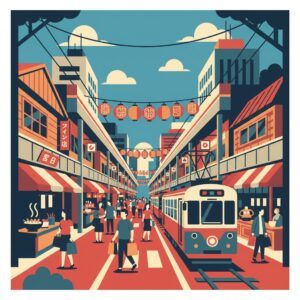
Walking through Teradacho feels like stepping onto a film set carefully crafted to evoke mid-century Japan. The JR Loop Line tracks run overhead, and the rhythmic sound of passing trains becomes the neighborhood’s pulse. Below, narrow streets are lined with a charmingly eclectic mix of businesses. You’ll notice faded plastic awnings shading family-run fruit stands, the warm glow of a traditional kissaten (coffee shop) where elderly locals read newspapers, and the inviting flicker of red lanterns outside cozy izakaya. There’s a notable absence of corporate gloss. This is a working-class neighborhood, proud and unpretentious, where life moves at a human pace.
The aesthetic here embodies lived-in beauty. It’s found in the patina of aged wood on a shop counter, the slight warp of a well-used menu, and the intricate tilework on a storefront that has endured decades of Osaka summers. From a fashion perspective, it’s a masterclass in wabi-sabi—the art of finding beauty in imperfection and impermanence. Muted, earthy tones dominate, punctuated by the vibrant reds and yellows of shop banners. The energy isn’t frenetic; it’s a steady, purposeful hum of daily life. You’ll see schoolchildren in their uniforms, cyclists navigating the narrow lanes with practiced ease, and shopkeepers exchanging greetings with passersby. It feels genuine because it is. You are no mere spectator here; you are a temporary participant in a community that has thrived long before you arrived and will endure long after you leave.
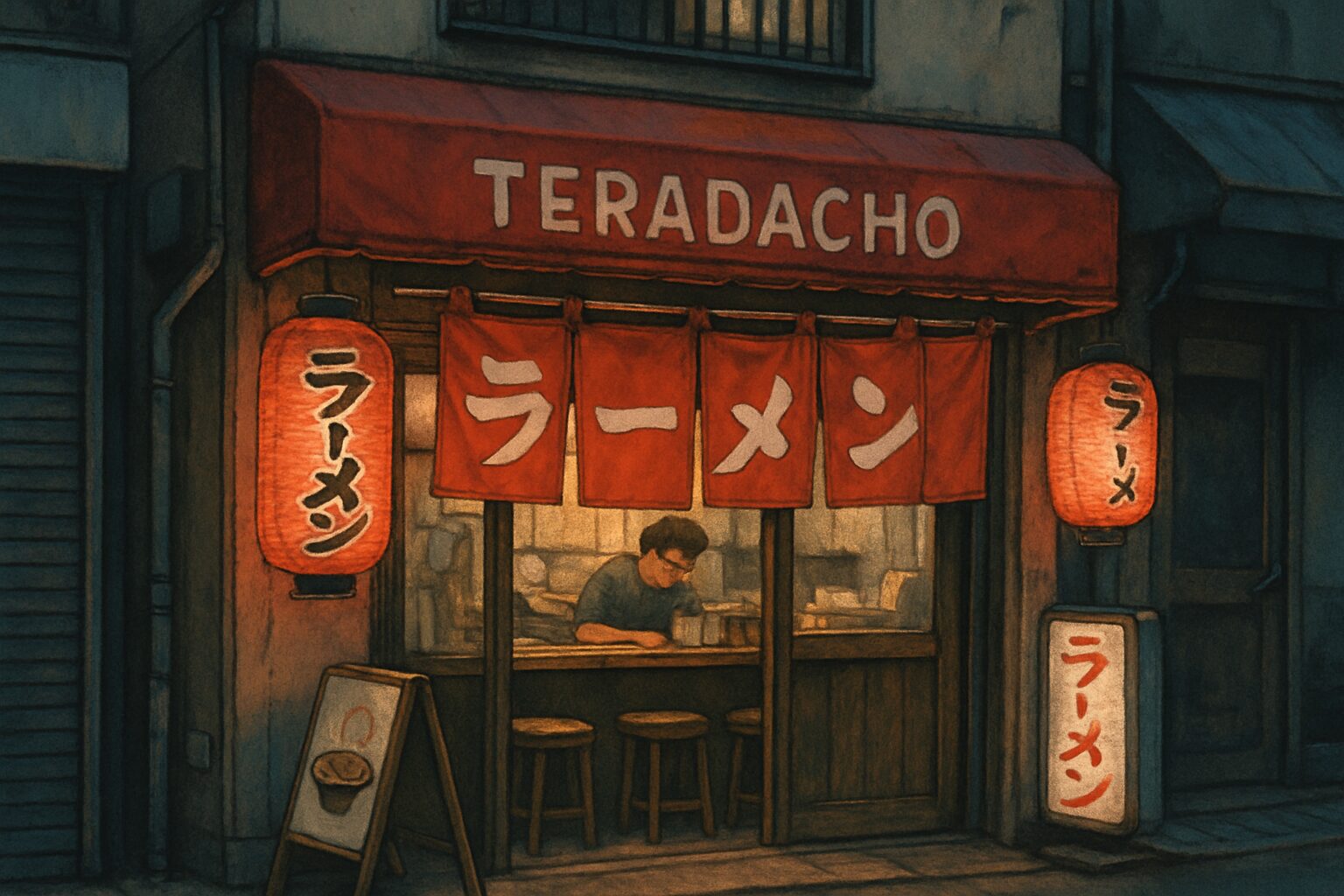
This atmosphere serves as the perfect prelude to the ramen experience itself. The shops are not designed for Instagram; they are designed for eating. Many are small, counter-only establishments where you sit elbow-to-elbow with regulars. The air is thick with steam and the savory aroma of broth. The soundtrack is a symphony of slurping noodles—a sound that, in Japan, is not rude but a sincere compliment to the chef—the sizzle of gyoza on a griddle, and the master’s low, focused commands. It’s an immersive, sensory experience that primes you for the culinary revelation to follow.
The Quest for the Perfect Bowl: Navigating Teradacho’s Ramen Legends
Your pilgrimage begins the moment you take your first step. The choices can feel overwhelming, with each shop proudly presenting its own philosophy and secret recipe. While it’s impossible to list them all without writing a novel, let’s delve into the ramen archetypes you’ll encounter, each showcasing a distinct facet of this rich culinary tradition. These are more than meals; they are manifestations of a chef’s soul, refined through years of unwavering dedication.
The Shoyu Sovereign: A Classic Taste of Tokyo-Style Ramen
One of the most enduring styles is the classic chuka soba, or shoyu (soy sauce) ramen. Though its appearance seems simple, an excellent shoyu ramen is a masterpiece of balance and depth. In Teradacho, some establishments have been honing this style for generations. Imagine walking into a shop that has hardly changed since the 1970s. The wooden counter is smoothed by countless bowls and elbows, while the walls are decorated with faded celebrity autographs and aged newspaper clippings.
The master, often an elder gentleman moving with quiet, practiced grace, is the soul of the place. Working in a small, open kitchen, you witness the magic firsthand. His movements are precise and deliberate: shaking freshly boiled noodles with a flourish to remove excess water, arranging toppings carefully with chopsticks, and ladling the shimmering dark broth into the bowl with reverence.
When the bowl arrives, the aroma hits you first—a deep, savory fragrance with a subtle sweetness from the soy tare (sauce base) and fragrant oils on top. The broth gleams translucent amber, remarkably clear yet bursting with flavor. Typically a blend of chicken and pork bones simmered with kombu, dried fish, and vegetables, it creates a multi-layered umami experience that’s both delicate and profound. The noodles are usually thin and wavy, springy enough to hold the soup perfectly. Classic toppings are impeccably prepared: tender, slow-braised chashu pork that melts in your mouth, crisp bamboo shoots (menma), fresh green onions, and perhaps a sheet of nori seaweed. This is ramen at its purest—a comforting, soul-nourishing dish that explains why this simple noodle-and-soup combo has won hearts worldwide.
The Tonkotsu Titan: Rich, Creamy, and Utterly Addictive
In striking contrast to the delicate clarity of shoyu is the robust, opaque world of tonkotsu ramen. Originating from Kyushu in southern Japan, this style features a rich, creamy broth made by boiling pork bones for hours until collagen and marrow dissolve, producing a silky, emulsified soup. Teradacho’s tonkotsu specialists often attract a younger, livelier crowd drawn to the broth’s bold, intense flavor.
The ambiance shifts as soon as you enter. The air is filled with the unmistakable, slightly gamey aroma of pork bones—a scent adored by fans. Interiors may be more modern, yet all focus remains on the ramen. Ordering often uses a vending machine—an iconic Japanese ritual. You insert cash, press buttons for your chosen ramen and extras—a soft-boiled egg (ajitama), extra pork, or a heap of spicy pickled ginger (beni shoga)—then hand your ticket to the chef.
When your bowl is served, it’s a feast for the eyes. The broth is milky white or pale beige, a testament to the lengthy simmering. It coats the spoon thickly, signaling its richness. The first sip is revelatory—intensely porky, creamy, and deeply satisfying, with a lingering flavor. Noodles tend to be thin, straight, and served firm (katamen) to hold up against the thick broth. The chashu here is often a different cut—perhaps pork belly, lightly charred to add smoky nuance. Toppings are designed to cut through the richness: sharp green onions, crunchy wood ear mushrooms (kikurage), and vibrant red pickled ginger offering a bright acidic contrast. Eating tonkotsu is a full-bodied, immersive experience that leaves you utterly content and perhaps ready for a nap.
The Hidden Gems and Local Secrets
Beyond the renowned titans of shoyu and tonkotsu, Teradacho’s true charm lies in its smaller, lesser-known shops. These are the places you might overlook but hold the neighborhood’s deepest treasures. Tucked away on a side street, you may discover a tiny shop run by a husband-and-wife team specializing in a unique miso ramen. The broth, a complex, funky mix of fermented soybean paste, garlic, and ginger, makes a perfect winter warmer. The noodles are thick and chewy, perfectly matching the hearty soup, topped with stir-fried vegetables and minced pork.
Or you might come across a shop serving tsukemen, or dipping noodles. Here, noodles and soup are presented separately. The thick, chilled noodles have an incredible texture and wheaty flavor. You dip them into a highly concentrated, almost gravy-like broth packed with umami. It’s an engaging and thoroughly delicious way to enjoy ramen, letting you appreciate the noodles’ quality in a fresh way.
Finding these spots is part of the journey. Look for small lines of locals, steamy windows, and simple noren curtains at the entrance. Don’t be daunted by the absence of an English menu. You can often point to what your neighbor is eating or simply say “Ramen, kudasai” (Ramen, please) and “Osusume wa?” (What do you recommend?). Your willingness to explore will be rewarded, and you may find your own favorite bowl that no guidebook has ever mentioned.
A Practical Guide for the Ramen Pilgrim

Exploring a local neighborhood like Teradacho is highly rewarding, and a few practical tips can help make the experience even more seamless, especially for first-time visitors.
Getting There
Getting there is straightforward. Teradacho Station is on the JR Osaka Loop Line, one of the city’s main transit routes. It’s just one stop from Tennoji Station, a major hub with connections to the subway, other JR lines, and the Kintetsu line. From key stations such as Osaka/Umeda or Namba, you can arrive in under 20 minutes. This easy access makes it ideal for a half-day trip, easily combined with visits to nearby attractions like Shitennoji Temple or the Abeno Harukas skyscraper.
Timing Your Visit
Many ramen shops are small, and the most popular ones often have long lines, especially during peak lunch (12:00 PM – 1:30 PM) and dinner (6:00 PM – 8:00 PM) hours. To avoid waiting, try to visit during off-peak times. An early lunch around 11:30 AM or a later lunch after 2:00 PM usually means you can walk right in. Similarly, arriving for an early dinner around 5:30 PM is also a smart choice. Additionally, keep in mind that many small, independent shops close one day a week, often Monday or Tuesday, so it’s a good idea to check online if you’re set on a specific spot.
Essential Etiquette and Tips
Eating ramen in Japan is casual, but knowing a few customs can enhance the experience.
- Cash is Preferred: Although Japan is increasingly credit card-friendly, traditional ramen shops often accept cash only. Be sure to have enough yen, especially when using a ticket machine that typically doesn’t take cards.
- Slurping is Welcome: Slurping noodles is not rude; in fact, it shows you’re enjoying your meal. It also cools the hot noodles and aerates the broth, improving its flavor.
- Don’t Linger: Particularly when there’s a line outside, it’s expected that you eat and then leave promptly. Ramen is fast food in the best sense. Enjoy your bowl, but avoid long chats afterward so the next person waiting can take your seat.
- Solo Dining: From the perspective of a solo female traveler, ramen shops are excellent. They feel safe, efficient, and are perfect for dining alone. Counter seating means you never feel awkward or out of place—it’s a comfortable and empowering way to enjoy a great meal.
Beyond the Broth: Soaking Up the Neighborhood’s Charm
While ramen is unquestionably the main attraction, Teradacho encourages you to linger and explore. Before or after your meal, take a walk through the local shotengai, the covered shopping arcade. These arcades are the heartbeat of many Japanese neighborhoods. Here, you won’t find high-fashion boutiques, but rather stores that cater to the daily needs of the community: a tofu maker, a fishmonger, a shop offering traditional Japanese sweets (wagashi), and a cluttered yet charming hardware store.
Step into a nostalgic kissaten for a cup of siphon coffee and a slice of toast. These coffee shops serve as time capsules, often featuring velvet seats, dark wood paneling, and a calm, reflective atmosphere. They provide the perfect spot to rest, digest, and watch the world go by. You might also come across a small, quiet Shinto shrine or Buddhist temple tucked between residential buildings. These peaceful places offer a moment of calm and a window into the spiritual life of the community.
By wandering these side streets, you gain a deeper understanding of Teradacho. You realize that the ramen shops are not isolated highlights but an essential part of a vibrant, living neighborhood. They are venues where office workers grab a quick lunch, families share their weekly dinner, and the spirit of old Osaka endures, one delicious, steaming bowl at a time.
A Final Sip

A trip to Teradacho is more than just a food tour; it’s a dive into a different facet of Osaka. It serves as a reminder that the most unforgettable travel moments often exist just beyond the polished pages of a guidebook, in modest neighborhoods where tradition is not only maintained but savored every day. It’s a place that awakens all your senses—the clatter of the train, the sight of steam rising, the scent of the broth, and the unforgettable flavor of a meal crafted with passion and history.
So, set aside the busy crowds for an afternoon. Board the Loop Line, let the rhythm of the train transport you to this quiet corner of the city, and follow your nose. Whether you are drawn to the subtle elegance of a classic shoyu or the bold impact of a rich tonkotsu, you will leave with more than just a satisfied appetite. You will depart with a deeper appreciation for the craft, a connection to local culture, and the warm, lasting memory of a perfect bowl of ramen. In Teradacho, the soul of Osaka is served hot, fresh, and with a touch of timeless charm.