When you first arrive in Kansai, the twin giants of Osaka and Kyoto pull you in completely different directions. They are neighbors, linked by a ribbon of steel track, yet they feel worlds apart. This difference is never more apparent than when you stand in the heart of their major southern gateways: Osaka’s Tennoji Station and Kyoto’s eponymous central station. On the surface, they are both sprawling transit hubs, concrete and glass behemoths designed to move millions. But to treat them as mere interchange points is to miss the story they tell. Tennoji isn’t just a station; it’s the anchor of a neighborhood that perfectly encapsulates Osaka’s soul—a chaotic, vibrant, and deeply human mix of soaring modernity, ancient spirituality, and gritty, Showa-era nostalgia. Kyoto Station, on the other hand, is a statement. It’s a breathtakingly modern portal to an ancient capital, a place of curated beauty and grand gestures. As an Aussie mum navigating the wonderful chaos of raising a family in Japan, I’ve spent countless hours exploring both, and I’ve come to see them not as rivals, but as two distinct, compelling narratives of urban Japan. One is a conversation, the other a proclamation, and understanding them is key to understanding the rhythm of life in Kansai.
To truly feel the chaotic, vibrant, and deeply human soul of Osaka that Tennoji anchors, you must explore the nearby historic Shinsekai district and its famous kushikatsu culture.
The Grand Arrival: A Symphony of Steel and Silence
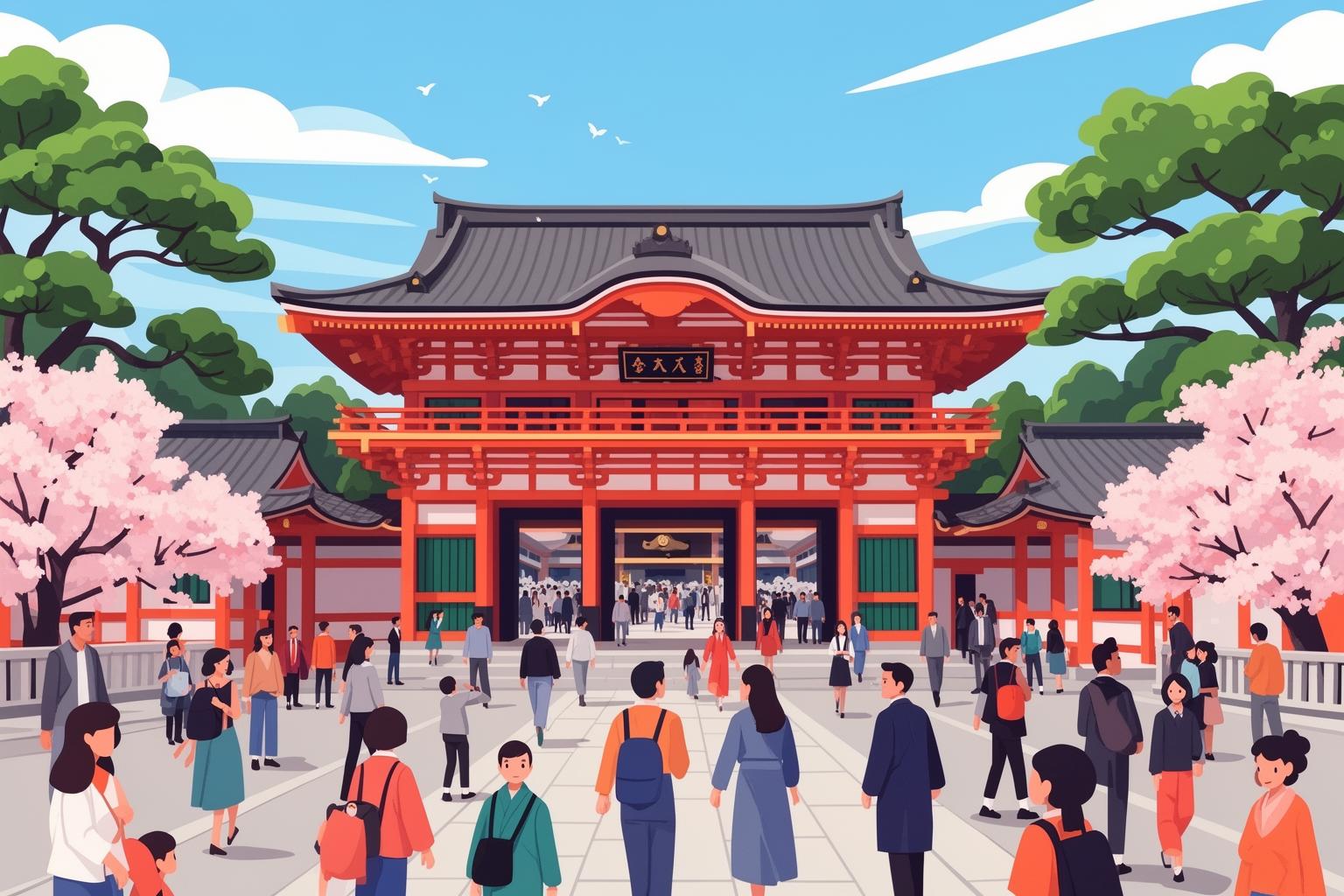
Your first impression of a place is often shaped by the controlled chaos of its main station. Here, the contrast between our two Kansai hubs is immediate and striking. Stepping off the train at Tennoji feels like entering a complex, multi-layered organism. It’s not a single building but an expansive junction of JR lines, subway tunnels, and the Kintetsu line terminal, all connected by a maze of underground passages and overhead walkways. The energy is tangible but distinctly local. You see commuters rushing to catch the Loop Line, shoppers heading toward the Mio department store directly linked to the station, and families making a beeline for the park exit. Tennoji Station has a practical straightforwardness; it’s less about impressing you and more about efficiently getting you where you need to go. Navigating it can seem puzzling at first, but each exit leads to a completely different world—a choose-your-own-adventure that feels quintessentially Osaka.
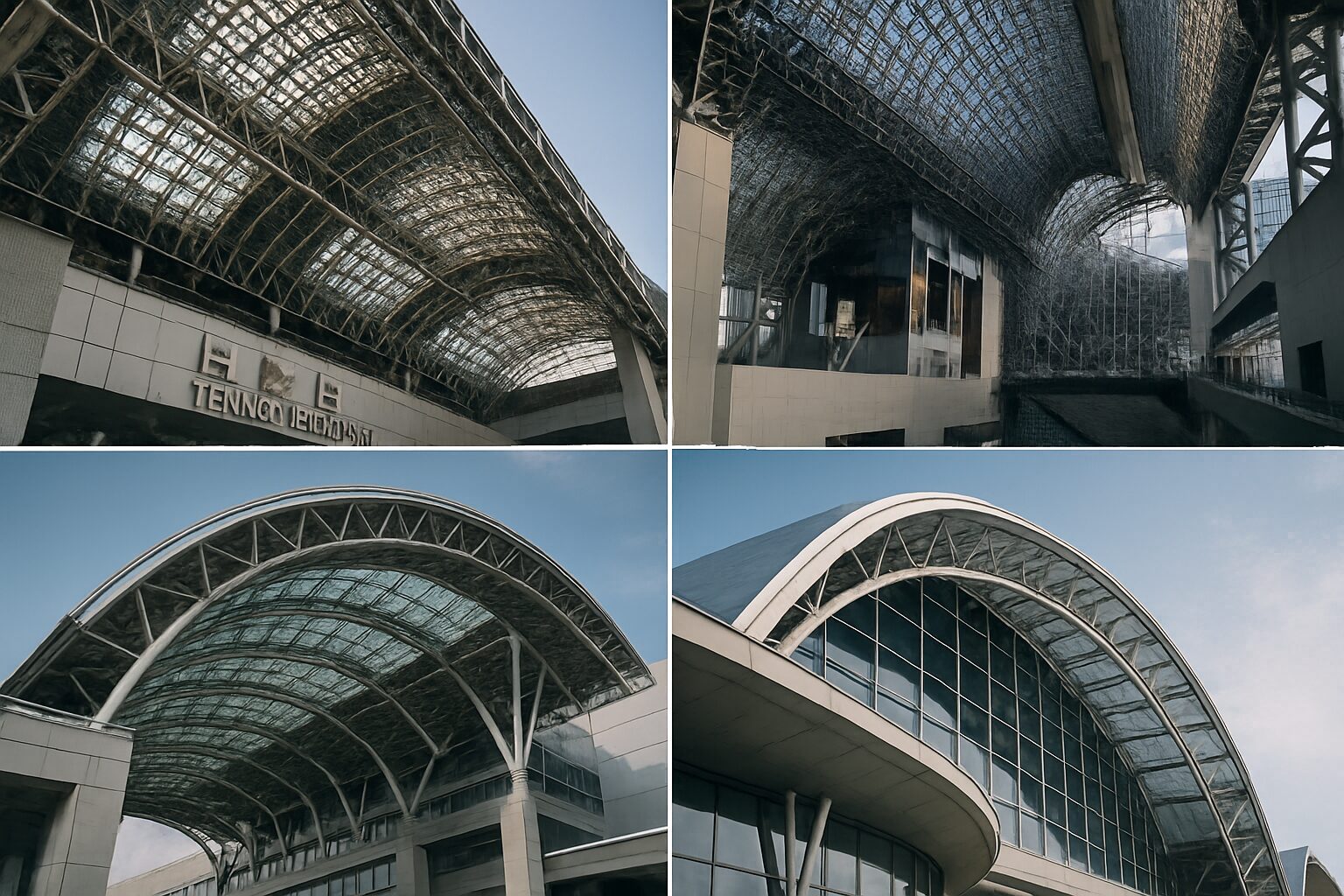
Kyoto Station, in contrast, is a destination in its own right. Designed by the renowned architect Hiroshi Hara, it stands as a cathedral of glass and steel, a vast space that invites a moment of quiet awe. The main hall, called the Matrix, is a huge atrium that draws your gaze upward, past a network of escalators and walkways to the geometric patterns of the roof. It feels less like a train station and more like a futuristic urban spaceport. Everything is grand in scale: the sweeping Grand Staircase that hosts events and light shows, the skyway offering a dizzying walk 45 meters above the main hall, and the flawless integration of a major hotel, a department store, a theater, and numerous shops. The atmosphere is international and fleeting. You hear a dozen languages echo through the hall as travelers arrive, wide-eyed and ready to begin their journey into Japan’s cultural heartland. While Tennoji feels like a neighborhood’s living room, Kyoto Station feels like the world’s most elegant foyer—a deliberate and breathtaking transition between the speed of modern travel and the timeless grace of the city beyond.
Reaching for the Sky: Towers of Ambition and Legacy
Every major city hub seems to boast its own vertical exclamation point—a tower that defines its skyline and provides a god’s-eye view of the world below. In this regard, Tennoji makes a bold, unmistakable statement with Abeno Harukas. Rising 300 meters into the sky, it stands as Japan’s tallest skyscraper, a sleek and shining symbol of Osaka’s modern ambition. The ascent to the top is an experience in itself—a smooth, silent elevator ride that carries you to the Harukas 300 observatory. When the doors open, you’re greeted by a breathtaking floor-to-ceiling glass panorama. The view is truly staggering. On a clear day, the entire Osaka Plain spreads out beneath you, a dense tapestry of urban life stretching to the hazy mountains of Kobe and Nara, with Awaji Island shimmering in the distance on the horizon. It’s a view that conveys scale and connection, presenting Osaka as the vibrant heart of a vast metropolitan region. The observatory is more than just a window; it’s a multi-level encounter with an open-air atrium on the 58th floor, a café where you can enjoy coffee while floating above the clouds, and even heliport tours for the truly adventurous. Abeno Harukas embodies the future of Osaka—confident and looking outward.
Across the prefectural border, the area around Kyoto Station offers a different kind of vertical experience, one rich in history and a certain retro charm. Standing directly opposite the station is Kyoto Tower, the city’s tallest structure, but at 131 meters, it presents a more modest, almost nostalgic presence on the skyline. Built in 1964, the year of the first Tokyo Olympics, it resembles a sleek white lighthouse watching over a sea of traditional tiled roofs. The observation deck’s view emphasizes context rather than overwhelming scale. From here, you can trace the ancient grid layout of the city, a design inspired by the Tang dynasty capital of Chang’an. You can spot the vast wooden roofs of Higashi Honganji and To-ji temples—green islands of heritage within a modern urban landscape. This view tells a story of preservation and thoughtful growth. Beyond the tower, the Kyoto Station building itself offers unique perspectives. A walk along the Skyway corridor reveals a fascinating internal view of the station’s architecture, while the top of the Grand Staircase provides a stunning, free vista of the city, perfectly framing Kyoto Tower against the evening sky. It’s less about dominating the skyline and more about engaging in a dialogue with it—a modern frame for a timeless picture.
Echoes of the Past: Sacred Grounds Amidst Urban Sprawl
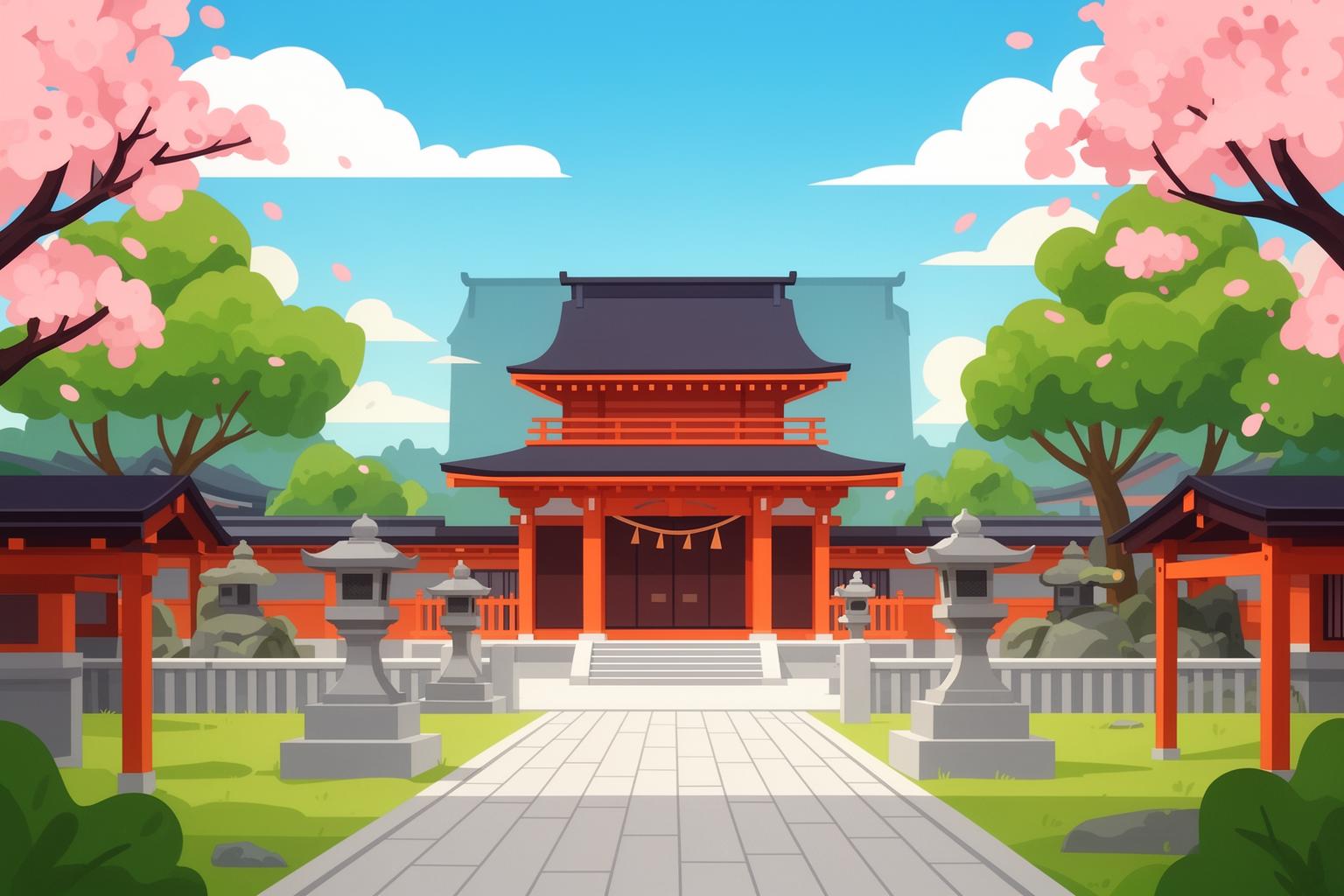
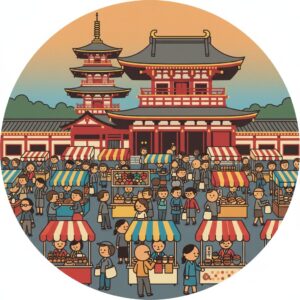
Just a short stroll from the constant bustle of Tennoji Station lies a place of deep tranquility and significant historical importance: Shitennoji Temple. This is no ordinary temple; it is one of Japan’s oldest officially managed Buddhist temples, founded in the 6th century by Prince Shotoku. Passing through the grand southern gate feels like stepping through a portal in time. The city’s noise diminishes, replaced by the soft crunch of gravel beneath your feet, the gentle murmur of prayers, and the subtle aroma of incense. The temple complex faithfully recreates its original 6th-century layout, a rare style to find elsewhere. The central gate, five-story pagoda, main hall, and lecture hall are aligned in a perfectly straight line, creating a space that feels both expansive and spiritually focused. The environment is calm and distinctly local. You’ll encounter elderly locals on their daily walks, families feeding turtles in the pond, and worshippers quietly offering their respects. For a truly immersive experience, visit on the 21st or 22nd of any month, when the temple grounds transform into a bustling flea market. Hundreds of stalls sell everything from antique ceramics and vintage kimono to street food and handmade crafts. It’s a lively, vibrant, and utterly charming event that perfectly captures the spirit of Osaka, where sacred history and lively commerce coexist joyfully. Within the temple grounds, the Gokuraku-jodo Garden, designed to symbolize the Western Paradise of Amida Buddha, adds an extra layer of serenity, featuring beautiful ponds and meticulously sculpted plants.
Kyoto Station, true to its role as a gateway to history, is flanked by monumental temples that command immediate reverence. A fifteen-minute walk southwest leads to the gates of To-ji Temple, a UNESCO World Heritage site and a powerful emblem of the city. Its five-story pagoda, nearly 55 meters tall, is the tallest wooden pagoda in Japan. It’s a stunning sight, a landmark that has anchored this area of Kyoto since the Heian period. The temple grounds are vast and impressive, housing halls filled with priceless Buddhist statues. The weight of history here is palpable, a legacy passed down from emperors and shoguns. Like Shitennoji, To-ji also hosts the renowned Kobo-san market on the 21st of every month. This sprawling event is even larger than its Osaka counterpart, drawing antique dealers and artisans from across the country. In the opposite direction, a short walk north from the station, lies Higashi Honganji Temple. The immense scale of its main hall, the Goei-do, is almost unimaginable until you stand before it. It is one of the largest wooden structures worldwide, and stepping into its vast, tatami-covered interior is a profoundly humbling experience. These temples are far from quiet neighborhood sanctuaries; they are grand declarations of faith and power, designed to inspire awe and serve as an immediate introduction to the rich cultural heritage of the ancient capital.
Urban Oases: From Manicured Lawns to Architectural Gardens
In Japan’s dense urban landscape, green space is a valuable asset, and the way a city center incorporates it reveals much about its character. Tennoji has truly perfected the urban park with Tennoji Park, particularly its revitalized entrance area called “Tenshiba.” Located just across from the station, this is no ordinary park. It features a vast, beautifully maintained lawn surrounded by trendy cafes, restaurants, a playground, and even a futsal court. On sunny weekends, Tenshiba bursts with city life—families spread picnic blankets, toddlers chase bubbles on the grass, and couples enjoy coffee, all set against the impressive backdrop of Abeno Harukas. The space is thoughtfully designed, feeling both contemporary and welcoming, an ideal spot for parents like me to let children expend energy. Beyond the open lawn, the park offers additional attractions including the historic Tennoji Zoo, beloved by kids, and the Osaka City Museum of Fine Arts. For a more traditional experience, Keitakuen Garden, a beautiful Japanese stroll garden with a central pond and teahouse, provides a serene retreat tucked within the park. Tennoji Park serves as a genuine urban backyard, seamlessly woven into the everyday lives of its residents.
Kyoto Station’s approach to green spaces is more architectural and integrated. Unlike Tennoji, there is no sprawling lawn at its entrance. Instead, visitors look upwards to the top of the Grand Staircase, where the “Daikaidan” rooftop garden offers a series of landscaped terraces providing a surprisingly peaceful escape from the station’s bustle. This spot is popular with couples and travelers seeking a quiet moment and affords lovely city views. While beautifully and cleverly designed, it feels more like an architectural element than a living, breathing park. For a larger green area, one must venture about a 20-minute walk west to Umekoji Park. This expansive, multi-purpose park has become a destination, home to the excellent Kyoto Railway Museum and Kyoto Aquarium. It’s a wonderful place for a full day out, with wide grassy spaces and a charming little streetcar operating on weekends. However, its distance from the station gives it a distinct atmosphere—it’s a place to go to, rather than a space that spills naturally into daily life. Tenshiba serves as the spontaneous heart of Tennoji’s outdoor culture, whereas Umekoji Park reflects Kyoto’s more intentional and structured approach to leisure.
The Soul of the Street: Retro Grit vs. Polished Corridors
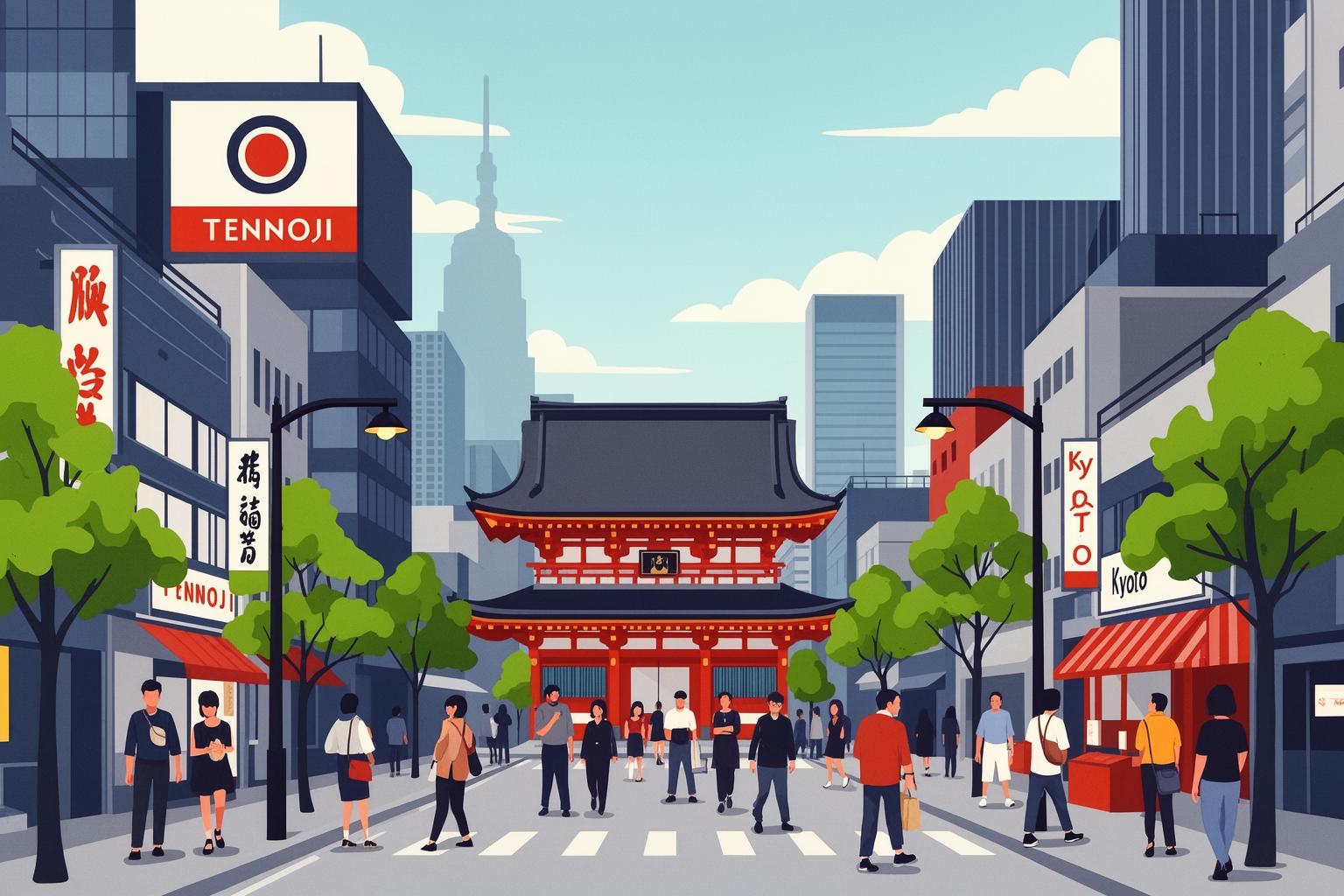
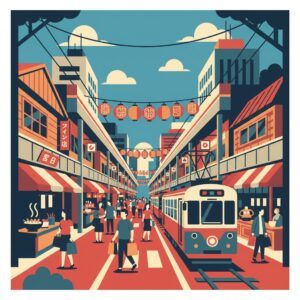
To genuinely grasp the difference in atmosphere between these two areas, you need to wander through the streets and alleys branching out from the stations. In Tennoji, this means immersing yourself in the delightfully strange and anachronistic world of Shinsekai. A brief stroll from the station, past the zoo, you’ll find yourself beneath the iconic Tsutenkaku Tower, the unabashedly retro emblem of the neighborhood. Shinsekai, meaning “New World,” was developed pre-war, partly inspired by Paris and New York. Today, it serves as a living museum of mid-20th-century Showa-era Japan. The streets burst with vibrant colors, adorned with whimsical, oversized signs for kushikatsu (deep-fried skewers) restaurants, pufferfish eateries, and budget-friendly pubs. The air is heavy with the aroma of frying oil and the sounds of pachinko parlors. It’s gritty, loud, and utterly captivating. Hidden within is Janjan Yokocho, a narrow covered alley filled with tiny standing bars, inexpensive eateries, and shogi (Japanese chess) clubs where elderly men spend their afternoons enveloped in clouds of smoke. This is the raw, pulsating heart of working-class Osaka—a place without pretense, where the food is hearty, the drinks affordable, and the welcome sincere. It’s worlds away from polished tourist brochures, and it’s magnificent.
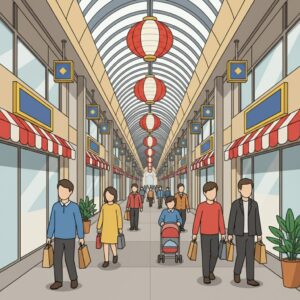
Kyoto Station, by contrast, offers an experience that is completely opposite. Its “local life” unfolds not in gritty streets, but within the spotless, brightly lit underground shopping malls of Porta and The Cube. These expansive subterranean networks link directly to the station and provide a climate-controlled haven of convenience. Corridors here are lined with trendy boutiques, cosmetic shops, and souvenir outlets selling beautifully packaged Kyoto sweets and crafts. The atmosphere is calm, orderly, and commercial. It’s ideal for travelers wanting to pick up last-minute gifts or grab a bite without braving the weather. The department store giant, Isetan, also integrates seamlessly into the station building, offering floors of luxury goods and an impressive food hall in its basement. While these spaces are efficient and boast wide selections, they lack the organic, chaotic spirit of a neighborhood like Shinsekai. They are curated commercial environments, designed to deliver a smooth, predictable experience. The contrast is striking: Shinsekai is a story shaped over decades, its character embedded in every faded sign and worn barstool. Kyoto Station’s malls are a modern narrative, composed for efficiency and sophistication.
A Taste of the Town: Kuidaore Culture vs. Curated Cuisine
In Osaka, there’s a term: kuidaore, which roughly means “eat until you drop.” Tennoji and its surrounding area are ideal for exactly that. The food scene is a democratic mix, blending high and low, old and new. The undisputed star of Shinsekai is kushikatsu. Here, dozens of restaurants specialize in these deep-fried skewers of meat, vegetables, and even cheese. The ritual is part of the charm: sitting at a counter, dipping your skewer into the communal pot of tangy sauce, and remembering the golden rule—no double-dipping! It’s a fun, communal, and delicious affair. Beyond the skewers, the neighborhood offers classic Osaka soul food. Rustic okonomiyaki (savory pancakes) and takoyaki (octopus balls) shops are tucked away on the side streets. Under the train tracks near the station, a series of small, atmospheric izakayas and standing bars serve affordable beer and grilled treats to a devoted local crowd. On the upscale end, the restaurant floors of Abeno Harukas and Q’s Mall provide a more refined dining experience, featuring global cuisines and breathtaking city views. Tennoji’s food scene mirrors its character: diverse, unpretentious, and always satisfying.
Kyoto Station, catering to a steady stream of travelers, offers a more curated culinary experience. It’s designed to provide visitors a convenient, high-quality taste of Japan without needing to venture far. The highlight is Kyoto Ramen Koji, or Ramen Street, on the 10th floor of the station building. This ramen lover’s haven features eight or nine shops, each representing a distinct regional ramen style from across Japan, from Sapporo’s rich miso to Hakata’s tonkotsu. The challenge of choosing is all part of the fun. The underground malls Porta and The Cube, along with the Isetan food floors, also boast a vast variety of eateries. You’ll find elegant Kyoto-style cuisine (kyo-ryori), restaurants specializing in tofu and yuba (tofu skin), and cafes serving exquisite parfaits made with prized Uji matcha. The emphasis is on quality and presentation. While the food is certainly delicious, the atmosphere can feel more like an organized food court than an authentic neighborhood dining environment. It offers a fantastic introduction to Kyoto’s flavors, but to discover the city’s true hidden gems, you’ll need to take a bus to its quieter districts.
Practical Tips and Final Thoughts
Getting to both hubs is easy. From Osaka’s Umeda or Namba stations, the Midosuji subway line takes you straight to Tennoji. It’s also a key stop on the JR Osaka Loop Line, making it easily accessible from anywhere in the city. Kyoto Station is the terminus for the Shinkansen bullet train and a hub for several JR lines, including express trains from Osaka and Kansai Airport. The best time to visit depends on what you want. The flea market days at Shitennoji and To-ji (the 21st and 22nd) offer a lively, memorable cultural experience. Spring brings cherry blossoms to Tennoji Park, while autumn in Kyoto is famous, though the most vibrant colors are found at the temples further from the station. For first-timers, my advice is simple: in Tennoji, allow yourself to wander. Move from the sleek modernity of Harukas into the time-warped streets of Shinsekai. In Kyoto, use the station as your base but make a point to take a bus or subway a few stops out to discover the quieter, more intimate side of the city. Don’t be overwhelmed by the size of Kyoto Station; the information desks are excellent and can guide you where to go.
Ultimately, Tennoji and the Kyoto Station district are more than just locations; they are experiences that embody their cities. Tennoji is a microcosm of Osaka itself—a place of bold ambition and deep history, manicured parks and gritty backstreets, all existing in a lively, friendly, and wonderfully human harmony. It invites you to dive in, grab a skewer, and join the conversation. Kyoto Station is a splendid overture. It’s a modern marvel that sets the stage for the ancient beauty beyond its doors, a place of smooth transitions and thoughtful introductions. It holds the past at a respectful distance, presenting it through a contemporary lens. To visit one is to glimpse a city’s heart; to visit both is to grasp the dynamic, fascinating soul of Kansai.