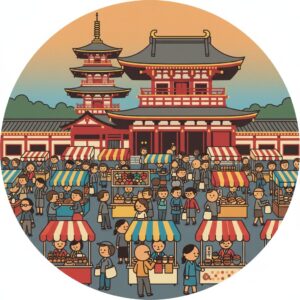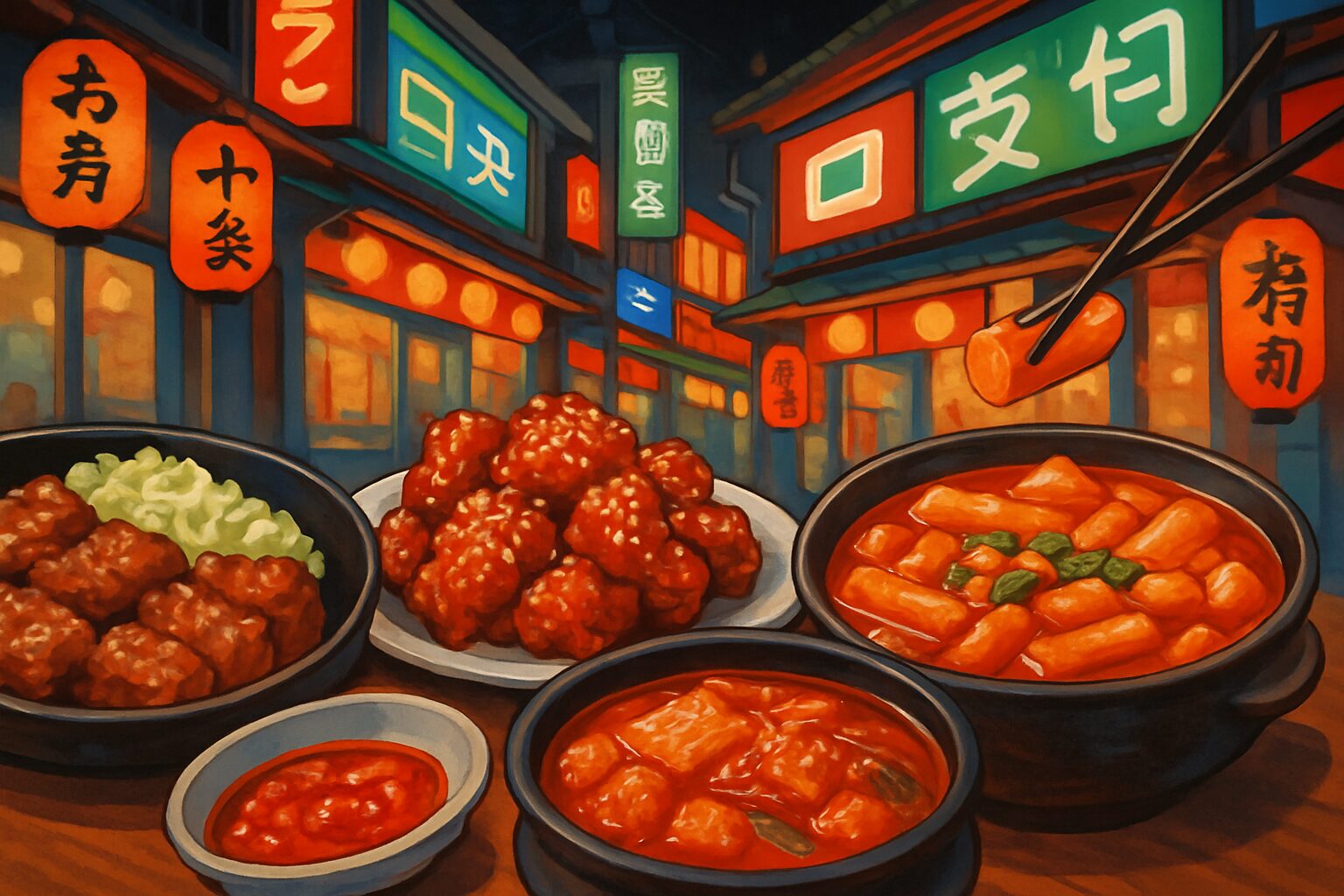
Step off the train at Tsuruhashi Station, and the transformation is immediate. The air changes. It becomes thick, savory, and intoxicating, carrying the unmistakable perfume of grilled meat, pungent kimchi, and sizzling sesame oil. You’re not just in another Osaka neighborhood; you’ve entered a portal. This is Tsuruhashi, the vibrant, pulsating heart of Osaka’s Koreatown, a district that grabs you by the senses and refuses to let go. For decades, this labyrinth of covered markets and bustling streets has been a sanctuary for Japan’s Korean community, a place where traditions are preserved in bubbling pots and family recipes. But today, it’s also a paradise for food lovers and savvy shoppers, a place where authenticity and affordability collide in the most delicious way possible. Forget the polished storefronts of downtown; Tsuruhashi is gloriously, unapologetically real. It’s a place where the smoke from a hundred yakiniku grills tells a story of resilience and flavor, a story that stretches back generations. Whether you’re a resident looking to spice up your weekly grocery run or a traveler hunting for a truly local experience, Tsuruhashi offers a journey into a culture that is deeply woven into the fabric of Osaka, promising a feast for both your palate and your wallet.
For a similarly authentic and unfiltered look at another historic Osaka neighborhood, explore the gritty reality of Shinsekai.
A Symphony of Senses: The Unmistakable Vibe of Tsuruhashi
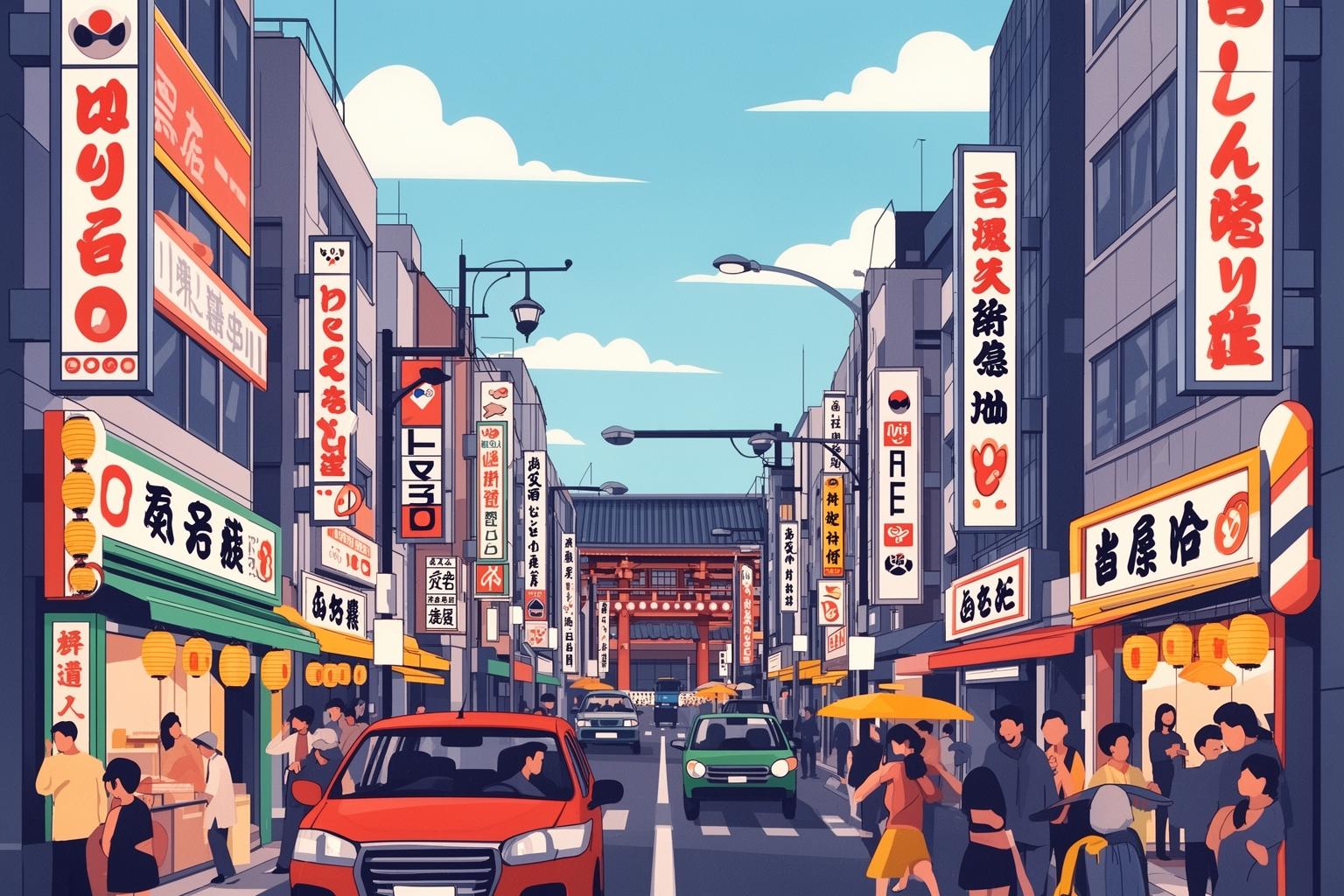
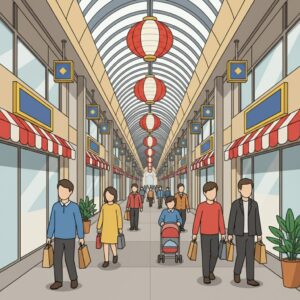
The Tsuruhashi experience starts the moment you navigate the chaotic, multi-layered Tsuruhashi Station, a hub where the JR, Kintetsu, and subway lines intersect. It feels like an entrance, and as you descend into the surrounding network of shotengai (shopping arcades), the atmosphere grows even more intense. The covered markets right around the station form a dizzying maze from a past era. The air is thick with vendors loudly advertising their daily specials, the steady chop of butchers at work, and the sizzle of food being prepared right before your eyes. Sunlight struggles to penetrate the arcade’s canopy, creating a constant twilight lit by the warm glow of hanging lanterns and fluorescent shop signs. It feels less like a modern shopping street and more like a living, breathing entity, with narrow alleys branching out like veins, each leading to new discoveries.
Here, the raw energy of Tsuruhashi is most tangible. You’ll pass shops displaying entire pig heads, reflecting the nose-to-tail philosophy central to the local cuisine. Mounds of colorful namul (seasoned vegetables) sit beside tubs of vibrant kimchi, their fermented aroma mingling with the sweet scent of simmering broths. Elderly shopkeepers, many of whom have spent their entire lives at these stalls, carefully arrange their goods, greeting you with a friendly nod or warm smile. This market hasn’t been polished for tourists; it’s an authentic, working market, and that very genuineness is its greatest appeal.
As you continue eastward, you arrive at Miyuki-dori, the main street more commonly known as Koreatown. The vibe here shifts somewhat. It’s more open, more modern, and clearly influenced by the Hallyu (Korean Wave). K-pop music blasts from speakers, while shops stock merchandise of the latest idol groups. Young fans browse cosmetics and skincare from popular Korean brands, and cafes serve trendy bingsu (shaved ice) and dalgona coffee. Yet, even here, tradition remains close at hand. Nestled between a K-pop store and a modern cafe is a generations-old kimchi shop, its owner offering samples with the quiet confidence of a craftsman whose skill is timeless. This fusion of old and new, Showa-era Japan and contemporary South Korea, is what makes Tsuruhashi endlessly compelling. It’s a place of contrasts, where deep historical roots meet the vibrant pulse of modern culture.
The Roots of Flavor: A Glimpse into Tsuruhashi’s History
To truly appreciate the food and atmosphere of Tsuruhashi, you need to understand its story. This neighborhood was not artificially created; it emerged from history, hardship, and a strong sense of community. Its roots are closely tied to the Zainichi Korean population, ethnic Koreans who have made Japan their home. The story begins in the pre-war period, with a significant wave of migration from the Korean peninsula, especially from Jeju Island, to Osaka, a thriving industrial center in need of labor.
These immigrants settled in neighborhoods like Tsuruhashi, forming close-knit communities where they could maintain their language, culture, and traditions. After World War II, the area around Tsuruhashi Station turned into a sprawling black market, a place driven by necessity and survival. It was in this context that the community’s entrepreneurial spirit blossomed. People started businesses from scratch, many revolving around the one unifying element: food.
Tsuruhashi is famously recognized as the birthplace of yakiniku in Japan. While grilling meat is a global custom, the specific style of Japanese yakiniku—small pieces of meat grilled over charcoal or gas at the table—was popularized here. In the lean post-war years, resources were limited. The Korean community ingeniously used less-desirable cuts of meat and offal, known as horumon, which were often discarded. By marinating them in savory, flavorful sauces inspired by Korean cuisine, they turned these humble ingredients into something remarkably tasty. The term horumon itself is a play on the Kansai dialect phrase horu mono, meaning “discarded things.” This culinary innovation, born from thrift and creativity, gained popularity, and soon, small smoky yakiniku eateries began appearing throughout Tsuruhashi.
For decades, the neighborhood remained primarily a center for the local Korean community. It was a place to buy familiar ingredients, speak one’s native language, and connect with one’s heritage. The rise of the Hallyu wave in the early 2000s changed everything. Japanese interest in South Korean dramas, music, and food surged, and suddenly, Tsuruhashi gained widespread attention. People flocked to experience the culture they saw on their screens. This influx of visitors brought new energy and investment, leading to the modern, lively district we see today. Yet beneath the K-pop posters and trendy cafés, the heart of Tsuruhashi remains unchanged: a tribute to a community that built a home and a legacy, one delicious plate of kimchi and grilled kalbi at a time.
The Yakiniku Kingdom: Feasting Without Breaking the Bank
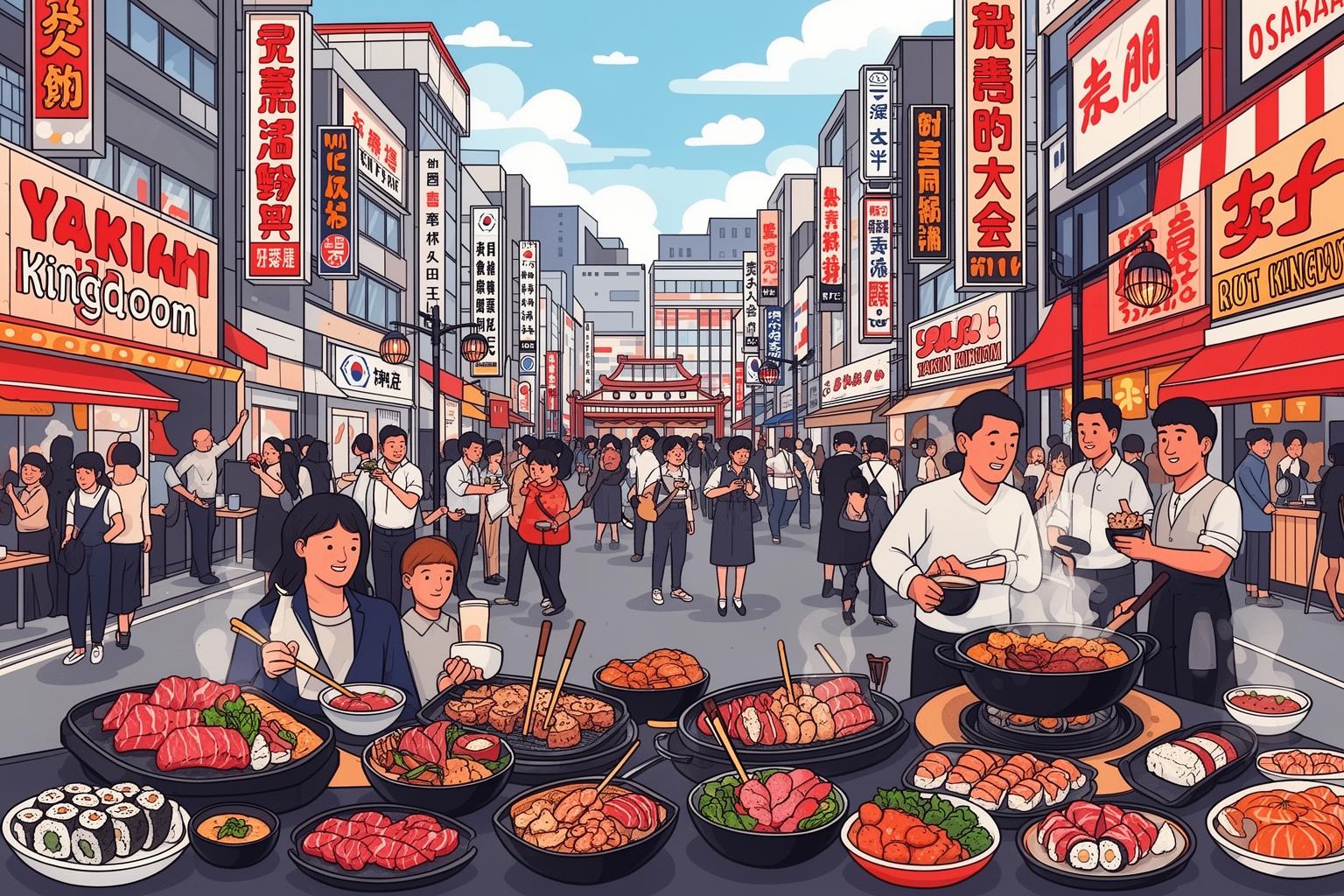
Yakiniku in Tsuruhashi is more than just a meal; it’s the very essence of the neighborhood’s spirit. From the moment you step in, the air is thick with its enticing aroma, an irresistible beckoning. What makes dining here truly special isn’t only the authenticity, but also the remarkable affordability. The dense concentration of restaurants drives fierce competition, keeping prices notably lower than elsewhere in Osaka. Additionally, the founding principle of utilizing every part of the animal ensures that tasty, budget-friendly cuts are not only available but also highly valued.
As you wander through the maze of streets, you’ll find every conceivable style of yakiniku restaurant. There are the tachigui (standing-only) spots—often just a simple counter and grill—where office workers and locals gather for a quick, no-frills, and exceptionally cheap meal. These are ideal for solo diners or anyone wanting to sample various cuts without committing to a full sit-down dinner. You simply point to your choice, it’s grilled right before you, and you eat standing up, elbow-to-elbow with other patrons. It’s a raw, communal experience that perfectly captures the spirit of Tsuruhashi.
Then there are the all-you-can-eat (tabehodai) establishments, where for a fixed price you can indulge in an endless array of meat, vegetables, and side dishes for 90 or 120 minutes. These offer excellent value for those with a hearty appetite and provide a great opportunity to try a wide variety. Lastly, there are traditional, family-run restaurants, some in operation for more than fifty years. These venues may lack flashy signage, but they boast something even better: history. Their sauces come from secret family recipes passed down through generations, and they take great pride in the quality of their meat.
To navigate the menu like an insider, it’s helpful to know a few key cuts. Kalbi (short rib) reigns supreme—marbled, tender, and packed with flavor. Harami (skirt steak) is another favorite, leaner than kalbi but still juicy and rich. For the adventurous, exploring horumon (offal) is essential. Tan (tongue) is a great introduction, typically thinly sliced, seasoned with salt and lemon, offering a satisfyingly chewy texture. From there, you can venture into mino (first stomach), which is crunchy and mild, or tecchan (large intestine), fatty, rich, and melts in your mouth when grilled just right. Don’t hesitate to ask the staff for an osusume (recommendation); they’re usually happy to help.
What truly enhances the value of a yakiniku meal here are the banchan, the small side dishes accompanying the main fare. Unlike many other parts of Japan, Tsuruhashi’s traditional Korean restaurants often provide a generous array of kimchi, seasoned bean sprouts (moyashi namul), spinach (sigeumchi namul), and other pickled vegetables with your order. These sides offer a refreshing, slightly acidic, and spicy contrast to the rich, fatty meat, cleansing the palate between bites and adding layers of flavor and texture. For the best bargains, seek out lunch sets that typically include rice, soup, kimchi, and a hearty portion of meat at a price that feels like a steal.
Beyond the Grill: A Universe of Korean Street Food and Delicacies
While yakiniku may be the main attraction, Tsuruhashi’s culinary landscape is a vibrant festival of flavors that goes well beyond the grill. The centerpiece of this food journey is Miyuki-dori, a street that feels like a continuous, moving feast. Walking along it is an exercise in sensory delight, with numerous vendors presenting a remarkable variety of street food and ready-to-eat dishes, ideal for snacking on the move or taking home.
At the heart and soul of the street lies kimchi. This isn’t the mass-produced, mellow version found in supermarkets but the authentic article. You’ll see large tubs and barrels brimming with it, the bright red chili paste acting as a beacon for flavor hunters. The aroma alone is intoxicating—a complex blend of garlic, ginger, chili, and fermentation. Vendors, often elderly women with decades of experience, will offer you a sample. You can find everything from classic cabbage kimchi (baechu-kimchi) to crunchy radish cubes (kkakdugi), refreshing cucumber kimchi (oi-sobagi), and even rarer varieties made with burdock root or oysters. Buying kimchi here is an experience in itself; you purchase it by weight, and it’s packed fresh from the tub. It’s a staple for any local aiming to infuse authentic Korean flavor into their cooking.
As you continue your walk, the sizzling sound of chijimi or pajeon, savory Korean pancakes, will tempt you. Made from a simple batter combined with ingredients like green onions, seafood, or kimchi, they’re fried on a large griddle until golden and crispy on the edges, yet tender and chewy inside. Served with a tangy soy-vinegar dipping sauce, they are the ultimate comfort snack. Nearby, you might spot a vendor stirring a bubbling pot of bright red tteokbokki. These chewy, cylindrical rice cakes simmer in a spicy, sweet, and savory sauce made from gochujang (Korean chili paste). It’s a beloved street food that is both addictive and filling.
For those with a sweet tooth, watch for stalls preparing hotteok. These are sweet, yeasted pancakes, typically filled with a blend of brown sugar, cinnamon, and chopped nuts. When cooked on the griddle, the filling melts into a hot, gooey syrup that bursts out with the first bite. It’s a warm and comforting treat, especially on a chilly day. No Tsuruhashi food tour would be complete without sampling kimbap, the Korean seaweed rice roll. Far from a simple snack, these rolls are filled with a colorful assortment of ingredients like seasoned vegetables, egg, pickled radish, and beef or tuna, making them a satisfying and tasty grab-and-go meal.
Beyond the street food vendors, the neighborhood boasts a wealth of specialty restaurants. You’ll find places devoted to nourishing samgyetang (ginseng chicken soup), hearty bibimbap (mixed rice in a hot stone bowl), or fiery sundubu-jjigae (soft tofu stew). The rise of Hallyu has also inspired a new wave of modern cafes, where you can relax with coffee and enjoy desserts while listening to the latest K-pop hits. This remarkable variety guarantees that regardless of your craving or budget, Tsuruhashi offers something delicious to satisfy every palate.
The Smart Shopper’s Haven: Unpacking Grocery Deals in Koreatown
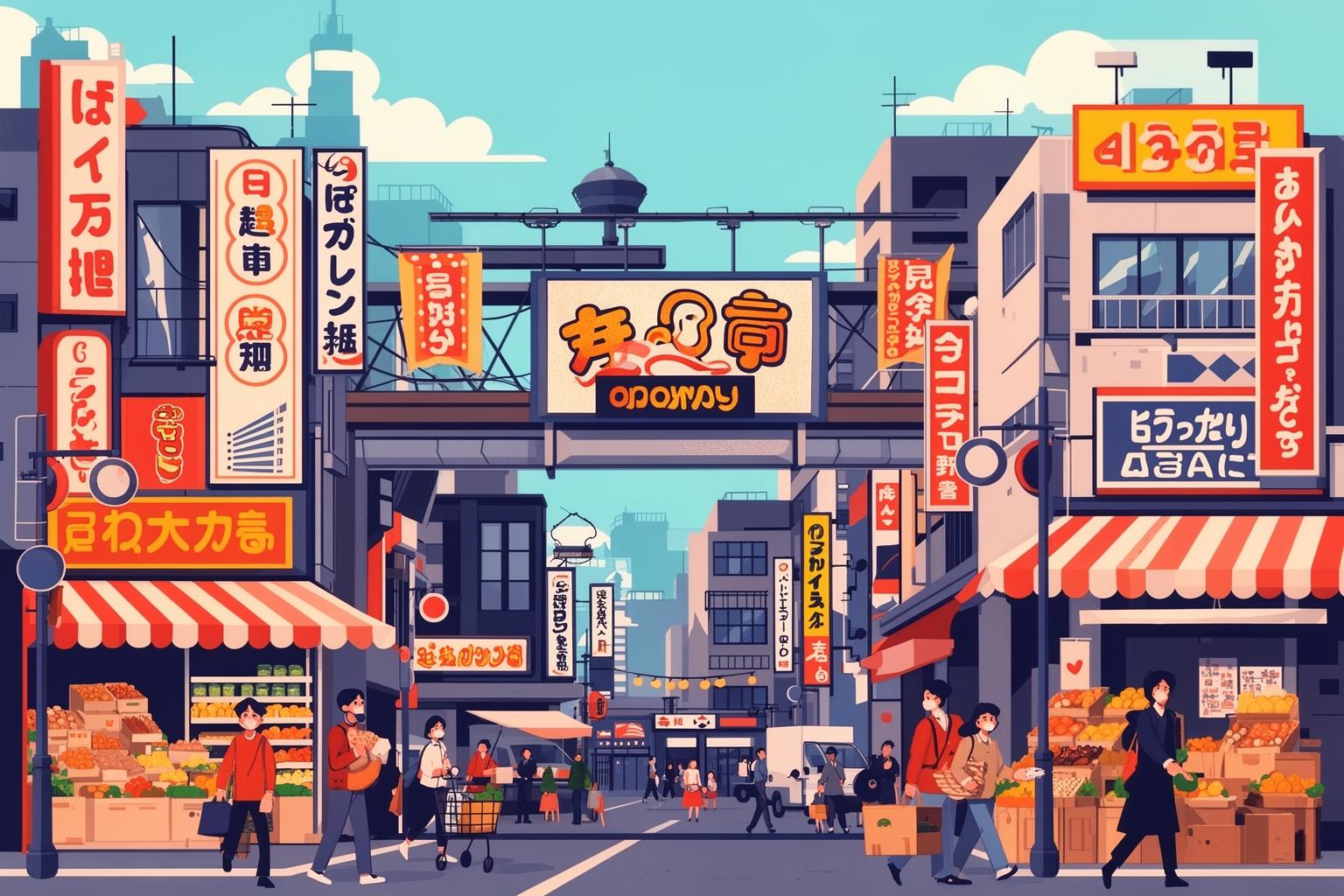
For foreigners living in Osaka, Tsuruhashi is more than just a great spot for dining out; it’s a game-changing destination for grocery shopping. The markets and specialty shops here offer a wealth of ingredients that are often hard to find or much more expensive in typical Japanese supermarkets. A visit to Tsuruhashi can transform your home cooking, especially if you enjoy Korean or other Asian cuisines, while also helping you save a significant amount of money.
The most obvious appeal, of course, is the kimchi. Purchasing a large container of fresh, artisanally made kimchi from a Tsuruhashi vendor is much more economical and flavorful than buying the small, pre-packaged jars found in supermarkets. The quality is simply unmatched, and the wide variety lets you choose a style that perfectly fits your preferences, whether you like it super spicy, sour from extra fermentation, or crisp and fresh.
Beyond kimchi, the shelves of the Korean supermarkets here are stocked with essential pantry staples at excellent prices. Large tubs of gochujang, doenjang (soybean paste), and ssamjang (a dipping sauce for wraps) can be purchased for a fraction of the price per gram compared to smaller containers elsewhere. Huge bags of gochugaru (Korean chili flakes), vital for making homemade kimchi or stews, offer tremendous value. The selection of Korean sesame oil is another highlight; this deep, nutty, fragrant oil far surpasses generic brands and can elevate any dish.
You’ll also discover an impressive variety of noodles, from numerous brands of instant ramyeon (including spicy and specialty flavors you won’t find anywhere else) to glass noodles made from sweet potato starch, perfect for preparing japchae. The produce sections are also worth exploring, where you can often find perilla leaves (a key ingredient for Korean BBQ wraps), Korean pears, and various types of chilies that are uncommon in Japan.
The butcher shops are another big draw. Thanks to the area’s strong yakiniku culture, these butchers are experts in their trade. You can find specific cuts of beef, pork, and offal, often pre-marinated and ready to grill, at very competitive prices. This is the ideal place to shop if you’re planning a Korean BBQ party at home. You can get everything you need in one trip: high-quality marinated meat, fresh kimchi, a variety of namul side dishes, perilla leaves for wrapping, and a bottle of soju to accompany it all. Creating a feast like this with the resources at Tsuruhashi is not only more authentic but also considerably cheaper than sourcing everything from separate, non-specialty stores.
The snack aisles are a wonder on their own, packed with a vast array of Korean chips, crackers, sweets, and drinks. You can stock up on favorites like honey butter chips, shrimp crackers, and Choco Pies, or try something new. It’s the perfect spot to find unique treats to share with friends or simply satisfy a craving for something different. For any budget-conscious Osaka resident who loves cooking, a regular visit to Tsuruhashi is an absolute must.
Practical Navigation and Insider Tips
Reaching Tsuruhashi is extremely simple, as its station serves as one of Osaka’s key transportation hubs. It is serviced by the JR Osaka Loop Line, making it easily reachable from major stations such as Osaka/Umeda, Tennoji, and Kyobashi. The Kintetsu Line also passes through Tsuruhashi, offering a direct connection to and from Nara. Moreover, the Sennichimae Subway Line stops here, linking it to the Namba and Den-Den Town areas. Upon arriving at the station, be sure to head toward the east exits, which will take you straight into the network of covered markets and lead you to the main Koreatown street.
To get the best experience from your visit, timing is crucial. Weekends, particularly Saturday and Sunday afternoons, tend to be very crowded, with the narrow streets of Miyuki-dori turning into a slow-moving sea of people. For a more relaxed outing, plan a weekday visit. A late morning or early afternoon trip on a Tuesday or Wednesday allows you to explore the shops and markets at a leisurely pace. It’s also worth noting that Tsuruhashi is mainly a daytime destination. While yakiniku restaurants remain open late into the evening, many market stalls, kimchi vendors, and grocery stores begin closing around 6:00 PM or 7:00 PM. Therefore, shopping is best done earlier in the day.
One essential tip for navigating the markets is to carry cash. Although larger supermarkets and restaurants accept credit cards, many smaller, family-run stalls, street food vendors, and market shops operate on a cash-only basis. Having plenty of yen on hand ensures you won’t miss out on trying tempting snacks or shopping from charming local vendors. In terms of language, Japanese is predominantly spoken, but Korean is also commonly heard. Shopkeepers are generally friendly and accustomed to interacting with visitors who may not speak fluent Japanese. A simple smile, some pointing, and a few basic phrases like “Kore kudasai” (This one, please) or “Arigato gozaimasu” (Thank you very much) will be greatly appreciated.
Lastly, the best advice for Tsuruhashi is to embrace the spirit of exploration. Don’t limit yourself to the main, well-known path of Miyuki-dori. The true charm often lies in the less crowded, covered arcades that branch out from the station. Venture into these narrow, dimly lit alleyways, where you’ll find some of the oldest businesses, the most traditional atmosphere, and a strong sense of history. You might stumble upon a tiny stall selling a unique kimchi variety, a butcher offering exceptional cuts of meat, or a small eatery that has been a local favorite for decades. Allow yourself to get a little lost; in Tsuruhashi, that’s often how the best discoveries happen.
A Cultural Mosaic: More Than Just Food

While food undoubtedly takes center stage in Tsuruhashi, the neighborhood offers a rich cultural experience that extends far beyond the culinary. It stands as a vital cultural landmark for the Korean community in Kansai, where identity is celebrated, and traditions are preserved. Strolling through its streets reveals a lively mosaic of cultural expression.
One of the most visually captivating examples of this is the shops selling traditional Korean clothing, known as chima jeogori or hanbok. These beautiful garments, showcased in shop windows with their vibrant silks and graceful lines, bring bursts of color and heritage to the bustling streets. These stores serve the local community for special occasions such as weddings and festivals, providing a tangible connection to their cultural roots. Exploring these shops offers fascinating insight into the artistry and significance of traditional Korean attire.
For younger generations and enthusiasts of contemporary Korean culture, Tsuruhashi is a hub for K-pop and K-drama merchandise. Stores are filled from floor to ceiling with posters, photo cards, albums, and light sticks of popular idol groups. It is a place where fans can engage with their passion and find items that are often hard to come by elsewhere in Japan. Likewise, the neighborhood is a popular destination for Korean cosmetics and skincare products. Shops specializing in K-beauty present a wide selection of sought-after brands, often at more competitive prices than department stores, attracting shoppers eager for the latest skincare innovations from Korea.
Beyond goods, the cultural essence of Tsuruhashi is deeply embedded in the social fabric of the area. It is a living, breathing community. Generations of families work side by side in their shops, conversations fluidly switch between Japanese and Korean, and a strong sense of camaraderie, forged over decades, permeates the atmosphere. This is not a constructed tourist spot; it is an authentic neighborhood where lives and histories are intimately connected with the streets themselves. Recognizing this adds a richer layer of appreciation to any visit. When you buy kimchi from a vendor, you’re not just purchasing food—you’re taking part in a tradition and supporting a family business that forms a cornerstone of the community.
The neighborhood is also continuously evolving, beautifully reflecting the dynamic nature of culture. It honors its past, grounded in the post-war struggles and achievements of the Zainichi Korean community, while warmly embracing the present, energized by the global rise of South Korean pop culture. This ability to preserve its historic soul while adapting to new trends is what keeps Tsuruhashi vibrant and relevant. It is a place that tells a complex and ongoing story of migration, identity, and cultural pride at the heart of Osaka.
A Parting Taste: Why Tsuruhashi Belongs on Your Osaka Itinerary
Tsuruhashi is an experience that leaves a lasting impression. It’s the enduring smoky aroma of expertly grilled kalbi, the sharp, refreshing bite of fresh kimchi, and the vivid memory of countless vibrant colors woven into a maze of alleyways. It is, in the most delightful way, a stimulation of the senses. This corner of Osaka offers a journey that feels both foreign and deeply local, a place where the boundaries between Japan and Korea blend into a unique and delicious cultural fusion.
For any foreigner residing in Osaka, Tsuruhashi is an indispensable resource. It is a key that opens up a world of flavors for your home cooking, a secret weapon for hosting an unforgettable dinner party, and a dependable spot for a satisfying and affordable meal out. It’s a place that rewards curiosity, encouraging you to look beyond the initial chaos to find the warmth and history beneath. For travelers, it reveals a side of Osaka that is authentic, raw, and profoundly human—a stark contrast to the polished tourist paths.
Ultimately, Tsuruhashi celebrates how food can create and nurture a community, and how that community, in turn, can enrich a city. It’s a story of resilience expressed through flavor, a proof that even the simplest ingredients can be transformed into something extraordinary. So next time you’re in Osaka, if you’re yearning for something with soul, something genuine, let the fragrant smoke from the grills lead you. Follow it to the lively, pulsating heart of Koreatown. Arrive with an open mind, an adventurous spirit, and most importantly, an empty stomach. You won’t regret it.