There are places in this world that you smell long before you see them, destinations announced not by a sign but by a scent that rewrites the air itself. Tsuruhashi Station in Osaka is one such place. The moment the train doors slide open, you’re not just stepping onto a platform; you’re stepping into a cloud. It’s a primal, intoxicating aroma—a rich, savory perfume of beef fat kissing white-hot charcoal, of garlic and soy caramelizing, of generations of culinary history rising as a plume of glorious, hazy smoke. This isn’t just dinner; it’s an atmosphere you can taste. For the true carnivore, the devoted seeker of perfectly marbled beef, arriving in Tsuruhashi feels like coming home. This is the undisputed, rough-around-the-edges, and utterly authentic heart of Japan’s Yakiniku culture. Forget sleek, minimalist dining rooms and hushed reverence. Tsuruhashi is a loud, chaotic, and beautiful symphony of sizzle, a labyrinth of back alleys where the pursuit of grilled meat is elevated to an art form, practiced nightly in countless tiny temples of fire and flesh. Here, beneath the rumbling train tracks and amidst the glowing red lanterns, you will find some of the most sublime Wagyu beef on the planet, served without pretense but with an abundance of soul. This is a journey into the belly of the beast, a pilgrimage to the source, where every bite tells a story of community, resilience, and the relentless pursuit of flavor.
After immersing yourself in this carnivorous labyrinth, you may find spiritual contrast and tranquility at the nearby Isshinji Temple, a sacred sanctuary of ashes and art.
The Heartbeat of Smoke and Fire
To truly grasp Tsuruhashi, you must first embrace its sensory overload. It’s a beautiful chaos. Stepping out of the station, you are immediately engulfed by a sprawling maze of covered shopping arcades, or shotengai. The main corridors burst with a kaleidoscope of sights and sounds, but the real enchantment begins when you venture into the narrower, dimmer side alleys. Here, the world contracts into a corridor lined with glowing red lanterns and the steady rhythm of daily life. The air thickens, heavy with the trademark Yakiniku smoke that clings to your clothes like a badge of honor. You’ll hear the lively chatter of diners packed shoulder-to-shoulder in impossibly small restaurants, the sharp sizzle of meat meeting a hot grill, and the crisp hiss as servers pour ice-cold draft beer. The ground beneath you can be slick, and the walls stained dark from decades of flavorful soot. This isn’t a sanitized tourist spot; it’s raw, visceral, and vibrantly alive. You’ll pass shops where grandmothers, known as omonim, expertly stack pyramids of bright red kimchi, their hands moving with inherited grace. The scent of fermented chili and garlic blends with the grilling meat, creating a complex, layered aroma that embodies the neighborhood’s soul. Each alley feels like its own universe. Some are so narrow you must turn sideways to pass, the smoke from grills on either side mingling overhead to form a fragrant canopy. Others widen into broader passages where the rumble of trains—the JR Loop Line, the Kintetsu Nara Line—provides a constant, rhythmic bassline to the district’s melody. Within this immersive, slightly gritty setting, the quest for the perfect slice of Wagyu unfolds. The best spots aren’t always marked by the biggest signs or longest lines; they’re the humble, unassuming doorways from which the most intoxicating aromas arise, promising a feast that captivates every one of your senses.
A Legacy Forged in Coals: The Soul of Tsuruhashi
The story of Yakiniku in Tsuruhashi is closely linked to the history of Osaka’s Korean community. To truly appreciate the food, one must understand its origins. After World War II, this area became a lively center for Zainichi Koreans, ethnic Koreans who arrived in Japan during the colonial era and their descendants. In the difficult post-war period, they showed remarkable resourcefulness and culinary creativity. With prime cuts of meat scarce and costly, they perfected the skill of using every part of the cow, especially the offal, known as horumon. The term horumon itself is an intriguing piece of local folklore, believed to derive from the Kansai dialect phrase horu mono, meaning “discarded things.” These inventive cooks took what others discarded and transformed it into intensely flavorful and satisfying dishes. They marinated these pieces in savory-sweet sauces made with soy, garlic, sesame, and chili, then grilled them over charcoal flames. This marked the birth of modern Yakiniku. It was food born from necessity, community, and deep respect for the animal. What began in improvised market stalls and simple eateries in Tsuruhashi gradually grew into a nationwide culinary sensation. Eating Yakiniku here means partaking in that rich history. The recipes for the dipping sauces, or tare, are often closely guarded family secrets passed down through generations. The butchering and preparation techniques for even the most challenging horumon cuts reflect decades of accumulated knowledge. This is why Tsuruhashi remains the spiritual heart of Yakiniku. It’s not merely about grilling meat; it’s about honoring a cultural heritage. The smoke that lingers in the air is not just from today’s grills; it carries the echoes of every meal served, every family nourished, and every story shared over these coals for more than seventy years. This historical depth adds a richness to the meal that cannot be found anywhere else. You are tasting the resilience and creativity of a community that built a culinary empire from the ground up, right here in these alleys.
The Carnivore’s Compass: Navigating the Maze of Meat
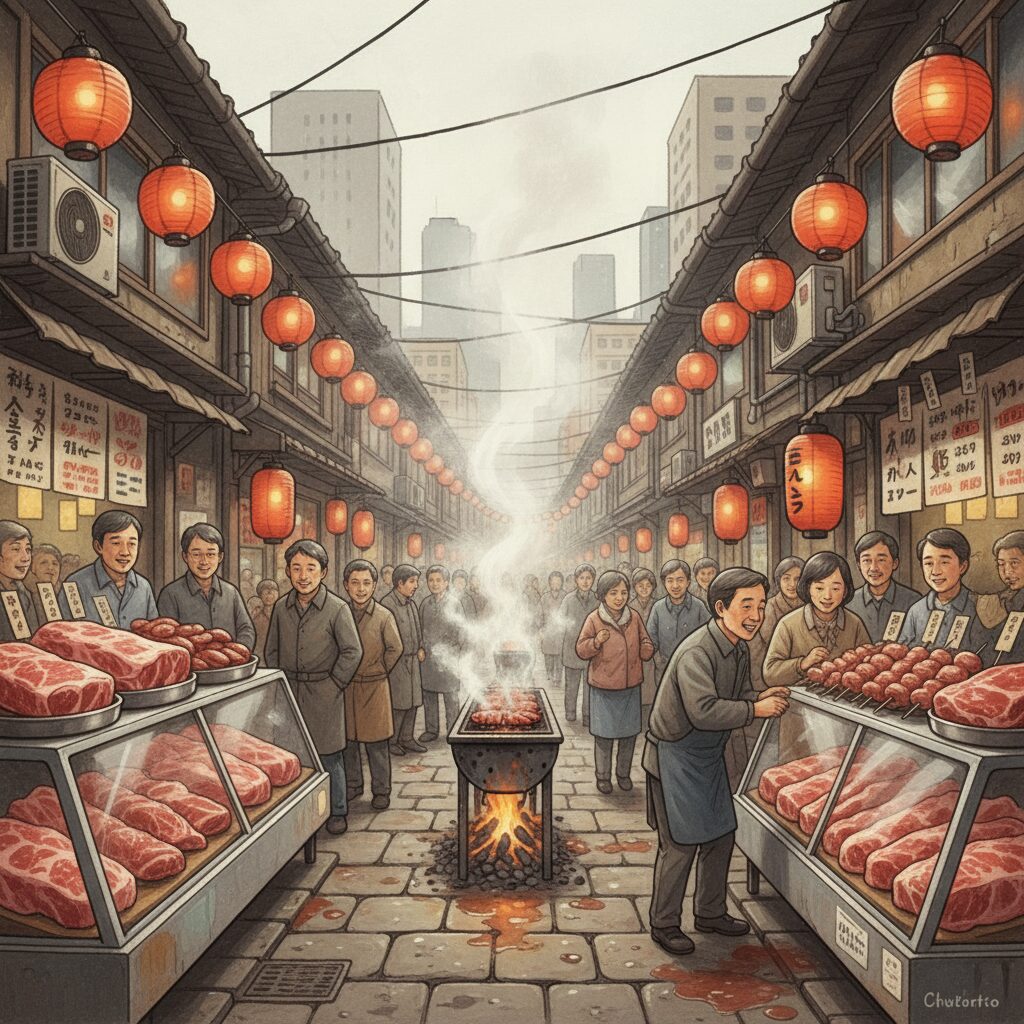
Selecting a Yakiniku restaurant in Tsuruhashi can be both exciting and overwhelming. With hundreds of options available, from stand-up-only counters (tachigui) where you can quickly enjoy a skewer and a beer, to multi-story venues that cater to larger groups, there is no single “best” choice; the perfect spot depends entirely on the experience you desire. For the purist, the thrill comes from stepping into one of the older, more rustic establishments. These are often small, seating no more than a dozen people, with ventilation provided by a lone, hardworking fan, meaning you’ll leave smelling strongly of your delicious meal. Menus may be handwritten in Japanese on the walls, and the owner might be a gruff but kind elder who has been tending the same grill for forty years. This is where Tsuruhashi’s soul resides. Seek out places frequented by locals, where laughter and conversation spill into the alley. Don’t be put off by the lack of English; a smile and a simple gesture toward what your neighbor is eating will usually be met with a welcoming nod. A key tip for navigating this scene is to embrace spontaneity. While some of the more famous, highly-rated spots require reservations weeks in advance, much of Tsuruhashi’s charm lies in discovery. Wander the alleys, follow your nose, and peek through doorways. Find a place that feels right, with an energy that calls to you. Many smaller shops specialize; one might be renowned for its pristine beef tongue (tan), while another is a temple of horumon, offering an impressive variety of offal. For a first visit, it’s often wise to choose a place offering a moriawase, or assorted platter, allowing you to sample various cuts and find your favorites without deciphering a complex menu. The key is to remain open, adventurous, and ready for an authentic, unpolished experience. The most memorable meal may not be in the most famous restaurant, but in a tiny, family-run spot you happened upon by chance.
The Language of the Grill: A Lexicon of Wagyu Bliss
Once you’ve settled at your chosen spot before the glowing grill, the true ritual begins. The menu is your sacred text, and understanding its language is essential to unlocking a transcendent meal. This is a carnivore’s paradise, where every part of the cow is honored, and each cut offers a unique journey of texture and flavor.
The Classics: Kalbi and Rosu
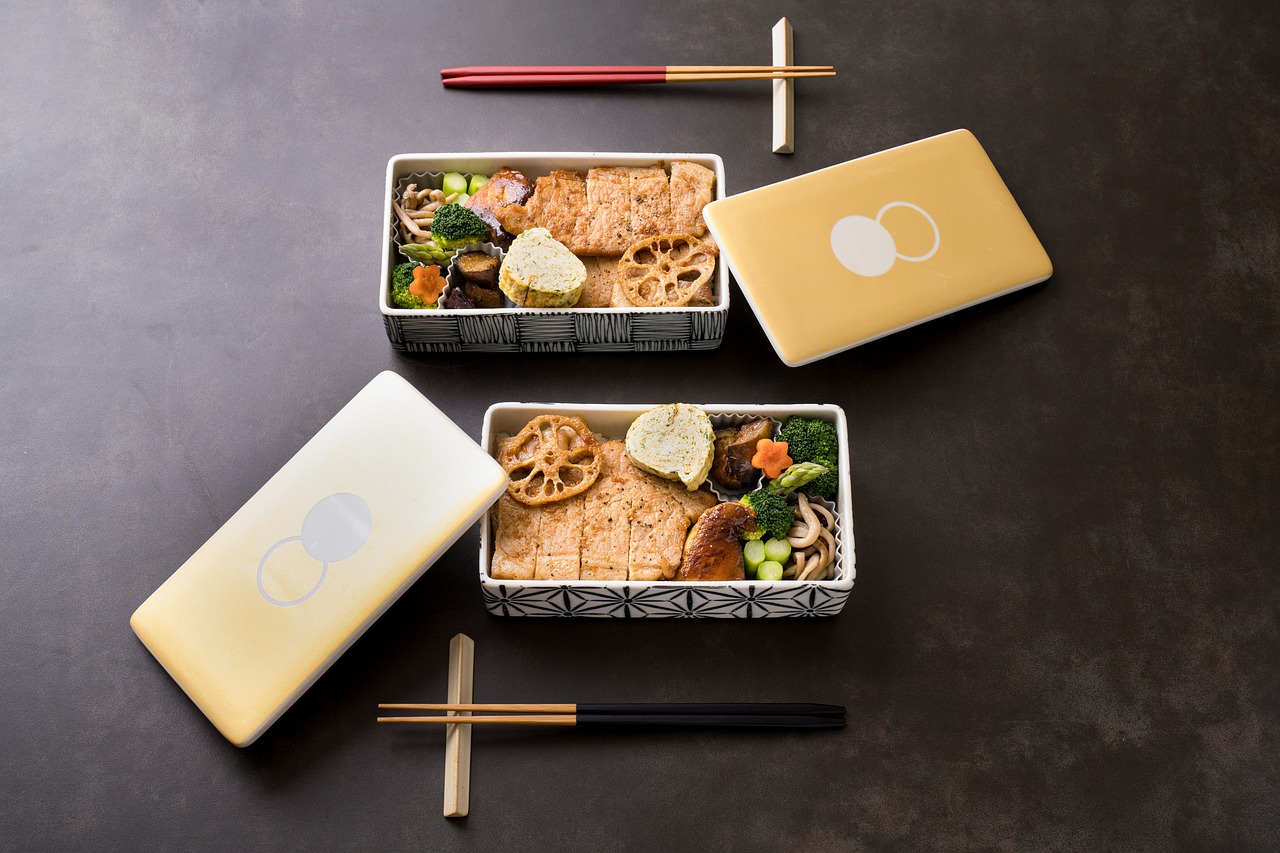
At any Yakiniku outing, Kalbi and Rosu form the foundation. Kalbi — short ribs prized for their rich marbling and buttery flavor — melt their intramuscular fat as they cook, basting the meat and releasing an irresistible aroma. Ideal Kalbi is grilled just long enough to achieve a delicious char outside while remaining tender and juicy inside. Rosu, meaning “roast,” generally refers to loin or sirloin cuts. It is typically leaner than Kalbi but no less flavorful, with a more pronounced beefy taste. High-quality Wagyu Rosu still features delicate marbling that creates a soft texture that practically melts in your mouth. When ordering, you may encounter grades like Jo-Kalbi (premium short ribs) or Toku-Jo Kalbi (extra-premium). Generally, the higher the prefix, the more intense the marbling and the richer the experience. Grilling these prime cuts requires finesse: do not overcrowd the grill. Place each piece carefully, let it sizzle for 30 to 60 seconds, then flip. The aim is a quick sear to seal in juices, not a long slow cook. A slight pink center is ideal. Once cooked, dipping in the house tare sauce is customary, but for exceptionally fine cuts, a simple sprinkle of salt and a touch of wasabi lets the Wagyu’s sublime flavor shine.
Horumon: The Soul Food of Osaka
To truly savor Tsuruhashi, you must explore the world of horumon. Here lies the true artistry and history of the region’s cuisine. While offal might intimidate newcomers, in the hands of a Tsuruhashi master, these cuts become culinary treasures. The variety is vast. Mino (first stomach) offers a delightfully crunchy, chewy texture. Tecchan (large intestine) is fatty and rich, crisping beautifully on the grill’s surface. Tsurami (cheek meat) is lean but packed with robust, beefy flavor and a satisfyingly firm bite. Senmai (third stomach) has a unique, almost frilly appearance and a mild flavor, prized for its texture. Then there’s Akasen (fourth stomach), juicy and rich, and Hatsu (heart), dense, lean, and almost steak-like. Horumon is often pre-marinated in potent miso- or soy-based sauces that complement their strong flavors. Grilling horumon differs from prime cuts; many pieces need extra time to render their fat and develop the perfect texture—crispy edges with tender interiors. This requires patience and care, moving pieces around the grill to manage flare-ups from dripping fat. Paired with white rice and a cold beer, a platter of expertly grilled horumon offers one of Osaka’s most profound and satisfying culinary experiences. It embodies a philosophy that wastes nothing and finds beauty and flavor in every part of the animal.
The Ritual of the Feast: More Than Just Grilling
A Yakiniku meal is an interactive, shared experience. You are not merely a diner; you become the chef. This hands-on ritual is a major part of what makes it so appealing. The small grill placed at the center of your table acts as a hearth, the focal point around which conversation and laughter flow.
The Fire and the Grill
The finest Yakiniku restaurants in Tsuruhashi use sumibi, or charcoal fire. This is more than just for aesthetics. The charcoal adds a subtle smokiness to the meat that a gas flame simply can’t achieve. The intense, radiant heat from the coals delivers a perfect sear, creating a beautifully crisp crust known as the Maillard reaction, while keeping the inside juicy. You’ll be handed a pair of tongs, your tool for the evening. Learning to master the grill is part of the enjoyment. Recognize the hottest spots for a quick sear and the cooler edges for slower cooking or resting a finished piece. Stay attentive. A perfect slice of Wagyu can go from sublime to overcooked in seconds. It’s a fast-paced, engaging process that involves everyone at the table.
The Supporting Cast
As exceptional as the meat is, it does not stand alone. The side dishes, or hashiyasume (literally “chopstick resters”), are vital for balancing the richness of the meal. A platter of assorted kimchi is essential. The spicy, tangy crunch of cabbage kimchi, the milder radish kimchi, and the refreshing cucumber kimchi all serve as ideal palate cleansers, cutting through the fat and preparing your taste buds for the next bite. Another staple is namul, a variety of seasoned and blanched vegetables, typically bean sprouts, spinach, and fiddlehead ferns, dressed with sesame oil and a hint of garlic. A simple, crisp salad with a wafu (Japanese-style) dressing also adds a welcome freshness. And naturally, there is rice. A bowl of pristine, fluffy white Japanese rice is perfect for soaking up the delicious meat juices and savory tare sauce. Towards the end of the meal, many diners order a bowl of reimen (cold noodles) or a warm, comforting soup such as kappu (egg soup) or wakame (seaweed) soup to round off the feast.
The Perfect Pairing
The classic drink to accompany Yakiniku is an ice-cold Japanese draft beer, or nama biru. The crisp effervescence and slight bitterness of beers like Asahi or Kirin are perfectly suited to cut through the richness of the grilled beef. It’s a classic pairing for a reason. For something different, explore Korean beverages. Makgeolli, a milky, lightly sparkling unfiltered rice wine, is an excellent choice. Its slight sweetness and gentle tang provide a wonderful contrast to the savory, smoky flavors of the meat. If you prefer a stronger option, Japanese shochu or Korean soju are popular, often served on the rocks or mixed with oolong tea. Whatever you choose, the clinking of glasses and shared toasts are an essential part of the lively, convivial spirit of a Tsuruhashi Yakiniku dinner.
Beyond the Grill: Tsuruhashi by Daylight
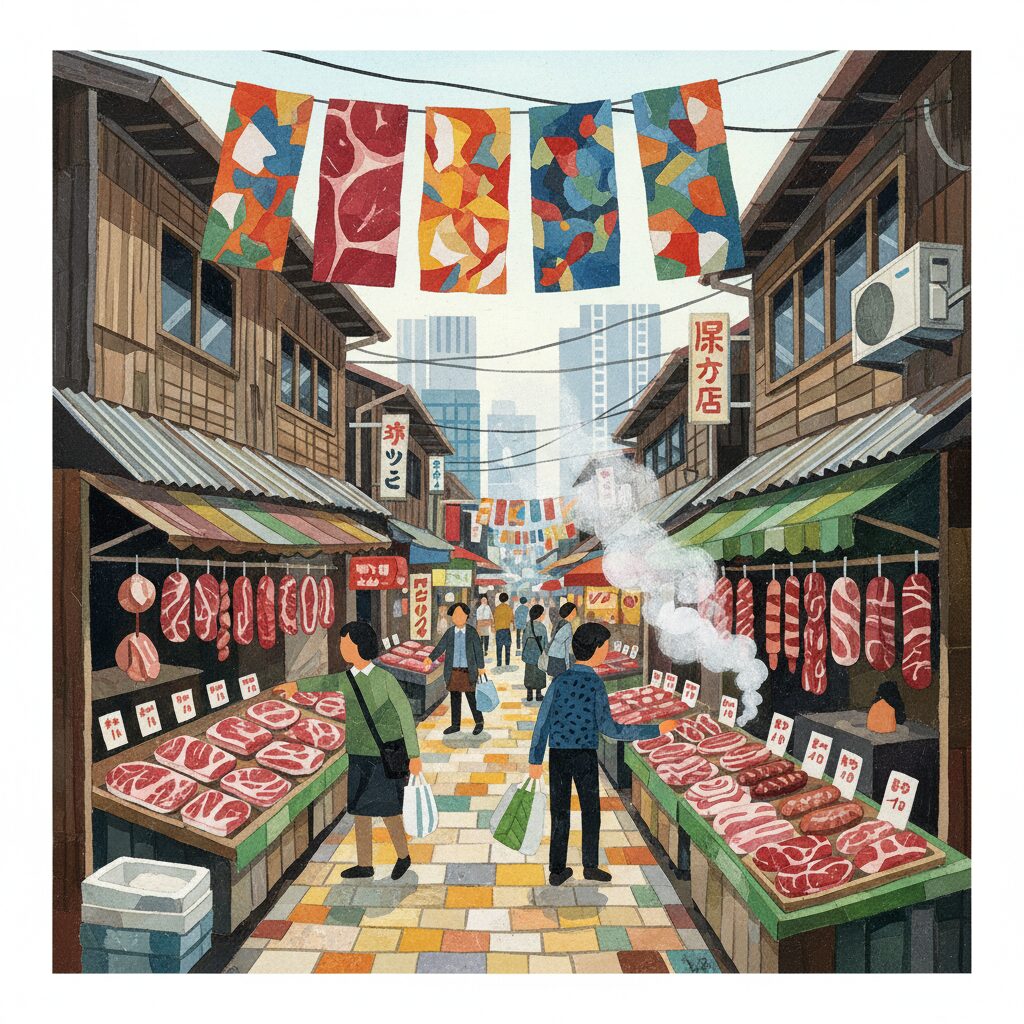
While Tsuruhashi truly comes alive at night when the grills are fired up, the area is equally fascinating to explore during the day. This is when you can truly appreciate its identity as Osaka’s largest Koreatown. The covered shotengai, which felt mysterious and smoky at night, transform into bustling marketplaces, vibrant with the energy of daily life. The air is filled with vendors’ calls and the aromas of countless ingredients. This is a paradise for food lovers even before dinner time. You can wander through shops offering an incredible variety of kimchi, far beyond what a typical supermarket carries. There are tubs of spicy cod roe, marinated octopus, and numerous types of pickled vegetables. Vendors specialize in Korean pancakes (chijimi), freshly made rice cakes (tteok), and Korean-style sushi rolls (kimbap). It’s the perfect spot to pick up culinary souvenirs or simply graze your way through the market, sampling as you go. Beyond food, shops sell traditional Korean clothing (jeogori), K-pop merchandise, and various household goods. The market is a living cultural hub where traditions are preserved and shared. Exploring Tsuruhashi during the day offers a deeper understanding of the Yakiniku you’ll savor in the evening. You see the ingredients at their source, meet the community behind this culinary scene, and gain a richer appreciation for the culture that makes this neighborhood so unique and special within Osaka.
Practical Wisdom for the Wandering Meat-Lover
A trip to Tsuruhashi is truly an adventure, and like any worthwhile journey, a bit of preparation goes a long way. Here are some practical tips to help ensure your visit is as smooth and delicious as possible.
Getting There
Tsuruhashi Station is exceptionally well-connected and easy to access. It serves as a major interchange for three different lines. The JR Osaka Loop Line makes traveling from key hubs like Osaka Station, Umeda, or Tennoji straightforward. The Kintetsu Nara Line also runs through the station, linking it to Namba and Nara. Additionally, the Osaka Metro Sennichimae Line offers another convenient subway connection to the city center, including Namba and Shinsaibashi. The Yakiniku alleys are right outside the station exits—you truly can’t miss them.
Timing is Everything
Yakiniku restaurants usually open for dinner around 5:00 PM. Weekday evenings tend to be less busy than Fridays and weekends, providing a better chance to get seated at popular spots without a reservation. If you’re set on a particular famous restaurant, making a reservation well in advance—sometimes weeks ahead—is highly advisable. However, if you’re open to exploring, arriving around 6:00 or 7:00 PM on a weekday and wandering until a spot opens up is a perfectly valid and exciting approach. Keep in mind that many smaller, family-run establishments may close one day a week, often Monday or Tuesday.
Essential Logistics
First and foremost: bring cash. While Japan is increasingly credit card-friendly, many traditional, smaller Yakiniku places in Tsuruhashi remain cash-only. It’s best to be prepared. Second, dress appropriately. You’ll be sitting close to a hot grill, and ventilation in older shops can be limited. Smoke and smells will cling to your clothes, so avoid wearing your finest outfit. Consider the lingering aroma on your jacket a tasty souvenir of your meal. Lastly, don’t worry about language barriers. Although some restaurants offer English menus, many do not. The people of Osaka are known for their friendliness and hospitality. Using a mix of pointing, gestures, and simple words like “Osusume?” (What do you recommend?) will almost always lead to a fantastic meal. The staff are experts eager to help, so embrace the challenge as part of the authentic experience.
An Ode to the Alleys
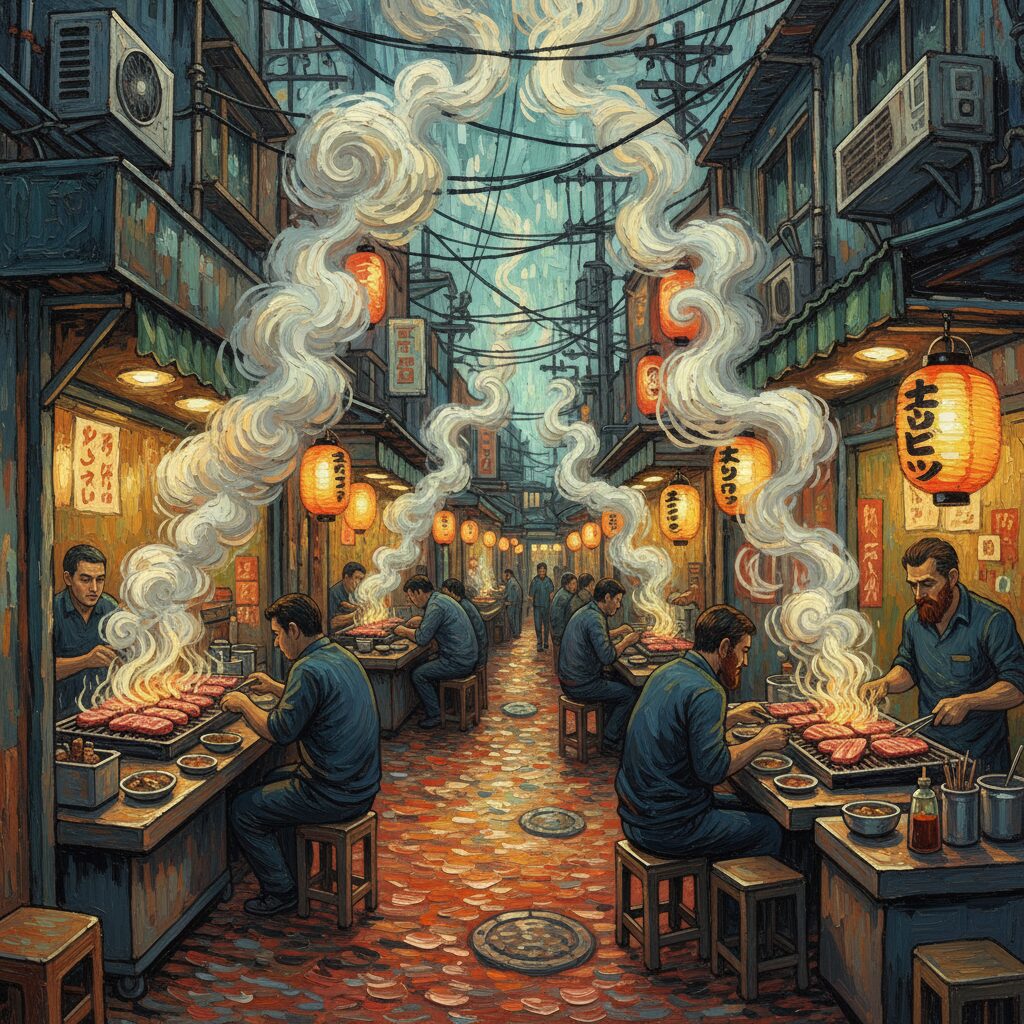
Leaving Tsuruhashi, as you walk back toward the station with a full belly and clothes still carrying the rich aroma of charcoal and grilled meat, you take with you more than just the memory of a meal. You carry the spirit of the place. Tsuruhashi is more than a collection of restaurants; it stands as a living monument to a community’s history, a celebration of flavor born from creativity, and a testament to Osaka‘s vibrant, unpretentious soul. It’s a place that reminds you the greatest culinary experiences are rarely found in quiet, polished dining rooms. They emerge instead from the loud, joyful chaos of a narrow alley, the sizzle of fat on a fire, and the shared experience of grilling meat with friends, both old and new. For the true carnivore, it is sacred ground—a place to be savored, respected, and visited again and again. Though the smoke may clear as you board your train home, the taste, the feeling, and the intoxicating rhythm of Tsuruhashi will remain with you for a very, very long time.